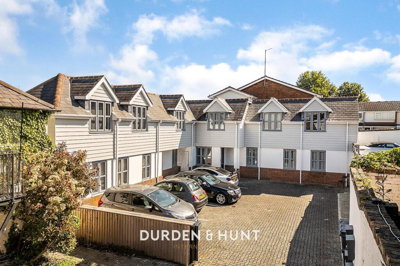
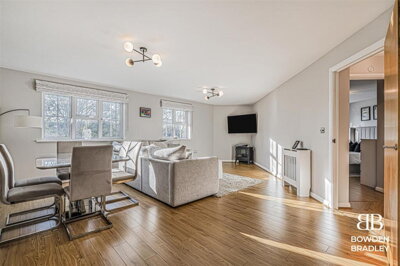
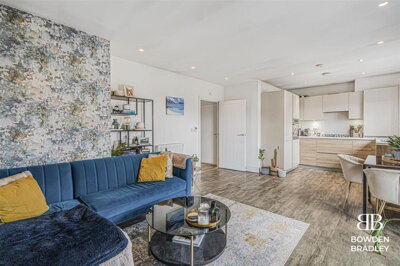
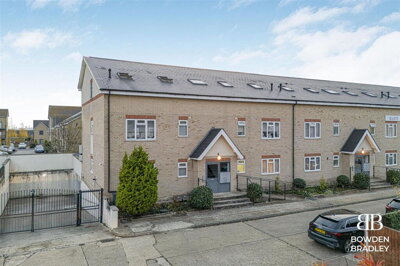
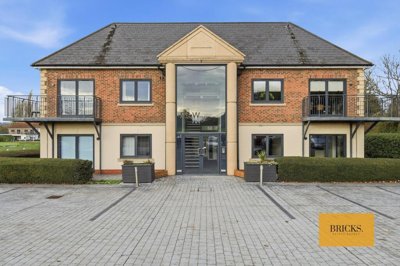
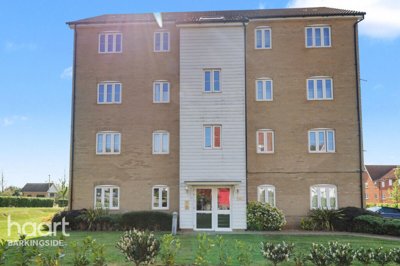
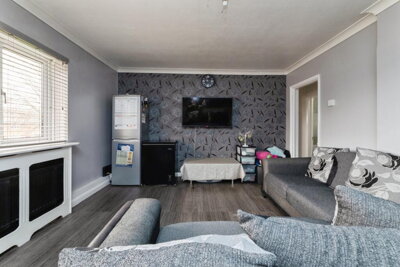
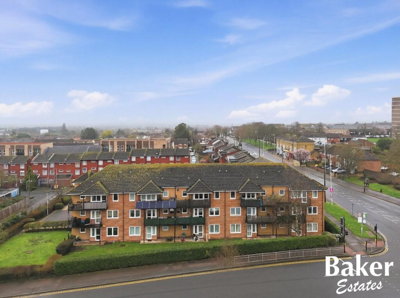
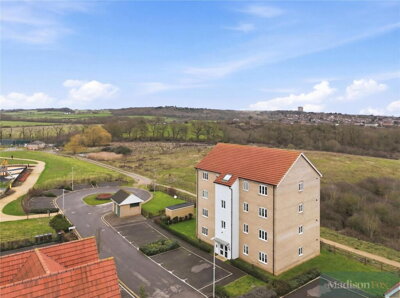
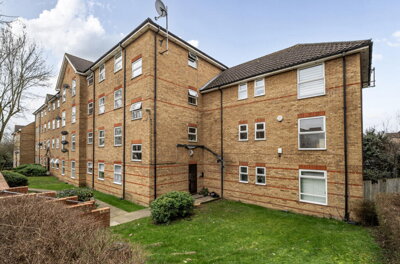
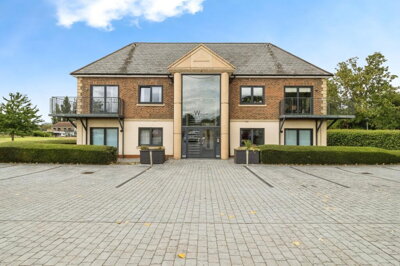
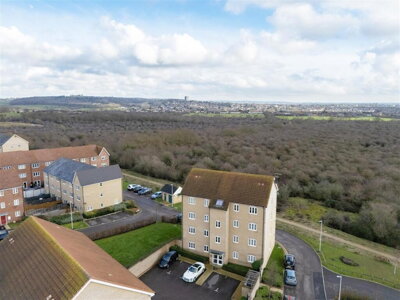
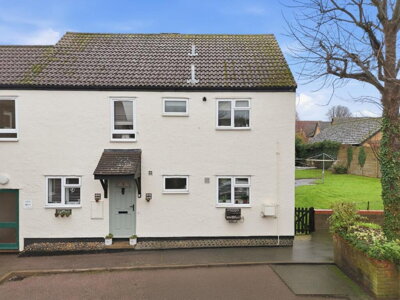
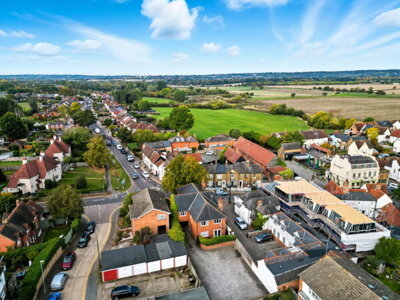
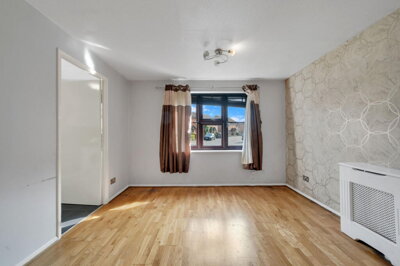
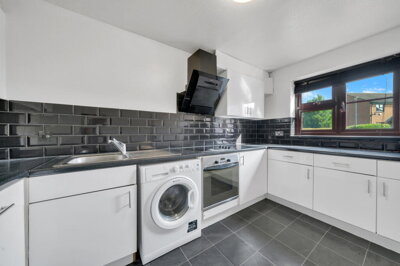
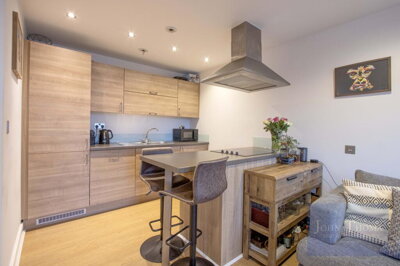
Browse 17 homes for sale in Lambourne, Epping Forest from local estate agents.
The 2 bed flat sector typically includes two separate bedrooms, dedicated living areas, and bathroom facilities. Properties in Lambourne span purpose-built blocks, converted period houses, and modern apartment complexes on various floors.
£150k
2
0
275
Source: home.co.uk
Showing 2 results for 2 Bedroom Flats for sale in Lambourne, Epping Forest. The median asking price is £150,000.
Source: home.co.uk
Flat
2 listings
Avg £150,000
Source: home.co.uk
Source: home.co.uk
Lambourne’s property market has held up well, with steady growth over recent years. The latest home.co.uk figures show Lambourne End recording an 8.6% lift in values over the past twelve months, which speaks to the pull of village living within commuting distance of London. The picture is not all one way, though, as home.co.uk data also points to some correction from earlier peaks. Homes in Lambourne End are currently around 20% below the 2022 peak of £615,439, while the wider Lambourne area sits approximately 11% down on the 2021 peak of £697,562.
Semi-detached homes do most of the heavy lifting in Lambourne, and they make up the majority of sales in both Lambourne End and the wider area. Much of that stock dates from the mid-century years, between 1936 and 1979, and it tends to suit family life well, with established gardens and settled streets. Detached houses sit at the top of the market, usually coming in between £755,000 and over £803,000, which shows how much buyers value space and privacy here.
New build activity around Lambourne has been thin on the ground, with no major development sites identified within the RM4 postcode area. We have seen some properties with planning permission mentioned across the broader area, including approved permission for possible gated schemes, but genuine new-build opportunities remain scarce. That leaves existing homes as the main route into the village, many of them carrying character and period detail. The 17th-century homes in Lambourne add real depth to the stock, and they appeal to buyers who like heritage construction and older architectural features.

Lambourne gives you the feel of a classic English village, yet it stays nicely connected to larger centres. Set in the Epping Forest district, it has direct access to woodland and heathland, so walking, cycling and general time outdoors are part of everyday life. The village itself has a straightforward charm, with cottages, mid-century family homes and narrow country lanes shaping the scene. It is a warm, lived-in community, with local facilities covering the basics and Chigwell and Loughton both close enough for more choice in shopping, dining and evenings out.
Its housing tells the story of Lambourne’s gradual change from agricultural settlement to residential village. In Lambourne End, the core stock is made up of mid-century houses built between 1936 and 1979, bringing modern conveniences and family-sized layouts to the area. Brick construction with cavity wall insulation is typical for homes of that period. Older properties still survive too, including 17th-century houses with timber frame and brick nogging. Bigger plots and mature gardens are a major part of the appeal, and they give residents the kind of private outdoor space that buyers now place a premium on.

Road links are the main starting point for travel from Lambourne, with rail access found in nearby towns. The village is within sensible reach of the major routes serving Greater London and Essex, and the M11 motorway is accessible from surrounding towns, giving direct links to Cambridge in the north and London to the south. For those heading to the City of London or Canary Wharf, the trip usually means driving or taking a bus to the nearest Underground or mainline station. Loughton and Debden on the London Underground Central line both offer access into central London, and journeys to Bank or Liverpool Street take around 40-50 minutes depending on time of day and connections.
Bus services do connect Lambourne with nearby towns and villages, so there is a basic local network for anyone without a car. The routes link the village with railway stations and town centres, although the frequency is not on the same level as in urban areas. Anyone relying on public transport should check the latest timetables and think carefully about how those services fit with work patterns. For people commuting to Romford, Chelmsford or Brentwood, driving still makes the most sense for many journeys, especially outside peak times.
Families will find a decent spread of primary and secondary education options within reach of Lambourne. The local primaries in the surrounding area have earned solid reputations for quality teaching in a supportive setting. Catchment areas matter here, so anyone considering a move should look closely at admissions rules before assuming a preferred school will be available. Because Lambourne sits in Epping Forest district, schools in nearby Chigwell, Loughton and Debden all serve the local population, and several have been well regarded for academic standards and pastoral care.
At secondary level, the wider area offers both comprehensive schools and selective grammar schools, so different approaches and abilities are catered for. Chigwell School, close by, is an established independent school that takes pupils from Reception through to Sixth Form, which gives families an all-through option. State-funded secondary schools in the surrounding towns offer comprehensive admission and vary in their academic and extracurricular strengths. Outside formal education, Lambourne has something extra to offer through Epping Forest, where environmental education, nature study and outdoor learning sit naturally alongside classroom work.

Buyers in Lambourne should keep a few local factors in mind, as they can affect both the purchase and the ongoing running costs. Much of Essex, including the Lambourne area, sits on London Clay, which has shrink-swell potential. Trees or other vegetation close to foundations can then make ground movement more likely in periods of drought or heavy rainfall. A proper survey matters, especially for older houses and those with mature gardens, and it should look closely at foundations and any sign of previous movement. We have not identified a specific flood risk issue for the Lambourne postcode area, but buyers should still check a property’s position against nearby water courses and drainage systems.
The mid-century stock in Lambourne, built between 1936 and 1979, brings a few familiar issues with it. Homes from that era may still have original single-glazed windows, tired heating systems and electrical installations that need updating to current standards. Where cavity wall insulation was installed, it may have been fitted badly or settled over time, which reduces its effectiveness. Heritage rules also apply to some homes, with at least one Grade II listed property recorded in the area. Those buildings sit under special regulations covering alterations, extensions and even some maintenance work, so specialist surveys are sensible.
Before putting in an offer, we always advise spending proper time in Lambourne at different points in the day and across the week. That gives a better sense of the pace, the noise levels and how the community actually feels. Call in at the local shops, pubs and green spaces rather than just driving through. It is also sensible to think about mobile phone coverage, broadband speeds and how close the property is to doctors and dentists.
A mortgage agreement in principle is worth sorting out before viewings begin, because it gives a clear budget and shows sellers that the buyer is serious. Speaking to several lenders, or working through a mortgage broker, helps with comparing rates and finding the right deal for the circumstances. For 2024-25, stamp duty thresholds begin at 0% for properties up to £250,000, then move to 5% on the portion between £250,001 and £925,000. First-time buyers get relief on homes up to £425,000.
Once a shortlist is in place, we arrange viewings through our platform or straight with estate agents. It helps to take someone experienced along, and to come ready with questions about the property’s history, any recent renovations and anything that has already caused concern. For the older homes common in Lambourne, including mid-century houses and character properties, it makes sense to ask specifically about the roof, damp or subsidence history, and the age of key systems such as heating and electrics.
Because so much of Lambourne’s housing stock is older, a RICS Level 2 Survey, formerly known as a HomeBuyer Report, is strongly recommended before any purchase goes ahead. It gives a detailed inspection of accessible parts of the property and can pick up defects that a normal viewing will miss. For the mid-century homes that dominate parts of Lambourne, we would pay close attention to cavity wall insulation, window frames and original heating systems.
After an offer is accepted, the next step is to instruct a solicitor or licensed conveyancer to deal with the legal side of the purchase. Their job is to carry out searches, check the title deeds and manage exchange of contracts. For Lambourne properties, those searches may include local authority checks for planning permissions and road schemes, environmental searches to flag contamination risks, and drainage searches. A standard conveyancing process usually takes between 8 and 12 weeks.
The closing stage is fairly straightforward, sign the contracts, pay the deposit funds and agree a completion date with the seller. On completion day, the keys to the new Lambourne home are handed over. Buildings insurance needs to be in place from the point the buyer becomes the legal owner, and utilities should be transferred into the buyer’s name.
Recent home.co.uk listings data puts average house prices in the Lambourne area at about £624,316, though different sources can show different results. homedata.co.uk and home.co.uk both report higher figures of around £945,000 for Lambourne End specifically, while home.co.uk shows £479,433 for the same area. By type, detached homes generally fetch £755,000 to £803,000, semi-detached properties sit between £559,000 and £712,000, terraced homes average around £431,000, and flats start from roughly £324,600. Some parts of the market have seen an 8.6% annual rise, although prices have eased back from the peaks recorded in 2021-2022. With that spread in values, buyers should look closely at individual homes and speak to local estate agents about current conditions.
Lambourne properties fall under Epping Forest District Council, which sets council tax according to the valuation band assigned by the Valuation Office Agency. The bands run from A through to H, and they are based on the property’s assessed value as of April 1991. Individual bands for Lambourne homes can be checked on the Epping Forest District Council website or through the government council tax valuation service. The semi-detached family homes that are common locally would usually sit in bands C to E, while larger detached houses may fall into bands E to G. Buyers should always check the band for a specific property, as it is part of the ongoing cost of ownership.
Schooling in and around Lambourne is served by primary schools in nearby villages and towns, and several have picked up positive recognition for their provision. Catchments need careful checking, because admission areas vary and can make a real difference to access. Chigwell School offers an independent all-through option within a reasonable distance of Lambourne, while state secondary schools in places such as Loughton and Chigwell serve the wider area. Essex County Council’s admissions team should be contacted to confirm school places, as popular schools can have waiting lists. For families looking at Lambourne, school research needs to sit near the top of the property search list, since education often shapes long-term satisfaction with a location.
Getting around from Lambourne usually means using a mix of buses and rail from stations nearby. The nearest London Underground stations on the Central line are in Loughton and Debden, and bus services connect the Lambourne area to both. Combined bus and Underground journeys to Bank or Liverpool Street take around 40-50 minutes. Mainline rail from stations in neighbouring towns adds other options for trips beyond London. Because bus frequencies are limited compared with urban areas, current timetables should be checked in advance, and for most residents car ownership still brings the most flexibility.
Lambourne has several features that make it interesting to property investors, not least its village character, countryside setting within Epping Forest and decent transport links into London. The local market has also proved resilient, with 8.6% price growth reported over the past year despite wider market uncertainty. Limited new build supply in the immediate area helps support values for existing homes, and village locations near London continue to appeal to buyers. Rental demand is likely to come from commuters and families looking for a village lifestyle at a lower entry point than closer-to-London alternatives. Any investment, though, has to account for stamp duty, agent fees and the ongoing upkeep that comes with much of the older housing stock.
Stamp Duty Land Tax for 2024-25 applies to all purchases in England, with the nil-rate threshold currently set at £250,000 for residential property. From £250,001 to £925,000, the rate is 5%, then it rises to 10% on the portion between £925,001 and £1.5 million, and 12% on anything above £1.5 million. First-time buyers get enhanced relief, with the nil-rate threshold raised to £425,000 and the 5% rate applying only to the portion between £425,001 and £625,000. For a typical semi-detached home in Lambourne priced around £600,000, a first-time buyer would pay about £8,750 in stamp duty under the current rules, compared with £17,500 for a non-first-time buyer.
Because so many Lambourne homes were built between 1936 and 1979, buyers should look closely at a few common issues. Original windows and doors may still be single-glazed and draughty, heating systems can be old or inefficient, and electrical installations may need bringing up to current standards. Homes on London Clay substrate can show signs of subsidence, especially where trees sit close to the foundations. Damp, both rising and penetrating, is another risk in older properties and should be checked by a qualified surveyor. Roof condition deserves close attention too, since replacement costs for pitched or flat roofs can be substantial. A RICS Level 2 Survey is strongly recommended for all purchases in the area so defects are identified before commitment.
Properties for Sale In London

Properties for Sale In Plymouth

Properties for Sale In Liverpool

Properties for Sale In Glasgow

Properties for Sale In Sheffield

Properties for Sale In Edinburgh

Properties for Sale In Coventry

Properties for Sale In Bradford

Properties for Sale In Manchester

Properties for Sale In Birmingham

Properties for Sale In Bristol

Properties for Sale In Oxford

Properties for Sale In Leicester

Properties for Sale In Newcastle

Properties for Sale In Leeds

Properties for Sale In Southampton

Properties for Sale In Cardiff

Properties for Sale In Nottingham

Properties for Sale In Norwich

Properties for Sale In Brighton

Properties for Sale In Derby

Properties for Sale In Portsmouth

Properties for Sale In Northampton

Properties for Sale In Milton Keynes

Properties for Sale In Bournemouth

Properties for Sale In Bolton

Properties for Sale In Swansea

Properties for Sale In Swindon

Properties for Sale In Peterborough

Properties for Sale In Wolverhampton

Enter your details to see if this property is within your budget.
Loans, cards, car finance
Estimated property budget
Borrowing + deposit
You could borrow between
Typical borrowing
Monthly repayment
Est. at 4.5%
Loan-to-value
This is an estimate only. Your actual budget may vary depending on interest rates, credit history, and personal circumstances. For an accurate affordability assessment, speak to one of our free mortgage advisors.
This calculator provides estimates for illustrative purposes only and does not constitute financial advice. Your home may be repossessed if you do not keep up repayments on your mortgage. Estimates based on 4.5% interest rate, repayment mortgage. Actual rates depend on your circumstances.
Homemove is a trading name of HM Haus Group Ltd (Company No. 13873779, registered in England & Wales). Homemove Mortgages Ltd (Company No. 15947693) is an Appointed Representative of TMG Direct Limited, trading as TMG Mortgage Network, which is authorised and regulated by the Financial Conduct Authority (FRN 786245). Homemove Mortgages Ltd is entered on the FCA Register as an Appointed Representative (FRN 1022429). You can check registrations at NewRegister or by calling 0800 111 6768.

We use cookies to show you personalised content and improve your experience of our website. Find out more in our Privacy policy and Cookie policy.