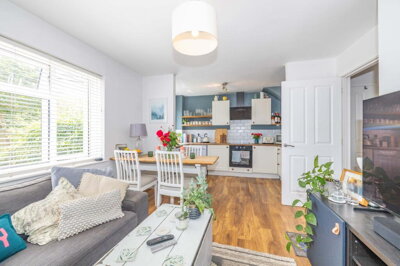
Browse 1 home for sale in Ickham and Well from local estate agents.
One bed apartments provide a separate bedroom alongside distinct living space, bathroom, and kitchen areas. Properties in Ickham And Well are available in various building types including mansion blocks, contemporary developments, and house conversions.
---NEXT--- Ickham and Well remains the priciest parish in the Canterbury district, a reflection of how sought-after it is and how few homes come to market. Our data shows detached properties averaging £875,000, which sits at the top end of the local market, while semi-detached homes average about £550,000 and offer a slightly more approachable way in. The stock is thin, so buyers who spot the right house usually need to move fast. ---NEXT--- That pace has eased a little. Prices are roughly 7% off the 2022 peak of £848,250, which has opened things up for serious buyers. homedata.co.uk records terraced sales from £475,000 to £550,000, including 15 The Street, Ickham at £240,000 in March 2021 and Woodcotside, The Street at £222,000 in January 2021. Even so, the village remains a slow-burn market, with period-home sellers often waiting for someone who understands the appeal. ---NEXT--- For anyone eyeing new-builds, the wider Canterbury postcode area saw 312 newly built property sales between January 2025 and December 2025, making up 4.9% of all sales, with an average new build price of £329,000. Inside Ickham and Well, development is very limited because of conservation village status, so this wider picture mostly underlines the gap between the surrounding new-build market and the established housing here. These are not fresh schemes but carefully kept historic homes, where provenance and character matter as much as everyday comfort. ---NEXT--- A mortgage agreement in principle is the sensible starting point before any viewings. With homes in Ickham and Well often sitting around £725,000, we need to be clear on borrowing power and financial headroom from the outset. An independent financial adviser can also be useful here, especially when sorting through mortgage products for premium rural property. ---NEXT--- Because so many homes in Ickham and Well are older, we recommend a RICS Level 2 Survey for most purchases, and a Level 3 Survey for Grade II listed buildings. Basic valuations miss the quirks of period construction. Kent’s clay soil adds another layer, with subsidence movement a real concern for older foundations. Plan for £350 or more for a thorough survey on a typical village property. ---NEXT--- homedata.co.uk puts the average house price in Ickham and Well at £725,000, which is why the parish sits at the top of the Canterbury district tables. Detached homes average £875,000 and semi-detached properties around £550,000. Prices are around 7% below the 2022 peak of £848,250, so buyers are seeing a calmer market than before. Terraced sales have ranged from £475,000 to £550,000, and 15 The Street reached £240,000 in March 2021, although openings at that level are few and far between in a village dominated by larger homes. ---NEXT--- Stamp duty in England is worked out from the purchase price. On a property at £725,000, which is close to the local average, a non-first-time buyer pays 5% on the band from £250,000 to £500,000, then 10% on the slice from £500,000 to £725,000, leaving a total SDLT bill of about £23,750. First-time buyers get relief on the first £425,000, which cuts the bill sharply on an average-priced home, although that relief disappears altogether above £625,000. We always suggest checking the current figures with HMRC, because thresholds can change, and the wider budget needs to cover surveys, solicitor fees and removal costs too. ---NEXT--- Buying in Ickham and Well brings costs beyond the purchase price, so we build them into the budget from day one. Under the current SDLT thresholds (2024-25), a typical home at around £725,000 would leave a non-first-time buyer with SDLT of roughly £23,750 on top of the price. First-time buyers still benefit from relief on the first £425,000, though it falls away completely once the purchase goes above £625,000. Getting the numbers right up front helps avoid awkward surprises later in the transaction. ---NEXT--- Given the age and character of the housing here, we would factor in a full building survey, with a RICS Level 2 Survey usually starting from £350 in this price range. A Level 3 Structural Survey is sensible for Grade II listed buildings or any property showing signs of movement, especially with Kent’s clay soils and the foundation issues they can cause over time. Conveyancing fees for a conservation village transaction often begin at around £499, although extra searches tied to listed building status and conservation area rules can push that up. Surveyors and solicitors who know Canterbury well are best placed to spot the problems common in this historic stock.
Prices have eased by around 7% from the 2022 peak of £848,250, which has created a steadier market for serious buyers. homedata.co.uk records terraced homes between £220,000 and £240,000, including 15 The Street, Ickham at £240,000 in March 2021 and Woodcotside, The Street at £222,000 in January 2021. Those chances do not come up often in a village made up mainly of larger homes, where even the smaller places tend to attract a premium because of the setting. Sales move at their own pace here, and many owners of period houses or listed property wait for the buyer who really gets the village.
New-build buyers looking across the wider Canterbury postcode area saw 312 newly built property sales between January 2025 and December 2025, accounting for 4.9% of all sales and averaging £329,000. Inside Ickham and Well, new schemes are extremely limited because the village is a conservation area, so this wider data mainly highlights the contrast between the established period stock here and the more active new-build market nearby. In Ickham and Well, the offer is different altogether, historic homes that have been carefully preserved, where character and provenance matter just as much as modern convenience.

Ickham and Well carries official conservation village status, so every development decision has been weighed against the need to protect its rural setting and historic feel. The name itself comes from the two original settlements that gradually joined together, and the parish still keeps the small scale and village greens that have shaped Kentish rural life for centuries. People living here can walk into open countryside, call in at a traditional pub serving local ales, and rely on the sort of neighbourly atmosphere that is much rarer in towns. Village events run through the year too, bringing together families who have been here for generations with newer arrivals who soon settle in.
The housing stock tells its own story. Former barns and farm cottages across Ickham and Well have been converted into homes with original beams, inglenook fireplaces and Kentish peg tiles still very much part of the fabric. Many date back to the late 1800s or earlier, built in traditional ways from locally sourced materials. A substantial six-bedroom detached family house, first built in the late 1800s, gives a good idea of the type of period property on offer, with features modern construction simply cannot copy. Stone walls, mature hedgerows and gardens that have grown in over generations give the streetscape a settled feel you will not find everywhere in Canterbury.
Traditional building methods bring charm, but they also bring a few things buyers need to understand. Timber frames and oak beams are common, as are old plumbing systems that may need updating and heating arrangements that would benefit from modernisation. Kent’s clay soils can also lead to subsidence movement over time, so a proper survey matters. Conservation area rules shape what can be changed too, especially external alterations, extensions and even some repairs, which may need Canterbury planning authority consent. That is part of the package here.
Families moving to Ickham and Well have a decent spread of primary schools within reach in nearby villages and Canterbury suburbs. The city itself has several well-regarded primaries with strong Ofsted ratings, and the wider Canterbury area offers options for children at every stage. Plenty of families use local primary provision first, then move on to secondary schools in Canterbury, where both selective and non-selective routes are available. Journey times are manageable, usually 15-20 minutes by car to city-based schools.
Secondary schooling in Canterbury includes grammar schools for academically strong pupils and comprehensive schools serving broader catchments, with several city schools posting good GCSE results year after year. We would always check catchment areas and admissions rules carefully, because Kent Test success is normally needed for grammar places. The selective schools pull in families from across the area, including those prepared to commute from villages like Ickham and Well. The University of Kent on the edge of Canterbury adds another further-education option within easy reach.
Parents often point to the strength of education in the wider Canterbury area as one of the main reasons for moving here, especially when it sits alongside the rural lifestyle the parish offers. Independent schools in Kent are also worth a look for families who want something different from the state system, with a range of educational philosophies and curriculums. Being so close to Canterbury gives real choice, whether the priority is academic selection, comprehensive community schooling or private education. That variety adds to Ickham and Well’s appeal for families at every stage of school life.

Rural though it feels, Ickham and Well is well connected for trips into Canterbury, whether for work or a night out. Via the A257, the city centre is about 15 minutes away by car, and the road is generally far less congested than urban alternatives as it winds through the Kent countryside. There are bus services linking the village with Canterbury and nearby settlements, although they are less frequent than town routes, so many residents still rely on a car for day-to-day flexibility. The same road also reaches Littlebourne and Barham, which adds a few handy local stops without needing to head into the city.
From Canterbury railway station, direct services run to London Victoria and London St Pancras International, and the trip to Victoria takes about 90 minutes. Whitfield also gives access to the High Speed Rail line via Dover Priory, bringing London journey times down to around an hour for those who need a faster run into the capital. Farther afield, the A2 and M2 can be reached within reasonable driving distance, opening up the wider motorway network and destinations beyond Kent. Whitstable’s beaches are roughly 30 minutes away, so the village works well for anyone who likes countryside living with the coast close by.
Anyone commuting from here has to think about the practicalities, and car ownership is usually the difference between easy living and constant juggling. For London workers, the 90-minute run to Victoria may be fine for occasional office days, while faster commuters will want to compare the High Speed option from Dover with driving to a Kent station closer to London. Country roads are noticeably easier at weekends, which makes outings and day trips more straightforward. Many residents feel the quieter village life more than makes up for the extra travel time compared with living in Canterbury itself.

Start by getting a feel for what Ickham and Well actually offers, both in property types and in day-to-day lifestyle. Conservation status means some homes carry planning quirks, especially listed buildings that need listed building consent for alterations. We suggest attending village events, walking the area and talking to residents, because that gives a much clearer sense of whether the place fits your expectations before the search gets serious.
A mortgage agreement in principle should be in place before viewings begin. With properties in Ickham and Well commanding higher prices, we need a clear picture of borrowing capacity and financial headroom for homes averaging £787,500. An independent financial adviser can be helpful at this stage, particularly when weighing up mortgage products for premium rural homes.
Viewings should be used to judge how each property would work for you in real life. We would look closely at the state of period features, the history of any listed buildings, and whether recent work has dealt with common issues such as damp proofing and roof condition. Because timber-frame construction is so common in the village, signs of woodworm or rot matter, as does whether the original windows have been replaced with modern double-glazing or kept as part of the character.
Because properties in Ickham and Well are so old, we usually recommend a RICS Level 2 Survey for most homes and a Level 3 Survey for Grade II listed buildings. Those surveys pick up issues tied to period construction that a basic mortgage valuation would miss. Kent’s clay soils make that even more important, because they can lead to subsidence movement in older foundations. For a typical village property, a comprehensive survey will usually cost £350 or more.
A solicitor with experience in rural and listed property transactions is the right fit here. They will deal with searches, title checks and any special conditions linked to conservation areas or listed building rules. Because so many Ickham and Well homes are specialist in nature, we would want a solicitor who understands what conservation village status means and who has handled properties where planning constraints could limit future alterations or extensions.
Once searches are clear and the mortgage is in place, your solicitor can move things on to exchange of contracts and then completion. On completion day, the keys to your new home in Ickham and Well are handed over. The local market is slower than many urban ones, so the process may take longer than expected, and it pays to keep communication open with everyone involved throughout.
Buying in Ickham and Well means paying close attention to the rules that come with conservation villages and period homes. Grade II listed buildings need listed building consent for most alterations, renovations have to respect original features, and some homes carry planning restrictions designed to protect the village character. Before we commit, we check with the local planning authority in Canterbury whether the property is listed and what that means in practice for any plans we have. If certain alterations are off the table, that can shape how well the home works, so the due diligence matters.
The older houses in Ickham and Well were built using methods that bring character, but also a few things we need to factor in. Timber frames, original plumbing systems and older heating arrangements are all common, and some will need updating. The local clay geology means foundations can move over time, especially after drought followed by heavy rain, which is relevant to homes sitting on shrinkable clay soils common throughout Kent. A full building survey is essential before purchase, particularly because properties from the late 1800s and earlier make up a large share of what is available. We would also allow for renovation costs in the budget and get quotes for any works needed to bring a period house up to modern standards without flattening its character.
Some features deserve a close look: original sash windows, the condition of timber beams and structural framing, the state of fireplaces and flues, and how effective the insulation really is. Converted barns bring their own points to check too, from higher ceilings that can push up heating costs to exposed stone or brick walls that need a particular approach to maintenance. Agricultural details such as large doors or haylofts may have been adapted for housing, and it is worth looking beyond the obvious, into roof spaces, cellars and less-used rooms, to see the full picture.

homedata.co.uk puts the average house price in Ickham and Well at £787,500, which keeps it at the top of the Canterbury district table. Detached homes average about £1,225,000, while semi-detached properties usually change hands for around £350,000. Prices are roughly 7% below the 2022 peak of £848,250, so buyers are meeting a steadier market than before. Terraced sales have sat between £220,000 and £240,000, and a property at 15 The Street reached £240,000 in March 2021, although openings at that level remain rare in a village dominated by larger homes.
Yes, Ickham and Well is a conservation village, so specific planning controls are in place to protect its historic character and rural setting. That has a direct effect on what owners can do, especially where external alterations, extensions and new buildings are concerned. Renovation work inside the conservation area can also bring extra requirements, including the use of materials and methods that fit the village’s historic fabric. Any major works may need consent from Canterbury planning authority, so we would factor that into the plans from the outset.
The village stock is mostly detached period homes, converted barns and traditional cottages, and a good number are Grade II listed. Semi-detached houses and bungalows are present too, but terraced properties are fairly uncommon because the plots here are generally large. Character homes with period detail are the norm, not modern estates, and many date from the late 1800s or earlier. A substantial six-bedroom detached home from the late 1800s is a good example of the larger period property available, while converted farm buildings bring their own appeal with exposed beams and inglenook fireplaces.
Grade II listed homes in Ickham and Well are protected because of their special architectural or historic interest, so alterations, extensions and even some repairs need listed building consent from Canterbury planning authority. The same applies to certain internal works as well as external features where the building’s character is affected. Insurance can be more expensive for listed property, and a standard mortgage may call for surveys that go beyond a basic valuation. We strongly advise using a solicitor who knows listed transactions and booking a comprehensive building survey before purchase. Renovation budgets also need to account for the higher costs that can come with traditional methods and original materials.
Bus links to Canterbury and neighbouring villages do exist, but they are less frequent than urban services, so most residents find a car more practical. Canterbury railway station offers direct trains to London Victoria and London St Pancras International, with Victoria taking around 90 minutes. The village is about 15 minutes from Canterbury city centre by car via the A257, which suits regular drivers but is less convenient if public transport is your only option. For a faster London run, the High Speed line through Dover Priory cuts the journey to roughly an hour for those prepared to head to the Whitfield area.
Being the most expensive parish in Canterbury, with very few homes available, Ickham and Well tends to hold its value well over time. Conservation village status, limited scope for new development and the short hop to Canterbury all support steady demand from buyers after a rural setting with decent connections. Sales are infrequent because the stock is so small, so any purchase should be seen as a long-term hold. The premium on period properties here and the village’s lasting appeal point to solid fundamentals for value retention, even if you should not expect the fast-moving liquidity of a busier urban market.
Stamp duty in England is based on the purchase price. For a home at £787,500, close to the local average, a non-first-time buyer pays 5% on the band from £250,000 to £500,000 and 10% on the band from £500,000 to £787,500, which comes to about £26,875 in SDLT. First-time buyers get relief on the first £425,000, which brings the bill down a long way on an average-priced purchase, although that relief disappears completely above £625,000. We always check the latest HMRC figures because thresholds can move, and the wider budget still needs to cover surveys, solicitor fees and removals.
We did not identify specific flood risk data for Ickham and Well in our research, but the village’s position in the Kent countryside means local drainage and watercourses still need checking. Clay soils across Kent can cause subsidence-related movement over time, especially after drought followed by heavy rainfall. That is particularly relevant to older homes with traditional foundations that were never designed for ground movement. A full survey from a qualified surveyor with period-property experience should pick up any signs of subsidence, movement or other structural issues linked to the local geology and the way these homes were built.
From 4.5%
Specialist rural mortgage advice for high-value properties
From £499
Solicitors experienced in conservation village transactions
From £350
Thorough inspection for period properties
From £60
Energy performance certificate for your new home
Buying in Ickham and Well brings extra costs on top of the purchase price, and we would factor them into the budget from the outset. Under the current SDLT thresholds (2024-25), a typical home priced around £787,500 would leave a non-first-time buyer with SDLT of about £26,875 on top of the purchase price. First-time buyers still get relief on the first £425,000, although that falls away entirely once the price goes above £625,000. Getting the budget right from the start helps avoid financial surprises later in the transaction.
Because the homes here are old and full of character, we usually suggest setting aside money for a proper building survey, with a RICS Level 2 Survey often starting from £350 in this price bracket. A Level 3 Structural Survey may suit Grade II listed buildings or properties that show signs of movement, especially with Kent’s clay soils and the foundation problems they can create over time. Conveyancing fees for a conservation village transaction often begin at around £499 for a standard purchase, although extra searches tied to listed building status and conservation area rules can add to that. Surveyors and solicitors with Canterbury experience are best placed to spot issues in this historic stock.
Removal costs, property insurance and any immediate renovation work also need to sit inside the budget. In Ickham and Well, period homes often need some modernisation, whether that means tackling outdated heating systems, improving insulation or restoring original features. Some works may also need building regulations approval, which adds both time and cost. A realistic budget that covers the move and any medium-term improvements helps keep the purchase comfortable once we are settled into the new village home.

Properties for Sale In London

Properties for Sale In Plymouth

Properties for Sale In Liverpool

Properties for Sale In Glasgow

Properties for Sale In Sheffield

Properties for Sale In Edinburgh

Properties for Sale In Coventry

Properties for Sale In Bradford

Properties for Sale In Manchester

Properties for Sale In Birmingham

Properties for Sale In Bristol

Properties for Sale In Oxford

Properties for Sale In Leicester

Properties for Sale In Newcastle

Properties for Sale In Leeds

Properties for Sale In Southampton

Properties for Sale In Cardiff

Properties for Sale In Nottingham

Properties for Sale In Norwich

Properties for Sale In Brighton

Properties for Sale In Derby

Properties for Sale In Portsmouth

Properties for Sale In Northampton

Properties for Sale In Milton Keynes

Properties for Sale In Bournemouth

Properties for Sale In Bolton

Properties for Sale In Swansea

Properties for Sale In Swindon

Properties for Sale In Peterborough

Properties for Sale In Wolverhampton

Enter your details to see if this property is within your budget.
Loans, cards, car finance
Estimated property budget
Borrowing + deposit
You could borrow between
Typical borrowing
Monthly repayment
Est. at 4.5%
Loan-to-value
This is an estimate only. Your actual budget may vary depending on interest rates, credit history, and personal circumstances. For an accurate affordability assessment, speak to one of our free mortgage advisors.
This calculator provides estimates for illustrative purposes only and does not constitute financial advice. Your home may be repossessed if you do not keep up repayments on your mortgage. Estimates based on 4.5% interest rate, repayment mortgage. Actual rates depend on your circumstances.
Homemove is a trading name of HM Haus Group Ltd (Company No. 13873779, registered in England & Wales). Homemove Mortgages Ltd (Company No. 15947693) is an Appointed Representative of TMG Direct Limited, trading as TMG Mortgage Network, which is authorised and regulated by the Financial Conduct Authority (FRN 786245). Homemove Mortgages Ltd is entered on the FCA Register as an Appointed Representative (FRN 1022429). You can check registrations at NewRegister or by calling 0800 111 6768.

We use cookies to show you personalised content and improve your experience of our website. Find out more in our Privacy policy and Cookie policy.