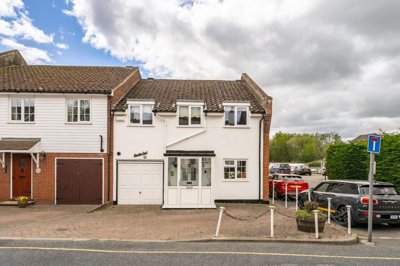
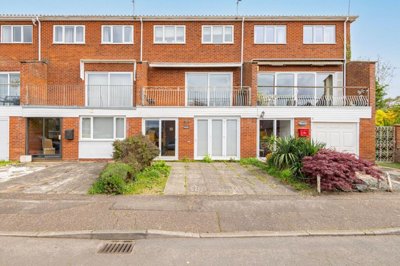
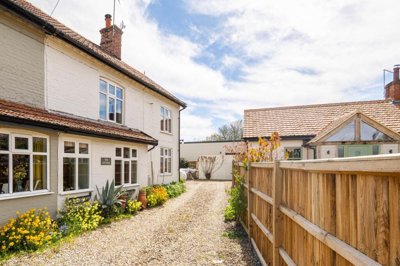
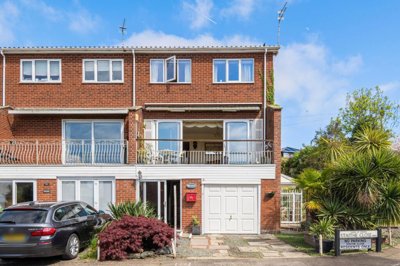
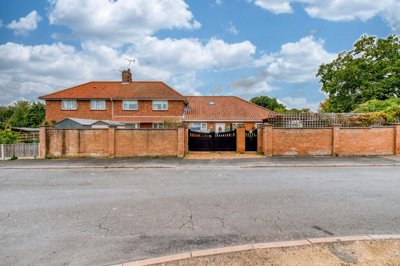
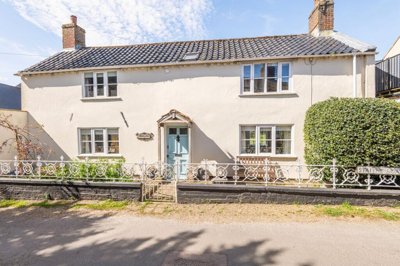
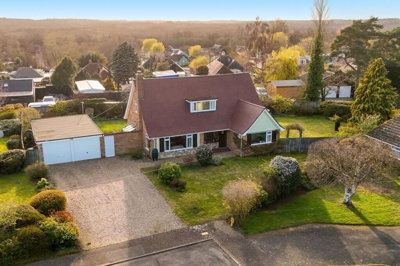
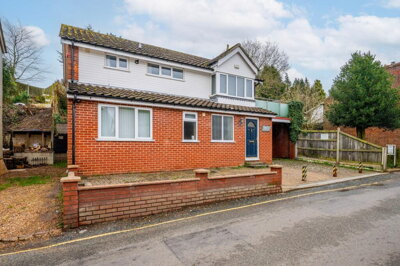
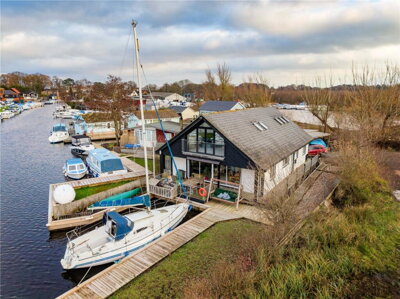
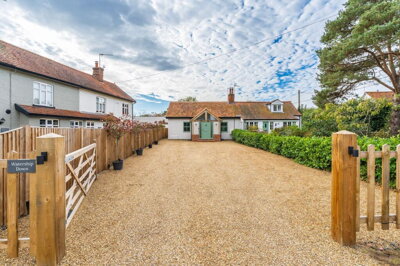
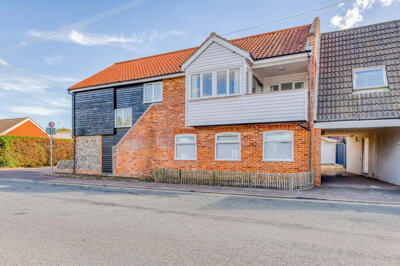
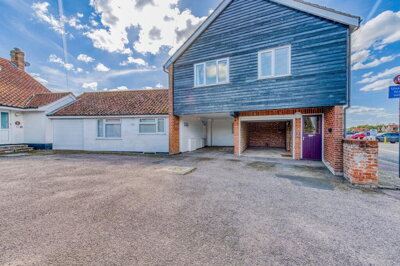
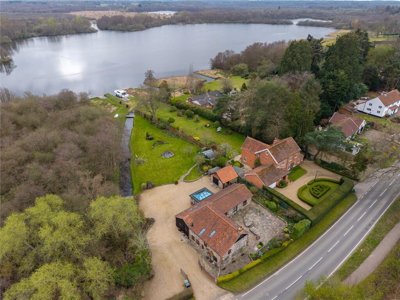
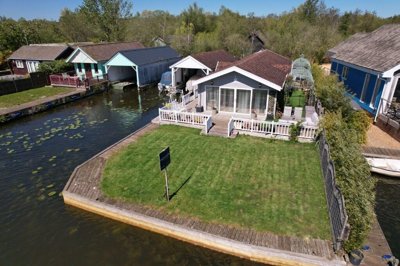
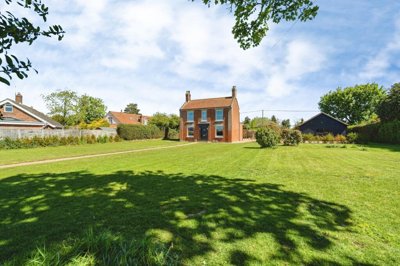
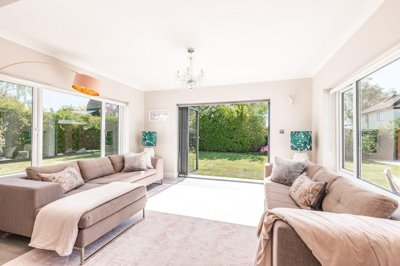
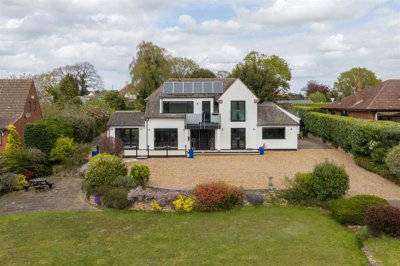
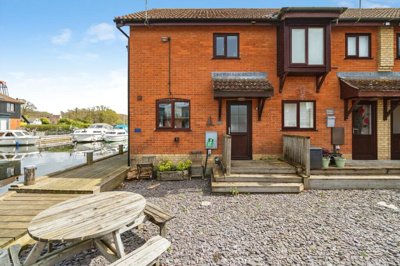
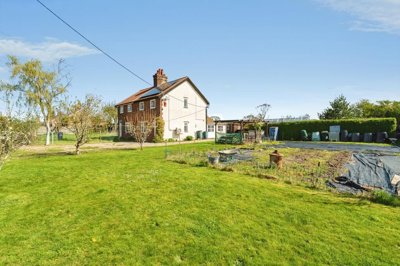
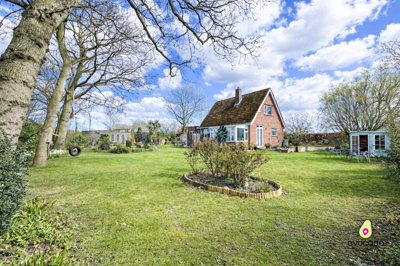
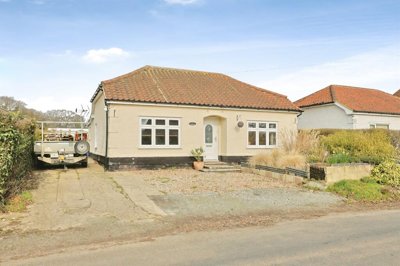
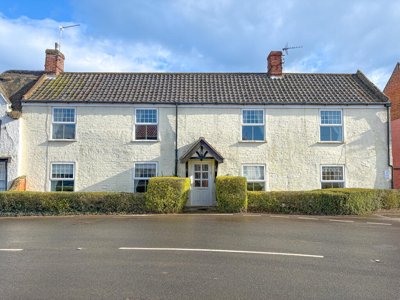
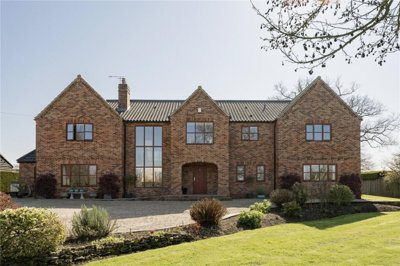
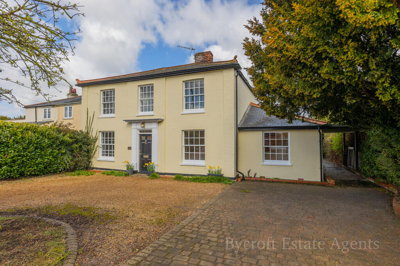
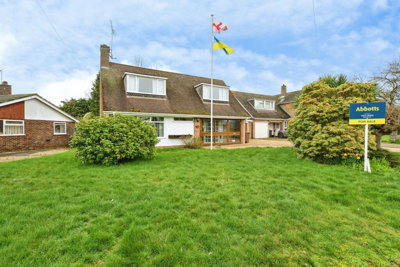
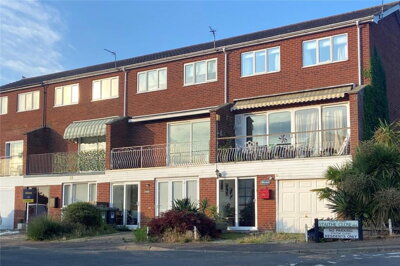
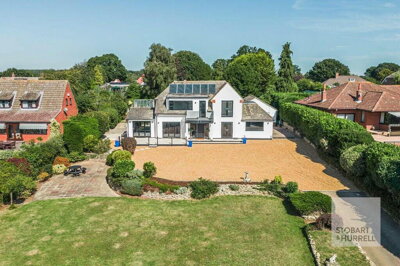
Browse 60 homes for sale in Horning, North Norfolk from local estate agents.
The Horning property market offers detached, semi-detached, and terraced houses spanning various price ranges and neighbourhoods. Each listing includes detailed property information, photographs, and direct contact with the marketing agent.
£438k
14
0
148
Source: home.co.uk
Showing 14 results for Houses for sale in Horning, North Norfolk. The median asking price is £437,500.
Source: home.co.uk
Detached
10 listings
Avg £672,500
Semi-Detached
2 listings
Avg £375,000
Terraced
2 listings
Avg £300,000
Source: home.co.uk
Source: home.co.uk
Horning's market has held up well, with average house prices rising over the past year according to home.co.uk listings data. The overall average price currently sits at £384,292, while homedata.co.uk puts the figure at £305,000 for properties completed in the last twelve months. That gap simply reflects the range on offer, from modest cottages through to premium riverside homes with much higher valuations. Buyer confidence appears to be staying strong in this distinctive Norfolk spot.
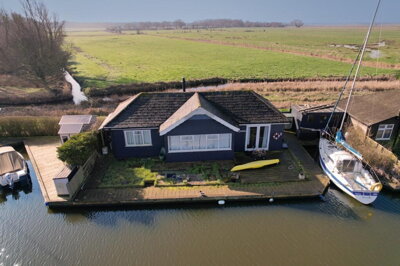
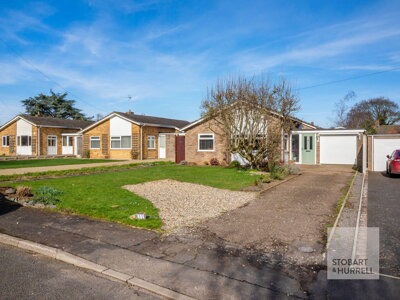
At the top end of the Horning market, detached homes lead the way, with home.co.uk recording average sold prices of £650,000 for this type. Space and privacy carry a premium in a village like this, especially where homes look out over the river or sit directly on the water. Semi-detached properties come in at around £350,000, while terraced homes between £285,000 and £350,000 give buyers good value if they want character without paying detached-house money. Flats are still uncommon in Horning, and the few that appear are usually conversions in character buildings, typically around the £240,000 mark.
Supply in Horning stays tight. Its setting within the Norfolk Broads National Park limits new development, and that keeps the market competitive whenever well-presented homes come up. We would suggest saving searches and turning on alerts, because properties here often draw several enquiries within days of listing.

£532,605
Average Price (home.co.uk)
£410,656
Average Price (homedata.co.uk)
+16%
Year-on-Year Growth
£639,125
Detached Average
Water shapes daily life in Horning, alongside the exceptional scenery of the Norfolk Broads, Britain's largest protected wetland and one of the country's most precious ecosystems. The village sits on the banks of the River Bure, so residents enjoy boating, fishing, birdwatching and waterside walks along the drains and broads that define the area. The Bure Valley Path links Horning with nearby villages and gives you scenic cycling and walking routes through countryside and woodland. Kingfishers, otters and rare wetland birds all add to the appeal for anyone who wants wildlife on the doorstep.
There is a strong sense of community here, with places such as The Riverbank and The New Inn acting as familiar meeting points for Sunday roasts and summer beer gardens overlooking the water. The Horning Village Shop covers the basics, and the nearby ferry service opens up the wider Broads network for car-free days out. Through the year, the village hall puts on craft fairs, quiz nights and other regular events, which makes it easy for newcomers to settle in. For everyday shopping, Wroxham is only a short drive away and offers supermarkets, independent shops and the Bure Valley Railway for family days out.
Summer brings more visitors to the river and waterways, so tourism is a real part of village life. That helps local businesses, though it can make residential parking trickier in the peak months, especially around the river frontage. Then winter changes the feel of the place completely. It becomes quieter, but events carry on and full-time residents enjoy the calm pace that many people come here for in the first place.

Families moving to Horning will find schools within a sensible driving distance, which suits the village's small-scale feel. Younger children can attend the primary school in nearby Woodbastwick, serving families across the northern Broads area. For secondary education, most pupils travel to Wroxham or Stalham, where schools have established reputations and broad curricula. Norfolk's grammar school system also gives academically able students access to selective places across a wider catchment area.
School transport is well established around Horning, with bus services linking the village to secondary schools in nearby towns. We would still advise checking current catchment areas and admissions policies directly with Norfolk County Council, because these can change and may affect where children are placed. With only a limited number of schools serving the Broads villages, it pays to plan early, especially if you have a preferred educational approach or after-school activity in mind.
A number of independent schools in Norwich give families another route if private education is preferred, and transport from the wider North Norfolk area is usually available. Journeys to these schools generally use the A1151, with travel times of around 30-40 minutes depending on traffic and the exact school location.

Horning sits in a quiet part of the Norfolk Broads, around 9 miles north of Norwich, and the road journey usually takes about 25 minutes in normal traffic. The A1151 is the main route in and out, linking the village to Wroxham and then on to the Norwich northern bypass. For city commuters, that makes for a fairly manageable drive, especially when set against the congestion often faced closer to major urban centres. Parking in the village is generally fine for residents, although summer weekends do bring extra traffic as visitors head for the Broads.
Public transport is limited here, as it is in many rural Norfolk villages, but buses do connect Horning with Norwich and the coastal towns of Cromer and Sheringham. Norwich is the nearest railway station with regular services, including direct trains to London Liverpool Street in roughly two hours. Norwich Airport adds another layer of convenience with domestic flights and links to European destinations, so the village is more connected than its rural setting might suggest.
Most people rely on private cars for day-to-day travel, so Horning suits buyers who either drive or work from home and want a peaceful setting without regular city trips. Being away from major trunk roads keeps traffic noise low, which is one of the things residents value most about living here.

We recommend starting with current listings on home.co.uk so you can see what is available within your budget. Stock is limited in this sought-after Broads village, so saved searches and alerts are worth setting up if you want to move quickly when the right place appears. From thatched cottages to modern riverside homes, Horning has a clear identity, and understanding the differences helps narrow the search.
Once you have spotted properties you like, book viewings with local estate agents. We also suggest visiting the village at different times of day and on different days of the week, because the feel of the place changes with the seasons. Summer brings much heavier visitor traffic to the Broads, which affects parking and noise around the river, while winter is noticeably quieter and often better suited to those who prefer a slower pace.
Before making an offer, get a mortgage agreement in principle from a lender. It shows sellers and estate agents that you are ready to proceed financially, which can help in a competitive market. Our mortgage partners can compare rates and talk you through the application process for properties in the Norfolk area.
Because so many Horning homes are old, and because flood risk has to be taken seriously here, we strongly advise booking a RICS Level 2 Survey before you complete. That inspection can pick up structural issues, damp and other maintenance concerns that may affect your offer or your negotiating position. Our survey partners can arrange the right assessment for the property type you are buying.
After your offer is accepted, instruct a conveyancing solicitor to handle the legal side of the purchase. They will carry out searches, deal with land registry documentation and check that flood risk assessments and planning permissions are in order for Broads properties. Our recommended conveyancers specialise in Norfolk homes and understand the demands of this particular area.
Your solicitor will take you through exchange of contracts, and that is the point at which your deposit becomes binding. Completion usually follows within weeks, so you can collect the keys and start settling into Horning. Leave room in your plans for utility connections and any renovation work you want to carry out on period properties that need updating.
Flood risk needs careful attention in Horning, given the village's position on the River Bure within the Norfolk Broads. We would ask for Environment Agency flood risk reports on any property you are considering, and check what mitigation measures are already in place, such as property level barriers or raised electrical installations. Homes with direct river frontage or low-lying plots may face higher insurance premiums, or even difficulty getting cover, so those ongoing costs should be built into your budget before you commit.
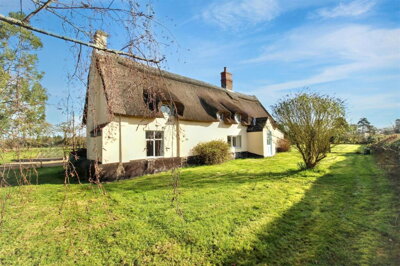
Horning properties vary a lot in age and build, and many character homes still have thatched roofs, flint walls and period details. Traditional materials like these need specialist maintenance and a proper budget, whether that means thatch re-rendering, flint repointing or timber frame preservation. When viewing older homes, look closely for damp, especially in ground floor rooms and basements, because the water table is high and the Broads setting keeps things damp. A RICS Level 2 Survey will help flag these issues and show the real cost of ownership before you go ahead.
Planning controls are in place across the Norfolk Broads National Park, which includes Horning, so extensions, alterations and outbuilding construction may need National Park Authority consent. If you are buying with renovation or extension plans, check permitted development rights and look for any planning conditions attached to the property before you proceed. Conservation area rules may also apply in the village centre, which can limit what changes are allowed without a formal application. We would always check with the Broads Authority rather than assume work is permitted.

According to homedata.co.uk, average house prices in Horning currently range from £305,000 to £384,292 as reported by home.co.uk, which shows how much the mix of property types and recent sales can shift the figures. Detached homes sit at the top with averages of £650,000, while semi-detached properties are around £350,000. Prices have been rising over the past year, so the market still points to healthy demand in this protected village setting.
Horning falls under North Norfolk District Council, and most homes sit within council tax bands A through D depending on value and type. Band A homes usually attract lower annual charges, while larger family houses and premium riverside properties are often placed in higher bands because of their higher value. The exact band for any address can be checked through the Valuation Office Agency website.
Horning does not have its own primary school, so local primary education is provided in nearby villages such as Woodbastwick, serving the northern Broads community. Secondary options include schools in Wroxham and Stalham, both reachable by established school bus routes from Horning. Norfolk also runs a selective grammar school system, with academically selective schools in Norwich and across the wider county offering places to pupils who pass the 11-plus examination.
Public transport in Horning is limited, which matches its rural position within the Norfolk Broads. Bus services link the village with Norwich and nearby market towns, although they run less often than urban routes. The nearest major railway station is Norwich, where direct services to London Liverpool Street take about two hours. For most residents, private vehicles are part of everyday life, so car ownership is important unless you work from home.
The Horning market has also shown steady growth, with prices rising 16% year-on-year and trading above previous peaks. Limited housing supply, strong demand from people drawn to the Broads lifestyle, and a tourism economy that supports holiday let opportunities all feed into that. Homes with riverside access or holiday let potential can be especially attractive, although investors should check holiday let planning permissions and keep the seasonal nature of Broads tourism in mind.
Standard stamp duty rates apply to Horning purchases, and no residential properties here currently qualify for relief in this price range. Nothing is due on purchases up to £250,000. For properties between £250,001 and £925,000, the charge is 5% on the amount above £250,000. At the average Horning price of £384,292, that would mean stamp duty of about £6,714.60. First-time buyer relief can apply for purchases up to £625,000 where the eligibility rules are met, cutting the charge to 5% on the amount between £425,000 and £625,000.
Flood risk should be the first thing on the checklist when buying in Horning, because the village sits on the River Bure within the Norfolk Broads. Ask for Environment Agency flood risk reports and find out what mitigation is already in place, such as property level flood barriers or raised electrical installations. Buildings insurance will be priced around the flood risk profile, so get quotes before you complete. It is also sensible to check the construction type, as many homes use thatch or flint and need specialist upkeep and careful budgeting.
Yes, Horning is within the Norfolk Broads National Park, so extensions, alterations and outbuilding construction are all subject to planning restrictions. Any major changes need consent from the Broads Authority rather than the local district council. If you are buying with renovation plans in mind, check permitted development rights and look for any planning conditions tied to the property before you move ahead. Our conveyancing partners know the National Park rules and can advise on what work may be allowed.
Buying in Horning brings costs beyond the purchase price, and stamp duty land tax is a significant part of the bill for most buyers. With the current residential thresholds, any purchase above £250,000 attracts stamp duty at the standard rate. For a typical Horning property priced at £384,292, the calculation is 5% on the amount between £250,000 and £384,292, which comes to about £6,714.60. First-time buyers should check their eligibility for relief, which gives zero duty on the first £425,000 of a purchase and then charges 5% on the amount between £425,000 and £625,000.
There are other purchase costs to budget for too, including mortgage arrangement fees that usually fall between £500 and £2,000 depending on the lender and product. Valuation fees may also be charged by your mortgage provider. Conveyancing fees in the Norfolk area often start from around £499 for standard work, and rise for leasehold properties or those with more complex titles. Survey costs should be set at £350 or more for a comprehensive RICS Level 2 Survey, which we strongly recommend because many Horning homes are old and the flood risk here matters. Removal costs, new furniture and any renovation work then round out the usual moving budget.
After purchase, ongoing costs include council tax, with most Horning properties falling within bands A through D under North Norfolk District Council. Buildings and contents insurance is essential, and premiums can be higher than average for homes in the Norfolk Broads because of flood risk. If you are buying a leasehold property, ground rent and service charges may also apply, usually as a modest annual amount for flats or converted character buildings. Period homes, especially those with thatched roofs or traditional construction, will also need regular maintenance built into your long-term financial planning.

From 4.5%
Compare rates from leading lenders for a Horning property purchase
From £499
Specialist solicitors handling Norfolk and Broads property transactions
From £350
Detailed property survey recommended for Horning homes
From £60
Energy performance certificate for your Horning property
Properties for Sale In London

Properties for Sale In Plymouth

Properties for Sale In Liverpool

Properties for Sale In Glasgow

Properties for Sale In Sheffield

Properties for Sale In Edinburgh

Properties for Sale In Coventry

Properties for Sale In Bradford

Properties for Sale In Manchester

Properties for Sale In Birmingham

Properties for Sale In Bristol

Properties for Sale In Oxford

Properties for Sale In Leicester

Properties for Sale In Newcastle

Properties for Sale In Leeds

Properties for Sale In Southampton

Properties for Sale In Cardiff

Properties for Sale In Nottingham

Properties for Sale In Norwich

Properties for Sale In Brighton

Properties for Sale In Derby

Properties for Sale In Portsmouth

Properties for Sale In Northampton

Properties for Sale In Milton Keynes

Properties for Sale In Bournemouth

Properties for Sale In Bolton

Properties for Sale In Swansea

Properties for Sale In Swindon

Properties for Sale In Peterborough

Properties for Sale In Wolverhampton

Enter your details to see if this property is within your budget.
Loans, cards, car finance
Estimated property budget
Borrowing + deposit
You could borrow between
Typical borrowing
Monthly repayment
Est. at 4.5%
Loan-to-value
This is an estimate only. Your actual budget may vary depending on interest rates, credit history, and personal circumstances. For an accurate affordability assessment, speak to one of our free mortgage advisors.
This calculator provides estimates for illustrative purposes only and does not constitute financial advice. Your home may be repossessed if you do not keep up repayments on your mortgage. Estimates based on 4.5% interest rate, repayment mortgage. Actual rates depend on your circumstances.
Homemove is a trading name of HM Haus Group Ltd (Company No. 13873779, registered in England & Wales). Homemove Mortgages Ltd (Company No. 15947693) is an Appointed Representative of TMG Direct Limited, trading as TMG Mortgage Network, which is authorised and regulated by the Financial Conduct Authority (FRN 786245). Homemove Mortgages Ltd is entered on the FCA Register as an Appointed Representative (FRN 1022429). You can check registrations at NewRegister or by calling 0800 111 6768.

We use cookies to show you personalised content and improve your experience of our website. Find out more in our Privacy policy and Cookie policy.