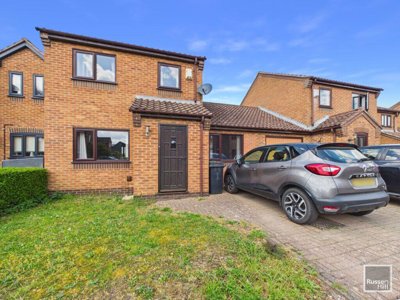
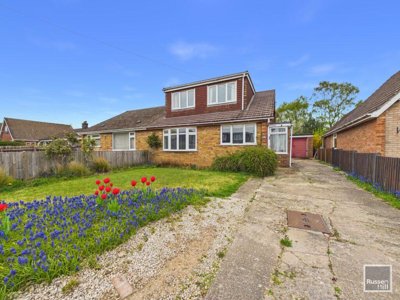
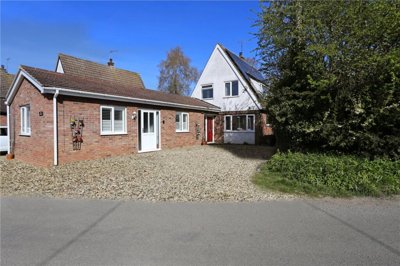
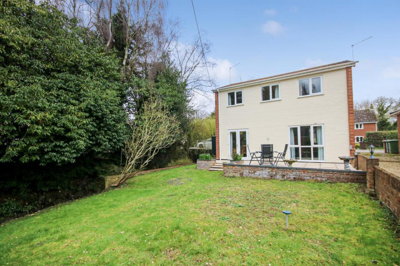
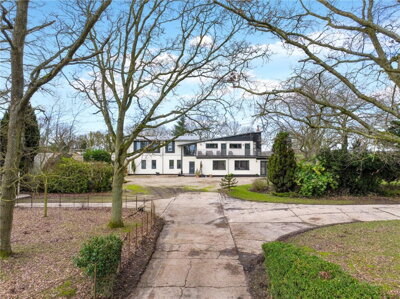
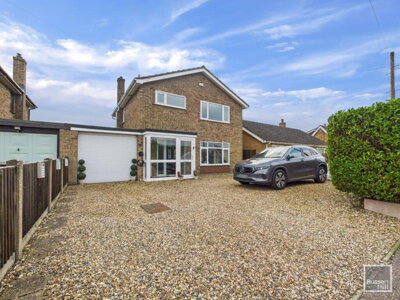
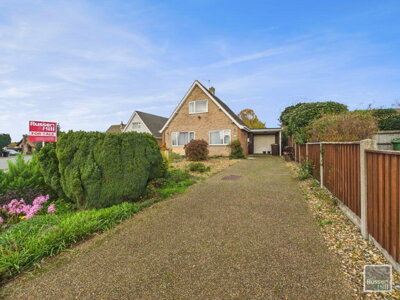
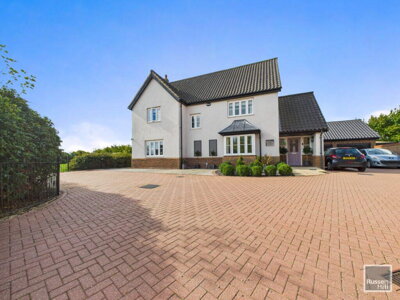
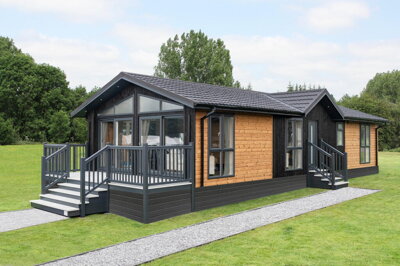
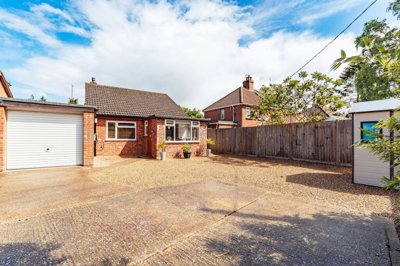
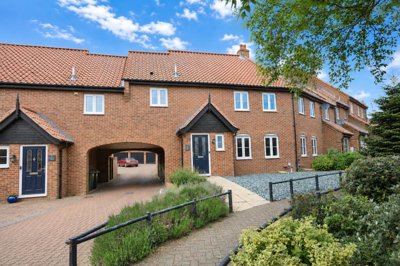
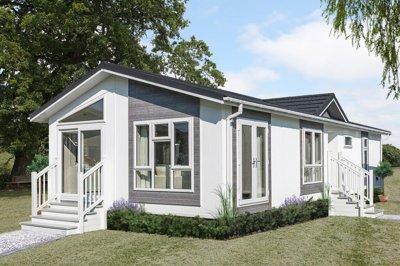
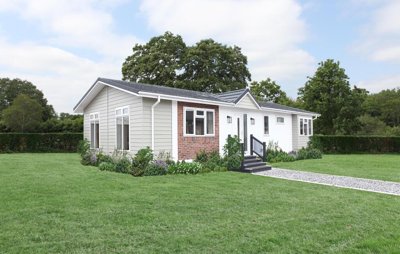
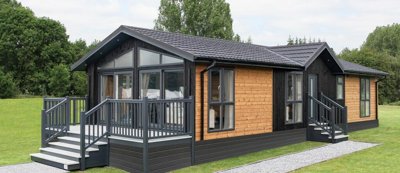
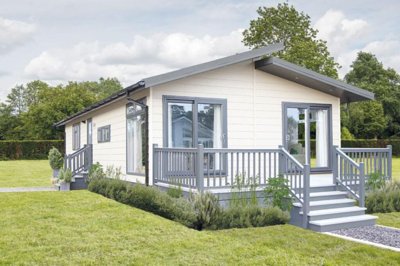
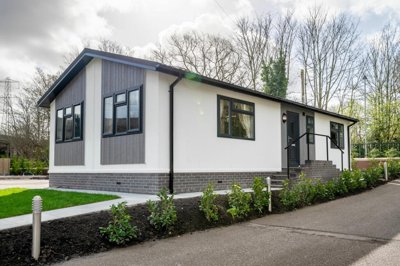
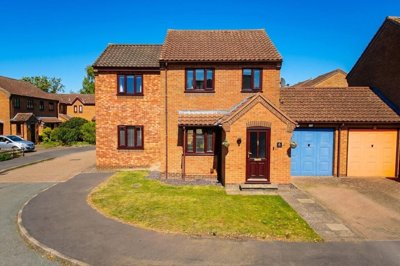
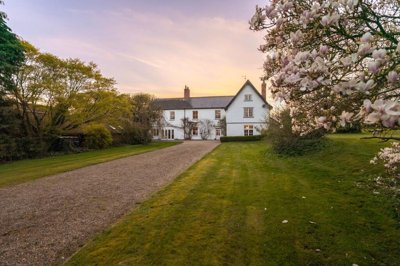
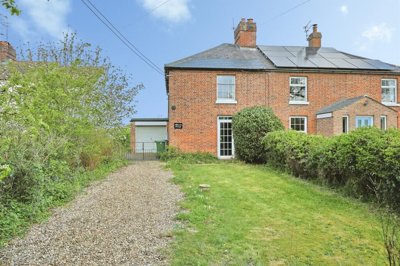
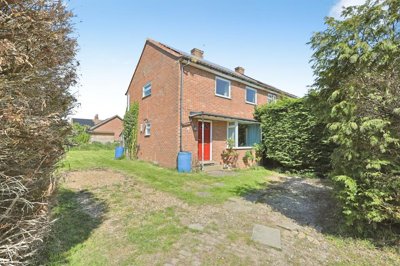
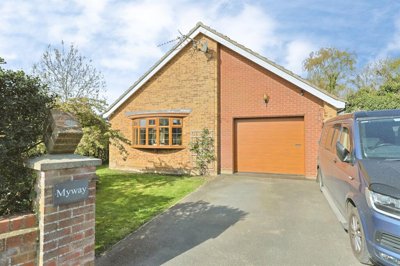
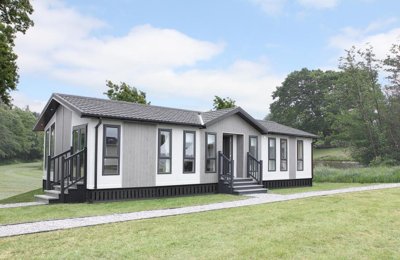
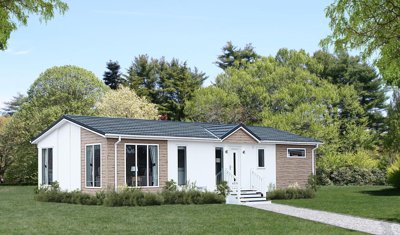
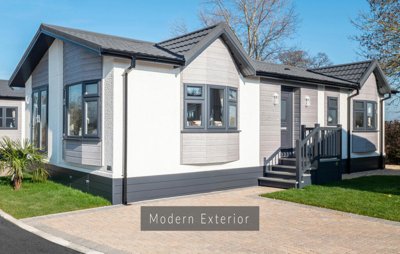
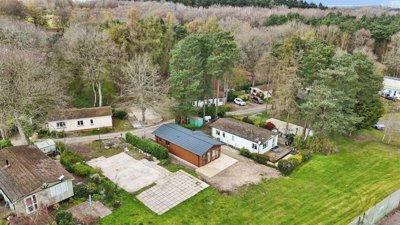
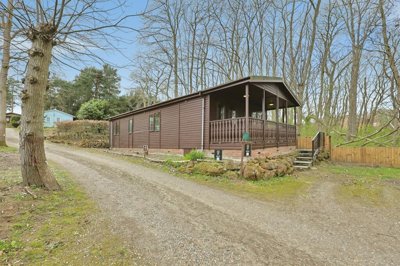
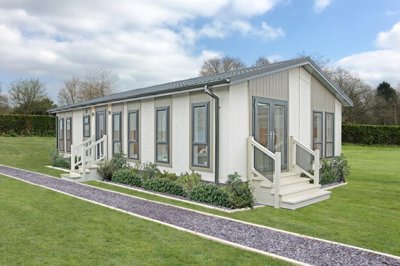
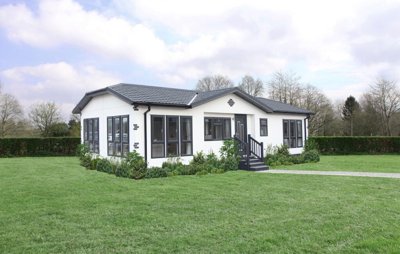
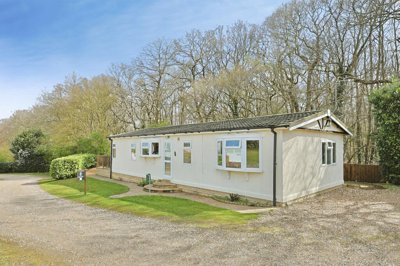
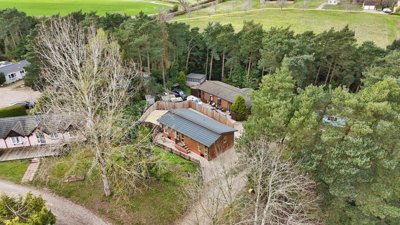
Browse 61 homes for sale in Honingham, Broadland from local estate agents.
The Honingham property market offers detached, semi-detached, and terraced houses spanning various price ranges and neighbourhoods. Each listing includes detailed property information, photographs, and direct contact with the marketing agent.
£500k
4
0
81
Source: home.co.uk
Showing 4 results for Houses for sale in Honingham, Broadland. The median asking price is £500,000.
Source: home.co.uk
Detached
4 listings
Avg £602,500
Source: home.co.uk
Source: home.co.uk
Honingham's market gives a clear picture of a village that still attracts strong interest within Broadland, and the recent sold figures help paint that picture for buyers. On The Street, the village's main thoroughfare, homes have achieved an average of £352,289 over the last twelve months, while Norwich Road sits at £326,960. Dereham Road, where larger family houses are more common, recorded £405,000 on average, which points to the premium attached to detached property in this appealing Norfolk village. Put simply, Honingham remains well placed against the wider regional market, offering more room and more character than many comparable homes in nearby Norwich.
There is a pleasing mix of house types and ages here, and the older stock adds real character to the streets. One home dates from 1775, a reminder that good construction lasts, while St. Andrew's Church, with its 14th-century origins, speaks to the village's long history. New build activity across the wider NR9 postcode includes Festival Park, where three and four-bedroom houses are priced between £315,000 and £490,000. Looking further ahead, Clarion Housing Group's plans for Honingham Thorpe propose up to 7,500 homes on a 368-hectare site west of Norwich, although that scheme is still at the planning stage. Buyers need to weigh what is available now against what may come later.

Honingham feels like rural Norfolk living in its purest form, and the numbers show steady growth. The village had 374 residents in the 2021 census, up from 358 in 2011 and 342 in 2001. That gradual rise suggests more people are seeing the appeal of village life while still keeping Norwich within commuting distance. The community remains active too, with local events, traditional pubs and village amenities bringing together long-established residents and newer arrivals. The River Tud gives the place a natural centre, and it adds a fine setting for walks and wildlife spotting.
Set within the Broads National Park hinterland, Honingham gives residents easy access to some of Norfolk's best scenery and outdoor pursuits. The A47 trunk road runs close by, linking the village to Norwich and the wider road network across Norfolk, though buyers should be aware of repeated flooding between Easton and Honingham in recent years. National Highways has carried out mitigation works, including pipe repairs, soil banks and underground water storage tanks. Everyday needs are still well covered by services in nearby villages, while Norwich brings the full urban range of shopping, healthcare and schooling when it is needed.

Families thinking about a move here will find schooling within a sensible travelling distance. Honingham sits in the Broadland local education authority catchment area, and primary schools are available in neighbouring villages. Parents should check the latest catchment boundaries and admissions criteria directly with Norfolk County Council, as those details can make a real difference to school places. St. Andrew's Church, dating from the 14th century, is another sign of the strong local foundations that run through the village, including its approach to education.
For older children, the wider Broadland area offers secondary schools in nearby market towns, although transport arrangements vary depending on where families live. Norwich broadens the picture again, with City College, the University of East Anglia and the Norfolk and Norwich University Hospital all part of the local education and employment landscape. Before committing to a purchase, families with school-age children should check current Ofsted ratings, admissions policies and transport options carefully. In a village setting, those practical details can shape day-to-day life more than people sometimes expect.

We like Honingham's position roughly eight miles west of Norwich, because it keeps the city close enough for work, errands and evenings out. The A47 is the main road link, carrying traffic into Norwich and on eastwards towards Great Yarmouth. That said, the flooding history between Easton and Honingham is well known, and National Highways has had to keep investing in the route. In poor weather, alternative roads through nearby villages can provide useful backup.
From Norwich railway station, trains reach London Liverpool Street in about two hours, which makes the capital manageable for both work and occasional days out. Local bus services also tie Honingham into Norwich and the surrounding villages, giving residents another option besides the car. For those commuting into Norwich, cycling is a realistic possibility too, helped by the flat Norfolk landscape. Norwich Airport, with domestic and limited international flights, adds another layer of convenience for regular travellers.

Buying in a Norfolk village like Honingham means looking closely at the local risks as well as the charm. The River Tud and the known flooding on the A47 make flood checks important for any individual property, so we would always suggest asking for historical flood records and looking at how effective any existing defences are. Some homes may also sit within, or close to, conservation areas, especially where St. Andrew's Church and the village's historic core are concerned, and that can affect plans for alterations or extensions.
Many of Honingham's homes are old enough to come with the quirks of traditional construction, including examples from the 18th century. Buyers may come across lathe and plaster with horsehair, wattle and daub, or stone walls, all of which need specialist care when repairs or upgrades are on the table. Single-glazed windows, tired wiring and plumbing that is nearing the end of its service life are also common in period homes, so they should be allowed for in both budgeting and decision-making. A RICS Level 2 survey is especially useful in this setting, because it can flag issues with foundations, roofing, damp or timber decay before contracts are exchanged. Tenure matters too, as both freehold and leasehold properties may be found in the village.
Across Honingham, from 18th-century cottages to newer homes, each era brings its own maintenance risks. Older buildings can suffer from damp, including rising damp where groundwater moves up through brick or stone walls, and penetrating damp caused by damaged roof tiles, faulty guttering or crumbling render. Our inspectors often find condensation in period properties where single-glazed windows and limited ventilation allow moisture to build up, especially in kitchens and bathrooms. It is a familiar pattern, but one that still needs proper attention.
Foundations and timbers deserve close scrutiny in properties of any age. Our team has seen foundation cracks, sagging beams and uneven floors in older Honingham homes, sometimes caused by the natural movement of clay soils over time, sometimes by historic alterations. Dry rot and wet rot in structural timber are more serious again, and they need professional assessment and treatment, with costs that can reach thousands of pounds if they are left alone. Roof problems are common too, from missing or slipped tiles to failing leadwork around chimneys and sagging gutters, all of which can lead to worse water ingress if repairs are delayed.
Older homes often need upgrades to their electrical and plumbing systems before they feel fully modern. Our inspectors regularly come across outdated wiring that is not suited to current electrical demand, along with corroded or leaking pipes that can damage nearby structures. Blocked or damaged drains can create issues inside and outside the house, while Japanese knotweed, or other invasive plants in the grounds, may point to subsidence risk or the need for specialist treatment. It is far better to budget for these possibilities before buying, because that gives space to negotiate or plan future work with a clear head.
We always advise spending time in Honingham at different points in the week, and at different times of day, so the feel of the village is clear. A visit to nearby Norwich will also help with judging the realities of commuting and access to city services. If the A47 is likely to be part of the daily routine, the flooding history there is worth close attention, along with the effect any alternative routes might have on journey times.
Before you start viewing properties, speak to a mortgage broker or lender and secure an agreement in principle. It strengthens any offer and shows sellers that finance is already in hand. With Honingham's property prices typically sitting between £326,000 and £405,000, most buyers will need borrowing in that range, so specialist advice on the best products is well worth having.
Our platform makes it straightforward to arrange viewings of Honingham homes that match a buyer's brief. We would also suggest seeing more than one property, so condition, price and potential can be compared properly. During each visit, take notes on age, construction type and any visible defects, then raise them with a surveyor before making a commitment.
After an offer is accepted, the next sensible step is a RICS Level 2 Home Survey. In Honingham, where so many properties are older, that survey can bring structural concerns, damp issues and maintenance needs to light before completion. Typical survey costs run from around £350 for smaller properties to £600 or more for larger homes, which is a small outlay beside the size of the repair bills it may help avoid.
Once the legal work begins, appoint a solicitor who knows Norfolk property transactions well. They will carry out searches, including local authority, drainage and water, and environmental checks, review the contract papers and manage the registration process. They will also deal with Stamp Duty Land Tax on the buyer's behalf, which takes one more task off the list.
When the searches come back clean and the money is in place, contracts are exchanged and a completion date is agreed with the seller. On the day of completion, the balance is transferred and the keys to the Honingham home are handed over. Buildings insurance should start from that point, and utility suppliers should be told about the move.
Recent sold prices underline how the village market varies from street to street. The Street averaged £352,289, Norwich Road averaged £326,960 and Dereham Road averaged £405,000 over the past twelve months. Honingham also recorded 58 property sales in the last year, which shows a market that is active enough for buyers looking at village homes in Broadland. Those figures still sit below many Norwich prices, while reflecting the premium that comes with Norfolk village living.
For council tax, homes in Honingham fall under Broadland District Council and Norfolk County Council. The exact band depends on valuation and runs from Band A through to Band H. Buyers can check the specific band with the Valuation Office Agency or on the council's website, where the current charges for each band are published as well. Council tax helps fund education, refuse collection and highway maintenance.
Honingham sits within the Broadland local education authority catchment area, and primary schools can be found in the surrounding villages. As catchment boundaries can change school placements, parents should check current Ofsted ratings and admissions criteria for the schools they are considering. There are also secondary options across the wider area, and Norfolk County Council provides detailed information on admissions and transport for families looking at the village.
Most residents still rely on private transport for day-to-day travel, although local bus services do connect Honingham with nearby places. Norwich railway station, around eight miles away, offers mainline services to London Liverpool Street in roughly two hours. Norwich Airport adds domestic and limited international flights into the mix. The A47 keeps the village linked to Norwich and the wider Norfolk road network, even if the flooding issues between Easton and Honingham remain part of the story.
For investors, Honingham has a few points in its favour. The population rose from 342 in 2001 to 374 in 2011, which points to sustained demand for housing in the area. Norwich is close by, and the proposed Honingham Thorpe scheme, with up to 7,500 homes, suggests further long-term growth potential. Even so, the village remains quiet and lacks major local employment centres, so rental demand and yields may not match those seen in more urban locations.
Stamp Duty Land Tax applies to property purchases in England, and the current thresholds for 2024-25 are 0% on the first £250,000, 5% on £250,001 to £925,000, 10% on £925,001 to £1.5 million and 12% on anything above £1.5 million. First-time buyers get relief on the first £425,000, with 5% applying from £425,001 to £625,000. As Honingham homes often sit in the £326,000 to £405,000 bracket, most purchases land in the lower bands, although the final bill always depends on the price paid and the buyer's status.
Flooding is a known issue in Honingham, especially on the A47 between Easton and the village. National Highways has put in mitigation measures such as pipe repairs, soil banks and underground water tanks to control water flow. Homes near the River Tud may also be exposed to some flood risk. We would always ask buyers to request flood risk reports, check historical records and look closely at the exact site of any property before committing. Buildings insurance can also be affected where the risk is higher.
Honingham's housing stock covers a fair spread, from period cottages and traditional village houses to some modern developments in the wider NR9 postcode area. Buyers will find everything from smaller terraced cottages to substantial detached family homes, with a number of properties dating from the 18th century and showing classic Norfolk construction. That range gives the village broad appeal, whether someone is after a first home, a cottage with character or a larger family place.
The full cost of buying in Honingham goes well beyond the asking price. Buyers need to allow for Stamp Duty Land Tax, legal fees, survey costs and moving expenses. For standard buyers, current SDLT starts at 0% on the first £250,000 of the price, then rises to 5% on the slice between £250,001 and £925,000. Because many Honingham homes fall in that band, most buyers pay 5% on the amount above £250,000. A property bought for £350,000, for instance, would attract SDLT of £5,000.
First-time buyers have a more generous set of thresholds, with 0% on the first £425,000 and 5% on the part from £425,001 to £625,000. That relief can reduce the tax bill quite a lot, although it does not apply to homes worth above £625,000. Other costs still need budgeting for, including RICS Level 2 survey fees from approximately £350 for smaller properties to £600 or more for larger homes, conveyancing fees that usually start from £499, and removal costs that vary with distance and the amount of belongings. Buildings insurance should begin from completion, and buyers should also plan for council tax, utility bills and any service charges on leasehold homes.
Given Honingham's older housing stock, a professional survey is money well spent. A RICS Level 2 survey can pick up defects that might otherwise turn into thousands of pounds in repair costs after purchase. Damp, structural problems, outdated electrical systems and roofing issues are all the sort of things it can uncover, and the upfront fee is usually far less painful than emergency works or a major renovation that comes as a surprise later on.
Properties for Sale In London

Properties for Sale In Plymouth

Properties for Sale In Liverpool

Properties for Sale In Glasgow

Properties for Sale In Sheffield

Properties for Sale In Edinburgh

Properties for Sale In Coventry

Properties for Sale In Bradford

Properties for Sale In Manchester

Properties for Sale In Birmingham

Properties for Sale In Bristol

Properties for Sale In Oxford

Properties for Sale In Leicester

Properties for Sale In Newcastle

Properties for Sale In Leeds

Properties for Sale In Southampton

Properties for Sale In Cardiff

Properties for Sale In Nottingham

Properties for Sale In Norwich

Properties for Sale In Brighton

Properties for Sale In Derby

Properties for Sale In Portsmouth

Properties for Sale In Northampton

Properties for Sale In Milton Keynes

Properties for Sale In Bournemouth

Properties for Sale In Bolton

Properties for Sale In Swansea

Properties for Sale In Swindon

Properties for Sale In Peterborough

Properties for Sale In Wolverhampton

Enter your details to see if this property is within your budget.
Loans, cards, car finance
Estimated property budget
Borrowing + deposit
You could borrow between
Typical borrowing
Monthly repayment
Est. at 4.5%
Loan-to-value
This is an estimate only. Your actual budget may vary depending on interest rates, credit history, and personal circumstances. For an accurate affordability assessment, speak to one of our free mortgage advisors.
This calculator provides estimates for illustrative purposes only and does not constitute financial advice. Your home may be repossessed if you do not keep up repayments on your mortgage. Estimates based on 4.5% interest rate, repayment mortgage. Actual rates depend on your circumstances.
Homemove is a trading name of HM Haus Group Ltd (Company No. 13873779, registered in England & Wales). Homemove Mortgages Ltd (Company No. 15947693) is an Appointed Representative of TMG Direct Limited, trading as TMG Mortgage Network, which is authorised and regulated by the Financial Conduct Authority (FRN 786245). Homemove Mortgages Ltd is entered on the FCA Register as an Appointed Representative (FRN 1022429). You can check registrations at NewRegister or by calling 0800 111 6768.

We use cookies to show you personalised content and improve your experience of our website. Find out more in our Privacy policy and Cookie policy.