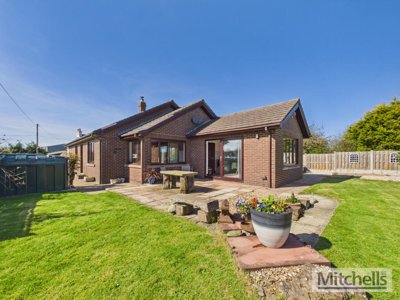
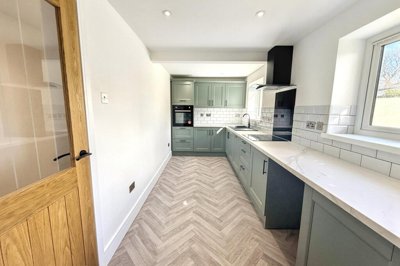
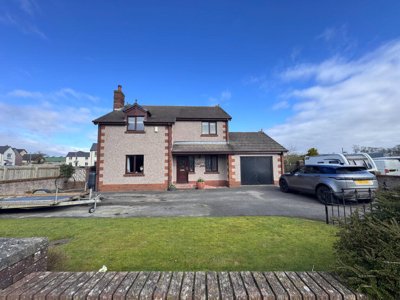
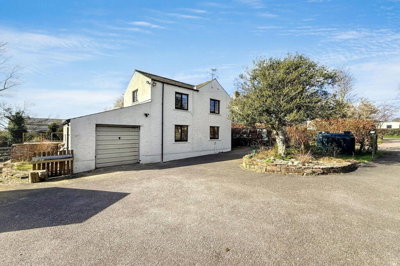
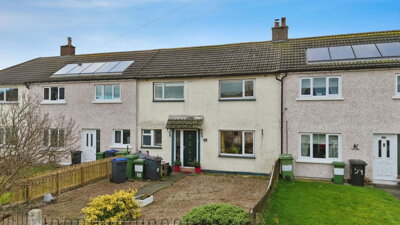
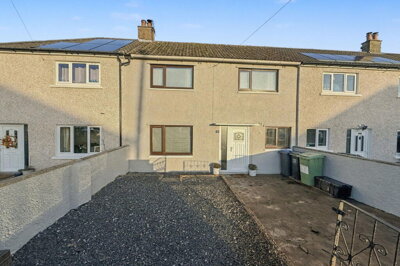
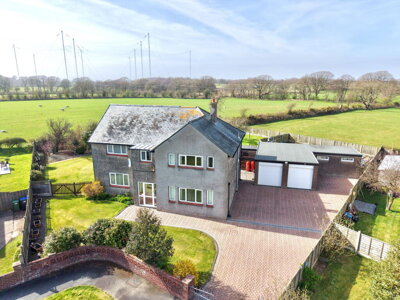
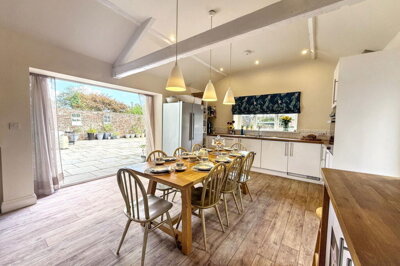
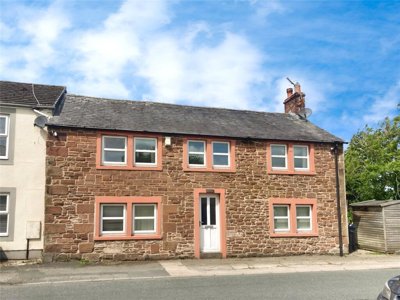
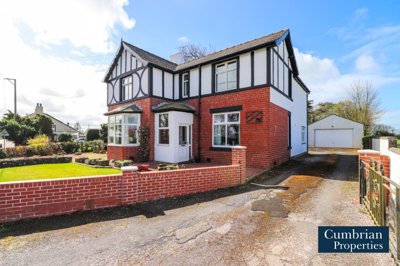
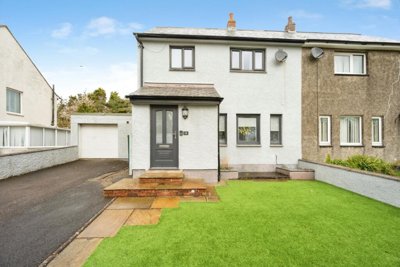
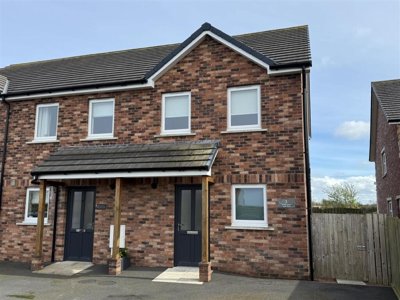
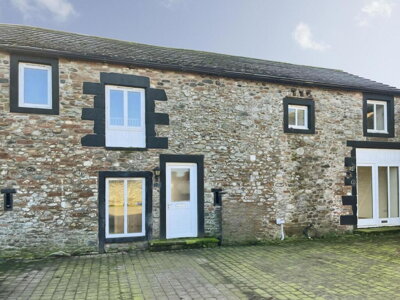
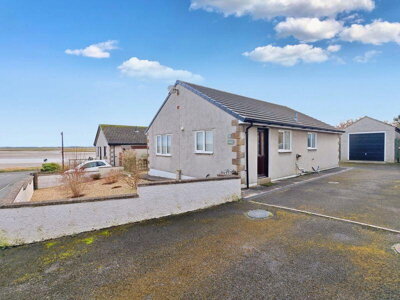
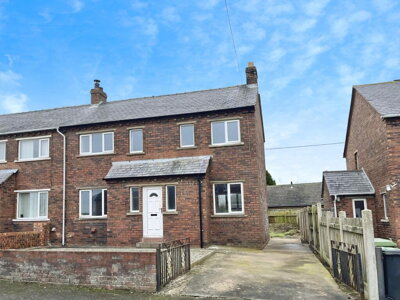
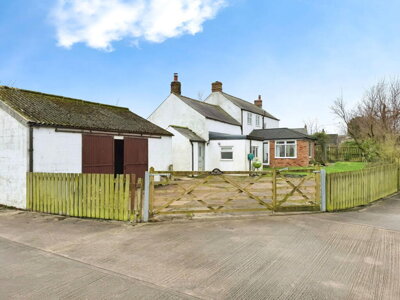
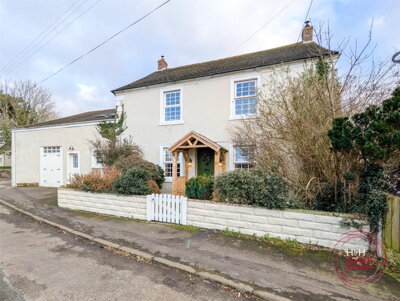
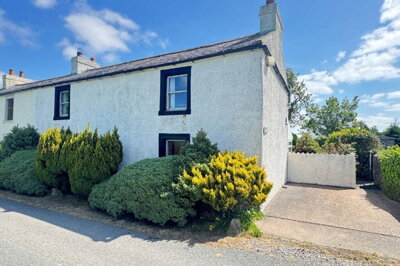
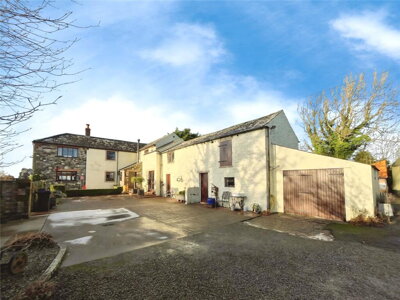
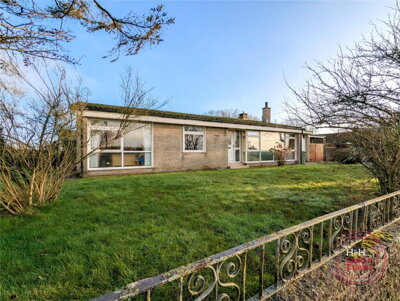
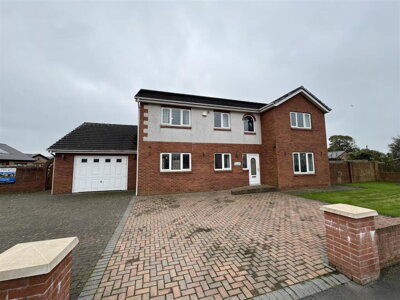
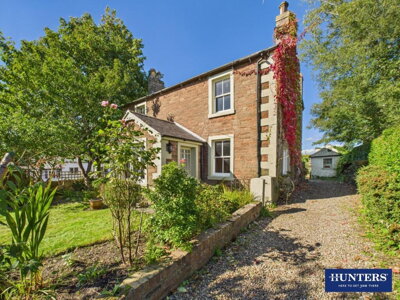
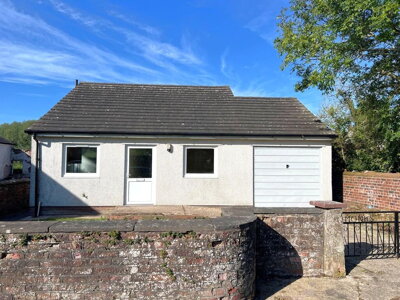
Browse 39 homes for sale in Holme East Waver from local estate agents.
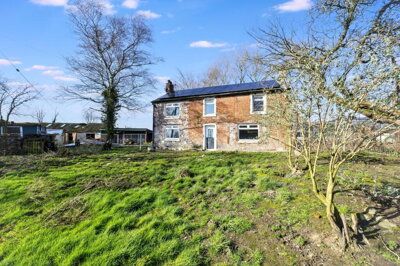
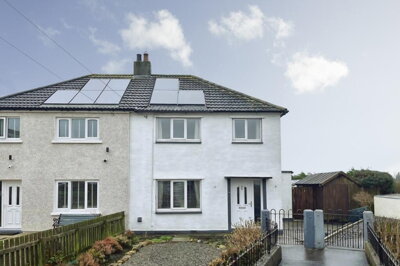
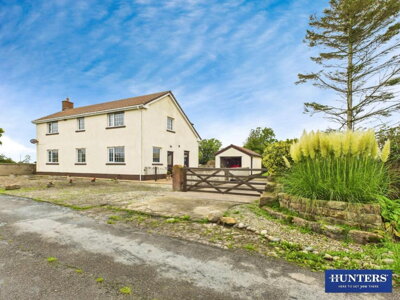
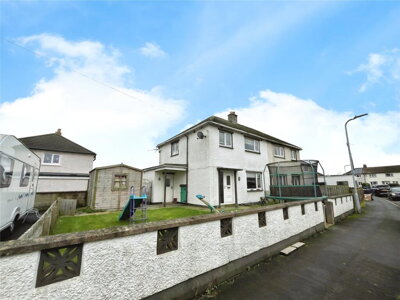
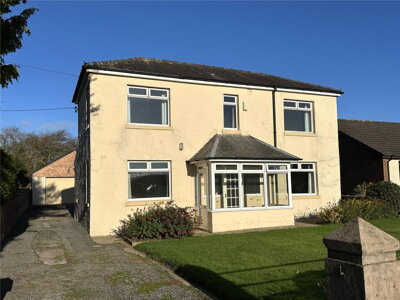
The housing market in Holme East Waver echoes the parish itself, modest, traditional, and closely tied to Cumbria's farming heritage. Detached family homes still anchor most local sales, and we have seen an average price of £285,362 across 17 sales since 2018. These larger homes usually sit on generous plots, so families get the outdoor space they want as well as the privacy that comes with rural life. Semi-detached property has also played a part, with 8 sales over the same period, averaging £213,222 and giving buyers a more accessible way into the local market.
Sales activity remains low by design, with just 4 sales recorded throughout 2024 and 2 sales in 2025 up to August. That scarcity is down to the small population of the parish and the limited number of homes coming up for sale. For buyers, it can mean brisk competition when a listing finally appears. There are no new-build developments within the specific postcode area, so every home is established, with its own age, quirks, and history already built in.
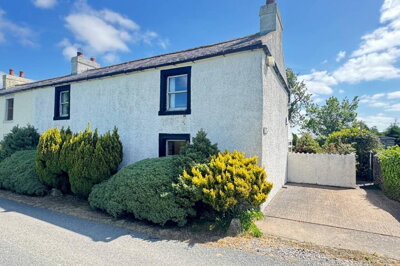
Across the wider area, we find the sort of property stock that Cumbrian buyers often hope for, traditional farmhouses, converted barns, and estate cottages built from local sandstone and brick. The historic fabric runs deep too, with listed buildings that go back centuries, especially around Newton Arlosh, where the Grade I listed church sits among other heritage structures. For anyone drawn to period homes with real architectural substance, Holme East Waver has plenty to offer.

Life here turns on the seasons and on the community ties that still shape rural Cumbrian living. The parish covers a scatter of small settlements, including Newton Arlosh, Angerton, Moss Side, and Raby, each with its own feel but all set in the same quiet countryside. The landscape is defined by the fertile marshland of the Solway Firth area, while the River Waver and River Wampool cut through low-lying ground that has been farmed for generations. Community events, local produce, and farming traditions still set the tone day to day in this corner of Cumberland.
Local geography brings opportunities, and a few practical questions too. Wedholme Flow mosslands within the parish form an important ecological habitat, supporting varied wildlife and making for attractive walking country. The use of Carboniferous sandstone, limestone, and the traditional "clay dabbins" construction method has produced buildings that sit neatly in the landscape. We often see properties finished with sandstone slate roofs, stuccoed facades, and the solid stonework that defines the best Cumbrian architecture.
Amenities inside the parish are limited, which is no surprise for somewhere this small, but nearby villages and market towns in Cumbria cover the essentials. Newton Arlosh's fortified church is a striking historical landmark, and its Grade I listed status reflects centuries of architectural and spiritual importance. The village green layout there is still largely intact, so the medieval plan remains easy to read today. Residents live at an unhurried pace, with the Solway Firth coastline and the wider Lake District National Park both within reach.

Six listed buildings in the National Heritage List for England sit within Holme East Waver, a notable concentration for such a small parish. St John's Church in Newton Arlosh is Grade I listed and dates from the medieval period as a fortified church, first built from sandstone and cobbles before an 1894 sandstone extension was added. It is a powerful reminder of the defensive pressures that once shaped this part of Cumbria, when Scottish raids influenced both settlement patterns and church design.
The other 5 Grade II listed buildings include houses, farmhouses, and associated agricultural buildings spread across the parish settlements. Many carry the hallmarks of Cumbrian rural architecture, stuccoed facades, brick walls set on stone plinths, and the small but telling details that give older buildings their character. Some also show repaired rendered clay walls that have been patched in brick, which speaks to the ongoing upkeep traditional owners have had to manage. Taken together, these buildings are a big part of the visual appeal for buyers looking for authentic period homes.
Newton Arlosh itself keeps an unusually complete medieval village plan, with the village green at its centre and historic buildings arranged in the layout established centuries ago. Conservation area status adds another layer of protection to the character that has built up over generations. Buyers need to remember that listed building status brings both advantages and obligations. Certain alterations will need planning permission, but the same rules help protect the features that give the property, and the parish as a whole, its heritage value.
For families thinking about a move here, schooling is centred on nearby villages and Cumbria's market towns. The civil parish is served by small primary schools in surrounding communities, and the nearest are usually only a short drive away. Children at primary age can access local schooling with small class sizes and strong community ties, which gives them a solid grounding in literacy and numeracy in a supportive setting.
Secondary education is available in the surrounding towns, and families can look at both state and independent options to suit their own priorities. Across wider Cumbria there is a network of schools offering GCSE and A-Level programmes, with transport arrangements that serve rural communities throughout the region. Parents should check catchment areas and admission policies carefully, as they can have a major effect on school placement in less densely populated places.
Carlisle gives families another layer of choice, with grammar schools and further education colleges among the options for those looking at educational outcomes more closely. The University of Cumbria campus in Carlisle also opens up higher education opportunities for older children, while the town's libraries and other educational facilities support the wider community. From Holme East Waver, transport links to these destinations matter a great deal when families are weighing up a move.

Anyone considering a purchase in Holme East Waver needs to think carefully about flood risk, because the area's hydrology is a major part of its character. Much of the northern and western parish is marshland, shaped by the River Waver and River Wampool, and those channels are often inundated by the Solway Firth at high tide. That brings risk from rivers, coastal flooding, and surface water, all of which buyers should assess properly before committing to a home in certain parts of the parish.
Homes near the River Waver or River Wampool channels can face elevated flood risk, so we always advise checking flood history, floor levels, and any flood resilience measures already in place. Flood risk management action is already in place for the Waver and Wampool drainage areas within Cumbria, which shows the level of attention given to the issue by the Environment Agency and local authorities. Insurance can be more expensive in known flood zones, and some mortgage lenders want a specific flood risk assessment before they approve finance.
The mossland areas, including Wedholme Flow, bring ground conditions that go beyond flood risk and into peat and stability territory. Much of the parish sits over Carboniferous sandstones and limestones, but peat and moss create more variable conditions in different places. A professional survey can pick up these factors for a specific property, along with drainage issues, damp penetration, and any structural concerns linked to the ground beneath it.
Transport from Holme East Waver reflects its rural Cumbrian setting, so private vehicles do most of the heavy lifting for daily travel. The A595 is the main route, linking the parish to Wigton to the south and Carlisle to the north-east. It is the vital connection for larger shops, healthcare, and employment hubs across the region. By car, Carlisle city centre is usually around 30 to 40 minutes away, which keeps both commuting and day trips within reach.
Public transport is limited, as it is in many rural parishes, so bus services matter for those without a car. Community bus routes serving Cumbrian villages provide essential links to market towns for shopping, medical appointments, and social activities. Frequencies are usually lower than in urban areas, so planning ahead helps. The nearest railway stations are in the larger towns, and Carlisle's mainline services connect to Edinburgh, London, and destinations throughout the national rail network.
For those who commute to major cities, the A90 and the motorway network give reasonable access despite the rural setting. Edinburgh is usually reachable in about two hours by car, while Newcastle is at a similar distance to the south-east. Some drivers prefer the scenic route along the Solway Firth coastline, though that naturally adds to journey times. Air travel is available from Carlisle Lake District Airport, with connections to London and other regional destinations.

We would start by looking through available properties via Homemove and getting to grips with the price ranges for detached and semi-detached homes in the parish. With transaction volumes so low, patience pays off, because new listings appear infrequently. It also helps to register with local estate agents who cover the surrounding area and sign up for property alerts, so you hear about suitable homes as soon as they come up.
Once a property does come to light, viewings are the next step, and they should be used to judge condition, character, and future potential. The historic building stock includes listed properties, so maintenance needs and planning restrictions deserve careful attention. We also suggest spending time in the neighbourhood at different times of day, so you can get a feel for the atmosphere and check road noise, access, and the distance to essential services.
Before you make an offer, get a mortgage agreement in principle from a lender. In a place with limited supply like this, that puts you in a stronger position. Rural mortgage products can have specific requirements, so it is sensible to talk through your plans with a specialist advisor who knows Cumbrian property and the particular issues around flood risk or listed buildings.
Because the homes in Holme East Waver are often old and full of character, a homebuyers report is a sensible move. The survey can flag structural concerns, assess traditional construction methods, and point out maintenance issues that are common in period properties of this kind. For homes in flood risk zones, it can also look at drainage and any flood resilience measures already in place.
We would appoint a solicitor with experience in rural Cumbria property transactions to handle the legal side. They will carry out searches such as local authority checks, drainage and water assessments, and environmental searches, which matter here because of the marshland in parts of the parish. Any restrictions linked to listed building status or conservation area requirements also need careful scrutiny.
Once the searches come back satisfactorily and terms are agreed, the solicitor can move on to exchange contracts and set a completion date. Because the area is rural, it is wise to have the practical side of the move sorted well in advance, including broadband installation, utility connections, and any delivery schedules that may need planning in a less densely populated place.
Buying in Holme East Waver brings a few specific points that deserve close attention. The parish has a clear flood risk profile, because the northern and western areas are marshland and are often inundated by tidal waters from the Solway Firth. Homes near the River Waver or River Wampool channels can face higher risk, so flood history, floor levels, and any flood resilience measures should be investigated properly. HomeBuyers Report surveys can look at flood risk and drainage characteristics for each individual property.
The 6 listed buildings in the parish underline how important heritage rules can be for a purchase here. Grade I and Grade II listed status brings obligations around planning permission for alterations, limits on external changes, and the duty to keep the historic fabric of the property intact. Those designations also protect the architectural character that makes the area so appealing. Buyers should check whether any restrictions apply to the property they have in mind and build any related costs into their budget.
Traditional building methods in the area deserve proper inspection. Homes built using "clay dabbins" or original sandstone need an experienced eye to check that the structure is still sound. Standards of modernisation vary widely across the rural stock, with some houses recently updated and others needing significant investment. Because there are no new-build developments, most properties are at least several decades old, so buyers have to accept the older materials, insulation levels, and energy efficiency alongside the charm that comes with rural Cumbrian homes.

Budgeting properly matters here, so it helps to look at the full cost of buying in Holme East Waver from the outset. On top of the purchase price, Stamp Duty Land Tax is usually the biggest extra expense for most buyers. For a detached property at the local average price of £285,000, standard SDLT rates would mean £1,750 in tax on the portion above £250,000. First-time buyers may qualify for relief that reduces the bill if they meet the eligibility criteria and the property price sits within the relevant thresholds.
Survey fees deserve a close look too, especially with the age and construction style of many local homes. A RICS Level 2 homebuyers report typically starts from £350, depending on property value and the survey provider chosen. For older properties with traditional building methods or listed status, that money buys a useful inspection of condition and highlights concerns that may need work. Homes in flood risk areas may benefit in particular from professional checks on drainage, damp penetration, and flood resilience.
Conveyancing for rural Cumbria property typically starts from £499 for straightforward cases, though the cost rises where listed buildings or unusual tenure arrangements are involved. Searches in this area usually include local authority queries through Cumberland Council, drainage and water authority searches, and environmental searches because of the marshland in parts of the parish. Mortgage arrangement fees vary between lenders and products, and broker help can sometimes secure more competitive rates for rural purchases. When you add moving costs and any immediate furnishing or renovation work, buyers should allow for roughly 3-5% of the property price in extra expenses.

Looking at the sales data, detached homes in Holme East Waver have averaged £285,362 since 2018, based on 17 transactions. Semi-detached homes have averaged £213,222 across 8 sales in the same period. Activity remains modest, with only 4 sales recorded in 2024 and 2 sales in 2025, which reflects the small scale of the parish. Even so, prices have stayed relatively steady over time, helped by limited supply and a steady appetite for rural Cumbrian property.
Cumberland Council handles council tax for properties in Holme East Waver. Bandings vary according to the value assessment, but most traditional stone-built homes in the parish are likely to fall within bands A through D. Buyers should check the exact band for any specific property using the Cumberland Council valuation service or the official government council tax band search. Rural homes with larger gardens and land can attract higher bands depending on the overall assessment. You can check bandings online using the property address or Council Tax reference number before going ahead with a purchase.
Primary schooling is available through small village schools in the surrounding communities, and the small class sizes can give children a lot of individual attention. The nearest primaries usually serve several villages across the rural area, while schools in nearby market towns give families more choice if they are looking for a particular educational approach. Secondary options are also available in market towns close by, with transport arrangements helping families across the wider area. For those wanting specialist facilities or a specific academic outcome, Carlisle offers further options, including grammar school provision for pupils who meet the entry requirements.
Public transport mirrors the rural character of the parish, with bus services acting as the main alternative to private cars. Community bus routes run across Cumbria, linking smaller villages to market towns and the essential services people need. They usually run less often than urban services, so owning a car is practical for most residents. The nearest railway stations are in larger towns, and Carlisle gives access to the national rail network with services to Edinburgh, London, and other major cities. Carlisle Lake District Airport adds regional flights for business and leisure, including services to London.
Investment potential in Holme East Waver depends very much on the buyer's priorities. The rural location, low transaction volumes, and traditional housing stock point to steady value movement rather than anything dramatic. Homes with heritage status or standout character may hold their value well, simply because similar properties are hard to find in the parish. On the other hand, flood risk in parts of the area and the ongoing maintenance needed for traditional buildings do add to long-term costs. For families seeking a rural lifestyle investment or planning a long-term home, the area may be a good fit. The lack of new-build development in the specific postcode area also helps keep the existing character intact.
For purchases in Holme East Waver, Stamp Duty Land Tax rates for 2024-25 apply in the usual way. The standard rates begin at 0% on the first £250,000 of the purchase price, then move to 5% on the portion between £250,001 and £925,000. On a typical detached home priced around £285,000, that would mean SDLT of about £1,750 on the £35,000 above the threshold. First-time buyer relief offers 0% up to £425,000 and 5% on the next £200,000, although it is not available once the price goes above £625,000. Your solicitor will work out the exact figure based on your circumstances and the purchase price.
From £350
Professional homebuyers report for traditional properties
From £450
Comprehensive structural survey for older properties
From £60
Energy performance certificate for your property
From £499
Legal services for your property purchase
Properties for Sale In London

Properties for Sale In Plymouth

Properties for Sale In Liverpool

Properties for Sale In Glasgow

Properties for Sale In Sheffield

Properties for Sale In Edinburgh

Properties for Sale In Coventry

Properties for Sale In Bradford

Properties for Sale In Manchester

Properties for Sale In Birmingham

Properties for Sale In Bristol

Properties for Sale In Oxford

Properties for Sale In Leicester

Properties for Sale In Newcastle

Properties for Sale In Leeds

Properties for Sale In Southampton

Properties for Sale In Cardiff

Properties for Sale In Nottingham

Properties for Sale In Norwich

Properties for Sale In Brighton

Properties for Sale In Derby

Properties for Sale In Portsmouth

Properties for Sale In Northampton

Properties for Sale In Milton Keynes

Properties for Sale In Bournemouth

Properties for Sale In Bolton

Properties for Sale In Swansea

Properties for Sale In Swindon

Properties for Sale In Peterborough

Properties for Sale In Wolverhampton

Enter your details to see if this property is within your budget.
Loans, cards, car finance
Estimated property budget
Borrowing + deposit
You could borrow between
Typical borrowing
Monthly repayment
Est. at 4.5%
Loan-to-value
This is an estimate only. Your actual budget may vary depending on interest rates, credit history, and personal circumstances. For an accurate affordability assessment, speak to one of our free mortgage advisors.
This calculator provides estimates for illustrative purposes only and does not constitute financial advice. Your home may be repossessed if you do not keep up repayments on your mortgage. Estimates based on 4.5% interest rate, repayment mortgage. Actual rates depend on your circumstances.
Homemove is a trading name of HM Haus Group Ltd (Company No. 13873779, registered in England & Wales). Homemove Mortgages Ltd (Company No. 15947693) is an Appointed Representative of TMG Direct Limited, trading as TMG Mortgage Network, which is authorised and regulated by the Financial Conduct Authority (FRN 786245). Homemove Mortgages Ltd is entered on the FCA Register as an Appointed Representative (FRN 1022429). You can check registrations at NewRegister or by calling 0800 111 6768.

We use cookies to show you personalised content and improve your experience of our website. Find out more in our Privacy policy and Cookie policy.