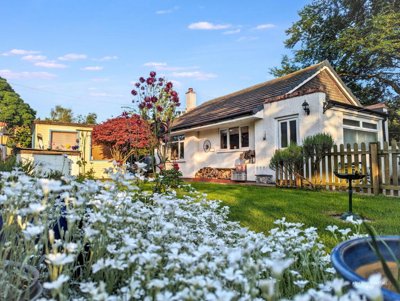
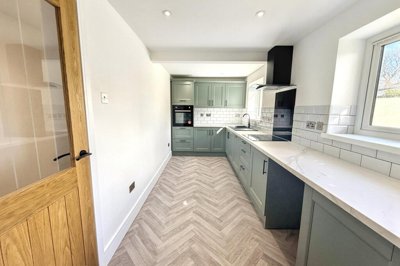
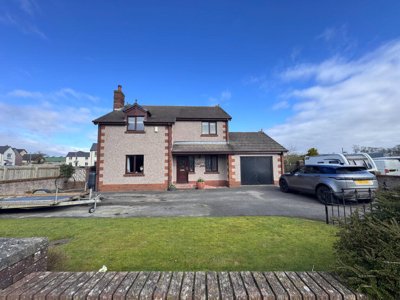
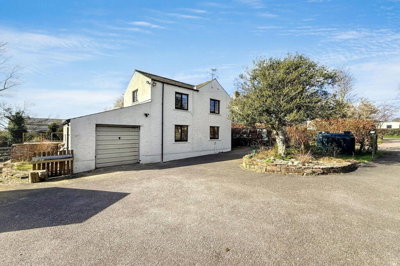
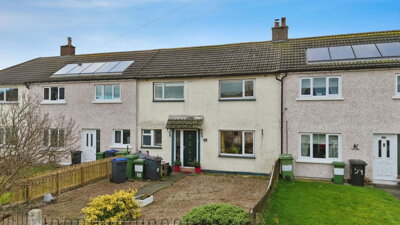
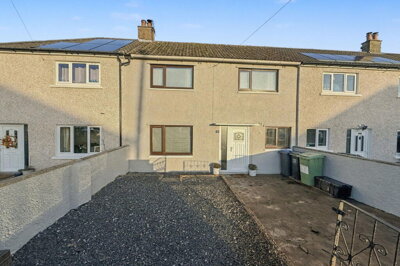
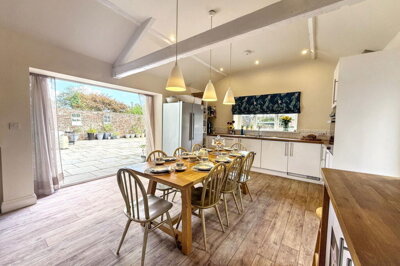
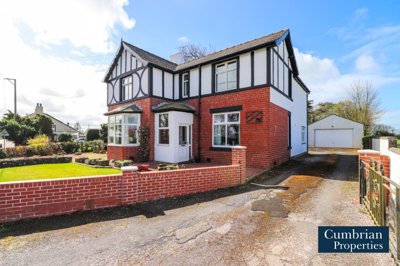
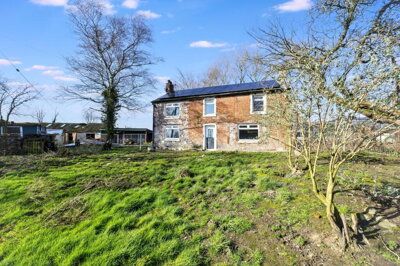
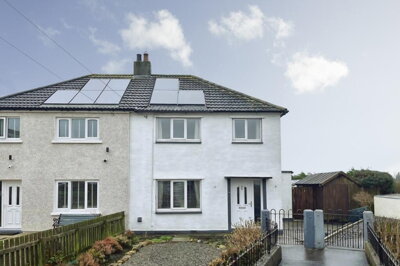
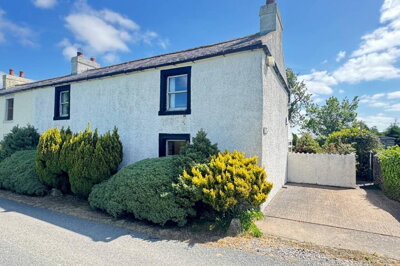
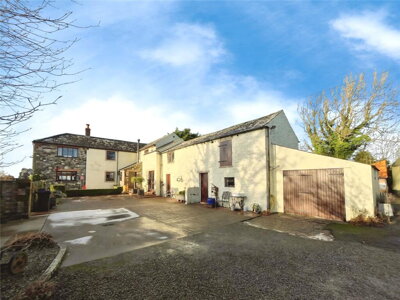
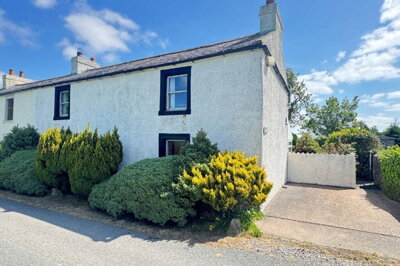
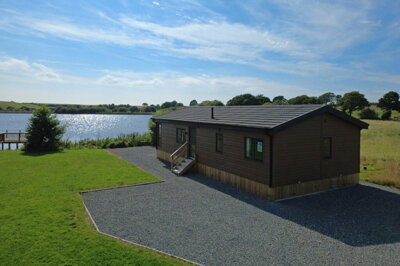
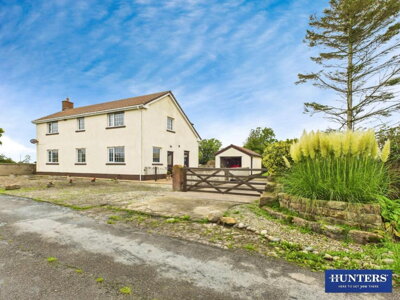
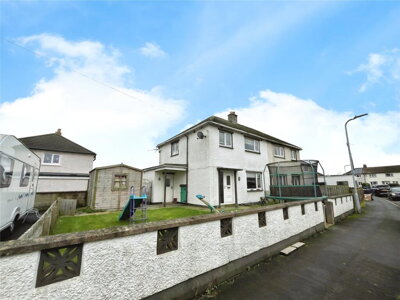
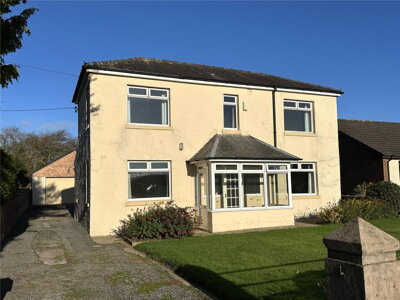
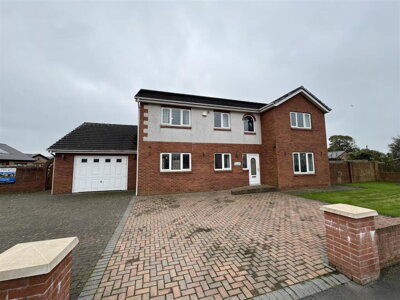
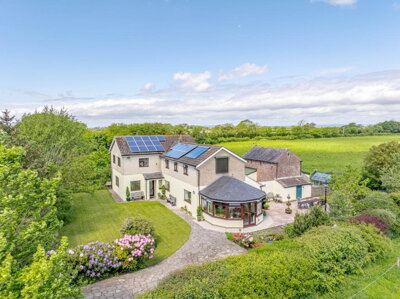
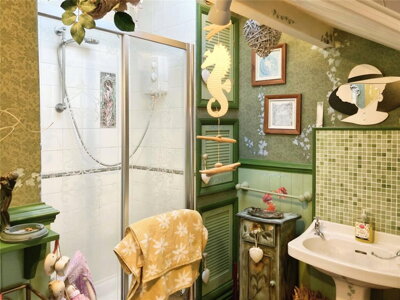
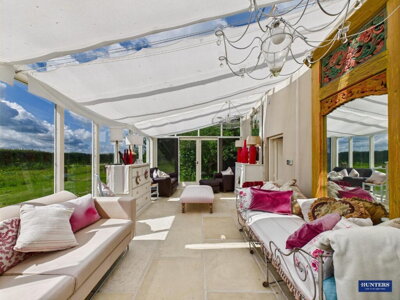
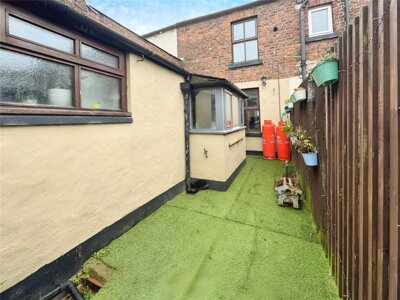
Browse 24 homes for sale in Holme Abbey from local estate agents.
The Holme Abbey property market sits within the wider Cumbrian picture, where our data puts the average price at £227,000 as of late 2025, and the median at £190,000. That keeps the area well placed against the rest of the region, especially when compared with pricier parts of the UK. Across Cumbria, the busiest bands are £100,000-£150,000, which account for 20.3% of all sales, then £150,000-£200,000 at 17.7% of transactions.
Across Cumbria, activity has eased back, with transaction volumes down 16.9% year-on-year, from 8,300 to 6,800 sales. Prices have also softened, with averages falling by about £2,400 over the past twelve months. For buyers, that can mean a little more room for negotiation than in the overheated market of recent years. New build homes in Cumbria average around £284,000, slightly above the £225,000 established property average, which reflects the usual premium for brand-new homes.
Holme Abbey itself offers a familiar mix for this part of Cumbria, with period cottages, some Victorian in origin, alongside newer homes at places such as Friars Garth. Its history, mixed with relative affordability, gives the village real appeal for people who value character and day-to-day quality of life more than fast capital growth. Families and first-time buyers relocating from larger cities often see strong value here, with more space and more personality than they would usually get for the same money in an urban setting.

Holme Abbey lies within the civil parish of Abbeytown, centred on the striking remains of Holme Cultram Abbey, a Benedictine monastery founded in 1150 by monks from Rievaulx Abbey. The abbey’s surviving nave now serves as the parish church, giving the village a clear focal point and a living link to nearly nine centuries of Christian worship. That heritage runs through daily life here, from street names to local stories, and it gives residents a strong sense of place.
The parish had a population of 757 at the 2021 census, down from 819 in 2011 and 776 in 2001. It is still a close, settled community, where neighbours tend to know one another and local events usually draw a decent turnout. Families and older couples make up much of the population, while there are fewer young professionals than in towns and cities, which reflects the rural setting and the limited local employment on offer.
Agriculture has long shaped the local economy in Holme Abbey and the surrounding area, and it still does, even as work has become a little more varied. The monks of Holme Cultram Abbey were known for draining marshes around the Solway Firth, reclaiming land for grazing, and that pattern of land use remains in place today. The Solway Firth also gives residents access to dramatic coastal scenery, salt marshes rich in birdlife, and outdoor pursuits such as walking, birdwatching and trips to the beach. Abbeytown once held weekly markets and fairs from the 17th century, serving the wider farming community, and although those market days are long gone, the village still has a useful set of local amenities for everyday life.
For families thinking about a move to Holme Abbey, education is mainly found in nearby market towns, with the village itself offering foundation-level schooling and secondary provision usually taken up elsewhere. Primary schools in the surrounding Cumbrian villages generally serve their own communities, and class sizes can be smaller than those found in urban areas, which often means more individual attention. Catchment areas and admissions policies do vary, so they are worth checking closely before settling on a property.
Within a sensible travelling distance, secondary options include schools in the wider Allerdale district, and several offer broad curricula with good local reputations. For older pupils, sixth form provision extends further, with colleges and school sixth forms in nearby towns offering A-level and vocational routes. Education in this part of Cumbria usually reflects the strengths of smaller school communities, though families may still want to look at current Ofsted ratings and examination results before making a final choice.
Smaller communities often provide a supportive setting, and Holme Abbey is no exception. Schools tend to work closely with local organisations, and children can get involved in village life from quite a young age. In rural Cumbria, extra-curricular activities often make use of the landscape itself, with outdoor sessions taking advantage of the scenery around the village. For many families moving from busier urban areas, that mix of outdoor learning and broader development is a welcome change from a more exam-led environment.
Transport in Holme Abbey reflects its rural setting. The village sits in the CA7 postcode district, and the nearest major rail links are in Carlisle, roughly 20-25 miles away. From Carlisle station, London Euston is reached in around three and a half hours on a direct train. Edinburgh is about two hours away, so both capital cities remain within reach for work or leisure.
The old Carlisle & Silloth Railway reached Abbeytown in 1856, and that helped drive local growth, bringing facilities such as an oilcake mill and the Abbey Implements Works agricultural engineering site. Passenger rail services in the immediate area have gone, but the line left a lasting mark on the village and its links with the wider region. Road travel now does most of the work, with the A595 acting as the main route towards Workington, Carlisle and the broader north Cumbrian network.
Bus services link Holme Abbey with nearby villages and market towns, which matters for residents without a car. Frequencies naturally reflect the rural nature of the area, so anyone planning a move should check current timetables and routes. For commuters heading to Carlisle or other larger towns, the drive comes with broad views of Cumbria’s countryside and a few well-known landmarks along the way. Parking is usually adequate for a settlement of this size, though households with several vehicles should keep that in mind when comparing homes.
Start with the current property listings in Holme Abbey and the wider CA7 area. Our platform gives access to homes from local estate agents, so it is easy to compare what is on offer, from price points to property types, before arranging viewings. It also helps to get a feel for the village itself, its amenities and its transport links, so the practical fit is clear from the outset.
Before serious viewings begin, we recommend securing a mortgage agreement in principle from a lender or broker. It shows estate agents and sellers that the finance is in place, which can strengthen an offer. With Cumbria showing modest price softening, being ready to move gives buyers a better chance of acting quickly on the right home.
Arrange viewings for homes that match the brief, and take time to look beyond the rooms themselves. The neighbourhood, nearby properties and access to local amenities matter just as much. In older village homes, signs of damp, roof condition and the age of building services deserve close attention, because maintenance or updating may be needed.
Before the purchase is completed, a RICS Level 2 Survey, formerly called a Homebuyer Report, is a sensible step. It gives a detailed look at the property’s condition and highlights defects, structural problems and other areas that may need attention. In Holme Abbey, where many homes are Victorian and some may be older still, that kind of professional inspection can reveal issues that are not obvious at first glance.
Once an offer is accepted, a conveyancing solicitor should be instructed to deal with the legal side of the purchase. The solicitor will carry out searches, review the contract and manage the transfer of ownership. Local experience can help, so it is wise to look for solicitors who know Cumbrian properties and any planning matters that may affect them.
The last stage is to agree the contract terms, carry out the final checks and complete the purchase. Solicitor and estate agent work through the process together, and in straightforward cases completion is usually 4-8 weeks after the offer is accepted. On completion day, the keys to the new Holme Abbey home are handed over.
Homes in Holme Abbey span several architectural periods, from Victorian terraces to newer properties at Friars Garth, and knowing the difference helps buyers judge likely maintenance needs. Victorian houses often have generous room sizes, original fireplaces and solid construction, although electrics, plumbing and insulation may need updating to modern standards. Details such as cornicing, ceiling roses and sash windows add character, but they also need ongoing care, so restoration costs should sit in the budget.
Being close to the Solway Firth brings flood risk into the picture, and that is something buyers should check carefully. The low-lying marshland, which the medieval monks once drained, means some parts of the area may be vulnerable in extreme weather or high tides. During conveyancing, the solicitor should carry out drainage and flood risk searches, and the results need to be reviewed properly before moving ahead. Lower-lying properties may also need specific insurance cover.
Homes near Holme Cultram Abbey, or within any conservation area, will face planning controls that affect extensions, alterations and even external paintwork. Anyone planning changes to a period property should speak to the local planning authority before buying, so it is clear what is and is not likely to be allowed. Listed buildings usually need Listed Building Consent for most alterations, which can make renovation more complex and more expensive. Those rules can limit flexibility, but they also help protect the character and value of the village’s built heritage.
Leasehold buyers need to look closely at the lease terms, ground rent and any service charges. Costs and restrictions vary a great deal, and although recent legislation has improved the position for leaseholders, professional legal advice is still important. Freehold homes usually bring fewer ongoing obligations, but buyers should still allow for maintenance, buildings insurance and future costs such as roof replacement or structural repairs.

Data for Holme Abbey itself is limited, but the wider Cumbria market shows an average price of £227,000 and a median of £190,000 as of late 2025. The most common bands are £100,000-£150,000, making up 20.3% of sales, and £150,000-£200,000, accounting for 17.7% of sales. Over the past year, prices have eased by about £2,400 on average. In Holme Abbey, the final figure for any one property will still depend on size, condition and exact position within the parish.
Holme Abbey homes fall under Allerdale Borough Council, and properties are usually in council tax bands A through D. Smaller period cottages and flats are often band A or B, while larger family homes and detached houses may sit in band C or D. Charges are set each year by the local authority, so buyers should check the exact band for any home they are considering.
Primary schools are available in nearby Cumbrian villages, while secondary options are usually a trip to the surrounding towns. The wider area has several primary schools with a good reputation for supporting young children in smaller classes. For older pupils, schools in the Allerdale district offer a broad education, including A-levels and vocational routes. Current Ofsted ratings and catchment areas are both worth checking carefully.
Public transport remains limited, which is part of Holme Abbey’s rural character. Local buses connect the village to neighbouring settlements and market towns. Carlisle is the nearest major rail station, around 20-25 miles away, with services to London, Edinburgh and the wider national rail network. For most journeys, road travel is the main option, and the A595 links the area with Workington and Carlisle. Anyone commuting daily should allow properly for travel time.
Holme Abbey offers something quite different from an urban investment. The emphasis is on lifestyle and long-term value rather than quick capital growth. The Cumbrian market has stayed fairly steady, with only modest price softening, and rural villages often attract buyers who want peace, home working space or a place to retire. There is rental demand across Cumbria, although the picture in Holme Abbey itself would need local research. The village’s history and character give it lasting appeal, which tends to support values over time.
Stamp Duty Land Tax rules for England still apply, and for most buyers the nil-rate threshold is £250,000. That means 0% is charged on the first £250,000, 5% on the portion between £250,001 and £925,000, 10% on the portion between £925,001 and £1.5 million, and 12% on anything above £1.5 million. First-time buyers get relief on the first £425,000, then pay 5% on amounts between £425,001 and £625,000. Given the usual price range in Holme Abbey, most homes sit within the lowest SDLT bands.
From 4.5%
Compare mortgage rates from several lenders and secure the best deal for a Holme Abbey property
From £499
Our solicitors handle the legal work and property purchase requirements from start to finish
From £350
A full homebuyer report for a new Cumbrian property
From £60
An energy performance certificate is needed for every property sale
Working out the full cost of buying in Holme Abbey means looking beyond the asking price. Stamp Duty Land Tax, solicitor fees, survey charges and a few other expenses all need to be included. For homes in the usual Cumbrian range of £150,000-£200,000, SDLT stays manageable under the current thresholds, and standard buyers pay nothing on the first £250,000 of the purchase price. That covers most homes in the village, so many buyers will face little or no stamp duty at all.
First-time buyers get relief on purchases up to £425,000, and 5% only starts on the slice between £425,001 and £625,000. So, for a first-time buyer taking on a typical Holme Abbey cottage at £180,000, no stamp duty would be due under the current rules. That can mean a sizeable saving compared with the extra costs seen in higher-value markets elsewhere in the UK, which makes rural Cumbrian property more accessible for people stepping onto the ladder for the first time.
Conveyancing fees for a standard purchase usually range from £500 to £1,500, depending on complexity and whether there is a mortgage involved. Search fees also need to be allowed for, including drainage searches, local authority searches and environmental searches, which together usually come to £200-£400. A RICS Level 2 Survey starts from £350 depending on property size, while mortgage arrangement fees vary by lender and run from 0% to 1.5% of the loan amount. Buildings insurance must be in place from completion, and removals should be budgeted too. In all, buyers should allow for extra costs of around 2-3% of the purchase price on top of the property valuation.

Properties for Sale In London

Properties for Sale In Plymouth

Properties for Sale In Liverpool

Properties for Sale In Glasgow

Properties for Sale In Sheffield

Properties for Sale In Edinburgh

Properties for Sale In Coventry

Properties for Sale In Bradford

Properties for Sale In Manchester

Properties for Sale In Birmingham

Properties for Sale In Bristol

Properties for Sale In Oxford

Properties for Sale In Leicester

Properties for Sale In Newcastle

Properties for Sale In Leeds

Properties for Sale In Southampton

Properties for Sale In Cardiff

Properties for Sale In Nottingham

Properties for Sale In Norwich

Properties for Sale In Brighton

Properties for Sale In Derby

Properties for Sale In Portsmouth

Properties for Sale In Northampton

Properties for Sale In Milton Keynes

Properties for Sale In Bournemouth

Properties for Sale In Bolton

Properties for Sale In Swansea

Properties for Sale In Swindon

Properties for Sale In Peterborough

Properties for Sale In Wolverhampton

Enter your details to see if this property is within your budget.
Loans, cards, car finance
Estimated property budget
Borrowing + deposit
You could borrow between
Typical borrowing
Monthly repayment
Est. at 4.5%
Loan-to-value
This is an estimate only. Your actual budget may vary depending on interest rates, credit history, and personal circumstances. For an accurate affordability assessment, speak to one of our free mortgage advisors.
This calculator provides estimates for illustrative purposes only and does not constitute financial advice. Your home may be repossessed if you do not keep up repayments on your mortgage. Estimates based on 4.5% interest rate, repayment mortgage. Actual rates depend on your circumstances.
Homemove is a trading name of HM Haus Group Ltd (Company No. 13873779, registered in England & Wales). Homemove Mortgages Ltd (Company No. 15947693) is an Appointed Representative of TMG Direct Limited, trading as TMG Mortgage Network, which is authorised and regulated by the Financial Conduct Authority (FRN 786245). Homemove Mortgages Ltd is entered on the FCA Register as an Appointed Representative (FRN 1022429). You can check registrations at NewRegister or by calling 0800 111 6768.

We use cookies to show you personalised content and improve your experience of our website. Find out more in our Privacy policy and Cookie policy.