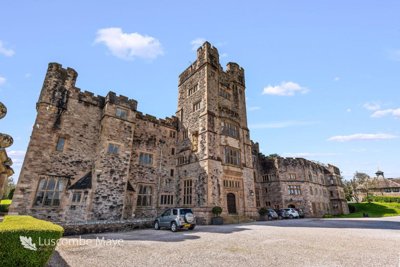
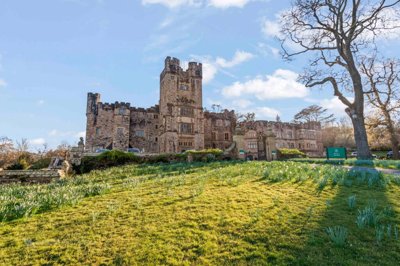
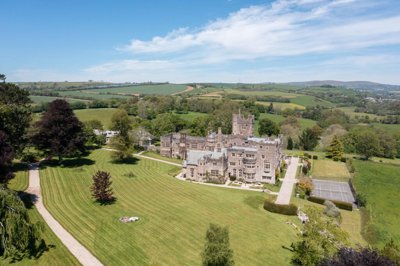
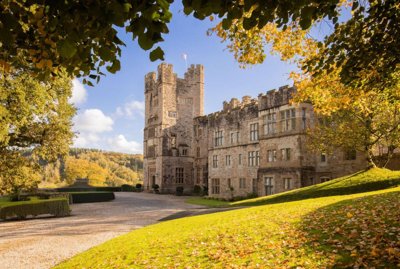
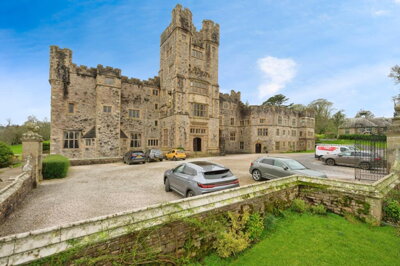
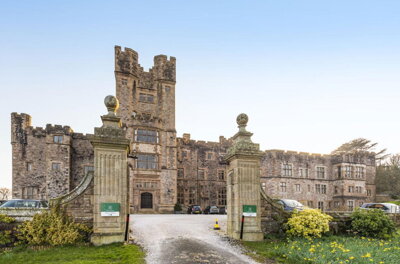
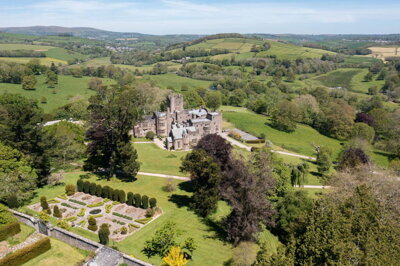
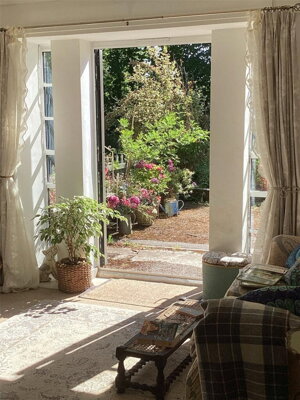
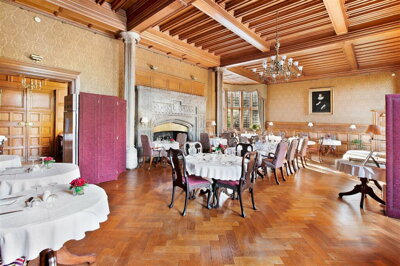
Browse 9 homes for sale in Holbeton, South Hams from local estate agents.
Studio apartments feature open-plan living spaces without separate bedrooms, incorporating sleeping, living, kitchen, and bathroom facilities. The Holbeton studio market includes properties in modern apartment complexes, converted Victorian and Georgian buildings, and purpose-built developments.
£295k
3
0
160
Source: home.co.uk
Showing 3 results for Studio Flats for sale in Holbeton, South Hams. The median asking price is £295,000.
Source: home.co.uk
Flat
3 listings
Avg £285,000
Source: home.co.uk
Source: home.co.uk
Holbeton’s property market mirrors the feel of this sought-after South Hams village, with detached homes making up 50 to 60 percent of the local stock. Our data shows the overall average house price currently sits at £530,000, with detached properties averaging £675,000 and semi-detached homes at around £385,000. Terraced properties in the village typically sell for approximately £350,000, while the limited number of flats available average £220,000. Over the past twelve months, prices have risen by around 5 percent overall, and detached properties have led the way at 6 percent, a clear sign of steady demand for family homes in this rural setting.
Activity stays fairly healthy despite the village’s small size, with approximately 35 property sales recorded in the past year. New build activity is limited in the PL8 postcode area, and no major developments are currently being marketed. Most homes on the market are older, traditional properties, with an estimated 30 to 40 percent built before 1919 and showing local stone construction and period features that appeal to buyers after genuine Devon village living. A further 20 to 25 percent of the housing stock dates from the post-war years through to 1980, bringing a mix of traditional and more modern construction methods. Limited supply, together with solid local demand, continues to underpin values in this attractive South Hams location.
In Holbeton, property types range from modest two-bedroom stone cottages along Fore Street and School Road to substantial detached farmhouses tucked back from the main village roads. The semi-detached houses found here often date from the mid-twentieth century, usually built in rendered blockwork and brick, while newer homes built after 1980 tend to use cavity wall construction with pitched tile roofs. That mix means buyers should check the construction type and age of any home they are considering, because maintenance needs and likely defects vary a great deal between the different building periods and styles.

Village life in Holbeton centres on community spirit and the landscape of South Devon, with the settlement sitting comfortably inside the South Devon Area of Outstanding Natural Beauty. In the centre, there is a historic church, a well-regarded primary school, and a traditional pub serving local fare, so most daily essentials are within a short walk of the residential streets. A village shop and post office serve local needs too, while Modbury and Ivybridge nearby provide more services, supermarkets, and healthcare facilities. The community feel comes through in regular village events, local clubs, and the way residents get involved in protecting the area’s heritage and environment.
The surrounding countryside gives residents excellent opportunities for outdoor recreation, with extensive footpaths, bridleways, and the dramatic coastline of the South Devon AONB all within easy reach. The River Erme runs close to the village, creating scenic walks and wildlife habitats, while Mothecombe and the Erme Estuary nearby offer beach access and water-based activities. Agriculture, tourism, and commuters travelling to Plymouth and other employment centres support the local economy. One notable feature of the Holbeton housing market is the presence of second homes and holiday lets, a reflection of the area’s popularity as an escape from urban life and a factor that adds to demand for property in this scenic spot.
Because Holbeton sits in the River Erme valley, properties enjoy different outlooks depending on where they sit in the village. Homes on the southern slopes of the valley may pick up better sunlight and views across the countryside, while lower-lying properties closer to the river benefit from easier access to the water and the network of public footpaths that follow the Erme downstream towards Mothecombe and the coast. The village’s elevation, and its position against the surrounding hills, gives it a relatively sheltered microclimate, though properties still need checking for exposure to the prevailing south-westerly winds common in this part of South Devon.

Holbeton Primary School is the main educational anchor, serving children from reception through to Year 6. Its small scale and close community ties are often mentioned by parents as a real advantage of village living, not just a nice extra. For secondary education, families usually look to schools in nearby towns, with Ivybridge Community College and Hele’s School in Plympton common choices for Holbeton pupils. Both offer a wide curriculum, good examination results, and facilities suited to students with different abilities and interests.
Nearby villages add more primary school choices, including faith-based provision and alternative approaches to learning for families who want something different. Modbury, the nearest market town, also has primary schooling, and secondary transport arrangements across the South Hams are well established. For families focused on academic performance, the grammar school system in Devon may shape school choice, with Plymouth offering grammar school options reached by dedicated transport routes. Sixth form provision is available at secondary schools in Ivybridge and Plymouth, with a mix of A-level and vocational courses for students finishing secondary education. Parents should check current catchment areas and admission policies, as these can affect placement in this rural area.
Travel to secondary school from Holbeton generally follows the A379, with school bus services running on established routes to Ivybridge Community College. The college, on Harrier Way in Ivybridge, is popular with Holbeton families because of its strong academic record and broad range of GCSE and A-level subjects. Any family looking at property here should allow for transport arrangements and costs in the budget, particularly where children will need daily travel to secondary school or college facilities in nearby towns.

Road transport is the main link out of Holbeton, with the A379 acting as the key route into the wider South Hams area. It connects the village to Ivybridge in one direction, giving access to the A38 motorway for Plymouth and Exeter, and to Kingsbridge and Salcombe in the other. Plymouth city centre is approximately 15 miles away, so it remains reachable for daily commuting and for regular trips for shopping, entertainment, and healthcare. By car, the journey usually takes around 30 to 40 minutes, though that changes with traffic and the time of day.
For public transport, there are local bus services linking Holbeton with neighbouring villages and towns, but frequencies are limited compared with urban areas, which makes car ownership a practical necessity for most residents. Ivybridge holds the nearest railway station, where mainline services connect Plymouth to London Paddington, with journey times to the capital averaging around three to three and a half hours. Regional rail services from Plymouth run to Exeter, Bristol, and beyond, giving broader reach for longer trips. Cycling is also common for local journeys, helped by the relatively flat ground around the village and dedicated routes through the surrounding countryside.
For anyone commuting to Plymouth, the daily trip from Holbeton is roughly 15 to 20 miles each way, passing through Ivybridge and into the city via the A38 and the wider road network. Traffic tends to build during the traditional morning and evening rush hours, so it is sensible to think about flexible or remote working if that would reduce the number of days on the road. The A38 also offers direct access to Exeter and the M5 motorway network, and Exeter is approximately 45 miles from Holbeton, usually around an hour by car in normal traffic.

A visit to Holbeton, and to the surrounding South Hams villages, gives a much better sense of the local property market, the lifestyle, and the community before any purchase is made. We suggest going at different times of day and on different days of the week, speaking with residents, and getting a feel for how everyday life unfolds in this rural Devon setting. It also helps to walk the village lanes, call in at the local pub, and follow the surrounding footpaths, so the area’s character and amenities come into view properly.
Before any viewings begin, speak with lenders or mortgage brokers and get an Agreement in Principle in place. It shows sellers and estate agents that serious progress has been made, while also giving a clear picture of the realistic budget. With average prices around £530,000, most buyers will need substantial mortgage finance. We recommend speaking to a broker who knows the South Devon market, as they can advise on lender appetite for rural village properties and the particular demands of traditional stone construction.
Use Homemove to browse all available properties in Holbeton and set up alerts for new listings that fit the brief. View more than one home so condition, character, and value can be compared, and pay close attention to property age and any signs of maintenance work or historic features. With period homes, it pays to look beyond the cosmetic finish and check the state of the key structural elements and services.
Once an offer is accepted, we advise instructing a RICS Level 2 Survey so the condition of the property is properly assessed. In older Holbeton homes, which often use traditional construction and local stone, a detailed survey matters because it can uncover defects, structural concerns, or renovation requirements. Our inspectors have extensive experience surveying South Devon properties and understand the common problems affecting traditional stone buildings in this area.
The next step is to appoint a conveyancing solicitor to deal with the legal side of the purchase, including local searches, title checks, and contract preparation. The solicitor will liaise with the seller’s representatives and manage exchange and completion on our behalf. As Listed Buildings and Conservation Area properties are common in Holbeton, it is sensible to choose a solicitor with heritage property experience and a clear grasp of the extra conveyancing issues those designations bring.
After the mortgage is finalised, the solicitor and lender can work together to complete the purchase. On completion day, the keys to the new Holbeton home are handed over, and the property legally transfers into the buyer’s ownership. Time should be allowed for the process, as rural transactions can sometimes be delayed by local searches or leasehold complications.
Homes in Holbeton need close attention because traditional building methods are widespread and much of the housing stock is old. Local stone is the main building material, especially in properties built before 1919, which make up an estimated 30 to 40 percent of homes in the village. These period properties often have solid walls rather than modern cavity wall construction, which can affect thermal performance and calls for specialist knowledge where alterations or improvements are planned. Buyers should check for damp, which is common in older homes without modern damp-proof courses, and inspect traditional features such as stone walls, slate roofs, and original windows.
Holbeton is a Conservation Area, and many properties are also Listed Buildings, including residential homes and the Church of All Saints. These designations restrict alterations, renovations, and external changes, and Listed Building Consent is required for certain works. Buyers looking at older homes should allow for the extra cost and planning considerations that come with listed status, including possible requirements for specialist materials and traditional building techniques. The River Erme runs close to the village, and properties immediately beside the river and its tributaries may be exposed to fluvial flooding, so proper searches and surveys are essential.
Geology is another point to factor in, because Holbeton rests on Devonian bedrock with areas of head deposits and alluvial soils along river valleys. It is not a high-risk national area, but localised pockets of clay-rich soil can create moderate shrink-swell risk, which may lead to foundation movement over time. A full RICS Level 2 Survey will look at these factors and flag up any structural concerns that need attention. For homes very close to Mothecombe and the Erme Estuary, coastal erosion also needs checking, especially where locations are exposed.
There are a few particular defects we often look for in Holbeton homes, starting with damp in solid-walled properties, where the lack of a cavity can allow moisture through the stonework. Our surveyors regularly find signs of rising damp in older homes, particularly where original damp-proof courses have failed or were never installed. Roofs also deserve close inspection, since many traditional slate roofs in the village are original or second-generation, and individual slates may show wear, cracking, or slipped tiles that let in water. Pointing to stone walls should also be checked for decay, because lime mortar joints are common in period properties and can fail over time, allowing water into the structure.
Timber defects are another frequent issue in Holbeton properties, especially where damp has affected structural or joinery timbers. Wet rot and dry rot can develop in persistently damp areas, including under leaking gutters, around window frames, and in ground-floor timbers where damp-proof membranes have failed. Our inspectors check all accessible timber elements for decay, insect activity, and structural soundness. Electrical wiring and plumbing in older properties often need upgrading to meet current safety standards too, and buyers should ask when these services were last inspected or renewed. Homes with solid walls may also have limited insulation by modern standards, which affects comfort and energy efficiency ratings.

Knowing the construction types common in Holbeton helps buyers weigh up maintenance needs and likely issues before purchase. Most pre-1919 homes in the village were built using local Devonian stone, usually grey or brown slate, shale, or limestone depending on the quarry source. Local builders often laid these stones in random courses or ashlar patterns, creating the distinctive character that shapes much of the village’s built environment. The walls are almost always solid construction, usually 450mm to 600mm thick, with no cavity for insulation or moisture management.
Homes built between 1919 and 1980 in Holbeton show more variation, including rendered stone or blockwork walls, brick cavity construction, and combinations of those methods. Many post-war houses have concrete tile roofs rather than natural slate, which is durable but can behave differently from traditional materials in maintenance terms. Render on these properties should be checked for cracking, bulging, or damp penetration behind the surface, as render failures can allow water to reach the structure beneath.
More recent homes in Holbeton, dating from after 1980, usually follow modern building standards with cavity wall insulation, pitched roofs finished in tile or slate, and uPVC windows and doors. These properties generally need less upkeep than older stock, but a full survey is still important to spot defects or construction issues that might not be obvious at a viewing. Because modern homes are limited in number here, demand for well-presented newer properties stays strong, often at premium prices beside older homes that may need renovation or improvement.

Recent market data puts the overall average house price in Holbeton at approximately £530,000. Detached properties average £675,000, semi-detached homes around £385,000, and terraced properties approximately £350,000. Flats average £220,000, although there are not many available. Prices have risen by around 5 percent over the past twelve months, with detached homes leading at 6 percent, which points to continued demand in this South Hams village. That premium for detached property reflects the appeal of rural family homes and the limited supply of that type in the village.
Holbeton falls within South Hams District Council, which sets council tax bands according to property valuations. Exact bands vary by individual property and can be checked through the South Hams District Council website or by asking the solicitor during conveyancing. As a broad guide, most homes in the village are likely to sit within bands B to F, depending on size, age, and position. Period stone cottages and smaller terraced homes usually fall in lower bands, while larger detached family houses and converted farmhouses tend to sit in the mid to upper bands. The solicitor will obtain the precise band from the local authority as part of the standard searches.
Holbeton Primary School serves the village directly, giving children from reception through to Year 6 an education in a close community setting. Its rural location and small class sizes are often mentioned by parents as major advantages compared with larger urban schools. For secondary education, Holbeton families commonly look to Ivybridge Community College, on Harrier Way in Ivybridge approximately 6 miles from the village, and Hele’s School in Plympton. Both schools offer good GCSE and A-level provision, along with established transport links from the Holbeton area. Plymouth grammar schools provide another route for academically able pupils, with admissions determined by the usual Devon selection procedures and catchment area considerations.
Compared with urban areas, public transport from Holbeton is limited, with local bus services linking the village to surrounding towns and villages along the A379 route. Ivybridge holds the nearest railway station, with mainline services to London Paddington, Exeter, Bristol, and the wider national rail network, and journeys to London average around three hours and fifteen minutes. Most residents depend on private car ownership for day-to-day travel, though the village is well placed for access to the A379 road network into Plymouth and the wider South Hams area. For people working remotely or on flexible patterns, Holbeton can work well as a calm base with reasonable access for the occasional business trip to major cities.
Several features make Holbeton appealing to property investors, including its position within the South Devon Area of Outstanding Natural Beauty and its proximity to Mothecombe and the Erme Estuary. The number of second homes and holiday lets in the area shows there is strong demand for residential property in this scenic location, and homes here often achieve premium prices because of the setting. That said, investors need to remember that Conservation Area status limits some changes, Listed Building rules may restrict improvement work, and the small size of the local market can affect liquidity and tenant availability. Homes suited to holiday letting near the coast can perform well, though current planning permissions and licensing rules for short-term rentals should always be checked.
Stamp duty rates for 2024-25 are 0 percent on the first £250,000 of residential property purchases, 5 percent on the portion between £250,001 and £925,000, 10 percent between £925,000 and £1.5 million, and 12 percent above £1.5 million. First-time buyers receive relief on the first £425,000, with 5 percent applying between £425,001 and £625,000. Given average prices around £530,000 in Holbeton, a typical purchase at that level would attract approximately £14,000 in stamp duty, based on the £280,000 above the £250,000 threshold. A first-time buyer at the same price point would pay approximately £5,250, which is a meaningful saving. The solicitor will work out the exact amount due, using the specific circumstances and purchase price.
Homes beside the River Erme and its tributaries may face fluvial flooding risk, especially during heavy rainfall when water levels rise sharply. Environment Agency flood risk maps show that low-lying land near the river channel sits within flood zones 2 or 3, which affects mortgage lending and insurance for those properties. The coastal ground near Mothecombe and the Erme Estuary carries some tidal flood risk too, although this is generally confined to the immediate shoreline and land below sea level. Surface water flooding can also affect different parts of the village during heavy rain because of local topography and drainage capacity. The solicitor will obtain a flood risk search during conveyancing, and a RICS Level 2 Survey will identify visible signs of previous flooding or water damage.
Holbeton has many Listed Buildings, and the village Conservation Area designation reflects the historic feel of the built environment. The Church of All Saints, which dates from the medieval period, is listed at Grade I, while many residential properties across the village are Grade II listed. Listed Building status restricts alterations, renovations, and external changes, and Listed Building Consent from South Hams District Council is needed for many works that would otherwise count as permitted development. Buyers looking at listed homes should allow for the additional time and cost involved in specialist surveys, traditional materials, and planning discussions. Where a property is listed, or has substantial historic fabric, a RICS Level 3 Building Survey may be more suitable than a Level 2 because it allows a deeper look at traditional construction and specialist repairs.
From 3.5%
Expert mortgage advice tailored to Holbeton property prices
From £499
Specialist solicitors for Holbeton property transactions
From £500
Thorough property surveys by local RICS inspectors
From £80
Energy performance certificates for Holbeton properties
Buying in Holbeton brings costs beyond the purchase price, and stamp duty land tax is one of the main items to plan for. The standard SDLT threshold for residential property is £250,000, so buyers pay nothing on the first slice and 5 percent on the amount between £250,001 and £925,000. With the average property price in Holbeton at around £530,000, a typical buyer at that level would pay approximately £14,000 in stamp duty, based on the £280,000 above the threshold. Homes priced above £925,000 attract higher rates of 10 percent on the next band and 12 percent on amounts above £1.5 million.
First-time buyers get more generous relief, with the threshold raised to £425,000 and a 5 percent rate applying between £425,001 and £625,000. That means a first-time buyer purchasing a typical Holbeton home at £530,000 would pay approximately £5,250 in stamp duty, which is a substantial saving against the standard rates. Properties above £625,000 do not qualify for first-time buyer relief, so purchases at that level are charged standard SDLT regardless of buyer status. The solicitor will calculate the exact figure due using the specific circumstances, the purchase price, and any additional properties already owned.
In addition to stamp duty, buyers should budget for solicitor fees, which typically range from £500 to £2,000 depending on transaction complexity and property type. Survey costs for a RICS Level 2 Survey on a typical three-bedroom property in Holbeton usually fall between £500 and £800, with larger or more complex homes costing more. Conservation Area properties and Listed Buildings may need specialist surveys and extra professional advice, which adds to the total. Mortgage arrangement fees, valuation fees, and search costs also need to be included, alongside removal expenses and any immediate renovation or repair work identified during surveys. Buildings insurance should be arranged from exchange, and contents cover should be in place before completion for anyone moving in with existing furniture or fittings.
Properties for Sale In London

Properties for Sale In Plymouth

Properties for Sale In Liverpool

Properties for Sale In Glasgow

Properties for Sale In Sheffield

Properties for Sale In Edinburgh

Properties for Sale In Coventry

Properties for Sale In Bradford

Properties for Sale In Manchester

Properties for Sale In Birmingham

Properties for Sale In Bristol

Properties for Sale In Oxford

Properties for Sale In Leicester

Properties for Sale In Newcastle

Properties for Sale In Leeds

Properties for Sale In Southampton

Properties for Sale In Cardiff

Properties for Sale In Nottingham

Properties for Sale In Norwich

Properties for Sale In Brighton

Properties for Sale In Derby

Properties for Sale In Portsmouth

Properties for Sale In Northampton

Properties for Sale In Milton Keynes

Properties for Sale In Bournemouth

Properties for Sale In Bolton

Properties for Sale In Swansea

Properties for Sale In Swindon

Properties for Sale In Peterborough

Properties for Sale In Wolverhampton

Enter your details to see if this property is within your budget.
Loans, cards, car finance
Estimated property budget
Borrowing + deposit
You could borrow between
Typical borrowing
Monthly repayment
Est. at 4.5%
Loan-to-value
This is an estimate only. Your actual budget may vary depending on interest rates, credit history, and personal circumstances. For an accurate affordability assessment, speak to one of our free mortgage advisors.
This calculator provides estimates for illustrative purposes only and does not constitute financial advice. Your home may be repossessed if you do not keep up repayments on your mortgage. Estimates based on 4.5% interest rate, repayment mortgage. Actual rates depend on your circumstances.
Homemove is a trading name of HM Haus Group Ltd (Company No. 13873779, registered in England & Wales). Homemove Mortgages Ltd (Company No. 15947693) is an Appointed Representative of TMG Direct Limited, trading as TMG Mortgage Network, which is authorised and regulated by the Financial Conduct Authority (FRN 786245). Homemove Mortgages Ltd is entered on the FCA Register as an Appointed Representative (FRN 1022429). You can check registrations at NewRegister or by calling 0800 111 6768.

We use cookies to show you personalised content and improve your experience of our website. Find out more in our Privacy policy and Cookie policy.