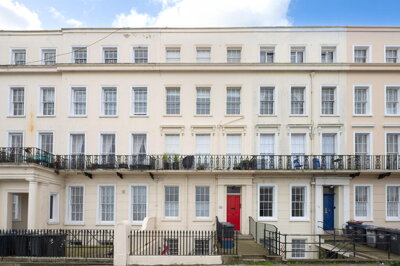
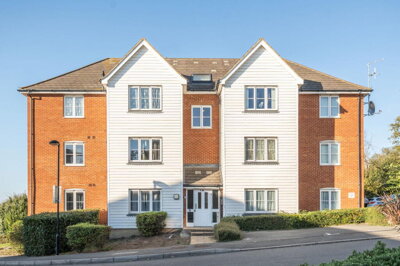
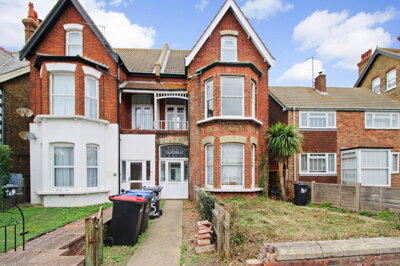
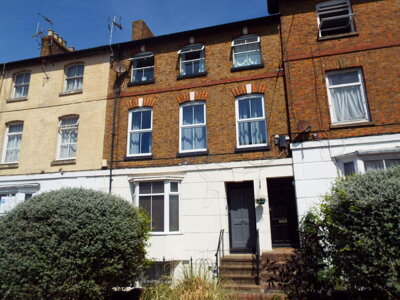
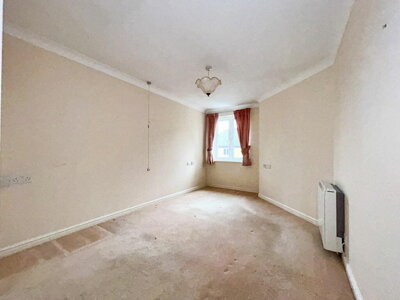
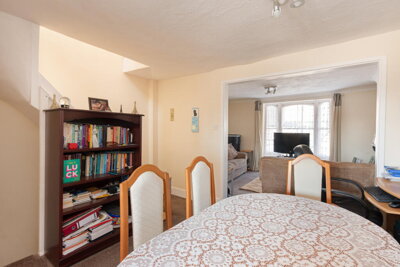
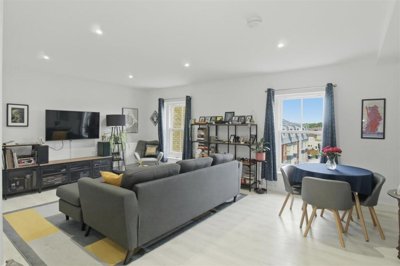
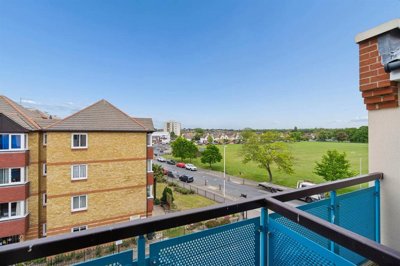
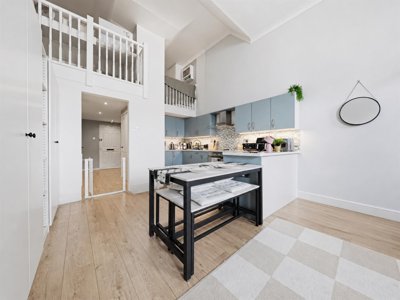
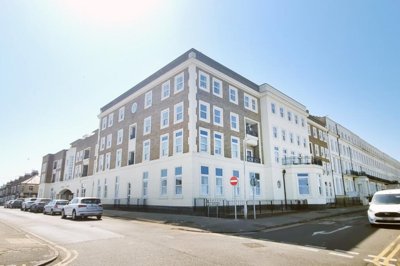
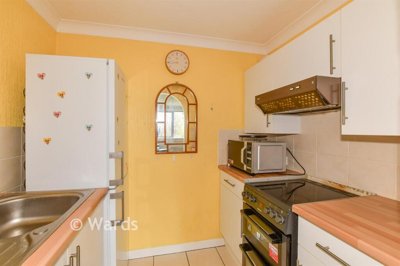
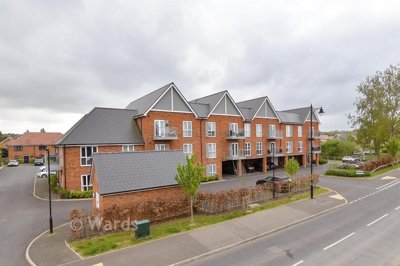
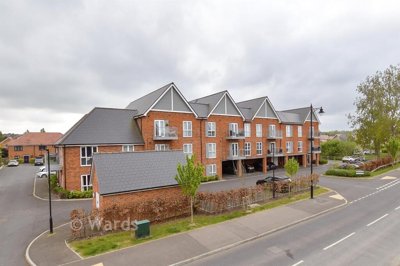
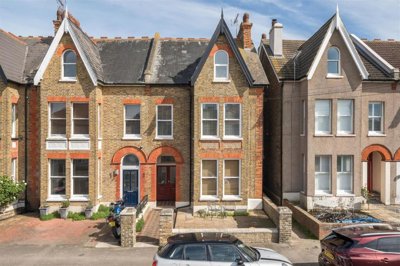
Browse 154 homes for sale in Herne and Broomfield from local estate agents.
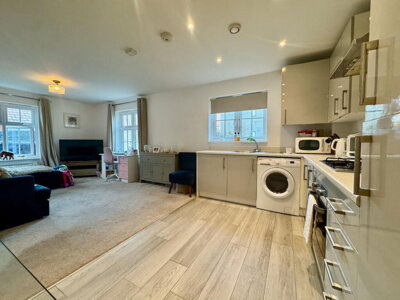
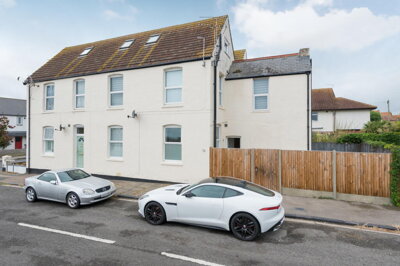
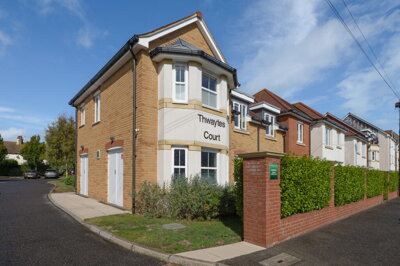
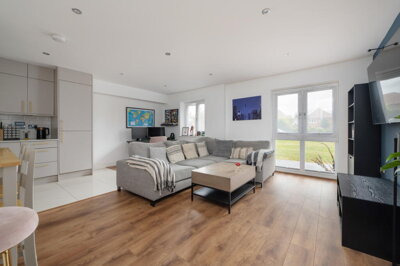
Studio apartments feature open-plan living spaces without separate bedrooms, incorporating sleeping, living, kitchen, and bathroom facilities. The Herne And Broomfield studio market includes properties in modern apartment complexes, converted Victorian and Georgian buildings, and purpose-built developments.
Across Herne and Broomfield, the property market has held up better than many expected despite national economic pressure. As of February 2025, prices have seen a modest correction of 3.7% over the past twelve months. We see that as part of the wider Kent picture, not a sign of weak local demand, and buyers who move decisively still face competition. The overall average price of £367,643 keeps Herne and Broomfield competitive against nearby Canterbury, where homes usually carry a premium, and it still looks better value than coastal hotspots such as Whitstable. Around 100 property transactions completed in the last year, a healthy level of activity for a village of this size. ---NEXT---
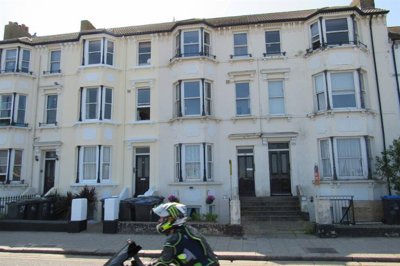
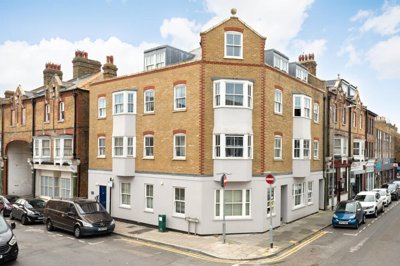
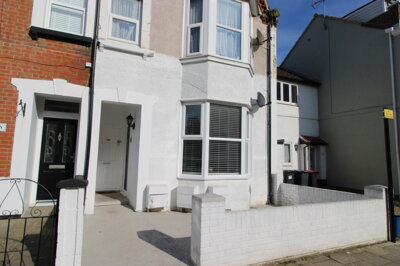
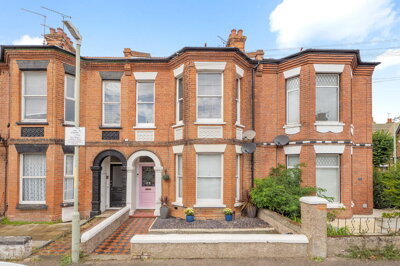
Housing in Herne and Broomfield reflects several phases of development. Census data indicates that around 27% of homes are detached, 32% are semi-detached, 24% are terraced, and 17% are flats and maisonettes. That 32% share of semi-detached housing gives families plenty of choice where they want decent space without stretching to detached-house prices. Detached homes sit at the top end, with an average value of £545,425, reflecting the appeal of larger plots, more privacy, and bigger gardens. At the other end, terraced homes average £251,874, which gives first-time buyers and younger couples a more accessible route into this sought-after postcode.
Buyers looking for modern homes with warranties also have options in the wider Herne Bay area next to Herne and Broomfield. Barratt Homes is behind the Herne Bay Gardens scheme, where 2, 3, and 4-bedroom homes start from about £329,995, while The Swallows by David Wilson Homes offers larger 3 and 4-bedroom homes from around £399,995. Both developments sit within the CT6 7GZ postcode area and often appeal to buyers who like the idea of contemporary fittings and energy-efficient layouts. Even so, Herne and Broomfield itself has a very different draw, with older homes, established streets, and conservation area protections that suit buyers after character and period detail.
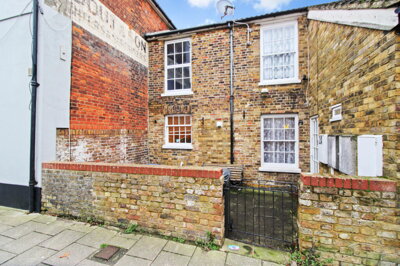
The housing stock in Herne and Broomfield covers a broad spread of ages, from pre-1919 cottages in Herne Village to inter-war semis from the 1920s and 1930s, then post-war expansion homes built through the 1950s, 1960s, and 1970s. Homes built before 1980 account for a substantial majority of what is here, probably more than 60-70% of the total stock. For buyers, that matters. Older properties often need more upkeep and can benefit from a thorough survey before purchase. It also gives the area its distinct look, with traditional Kentish stock brick sitting alongside later construction methods.

Herne and Broomfield combines village character with the kind of day-to-day practicality many buyers want. According to the 2021 Census, the parish is home to about 7,639 residents living across 3,189 households. That scale helps keep a strong community feel, where neighbours often know one another, but there is still enough local trade and service provision to cover everyday needs without always heading into Canterbury. Residents have convenience shops, traditional pubs, and basic services close by, while Herne Bay adds restaurants, entertainment, and coastal attractions within a short drive. Many people use the area as a residential base for work in Canterbury, Whitstable, and beyond, drawn by the quality of life in this part of Kent.
Different parts of Herne and Broomfield have noticeably different character. At one end is historic Herne Village, with period homes and conservation area protections, and elsewhere across the parish there are more modern residential pockets. Herne Village, focused around Herne Church, remains the historical and spiritual centre of the community and includes listed buildings such as Herne Mill, which has Grade II* status. We regularly see historic farmhouses and old dwellings built in the traditional Kentish stock brick that shapes the local vernacular. The conservation area designation helps protect that identity by keeping future change in step with the village’s historic form.
Green space is one of the easy wins here. Herne and Broomfield is surrounded by countryside, with footpaths and open areas that suit anyone who likes being outdoors. A short run to Herne Bay brings sandy beaches and the Sea Life Centre, while Whitstable, known for its oysters and harbour, is an enjoyable drive north. Canterbury adds shopping, dining, and cultural attractions, and regular bus services link the village with both places. The village hall and community centres host events through the year, which goes a long way towards making village life feel connected.
Work locally tends to come from the practical backbone of the area, retail, education, and smaller businesses serving the community. Residents also have local GP surgeries and dental practices within easy reach, while larger hospital services are available in Canterbury. Being close to Canterbury opens up a much broader employment base, including Canterbury Christ Church University and the University of Kent, both in the cathedral city and reachable by regular bus. Some local services also benefit indirectly from tourism in nearby coastal towns, and plenty of residents either work remotely or commute to larger centres while keeping the village lifestyle.

Families considering Herne and Broomfield will find education options that run from nursery through to secondary age, with several well-regarded schools within straightforward reach from most parts of the parish. Local primary schools are known within the community for supportive settings and solid academic outcomes. When we speak with buyers, school choice is often high on the list, and this is one of those areas where checking Ofsted reports and performance data can genuinely help narrow down the right location. Catchment arrangements can also give some flexibility, depending on exactly where a property sits.
For secondary education, many pupils travel into Herne Bay or Canterbury, where there is a wider range of academic and vocational routes. Access to Canterbury is a particular pull for families focused on results, because the city offers strong secondary schools, grammar schools, and sixth form colleges. Older students also have Canterbury Christ Church University and the University of Kent within reach, both based in Canterbury, and the transport links make daily travel workable for those studying locally. Kent’s long-established educational reputation still carries weight, and schools across the county often compare well nationally.
Some families will also look at independent education, with a number of Kent schools offering that alternative, including options in Canterbury and further afield depending on what is needed. Early years provision is also well covered, with nurseries and preschools in the area supporting children before they move into formal schooling. Wraparound care and extracurricular activities at local schools can make a real difference for working parents trying to manage childcare around the school day. We always suggest checking exact catchments and admissions rules before committing to a purchase, because they can materially affect which homes suit a family best.
School transport is already well established here, particularly for secondary pupils travelling to Canterbury and Herne Bay. For many families, that makes school choice more flexible than it first appears, whichever part of Herne and Broomfield they end up living in. Kent admissions still work on a catchment area basis, though, so buyers should confirm which schools serve a given address before they commit, especially where catchment is a key part of the decision.

Road access is one of Herne and Broomfield’s practical strengths. The A291 links the village directly north to Herne Bay and south to Canterbury, while the A299 Thanet Way nearby gives access towards the M2 and the wider motorway network, including routes onwards to London. For commuters heading into Canterbury, driving time is usually under 15 minutes, which is a big part of the area’s appeal for people who want village surroundings without giving up an easy run into the city. Dover and Folkestone, with ferry routes to continental Europe, can generally be reached in about 45 minutes by car.
Those not relying on a car have bus links into Canterbury, Herne Bay, and nearby villages. That network is especially useful for school journeys, shopping, and healthcare appointments in Canterbury. For longer trips, residents typically head to Canterbury’s mainline station, where trains run to London Victoria, London Bridge via Ashford, and other regional destinations, with London journeys usually taking around 90 minutes. Plenty of local buyers now mix home working with occasional office days, and for that pattern the links into Canterbury are often enough.
Cycling has become more practical in recent years, with dedicated routes linking some residential areas to local destinations and parts of the National Cycle Network. For residents who work from home most of the week, the transport picture often matters less day to day, and the quieter village setting becomes the bigger advantage. Parking is another plus. Compared with more urban locations, Herne and Broomfield generally offers good provision, with most homes having off-street parking and some streets also giving visitors plenty of on-street space. Add in flexible working patterns, and the area suits a fairly wide mix of lifestyles.
London commuting is possible from here, though it is not light-touch. From Canterbury station, journeys to London Victoria or London Bridge usually take about 90 minutes, which makes day commuting feasible but demanding. Ashford International, reached via the road network, gives another option and includes high-speed services to London St Pancras. We often find that Herne and Broomfield’s position between Canterbury and the Kent coast is what makes it workable, because residents can choose the Canterbury rail option or the faster Ashford services according to where they work and how they organise the week.

Our starting point is always the local market itself. Herne and Broomfield offers a broad mix, from period cottages in the Herne Village conservation area to more modern family houses on established residential roads. We recommend viewing at different times of day so traffic, parking, and background noise are clearer, and it is always worth speaking to local residents about schools, facilities, and the general feel of the neighbourhood. In this parish, understanding the difference between homes close to the Sarre Penn watercourses and those on higher ground can help buyers focus quickly on the locations that best fit their priorities.
Before we advise pushing ahead with offers, it makes sense to have a mortgage agreement in principle in place with a lender. This confirms how much the lender may be willing to advance following initial affordability and credit checks. It also helps show sellers and estate agents that funding is already being lined up, which can strengthen a buyer’s position. In the current market, speed matters, and having mortgage arrangements prepared in advance can be what separates one offer from another.
Once suitable properties are identified, the next step is arranging viewings and keeping detailed notes. We suggest paying close attention to condition, storage, natural light, and any obvious signs of damp or structural movement that may need closer investigation later. In period homes, roofs, original windows, and the wall construction, solid brick or cavity, are especially worth checking. Photographs and measurements can make comparisons far easier afterwards, and there is nothing unusual about returning for a second look before an offer goes in.
In Herne and Broomfield, a large share of homes are more than 50 years old, so for these properties a RICS Level 2 Survey is essential. It helps identify defects such as damp, roof problems, and possible subsidence linked to the local clay soils. The local geology, shaped by Thanet Formation soils with clay-rich deposits, brings a moderate to high shrink-swell risk for foundations, especially where large trees stand close to the building. Typical survey fees for a standard 3-bedroom property are around £400-700, with bigger detached houses costing more. Our team of RICS qualified surveyors regularly inspect homes across Herne and Broomfield and know the defect patterns that tend to appear here. ---NEXT---
Once an offer has been accepted, the legal work usually moves to a conveyancing solicitor. They handle the contract pack through to completion and carry out local authority searches with Canterbury City Council, along with environmental searches and drainage investigations. In the Herne Village conservation area, and with listed buildings, extra checks may be needed around planning conditions and permitted development rights. The solicitor will also work with the mortgage lender so that all lender requirements are dealt with before completion.
After the searches come back satisfactorily and the mortgage is fully confirmed, contracts are exchanged and the deposit is paid, usually 10% of the purchase price. Completion then often follows within 2-4 weeks, when keys are released and ownership passes over. The solicitor will notify homedata.co.uk and arrange registration of the transfer into the buyer’s name. Buildings insurance should be set up from the date of completion, and utility providers should also be told about the move at that stage.
There are a few local points in Herne and Broomfield that buyers should keep firmly in mind because they can affect both purchase decisions and long-term costs. The area’s geology, with Thanet Formation soils over chalk and superficial deposits of clay-rich Head and Alluvium near watercourses, creates a moderate to high shrink-swell risk for foundations. Homes with large trees nearby can be more vulnerable to subsidence in periods of extreme weather. A RICS Level 2 Survey helps assess the condition of the foundations and pick up any signs of movement that may need attention. Knowing the geology also makes it easier to understand why some houses show minor cracking or have specific foundation arrangements.
Flood risk is not uniform across the parish. Areas close to the Sarre Penn and other small watercourses can face fluvial flood risk, and lower-lying locations may also be prone to surface water flooding during heavy rain. One advantage here is that Herne and Broomfield sits slightly inland from the immediate coast, so direct coastal flood risk is lower than it is in Herne Bay itself. We recommend checking the government flood risk database and asking sellers about any previous flooding, as homes in higher-risk areas may need more specific insurance arrangements.
The listed buildings and the Herne Village Conservation Area give this part of Kent much of its appeal, but they also bring obligations. Buyers considering a period home within the conservation area, or a building with listed status because of its heritage importance, should expect restrictions on alterations, the use of sympathetic materials, and in some cases a longer planning process. For these homes, a specialist survey can be sensible so the construction, maintenance needs, and any past alterations are properly understood. Traditional brick, render finishes, and tiled roofs are common locally, with solid brick walls more typical before 1900 and cavity wall construction more common in post-war buildings.
Survey findings in Herne and Broomfield tend to reflect the age and build type of the housing stock. Older homes frequently show damp in one form or another, rising damp, penetrating damp, or condensation, especially where there are solid brick walls or poor ventilation. Roof defects are also common in properties over 50 years old, including worn tiles, failed lead flashing, and blocked gutters. In homes built before 2000, asbestos-containing materials can still be present in textured coatings, insulation, or older pipe lagging. We also regularly come across dated wiring and old fuse boards in houses that have not been modernised, plus timber problems such as woodworm and rot in floor joists, roof timbers, and window frames where maintenance has slipped.

As of February 2025, the overall average house price in Herne and Broomfield stands at £367,643. Breaking that down, detached homes average £545,425, semi-detached properties £345,630, terraced houses £251,874, and flats £202,230. Over the past twelve months the market has recorded a modest correction of 3.7%, which looks more like a reflection of wider national conditions than any local weakness. Around 100 homes changed hands in that period, pointing to healthy activity for a village of this size. For buyers comparing locations in the Canterbury district, Herne and Broomfield remains competitively priced, often representing better value than many Canterbury addresses while still keeping strong links to the city. ---NEXT---
Council tax in Herne and Broomfield falls under Canterbury City Council, with bands running from Band A to Band H based on property values at the 1991 valuation. In practice, many semi-detached and terraced homes here sit in Bands B to D, while bigger detached houses may fall into Bands E to G. The exact band for an individual address can be checked through the Valuation Office Agency website using either the address itself or the map search. Bills charged by Canterbury City Council include the local authority share as well as Kent County Council precepts, so the amount payable varies according to the band.
Families in Herne and Broomfield can draw on several well-regarded primary schools serving the local area, while secondary options in the surrounding districts are also strong. A good number of households look towards Canterbury too, particularly for grammar schools and other high-performing secondaries. For up-to-date Ofsted grades and school performance measures, including GCSE results and progress scores, we suggest checking the Ofsted website directly because ratings change over time and differ by school. Kent’s selective system remains a key factor, with grammar places available to pupils who pass the Kent Test, usually taken in Year 6.
Bus routes through Herne and Broomfield provide regular links to Canterbury and Herne Bay, making public transport a practical option for shopping, school travel, and days out. From the village, services run into Canterbury bus station, where it is easy to continue on to the railway station and city-centre facilities. Canterbury railway station can usually be reached in about 15-20 minutes by bus or car, and from there passengers have access to London Victoria, London Bridge via Ashford, and the wider rail network. By road, the A291 gives a straightforward run into Canterbury city centre, while the A299 Thanet Way links onwards to the broader motorway network, with the M2 about 20 minutes drive away.
For investors, Herne and Broomfield has a number of obvious strengths. Its closeness to Canterbury, reliable transport links, and family-friendly setting all help support rental demand from tenants who want village living with access to the city. The 3.7% price correction over the last year suggests relative stability rather than a sharp shift, and the range of property types means there are options at different price levels and for different tenant profiles. Demand is often strongest from commuters working in Canterbury or elsewhere in Kent, and from families focused on local school catchments. As ever, we recommend checking likely yields in the specific CT6 7 postcode area and weighing up tenant demand, typical void periods, and maintenance costs, especially with the older housing stock common in the village.
For 2024-25, Stamp Duty Land Tax is charged at 0% on the first £250,000 of residential property, 5% on £250,001 to £925,000, 10% on £925,001 to £1.5 million, and 12% above £1.5 million. First-time buyers may qualify for relief on purchases up to £625,000, paying 0% on the first £425,000 and 5% on the portion from £425,001 to £625,000. At Herne and Broomfield’s average price of £367,643, a first-time buyer would pay no stamp duty, while a home mover or investor would face approximately £5,882 in SDLT. ---NEXT---
With over 60% of homes in Herne and Broomfield now more than 50 years old, we strongly recommend a RICS Level 2 Survey for most purchases here. Our surveyors are familiar with the local build types, from traditional Kentish stock brick to post-war cavity wall construction, and we know where issues tend to show up, damp in solid wall homes, roof defects, and movement linked to the local clay geology. Where a property sits in the Herne Village conservation area or has listed status, a fuller RICS Level 3 Building Survey may be the better fit because of the extra heritage and construction considerations. As a guide, a standard 3-bedroom survey usually costs £400-700, with larger or more complex homes costing more. ---NEXT---
Homes inside the Herne Village Conservation Area come with planning controls covering certain alterations, extensions, and demolitions. The point of those rules is to protect the historic character of the village core and important listed buildings such as Herne Mill. Anyone considering works to a property there should check first with the Canterbury City Council planning department. Listed buildings are subject to further protections affecting interior as well as exterior features, and in some situations consent is needed from the local planning authority or Historic England.
From 4.5%
We help buyers compare mortgage rates from leading lenders so they can find the right deal for a Herne and Broomfield purchase.
From £499
Our recommended property solicitors can manage the legal work from offer through to completion.
From £400
Our qualified surveyors inspect properties across Herne and Broomfield and report on defects linked to the local construction types.
From £80
An Energy Performance Certificate is required for every property sale, and local assessors are available.
Getting a clear picture of the full buying costs in Herne and Broomfield helps avoid budget shocks once a purchase is underway. Stamp Duty Land Tax is one of the biggest upfront expenses for many buyers, although first-time buyers purchasing up to £625,000 may qualify for relief that reduces or removes the charge. At the current average price of £367,643, a first-time buyer would pay 0% stamp duty, which makes the area appealing for buyers taking a first step onto the ladder. At the same £367,643 purchase price, home movers and investors would pay about £5,882 in SDLT, based on 5% of the amount above £250,000. ---NEXT---
Stamp duty is only part of the picture. Buyers should also allow for conveyancing costs, with solicitor fees usually falling between £499 and £1,500 depending on complexity and whether the property is leasehold or freehold. Search fees, covering environmental, drainage, and local authority checks, are commonly around £250 to £400, and homes here will need Canterbury City Council searches. Given that over 60% of Herne and Broomfield properties are more than 50 years old, a RICS Level 2 Survey is usually an essential cost too, at roughly £400 to £700 depending on size and property type. Larger or more unusual homes, including listed buildings and those in the conservation area, may call for a RICS Level 3 Building Survey at a higher fee.
There are other costs to factor in as well, including mortgage arrangement fees, which depend on the lender and the product, valuation fees, sometimes included and sometimes charged separately, and removal costs on moving day. Buildings insurance should be in place from exchange, and many buyers also think about life insurance or critical illness cover when taking on a large mortgage. Survey pricing in Herne and Broomfield is broadly in line with national averages, and there are several firms operating in the local market. We usually suggest getting at least three quotes, but the real priority is choosing a qualified RICS surveyor who knows the local housing types and the defects commonly seen in this part of Kent.
Once the purchase is complete, the ongoing costs need just as much attention. Council tax is charged by Canterbury City Council and depends on the band, while utility bills will vary according to the energy efficiency of the property. Homes with solid brick walls or older heating systems can cost more to run than newer cavity-wall properties with improved insulation. Leasehold homes may also carry ground rent and service charges, and flats and maisonettes account for about 17% of the local housing stock according to census data. We recommend building these continuing costs into affordability calculations alongside the purchase price and monthly mortgage payments.

Properties for Sale In London

Properties for Sale In Plymouth

Properties for Sale In Liverpool

Properties for Sale In Glasgow

Properties for Sale In Sheffield

Properties for Sale In Edinburgh

Properties for Sale In Coventry

Properties for Sale In Bradford

Properties for Sale In Manchester

Properties for Sale In Birmingham

Properties for Sale In Bristol

Properties for Sale In Oxford

Properties for Sale In Leicester

Properties for Sale In Newcastle

Properties for Sale In Leeds

Properties for Sale In Southampton

Properties for Sale In Cardiff

Properties for Sale In Nottingham

Properties for Sale In Norwich

Properties for Sale In Brighton

Properties for Sale In Derby

Properties for Sale In Portsmouth

Properties for Sale In Northampton

Properties for Sale In Milton Keynes

Properties for Sale In Bournemouth

Properties for Sale In Bolton

Properties for Sale In Swansea

Properties for Sale In Swindon

Properties for Sale In Peterborough

Properties for Sale In Wolverhampton

Enter your details to see if this property is within your budget.
Loans, cards, car finance
Estimated property budget
Borrowing + deposit
You could borrow between
Typical borrowing
Monthly repayment
Est. at 4.5%
Loan-to-value
This is an estimate only. Your actual budget may vary depending on interest rates, credit history, and personal circumstances. For an accurate affordability assessment, speak to one of our free mortgage advisors.
This calculator provides estimates for illustrative purposes only and does not constitute financial advice. Your home may be repossessed if you do not keep up repayments on your mortgage. Estimates based on 4.5% interest rate, repayment mortgage. Actual rates depend on your circumstances.
Homemove is a trading name of HM Haus Group Ltd (Company No. 13873779, registered in England & Wales). Homemove Mortgages Ltd (Company No. 15947693) is an Appointed Representative of TMG Direct Limited, trading as TMG Mortgage Network, which is authorised and regulated by the Financial Conduct Authority (FRN 786245). Homemove Mortgages Ltd is entered on the FCA Register as an Appointed Representative (FRN 1022429). You can check registrations at NewRegister or by calling 0800 111 6768.

We use cookies to show you personalised content and improve your experience of our website. Find out more in our Privacy policy and Cookie policy.