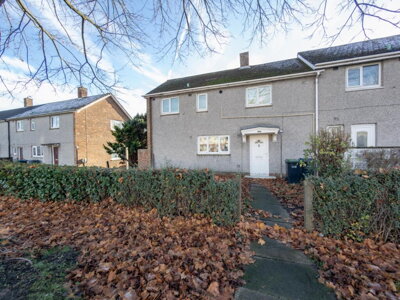
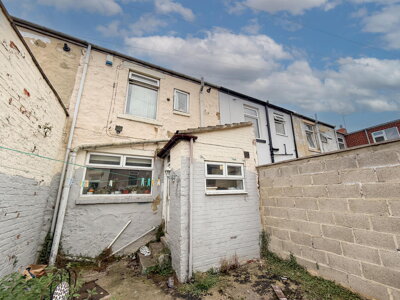
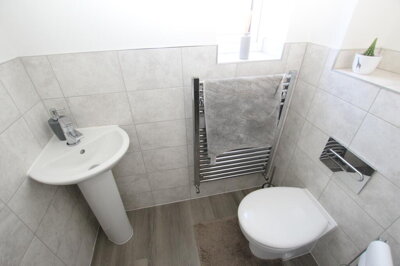
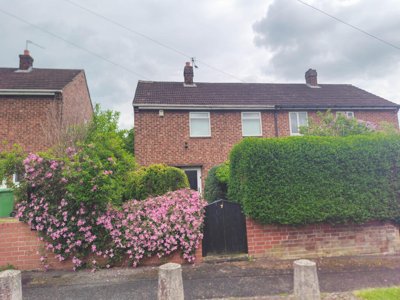
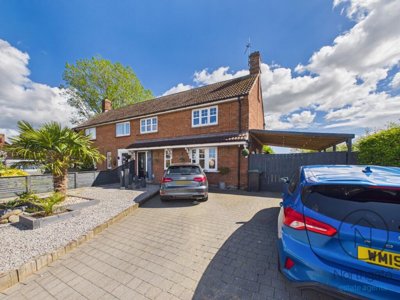
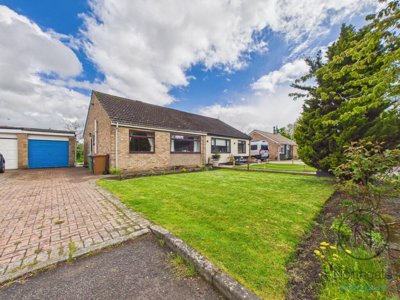
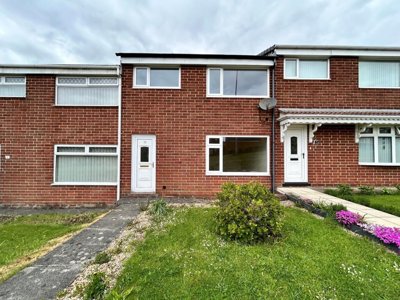
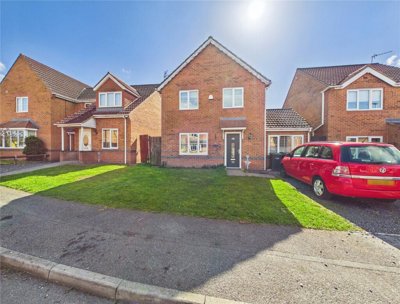
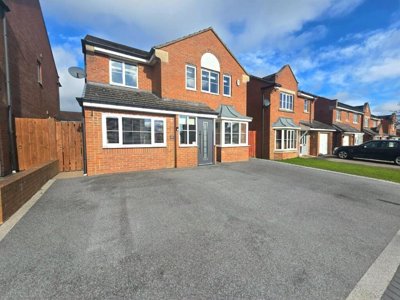
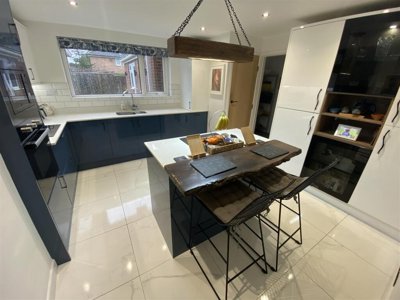
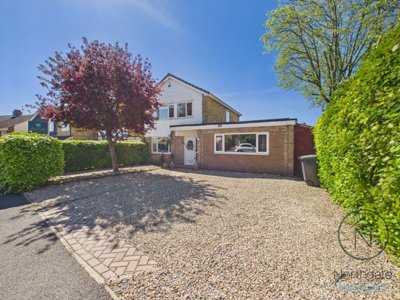
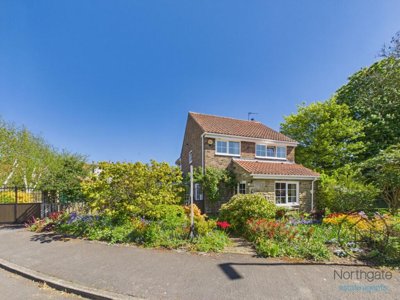
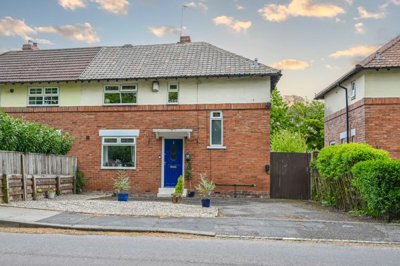
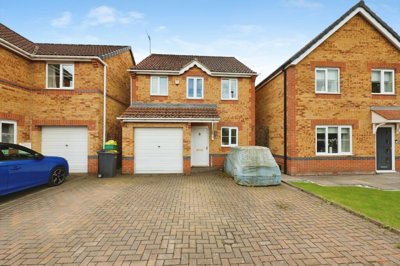
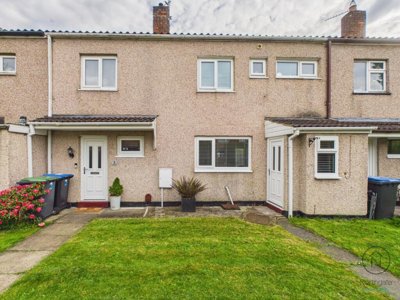
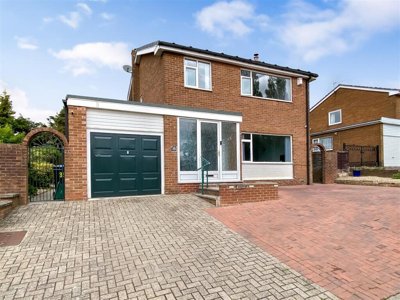
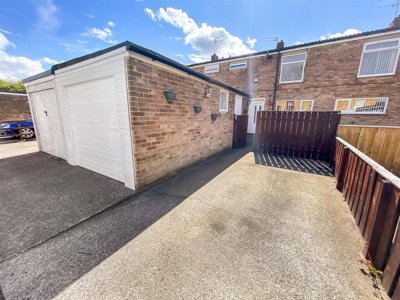
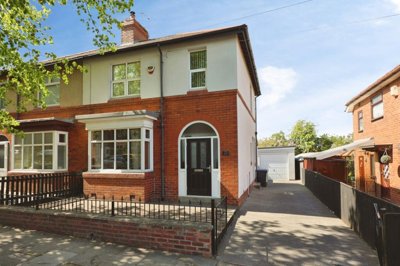
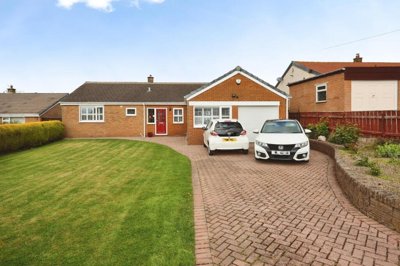
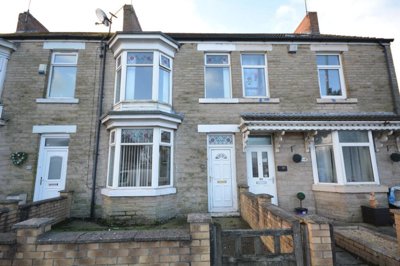
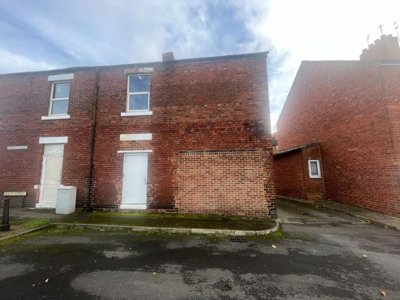
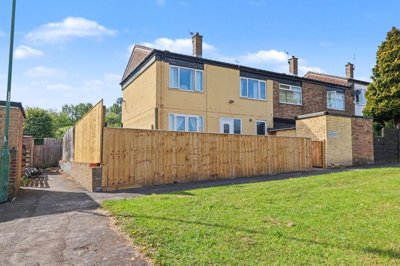
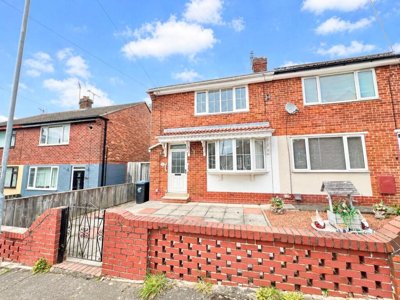
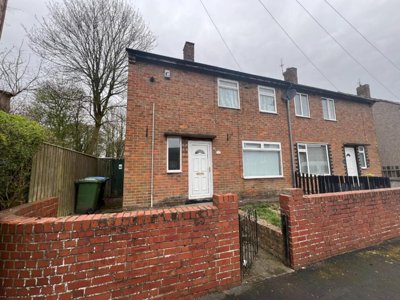
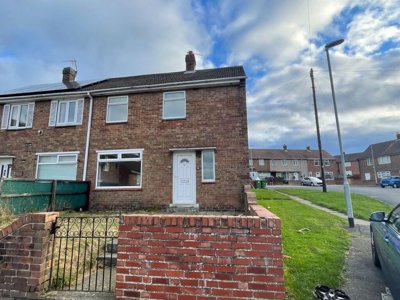
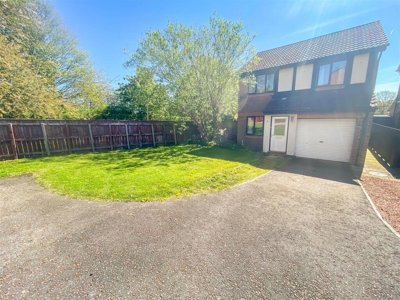
Browse 211 homes for sale in Heighington, Darlington from local estate agents.
£278k
30
3
147
Source: home.co.uk
Source: home.co.uk
Detached
15 listings
Avg £326,916
Detached Bungalow
5 listings
Avg £316,000
Semi-Detached
4 listings
Avg £216,249
End of Terrace
2 listings
Avg £125,000
Terraced
2 listings
Avg £147,500
Cottage
1 listings
Avg £125,000
Park Home
1 listings
Avg £179,995
Source: home.co.uk
Source: home.co.uk
Over the last year, homedata.co.uk records an average sold price of £273,181, while a separate 12-month view puts it at £265,824. Detached homes come in at £329,162 on average, semi-detached homes at £258,607 and terraced homes at £191,786, giving buyers a useful spread across different budgets. That gap matters when we are weighing up a first purchase against a longer-term family move. It also goes some way to explaining why Heighington attracts people who want more room without giving up links to the wider Tees Valley.
In 2025, 27 sales were recorded in the village, and 44.4% of them were detached homes. One measure has values 12% above the previous year, while another still places the market about 10% below the 2021 peak of £303,683. Taken together, that suggests a market with activity, but not one that leaves no room to negotiate. We did not identify a major named new-build pipeline in our research, so established homes and character stock are still doing most of the work here.

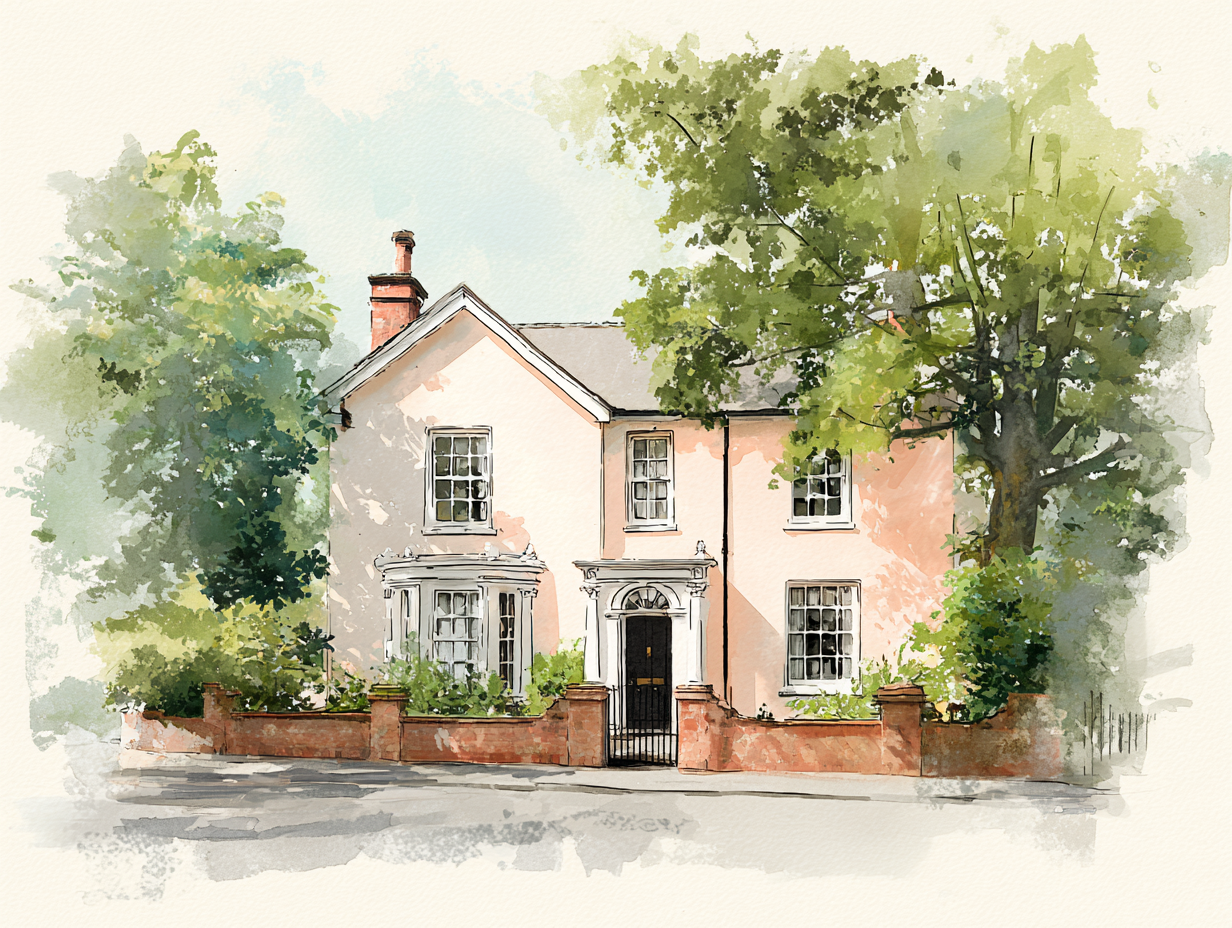
There is still a traditional village feel in Heighington, and it moves at a quieter pace than the larger towns nearby. Stone-built cottages help define the place, but they sit alongside Victorian terraces and more modern family homes, so the streetscape feels mixed without looking disjointed. Many buyers come here because they want a stronger sense of community and a setting that is less built up. For people after somewhere settled, rather than a fast-shifting urban quarter, that counts for a lot.
Character has its price, and in older housing that often means quirks as well as charm, uneven floors, thick walls, period joinery. Our research points to quirky stonework flaws in some homes, exactly the kind of thing we would want a careful viewing to pick up. The village also suits buyers who want a base with open countryside nearby and straightforward trips into the surrounding Tees Valley. Space, charm, a slower daily rhythm, Heighington is well worth a close look.
For families moving into Heighington, the village primary school is often the starting point, then the search widens to schools in Darlington, Newton Aycliffe and the wider County Durham area. Catchment can turn on the exact address, not just the village named in the listing. That matters most where buyers want a clean path from primary into secondary and sixth-form education. Before we go too far with an offer, we would always confirm admissions criteria with the schools and the local authority.
Some buyers will find Heighington works best when school planning is treated as part of the move from day one. Local families often compare primary provision first, then look closely at transport for secondary runs and after-school clubs. For further education, Darlington offers broader access to colleges and sixth-form options than a small village can provide by itself. That flexibility can make a real difference for growing families who want village living without narrowing later study choices.

Most commuters see Heighington as a village where the car does a lot of the heavy lifting, with practical links into Darlington, Newton Aycliffe and the wider Tees Valley corridor. The road network is a big part of its pull, especially for households travelling regularly for work or school. For longer-distance trips, Darlington is the clearest rail gateway, while local road access keeps everyday journeys relatively simple. Before buying, we would think carefully about how often we would rely on a car against public transport, because that balance shapes daily life here.
Day-to-day routines depend on the roads as much as commuting does. Village living can mean fewer shops, leisure options and services right on the doorstep than a town centre would offer. Parking is usually easier than in denser urban areas, though older streets can still tighten up quickly once cars line both sides. Cycling may suit local journeys, but rural lanes are not the same thing as dedicated urban cycle routes. For buyers with regular travel needs, it is sensible to check peak-time routes, school-run traffic and the time it takes to reach the nearest rail or bus interchange.
For plenty of households, the real transport benefit is choice. Heighington lets people live in a quieter village setting while still getting to major employment areas without going fully rural. That balance helps explain its steady appeal with family buyers and longer-term movers. We would always try to time viewings around the actual commute before committing to a purchase.
Heighington may be a small village with a strong identity, but we would still check the postcode, council area and school catchment for the exact house in question.
Before booking too many viewings, we would arrange a mortgage agreement in principle, because well-priced local homes in good condition can move quickly.
Running costs vary more than some buyers expect. Detached homes, semis, terraces and stone cottages can differ significantly on heating, parking, garden size and the amount of updating required.
For a conventional home in reasonable condition, a RICS Level 2 survey is often enough. Older cottages, altered houses and homes with unusual construction are more likely to justify a Level 3 report.
We would ask the conveyancer to check title, boundaries, searches, rights of way and any leasehold or shared-maintenance issues before matters get too far advanced.
Once the mortgage offer, survey and legal work are all in place, exchange of contracts and completion planning tend to feel much more secure.
Older stone homes in Heighington need a close inspection, particularly where damp, roof condition or movement may be hidden behind a tidy frontage. Our research in the area flags subsidence, damp and roof issues as recurring concerns, so we would want any viewing to include the loft, gutters and visible brick or stone lines. Where a property is listed or sits in a character setting, it is also important to check what has been altered and whether the work had proper consent. Small details here can save a buyer time, money and stress later on.
Even though our research did not identify a specific flood hotspot, surface water and drainage checks are still worth doing. In older village homes, buyers should also ask about insulation, heating efficiency and how the building copes with winter weather. Where the property is a flat or conversion, service charges, ground rent and lease length all need close review. Leasehold terms can affect resale value just as much as the asking price, so we would read that paperwork very carefully.
Village character can make planning restrictions more significant, especially for buyers considering extensions, replacement windows or outbuildings. Even without a confirmed conservation designation in our research, local rules and neighbour concerns still count. Quirky stonework flaws, ageing roofs and patched repairs are exactly the sort of matters a good survey should set out clearly. Spot them early, price the work properly, negotiate from a stronger position.
homedata.co.uk shows average sold prices of around £273,181 over the last year, with another 12-month measure at £265,824. The gap reflects the way the data window is counted, but both numbers place the market firmly in the mid-£200,000s. Detached homes average £329,162, while terraced homes sit lower at £191,786. For buyers, that gives a practical sense of where a budget is likely to land.
Council tax is set by the individual property rather than the village name alone. Because Heighington lies close to the Darlington and County Durham boundary, the exact local authority record matters more than any broad assumption. In England, council tax bands run from A to H, and we would always check the band against the specific postcode before setting a budget. A solicitor can confirm it during the legal work as well.
School choice often starts with the village primary, then broadens into secondary options across Darlington and Newton Aycliffe. Catchment can shift from one street to the next, so the exact house number matters. For older pupils, buyers frequently look across wider Darlington and County Durham options as part of the same decision. We would always check admissions rules before making an offer where school travel is important to the move.
For a semi-rural location, Heighington is reasonably well connected, although most buyers still approach it as a car-led commuting base. Darlington offers the clearest rail access for longer journeys, and local roads make nearby towns and services easy enough to reach. Buses can be useful for some trips, but they will not suit every household for daily commuting. Where rail travel matters, we would test the full door-to-platform routine before committing.
Heighington tends to suit buyers looking for steady demand rather than a fast speculative market. homedata.co.uk records 27 sales in 2025, with detached homes accounting for 44.4% of them, a sign that family housing remains the main force in the market. Much of the village's pull comes down to character, space and a practical position within reach of Darlington and the Tees Valley. In a small market like this, buying well matters more than chasing volume.
Stamp duty is a key part of the sums. For most buyers, the rate is 0% up to £250,000, then 5% from £250,000 to £925,000, 10% from £925,000 to £1.5 million and 12% above that. On a home priced at £273,181, a standard buyer would pay about £1,159. First-time buyers pay 0% up to £425,000, so the same purchase could attract no stamp duty at all if it is a first home and the buyer qualifies. We would ask a solicitor or mortgage adviser to confirm the exact figure before exchange.
A survey makes a lot of sense in Heighington, especially on an older home or one built from stone. Our research highlights damp, roof issues and subsidence as local concerns, precisely the kind of problems a survey can reveal before a buyer is committed. A RICS Level 2 survey will often suit a conventional property in reasonable condition, while period homes or altered properties may call for Level 3. Spending that money early can head off much larger costs later.
Stamp duty is often one of the biggest extra costs beyond the deposit, so we would check it early rather than late. For main-home buyers in England, the current bands are 0% up to £250,000, 5% from £250,000 to £925,000, 10% from £925,000 to £1.5 million and 12% above £1.5 million. First-time buyers have 0% up to £425,000, then 5% from £425,000 to £625,000, with no relief above £625,000. The final bill depends not only on the village, but also on buyer status and the agreed price.
At around the local average of £273,181, a standard buyer purchasing in Heighington would face about £1,159 in stamp duty. A first-time buyer at the same price would usually pay nothing, assuming they qualify for the relief. Stamp duty is only part of the picture, though. We would also budget for legal fees, search fees, survey costs, mortgage product fees and removals. Buyers who keep a realistic cash buffer are far less likely to feel squeezed in the final weeks before completion.
Survey costs are another area where budgeting carefully pays off. Local guidance suggests a basic survey can start at around £350, while more detailed inspections for older or larger homes can cost more. In Heighington, that matters because character cottages and older village houses often need more than a quick glance. For a smoother purchase, we would line up the mortgage, solicitor and survey as early as possible so the transaction keeps moving.
Properties for Sale In London

Properties for Sale In Plymouth

Properties for Sale In Liverpool

Properties for Sale In Glasgow

Properties for Sale In Sheffield

Properties for Sale In Edinburgh

Properties for Sale In Coventry

Properties for Sale In Bradford

Properties for Sale In Manchester

Properties for Sale In Birmingham

Properties for Sale In Bristol

Properties for Sale In Oxford

Properties for Sale In Leicester

Properties for Sale In Newcastle

Properties for Sale In Leeds

Properties for Sale In Southampton

Properties for Sale In Cardiff

Properties for Sale In Nottingham

Properties for Sale In Norwich

Properties for Sale In Brighton

Properties for Sale In Derby

Properties for Sale In Portsmouth

Properties for Sale In Northampton

Properties for Sale In Milton Keynes

Properties for Sale In Bournemouth

Properties for Sale In Bolton

Properties for Sale In Swansea

Properties for Sale In Swindon

Properties for Sale In Peterborough

Properties for Sale In Wolverhampton

Enter your details to see if this property is within your budget.
Loans, cards, car finance
Estimated property budget
Borrowing + deposit
You could borrow between
Typical borrowing
Monthly repayment
Est. at 4.5%
Loan-to-value
This is an estimate only. Your actual budget may vary depending on interest rates, credit history, and personal circumstances. For an accurate affordability assessment, speak to one of our free mortgage advisors.
This calculator provides estimates for illustrative purposes only and does not constitute financial advice. Your home may be repossessed if you do not keep up repayments on your mortgage. Estimates based on 4.5% interest rate, repayment mortgage. Actual rates depend on your circumstances.
Homemove is a trading name of HM Haus Group Ltd (Company No. 13873779, registered in England & Wales). Homemove Mortgages Ltd (Company No. 15947693) is an Appointed Representative of TMG Direct Limited, trading as TMG Mortgage Network, which is authorised and regulated by the Financial Conduct Authority (FRN 786245). Homemove Mortgages Ltd is entered on the FCA Register as an Appointed Representative (FRN 1022429). You can check registrations at NewRegister or by calling 0800 111 6768.

We use cookies to show you personalised content and improve your experience of our website. Find out more in our Privacy policy and Cookie policy.