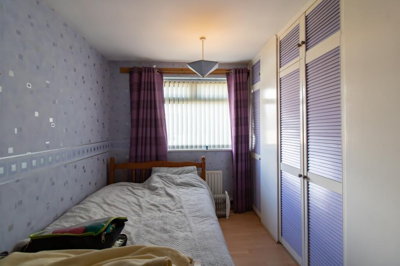
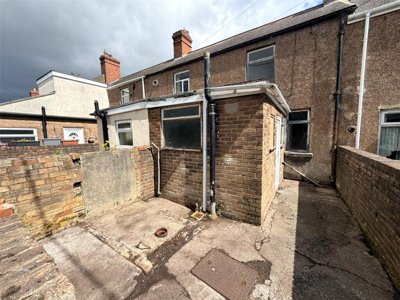
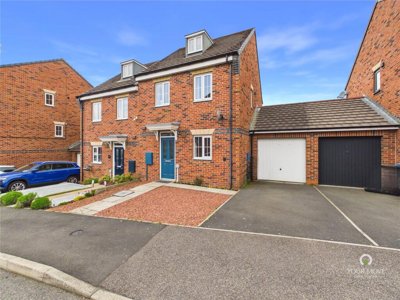
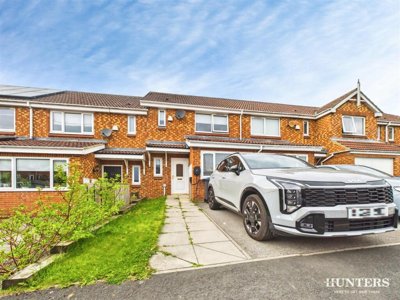
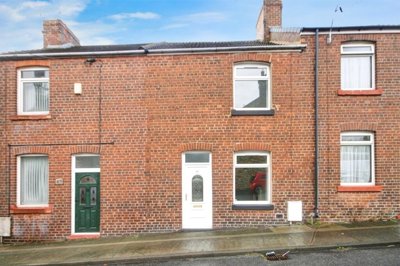
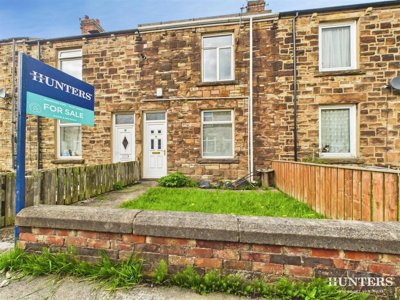
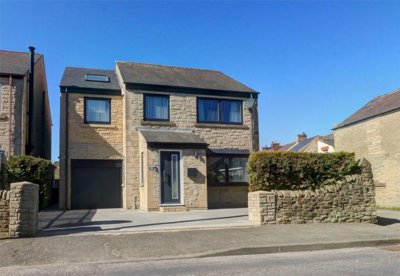
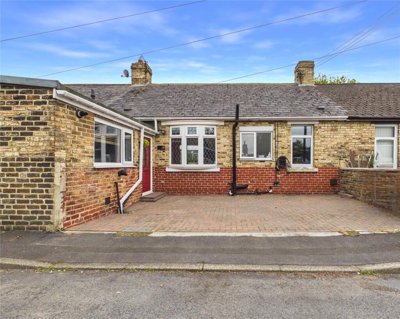
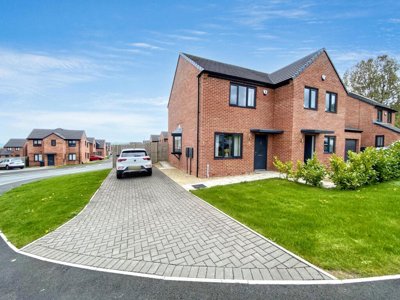
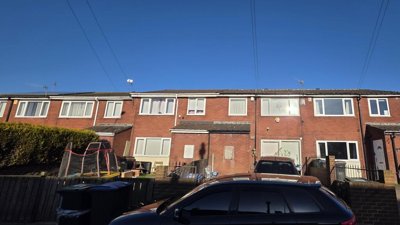
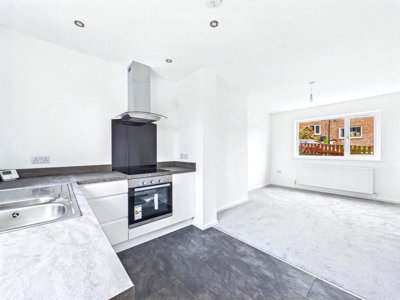
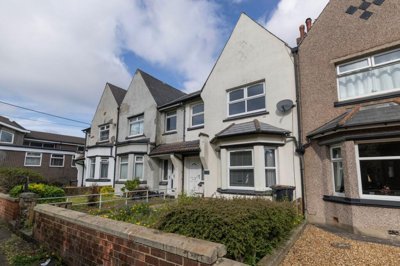
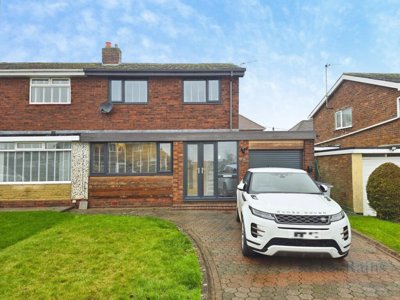
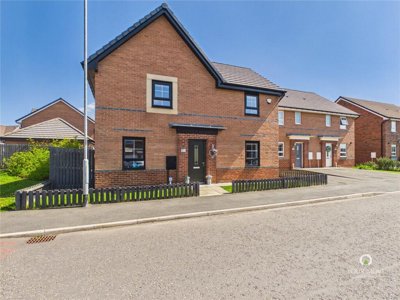
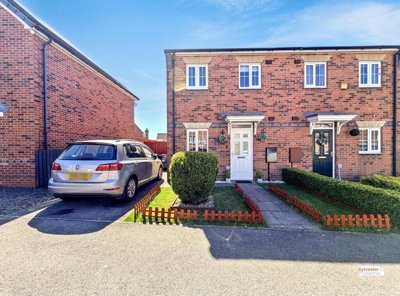
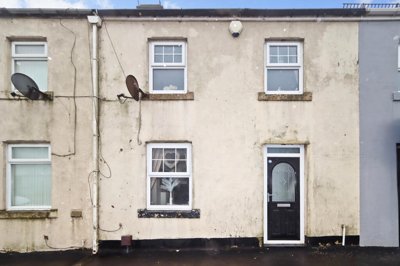
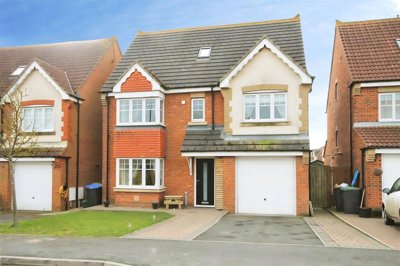
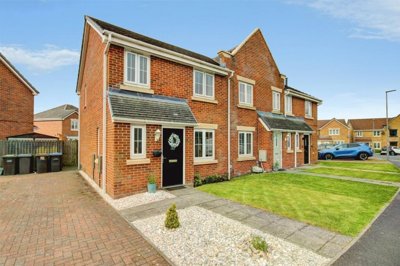
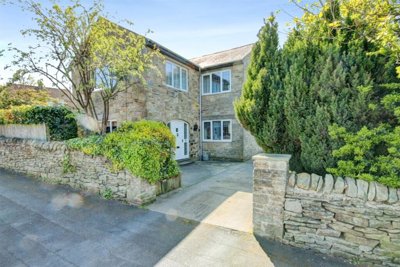
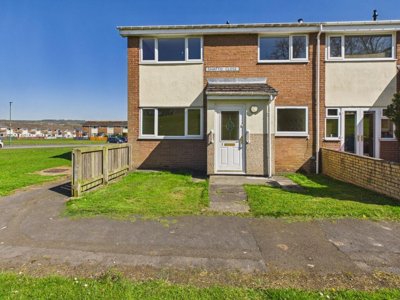
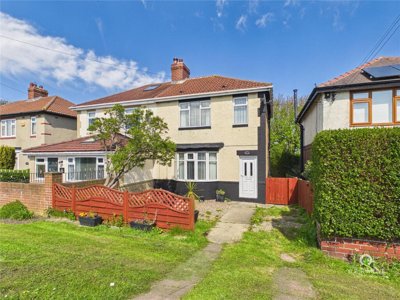
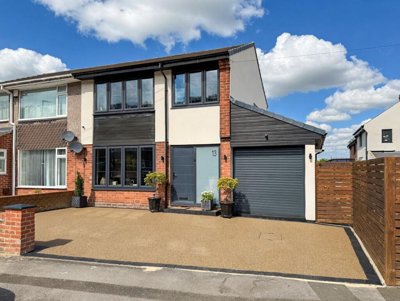
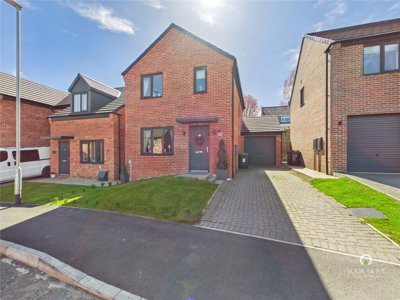
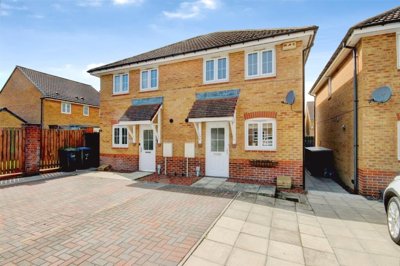
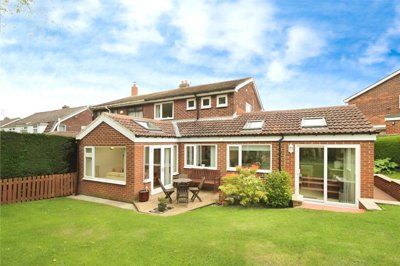
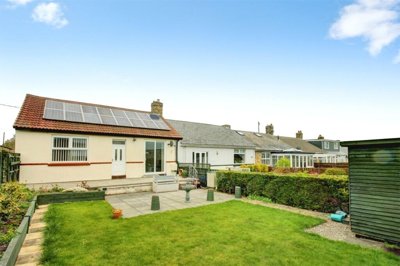
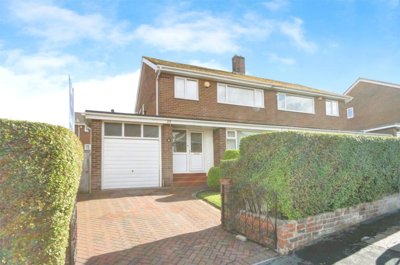
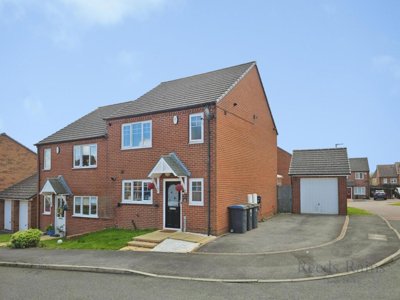
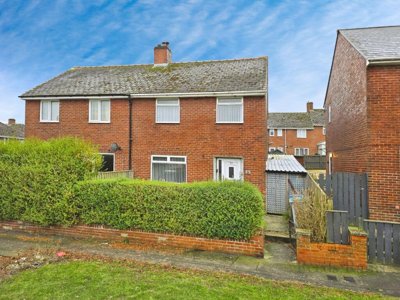
Browse 162 homes for sale in Healeyfield, County Durham from local estate agents.
£255k
16
0
110
Source: home.co.uk
Source: home.co.uk
Detached
5 listings
Avg £374,000
Semi-Detached
5 listings
Avg £184,000
Bungalow
3 listings
Avg £286,667
Barn Conversion
1 listings
Avg £695,000
Detached Bungalow
1 listings
Avg £245,000
Terraced
1 listings
Avg £124,500
Source: home.co.uk
Source: home.co.uk
Healeyfield does not produce a huge postcode sample, but the evidence that is there still gives us a decent read on values. homedata.co.uk records show a detached home at £644,950 on 31 March 2022, a flat at £240,000 on 30 August 2022, and semi-detached sales at £309,950 and £258,500 across 2022 and 2024. Put together, that range points to a market where plot, specification and build type carry real weight, not just the postcode name. If we were buying here, we would compare like with like rather than assuming every Healeyfield home belongs in one price bracket.
Looking at the known sales alone, the median lands at £309,950. The mean across the verified records is about £352,670, lifted by the detached outlier. homedata.co.uk records also show that 9 properties sold in DH3 4DU over the last decade, which makes this an active market, just not a high-volume one. For wider context only, homedata.co.uk shows County Durham average house prices at £143,000 in December 2025, up 7.7% from December 2024. The Healeyfield records also include new-build activity, though there are no currently verified active developments to benchmark against.

More enclave than village centre, Healeyfield tends to appeal to buyers who want a residential setting without feeling cut off. The sales evidence places it around Lambton Park, with Chester le Street close enough to cover the practical side of life, shops, services and day-to-day errands. That leaves the area with a quieter feel while still keeping larger County Durham destinations within easy reach. For people chasing space and calmer roads, that mix can work very well.
This is an inland part of County Durham, so coastal erosion does not enter the picture, and the research pack did not verify a Healeyfield-specific flood profile or geology note. Even without that postcode-level detail, the local land and drainage story still matters, especially where a small sales history can make buyers more cautious. The records include a detached home, several semi-detached sales and one flat, which suggests a housing mix that is varied but not extensive. For culture and leisure, most people will look out towards Chester le Street and Durham, so the attraction here is partly the setting and partly the ease of getting elsewhere.
School planning needs a careful check here. The research pack did not verify a postcode-specific school list, Ofsted summary or catchment map for Healeyfield, so families should start with the exact house number rather than the village name. In County Durham, admissions can shift street by street. We would compare nearby primary and secondary options against current admission zones before an offer goes in. If children are part of the move, school access can matter just as much as the amount of floor space.
The wider County Durham market often rewards buyers who think ahead on education, because strong catchments can help both day-to-day family life and resale demand. In Healeyfield, we would also weigh up sixth-form choices and further education access around Chester le Street and Durham, especially where older children may need flexible travel routes. No verified grammar school, sixth form or college placement data was supplied for the exact postcode, so the latest admissions and transport details need checking direct. It is an extra job, but it can prevent disappointment later in a small market where replacement stock may be thin.
Scarce supply often brings out determined family buyers, particularly where the school pattern suits them, and that can strengthen offers. We usually advise having a mortgage agreement in principle lined up early, because buyers driven by catchment needs tend to move quickly when the right house appears. If a property fits your schooling requirements, being financially ready can change the outcome. We would check the school side before the first viewing, not after falling for the house.

For commuting, the main advantage is road access. Chester le Street and the wider County Durham network are likely to be the usual link to larger employment centres. Anyone driving regularly should test the route to the A1 corridor and the main A roads before committing, because even a small residential postcode can behave very differently at rush hour. The research pack did not verify exact journey times for this postcode, so it makes sense to drive the route at the times you would actually travel. That tells us more than a guessed estimate ever will.
Rail travel is likely to mean heading for Chester le Street or Durham stations rather than expecting a station within Healeyfield itself. That still leaves the area workable for trips into Durham, Newcastle and other North East employment hubs, so long as a short drive or bus connection to the train is acceptable. Service patterns do change, which is why live timetable checks are worth doing before relying on memory. Over a year, the easier station or road connection can save a surprising amount of time.
Cyclists, and households running more than one car, should pay close attention to the layout of each street and the parking pressure around the specific address. A quieter residential setting can help, but it can also mean less on-street turnover where several homes keep multiple vehicles. Family buyers often find that bike storage, buggy space and room for outdoor gear matter every bit as much as the commute. In a low-volume market, those ordinary practical details often separate a house that is fine from one that genuinely works.
We would start with the sold-price evidence in DH3 4DU, limited though it is, and set that against the asking price of the property in front of you. Property type, plot, finish and any new-build status all need to be weighed properly, so you are not paying too much for a smart brochure.
Before booking a run of viewings, get a mortgage agreement in principle in place. In a small market, well-presented homes can move fast. A firm budget also makes it easier to judge whether the property sits comfortably within current lending rules and your deposit plan.
At the viewing stage, we would look hard at access, parking, orientation, neighbouring plots and whether the house sits in a quieter or more exposed stretch of the street. In a postcode with few sales, details like these tend to matter more than they would in a bigger town.
For most standard homes, a RICS Level 2 survey is a sensible place to begin, especially with a record set that includes newer builds and only a small number of older transactions. If there are major alterations or any visible defects, we would think about a deeper survey before going further.
Once the offer is accepted, get the conveyancer to check title, searches, planning history, lease terms where relevant and any local restrictions that could affect the plot. Flats need extra attention at this point, because service charges and ground rent can shape long-term value.
After the searches are back, the mortgage checks are done and the survey questions have been dealt with, the purchase can move on to exchange and then completion. We like to have removals, insurance and the utility switch plan organised early, so the move feels managed rather than frantic.
In this postcode, surveying is less about the headline price and more about build quality, plot position and any signs that the property changed after completion. The research pack shows new-build sales in 2022 and 2024, but no current active development was verified, so we would ask when the home was completed and who built it. Newer houses can be efficient and easier to maintain, but buyers still need to check snagging, warranties and any hidden service-charge arrangement. That matters even more on a small development where comparable sales are limited.
Even without verified Healeyfield-specific flood data in the research pack, flood checks should still form part of the due diligence. Inland locations can still suffer drainage issues, and things like roof runoff, driveway levels and nearby watercourses all affect day-to-day comfort. The same research found no confirmed conservation area or listed-building concentration within Healeyfield, so planning restrictions need checking property by property rather than being assumed from the postcode. We would also want the solicitor to confirm any unusual title notes, because small places can carry very specific legal quirks.
Leasehold flats need their own line of enquiry, especially as the local records include a flat sold at £240,000. Before moving ahead, we would ask about ground rent, service charges, reserve funds and the remaining lease length, since those figures can change the real affordability of a home. Freehold houses are often more straightforward, but they still need careful checks on boundaries, access rights and any estate management charges tied to a modern development. A solid survey and a careful solicitor usually tell us whether a purchase is genuinely good value or only looks that way on paper.
The verified Healeyfield sales sample is small, so the figures need handling carefully. Using the recorded DH3 4DU transactions on homedata.co.uk, the mean of the known sales is about £352,670 and the median is £309,950. The latest sale we can verify was £258,500 on 9 September 2024, and the range stretches from a £240,000 flat to a £644,950 detached home. In a market with this sort of volume, we would usually treat the median as the stronger guide.
There is no single council tax band that covers Healeyfield as a whole. The band sits with the individual property, and the mix of semi-detached, detached and flat sales means it can vary by address, size and valuation history. Before making an offer, ask the agent or seller for the current band and monthly amount, then work that into the budget. It matters just as much as the asking price.
The research pack did not verify a postcode-specific school ranking, so we would not label one school as the best without checking the exact address first. Families should compare nearby primary and secondary catchments across Chester le Street and the wider County Durham area, then look at current inspection results and admissions rules. Sixth-form and further education options also need checking if children may have to travel. In practice, the best school is often the one that suits the real house location, not just the village name.
We would treat Healeyfield as a commuter base for Chester le Street and Durham, not as a location with a major transport hub right outside the door. For longer journeys, nearby rail stations are the practical choice, while road access does most of the daily commuting work. The research pack did not verify exact local journey times, so testing your own route before committing to a purchase is well worth doing. That matters most where reliable peak-time travel is non-negotiable.
Potentially, yes, but only for buyers comfortable with a small, low-volume market. homedata.co.uk shows the wider County Durham average house price at £143,000 in December 2025, up 7.7% from December 2024, and the broader Durham postcode new-build market averaged £283,000, up 10% over the last twelve months. Those numbers point to supportive market conditions, but Healeyfield itself has limited sales evidence, so returns will depend heavily on the home you choose. We would focus on specification, rental demand and exit liquidity, not just postcode prestige.
For a main home, stamp duty thresholds currently sit at 0% up to £250,000, 5% from £250,000 to £925,000, 10% from £925,000 to £1.5 million, and 12% above that. On the latest verified Healeyfield sale of £258,500, the tax would be £425 for a standard buyer. At the £309,950 median drawn from the known sales, the bill would be £2,997.50. First-time buyers pay no stamp duty up to £425,000, so some Healeyfield purchases may qualify for relief.
The sale records do show new-build transactions in 2022 and 2024, which points to recent development activity in the postcode. We could not verify an active named development, a current release schedule or a live price list for Healeyfield itself. So buyers should check live availability carefully and not assume a fresh phase is still on sale just because the records include new-build completions. Even on a newly built home, a survey and warranty check remain sensible.
From 4.5%
Compare mortgage rates and find the best deal
From £499
Expert solicitors to handle your purchase
From £350
Homebuyer report for your new property
From £99
Check energy performance before you buy
Stamp duty is only one part of the overall buying cost, but it is a figure buyers often underestimate. Under current rules for 2024-25, main-residence buyers pay 0% up to £250,000, 5% from £250,000 to £925,000, 10% from £925,000 to £1.5 million and 12% above that. First-time buyers pay 0% up to £425,000, then 5% from £425,000 to £625,000, with no relief above £625,000. Some Healeyfield purchases will therefore carry relatively light SDLT, while higher-value plots can add a much more noticeable cost.
At the verified £258,500 sale level, a standard mover would owe £425 in stamp duty. A purchase at £309,950 would produce a bill of £2,997.50. The detached sale at £644,950 would mean a far larger tax charge, so we would model SDLT before getting too attached to any house. If you already own another property, higher rates may apply, and your solicitor or mortgage adviser should confirm the exact position. Legal fees, survey costs, mortgage fees, searches and removals all need budgeting alongside SDLT if the move is going to stay realistic.
In Healeyfield, affordability is best judged as a full package, not just the asking price on the listing. A home that feels manageable at offer stage can tighten quickly once survey work, insurance, stamp duty and completion costs are added in. That is why we like a mortgage agreement in principle to be sorted early, because it gives a clearer picture of what you can spend without stretching too far. In a small postcode with limited comparable sales, disciplined budgeting often matters more than trying to second-guess the next rise in asking prices.
Properties for Sale In London

Properties for Sale In Plymouth

Properties for Sale In Liverpool

Properties for Sale In Glasgow

Properties for Sale In Sheffield

Properties for Sale In Edinburgh

Properties for Sale In Coventry

Properties for Sale In Bradford

Properties for Sale In Manchester

Properties for Sale In Birmingham

Properties for Sale In Bristol

Properties for Sale In Oxford

Properties for Sale In Leicester

Properties for Sale In Newcastle

Properties for Sale In Leeds

Properties for Sale In Southampton

Properties for Sale In Cardiff

Properties for Sale In Nottingham

Properties for Sale In Norwich

Properties for Sale In Brighton

Properties for Sale In Derby

Properties for Sale In Portsmouth

Properties for Sale In Northampton

Properties for Sale In Milton Keynes

Properties for Sale In Bournemouth

Properties for Sale In Bolton

Properties for Sale In Swansea

Properties for Sale In Swindon

Properties for Sale In Peterborough

Properties for Sale In Wolverhampton

Enter your details to see if this property is within your budget.
Loans, cards, car finance
Estimated property budget
Borrowing + deposit
You could borrow between
Typical borrowing
Monthly repayment
Est. at 4.5%
Loan-to-value
This is an estimate only. Your actual budget may vary depending on interest rates, credit history, and personal circumstances. For an accurate affordability assessment, speak to one of our free mortgage advisors.
This calculator provides estimates for illustrative purposes only and does not constitute financial advice. Your home may be repossessed if you do not keep up repayments on your mortgage. Estimates based on 4.5% interest rate, repayment mortgage. Actual rates depend on your circumstances.
Homemove is a trading name of HM Haus Group Ltd (Company No. 13873779, registered in England & Wales). Homemove Mortgages Ltd (Company No. 15947693) is an Appointed Representative of TMG Direct Limited, trading as TMG Mortgage Network, which is authorised and regulated by the Financial Conduct Authority (FRN 786245). Homemove Mortgages Ltd is entered on the FCA Register as an Appointed Representative (FRN 1022429). You can check registrations at NewRegister or by calling 0800 111 6768.

We use cookies to show you personalised content and improve your experience of our website. Find out more in our Privacy policy and Cookie policy.