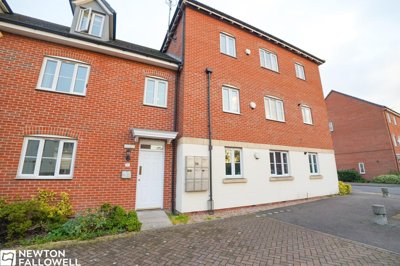
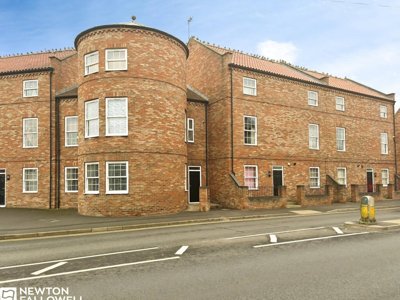
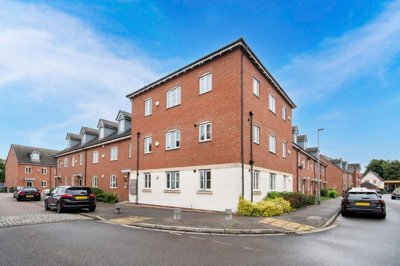
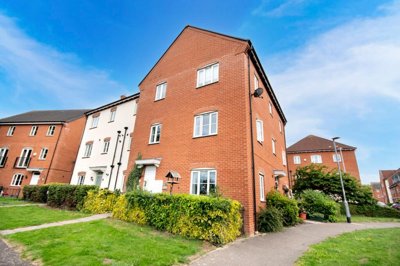
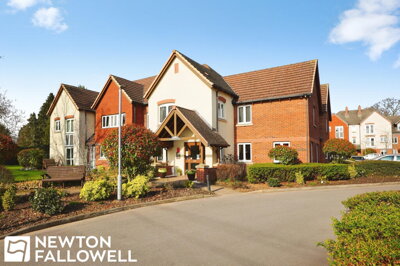
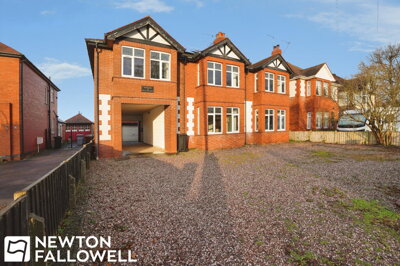
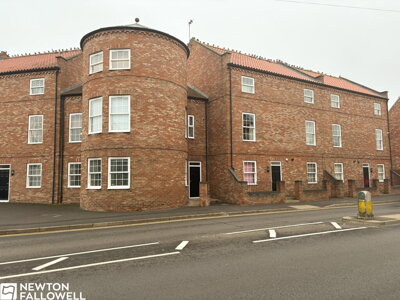
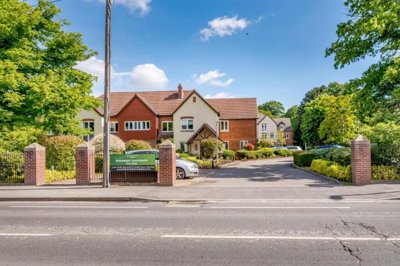
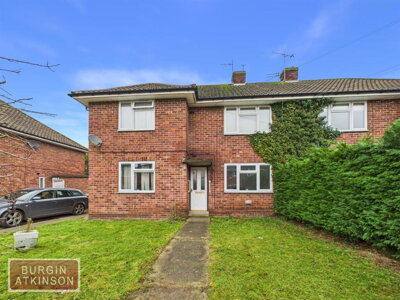
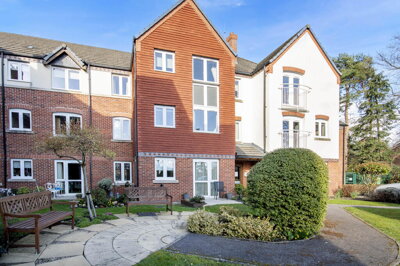
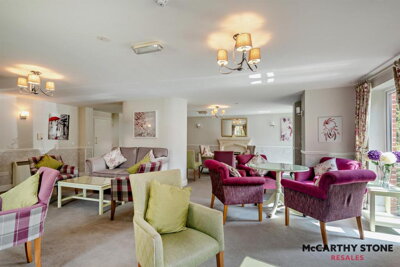
Browse 11 homes for sale in Hayton from local estate agents.
Studio apartments feature open-plan living spaces without separate bedrooms, incorporating sleeping, living, kitchen, and bathroom facilities. The Hayton studio market includes properties in modern apartment complexes, converted Victorian and Georgian buildings, and purpose-built developments.
Hayton's market has held up well against wider regional trends, with prices sitting well above the Bassetlaw district average of £207,000. Detached homes still command the top end of the village market, averaging £450,833 and reflecting steady demand for family houses with generous gardens and rural views. Semi-detached properties give a more accessible route in, at around £315,000, and offer good value for buyers who want village life without paying the premium attached to larger detached homes. The market has also proved resilient, with prices rising 63% on the previous year and now sitting 10% above the 2021 peak of £378,500.
Detached and semi-detached houses make up most of what is available in Hayton, which suits the character of a traditional Nottinghamshire village. Much of the housing stock reflects the area's agricultural past, with local brick and stone appearing on many twentieth century homes. New build activity inside the village is still limited, so buyers wanting modern specifications may need to widen their search to nearby villages or the market towns close by. We often see first-time buyers and families moving out of urban areas finding that Hayton compares favourably on price with similar villages nearer major cities. Supply is tight here, and when attractive homes do come to market they can draw quick interest, so it helps to have finances lined up before the search begins.
Looking at Hayton in the context of Bassetlaw gives useful perspective. The district average is £207,000, with detached homes at £309,000 and semi-detached properties at £184,000, but Hayton carries the extra premium that comes with a village setting, stronger community ties and access to the countryside. For many buyers that premium is easy to justify, although it is still worth keeping it in mind when comparing Hayton with more affordable nearby settlements.

Hayton gives a clear sense of rural Nottinghamshire village life, with a peaceful setting and everyday essentials still within reach. It sits within Bassetlaw district, an area that brings together market towns, villages and open countryside, all part of North Nottinghamshire's character. Local life tends to revolve around events, the traditional pubs and the close-knit feel of a small population. Beyond the village, the landscape opens out into rolling farmland, hedgerows and country lanes that attract walkers, cyclists and nature lovers throughout the year.
Retford is close enough to provide a useful range of extra services, with supermarkets, independent shops, healthcare and leisure centre facilities within approximately 10 miles. Worksop offers further shopping, secondary schools and hospital services at a similar distance. The East Midlands also benefits from strong transport links, although Hayton itself stays nicely removed from busy trunk roads. Local festivals, farmers markets in neighbouring villages and seasonal events keep the calendar ticking over all year.
A traditional public house often acts as the social anchor in a village like this, and Hayton is no exception. Around that, the surrounding countryside gives residents plenty of scope for walking, whether that means farmland routes or country lanes. The nearby Idle Valley Nature Reserve adds another dimension, with wildlife watching and outdoor recreation on hand. Seasonal events also bring people together across the year, which helps to sustain the community ties that are so typical of this part of Nottinghamshire.

Families looking at Hayton will find primary education in the surrounding villages and across the wider Bassetlaw area. The nearest schools usually serve their local communities from Reception through to Year 6, and several nearby schools hold good Ofsted ratings. Catchment areas matter here, so it is sensible to check the admissions position before going too far with a purchase, because rural Nottinghamshire often works on geographic proximity. Smaller class sizes are common too, which can mean more individual attention and strong pastoral care.
Secondary options are centred on Retford and Worksop, where schools provide full curricula and sixth-form provision for older pupils. These are the main providers for Hayton and the surrounding villages, with transport usually arranged for students who live beyond walking distance. Grammar schools in nearby areas may also be within reach for families who are keen on selective education and are prepared to go through the standard testing process. Retford and Worksop also give access to further education colleges, with vocational and A-level courses supporting a range of career plans after GCSEs.
School travel is one of the practical points to weigh up before moving to Hayton. Because the village is rural, journeys to secondary school can take longer than they would for families in town. Many households take that into account when choosing a property, and it is worth checking current arrangements with the local authorities so there are no surprises after moving. Schools in the nearby market towns usually run buses for pupils living in outlying villages, though families should still confirm the current service and any costs before they buy.

Road connections from Hayton are useful, while the village still keeps its quiet feel. The A1 trunk road runs nearby, giving straightforward north-south access to Sheffield, Leeds, Newcastle and Lincoln. By car, Sheffield is typically around 45 minutes away, so day trips and weekend visits are very realistic. The M18 adds more route options for Doncaster, Rotherham and the M1 corridor further south. For air travel, Robin Hood Doncaster Sheffield Airport is within reasonable driving distance and offers flights to European destinations.
Bus services link Hayton with nearby market towns, while larger settlements offer more frequent options. Retford railway station gives access to the East Coast Main Line, and regular trains to London King's Cross take approximately 90 minutes. That makes the village appealing to commuters who work in the capital but want a more rural Nottinghamshire base. We would say the connectivity is decent for a village of this size, and local residents can reach the regional transport network without especially long journeys. Country lanes in the area are popular with recreational cyclists too, although the hilly terrain calls for a reasonable level of fitness.
Daily commuting needs a realistic look if we are considering Hayton. A 45-minute drive to Sheffield is fine for occasional trips, but doing that every day can become wearing. Many people who work in cities now travel in fewer days each week, taking advantage of flexible working arrangements that have become much more common. Retford station also opens up rail commuting, which some residents prefer to driving for longer journeys to London and other major destinations on the East Coast Main Line.

We would begin by comparing current listings in Hayton with similar villages across Bassetlaw. That local context makes it easier to judge value and negotiate with confidence. Because supply is limited, regular checks and property alerts are useful, as desirable homes in Hayton often sell quickly.
Before viewing even starts, we would speak to lenders or a mortgage broker and get an agreement in principle in place. That puts us in a stronger position if an offer needs to be made in a competitive market. With Hayton's relatively high average property values, it is important to check that borrowing capacity stretches to homes at the level we are aiming for before investing time in viewings.
A viewing should be more than a quick look round. We would visit at different times of day to get a feel for traffic, noise and the overall atmosphere of the neighbourhood. For rural homes in Hayton, it is also wise to check gardens, outbuildings and boundaries, because larger plots need ongoing upkeep and that should sit within the decision-making process.
Once an offer has been accepted, we would arrange a Level 2 Homebuyer Report to pick up any structural problems or repairs that are likely to be needed. Survey costs vary with property value, but the fee is worth it to protect financial interests. Older rural houses can reveal issues that were not obvious at viewings, so a professional inspection is particularly valuable in villages like Hayton where the housing stock tends to be older.
For the legal work, we would choose a solicitor with Nottinghamshire property experience. They deal with searches, contracts and the transfer of ownership. Rural transactions can bring extra checks around agricultural land, rights of way and environmental issues, and a solicitor who knows the area should be alert to those from the outset.
From there, the solicitor handles the final stages, including searches, mortgage arrangements and completion. On completion day, the keys are handed over and life in Hayton can begin properly. We would leave time for utility connections and any renovations that are needed, because rural properties often need a little more attention before they are ready to move into.
Several local factors can affect both day-to-day ownership and future resale value in Hayton. Rural homes often need more maintenance than urban ones, and older properties in particular may need work on roofs, plumbing and insulation. During viewings, ask about the age of the central heating, the condition of outbuildings and any planning permissions already granted for extensions or alterations. Large gardens are valuable, but they do bring ongoing maintenance, so that needs to sit in the overall picture.
Flood risk is something we would check on any rural purchase, and that means looking at flood maps and speaking to current owners about any history of flooding. Homes near water features or in low-lying spots may face higher insurance premiums, or need more specific cover. In parts of Nottinghamshire the ground can include clay soils, which can affect older buildings, so a professional survey is especially useful. If there are listed buildings in the village, any alterations must follow conservation guidelines, and buyers should understand that before they commit.
The age and construction of Hayton's homes also deserve close attention. Many date from the twentieth century and may still have original features such as single-glazed windows, older electrical systems or solid fuel heating that would benefit from upgrading. A full survey by a qualified RICS surveyor will pick up defects that need attention and help us negotiate with sellers based on the property's real condition. It also makes sense to build repair and improvement costs into the budget so the total purchase cost stays manageable after completion.

Sales over the past year put the average house price in Hayton at £416,875. Detached homes average £450,833, while semi-detached properties sell for around £315,000. That leaves the village above the broader Bassetlaw district average of £207,000, which reflects the premium that comes with rural locations and the larger homes available here. Prices have risen 63% compared with the previous year, and values now sit 10% above the 2021 peak of £378,500.
Council tax in Hayton falls under Bassetlaw District Council. The bands run from A to H depending on value, although most homes will usually sit in bands B through E. At an average property value of £416,875, homes in Hayton would normally fall into bands D or E, depending on the individual valuation. Before budgeting for ongoing costs, buyers should check the exact band on the Valuation Office Agency website or through the local council's online portal.
Nearby villages provide primary school places for the Hayton community, and several of those schools have good or outstanding Ofsted ratings. Secondary education is available in Retford and Worksop, both of which also offer sixth-form provision. Catchment areas and admission policies should be checked at the outset, since they can affect school placement for new residents. For secondary pupils who live beyond walking distance, transport usually comes through school bus services run by the local education authority.
Bus services are limited in Hayton, so most of the stronger public transport links are found in the larger settlements nearby. Retford railway station, reached by bus or car, runs regular East Coast Main Line services to London King's Cross in approximately 90 minutes, along with connections to Leeds, Newcastle and Edinburgh. The A1 trunk road is close by too, giving straightforward road links to major cities such as Sheffield and Lincoln. Sheffield is typically around 45 minutes away by car.
Hayton's price performance has been hard to miss, with values up 63% year-on-year and sitting 10% above the previous 2021 peak. Rural villages with decent transport access tend to keep a steady level of demand from buyers looking for a lifestyle change. Compared with the district average, the premium here points to stable interest, although buyers should still think about their own circumstances and longer-term plans rather than focusing only on investment returns. Homes with generous gardens, traditional character and good transport links usually hold their value well in the village market.
Stamp duty starts at zero for properties up to £250,000, then rises to 5% on the slice between £250,001 and £925,000. For a typical Hayton home priced at £416,875, that means no duty on the first £250,000 and 5% on the remaining £166,875, giving a total of £8,343.75. First-time buyers may qualify for relief on properties up to £425,000, so long as they meet the eligibility rules. Homes priced above £925,000 are charged at 10% on the amount between £925,001 and £1.5 million, plus 12% on any part above that level.
Older rural homes often need attention to structural elements, plumbing, electrical systems and insulation. Many of the houses in Hayton date from the twentieth century and can still retain original features that need updating. We would recommend a thorough RICS Level 2 survey before purchase so any defects or potential problems are identified early and can be discussed with the seller. Original features can add plenty of character, but they may also mean higher maintenance costs or conservation requirements, which should sit within the purchase decision.
New build activity within Hayton itself remains limited, so buyers looking for modern specifications may need to look to surrounding villages or the nearby market towns of Retford and Worksop. The village is shaped mainly by its traditional housing stock, which still reflects the area's agricultural heritage. For anyone prioritising a new build, developments in nearby settlements may offer a solution while still keeping the lifestyle advantages that Hayton and the surrounding area provide.
Looking beyond the asking price is part of buying well in Hayton. The Stamp Duty Land Tax threshold is £250,000 for standard purchases, so properties below that figure attract no duty. At the Hayton average price of £416,875, SDLT applies only to the amount above £250,000, which leaves a charge of £8,343.75. Properties above £925,000 are taxed at 10% on the portion between £925,001 and £1.5 million, plus 12% on anything over that threshold.
First-time buyer relief changes the picture quite a bit, because properties up to £425,000 qualify for a higher zero-rate threshold. For a first-time buyer purchasing at the Hayton average price, the calculation would be £0 on the first £425,000 plus 5% on the portion between £425,001 and £625,000. Beyond SDLT, buyers should also allow for solicitor fees typically ranging from £500 to £1,500 depending on complexity, survey costs of £350 to £600 for a Level 2 report, and removal expenses that vary according to distance and the volume of belongings. Mortgage arrangement fees, valuation fees and searches add further costs, and together those usually total £2,000 to £4,000 on a standard purchase.
To budget properly for a Hayton property at the average price of £416,875, we would set aside approximately £8,343.75 in SDLT for standard purchases, £1,000 to £1,500 for conveyancing solicitors, £350 to £600 for a RICS Level 2 survey and £1,000 to £3,000 for removal services. Once mortgage arrangement fees, valuation costs and local authority searches are added, the extra costs beyond the property price can come to £3,000 to £5,000 on a typical purchase. Having those funds ready before moving forward helps keep the transaction smooth and avoids last-minute financial pressure.

Properties for Sale In London

Properties for Sale In Plymouth

Properties for Sale In Liverpool

Properties for Sale In Glasgow

Properties for Sale In Sheffield

Properties for Sale In Edinburgh

Properties for Sale In Coventry

Properties for Sale In Bradford

Properties for Sale In Manchester

Properties for Sale In Birmingham

Properties for Sale In Bristol

Properties for Sale In Oxford

Properties for Sale In Leicester

Properties for Sale In Newcastle

Properties for Sale In Leeds

Properties for Sale In Southampton

Properties for Sale In Cardiff

Properties for Sale In Nottingham

Properties for Sale In Norwich

Properties for Sale In Brighton

Properties for Sale In Derby

Properties for Sale In Portsmouth

Properties for Sale In Northampton

Properties for Sale In Milton Keynes

Properties for Sale In Bournemouth

Properties for Sale In Bolton

Properties for Sale In Swansea

Properties for Sale In Swindon

Properties for Sale In Peterborough

Properties for Sale In Wolverhampton

Enter your details to see if this property is within your budget.
Loans, cards, car finance
Estimated property budget
Borrowing + deposit
You could borrow between
Typical borrowing
Monthly repayment
Est. at 4.5%
Loan-to-value
This is an estimate only. Your actual budget may vary depending on interest rates, credit history, and personal circumstances. For an accurate affordability assessment, speak to one of our free mortgage advisors.
This calculator provides estimates for illustrative purposes only and does not constitute financial advice. Your home may be repossessed if you do not keep up repayments on your mortgage. Estimates based on 4.5% interest rate, repayment mortgage. Actual rates depend on your circumstances.
Homemove is a trading name of HM Haus Group Ltd (Company No. 13873779, registered in England & Wales). Homemove Mortgages Ltd (Company No. 15947693) is an Appointed Representative of TMG Direct Limited, trading as TMG Mortgage Network, which is authorised and regulated by the Financial Conduct Authority (FRN 786245). Homemove Mortgages Ltd is entered on the FCA Register as an Appointed Representative (FRN 1022429). You can check registrations at NewRegister or by calling 0800 111 6768.

We use cookies to show you personalised content and improve your experience of our website. Find out more in our Privacy policy and Cookie policy.