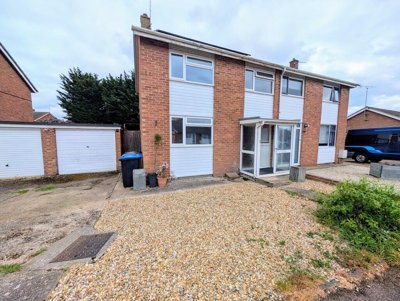
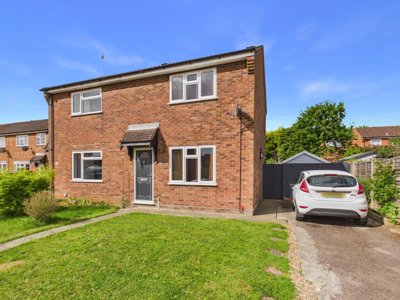
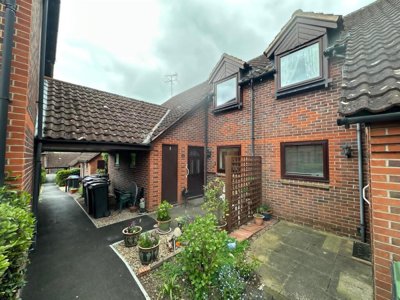
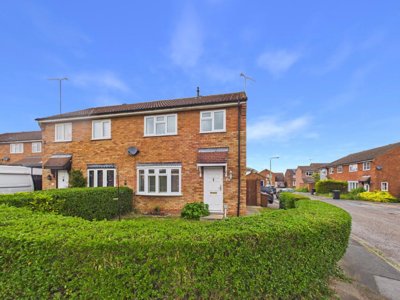
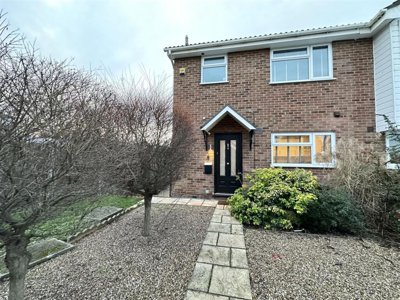
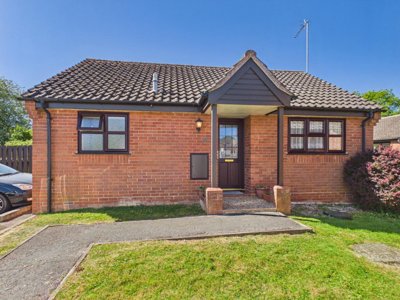
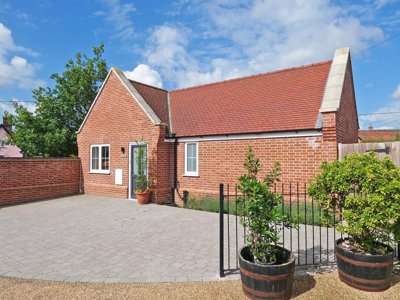
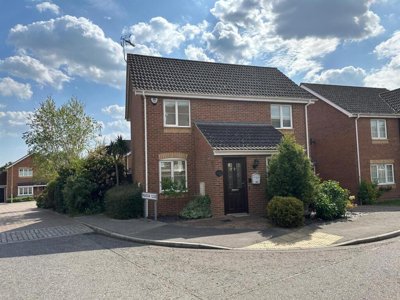
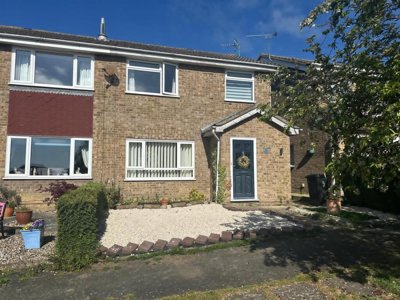
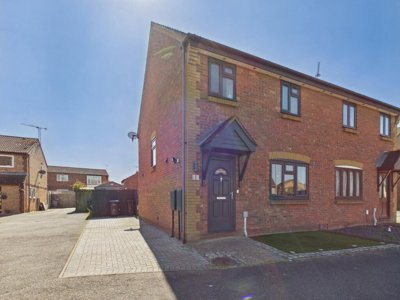
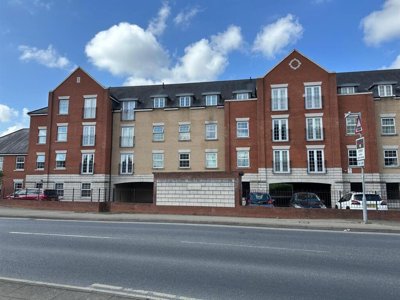
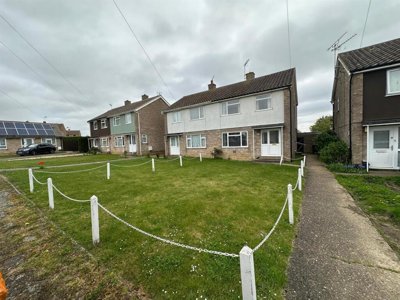
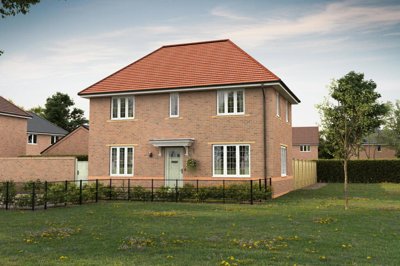
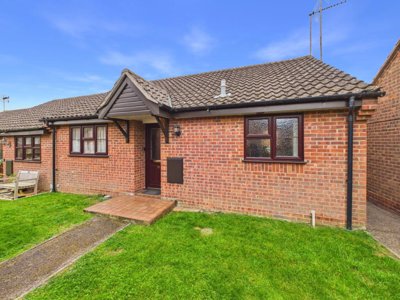
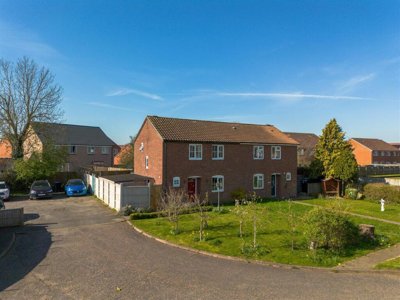
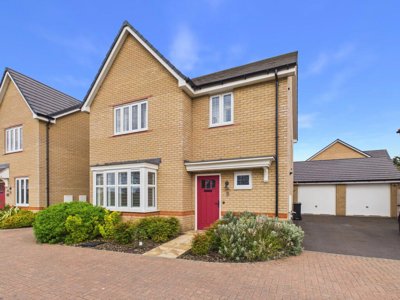
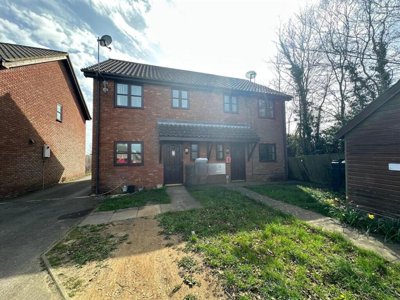
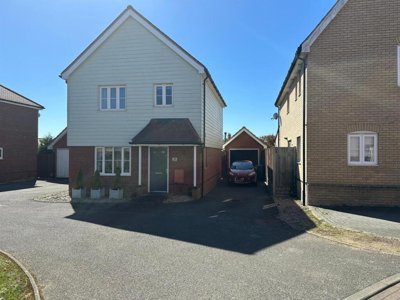
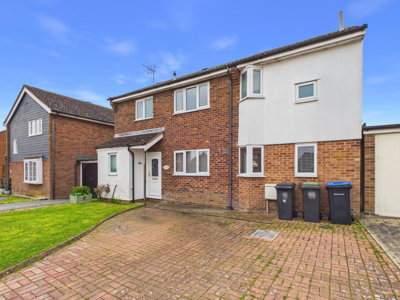
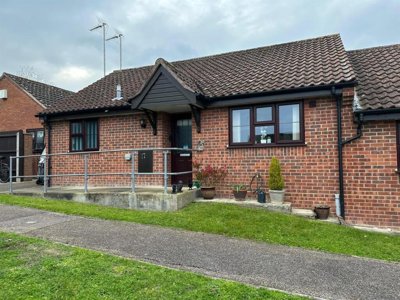
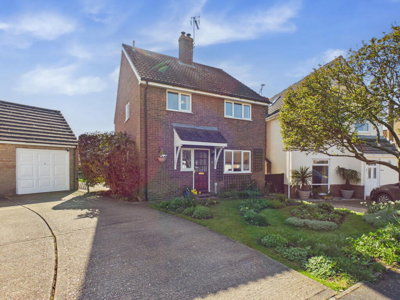
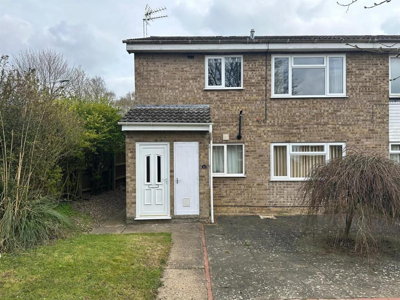
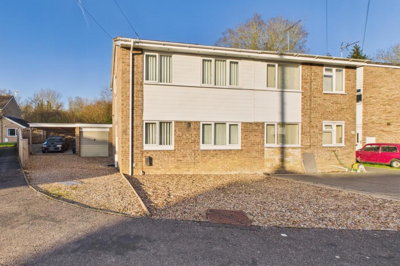
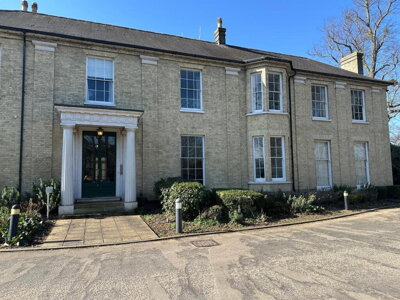
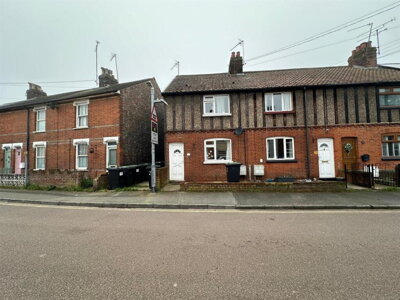
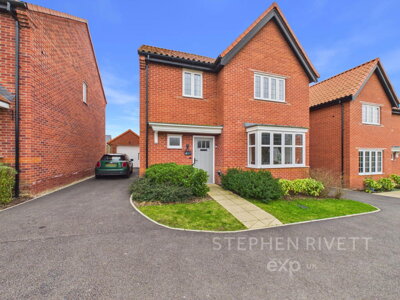
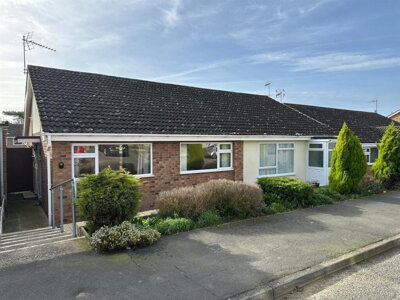
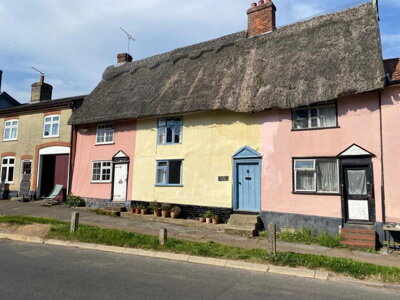
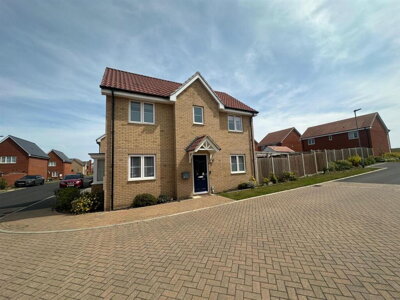
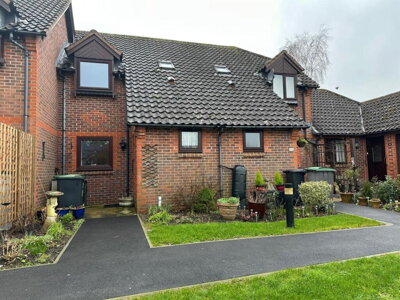
Browse 297 homes for sale in Haughley, Mid Suffolk from local estate agents.
£275k
23
3
140
Source: home.co.uk
Source: home.co.uk
Apartment
7 listings
Avg £83,000
Detached
5 listings
Avg £439,000
Bungalow
3 listings
Avg £383,333
Semi-Detached
2 listings
Avg £250,000
Detached Bungalow
1 listings
Avg £450,000
Farm House
1 listings
Avg £4.25M
Ground Flat
1 listings
Avg £90,000
Link Detached House
1 listings
Avg £310,000
Terraced
1 listings
Avg £205,000
detached
1 listings
Avg £649,000
Source: home.co.uk
Source: home.co.uk
Haughley’s property market has the quiet confidence you often find in a long-established Suffolk village. Overall house prices currently sit at £395,229, a modest 1.4% decrease over the past twelve months. That points to a steady market, with sellers staying realistic and buyers able to find value without any sharp pressure on prices. Families, retirees and commuters all come here for the same reason, the mix of rural calm and workable connections.
Different home types in Haughley suit different budgets and household sizes. Detached houses sit at around £415,000, and they are the choice for buyers wanting more room and privacy. Semi-detached homes average £300,000, which tends to appeal to those watching garden sizes and heating bills. Terraced cottages from £164,000 give a lower-cost route into village living, while flats are scarce at around £83,167, which reflects how heavily the stock leans towards houses. There are no active new-build schemes within the immediate village boundary, so most homes carry the character and solid build associated with older properties.
Price changes by property type have been strikingly even, with detached homes down 1.6%, semi-detached properties down 1.7%, terraced homes down 1.0% and flats down 1.2% over the same twelve-month period. That kind of uniform cooling usually points to wider market movements rather than anything local to Haughley itself. For buyers, the result is a calmer setting, with fewer signs of sudden spikes or drops.
Our local knowledge points to Honeydon Road and to homes with gardens backing onto farmland as the places where premiums often appear. Properties in the Conservation Area near St Mary's Church continue to draw strong interest from buyers after period detail. By contrast, homes needing modernisation near the village centre can offer a chance to add value, with prices generally reflecting the condition fairly.

Haughley rewards people who value unspoilt Suffolk character. The 2021 Census records a population of 1,707 residents across 718 households, which helps explain the close-knit feel, even with basic amenities close by. The historic core, protected by Conservation Area designation, centres on The Green and The Street, where period houses sit alongside a traditional pub and the village church. St Mary's Church is a clear landmark, while Haughley Park reflects the grander side of the area’s architectural history.
Daily life here is shaped by the surrounding Suffolk countryside. Rolling farmland, quiet lanes that suit cycling, and footpaths linking to neighbouring villages all make outdoor time easy to find. Agriculture and small businesses form the backbone of the local economy, and many residents commute to Stowmarket, Bury St Edmunds or Ipswich. The A14 trunk road is invaluable for that, giving direct access to Cambridge, Felixstowe and the wider motorway network. Nearby market towns bring weekend markets and good pubs serving local produce, which rounds off the rural Suffolk lifestyle residents tend to value.
Community life in Haughley still manages to feel active, even with the village’s modest size. The village hall runs a range of events through the year, from craft markets to quiz nights, so there is usually something on the calendar. Local shops include a convenience store, an artisan bakery and a traditional butcher, serving both the village and the surrounding hamlets. The pub remains a social anchor, with Sunday lunches and regular quiz evenings drawing neighbours together.
On the village’s northern edge, the River Rat shapes a pleasant stretch of walking beside water meadows that are popular with wildlife enthusiasts. Those natural features add to the area’s charm, while also helping with drainage during heavy rain. Homes close to the river often enjoy the views, but it is sensible to check surface water drainage history, especially where ground floor extensions or basement spaces are involved.

Families looking at Haughley will find schooling within a sensible radius. The village has its own primary school for younger children, and pupils usually move on to secondary education in nearby towns. Stowmarket, only a short drive away, has several secondary schools, including Stowupland School and Stowmarket High School, with full curricula and sixth-form provision for students preparing for A-levels before university.
The wider area adds further choices. Families looking at private schooling can look to Bury St Edmunds, while older students can reach further education colleges in Ipswich and Cambridge. In Suffolk, primary catchment areas follow geographical boundaries, so buyers with children should check school placements with Mid Suffolk District Council before they commit. Good Ofsted-rated schools in neighbouring communities mean Haughley can still work well for families at different stages of education.
We have found that school catchment boundaries often shape what families choose in Haughley. Houses along Old Station Road and properties near the village primary school tend to attract particular interest from buyers with young children. The trip to secondary schools in Stowmarket usually takes 15-20 minutes by car, with school bus services running on the main routes. Sixth-form students often travel on to Stowmarket or Bury St Edmunds for specialist subjects that local schools do not offer.
Early years provision is strong for a village of this size, with the primary school offering reception places as well as wraparound childcare. That takes some of the strain out of childcare logistics, which is often a challenge in more rural locations. Parents moving from larger towns often mention how much easier life feels once they find schooling within driving distance, without the school run pressure they had before.

Transport is one of Haughley’s main strengths for commuters who want rural calm without losing access. The A14 runs close by, linking the village directly to Felixstowe port to the east and Cambridge to the west. What might seem like an isolated village quickly becomes a practical base for working professionals. Ipswich is around 35 minutes away, while Bury St Edmunds can usually be reached in about 20 minutes.
Rail services add to the road links for longer journeys. Haughley sits within easy reach of major stations, with Ipswich offering direct trains to London Liverpool Street and Norwich providing links to the Midlands and North. Local buses connect the village with nearby towns, although the timetables are set more for village needs than for heavy commuter traffic. Cyclists have a network of quiet Suffolk lanes to enjoy, though the flat East Anglian landscape also suits electric bikes over longer distances. Parking is still straightforward, which is one advantage village residents often notice straight away.
People working in Cambridge often find Haughley far more affordable than Cambridge itself, or nearby commuter villages like Great Saxham and Risby. Outside peak hours, the drive takes about 45 minutes, although the A14 can become busy at standard rush-hour times. Many residents now use flexible working, which makes the village location easier to live with on a day-to-day basis.
For those heading to Felixstowe, the port is usually reachable in 40 minutes via the A14, so Haughley works for logistics and port-related jobs as well. That link helps the local economy, because residents can reach a wider spread of employment without having to move to a larger town. Sitting between Cambridge and Felixstowe also places people within reach of academic research roles and maritime industry work.

Current listings on Homemove are a useful place to start, especially if you want to compare price bands and look at the village’s Conservation Area before considering a period property. Prices run from around £164,000 for terraced homes to £415,000 for detached houses. We would also suggest viewing properties in different parts of the village, including The Green, The Street and Old Bury Road, because location does affect values.
A mortgage agreement in principle is worth arranging before you begin viewing. It makes your offer stronger and gives a clearer sense of budget from the outset. Current rates have made borrowing appealing for buyers with healthy deposits. Most Haughley homes suit standard residential mortgages, although older properties can lead valuers to ask for specialist structural surveys.
It helps to view several homes so you can compare the village’s varied stock. We would pay attention to the build materials, likely maintenance, and how near the property sits to the A14 if commuting matters. Older homes may need more than a standard valuation. Houses near Haughley Park often come with larger plots, while cottages near The Green tend to offer the period details buyers want.
Because Haughley has a large amount of older housing and clay geology beneath it, a full survey is essential. For a typical 3-bedroom property, costs generally sit between £450 and £700. The survey should look for damp, timber defects and any sign of subsidence linked to shrink-swell risk in clay soils. Our recommended surveyors know the local construction methods that are common across Suffolk villages.
A conveyancing specialist should handle the legal side. They will run searches with Mid Suffolk District Council, check Flood Risk data and confirm the title is clear before completion. Local solicitors familiar with Haughley can also advise on any planning conditions that affect Conservation Area properties.
Once the surveys are satisfactory and the legal work is finished, contracts are exchanged and the deposit is paid. Completion usually follows within weeks, and then the keys to your new Haughley home are handed over. Our team can also point you towards local removal firms that know the Suffolk country lanes well.
Buying in Haughley means keeping a close eye on local factors that affect both condition and value. The geology is one of the main ones. The village sits on boulder clay deposits over Crag Group bedrock, which creates a moderate to high shrink-swell risk. That can lead to subsidence or heave, particularly in older homes with shallow foundations or trees close by. In those conditions, a structural survey is more than a formality when buying a period property.
The Conservation Area designation brings benefits, but also obligations. Homes within the protected zone may face limits on external alterations, extensions, or even replacement windows and doors. Buyers should ask Mid Suffolk District Council for pre-purchase enquiries so they understand any planning conditions. Listed buildings, and Haughley has several, including Haughley Park and St Mary's Church, need Listed Building Consent for most work, which adds another layer to renovation plans.
Flood risk in Haughley is generally low, with river and sea flooding rated very low to low across most of the village. Surface water flooding is a little more localised, with low to medium risk near the River Rat and in natural depressions, especially during heavy rainfall. Environment Agency flood maps should be reviewed for each property, and drainage history matters when you are assessing ground floor spaces. Typical building materials here include traditional red brick with timber frames, often rendered, and clay or concrete tiled roofs. Homes built before 1919 may include flint, which reflects Suffolk’s building heritage.
Our inspectors often come across damp in Haughley’s older homes, especially rising damp where original damp-proof courses have failed or were never installed. Timber-framed properties, which are common in the village, need careful checks of visible joists and wall plates for decay. Roof inspections often reveal slipped tiles or worn pointing on chimneys, given the age of many homes here. Electrical and plumbing systems in pre-1970s properties frequently need updating to modern standards, even when the house looks well kept.

Surveying homes in Haughley repeatedly brings the same issues to light, and buyers should understand them before they commit. Properties built before 1970 often show penetrating damp in south-facing walls where traditional lime mortar pointing has broken down over decades. The issue is especially common in rendered homes, where moisture can become trapped behind solid wall insulation or where render cracks have been left untreated.
Timber defects are another regular concern in the village’s older housing stock. Haughley’s mix of timber-framed construction and its proximity to agricultural land means woodworm and wet rot show up quite often during surveys. Our team checks all accessible timber, including floor joists, roof rafters and window frames, for active infestation or historic damage. Homes with large gardens and mature trees bring extra concerns, because root systems can affect drainage and foundations over time.
Much of Haughley sits on clay geology, and that brings its own difficulties for condition reports. Foundations on clay soils are vulnerable to shrink-swell movement in dry periods, when moisture drops, and heave when water returns. Properties built before modern building regulations often rely on shallow strip foundations, which can be more exposed to that movement. Our surveyors look closely at crack patterns, sticking doors and uneven floor levels, all of which can point to historic or ongoing movement.
Roof condition often needs a detailed look in Haughley, where everything from historic cottages to post-war houses can show age-related problems. Slipped or missing tiles leave battens and felt exposed to the weather, while failed ridge pointing allows water into the roof void. Chimney stacks that are deteriorating can also point to bigger maintenance work that sellers may have postponed. Flat roof sections on extensions and porches deserve close attention too, because they usually have a shorter lifespan than pitched roofs.

Recent market data puts the average house price in Haughley at £395,229. Detached properties average £415,000, semi-detached homes around £300,000, terraced homes from £164,000 and flats at approximately £83,167. Prices have slipped by 1.4% over the past twelve months, which suggests a steady market where buyers can negotiate without heavy pressure. The village recorded 10 property transactions over the past year, a level of activity that is typical for rural Suffolk villages.
Haughley falls under Mid Suffolk District Council. Council tax bands run from A through to H, although most traditional village homes usually sit in bands B to D. Bandings are tied to property values at 1991 prices, so they can differ widely from current market values. Buyers should confirm the exact band with Mid Suffolk District Council or the Valuation Office Agency, because a new purchase does not alter the band. The mix of period cottages and more modern homes means council tax bands vary quite a bit across the village.
The village has its own primary school, and children generally move on to secondary schools in the surrounding towns. In nearby Stowmarket, Stowupland School and Stowmarket High School serve the wider catchment. Families considering private education will find options in Bury St Edmunds, including St Mary's School and King Edward VI School. Suffolk County Council sets primary catchment areas by geographical boundaries, so buyers with children should confirm school placements before they buy, to avoid disappointment.
Public transport in Haughley works at a village pace rather than for heavy commuting. Local buses run between the village, Stowmarket and Bury St Edmunds, with routes serving the village centre and nearby hamlets. Road links are the stronger point, with the A14 placing the village neatly between Cambridge, Ipswich and Felixstowe. Rail travel means heading to nearby towns, and Ipswich offers direct London Liverpool Street services of around 75 minutes, while Norwich connects to the Midlands and North.
For certain buyers, Haughley has sound investment fundamentals. The A14 makes it appealing to commuters who have been priced out of Cambridge or London. Conservation Area status helps protect values by limiting unsuitable development. Price movement has been steady rather than dramatic, which often points to real value instead of a speculative spike. Homes near Haughley Park or The Green in the historic core tend to hold a premium because of their setting and character, so they can work well as long-term buys for rental income or capital growth.
Stamp Duty Land Tax applies to every purchase in England, Haughley included. The standard rates are 0% on the first £250,000, then 5% on the portion from £250,001 to £925,000. On a property at the village average of £395,229, SDLT comes to £7,261. First-time buyers relief lifts the zero-rate threshold to £425,000, which brings SDLT to nil on typical village homes, with 5% applying from £425,001 to £625,000 for eligible buyers. An extra 3% applies to second homes and investment properties.
Several listed buildings sit within Haughley’s Conservation Area, including Haughley Park, a substantial historic house, and St Mary's Church, a notable medieval parish church. Many cottages and farmhouses across the village are also listed, which protects their historic character. Buying a listed building means accepting the duty to maintain original features, because alterations need Listed Building Consent from Mid Suffolk District Council. Insurance can cost more for listed homes because repairs need specialist methods, and standard mortgage valuations may sometimes call for extra structural checks.
The main risks in older Haughley homes come from the clay geology and the age of the buildings. Boulder clay soils create a moderate to high shrink-swell risk, so subsidence or foundation movement can happen, especially where mature trees are nearby. Properties built before 1919 often do not have modern damp-proof courses, while pre-1960s electrical systems may need complete rewiring. Our surveyors usually recommend RICS Level 2 or Level 3 surveys for all period properties in the village, with costs typically ranging from £450 for standard reports to over £1,000 for comprehensive building surveys on larger houses.
Budgeting properly for a Haughley purchase means looking beyond the asking price. The home itself is the largest expense, with the current market average at £395,229. SDLT then adds to the upfront bill. First-time buyers paying for properties up to £425,000 pay no SDLT, which keeps village homes relatively accessible. For buyers who do not qualify as first-time buyers, SDLT on a £395,229 property comes to £7,261 using the standard thresholds.
Survey fees deserve particular attention in Haughley because of local conditions. An RICS Level 2 Survey for a typical 3-bedroom property usually costs between £450 and £700, depending on size and complexity. That money is well spent given the clay geology and the number of older properties where subsidence monitoring may be sensible. Conveyancing fees with a specialist solicitor handling Mid Suffolk searches normally range from £500 to £1,500. You may also need to budget for Land Registry fees, mortgage arrangement fees and removal costs. If the lender asks for one, mortgage valuation fees are usually between £300 and £600. Allowing for total costs of around 3-5% above the purchase price helps avoid surprises during a Haughley purchase.
There are also the ongoing costs that come after completion, and they should not be overlooked when planning for life in Haughley. Council tax bands for village properties usually sit in bands B to D, so annual charges generally fall between £1,500 and £2,200 depending on valuation. Buildings insurance can be pricier for period or listed homes because repairs need specialist treatment. Older properties often bring higher maintenance costs as systems reach the end of their life, so setting aside 1-2% of the property value each year is sensible.
Moving costs are another item that buyers often forget to factor in. Removal firms experienced with Suffolk country lanes usually charge between £800 and £2,500, depending on distance and volume. Storage, if you need it between moves, tends to add £50-100 weekly. Utility connection fees vary by provider, but budgeting £200-300 for standard connections is reasonable. Our team can point you towards local service providers who know Haughley and the surrounding villages well.
Properties for Sale In London

Properties for Sale In Plymouth

Properties for Sale In Liverpool

Properties for Sale In Glasgow

Properties for Sale In Sheffield

Properties for Sale In Edinburgh

Properties for Sale In Coventry

Properties for Sale In Bradford

Properties for Sale In Manchester

Properties for Sale In Birmingham

Properties for Sale In Bristol

Properties for Sale In Oxford

Properties for Sale In Leicester

Properties for Sale In Newcastle

Properties for Sale In Leeds

Properties for Sale In Southampton

Properties for Sale In Cardiff

Properties for Sale In Nottingham

Properties for Sale In Norwich

Properties for Sale In Brighton

Properties for Sale In Derby

Properties for Sale In Portsmouth

Properties for Sale In Northampton

Properties for Sale In Milton Keynes

Properties for Sale In Bournemouth

Properties for Sale In Bolton

Properties for Sale In Swansea

Properties for Sale In Swindon

Properties for Sale In Peterborough

Properties for Sale In Wolverhampton

Enter your details to see if this property is within your budget.
Loans, cards, car finance
Estimated property budget
Borrowing + deposit
You could borrow between
Typical borrowing
Monthly repayment
Est. at 4.5%
Loan-to-value
This is an estimate only. Your actual budget may vary depending on interest rates, credit history, and personal circumstances. For an accurate affordability assessment, speak to one of our free mortgage advisors.
This calculator provides estimates for illustrative purposes only and does not constitute financial advice. Your home may be repossessed if you do not keep up repayments on your mortgage. Estimates based on 4.5% interest rate, repayment mortgage. Actual rates depend on your circumstances.
Homemove is a trading name of HM Haus Group Ltd (Company No. 13873779, registered in England & Wales). Homemove Mortgages Ltd (Company No. 15947693) is an Appointed Representative of TMG Direct Limited, trading as TMG Mortgage Network, which is authorised and regulated by the Financial Conduct Authority (FRN 786245). Homemove Mortgages Ltd is entered on the FCA Register as an Appointed Representative (FRN 1022429). You can check registrations at NewRegister or by calling 0800 111 6768.

We use cookies to show you personalised content and improve your experience of our website. Find out more in our Privacy policy and Cookie policy.