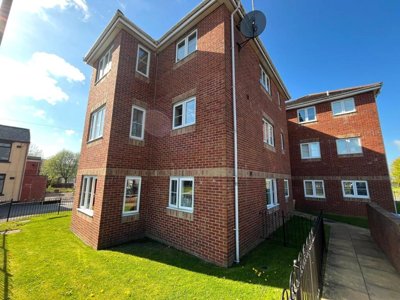
Browse 1 home for sale in Haswell, County Durham from local estate agents.
The 2 bed flat sector typically includes two separate bedrooms, dedicated living areas, and bathroom facilities. Properties in Haswell span purpose-built blocks, converted period houses, and modern apartment complexes on various floors.
£0k
0
0
0
Source: home.co.uk
Showing 0 results for 2 Bedroom Flats for sale in Haswell, County Durham.
---NEXT--- Haswell's property market covers a broad spread of homes for different needs. Detached properties sit at the top of the market, averaging £242,790, and they suit families wanting more room and privacy. Semi-detached homes make up around 40-45% of available stock, average £78,750, and usually offer strong value against regional averages. With gardens and off-street parking often in the mix, they appeal to buyers who want outdoor space without the price tag of a bigger town. ---NEXT--- Terraced houses average £114,071, so they remain the cheapest way into Haswell. Many date from the village's mining heritage era, with brick walls and slate or concrete tile roofs giving them plenty of character. Flats average around £147,475, which suits first-time buyers or anyone after a lower-maintenance set-up. The stock pattern reflects the village's history, with semi-detached homes making up approximately 40-45% of the total, terraced properties around 30-35%, detached homes 15-20%, and flats approximately 5-10%, according to 2021 ward census data. ---NEXT--- Before any viewing, buyers should secure a mortgage agreement in principle from a lender. It shows sellers and estate agents that the money is there, which helps when offers go in on Haswell homes. Most properties sit below £250,000, so borrowing tends to be straightforward, although a broker can still help compare the best rates. ---NEXT--- When the right home comes up, a competitive offer needs to be put through the estate agent. In a village this small, and with sales moving at a steady pace, recent comparable sales matter. The average property price of £147,475 is a sensible guide, though condition and location can push an individual home above or below that level. ---NEXT--- Because over 70% of properties in Haswell are over 50 years old, a survey should be near the top of the list. A RICS Level 2 Survey usually costs between £400 and £600 for a standard three-bedroom property, and it will pick up structural issues or defects. Our inspectors know mining village housing well and understand the risks that come with this type of stock. ---NEXT--- Recent market data puts the average house price in Haswell, County Durham, at £170,367. Prices have risen by 8% over the past twelve months, which points to steady local growth. Detached properties average £242,790, semi-detached homes average £78,750, terraced properties average £114,071, and flats average around £147,475. Twenty property sales were recorded in the past year, so the village stays active despite its modest size, and buyers looking for affordable North East property still find a market here. ---NEXT--- Investors will find a few clear positives in Haswell. The average price of £170,367 offers strong value next to regional and national averages, which can support rental yield potential. Via the A19, the village links well with Sunderland, Newcastle, and Middlesbrough, so tenants who commute have a practical base. Prices are up 8% year-on-year, another sign of demand. Even so, the mining heritage means surveys matter, and a mining search should be part of the buying process before anyone commits. ---NEXT--- For 2024-25, stamp duty sits at 0% on properties up to £250,000, 5% on the portion from £250,001 to £925,000, 10% from £925,001 to £1.5 million, and 12% above £1.5 million. First-time buyers get relief on properties up to £425,000, paying 0% on the first £425,000 and 5% on the portion between £425,001 and £625,000. Because most homes in Haswell are below £250,000, plenty of buyers will pay no stamp duty at all. That leaves more room in the budget for surveys and any work the property needs. ---NEXT--- Stamp duty is one of the main advantages for buyers in Haswell. With the average property price at £170,367, most homes sit below the standard SDLT threshold of £250,000. Many buyers, including first-time buyers and those without relief, will therefore pay zero stamp duty on purchase. Even second-home buyers face only the 3% supplement on the part of the price that falls below £250,000, so costs stay manageable. ---NEXT--- Other buying costs still need a place in the budget. A RICS Level 2 Survey usually costs between £400 and £600 for a standard three-bedroom semi-detached property, while smaller terraced homes or flats may be nearer £350 to £500. Conveyancing fees often start from around £499 for simple purchases, although a mining search or leasehold title can push that higher. An Energy Performance Certificate is a legal requirement and usually costs from £60 to £120 depending on property size. Surveyors and conveyancers used to County Durham work understand the local picture, from mining issues to traditional building methods.
Terraced homes in Haswell average £95,000, making them the lowest-priced route into the local market. Most were built during the village's mining heritage era, so brickwork, slate roofs and concrete tile roofs are part of the look. Flats average around £65,000, which gives first-time buyers and anyone after a lower-maintenance home a cheaper option. The stock mix mirrors the village's development, with semi-detached properties at approximately 40-45%, terraced properties around 30-35%, detached homes 15-20%, and flats approximately 5-10% of the total housing stock, according to 2021 ward census data.
Sales have stayed steady, with 20 property transactions recorded in the last twelve months. There are no active new-build schemes directly within the DH6 postcode, so buyers are mainly looking at existing homes with history and character. That means a mix of eras, from Victorian terraces built for mining families to post-war semi-detached houses from the council housing expansion of the 1950s and 1960s.

We see Haswell as a classic County Durham village, with mining history and open countryside still shaping it. Architectural styles range from Victorian terraces for miners to post-war semi-detached family homes, and brick is the main building material, often in the red tones seen across the North East. Some properties also carry rendered finishes, while slate or concrete tile roofs keep the streetscape looking authentic. Haswell House, a Grade II listed building, is a prominent local landmark and a reminder of the village's past.
The old coal economy has given way to light manufacturing, logistics and public services in nearby Peterlee and Durham. Plenty of residents commute to those centres, which lets them keep the quieter village setting without giving up work opportunities. Around 5,600 people live here, so neighbours tend to recognise each other and local events matter. Walks through the surrounding countryside and easy trips to the North East coastline add to the appeal.
Haswell does not sit within a designated conservation area, although individual buildings of historic interest are protected. Haswell House, the Grade II listed building, is the main example buyers are likely to come across. Homes of this kind need a careful eye during the survey, since period features and traditional construction can call for specialist checks. Our inspectors are used to heritage properties and can advise on the right survey level for them.

Families moving to Haswell have schools within easy reach, covering children from reception through to sixth form. The village sits within the County Durham local education authority, which oversees a wide network of primary and secondary schools across the area. Primary options are available nearby for the Haswell and South Hetton ward, and many pupils then move on to secondary schools in surrounding towns. Catchment areas matter, because places are allocated on proximity and availability.
Peterlee and other nearby towns provide the main secondary options, with many schools offering GCSE and A-Level subjects for pupils heading towards higher education or vocational routes. County Durham has put money into facilities across the region, and parents can check recent Ofsted inspection reports when weighing up choices. Because Haswell is close to larger towns, families have more school options than they would in a more remote rural village, from academy trusts to community schools.
For anyone looking at further education, Durham and Sunderland colleges are both within reach thanks to the transport links from Haswell. Durham College and New College Durham offer A-Levels, vocational qualifications and apprenticeships across a broad curriculum. Sunderland College provides similar choices, and both are well connected from the village by public transport. University applicants also benefit from the short trip to Durham, a university that is consistently ranked among the UK's top universities.

Transport is one of Haswell's strongest points. The village sits near the A19, one of the North East's main north-south routes, so Sunderland, Newcastle and Middlesbrough are all within easy reach. That makes it appealing to commuters who want a quieter base without losing access to city jobs. The A1(M) is close too, opening routes to Leeds, Newcastle and other destinations further afield for business travel.
Bus services link Haswell with nearby towns and villages, with regular routes to Peterlee, Durham and the coast. Durham railway station gives access to the East Coast Main Line, including direct trains to Newcastle, Edinburgh, London King's Cross and Leeds. Those road and rail links give residents real flexibility over the daily commute. Cyclists can also use parts of the local road network, although County Durham's hills mean a little preparation helps.
That connectivity is a big reason Haswell works so well as a commuter village. Residents can reach jobs in larger North East cities while still coming home to a quieter and more affordable place to live. Property prices remain well below those in Newcastle and Sunderland, so buyers who work in urban centres can stretch their budget further here. Journey times to major employment areas are manageable too, with the A19 giving relatively quick access to industrial and commercial zones across the wider region.

We always suggest spending time in Haswell and the surrounding villages before deciding. Go at different times of day, talk to residents and get a feel for how the place really works. On foot, the character of the neighbourhoods and the condition of the local roads are much easier to judge.
A mortgage agreement in principle should come before the first viewing. It shows sellers and estate agents that a lender is prepared to back the purchase, which puts buyers in a stronger position when offers go in on Haswell homes. With most properties below £250,000, borrowing is often fairly straightforward, but a broker can still help compare the best rates.
Viewings should be lined up for homes that fit the brief. In a village like Haswell, stock can move quickly because prices are accessible, so buyers need to act promptly once the right place appears. Our inspectors suggest carrying a checklist that focuses on the build era, roof condition and signs of damp or timber problems, which are common in older homes.
Once the right home turns up, the offer needs to be put forward through the estate agent. In a village of this size, and with sales moving at a steady pace, comparable sales should guide the price. The average property price of £129,995 offers a useful benchmark, though an individual home can sit above or below that level depending on condition and location.
A thorough survey is hard to skip in Haswell, because over 70% of the properties are over 50 years old. For a standard three-bedroom property, a RICS Level 2 Survey usually costs between £400 and £600 and should flag any defects or structural concerns. Our inspectors know mining village stock well, and they understand the particular risks linked to this type of housing.
A conveyancing solicitor should be appointed to handle the legal side of the purchase. Searches, contracts and the transfer of ownership through to completion all sit with them. Because of Haswell's mining heritage, a mining search (Con29M) needs to be included in the conveyancing process for properties here.
In Haswell, the mining past still matters. Some homes may stand on, or close to, former mine workings, although serious structural problems are not common. We recommend a mining search (Con29M) as part of the conveyancing process, because it can reveal historical activity that might affect stability or future value. Mortgage lenders usually want that risk checked properly before they approve a loan, and our inspectors are used to spotting any signs of ground movement or settlement linked to old mining.
The geology is worth a look as well. Properties in Haswell sit on Carboniferous rocks, with glacial till and boulder clay above them. Clay soils can shrink and swell in extreme weather, which can put pressure on foundations over time, so a full building survey should check whether any damage has developed or whether the property has been built to cope with movement. Surface water flooding can be a local issue, especially for basements or low-lying plots, so flood risk reports are sensible. River and coastal flooding risk is low, though heavy rain can still create drainage problems in a few spots.
Damp is among the most common issues our inspectors see in Haswell's older homes. Rising damp, penetrating damp and condensation often turn up in Victorian and post-war properties that have not been well maintained or properly ventilated. During viewings, we suggest checking for staining, musty smells and skirting board or plaster damage. Roofs matter too, because many homes still have original slate or tile coverings that may be nearing the end of their useful life. Failing leadwork around chimneys, broken tiles and corroded guttering are regular findings in local surveys.
Older homes often need work on electrics and plumbing as well. Many properties built before the 1990s will have wiring and pipework that no longer meets current regulations, so rewiring or re-plumbing may be needed before or soon after purchase. Timber problems, including woodworm and wet or dry rot, can affect floor joists, roof timbers and window frames, particularly where damp has been a long-running issue. Our inspectors check these items during a RICS Level 2 Survey and report any defects that need urgent attention or later maintenance. If a home is over 50 years old, or if it is of non-standard construction, a more detailed Building Survey can be a better fit, especially where the first inspection turns up significant problems.

According to recent market data, the average house price in Haswell, County Durham, is £129,995. Prices have risen by 8% over the last twelve months, which shows steady growth locally. Detached homes average £206,250, semi-detached homes average £120,000, terraced properties average £95,000 and flats average around £65,000. Twenty property sales were recorded over the past year, so despite its small size the village remains an active market for buyers looking for affordable North East property.
For council tax, Haswell falls under Durham County Council's jurisdiction. Bands run from A to H and are based on property value, with most traditional terraced and semi-detached homes in the village sitting in bands A through C. The exact band depends on the valuation of the individual property. Buyers can check specific addresses on Durham County Council's website or ask the seller or estate agent for the band during the purchase process. Council tax bills also set out the water and sewerage charges that apply to the home.
Primary schools in the local ward and surrounding areas serve Haswell, and children usually move on to secondary schools in nearby towns such as Peterlee. Durham County Council's education authority oversees the schools, so catchment areas and recent Ofsted inspection results are worth checking before making a decision. Secondary pupils in Peterlee can study GCSE and A-Level programmes, while further education colleges in Durham and Sunderland offer vocational qualifications and apprenticeships that are reachable via the village's transport links.
Bus services connect Haswell with Peterlee, Durham and the North East coastline. From Durham railway station, the East Coast Main Line provides direct services to Newcastle, Edinburgh, London and Leeds. Drivers have the nearby A19 for strong north-south links, while the A1(M) opens the route to destinations further afield. That mix makes Haswell a practical base for commuters working in larger North East cities.
Property investors may see a few clear advantages in Haswell. The average price of £129,995 sits well below regional and national averages, so rental yields can look attractive. The A19 also keeps Sunderland, Newcastle and Middlesbrough within reach for tenants who commute. With prices up 8% year-on-year, demand looks steady, but the mining heritage means a mining search and the right surveys should be in place before any purchase is completed.
For 2024-25, stamp duty is 0% on properties up to £250,000, 5% on the portion from £250,001 to £925,000, 10% from £925,001 to £1.5 million, and 12% above £1.5 million. First-time buyers get relief on properties up to £425,000, paying 0% on the first £425,000 and 5% on the portion between £425,001 and £625,000. Because most homes in Haswell are below £250,000, many purchases will not attract stamp duty at all, which keeps the area highly affordable. The lower purchase prices also leave more room for surveys and any renovations.
Former mining villages such as Haswell can sit above historical mine workings, although serious structural problems are uncommon. We recommend a mining search (Con29M) as part of conveyancing so any risks can be identified early. The local geology includes clay soils that may shrink and swell, and a building survey should check foundation conditions. Homes over 50 years old may also need electrical and plumbing updates to meet current standards. With the right surveys and searches, most of those issues can be spotted and handled before completion.
Competitive mortgage rates for Haswell property buyers
From 3.84%
Legal services for your Haswell property purchase
From £499
Essential survey for Haswell's older properties
From £400
Energy performance certificate required for sale
From £60
One of the biggest attractions of buying in Haswell is the stamp duty position for most purchasers. With the average property price at £129,995, most homes in the village sit below the standard SDLT threshold of £250,000. As a result, many buyers, including first-time buyers and those buying without relief, will pay zero stamp duty on the purchase. Even buyers who pay the higher rates on second homes or additional properties only face the 3% supplement on the portion of the price that falls below £250,000, so the cost stays manageable.
There are other costs to plan for too. A RICS Level 2 Survey usually costs between £400 and £600 for a standard three-bedroom semi-detached property, while smaller terraced homes or flats may come in a little lower at around £350 to £500. Conveyancing fees typically start from around £499 for straightforward purchases, although more involved cases with a mining search or leasehold title can cost more. An Energy Performance Certificate is a legal requirement and usually costs from £60 to £120, depending on property size. Surveyors and conveyancers with County Durham experience will already understand the local issues, from mining to the traditional construction methods used in the area.
Removal costs, renovation work for older homes and the price of updating outdated electrical or plumbing systems should all sit in the overall budget. Haswell properties still offer strong value against national averages, and the lower house prices often mean buyers can put more money towards survey and legal fees, which gives real confidence before completion. A mortgage agreement in principle is worth arranging before the search begins, because it sets the budget and shows sellers that buyers are serious when the right home appears in this charming County Durham village.

Properties for Sale In London

Properties for Sale In Plymouth

Properties for Sale In Liverpool

Properties for Sale In Glasgow

Properties for Sale In Sheffield

Properties for Sale In Edinburgh

Properties for Sale In Coventry

Properties for Sale In Bradford

Properties for Sale In Manchester

Properties for Sale In Birmingham

Properties for Sale In Bristol

Properties for Sale In Oxford

Properties for Sale In Leicester

Properties for Sale In Newcastle

Properties for Sale In Leeds

Properties for Sale In Southampton

Properties for Sale In Cardiff

Properties for Sale In Nottingham

Properties for Sale In Norwich

Properties for Sale In Brighton

Properties for Sale In Derby

Properties for Sale In Portsmouth

Properties for Sale In Northampton

Properties for Sale In Milton Keynes

Properties for Sale In Bournemouth

Properties for Sale In Bolton

Properties for Sale In Swansea

Properties for Sale In Swindon

Properties for Sale In Peterborough

Properties for Sale In Wolverhampton

Enter your details to see if this property is within your budget.
Loans, cards, car finance
Estimated property budget
Borrowing + deposit
You could borrow between
Typical borrowing
Monthly repayment
Est. at 4.5%
Loan-to-value
This is an estimate only. Your actual budget may vary depending on interest rates, credit history, and personal circumstances. For an accurate affordability assessment, speak to one of our free mortgage advisors.
This calculator provides estimates for illustrative purposes only and does not constitute financial advice. Your home may be repossessed if you do not keep up repayments on your mortgage. Estimates based on 4.5% interest rate, repayment mortgage. Actual rates depend on your circumstances.
Homemove is a trading name of HM Haus Group Ltd (Company No. 13873779, registered in England & Wales). Homemove Mortgages Ltd (Company No. 15947693) is an Appointed Representative of TMG Direct Limited, trading as TMG Mortgage Network, which is authorised and regulated by the Financial Conduct Authority (FRN 786245). Homemove Mortgages Ltd is entered on the FCA Register as an Appointed Representative (FRN 1022429). You can check registrations at NewRegister or by calling 0800 111 6768.

We use cookies to show you personalised content and improve your experience of our website. Find out more in our Privacy policy and Cookie policy.