Browse 17 homes for sale in Halton West from local estate agents.
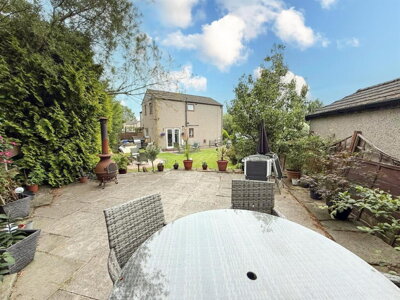
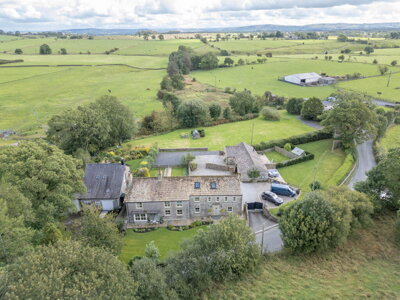
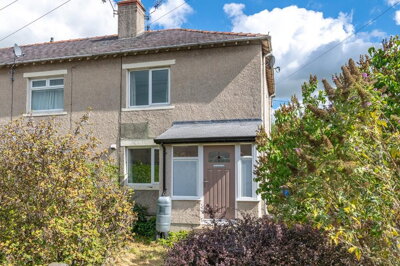
The Halton West property market offers detached, semi-detached, and terraced houses spanning various price ranges and neighbourhoods. Each listing includes detailed property information, photographs, and direct contact with the marketing agent.
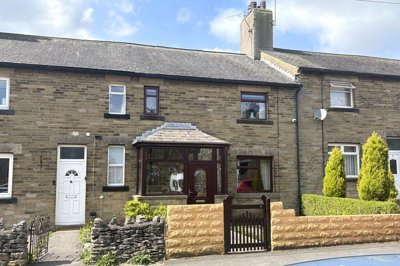
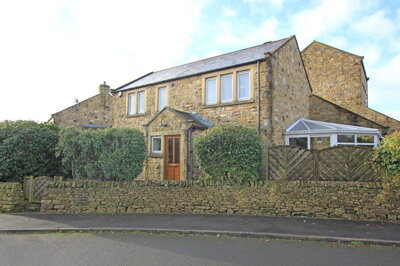
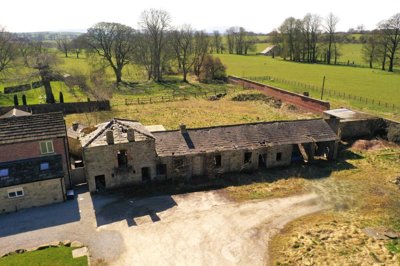
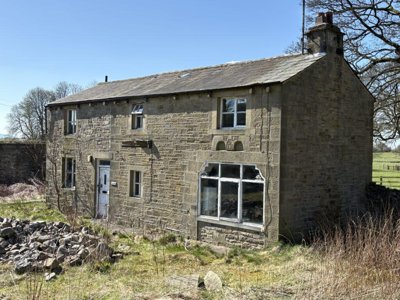
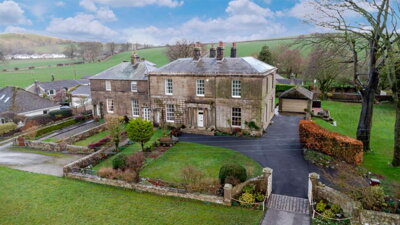
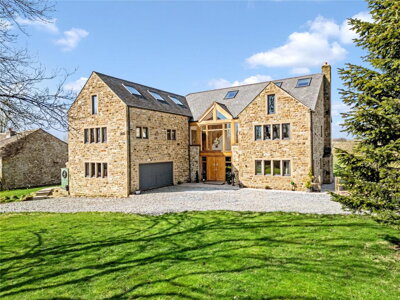
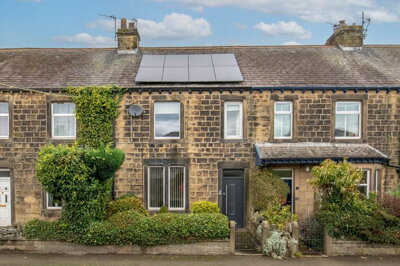
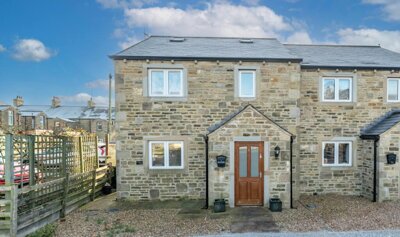
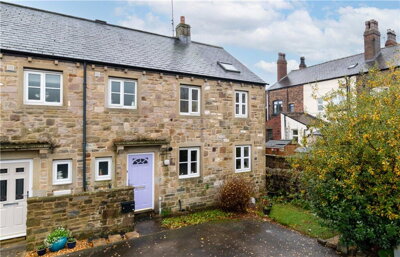
Halton West sits inside the Yorkshire Dales National Park, so planning controls and conservation duties shape what can be bought. We mostly see traditional stone-built homes here, with cottages from the Georgian and Victorian periods alongside later additions that sit comfortably with local vernacular styles. New build activity inside the National Park is limited, so the stock is mainly period property, often with exposed beams, inglenook fireplaces, and original stone mullion windows.
For a village this small, specific transaction data is limited, but Skipton gives a useful sense of the wider market. Skipton, situated approximately 6 miles from Halton West, has detached houses typically ranging from £280,000 to £500,000, semi-detached properties from £180,000 to £280,000, and terraced cottages from £140,000 to £220,000. Homes in villages like Halton West often attract extra premiums for their National Park setting, traditional character, and the lifestyle that comes with living in a protected landscape. Local estate agents report steady interest in village property, with buyers coming from across Yorkshire and beyond for access to the National Park way of life.
Much of the housing here predates modern building regulations, and that shows in the construction, solid stone walls rather than cavity construction, timber floor structures, and traditional roof carpentry. Those older methods bring their own questions around insulation, damp resistance, and upkeep. Our surveyors place real value on a detailed inspection of a stone-built period property, because movement, failing pointing, or timber defects can hide during a viewing.

Locally sourced stone gives Halton West the vernacular architecture that defines the Yorkshire Dales. Limestone and gritstone, quarried from the Carboniferous limestone bedrock underlying the area, form the walls of most period properties, while the warm golden tones of the local stone give villages like Halton West their instantly recognisable look. Natural slate from regional quarries traditionally covers the roofs, although some homes may have later replacements in concrete tiles or imported slate that look and age differently from the original materials.
Older homes often have solid stone walls, typically 400-600mm thick, so there is no cavity construction as found in modern buildings. Without cavity insulation, they can feel cooler and cost more to heat, even if the thickness of the walls does give some buffering against temperature swings. Penetrating damp can appear where pointing has broken down or vegetation has got into the fabric, while rising damp may show where original damp proof courses have failed or were never installed. We assess the pointing, any damp proofing measures, and the broader structural integrity of the load-bearing walls.
Traditional Dales roofs usually have timber rafters with sarking and natural slate coverings, and outbuildings and extensions often use stone slates. Verges, hips, and valleys need regular attention, and the leadwork around flashings and roof penetrations should be checked for deterioration. In a village of this age, rafters, purlins, and ceiling timbers can show woodworm activity or fungal decay after long damp spells. Seen early, those defects are usually fixable.
Here, daily life follows the pace of the Yorkshire Dales. The village sits within a Carboniferous Limestone landscape, with rolling hills, dry stone walls, and the geological features that make the Dales a UNESCO-recognised landscape. Agriculture drives the local economy, and sheep farming is especially important to the rural character, while tourism brings extra work across the region. The community is tight-knit, as you would expect in a small Dales settlement, with local events and gatherings keeping people connected through the year.
A short trip out of Halton West opens up some of Yorkshire's best scenery, along with footpaths, traditional pubs serving local ales, and artisan food producers rooted in the Dales. Skipton is the nearby market town for day-to-day essentials, with supermarkets, healthcare facilities, and a twice-weekly market that has run for centuries. Around the wider area, you'll find castles, abbey ruins, and museums covering the geological and cultural heritage of the Yorkshire Dales. Buyers come from across the UK for that mix of rural escape and practical connections.
Beneath the surface, the Carboniferous Limestone geology creates caves, sinkholes, and limestone pavements that attract both geologists and outdoor enthusiasts. That same geology can affect radon levels in some homes, especially those with basements or limited ventilation, so we would want buyers to check whether radon monitoring or mitigation has already taken place. The River Ribble and its tributaries also influence drainage patterns. Lower-lying homes, or those near watercourses, should be checked against Environment Agency flood maps.

For families in Halton West, schooling is mainly about primary schools in nearby villages and the wider Skipton area, with secondary education in Skipton itself. The village lies within the North Yorkshire local authority area, which manages education across this large rural county. Nearby primary schools include those in surrounding villages, many of them small rural schools with strong community links and above-average ratings for pupil progress. Hellifield Primary School and Glusburn Primary School serve families in neighbouring villages, and transport can be arranged for children living further from their catchment school.
Skipton Girls' High School, with recognition for academic achievement, and Ermysted's Grammar School, a long-established boys' grammar school, are the main secondary choices in the area. Admission to grammar school depends on selection testing, and places at popular schools can be competitive in desirable rural locations where families are willing to travel. For boarding or specialist provision, several independent schools are within reasonable driving distance across North Yorkshire and Lancashire. Craven College in Skipton offers vocational and academic courses, and the market town also has further education options for older students.
North Yorkshire County Council's education department should be your first stop for the latest detail on school admissions, catchment boundaries, and any waiting lists affecting local schools. Secondary school transport to Skipton is arranged by the local authority, although journey times need to be built into family plans. Rural North Yorkshire schools regularly post strong national assessment results, which reflects the commitment of teachers and the smaller learning environments found across the county.

Driving is part of daily life in Halton West, because residents usually depend on private cars for commuting and supermarket runs. The A59 trunk road passes through nearby Skipton and links to the M6 motorway at Preston, with onward routes to Manchester, Liverpool, and Leeds. By car, Leeds city centre is approximately one hour away, while Manchester can be reached within 90 minutes via the M62 corridor. The scenic A59 also connects to the A1(M) motorway for travel north to Newcastle and south towards Sheffield and Nottingham. Fuel costs and vehicle upkeep should be part of the budget for anyone thinking about a regular commute from this rural setting.
Buses do link Halton West with Skipton, where trains run on the Leeds to Lancaster line via the Settle and Carlisle Railway. Skipton railway station has regular services to Leeds, approximately 45 minutes, with connections to Bradford, York, and the East Coast Main Line at Leeds for longer journeys. The Settle and Carlisle Railway, one of Britain's most scenic rail routes, threads through the Dales and is as useful for leisure as for commuting. In rural North Yorkshire, bus services run under a mix of operators, including North Yorkshire Council-funded routes, and they connect surrounding villages and towns, though the timetable is much thinner than in urban areas.
Cyclists value the quiet lanes and bridleways criss-crossing the Dales, though the hills call for a fair level of fitness and the right kit. Routes linked to the Tour de France legacy, together with improved cycling infrastructure in the area, have boosted cycling tourism, and the Dales now draw plenty of enthusiasts. For flights farther afield, Leeds Bradford Airport is within approximately 90 minutes' drive for European destinations, while Manchester Airport offers a wider choice of international flights within two hours. Halton West is rural enough that reliable personal transport is, for most people, essential.

Before committing to a purchase, spend time in Halton West and the surrounding villages so you get a feel for the neighbourhood character, local amenities, and day-to-day atmosphere. Go at different times of day and on different days of the week to judge noise, traffic, and the seasonal pull of tourism in the National Park. We also suggest speaking to residents about flooding, winter road conditions, or broadband connectivity, all of which can shape daily life.
Getting an Agreement in Principle from a lender or mortgage broker before viewings puts you in a stronger position with sellers and agents, especially in competitive rural markets where well-placed buyers can move quickly. For homes in the £250,000 to £400,000 range typical of Halton West, lenders will look at income, outgoings, and credit history. Our specialist rural mortgage advisors can help with more complex cases, including agricultural income or properties with unusual features such as land or business premises.
A local estate agent who knows Halton West well can help arrange viewings of suitable properties. As you inspect each one, look out for the features so common in period homes, stone walls, slate roofs, and original windows, as these may need ongoing maintenance. Ask for any previous survey reports, planning permissions, or building regulations approvals, because they often fill in the story of the property's history and current condition.
For any property that stays on your shortlist, we would usually commission a Level 2 Survey (Homebuyer Report) from a qualified RICS surveyor. In this area, that kind of check is especially important, because age-related issues such as damp, roof condition, electrical rewiring needs, movement, or flooding risk can easily be missed at viewing stage. On stone-built period properties, the survey should look at solid walls, pointing, timber elements, and any previous alterations or repairs. Survey costs in Halton West typically range from £500 to £900 depending on size and value.
Pick a conveyancing solicitor with Yorkshire Dales property experience, especially someone familiar with National Park planning considerations and rural quirks such as shared drives, rights of way, or agricultural covenants. Our conveyancing team would also carry out local authority searches, drainage searches, and environmental searches, which matter more where watercourses run close by or where limestone geology brings radon or flooding into the picture.
Once the surveys, searches, and legal enquiries all read positively, you can move to exchange contracts and agree a completion date. Buildings insurance needs to be in place from the point of contract exchange, and utility transfers plus Council Tax registration should be lined up for the new home. For homes within the Yorkshire Dales National Park, the National Park Authority should be told about the change of ownership, because they may have an interest in ongoing maintenance and compliance with planning conditions.
Buying in Halton West is not the same as buying in a standard urban area, because the Yorkshire Dales National Park brings strict planning controls over extensions, alterations, and changes of use. Before you buy, check whether the property already has any planning permissions granted or pending, and remember that permitted development rights are often more limited than in non-protected areas. Many period homes in the village are listed, so alterations may need listed building consent and owners may have to look after historic features to exacting standards. The National Park Authority can advise on what works need consent.
Halton West's traditional stone buildings bring their own set of questions. Limestone and gritstone walls are generally sturdy, but penetrating damp can creep in where pointing has failed or vegetation has breached the fabric. Roofs in natural slate need routine inspection, and you may find replaced sections in concrete tiles or artificial slates that do not match the original look. Solid walls mean there is no cavity insulation, so heating bills can be higher and condensation can be an issue through winter. We would also have timber floor joists, roof rafters, and embedded timbers checked for woodworm or fungal decay.
A close flood risk check matters here, given Halton West's proximity to the River Ribble and the way rural drainage works. Start with the Environment Agency flood maps for the exact location, then look at any past flooding and the drainage pattern across the plot. Homes on steep slopes can still suffer surface water flooding in heavy rain, and the limestone geology creates complicated drainage, including sinkholes and swallow holes. It is also wise to check the radon risk from the underlying limestone geology and whether radon monitoring or mitigation has already been carried out. Add in the age of the housing stock and the possibility of outdated electrical systems, and professional survey advice becomes very important before you commit.
Specific average house price data is not published for this small village, because transaction volumes are too low, but homes in Halton West and the wider Yorkshire Dales usually sit between £200,000 for traditional stone cottages and £450,000 or more for larger detached farmhouses and period family homes. The wider Skipton market gives a useful guide, with median prices around £220,000 for terraced properties and £300,000 for detached homes. Inside the National Park, limited supply and planning restrictions on new development add a further premium. For current figures on particular property types and locations in Halton West, local estate agents are the people to speak to, as condition, plot size, and outlook all move the price.
In Halton West, properties sit within Craven District Council under North Yorkshire County Council's jurisdiction. Council Tax bands run from A to H depending on value, with typical period cottages and smaller homes often in Bands A through D, while larger detached houses and converted farm buildings can attract the higher bands. Ask for the exact Council Tax band on any home you are considering and include the yearly charge in your budget. That contribution helps fund education, waste collection, and road maintenance across the rural district, and residents also pay towards National Park Authority services that look after the protected landscape.
For schooling, the strongest local names are primary schools in surrounding Dales villages such as Hellifield Primary School and Glusburn Primary School, plus secondary options in Skipton including the highly-regarded Skiton Girls' High School and Ermysted's Grammar School. North Yorkshire County Council sets primary catchment areas, and popular schools may have waiting lists, so parents should check eligibility before buying. Craven College in Skipton offers further education, while the wider region includes independent boarding schools in North Yorkshire and Lancashire. Schools across rural North Yorkshire consistently achieve strong national assessment results, which says a lot about provision in the area.
Transport links are limited, as you would expect in a small Yorkshire Dales National Park village. Buses run between Skipton and surrounding villages including Hellifield and Long Preston, though frequencies are usually much lower than on urban routes. Skipton railway station, about 6 miles away, has regular trains to Leeds, with onward links onto the national network via the East Coast Main Line at Leeds. The Settle and Carlisle Railway offers scenic routes north through the Dales to Carlisle and south to Lancaster. Without a private car, residents need to check current bus timetables carefully and think through practical needs such as commuting and school runs.
Investment appeal in Halton West comes from the lasting draw of Yorkshire Dales National Park locations, where planning restrictions hold back new supply while demand from buyers seeking rural living stays strong. Period properties in good condition inside National Parks tend to hold values well and can attract premium prices when they come to market. Still, investors need to weigh up the higher maintenance bills linked to stone construction and slate roofs, the risk of voids if a property is let, and the seasonal nature of tourism-driven holiday-let demand. Energy efficiency work in older stone homes can cost a lot, but it can improve rental income potential and saleability. Local letting agents can talk through rental yields and demand in the Skipton and Dales area.
For 2024-25, Stamp Duty Land Tax (SDLT) works like this, no SDLT on purchases up to £250,000, 5% on the portion from £250,001 to £925,000, 10% from £925,001 to £1,500,000, and 12% above £1,500,000. First-time buyers get relief on purchases up to £625,000, with SDLT charged at 5% on amounts between £425,001 and £625,000. On a typical Halton West home priced around £300,000, a standard buyer would pay £2,500 in SDLT, while a first-time buyer would pay nothing at that level. SDLT is worked out on the purchase price and must be submitted to HMRC within 14 days of completion. Land Registry fees, solicitor fees, and survey costs need to be budgeted separately.
Halton West sits near the River Ribble and within its catchment area, so some properties can be vulnerable during heavy rainfall. The Environment Agency publishes detailed flood maps showing the specific flood risk zones that buyers should check before they purchase. Homes on higher ground, or with better surface water drainage, may face less risk than valley properties or homes near smaller watercourses. Flood resilience steps such as property-level barriers, non-return valves for drainage, and raised electrical sockets can reduce the impact, and surveyors will note any flooding history or existing resilience measures. Insurance premiums may be higher where flood risk is significant, and that should be built into running costs.
The main structural issues in Halton West's period stone homes are the breakdown of mortar pointing, which can let penetrating damp into walls, and possible movement in older structures that have settled over many decades. Timber parts, including floor joists, roof structures, and embedded timbers, may be affected by woodworm or fungal decay if they have sat in damp conditions for too long. Solid stone walls can crack or bulge where older construction methods differ from modern standards, although serious movement is rare in well-kept properties. Older electrical systems often need full rewiring to meet current standards, and plumbing may also need replacing if it is made up of old lead or galvanised steel pipes. A RICS Level 2 Survey gives a detailed look at all of these issues before purchase.
Beyond the purchase price itself, buying in Halton West means budgeting carefully for every extra cost. Stamp Duty Land Tax is a major item, worked out on a tiered percentage system against the total purchase price. For a typical family home in the £300,000 to £400,000 range, standard buyers would expect to pay between £2,500 and £7,500 in SDLT. First-time buyers purchasing under £625,000 receive relief on the first £425,000, which can reduce or remove the SDLT bill entirely. Homes priced above £1.5 million attract the top SDLT rate of 12% on the amount above that threshold.
There are other buying costs too, with solicitor fees typically ranging from £800 to £2,500 depending on complexity, and rural properties can need extra legal work on rights of way, covenants, or agricultural agreements. Survey costs for a RICS Level 2 Survey usually sit between approximately £400 and £900 depending on value and size, with larger or more complex period properties at the upper end. An EPC assessment costs around £60 to £120 and must legally be in place before any property is marketed for sale. Mortgage arrangement fees are often £0 to £2,000 depending on the deal, while lender valuation fees vary with property value. Removal costs, immediate repairs or renovations, and connection fees for utilities should also be part of the moving budget for Halton West.

Properties for Sale In London

Properties for Sale In Plymouth

Properties for Sale In Liverpool

Properties for Sale In Glasgow

Properties for Sale In Sheffield

Properties for Sale In Edinburgh

Properties for Sale In Coventry

Properties for Sale In Bradford

Properties for Sale In Manchester

Properties for Sale In Birmingham

Properties for Sale In Bristol

Properties for Sale In Oxford

Properties for Sale In Leicester

Properties for Sale In Newcastle

Properties for Sale In Leeds

Properties for Sale In Southampton

Properties for Sale In Cardiff

Properties for Sale In Nottingham

Properties for Sale In Norwich

Properties for Sale In Brighton

Properties for Sale In Derby

Properties for Sale In Portsmouth

Properties for Sale In Northampton

Properties for Sale In Milton Keynes

Properties for Sale In Bournemouth

Properties for Sale In Bolton

Properties for Sale In Swansea

Properties for Sale In Swindon

Properties for Sale In Peterborough

Properties for Sale In Wolverhampton

Enter your details to see if this property is within your budget.
Loans, cards, car finance
Estimated property budget
Borrowing + deposit
You could borrow between
Typical borrowing
Monthly repayment
Est. at 4.5%
Loan-to-value
This is an estimate only. Your actual budget may vary depending on interest rates, credit history, and personal circumstances. For an accurate affordability assessment, speak to one of our free mortgage advisors.
This calculator provides estimates for illustrative purposes only and does not constitute financial advice. Your home may be repossessed if you do not keep up repayments on your mortgage. Estimates based on 4.5% interest rate, repayment mortgage. Actual rates depend on your circumstances.
Homemove is a trading name of HM Haus Group Ltd (Company No. 13873779, registered in England & Wales). Homemove Mortgages Ltd (Company No. 15947693) is an Appointed Representative of TMG Direct Limited, trading as TMG Mortgage Network, which is authorised and regulated by the Financial Conduct Authority (FRN 786245). Homemove Mortgages Ltd is entered on the FCA Register as an Appointed Representative (FRN 1022429). You can check registrations at NewRegister or by calling 0800 111 6768.

We use cookies to show you personalised content and improve your experience of our website. Find out more in our Privacy policy and Cookie policy.