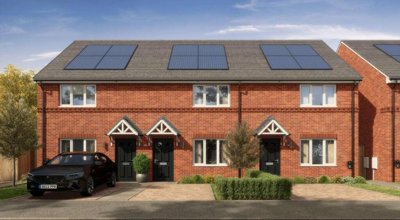
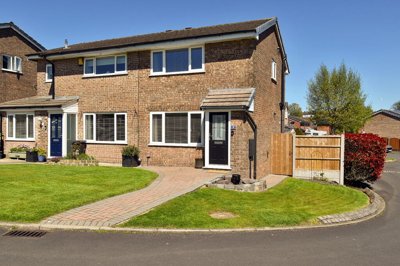
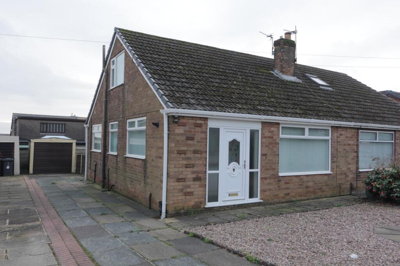
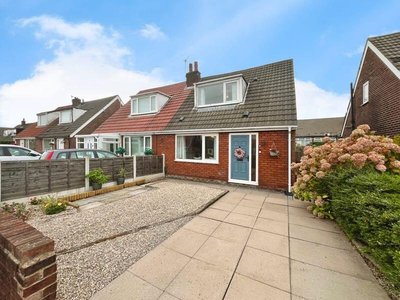
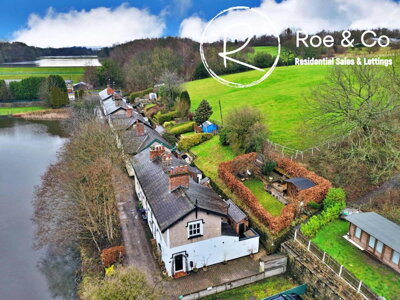
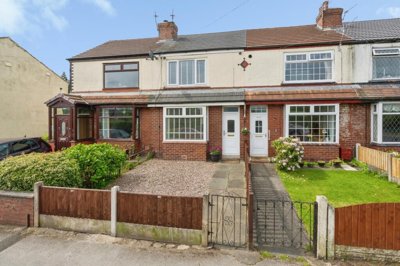
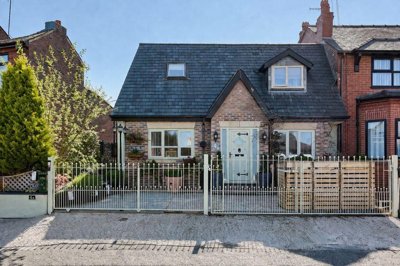
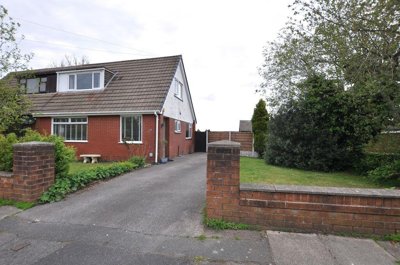
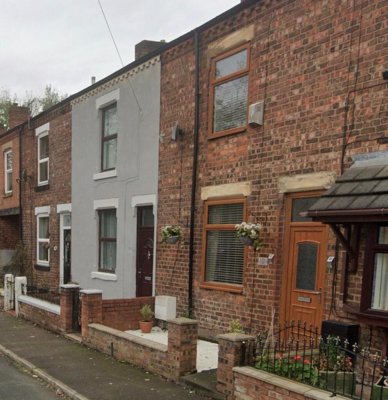
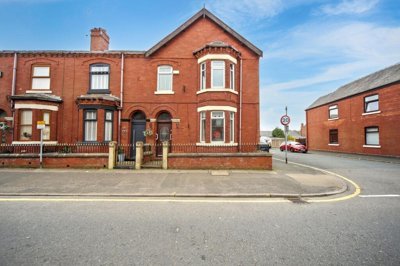
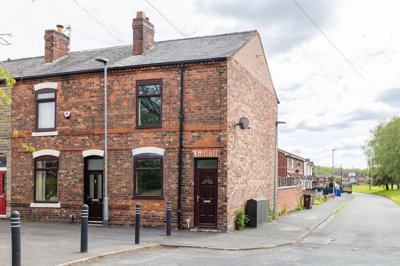
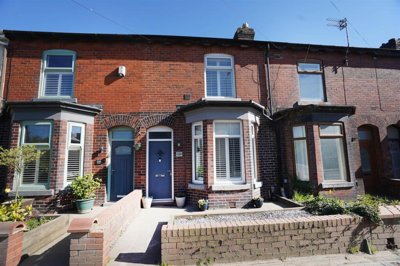
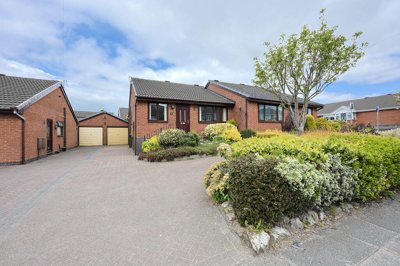
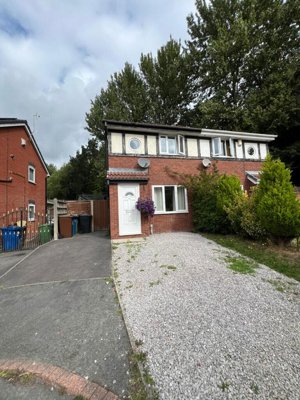
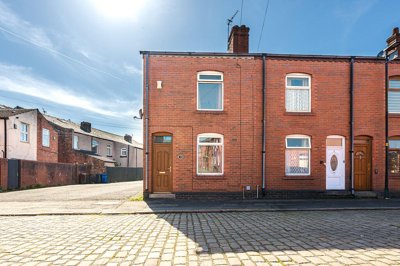
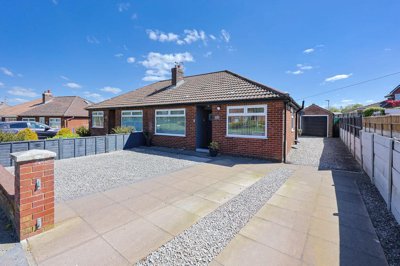
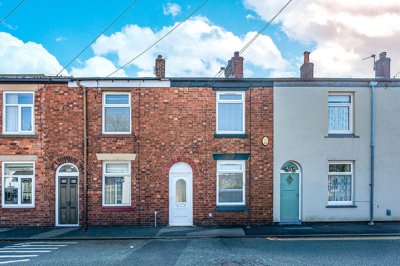
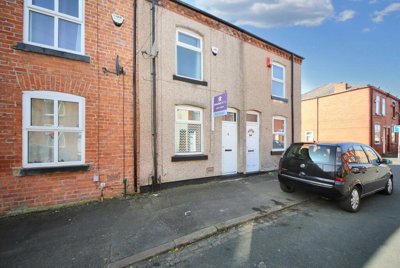
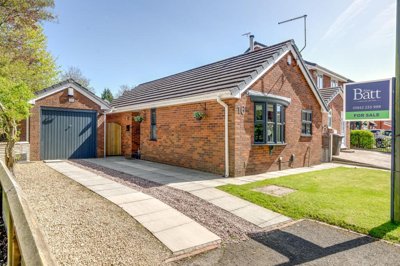
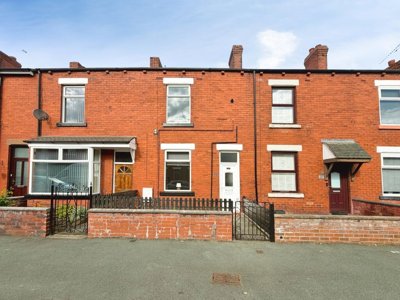
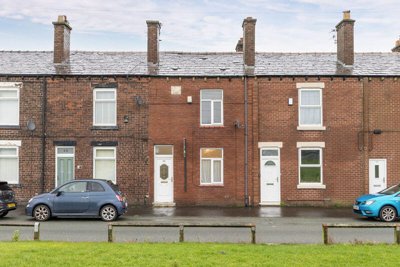
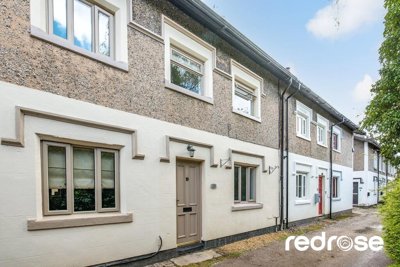
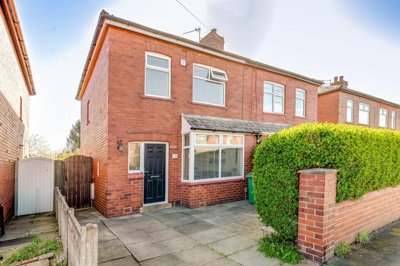
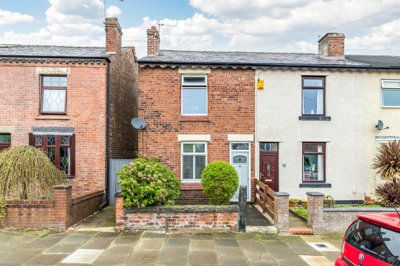
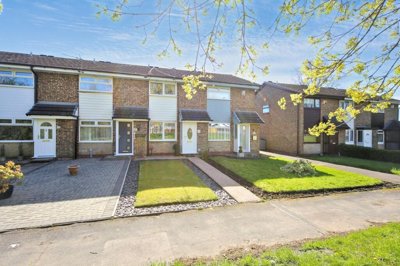
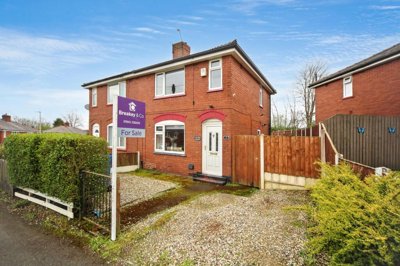
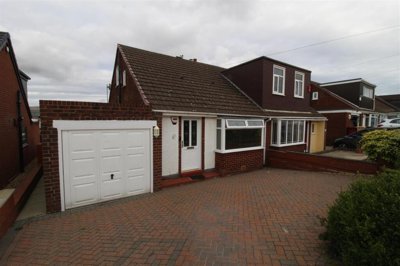
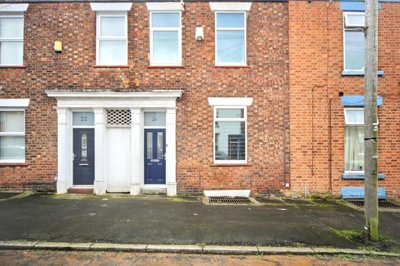
Browse 106 homes for sale in Haigh, Wigan from local estate agents.
The 2 bed house market features detached, semi-detached, and terraced properties with two separate bedrooms plus living spaces. Properties in Haigh range from Victorian and Edwardian period homes to modern new builds, with pricing varying across different neighbourhoods.
£283k
2
0
88
Source: home.co.uk
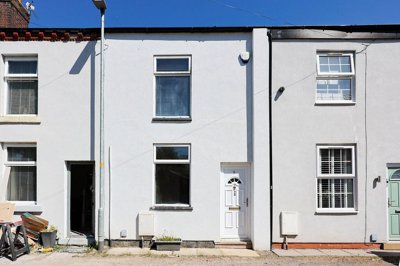
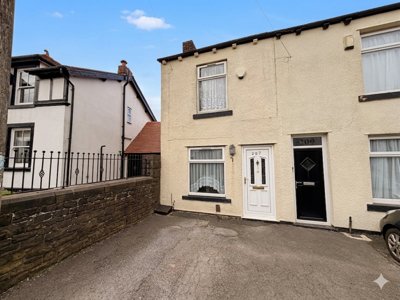
Showing 2 results for 2 Bedroom Houses for sale in Haigh, Wigan. The median asking price is £282,500.
Source: home.co.uk
Terraced
2 listings
Avg £282,500
Source: home.co.uk
Source: home.co.uk
Haigh's property market covers a broad mix of homes, so different buyers can usually find something that fits. Semi-detached properties have led recent sales here, with an average of £512,500, while terraced homes command slightly higher prices at around £281,000 according to home.co.uk listings data. Around the village, we see older period houses from the medieval era, Victorian and Edwardian terraces, and newer family homes too. Red brick is the main building material in the Conservation Area, although some public buildings use light yellow sandstone quarried locally in the Parbold area.
In WN2 1LB, current average property values stand at £536,474 as of January 2026, and prices have risen by 2.4% since October 2024. Over the last ten years, the WN2 1LB sales market has climbed by 48.5%, which shows steady confidence in the area. Values have eased back from the 2021 peak of £672,974, but the pull of village life in Haigh remains strong. New build activity within the Haigh civil parish itself is still limited, with most residential development taking place across the wider Wigan borough. A planning approval in June 2025 for a replacement dwellinghouse at 14a Haigh Road, following demolition of the existing property, is one sign that interest in development here continues.
Haigh's older housing stock tells the story of its industrial past, and many homes were built using traditional methods that sit quite apart from modern construction. Victorian and Edwardian properties often show simple corbelling on terraced fronts, original stone details, and building techniques that were typical of late 19th and early 20th century workmanship. Over time, plenty of houses have picked up UPVC windows and doors, and some have been clad or rendered. In unmodernised homes, though, we may still find timber sash windows, stone lintels, and traditional damp-proof courses, all of which deserve a careful look during the buying process.

Haigh offers a rare mix of rural calm and community spirit, which is part of the reason families, professionals, and retirees all look here. The village has grown from 594 people in the 2001 census to roughly 746 in the 2021 census, with estimates putting the 2024 figure at around 1,102 residents. That steady rise shows how popular village living has become, without losing the close-knit feel that gives Haigh its character. With a low-density settlement pattern, neighbours tend to know one another, and local events help build a sense of belonging that feels hard to find in busier urban places.
Haigh Woodland Park is the village's main attraction, with parkland, walking trails, and leisure facilities for both residents and visitors. Children have space to play there, while dog walkers and joggers can make the most of the scenic routes. The Leeds and Liverpool Canal also runs through the village, opening up more walking, cycling, and boating along its old towpaths. In the centre, traditional buildings include the historic Balcarres Arms pub and St David Church, which dates to the area's medieval origins. Village shops and community facilities cover day-to-day needs, and Wigan town centre is only a short drive away for shopping, dining, and entertainment.
The restoration of Haigh Hall is a major investment in both the village's future and its heritage. The Grade II listed manor house, built between 1827 and 1840 from hard sandstone quarried in the Parbold area, is now in the middle of a multi-million-pound transformation. External restoration works were completed in Summer 2025, and by Autumn 2025 the project had moved on to interior plans. For us, that points to real confidence in Haigh and should add to the appeal of the village for both living and visiting. The Hall's grounds, once part of the wider estate, still shape the village's character, and they offer a strong link back to Haigh's aristocratic past, when coal mining and iron production drove the local economy, including the Haigh Foundry, which worked until 1885.
The wider Wigan borough gives Haigh its economic backdrop, with a population of 334,110 in 2022 and forecasts pointing to continued growth. Jobs across the area are spread through manufacturing and logistics, alongside increasing opportunities in digital, creative, health, environmental, and professional services. That variety supports the local housing market and gives residents options without needing long commutes to Manchester or Liverpool.

Families thinking about a move to Haigh will find several schools within reach. Primary places are usually served by schools in nearby Aspull and Standish, and many Haigh children attend those local facilities. Wigan borough has a solid education offer, with Ofsted-rated good and outstanding schools at both primary and secondary level. We would always advise checking the relevant catchment areas carefully, because school admissions in Wigan depend on proximity, and homes in Haigh can sit in different admission zones depending on the exact address.
Across the wider Wigan area, secondary schools have long-established reputations and a wide mix of academic and extracurricular provision. Wigan's secondary schools offer GCSE and A-Level courses, while sixth forms give access to higher education routes and vocational qualifications. For families looking at grammar school education, the nearby borough of Warrington has selective admissions. Manchester and Liverpool both have higher education options within 45 minutes by car, so Haigh can work well for university students or anyone studying while keeping to village life.
Because so many homes in Haigh are older, school catchment areas have often been in place for decades, with community patterns shaping which schools serve which addresses. We would still check the current catchment boundaries and admission rules with Wigan Council, as they can change and may affect where children are placed. The village's small population means schools in surrounding areas are used to taking pupils from Haigh, and many have school bus services or parking for drop-offs and pick-ups.

Haigh is well placed for travel, and that makes commuting to major northern cities straightforward. The village sits close to the A49 corridor, which gives direct road access to Wigan town centre and links on to the M6 motorway for longer journeys. Wigan itself has two main stations, Wigan North Western and Wigan Wallgate, both with regular services to Manchester, Liverpool, Leeds, and London Euston. Wigan North Western lies on the West Coast Main Line, and fast trains to London take about two hours, so it suits professionals who work in the capital but want village living.
For commuters heading to Manchester, direct services from Wigan North Western reach Manchester Piccadilly in around 35-40 minutes. Liverpool Lime Street is about 30 minutes away by train from Wigan stations. Local buses link Haigh with nearby villages and Wigan town centre, which suits anyone who would rather not drive. The Leeds and Liverpool Canal towpaths give cyclists and walkers a scenic route through the wider canal network. Manchester Airport and Liverpool John Lennon Airport are both within roughly one hour by car, so international travel stays accessible for Haigh residents.
Haigh sits neatly between Manchester and Liverpool, which is a big part of its appeal for commuters working in either city. The A49 gives a direct route north to Chorley and beyond, while the M6 junction at Standish Common opens up the national motorway network. Drivers can usually find parking at Wigan stations, although peak-time spaces can go quickly. The village's position on the Leeds and Liverpool Canal also gives people working nearby a different way to travel, by bicycle or on foot, especially for canal-side parts of Wigan.

Before you view a property, get a mortgage agreement in principle from a lender. It strengthens any offer and shows sellers that finance is already in place. Lenders will look at income, credit history, and borrowing capacity to decide how much they can lend.
We always recommend studying recent sales and current listings in Haigh so you can get a feel for the numbers. Prices in the area range from £186,711 for starter homes to more than £555,250 for larger properties. A local estate agent who knows the Haigh and Wigan market well can be a real help here.
When viewing homes in Haigh, remember that many are older and built using historical methods. Because of the area's mining heritage and the number of period properties, a RICS Level 2 survey matters here. It also helps to book viewings at different times of day so you can judge light levels, noise, and neighbour activity for yourself.
Once your offer has been accepted, we would arrange a RICS Level 2 Homebuyer Report survey. Haigh's industrial heritage and mining history mean that this survey should check for subsidence, assess older materials, and pick up any structural concerns in period homes. Survey fees usually sit between £400-600, depending on property value.
It is wise to appoint a solicitor who knows Wigan and Greater Manchester property transactions well. They will handle searches, review the contract papers, and manage the transfer of ownership. Legal fees typically run from £499-1,500, depending on how complex the purchase is.
Once the searches come back satisfactorily and finance is confirmed, contracts are exchanged and the deposit is paid. Completion usually follows within 2-4 weeks, and then you receive the keys to your new Haigh home.
Buyers looking at Haigh should keep a few local issues in mind before they commit. The village's industrial past means mining subsidence needs to be checked, especially on older homes. Haigh Hall itself sits on a stable plateau and is considered safe, but surrounding areas have seen ground movement. A detailed RICS Level 2 survey is essential for spotting any structural problems linked to historic mining. We would also ask about any earlier subsidence claims or remedial work carried out on the property.
Haigh Village has been a designated Conservation Area since 1976, so alterations, extensions, and external changes are subject to planning controls. If you are buying a listed building or a property within the Conservation Area, some works will need Listed Building Consent or Conservation Area Consent. Those designations protect the village's character, but they can limit major changes to a home. With so many period properties around, buyers should check the condition of original windows, roofs, and damp-proof courses, as these may need updating or replacing over time.
Property construction in Haigh changes quite a bit depending on age and style. Traditional red brick homes within the Conservation Area were built using methods typical of their era, often with stone detailing from local quarries. Terraced houses usually show simple corbelling and stone lintels, while larger homes may carry more elaborate architectural details. Many properties have already been updated with UPVC windows and doors, but unmodernised houses may still have original timber sash windows that need regular care. Older public buildings and listed structures use stone that can weather over time and may call for specialist conservation work.
There are several listed buildings in the Haigh Conservation Area, among them farm buildings, cottages, and a bridge over the Leeds and Liverpool Canal. Homes in this heritage setting may need specialist surveys that take account of the construction methods and materials involved. For listed buildings, or for properties of unusual construction, a Level 3 Building Survey may be the better option because it gives a fuller view of condition and sets out maintenance and repair advice. With so many homes in the village being over 50 years old, a professional survey can be invaluable before purchase.

The overall average house price in Haigh (Wigan) is £536,474 according to home.co.uk listings data. Semi-detached properties averaged £512,500, while terraced properties sold for around £281,000. In the WN2 1LB postcode area, current values also sit at £536,474, with prices ranging from £478,738 for three-bedroom homes to £812,500 for five-bedroom properties. Values have eased back from the 2021 peak of £672,974, yet the longer view is still positive, as the WN2 1LB sales market has grown by 48.5% over the past decade, showing that village homes here remain in demand.
Homes in Haigh fall within Wigan Metropolitan Borough Council. Council tax bands run from A to H depending on value, although most residential homes in the village usually sit in bands A through D because of the mix of period terraces and semi-detached properties. To check the exact band for a property, we would look it up on the Valuation Office Agency website using the address. The council also sets out current rates and any discounts that may apply for single occupancy or disability relief.
Primary schooling for Haigh is available in nearby areas such as Aspull and Standish, and many of those schools have good Ofsted ratings. Secondary schools in the wider Wigan borough offer strong academic programmes, while sixth forms provide A-Level and vocational routes. Parents should confirm catchment areas and admission policies directly with Wigan Council, because school places are based on proximity and boundaries can shift. For families who want selective education, schools in neighbouring Warrington offer grammar school options.
Haigh has decent public transport links through local bus services that connect the village with Wigan town centre and nearby communities. Wigan's two mainline stations offer regular trains to Manchester, Liverpool, Leeds, and London, with direct services to Manchester Piccadilly taking around 35-40 minutes and Liverpool Lime Street about 30 minutes away. Manchester is the nearest major airport and can be reached by car in about one hour, while Liverpool John Lennon Airport is also within easy reach for international travel.
Haigh has appeal for property investors because of its village feel, Conservation Area status, and closeness to major employment centres in Manchester and Liverpool. Values in WN2 1LB have risen by 48.5% over the past decade, and the restoration of Haigh Hall may help support future prices. Even so, buyers should take a medium to long-term view because of the recent pullback from the 2021 peak. Property condition varies widely, especially given the mining heritage and age of the housing stock, so thorough surveys matter before any purchase. With limited new build supply, existing homes are likely to stay the main option for buyers who want village living here.
For standard buyers, Stamp Duty Land Tax starts at 0% on properties up to £250,000, then rises to 5% on the part between £250,001 and £925,000. First-time buyers get relief on homes up to £425,000 at 0%, with 5% charged between £425,001 and £625,000. No relief is available above £625,000. So, for example, a typical Haigh property at the average price of £536,474 would attract no stamp duty for a first-time buyer, but £2,061 for a later buyer without first-time buyer relief.
We have not found detailed flood risk data specific to Haigh village, although the Leeds and Liverpool Canal runs through the area and buyers should ask about drainage and surface water for individual properties. The village rises towards the east and north on a plateau, which may affect how water drains in lower-lying spots. A proper survey will highlight any water-related problems, and the Environment Agency website can be used to check flood risk mapping for a particular address before purchase. Local knowledge from neighbours and previous owners can also be useful when it comes to historic water management issues.
Haigh has a strong industrial past in coal mining and iron production, and the Haigh Foundry operated until 1885. Historic mining activity nearby has caused some ground movement, which can be seen in the slight outward lean of Haigh Hall's walls. Even so, Haigh Hall itself stands on a stable plateau and is considered safe. When we are dealing with older homes in Haigh, especially those built before the 20th century, a RICS Level 2 survey should look for potential subsidence, foundation condition, and any signs of structural movement. It is also sensible to ask about previous subsidence claims, insurance policies, or remedial work before you proceed.
From 4.5%
We offer expert mortgage advice and competitive rates for a Haigh property purchase
From £499
Conveyancing solicitors with experience in Wigan and Greater Manchester property transactions
From £455
A professional home survey that checks for structural issues, subsidence, and property condition
From £85
An Energy Performance Certificate is required for every property sale
Working out the full cost of buying in Haigh is an important part of budgeting properly. The Stamp Duty Land Tax (SDLT) you pay depends on both your buyer status and the property price. Standard buyers pay 0% on the first £250,000, 5% on the portion from £250,001 to £925,000, 10% from £925,001 to £1.5 million, and 12% above £1.5 million. On a typical Haigh property at the current average of £536,474, a standard buyer would pay £2,061 in stamp duty. First-time buyers benefit from higher thresholds, paying nothing on properties up to £425,000 and 5% on the portion between £425,001 and £625,000.
Alongside stamp duty, it is sensible to budget for solicitor conveyancing costs of £499 for basic transactions up to £1,500 or more for complex purchases or leasehold properties. A RICS Level 2 survey usually costs between £400 and £600 for homes in the Haigh price range, while an Energy Performance Certificate costs from £85. If you need a mortgage, arrangement fees are often between 0% and 1.5% of the loan amount, and you may also need to pay for a valuation survey arranged by your lender. Buildings insurance should be in place from completion day, and for a standard family home it typically costs £150-400 a year.
Other costs worth setting aside include removal charges, possible decorating and refurbishment work, and a contingency fund of at least 5% of the purchase price for any unexpected problems that can crop up with period homes. Since many properties in Haigh are older and sit within a Conservation Area, buyers should allow for the upkeep of heritage features or the cost of gaining the right consents for alterations. Homes that have not been updated for some time may also need investment in heating, electrical rewiring, or roof repairs, and those costs should be part of the real purchase figure.

Properties for Sale In London

Properties for Sale In Plymouth

Properties for Sale In Liverpool

Properties for Sale In Glasgow

Properties for Sale In Sheffield

Properties for Sale In Edinburgh

Properties for Sale In Coventry

Properties for Sale In Bradford

Properties for Sale In Manchester

Properties for Sale In Birmingham

Properties for Sale In Bristol

Properties for Sale In Oxford

Properties for Sale In Leicester

Properties for Sale In Newcastle

Properties for Sale In Leeds

Properties for Sale In Southampton

Properties for Sale In Cardiff

Properties for Sale In Nottingham

Properties for Sale In Norwich

Properties for Sale In Brighton

Properties for Sale In Derby

Properties for Sale In Portsmouth

Properties for Sale In Northampton

Properties for Sale In Milton Keynes

Properties for Sale In Bournemouth

Properties for Sale In Bolton

Properties for Sale In Swansea

Properties for Sale In Swindon

Properties for Sale In Peterborough

Properties for Sale In Wolverhampton

Enter your details to see if this property is within your budget.
Loans, cards, car finance
Estimated property budget
Borrowing + deposit
You could borrow between
Typical borrowing
Monthly repayment
Est. at 4.5%
Loan-to-value
This is an estimate only. Your actual budget may vary depending on interest rates, credit history, and personal circumstances. For an accurate affordability assessment, speak to one of our free mortgage advisors.
This calculator provides estimates for illustrative purposes only and does not constitute financial advice. Your home may be repossessed if you do not keep up repayments on your mortgage. Estimates based on 4.5% interest rate, repayment mortgage. Actual rates depend on your circumstances.
Homemove is a trading name of HM Haus Group Ltd (Company No. 13873779, registered in England & Wales). Homemove Mortgages Ltd (Company No. 15947693) is an Appointed Representative of TMG Direct Limited, trading as TMG Mortgage Network, which is authorised and regulated by the Financial Conduct Authority (FRN 786245). Homemove Mortgages Ltd is entered on the FCA Register as an Appointed Representative (FRN 1022429). You can check registrations at NewRegister or by calling 0800 111 6768.

We use cookies to show you personalised content and improve your experience of our website. Find out more in our Privacy policy and Cookie policy.