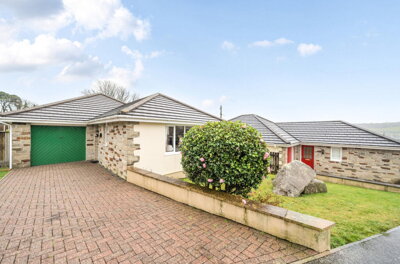
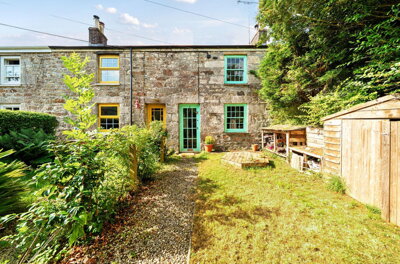
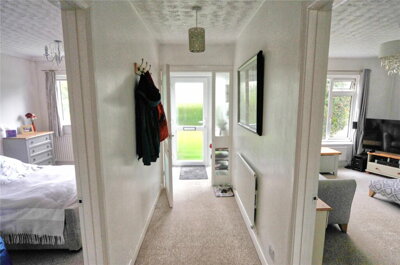
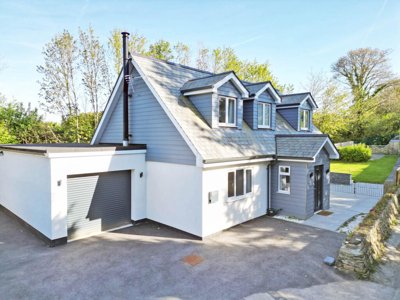
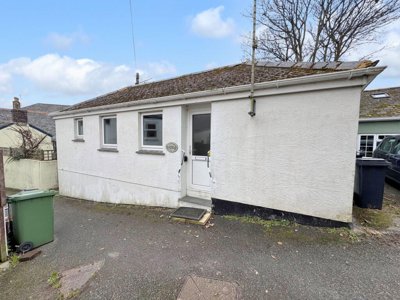
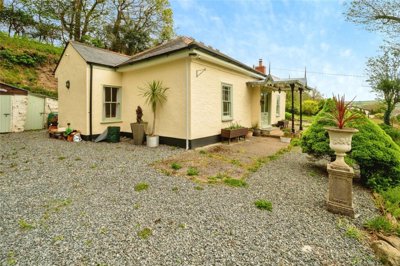
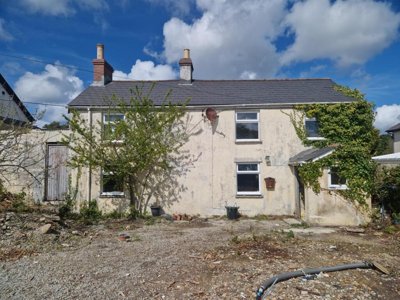
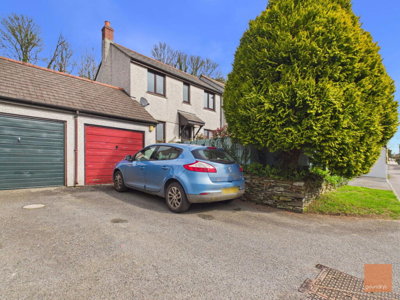
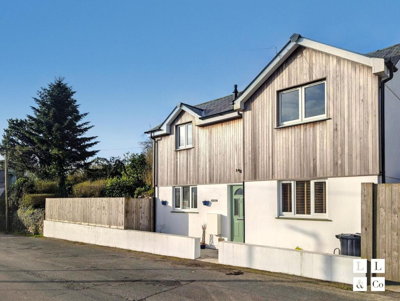
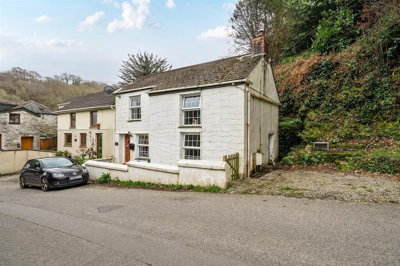
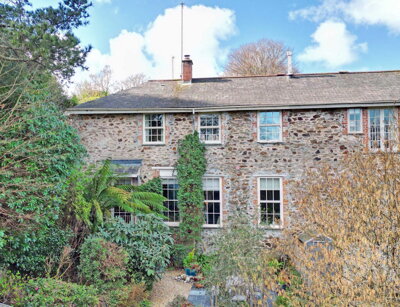
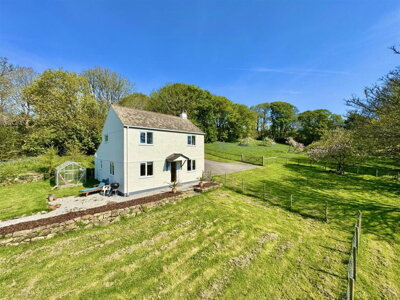
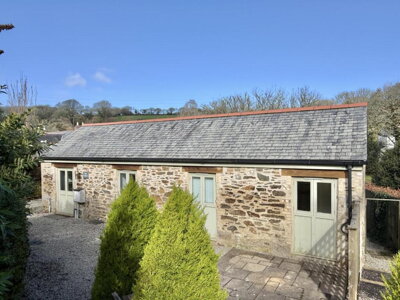
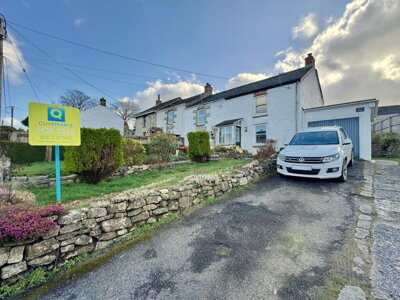
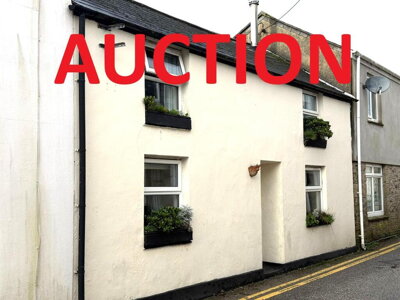
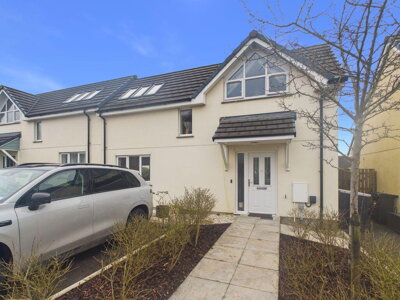
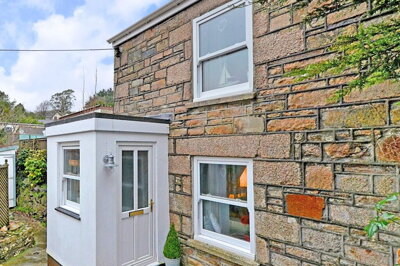
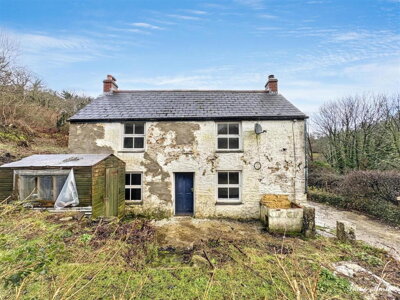
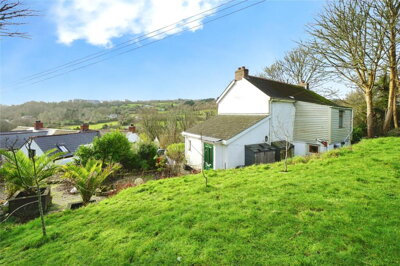
Browse 58 homes for sale in Gwennap, Cornwall from local estate agents.
The 2 bed house market features detached, semi-detached, and terraced properties with two separate bedrooms plus living spaces. Properties in Gwennap range from Victorian and Edwardian period homes to modern new builds, with pricing varying across different neighbourhoods.
£0k
0
0
0
Source: home.co.uk
Showing 0 results for 2 Bedroom Houses for sale in Gwennap, Cornwall.
Across Gwennap, buyers can still find a good spread of homes without stepping into the price brackets often seen in Cornwall’s busier coastal spots. Our latest data puts the overall average house price in Gwennap at £208,500, while the TR16 6BE postcode area has an estimated average property value of £239,262. Over the past twelve months, values in this postcode area have been steady, with a modest 0.1% increase. To us, that points to a market that has settled after earlier fluctuations, and it helps make Gwennap appealing for buyers looking for long-term value in a sought-after part of Cornwall.
Semi-detached homes make up the bulk of activity in Gwennap, accounting for approximately 86% of all transactions locally. Recent sales show semi-detached properties selling for between £198,000 and £695,000, including homes on Carn View at £198,000 to £219,000, while Trevarth Manor reached £695,000 in November 2023. Detached sales show just how broad the market is, from more modest family houses at around £350,000 to standout country homes such as Trevarth House, which sold for £1,780,000. So there is room here for very different budgets and priorities.
Set against the wider county picture, Gwennap’s steadier pricing stands out. Cornwall recorded approximately 7,000 property sales over the past year, with detached homes accounting for 35.9% of transactions, terraced properties 30.2%, semi-detached 22.2%, and flats 11.7%. Over the same twelve-month period, the county saw a 4% drop in average property values, while the wider South West region recorded a smaller 1% decrease. That broader backdrop helps explain why Gwennap, with its rural setting and stable prices, continues to draw buyers who want value in a beautiful landscape.
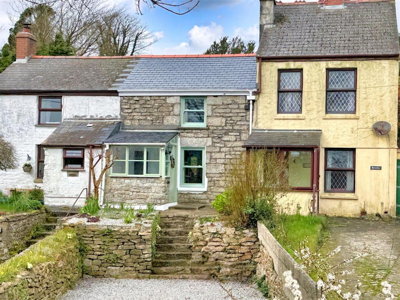
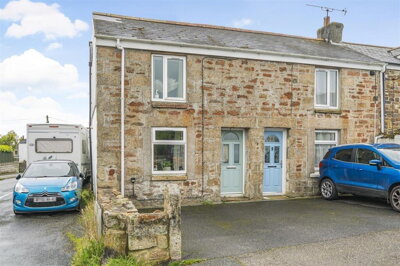
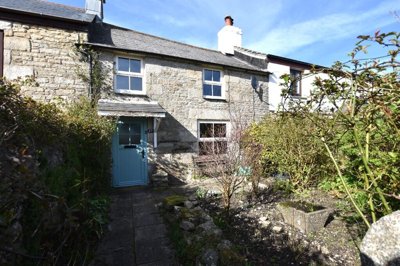
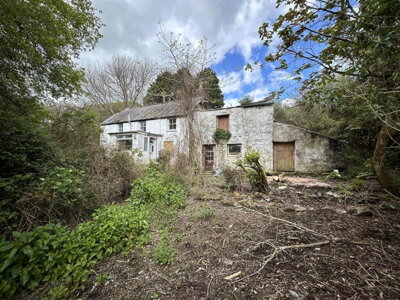
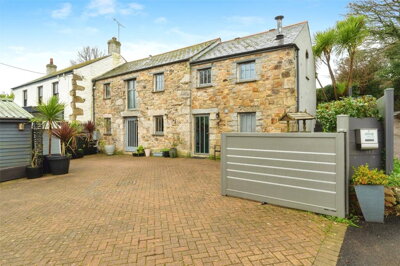
Price is only part of the picture in Gwennap. The local housing stock also covers a wide mix of ages and styles. Many homes across the parish still show traditional Cornish building methods, with granite stone walls and slate roofs that speak to the area’s mining heritage. Those older properties often have thick walls that give excellent thermal mass, although they can ask more of an owner in terms of upkeep than a modern equivalent. Our team often finds that buyers are drawn here for exactly that reason, characterful homes at realistic prices when compared with Cornwall’s more tourism-led coastal areas.

Life in Gwennap feels unmistakably Cornish, with strong community ties, striking scenery, and a slower rhythm than many urban areas can offer. The parish takes its name from the Cornish word "Whymp," a reminder of its deep Celtic roots and its long role as a centre of tin mining activity. These days Gwennap works well as a residential community, keeping its rural identity while still linking practically to nearby towns. People who live here often talk about the countryside views and the range of outdoor activities on hand, which is a big part of the appeal for anyone who values open space and time outdoors.
There is plenty to get out and enjoy around Gwennap, with footpaths and bridleways running through the surrounding countryside. The Cornwall coast is also within easy reach, bringing beaches and clifftop walks that have long made this part of England popular with both visitors and locals. In the village, day-to-day amenities cover the basics, and for broader shopping, dining, and entertainment most people look to Redruth and Truro nearby. That balance of rural calm and practical convenience is a strong draw for families, retirees, and buyers after a better quality of life without losing touch with modern services.
What gives Gwennap much of its appeal is the sense of community. Local events, village facilities, and traditional pubs help bring residents together through the year. The homes themselves reflect that long history, with cottages and farmhouses that date back generations sitting alongside newer additions to the local housing stock. It makes for a varied streetscape and gives buyers real choice. Some come to us searching for a period home with plenty of character, others want something more modern with less maintenance, and the parish can cater for both.
Gwennap’s position works especially well for people who like to be outside. The South West Coast Path is only a short drive away and offers some spectacular views along the Cornish coastline. Closer to home, the surrounding countryside is well suited to cycling, horse riding, and dog walking, with quiet lanes and maintained bridleways linking villages across the area. For buyers keen on gardening or growing produce, the fertile Cornish soil and mild climate also support productive gardens and allotments throughout the region.

Families moving to Gwennap have a reasonable choice of schools within travelling distance. The parish sits within the catchment area for several primary schools in nearby villages and towns, and many of them are rated positively by Ofsted for teaching quality and student care. In the surrounding communities, primary provision covers children from reception to Year 6. Rural schools also often come with smaller class sizes, which can mean more individual attention and a more nurturing setting for younger pupils.
For secondary education, most families in Gwennap look towards Redruth and Camborne. Schools in those towns provide a broader curriculum and access to specialist facilities, and they form the main pathway for many local students. School transport is usually available for pupils travelling in from more rural spots. Truro is a little further away but still easy to reach, and it adds further secondary options, including grammar school provision for academically able students, giving families more than one route to consider.
Older students are well served too. Truro, known for its educational establishments and academic tradition, offers sixth form and further education through colleges and school sixth forms. The University of Cornwall, based in Truro, gives students a higher education option closer to home, while Plymouth and Exeter widen the choice for those happy to travel further. We always advise parents searching in Gwennap to check the latest catchment arrangements and admission rules carefully, as they can change and may have a major impact on which schools are available from a specific address.

Travel from Gwennap is generally straightforward. The parish lies close to the A30, Cornwall’s main trunk road, giving direct access east towards Truro and west towards Camborne and Penzance. That route makes the car the most practical choice for many residents, linking the village to jobs, shops, and the wider road network without much difficulty. Key journey times are fairly manageable too, with Truro about 20 minutes away by car and the ferry port at Plymouth roughly two hours away for longer-distance travel.
For rail travel, the nearest stations are Redruth and Camborne, both offering direct services to Truro, Plymouth, and London Paddington. Cornwall’s mainline route gives regular links to major cities, which keeps commuting or occasional trips to London realistic for some buyers. Redruth station is usually around 10-15 minutes drive from Gwennap village, and Camborne station is similarly convenient. Those connections matter for anyone who wants rural living without giving up access to larger employment centres.
Bus services do run locally, linking Gwennap with surrounding villages and towns, although they are not usually as frequent as routes in urban areas. In day-to-day life, most residents depend on the car, and parking is usually uncomplicated in a rural village setting. Cycling remains popular both for short trips and for leisure, helped by the scenery and quieter roads. Taken together, the road, rail, and bus options give people in Gwennap workable access to employment, education, and leisure across Cornwall and beyond.
Remote workers and home-based business owners are not shut out by Gwennap’s rural setting. Reliable broadband means flexible working is a realistic option here, and many residents choose the area precisely because they can keep their careers while enjoying a better quality of life. That shift has helped make villages across rural Cornwall more popular with professionals leaving larger urban areas behind. Gwennap fits that pattern well.

One good starting point is to browse current listings on Homemove so we can see what is actually available in Gwennap and the surrounding Cornwall area. Our data shows average prices around £208,500, and semi-detached homes account for most transactions. We also suggest visiting at different times of day and on different days of the week to get a better feel for the community and local amenities. It is worth looking at several parts of the parish too, from the village centre to more isolated farmsteads, because the setting can make a big difference to day-to-day life.
Before arranging viewings, it helps to speak with a mortgage broker or lender and secure an agreement in principle. Sellers tend to take buyers more seriously when financing is already in place, especially in a competitive rural market where homes can move quickly. It also gives a clearer view of your real budget, which can save a lot of frustration later. Many lenders provide online calculators, so you can get an early sense of how much you may be able to borrow based on income and existing commitments.
Once suitable homes come onto your shortlist, we can arrange viewings through the estate agents listed on Homemove. During each visit, take the time to look beyond first impressions and check things like natural light, room proportions, and the overall condition of the building. Ask about the property’s history as well as any recent maintenance or renovation work. In Gwennap, period homes deserve especially careful attention, so we would look closely at the roof, the condition of original windows, and any signs of damp or structural movement that could point to deeper issues.
Before you go ahead with a purchase, we strongly recommend booking a RICS Level 2 Survey (Homebuyer Report) on any property you are seriously considering. It can highlight structural issues, defects, and maintenance concerns that may affect value or need attention after completion. In Gwennap, where many older homes use traditional construction methods, that extra scrutiny is particularly useful. Problems with walls, foundations, or roof structures are not always obvious during an ordinary viewing.
After an offer is accepted, the next step is to instruct a conveyancing solicitor to deal with the legal side of the purchase. They handle searches, contracts, and the transfer of ownership so the transaction can move forward properly. Local authority searches will cover matters such as planning permissions, compliance with building regulations, and environmental issues that might affect the property. In a rural area such as Gwennap, this work is especially important, as it may uncover rights of way, agricultural restrictions, or historic mining records linked to the home.
Your solicitor will then take you through the last stages, including exchange of contracts once the legal work is complete, and the completion date when the keys to your new Gwennap home are released. On completion day, our team will be here to help with any final questions as you settle into the area. It is also sensible to deal quickly with the practical jobs, notifying utility companies, changing your address with banks and employers, and registering with local medical and dental practices as soon as you can after the move.
Buying in Gwennap calls for a bit of local awareness because the housing stock is varied. You will find older cottages and farmhouses alongside newer developments, and each comes with its own set of considerations. Period homes may offer attractive original features, but they can also need more maintenance and may have been built with traditional materials and methods rather than modern ones. We always come back to the same point here, a thorough survey matters before you commit.
Many rural properties in Gwennap come with larger gardens or extra outdoor space. That can be a real plus, but it also brings ongoing upkeep and sometimes raises questions around boundaries, rights of way, and access. While viewing, we would pay attention to fences, walls, and outbuildings, because their condition often says a lot about how the property has been looked after overall. Homes with land or larger grounds can open up possibilities for gardening, hobbies, or small-scale keeping of animals, though they do come with added responsibilities.
Practical details are just as important as appearance. Check the heating system, ask about insulation, and find out the age of the roof and windows. Cornwall is no stranger to strong weather, and even inland locations such as Gwennap can be exposed to wind and rain that gradually affect a building’s condition. We would also ask about past repairs or renovations, and confirm whether the property is on mains services or uses a private water supply or drainage system, as that is more common in rural areas. These points can make a real difference to budgeting after the move.
Gwennap’s mining past should not be overlooked during a purchase. It is sensible to ask about any known ground conditions or previous mining activity that could affect the property. We do not hold specific subsidence data for the area, but former mining parts of Cornwall can sometimes be influenced by historic underground workings. Your solicitor can carry out the relevant searches to check for mining records or ground stability issues tied to the particular property you are thinking of buying.

Recent sales data places the overall average house price in Gwennap at around £208,500. Within the parish, the TR16 6BE postcode area shows an estimated average property value of £239,262. Over the past twelve months, prices have stayed fairly steady, with a modest 0.1% increase. Detached homes have sold for between £350,000 and £1,780,000 depending on condition and size, while semi-detached properties have ranged from £198,000 to £695,000. That spread reflects the range on offer, from smaller village cottages to substantial country houses with extensive grounds.
For council tax, properties in Gwennap sit under Cornwall Council. Bands run from A to H, and in rural Cornwall many homes tend to fall within bands A to D. The exact band attached to any property depends on its assessed value at the last valuation, which for most homes in England took place in 1991. Buyers can check the band through the Valuation Office Agency website or by reviewing the listing details when viewing a property. A lower band in Gwennap usually means lower annual council tax, and that can have a noticeable effect on monthly outgoings.
Schooling is one of the questions we are asked about most often. Gwennap is served by several primary schools in surrounding villages, and many of them have positive Ofsted ratings. For secondary education, families usually look to Redruth and Camborne, while Truro adds further options, including grammar schools for academically able students. Catchment areas can shape what is available, so we recommend confirming the latest position with Cornwall Council. Smaller primary class sizes are also common locally, which many parents see as a benefit in the early years, and school transport is generally available for secondary pupils in the more rural parts of the parish.
Road links are one of Gwennap’s strong points. The nearby A30 trunk road gives direct access to Truro, Camborne, and the wider Cornwall road network. Rail users can head to Redruth or Camborne stations, both around 10-15 minutes drive away, for direct trains to Truro, Plymouth, and London Paddington. There are local bus services too, but for commuting and everyday errands most people still find the car the most practical option. Truro is usually about 20 minutes away by car, and from Redruth station you can typically reach London Paddington in approximately four and a half hours.
From an investment point of view, Gwennap has a lot going for it. Stable prices, rural appeal, and decent connectivity all support the market here, and the area continues to attract families, retirees, and home workers. Cornwall as a whole saw a 4% fall in average prices over the past year, but Gwennap’s steadier performance suggests a degree of resilience. In the TR16 6BE postcode area, values have edged up by 0.1% over the same period, which points to a market moving steadily rather than sharply. Supply is also limited in this sought-after rural setting, and with demand from buyers chasing the Cornish lifestyle still present, well-priced homes should continue to draw attention.
For standard purchases, the SDLT rates from April 2025 are 0% on the first £250,000 of a property’s value, 5% on the portion from £250,001 to £925,000, 10% on the portion from £925,001 to £1,500,000, and 12% on anything above £1,500,000. First-time buyers get relief at 0% on the first £425,000, with 5% charged on the portion from £425,001 to £625,000. If the purchase price is above £625,000, that relief does not apply. With the average property price in Gwennap at £208,500, many buyers at typical local values would pay no stamp duty at all.
We advise buyers in Gwennap to commission a RICS Level 2 Survey (Homebuyer Report) before completion. It checks the condition of the walls, roof, floors, doors, and windows, and it can flag defects that may affect value. For older homes or properties with unusual construction, a RICS Level 3 Survey may be the better fit. Alongside that, your solicitor will carry out local authority searches for planning restrictions, flood risk, and other issues affecting the property. In a parish with mining heritage such as Gwennap, those searches may also uncover historic mining records relevant to ground stability and condition. Homes using private water supplies or drainage systems need extra checks as well, so that current regulations are properly covered.
From £350
We recommend this for all buyers so defects can be identified before purchase.
From £500
Detailed structural survey for older or unusual properties
From £85
Energy performance certificate required for all sales
From £499
Legal services for your property purchase
From 4.5%
Finance to purchase your Gwennap home
Budgeting properly for a purchase in Gwennap means allowing for more than just the agreed price. The biggest extra cost for many buyers is Stamp Duty Land Tax (SDLT), which applies at standard rates to purchases above £250,000. On a property at the local average of around £208,500, a buyer purchasing without first-time buyer relief would still pay no SDLT on the first £250,000, so the stamp duty bill would be zero. That threshold is one reason the area can be accessible for first-time buyers.
Once the price moves beyond £250,000, the standard SDLT bands apply at 5% on the portion from £250,001 to £925,000, 10% on the amount from £925,001 to £1,500,000, and 12% on anything over £1,500,000. First-time buyers purchasing up to £625,000 can claim relief, which raises the 0% threshold to £425,000 and applies 5% to the next £200,000. Above £625,000, that relief falls away. In Gwennap, where homes range from £198,000 to more than £1.7 million, it is important to know exactly which rate applies before you commit.
There are other purchase costs to plan for as well. Solicitor conveyancing fees usually fall between £500 and £2,000, depending on the property value and how complex the transaction is. A RICS Level 2 Survey starts from around £350 for a straightforward home, with higher costs for larger properties or those needing more detailed inspection. Your solicitor’s searches, including local authority, drainage and water, and environmental checks, generally add another £300 to £500. Add mortgage arrangement fees, valuation fees, and moving costs, and we would usually suggest having around 3-5% of the property value available on top of the deposit.
As well as the purchase itself, it is wise to think about the ongoing cost of owning a home in Gwennap. Buildings insurance can be higher on older or period properties, and houses with larger gardens or outbuildings often need more regular maintenance. Council tax also matters to monthly budgeting, with many local homes falling into bands A to D. Utility bills will vary depending on insulation and the heating system, so we suggest asking the current owner for typical costs when you view. A careful budget at the start makes it much easier to settle into a new Cornish home without unwanted financial pressure later on.

Properties for Sale In London

Properties for Sale In Plymouth

Properties for Sale In Liverpool

Properties for Sale In Glasgow

Properties for Sale In Sheffield

Properties for Sale In Edinburgh

Properties for Sale In Coventry

Properties for Sale In Bradford

Properties for Sale In Manchester

Properties for Sale In Birmingham

Properties for Sale In Bristol

Properties for Sale In Oxford

Properties for Sale In Leicester

Properties for Sale In Newcastle

Properties for Sale In Leeds

Properties for Sale In Southampton

Properties for Sale In Cardiff

Properties for Sale In Nottingham

Properties for Sale In Norwich

Properties for Sale In Brighton

Properties for Sale In Derby

Properties for Sale In Portsmouth

Properties for Sale In Northampton

Properties for Sale In Milton Keynes

Properties for Sale In Bournemouth

Properties for Sale In Bolton

Properties for Sale In Swansea

Properties for Sale In Swindon

Properties for Sale In Peterborough

Properties for Sale In Wolverhampton

Enter your details to see if this property is within your budget.
Loans, cards, car finance
Estimated property budget
Borrowing + deposit
You could borrow between
Typical borrowing
Monthly repayment
Est. at 4.5%
Loan-to-value
This is an estimate only. Your actual budget may vary depending on interest rates, credit history, and personal circumstances. For an accurate affordability assessment, speak to one of our free mortgage advisors.
This calculator provides estimates for illustrative purposes only and does not constitute financial advice. Your home may be repossessed if you do not keep up repayments on your mortgage. Estimates based on 4.5% interest rate, repayment mortgage. Actual rates depend on your circumstances.
Homemove is a trading name of HM Haus Group Ltd (Company No. 13873779, registered in England & Wales). Homemove Mortgages Ltd (Company No. 15947693) is an Appointed Representative of TMG Direct Limited, trading as TMG Mortgage Network, which is authorised and regulated by the Financial Conduct Authority (FRN 786245). Homemove Mortgages Ltd is entered on the FCA Register as an Appointed Representative (FRN 1022429). You can check registrations at NewRegister or by calling 0800 111 6768.

We use cookies to show you personalised content and improve your experience of our website. Find out more in our Privacy policy and Cookie policy.