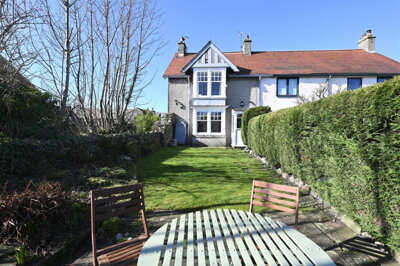
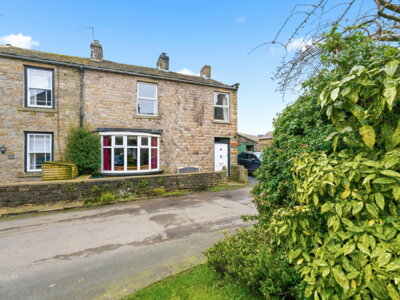
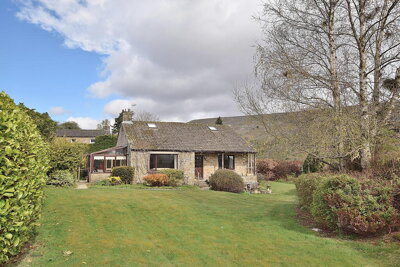
Browse 17 homes for sale in Grinton, North Yorkshire from local estate agents.
Three bedroom properties represent a significant portion of the Grinton housing market, offering space for families with multiple reception rooms and gardens in many cases. Browse detached, semi-detached, and terraced options ranging from period character homes to contemporary developments.
£500k
1
0
49
Source: home.co.uk
Showing 1 results for 3 Bedroom Houses for sale in Grinton, North Yorkshire. The median asking price is £500,000.
Source: home.co.uk
Detached
1 listings
Avg £500,000
Source: home.co.uk
Source: home.co.uk
===PASSAGE 1=== Grinton’s housing market feels very different from a busy town search. In the DL11 postcode area, the average house price is £564,000, well above the North Yorkshire average of £272,000, and that gap says a lot about demand for traditional stone homes in protected Dales settings. Stock is usually thin, the pace is slower, and buyers are often competing for character, setting and scarcity rather than sheer choice. ===PASSAGE 2=== After the survey findings are settled and the searches are back, exchange of contracts is the point at which the deposit is paid, with completion normally following a few weeks later. Stamp duty land tax depends on the purchase price, and the current SDLT standard-rate zero band runs up to £250,000. ===PASSAGE 3=== In the Grinton area, covered by the DL11 postcode, the average property price is approximately £564,000. That reflects the premium attached to older stone cottages, farmhouses and other heritage homes in this part of the Yorkshire Dales, and it sits far above the wider North Yorkshire county average of £272,000. Buyers here tend to pay for setting, age and character, not glossy modern specification, with limited supply helping period homes hold their value. ===PASSAGE 4=== SDLT is worked out in bands. At the standard rate there is no SDLT on purchases up to £250,000, then 5% applies from £250,001 to £925,000, 10% from £925,001 to £1.5 million, and 12% on the part above £1.5 million. First-time buyer relief gives a zero rate on the first £425,000 and 5% on the slice between £425,001 and £625,000, but it is not available once the price is above £625,000. Our conveyancing team will calculate the SDLT due against the agreed price and the buyer’s circumstances. ===PASSAGE 5=== The amount needed to buy in Grinton is not just the agreed price and stamp duty. Conveyancing fees for a straightforward purchase often start from around £499, although Listed Building status, title complications or leasehold points can push the bill higher. Search packs, drainage and water searches, title registration charges and bankruptcy checks usually add several hundred pounds, so many buyers should expect total legal costs, including disbursements, to fall between £1,000 and £2,000. ===PASSAGE 6=== Surveys deserve a proper place in the budget in Grinton, because so much of the village housing stock is old, stone-built and traditionally detailed. A RICS Level 2 survey on a typical two or three bedroom cottage is usually around £420 to £437, while larger homes, listed properties or non-standard construction can move into the £500 to £800 range, sometimes more. Where there are visible structural concerns, or the property is a historic listed building, a RICS Level 3 Building Survey gives deeper commentary and repair advice. ===PASSAGE 7=== Mortgage arrangement fees differ by lender, commonly running from zero to around £2,000, and they are often added to the mortgage rather than paid at the outset. A lender’s valuation is not the same as an independent condition survey. Buildings insurance also has to be in place from exchange, with the premium shaped by the value, construction type, flood risk and chosen cover. First-time buyers, and buyers with smaller deposits, should allow for higher fees or rates, while a contingency fund of at least 5% of the purchase price is sensible for surprises before or just after moving.
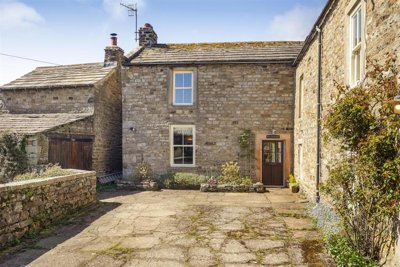
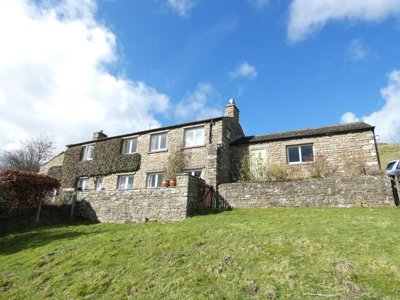
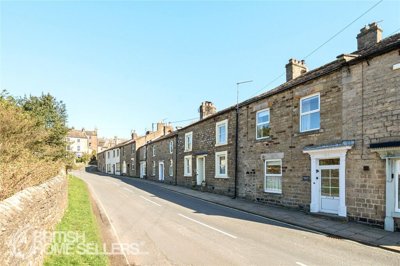
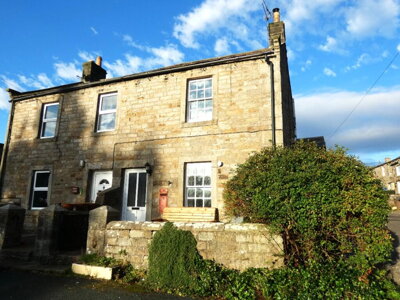
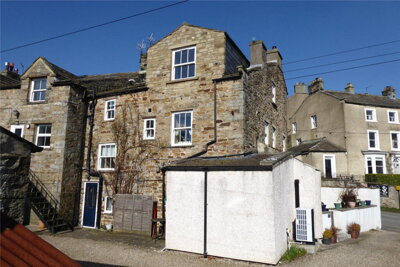
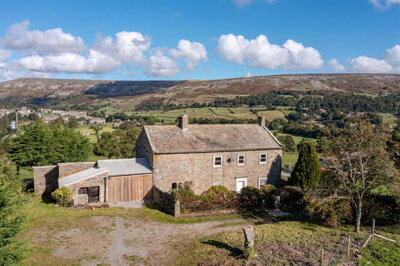
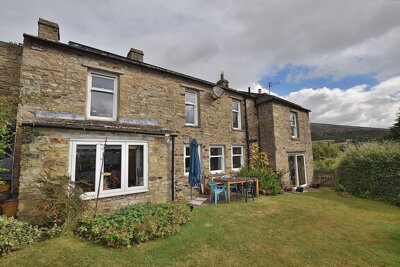
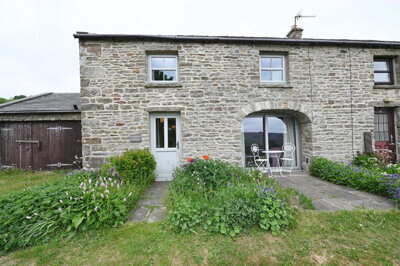
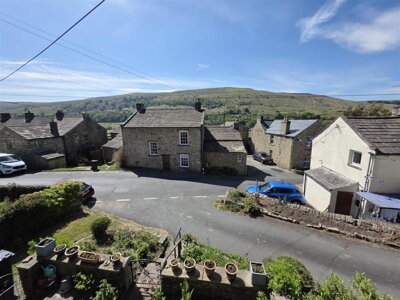
Detached homes are more common in small rural places like Grinton than they are in many towns, making up approximately 54% of homes in comparable Yorkshire Dales villages. The familiar mix is stone cottages, farmhouses and historic listed buildings, many dating from the 17th century onwards, after local sandstone overtook earlier timber construction as the main building material. Grinton parish has 41 listed buildings, including St Andrew’s Church, Grade I listed and rooted in the village’s medieval history from the 12th century.
New homes are rare in Grinton. No active developments have been identified in the village itself, and across the wider Yorkshire and Humberside region new home registrations fell by 23% in Q3 2025 compared with the previous year. For buyers who want to live here, the search is therefore much more likely to involve the existing stock of cottages and farmhouses, which makes a good survey even more important.

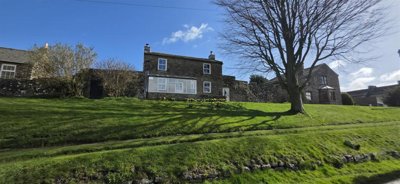
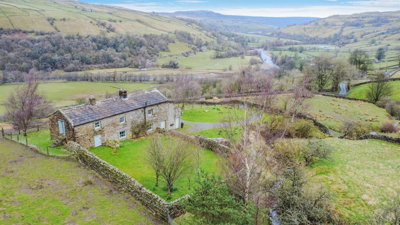
Grinton has the sort of Dales setting people picture before they arrive, open moorland, dry-stone walls, changing light and the River Swale running through the parish. Daily life is shaped by the seasons more than by city timetables. Walks range from easy riverside routes to harder fell paths over open ground, and that access to countryside is one of the main reasons people keep returning to this part of the Yorkshire Dales.
Agriculture, tourism and local services do much of the economic heavy lifting in and around Grinton. The wider North Yorkshire economy was valued at £26 billion in 2022, with low unemployment and a strong base of small and medium-sized firms. In the village itself, community life is more personal: the historic pub, the parish church and day-to-day neighbourliness matter in a place with a population of 183 residents.
The buildings in Grinton are tied closely to the geology of the Yorkshire Dales. Locally sourced sandstone and limestone give the village its settled, weathered look, while stone slates from fissile sandstones create the muted honey, gold and grey tones seen across many Dales rooftops. Older homes often rely on lime mortar and breathable wall construction, which can manage moisture well when cared for properly, but can suffer when modern impermeable materials are used in the wrong place.

For families, schooling usually means looking towards Richmond, approximately 8 miles from Grinton, where several primary schools serve nearby rural communities. Some local primaries hold good Ofsted ratings, and the smaller scale often found in rural North Yorkshire schools can help children settle quickly. Parents often value the closer contact with teachers, although catchments and transport still need checking carefully.
Secondary choices include Richard Whittington School in Barnard Castle, approximately 12 miles from Grinton, along with schools in the Richmond area serving upper Swaledale and Arkengarthdale. Sixth form options in nearby market towns cover A-Level and vocational routes, giving students a workable spread of subjects before university, apprenticeships or employment. Further education colleges in Darlington and larger towns add more choice after secondary school.
Catchment areas can matter a great deal for Grinton buyers with children, so it is wise to confirm admission zones before committing to a home. Rural school transport is usually arranged by bus from outlying villages to town schools, but the journey time becomes part of the family routine. North Yorkshire generally performs well for education, though parents should still read current Ofsted reports and speak directly with each school about admissions.

Richmond is approximately 8 miles from Grinton and is the nearest market town for supermarkets, banks, medical practices and independent shops. Barnard Castle is around 12 miles away. The A66 trans-Pennine trunk road runs through Richmond, linking towards the A1(M) and giving onward access to Newcastle upon Tyne, Leeds and Teesside. Commuting needs realism, though, with Leeds approximately 60 miles away and Newcastle around 45 miles away.
For rail travel, Darlington and Northallerton are the nearest main stations and connect with the east coast mainline, with London King’s Cross typically around two and a half to three hours away. To the west, the Settle to Carlisle line calls at Garsdale and Kirkby Stephen and is one of Britain’s best-known scenic rail routes, useful for leisure trips and occasional flexible commuting. Buses link Grinton with Richmond and nearby villages, but not at urban frequencies, so most households treat a car as essential.
The River Swale is part of Grinton’s appeal, but it also affects practical planning. At Grinton Bridge, the monitoring station records levels, with flooding possible once the river rises above 2.10 metres, and the historic high reached 2.94 metres during the major flood event of December 2011. Buyers should understand this before committing, because living in a National Park landscape can bring limits on access during severe weather.

Start by checking available homes through Homemove and local estate agent sites, so you can see current listings, asking prices and the sort of property that actually comes up in Grinton. Supply is limited in a village of this size, so early contact with local agents can make a real difference.
Get a mortgage in principle before booking serious viewings. It gives our team and the selling agent confidence that an offer can proceed, particularly on older rural homes where competition can be tight. A broker can also help with lenders that are comfortable with stone-built properties and any non-standard construction details.
View more than one property if the market allows it, even if the first cottage has charm. Look closely at stone walls, roof coverings, gutters, pointing and the maintenance history, then spend time walking through the village and surrounding countryside. The house matters, but so does the day-to-day rhythm of the place.
Our surveyors would always recommend a RICS Level 2 or Level 3 survey before buying in Grinton. Older homes, listed buildings and traditional stone construction can hide issues that are not obvious during a viewing. Typical concerns include damp, roof wear, past movement, subsidence indicators and repairs made with unsuitable materials.
A solicitor with experience in rural property is a sensible choice for a Grinton purchase. They can check covenants, access rights, planning restrictions and any National Park controls affecting the property. If the home is listed, they should also confirm its Listed Building status and what that means for future work.
Once the survey is satisfactory and the legal searches are complete, exchange of contracts follows and the deposit is paid. Completion usually takes place within a few weeks. Stamp duty land tax is based on the agreed price, with the current SDLT zero-rate band for standard purchases running up to £250,000.
Buying in Grinton means paying close attention to old stone construction. Many homes predate modern building regulations and may have been altered repeatedly over centuries, so external walls need checking for movement, failing mortar and repairs carried out in hard modern materials that can trap moisture. Electrics and plumbing are another common area for cost, with some properties still using fuse boxes or pipework that would not meet current safety expectations.
Flood risk should be checked for any Grinton property because of the village’s position by the River Swale. Low-lying homes need particular care, and buyers should use the Environment Agency flood maps while also asking about any previous flooding at the property itself. The cause matters too, river flooding, surface water and groundwater each bring different implications for insurance and resilience work.
With so many listed buildings in Grinton, buyers should not assume ordinary alteration rules will apply. Confirm the listing grade before exchange and understand that works which would be simple on an unlisted house may need Listed Building Consent from the Yorkshire Dales National Park Authority. Conservation area controls may also affect parts of the village, including permitted development rights and external changes.

For the Grinton area, within the DL11 postcode, the average property price is approximately £359,360. That sits above the wider North Yorkshire county average of £272,000 and reflects the premium buyers attach to traditional stone homes in a protected Yorkshire Dales village. Values are often driven less by modern fittings and more by character, position, scarcity and demand for authentic Dales living.
Council tax for Grinton properties is dealt with by Richmondshire District Council. The band depends on the assessed value of the individual home, with many traditional stone cottages and farmhouses in the village likely to sit between bands B through D. Buyers should confirm the exact band through the Valuation Office Agency website or during conveyancing, as bands can sometimes be challenged and changed.
The nearest primary schools are in and around Richmond, approximately 8 miles from Grinton, serving the wider rural area and including schools with good Ofsted ratings. Secondary education is available at Richard Whittington School in Barnard Castle, around 12 miles from Grinton, with sixth form provision for the wider area. Parents should check catchments and admissions directly, because eligibility can change and can affect a specific move.
Public transport in Grinton is limited, as is common in small rural villages. Buses connect with Richmond, but the pattern is typically several services per day rather than hourly links. The nearest railway stations are Darlington and Northallerton, with east coast mainline services to London, Edinburgh and other major cities. For shopping, appointments and everyday errands, most residents regard car ownership as necessary.
The Grinton and wider Yorkshire Dales market has remained resilient, with modest growth supported by demand for rural living, remote working and the shortage of traditional homes inside a protected National Park. Sales volumes are lower than in towns, but heritage buildings, landscape and village community all support desirability. Planning restrictions in the National Park also limit new supply, which can help underpin existing property values.
Stamp duty land tax is charged in price bands. At the standard rate, nothing is payable up to £250,000, then 5% applies from £250,001 to £925,000, 10% from £925,001 to £1.5 million, and 12% on any part above £1.5 million. First-time buyers pay zero SDLT on the first £425,000 and 5% on the portion from £425,001 to £625,000, but the relief is not available above £625,000. Our solicitor will calculate the exact SDLT figure for the purchase.
The River Swale can flood land around Grinton, especially in lower-lying positions near the village. At the monitoring station close to Grinton Bridge, flooding is possible when levels exceed 2.10 metres, and the highest recorded level was 2.94 metres during the significant floods of December 2011. Buyers should review Environment Agency postcode data, the property’s own flood history, any resilience measures already installed and the likely cost of suitable insurance.
From 4.5%
Compare mortgage rates from leading lenders before committing to a Grinton property purchase.
From £499
Our solicitors handle the legal transfer of your new Yorkshire Dales home.
From £350
A detailed homebuyer report is a sensible fit for traditional stone properties.
From £80
An energy performance certificate is required for all property sales.
Grinton buyers need to budget beyond the advertised price and stamp duty. Conveyancing fees for standard transactions often start from around £499, but Listed Building status, title problems or leasehold complications can increase the cost. Local authority searches, drainage and water searches, title registration charges and bankruptcy checks usually add several hundred pounds, with many buyers paying between £1,000 and £2,000 in total for legal work and disbursements.
Because many Grinton homes are older and traditionally built, surveys are not an area to trim too hard. A RICS Level 2 survey for a typical two or three bedroom cottage costs approximately £420 to £437, while larger properties, listed homes or non-standard construction may fall between £500 and £800 or more. For historic listed buildings, or houses showing possible structural concerns, a RICS Level 3 Building Survey gives fuller analysis and repair recommendations.
Mortgage arrangement fees vary, but they often run from zero to around £2,000 and may be added to the loan instead of paid upfront. Lender valuations are mainly for the lender and are not a substitute for an independent survey. Buildings insurance must be in place from exchange, with cost affected by value, construction type, flood risk and cover level. First-time buyers and purchasers with smaller deposits should allow for higher fees or interest rates, and a contingency of at least 5% of the purchase price is a prudent buffer for unexpected costs during the purchase or soon after moving in.

Properties for Sale In London

Properties for Sale In Plymouth

Properties for Sale In Liverpool

Properties for Sale In Glasgow

Properties for Sale In Sheffield

Properties for Sale In Edinburgh

Properties for Sale In Coventry

Properties for Sale In Bradford

Properties for Sale In Manchester

Properties for Sale In Birmingham

Properties for Sale In Bristol

Properties for Sale In Oxford

Properties for Sale In Leicester

Properties for Sale In Newcastle

Properties for Sale In Leeds

Properties for Sale In Southampton

Properties for Sale In Cardiff

Properties for Sale In Nottingham

Properties for Sale In Norwich

Properties for Sale In Brighton

Properties for Sale In Derby

Properties for Sale In Portsmouth

Properties for Sale In Northampton

Properties for Sale In Milton Keynes

Properties for Sale In Bournemouth

Properties for Sale In Bolton

Properties for Sale In Swansea

Properties for Sale In Swindon

Properties for Sale In Peterborough

Properties for Sale In Wolverhampton

Enter your details to see if this property is within your budget.
Loans, cards, car finance
Estimated property budget
Borrowing + deposit
You could borrow between
Typical borrowing
Monthly repayment
Est. at 4.5%
Loan-to-value
This is an estimate only. Your actual budget may vary depending on interest rates, credit history, and personal circumstances. For an accurate affordability assessment, speak to one of our free mortgage advisors.
This calculator provides estimates for illustrative purposes only and does not constitute financial advice. Your home may be repossessed if you do not keep up repayments on your mortgage. Estimates based on 4.5% interest rate, repayment mortgage. Actual rates depend on your circumstances.
Homemove is a trading name of HM Haus Group Ltd (Company No. 13873779, registered in England & Wales). Homemove Mortgages Ltd (Company No. 15947693) is an Appointed Representative of TMG Direct Limited, trading as TMG Mortgage Network, which is authorised and regulated by the Financial Conduct Authority (FRN 786245). Homemove Mortgages Ltd is entered on the FCA Register as an Appointed Representative (FRN 1022429). You can check registrations at NewRegister or by calling 0800 111 6768.

We use cookies to show you personalised content and improve your experience of our website. Find out more in our Privacy policy and Cookie policy.