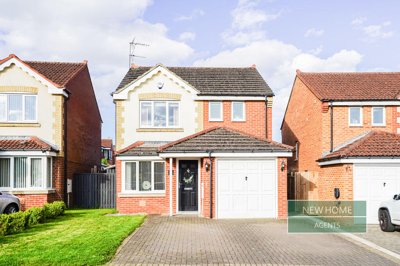
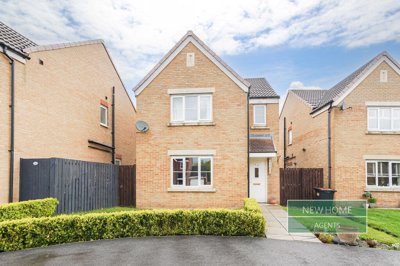
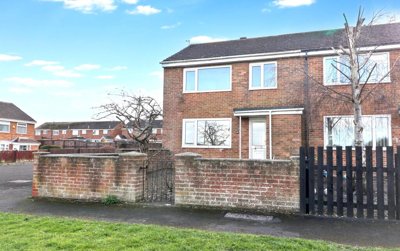
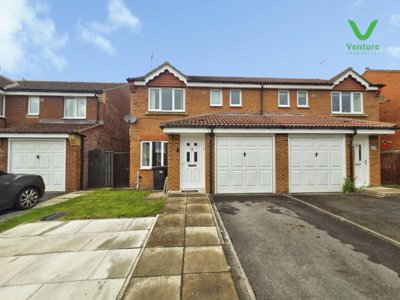
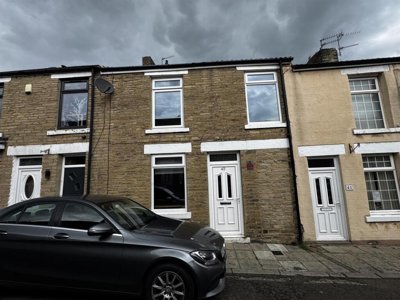
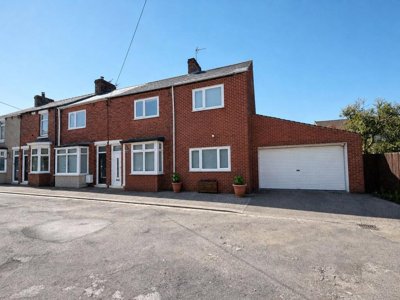
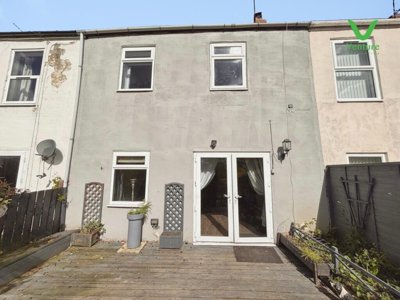
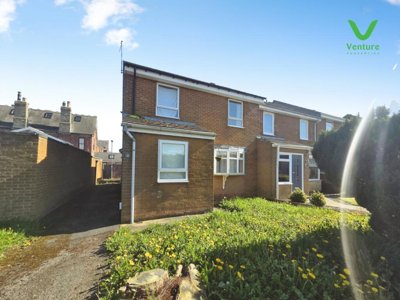
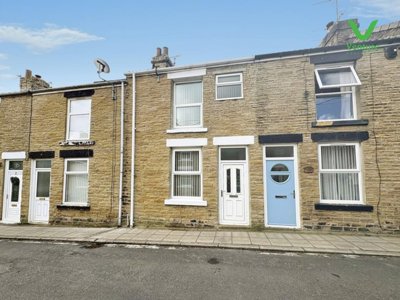
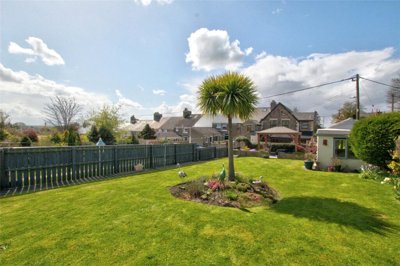
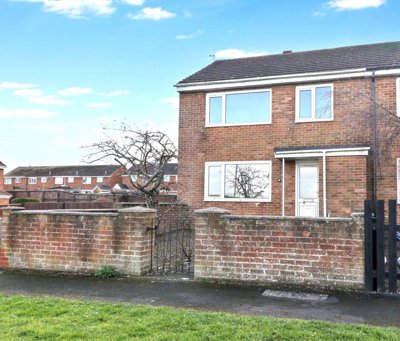
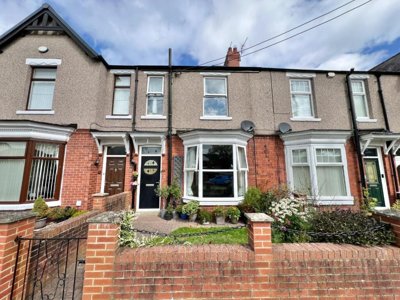
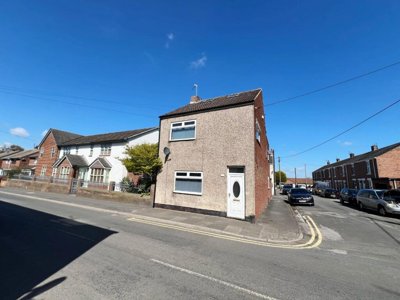
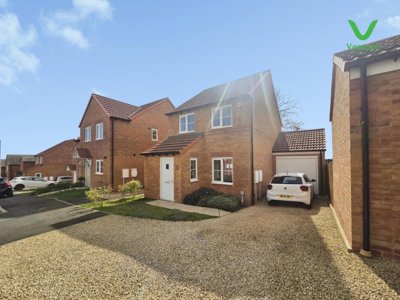
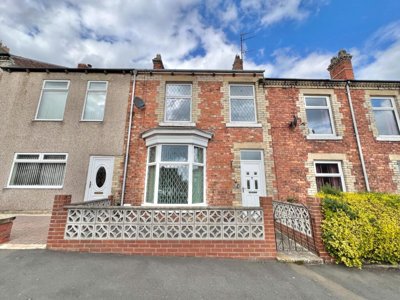
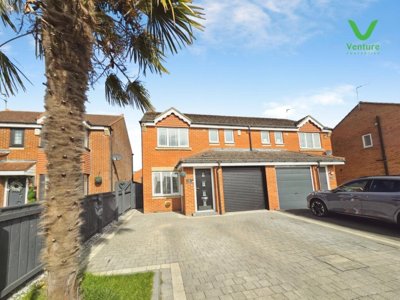
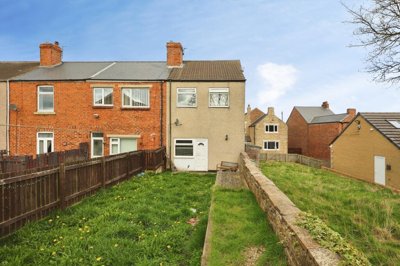
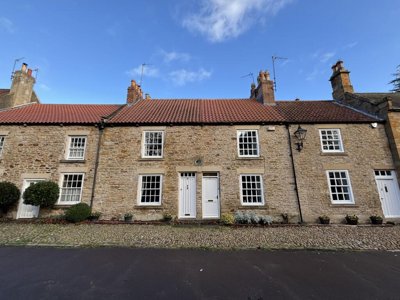
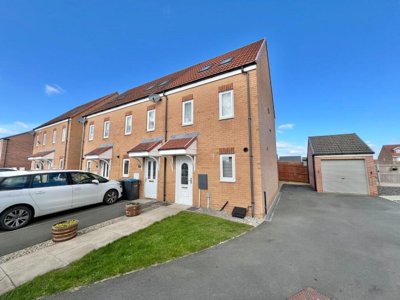
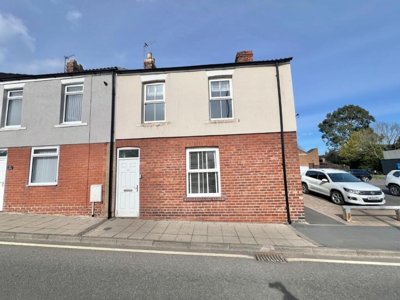
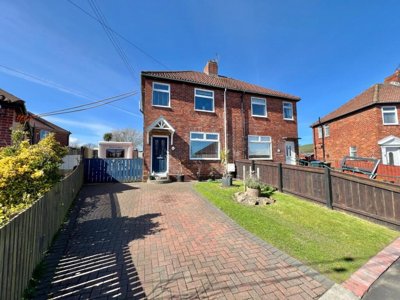
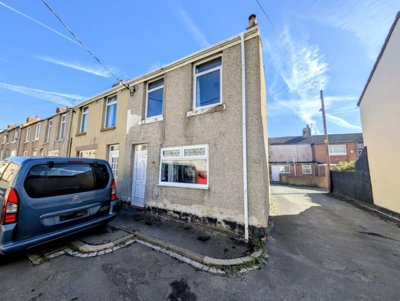
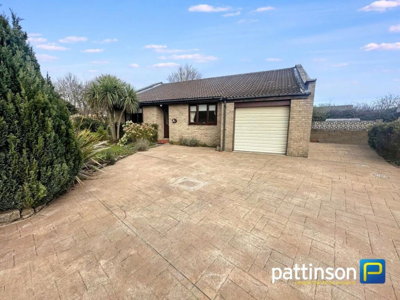
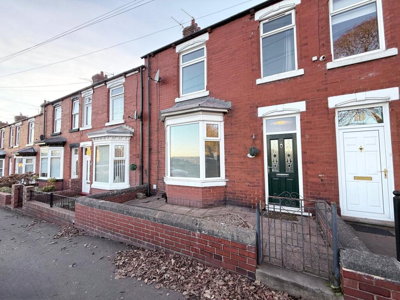
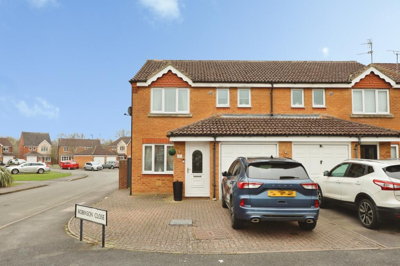
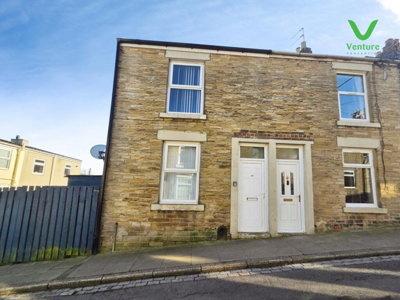
Browse 88 homes for sale in Greater Willington from local estate agents.
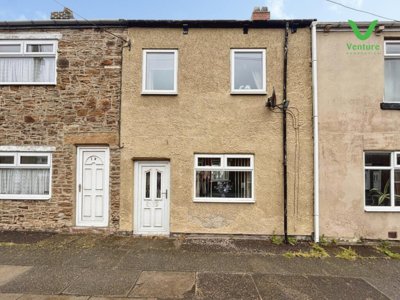
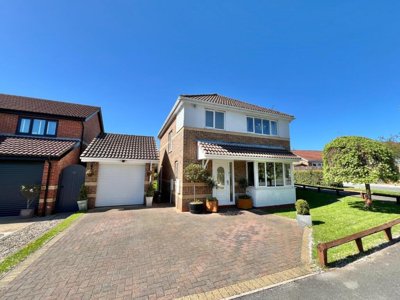
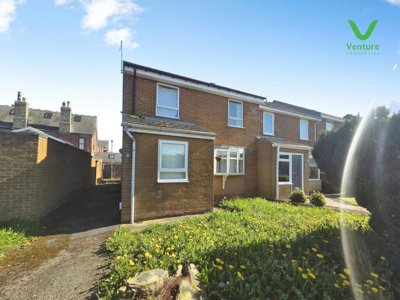
Three bedroom properties represent a significant portion of the Greater Willington housing market, offering space for families with multiple reception rooms and gardens in many cases. Browse detached, semi-detached, and terraced options ranging from period character homes to contemporary developments.
Buyers comparing Greater Willington with other parts of County Durham will find a market that still offers value. The overall average house price sits at £170,027, though the figures move around by type. Detached homes lead the pack at £255,309, semi-detached properties average £112,500, and terraced houses sit at £97,602, which keeps the area on the more affordable side of the North East.
Price movement here looks mixed. homedata.co.uk shows sold prices 6% down on the previous year and 8% below the 2023 peak of £149,855, yet the same market also appears 16.3% higher over the twelve months to February 2026. That sort of split can leave room for negotiation. The stock itself is varied too, with Victorian terraces, post-war public housing and newer schemes all in the mix.
Westward Green by Avant Homes is the best-known new scheme, at Monarch Way, Willington (DL15 0UT). It brings 2, 3, 4 and 5-bedroom houses, priced from £155,000 to £275,000. Plot examples include 2-bedroom end-of-terrace homes from £180,000, 3-bedroom terraced properties from £155,000 and 3-bedroom semi-detached houses from £169,000. In February 2024, plans also went to Durham County Council for 20 more homes on land east of Ashfield Drive, Durham Road, with a mix of 1, 2 and 3-bedroom dwellings and three affordable homes.

Greater Willington still carries the feel of a County Durham mining village, with its history written into the streets. The 19th-century coal boom transformed it fast, taking the population from 258 in 1841 to 965 by 1851 as families arrived for work in the pits. That growth left behind rows of stone and brick terraces built for miners and their households. Walk through the village now and the older housing sits alongside later additions that have refreshed the stock over time.
Countryside sits close by, so the walk from the village centre to open space is short. Willington Park gives the area a clear outdoor focus, while several listed buildings add depth to the local setting. Willington Hall, a Grade II listed building from the mid-to-late 18th century, may even include earlier fabric, with deeds dating back to 1640. Its painted rough render with ashlar dressings and Welsh slate roof are hard to miss. The Church of St Stephen, built in 1857 and extended in 1868, is another landmark for anyone drawn to period property.
Everyday life is supported by local shops, pubs and services, and the village keeps a strong sense of identity. The Willington, Oakenshaw and Page Bank War Memorial Cross by the entrance to Willington Park is a visible reminder of that. Hunwick adds more facilities nearby, along with its own heritage pieces, including Hunwick Hall Farmhouse, the adjoining wall and the War Memorial enclosure at St Paul's Church. Together, Greater Willington and Hunwick feel close-knit, the kind of place where neighbours tend to know one another.

Families thinking about a move to Greater Willington will find primary schools within a reasonable travelling radius. The village and the wider County Durham area have schools serving local communities, and several nearby towns give parents more choice. Catchment boundaries and admission rules need checking, though, as places can be tight in popular spots. For secondary education, bus links reach schools across the wider county, including Bishop Auckland and the surrounding villages.
If school results matter most, we would check individual performance tables and the latest Ofsted reports before committing to a purchase. Bishop Auckland and Durham city broaden the secondary-school picture, with grammar schools and specialist colleges among the options for older pupils. Sixth form colleges and further education providers also serve the wider County Durham area, giving GCSE students a clear next step. Schemes like Westward Green are aimed at families, with larger homes in surroundings that suit children and school runs.
Affordable housing and access to schools help explain why families are drawn here. Primary schools across the surrounding villages serve tight-knit communities, and secondary transport is already well established. People moving from bigger towns often find the village feels calmer for learning, while still allowing a sensible routine around school runs and bus or car links.

Roads and buses do most of the work here. Greater Willington sits within reach of the main routes that tie County Durham into the wider North East, and local bus services run through the village towards Bishop Auckland and Crook, where further connections can be picked up. For rail, residents usually need to head to stations in larger towns, so car ownership matters for many commuters.
By car, the A688 connects into the A1(M), which runs north to south through County Durham. That puts Durham city, Newcastle upon Tyne and Sunderland within commuting range. Under normal traffic, Durham city centre is usually a 25-30 minute drive, so the village works for people who want lower house prices but still need regional-capital employment. Parking is generally straightforward too, with most homes offering off-street space or a garage.
Local work, nearby towns and industrial areas all help the case for Greater Willington. With property prices lower than in the bigger cities, single-income households may find mortgage affordability easier to reach without a punishing commute. Cyclists need to take care on narrow rural roads, although the surrounding countryside does give rewarding leisure routes. Newcastle Airport is the nearest international airport, around 35 miles to the north, with domestic and European flights.

Before we start viewing, it pays to study the Greater Willington market properly. We would look at sold prices, compare terraced, semi-detached and detached values, and get a mortgage agreement in principle so the budget is clear. At around £170,027, average prices still buy more here than in some neighbouring towns. Age and build type matter too, because upkeep can differ sharply between Victorian terraces and new build homes.
Local estate agents can then line up viewings that match the brief. It helps to see a spread of homes, from Victorian terraces with red brick and render to new build plots at Westward Green. We would note condition, natural light, room sizes and any work needed, then look closely at the state of original features in older houses and the finish level in newer ones.
Once a favourite property stands out, we would book a RICS Level 2 Survey to pick up structural issues or defects. That matters especially with older terraced homes in the village, where roof condition, damp or dated electrics can crop up. The survey usually costs around £455 nationwide, and the report can support a negotiation or a price reduction if serious problems appear.
A conveyancing solicitor takes care of the legal side. We would get quotes from several firms, because costs can vary, and they will handle searches, review contracts and liaise with the seller's solicitor. Planning restrictions also need checking, especially if the property is listed or sits within a heritage designation.
After the survey and searches come back satisfactorily, contracts are exchanged and the deposit is paid. Completion is usually 2-4 weeks later, when the keys are handed over and the move into a new Greater Willington home begins. Buildings insurance needs to be in place from exchange of contracts, and removal plans are best sorted well ahead of time.
Older homes dominate a lot of the local stock, especially Victorian and Edwardian terraced houses from the coal mining era. Many are solidly built in local stone and traditional methods, with the village streetscape also marked by the familiar red brick and render finishes. Buyers should look out for damp, roof condition problems and outdated electrics. A thorough RICS Level 2 Survey is the best way to spot those issues before committing to the purchase.
Listed buildings create another layer of detail here. If a buyer has their eye on a Grade II listed property, such as those on the edge of Willington Park or in the Hunwick area, Durham County Council planning officers should be checked on any permissions needed for proposed works. Listed building consent can be required where ordinary permitted development would not apply, and that can affect both cost and scope. Conservation rules may also apply within certain boundaries, which can reduce permitted development rights.
Westward Green and other new build schemes bring modern construction standards, warranties and better energy efficiency. Still, buyers should read leasehold terms, service charges and any estate management fees with care. Ground rent clauses have drawn regulatory attention, so the full cost picture needs looking at before purchase. Comparing a new build with an older home, including Stamp Duty, mortgage setup and possible renovation work, makes it easier to choose the route that fits the long-term plan.

home.co.uk listings data puts the average house price in Greater Willington at £170,027. On sold prices, homedata.co.uk shows figures 6% down on the previous year and 8% below the 2023 peak of £149,855, while another homedata.co.uk reading has prices 16.3% higher across the twelve months to February 2026. homedata.co.uk also reports slightly lower averages of around £122,293. The message is fairly clear, buyers have options across several price points and property types.
Greater Willington properties sit within Durham County Council tax bands, from A to H depending on value. Most terraced and semi-detached homes fall into bands A to C, which fits the modest prices seen locally. Detached houses and larger new builds at places like Westward Green can land higher up the scale. It is still worth checking the exact band for any individual address through Durham County Council or the Valuation Office Agency, since council tax feeds straight into monthly outgoings.
Primary and secondary schooling are both within reasonable travelling distance in Greater Willington and the wider County Durham area. Several primary schools serve the local community, and children from Willington and Hunwick usually attend schools in the village or nearby villages. Bishop Auckland and Crook provide secondary options, with school transport already in place across the area. We would check Ofsted ratings, exam results and catchment boundaries individually, because those details can shift over time, as can admissions rules and transport arrangements.
Bus services are the main public transport link in Greater Willington, carrying people to nearby towns such as Bishop Auckland and Crook. For residents without a car, those routes matter, although journeys to larger centres are longer than in town or city settings. Rail access is limited, with the nearest stations in larger towns and usually needing a bus or car connection. The A688 gives road access across the area, while the A1(M) opens up Durham, Newcastle and Sunderland for drivers. For day-to-day travel, most people still find a car hard to do without.
Greater Willington has a few clear points in its favour for investors. An average house price of £170,027 keeps the entry level lower than in many regional markets, and developments like Westward Green show that money is still flowing into the area, with further plans underlining demand. Rental demand could come from local workers, commuters looking for something cheaper than city housing, and families who prefer village life. Even so, investors should look closely at rental yields, void periods, tenant demand and any shift in the local demographic mix before they buy.
SDLT rates for 2024-25 begin at 0% on the first £250,000 of residential purchases. Between £250,001 and £925,000, the rate is 5%, then 10% on the portion from £925,001 to £1.5 million, and 12% above that. First-time buyers get relief on the first £425,000, then pay 5% on the slice between £425,001 and £625,000. As most Greater Willington homes sit in the lower bands, many buyers will pay little or no Stamp Duty. A terraced property
From 4.5%
Expert mortgage advice for your Greater Willington purchase
From £499
Specialist solicitors for your property transaction
From £455
Professional survey for your Greater Willington home
From £60
Energy performance certificate for your property
Getting the full purchase cost clear from the start helps with budgeting and stops surprises during the transaction. Most homes in the village sit in price ranges that keep Stamp Duty low, so many buyers pay less than they would in pricier areas. A terraced property at the area average of £95,043 would not attract Stamp Duty under standard SDLT rules. A semi-detached home at £127,634 would also stay below the threshold, and even a property at £138,259 remains comfortably within the zero-rate band.
First-time buyers in Greater Willington have extra relief, with no SDLT on the first £425,000 of a purchase. That means most local homes, including the new build plots at Westward Green priced from £155,000 to £275,000, would qualify for relief on at least part of the price. On a £200,000 property, the effective cost for a first-time buyer would be nil, which keeps home ownership within reach in this affordable market. We would still check eligibility carefully and pass the right declarations to the solicitor.
Alongside Stamp Duty, buyers should set aside solicitor fees, usually £500-1,500 for conveyancing depending on the complexity and whether the purchase is leasehold. Survey costs are around £455 for a RICS Level 2 Survey, which gives useful protection against hidden defects and is especially valuable in older homes where faults may not show at viewing. Search fees from Durham County Council for environmental and drainage checks normally come to £200-400. Removal charges vary with distance and volume, and buildings insurance has to be in place from exchange of contracts. Putting aside roughly 2-3% of the purchase price for these extras keeps a Greater Willington move on track.

Properties for Sale In London

Properties for Sale In Plymouth

Properties for Sale In Liverpool

Properties for Sale In Glasgow

Properties for Sale In Sheffield

Properties for Sale In Edinburgh

Properties for Sale In Coventry

Properties for Sale In Bradford

Properties for Sale In Manchester

Properties for Sale In Birmingham

Properties for Sale In Bristol

Properties for Sale In Oxford

Properties for Sale In Leicester

Properties for Sale In Newcastle

Properties for Sale In Leeds

Properties for Sale In Southampton

Properties for Sale In Cardiff

Properties for Sale In Nottingham

Properties for Sale In Norwich

Properties for Sale In Brighton

Properties for Sale In Derby

Properties for Sale In Portsmouth

Properties for Sale In Northampton

Properties for Sale In Milton Keynes

Properties for Sale In Bournemouth

Properties for Sale In Bolton

Properties for Sale In Swansea

Properties for Sale In Swindon

Properties for Sale In Peterborough

Properties for Sale In Wolverhampton

Enter your details to see if this property is within your budget.
Loans, cards, car finance
Estimated property budget
Borrowing + deposit
You could borrow between
Typical borrowing
Monthly repayment
Est. at 4.5%
Loan-to-value
This is an estimate only. Your actual budget may vary depending on interest rates, credit history, and personal circumstances. For an accurate affordability assessment, speak to one of our free mortgage advisors.
This calculator provides estimates for illustrative purposes only and does not constitute financial advice. Your home may be repossessed if you do not keep up repayments on your mortgage. Estimates based on 4.5% interest rate, repayment mortgage. Actual rates depend on your circumstances.
Homemove is a trading name of HM Haus Group Ltd (Company No. 13873779, registered in England & Wales). Homemove Mortgages Ltd (Company No. 15947693) is an Appointed Representative of TMG Direct Limited, trading as TMG Mortgage Network, which is authorised and regulated by the Financial Conduct Authority (FRN 786245). Homemove Mortgages Ltd is entered on the FCA Register as an Appointed Representative (FRN 1022429). You can check registrations at NewRegister or by calling 0800 111 6768.

We use cookies to show you personalised content and improve your experience of our website. Find out more in our Privacy policy and Cookie policy.