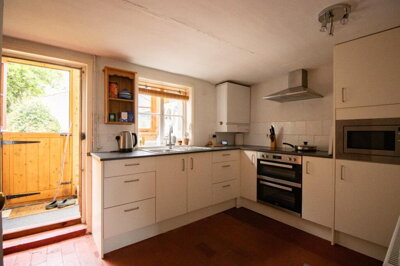
Browse 4 homes for sale in Great Massingham from local estate agents.
The 2 bed house market features detached, semi-detached, and terraced properties with two separate bedrooms plus living spaces. Properties in Great Massingham range from Victorian and Edwardian period homes to modern new builds, with pricing varying across different neighbourhoods.
Great Massingham has held up well as a place to buy, with buyers still drawn to its rural character without the sort of sharp price inflation seen elsewhere. According to home.co.uk, the overall average property price is £339,450, and homedata.co.uk puts the average sold price at £366,778 across the last twelve months. That points to roughly 6% year-on-year growth, while values still sit about 8% below the 2022 peak of £367,219, which may leave some room for buyers who missed that earlier high.
In Great Massingham, the housing mix is led by detached and semi-detached homes, which fits the village setting and its typically larger plots. Plumplot sales data for Great Massingham Parish records 38 detached sales and 38 semi-detached sales since 2018, alongside 24 terraced property transactions. Average values come in at £331,239 for detached homes and £268,875 for semi-detached properties. Terraced homes, including the village's cottage stock, have averaged £239,888, giving buyers a more accessible way into the local market.
Across the wider King's Lynn and West Norfolk district, the pattern is broadly similar. homedata.co.uk records detached homes at an average of £367,000, semi-detached at £246,000, and terraced homes at £200,000 as of December 2025. One point stands out, semi-detached prices have stayed steady across the district, while flats have fallen by 5.8%, which suggests family-sized homes are still holding their ground well in this part of Norfolk. We found no active new-build developments within the PE32 2XX postcode area, so most buyers here will be choosing from existing stock such as period houses and barn conversions.
Sales volumes have been modest, but not weak. Plumplot parish data shows 8 recorded sales in 2025 and 11 in 2024. In villages like this, low turnover usually says more about restricted supply than a lack of demand. For buyers, that often means being ready to move quickly when the right property appears, because limited stock and steady interest can create competition.

Life in Great Massingham is very much the classic Norfolk village picture, quiet, rural and framed by open farmland. What gives it staying power is the sense of community. People know each other, local events matter, and the village feels lived in rather than simply picturesque. Day-to-day basics are covered by the village shop, pub, and community facilities, while the lanes and surrounding countryside make it easy to get out walking or cycling.
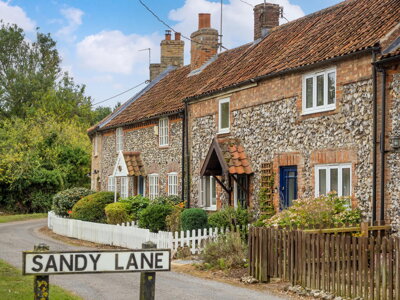
The village's architecture does a lot of the work in shaping its appeal. Homes here include a former chapel from the early 18th century and cottages first built in the early 1700s, alongside barn conversions that keep period character while adding more modern living space. There is also at least one Grade 2 listed character cottage in the village, which speaks to the significance of the local built heritage. Throughout Great Massingham, traditional Norfolk materials such as brick, flint, and stone give the place its distinct look.
Most healthcare used by Great Massingham residents is centred on Kings Lynn, around 20-25 minutes away by car. The Queen Elizabeth Hospital provides general treatment as well as specialist departments, and there are several GP surgeries in the wider area. For routine needs such as dentists, pharmacies, and opticians, nearby market towns are the practical option. Emergency cover comes from both Kings Lynn and Norwich, although rural response times can be longer than in urban areas, something we always think is sensible to bear in mind for households with young children or elderly relatives.
Great Massingham falls within the King's Lynn and West Norfolk district, so residents get access to council services while keeping the quieter pace that comes with village life. It is this mix of historic buildings, strong community feel, and open surroundings that tends to appeal to families and buyers looking for something slower. The Norfolk coast is also within easy reach, roughly 30-40 minutes by car, which makes beach trips and coastal walks realistic weekend habits rather than occasional outings.

For families looking at Great Massingham, education starts with primary provision in and around the village, while secondary options are generally found in nearby market towns. Because this is a small rural community, primary schools often draw from a wider catchment spanning several villages. We always suggest checking the details carefully, including performance information and admissions rules, as catchment arrangements in this part of Norfolk can be broader and less straightforward than buyers expect.
Secondary pupils from Great Massingham usually travel to Kings Lynn, Swaffham, or Fakenham, where there is a wider choice of secondary schools and sixth form places. Those towns also add further education colleges and vocational options for older students. The drive to Kings Lynn is about 20-25 minutes, so for many families a daily school commute is entirely workable if the preference is for the facilities and range offered by a larger town school.
School research is best done in person where possible. We recommend visiting likely options, speaking with headteachers, and reading Ofsted reports before making decisions. In rural Norfolk, schools often have close links with local families, and that can mean a more personal feel day to day. If education sits high on your property checklist, it is also worth looking at school bus routes and the practical reality of school runs from different parts of the village.
Outside school hours, Great Massingham suits family life in other ways too. Traffic levels are generally low, the setting is rural, and there is space for children to enjoy the surroundings. Local youth clubs and community activities help with that as well, giving families extra ways to settle into village life fairly quickly.

Position matters here. Great Massingham sits in west Norfolk with usable road access, yet it still feels distinctly rural. The village is about 8 miles from the market town of Kings Lynn, where residents can reach larger shops, healthcare, and key transport links. For commuters, the drive into Kings Lynn usually takes around 20-25 minutes by car, and the A10 then gives a direct route south towards Cambridge and London beyond.
Rail travel means heading first to Kings Lynn or Cambridge. Kings Lynn offers links to Norwich and Cambridge, while Cambridge station provides quicker services into London King's Cross. Norwich station also has trains to London Liverpool Street via Ely and Cambridge. For flights, Norwich Airport is around 45 minutes to the east and handles domestic routes as well as some European destinations. Even so, Great Massingham remains a place where most residents will rely on a car, so we would always check parking arrangements carefully during viewings.
Bus services do connect Great Massingham with nearby villages and market towns, but this is rural Norfolk, so frequencies are naturally lighter than in town. The route to Kings Lynn is especially useful for anyone without a car, with services usually running several times each weekday and a reduced service at weekends. Buyers working remotely often like the village for exactly the reasons you would expect, peace, space, and room to set up a home office. Its position between the coast and inland Norfolk also makes it a handy base for getting around the county for work or leisure.
Kings Lynn is the main transport hub for this part of the region, with regular trains and bus routes running across Norfolk and into Cambridgeshire. The railway station sits on the Fen Line and offers frequent services to Cambridge, which makes day trips there straightforward. Going further afield, the A14 links onwards towards the M1 and M6 via Cambridge, and the A47 connects Norwich and King's Lynn via the A1.

Before doing anything else, spend time in Great Massingham itself. Visit on different days and at different times so you get a proper feel for how the village works. We would also compare recent sales, look at asking prices, and get clear on the kinds of homes that actually come up here. Practical points matter just as much, including school catchments, nearby GP surgeries, and local bus routes.
It is sensible to sort a mortgage agreement in principle before you start viewing seriously. Sellers tend to take offers more confidently when finance is already in place, and it gives you a clearer limit from the outset. Our mortgage partners can help track down competitive products for your circumstances, including lending on rural homes where criteria can sometimes differ.
From there, we would line up viewings through local estate agents and focus only on homes that fit what you need. In Great Massingham, condition matters, especially with older stock, so it is worth noting the age of the building and any maintenance issues that may come with it. We also advise asking for the seller's property information forms and any earlier survey reports, as these can flag areas that deserve a closer look.
Because so many homes in Great Massingham date from the 1700s and 1800s, we strongly recommend booking a RICS Level 2 Survey before you commit. That gives a clearer picture of structural movement, damp, and timber problems, all of which are common risks in period houses built with traditional Norfolk materials. Our surveyors inspect this kind of property regularly across the King's Lynn and West Norfolk area.
Once an offer is accepted, we suggest instructing a conveyancing solicitor straight away so the legal work can begin without delay. They will deal with contracts, order searches, and handle the registration process needed to transfer ownership. Searches should cover drainage and water authority records, local authority planning information, and environmental data relevant to the exact property.
At exchange, your solicitor will arrange for contracts to be signed and the deposit to be paid. Completion usually follows within a matter of weeks, and that is when the keys are released for your new Great Massingham home. We would also make sure buildings insurance is ready from the completion date, which is especially important where older construction methods are involved.
Buying in Great Massingham calls for a bit more thought than a straightforward modern estate purchase. Much of the housing stock dates from the 18th and 19th centuries, and those older buildings often use traditional materials and methods such as flint and brick walls. They can be wonderful homes, but they may also need specialist upkeep. That is why we see a detailed survey as essential, particularly for spotting structural concerns, damp penetration, and timber defects before they turn into expensive surprises.
Listed status can have a real impact here. Great Massingham includes Grade 2 listed properties as part of its historic fabric, and owning one means certain alterations or repairs may need listed building consent. Even fairly standard works can come under tighter control, so we would budget for extra cost and extra time where heritage constraints apply. The former 18th-century chapel in the village is a good reminder that historic buildings can bring planning considerations with them.
Ground conditions matter in Norfolk, and they should not be overlooked. The county is generally underlain by chalk bedrock with glacial deposits of clay, sand, and gravel above it. Clay soils in particular can create shrink-swell movement, which may affect foundations where trees or heavy planting are close by. Our surveyors look carefully at signs of movement or subsidence and assess foundation performance, especially in older houses where foundations may be shallower.
Flood risk is another point to check on a property-by-property basis, as full national database coverage for Great Massingham village was not available. We would ask for information from the Environment Agency and, where possible, speak with neighbours about any past water ingress. In rural locations, drainage can also be more complicated. Some homes rely on private systems or septic tanks rather than mains sewerage, and those bring maintenance duties as well as possible obligations under current water industry regulations.
During viewings, it pays to look closely at original timber windows, which are common in period Norfolk houses. We would check for rot, note whether double glazing has been added, and get a sense of overall upkeep. Roofs deserve the same attention. Older clay tile and slate coverings can show slipped tiles, ridge wear, and failing mortar. And where a property comes with a large garden, it is worth thinking honestly about the maintenance involved, along with any boundary obligations that come with it.
Great Massingham's buildings are a good record of the materials and methods long used in Norfolk villages. Brick, flint, and carr stone have all played a part locally, and many walls were built using knapped flint bedded in lime mortar. Those materials behave differently from modern brickwork, both in how they age and in how they should be repaired. For buyers, understanding that makes it easier to judge both the attraction and the upkeep of a period home.
Flint construction is especially common in this part of Norfolk, and it brings its own maintenance issues. Over time, mortar can break down, letting moisture in and leading to lime deterioration and, in some cases, structural problems. Repairs need tradespeople who understand traditional materials properly. During our surveys, we pay close attention to mortar joints, any bulging or movement in the wall face, and the condition of flashings where flint meets other elements.
Timber-framed cottages and barn conversions need careful surveying too. In older Norfolk properties, our surveyors regularly come across timber defects such as woodworm, wet rot, dry rot, and general weathering in structural members. We inspect all accessible timbers for decay or infestation, with extra focus on places where moisture tends to collect, including ground floor joists, window frames, and roof timbers.
External structures tell their own story in rural Norfolk, and they can add more upkeep than buyers first expect. Brick garden walls, timber fences, and older outbuildings all need maintenance over time. So when we assess a purchase in Great Massingham, we do not just look at the main house. Converted barn properties in particular may come with stables, stores, or workshops, and these can add to overall value while also bringing ongoing repair costs.
The current average house price in Great Massingham sits somewhere between £339,450 and £366,778, depending on which dataset you are reading. homedata.co.uk gives an average sold price of £366,778 over the last twelve months, while home.co.uk shows £354,000 as of February 2026. By property type, detached homes average roughly £331,239 to £356,812, semi-detached homes average £268,875, and terraced properties average about £239,888. Values are up by around 6% year-on-year, though still 8% below the 2022 peak. That steady growth says quite a lot about the village's long-term appeal as a rural Norfolk location with workable links to bigger towns.
For council tax and local authority matters, Great Massingham comes under King's Lynn and West Norfolk Borough Council. Bands run from A to H, depending on the size, type, and assessed value of the property. As a broad guide, smaller period cottages may sit in bands A to C, while larger detached houses and converted barns are more likely to fall into bands D to F. Because the village stock is mostly older housing, many homes sit somewhere in the middle, although the exact band will always depend on the individual property and its valuation history. We would check the Valuation Office Agency website for the precise band before committing to any purchase.
Primary education for Great Massingham is available through village schools and nearby rural schools, with catchments often covering several settlements rather than just one. For secondary places, many pupils travel into Kings Lynn, around 20 minutes away, where options include King Edward VII School and St Peters School with Sixth Form. We always advise checking Ofsted ratings and admissions policies for each school, because rural catchment rules can be quite specific. The journey from Great Massingham also matters, particularly school bus routes and how travel times vary depending on where in the village you live.
Public transport in Great Massingham is limited, which is typical for a Norfolk village of this size. Buses do link the village with Kings Lynn and other nearby communities, but the service is less frequent than in urban areas. Rail users generally head to Kings Lynn, where trains run to Cambridge and Norwich, and Norwich then provides services to London Liverpool Street. For most households, a car is more or less essential. Anyone planning to live here without one should look closely at bus timetables and judge whether they suit everyday commuting. On the other hand, buyers working from home often find the village practical, with reliable broadband available in most locations.
For buyers thinking in investment terms, Great Massingham has a few clear strengths. Price growth over the last year has been steady at around 2.7-6%, and the combination of limited supply with continuing demand for rural Norfolk homes could support further value growth. The pull of the Norfolk coast, access to market towns, and the character of period houses all help. That said, this is a small village with fewer amenities than larger centres, so rental demand may be more limited. We would weigh up carefully whether the better fit here is long-term capital appreciation or rental return.
Stamp Duty Land Tax in England is charged at 0% on the first £250,000, 5% on £250,001 to £925,000, 10% on £925,001 to £1.5 million, and 12% on anything above £1.5 million. First-time buyers get relief on the first £425,000, with 5% payable from £425,001 to £625,000. As most Great Massingham homes are under £500,000, the bill will often be relatively manageable, but we would still calculate it against the exact purchase price and buyer status. On a £354,000 purchase, for example, standard rates would produce a stamp duty cost of about £5,200, while an eligible first-time buyer would pay nothing.
Housing in Great Massingham is varied, but always rooted in the village's rural and historic character. Detached and semi-detached homes make up much of the stock, with terraced cottages and barn conversions also in the mix. There are period buildings from the 1700s and 1800s, including converted chapels and older cottages, as well as some more recent additions. At the top end, a former chapel from the early 18th century and well-converted barns show what the market can offer, while smaller cottages give first-time buyers a more attainable route in. We found no active new-build development in the village, so buyers are choosing from existing homes.
Older Great Massingham houses need a survey that reflects local building traditions, and that is where our focus tends to be. We inspect flint and brick walls for mortar failure, bulging, and moisture penetration. Timber floors, roof structures, and windows are checked for woodworm and fungal decay. On roofs, we look for the usual age-related defects, slipped tiles, deteriorating ridges, and flashings that may need work. Where a property uses private drainage or a septic tank, we consider compliance with current rules. And if the building is listed, our surveyors will also note alterations that may have been carried out without the right consent, as that can affect later renovation plans.
Budgeting should cover more than the headline purchase price. Stamp Duty Land Tax still follows the standard bands of 0% on the first £250,000, 5% from £250,001 to £925,000, 10% from £925,001 to £1.5 million, and 12% above £1.5 million. On a Great Massingham purchase at around £354,000, the likely stamp duty under standard rates would be roughly £5,200. For an eligible first-time buyer, it could be nothing at all if the purchase falls within the relief rules.
First-time buyer relief increases the nil-rate threshold to £425,000 for purchases up to £625,000, so a first-time buyer paying £354,000 in Great Massingham would have no stamp duty to pay. Once the price goes above £625,000, that relief falls away. Beyond tax, we would also allow for conveyancing fees of around £500 to £1,500, survey costs of £350-600 for a RICS Level 2 Survey, and search fees in the region of £250-400. Registration fees for recording ownership are usually about £200-500, depending on the price paid.
Other moving costs can add up quickly, so they deserve a place in the budget from the start. Removals, furnishing, and any urgent repairs are the obvious ones. If you are borrowing, mortgage arrangement fees commonly range from 0% to 1.5% of the loan amount, although some lenders do offer fee-free products. Buildings insurance needs to begin on completion, and we would also keep money aside for any immediate works highlighted by the survey. In Great Massingham, that is especially sensible for period homes because so much of the stock is older.
There can also be specialist costs beyond the standard buying process. Heritage homes may need reports linked to listed building consent, while thatched properties or buildings with unusual construction can call for more specialist surveys. Electrical, plumbing, and drainage testing may be necessary too. Large gardens or paddocks can increase costs through extra survey work, fencing repairs, and ongoing grounds maintenance. If asbestos is present, as it sometimes is in older properties, professional removal should be built into the renovation budget as well.
Properties for Sale In London

Properties for Sale In Plymouth

Properties for Sale In Liverpool

Properties for Sale In Glasgow

Properties for Sale In Sheffield

Properties for Sale In Edinburgh

Properties for Sale In Coventry

Properties for Sale In Bradford

Properties for Sale In Manchester

Properties for Sale In Birmingham

Properties for Sale In Bristol

Properties for Sale In Oxford

Properties for Sale In Leicester

Properties for Sale In Newcastle

Properties for Sale In Leeds

Properties for Sale In Southampton

Properties for Sale In Cardiff

Properties for Sale In Nottingham

Properties for Sale In Norwich

Properties for Sale In Brighton

Properties for Sale In Derby

Properties for Sale In Portsmouth

Properties for Sale In Northampton

Properties for Sale In Milton Keynes

Properties for Sale In Bournemouth

Properties for Sale In Bolton

Properties for Sale In Swansea

Properties for Sale In Swindon

Properties for Sale In Peterborough

Properties for Sale In Wolverhampton

Enter your details to see if this property is within your budget.
Loans, cards, car finance
Estimated property budget
Borrowing + deposit
You could borrow between
Typical borrowing
Monthly repayment
Est. at 4.5%
Loan-to-value
This is an estimate only. Your actual budget may vary depending on interest rates, credit history, and personal circumstances. For an accurate affordability assessment, speak to one of our free mortgage advisors.
This calculator provides estimates for illustrative purposes only and does not constitute financial advice. Your home may be repossessed if you do not keep up repayments on your mortgage. Estimates based on 4.5% interest rate, repayment mortgage. Actual rates depend on your circumstances.
Homemove is a trading name of HM Haus Group Ltd (Company No. 13873779, registered in England & Wales). Homemove Mortgages Ltd (Company No. 15947693) is an Appointed Representative of TMG Direct Limited, trading as TMG Mortgage Network, which is authorised and regulated by the Financial Conduct Authority (FRN 786245). Homemove Mortgages Ltd is entered on the FCA Register as an Appointed Representative (FRN 1022429). You can check registrations at NewRegister or by calling 0800 111 6768.

We use cookies to show you personalised content and improve your experience of our website. Find out more in our Privacy policy and Cookie policy.