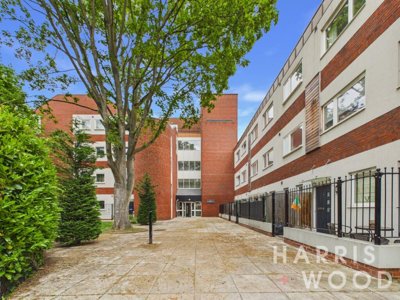
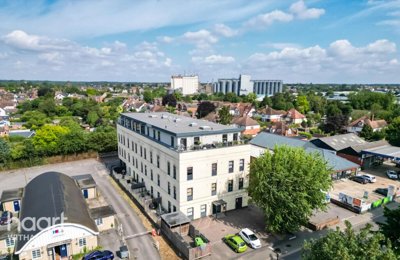
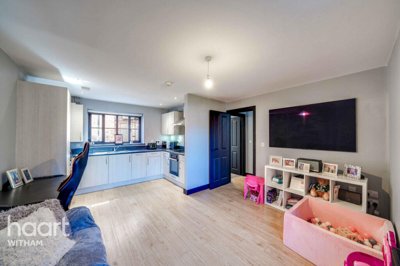
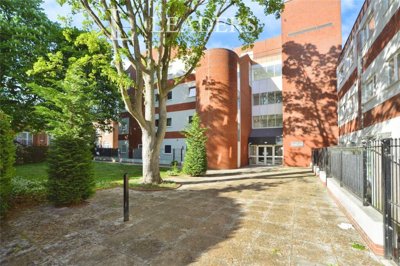
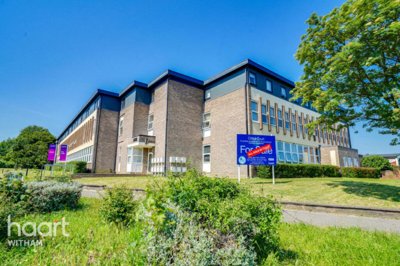
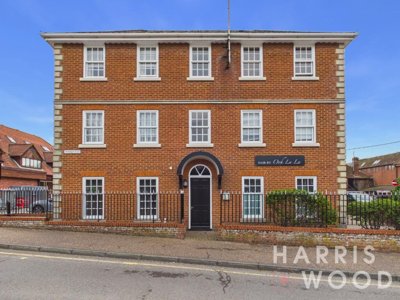
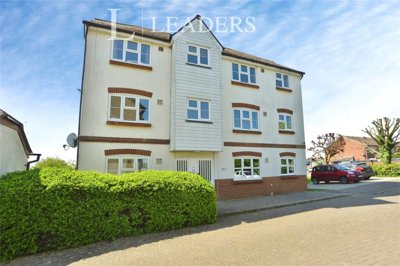
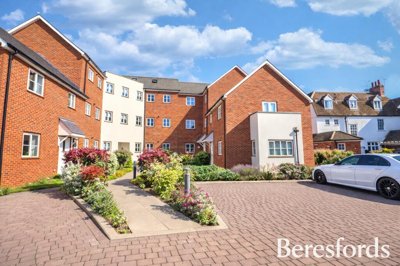
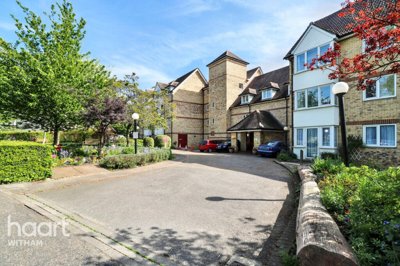
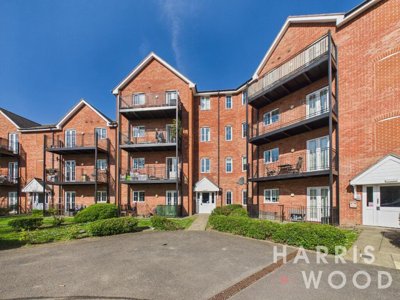
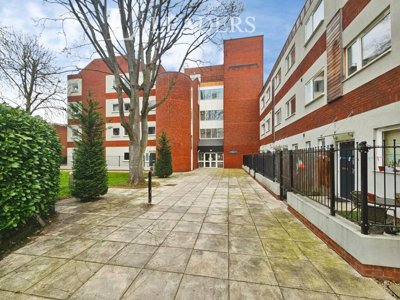
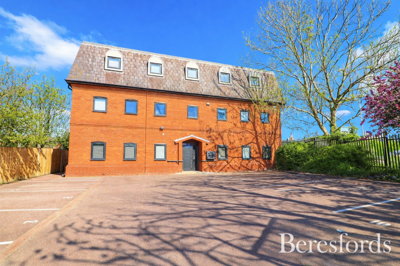
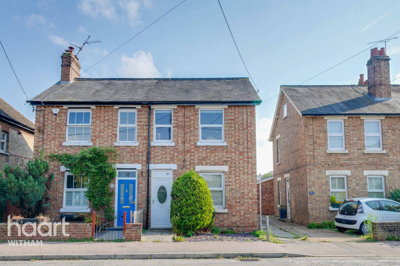
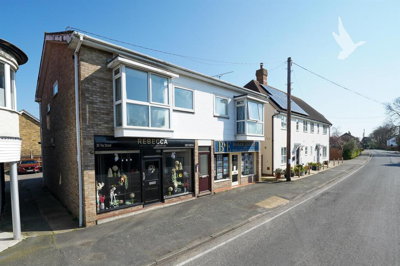
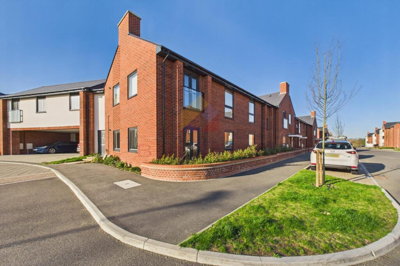
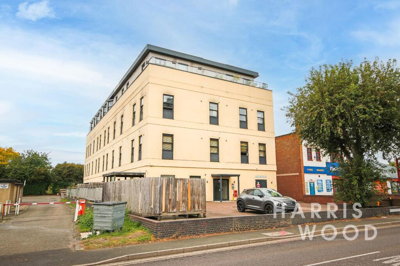
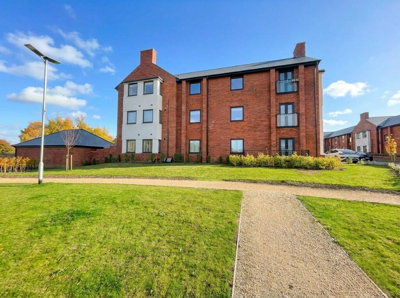
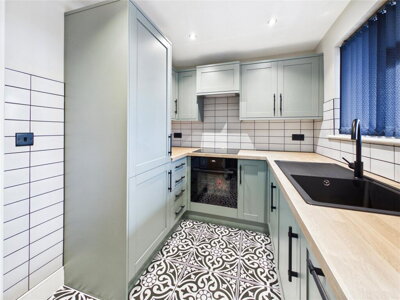
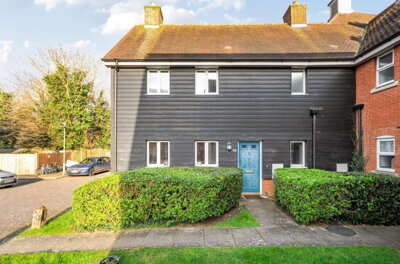
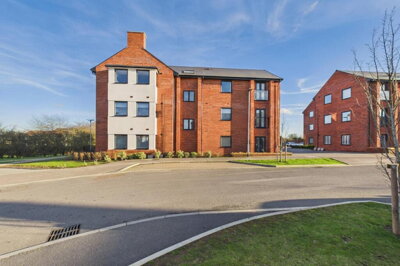
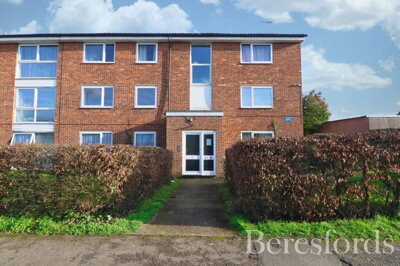
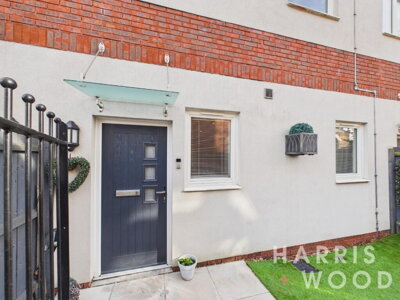
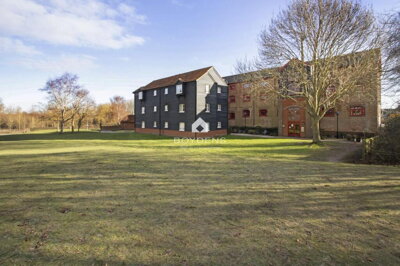
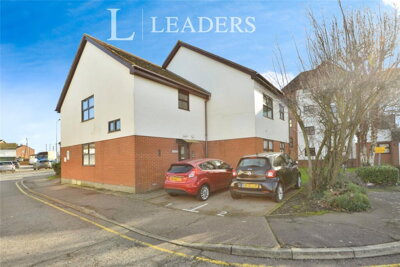
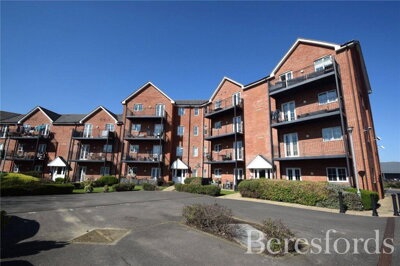
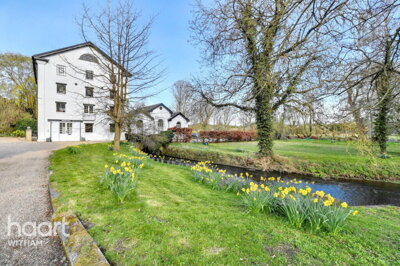
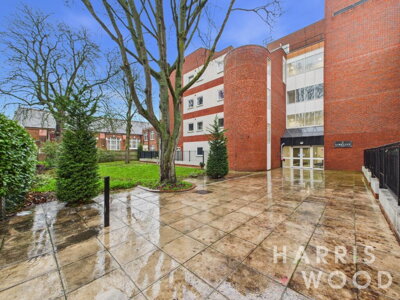
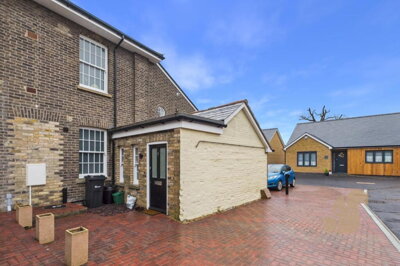
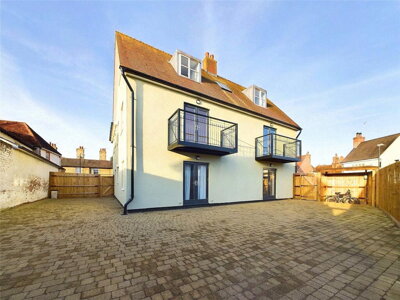
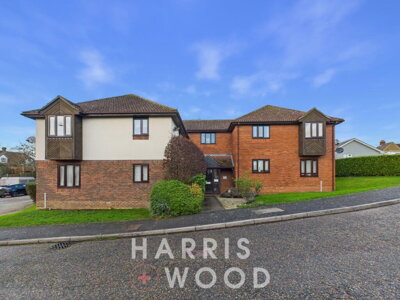
Browse 56 homes for sale in Great Braxted from local estate agents.
Studio apartments feature open-plan living spaces without separate bedrooms, incorporating sleeping, living, kitchen, and bathroom facilities. The Great Braxted studio market includes properties in modern apartment complexes, converted Victorian and Georgian buildings, and purpose-built developments.
£625,000
Average Property Price
+4.2%
12-Month Price Change
15
Annual Sales
700-800
Population
Great Braxted’s property market says plenty about its standing as a premium rural Essex village. Detached homes sit at the top of the range, averaging £1,037,499, and they make up most sales in this mainly detached housing stock. Prices have held up well too, rising 4.2% over the past twelve months, which points to steady demand from buyers who recognise the pull of this countryside setting. Semi-detached homes average around £450,000, giving a more approachable way in, while terraced properties usually sell for about £350,000.
Housing in Great Braxted leans firmly towards family-sized homes, with 60-70% of properties detached and a further 20-25% semi-detached. Terraced houses and flats account for only 5-10% combined, so space and privacy are a big part of the appeal. A notable number of homes pre-date 1919, especially around St Peter’s Church and the historic village core within the Conservation Area, where period detail still survives. Later inter-war and post-war homes add some variety to the mix.
New build activity within the Great Braxted postcode area (CM8 3) is still limited, although the wider Maldon District does see occasional developments that appeal to similar buyers. Only 15 sales annually tells its own story about the village’s scale and the quality-led feel of the market. In a place this small, each transaction matters.
Traditional Essex building methods are all over Great Braxted. Red brick is the main material, often broken up with rendered sections or timber cladding that give older façades a bit of life. Across the village, roofs usually use clay or concrete tiles, in keeping with local vernacular practice. Solid brick walls, pitched roofs, and straightforward detailing are what give the village its character.
Property age varies quite a bit here, and the construction periods are easy to spot once you know what to look for. Pre-1919 homes within the Conservation Area were built with solid walls and lime mortar rather than modern cement, so they breathe differently from insulated cavity-wall houses. Timber elements such as beams and floor joists are common in these older buildings and need proper inspection. Inter-war properties from 1919-1945 brought cavity wall construction into the picture to some extent, while post-war homes from 1945-1980 follow standard mid-twentieth century practice. More recent homes from post-1980 add modern cavity wall insulation and newer materials into the local stock.
Knowing how a house was built helps buyers judge the upkeep it may need in Great Braxted. Solid wall properties from before 1919 have no cavity insulation, so they perform differently thermally from modern homes and can mean higher heating costs. Homes with original timber frames need watching for timber defects, while clay tiled roofs may need periodic repointing and replacement tiles. Our local knowledge of these construction methods helps us set out what buyers should expect from properties across Great Braxted.
With older homes so common here, and London Clay underneath the village, some defects deserve close attention. Subsidence is one of the biggest concerns for buyers in Great Braxted. The London Clay has a high plasticity, so it contracts in dry weather and swells when it is wet. Shallow foundations, large trees nearby, or poor drainage can make movement more likely, showing up as wall cracking, sticking doors or windows, and other signs of stress. A thorough survey can pick up these issues before you go ahead.
Damp is another regular issue in period properties throughout Great Braxted, so it needs careful checking during any valuation or survey. Rising damp happens when moisture moves up through solid walls where damp-proof courses have failed or were never fitted, especially in homes built before modern regulations. Penetrating damp comes from leaks through roofs, defective lead flashings, or worn render, and properties in Great Braxted facing prevailing weather from the north and east need a close look. Condensation is usually tied to poor ventilation alongside modern living habits, which can catch out older homes that have been insulated without proper airflow.
Timber problems can also crop up, particularly in homes with significant heritage detail. Woodworm may affect structural timbers and joinery in period properties, while wet rot develops where moisture is present over time and often points to damp that needs sorting out. Dry rot is less common, but it can spread through timber that looks dry and do serious damage once moisture gets in. Electrical systems in properties built before the 1980s often need upgrading to current standards and to cope with modern appliance loads. Original fuse boxes, rubber-insulated wiring, and dated socket layouts often mean a full rewire. Plumbing in older homes may still include lead pipes or early copper pipes that have corroded over decades of use.
Great Braxted gives a proper taste of rural Essex living, with the practical bonus of good transport links nearby. St Peter’s Church sits at the centre of village life, anchoring the Conservation Area and acting as a focal point for community events. People living here can walk through farmland and open countryside, with the nearby River Blackwater offering scenic routes and links into the wider public rights of way network. The village keeps a peaceful, unspoilt feel, which is exactly why families and professionals are drawn here while still staying within reach of bigger centres.
Economically, Great Braxted still has a rural backbone. Agriculture and small local businesses remain central, though the A12 trunk road has made the village more attractive to commuters working in Chelmsford, Colchester, Ipswich, and even London. A lot of residents split their time between home working and travelling to offices in nearby towns, helped by broadband that has improved in recent years. The village pub and the amenities in surrounding villages cover day-to-day needs without forcing a trip to a larger town.
The community is a mixed one, with families, couples, and individuals all drawn to the quality of life Great Braxted offers. Period homes, generous plots, and Conservation Area status help keep the village’s architecture and landscape looking as they should. There is still a strong sense of community here, with local events and traditions bringing together people who have chosen this part of Essex as home.

Great Braxted makes a strong case for buyers looking for balance in rural Essex. Prices have risen by 4.2% over the past twelve months, which shows continued demand from people who value a location that is both accessible and quiet. Conservation Area status helps protect the village’s character and historic buildings, giving confidence that inappropriate development will be kept in check. That protection matters, because it preserves the qualities that draw discerning buyers in the first place.
Transport from Great Braxted is better than you might expect for a rural village, which helps it work for regular commuting or trips into town. The nearby A12 trunk road links the village with Chelmsford and Colchester, while Witham railway station offers direct trains to London Liverpool Street in approximately 40-50 minutes. For buyers who want countryside life without complete isolation, that mix of rural charm and practical links goes a long way towards explaining the premium pricing compared with less connected Essex villages.
The housing stock is mostly made up of roomy detached family homes on generous plots, a world away from the terraces and flats that dominate many urban areas. Buyers who want more breathing space, inside and out, tend to find what they need here, with many homes offering large gardens, off-street parking, and layouts that suit modern family life. Because so many properties are period homes, original features such as fireplaces, cornicing, and sash windows are common, giving them a distinct edge over newer alternatives.
Families thinking about a move to Great Braxted will find a decent spread of schools in the wider Maldon District. The village itself relies on primary schools in nearby villages and towns, and several of those schools have Good or Outstanding Ofsted ratings within a sensible drive. Parents should check catchment areas and admissions rules carefully, as they can change every year and have a big impact on where children place. Being in Essex also gives families access to the county’s full education system, with schools following the national curriculum and offering a range of extracurricular activities.
Secondary schooling in the wider area includes well-regarded options in Witham, Maldon, and nearby towns, with some schools offering sixth form provision. Essex also has grammar school choices for academically selective pupils, and Chelmsford in particular has several high-performing grammar schools that are reachable by public transport or car. For childcare and early years, there are nurseries and pre-schools in the surrounding villages, which gives working parents flexible options. School travel usually means buses or private transport, so buyers should factor that into relocation plans.
Further and higher education is easy enough to reach from here, with nearby Chelmsford home to the University of Essex campus and further education colleges offering vocational courses and A-levels. The University of Essex also has campuses in Colchester, giving older students more choice. A lot of families like the balance on offer, primary years in a rural village, then accessible secondary and further education within a manageable commute. That makes Great Braxted a sensible long-term base for families at different stages of education.

Transport links are one of Great Braxted’s strongest points, even with its quiet rural setting. The A12 trunk road runs nearby, giving direct routes to Chelmsford to the south and Colchester to the north, with connections on to the M25 motorway network via the A12 for journeys towards London. That road access makes the village especially appealing for commuters working in London or across the southeast who still want countryside living. Driving to Chelmsford city centre usually takes around 20-25 minutes, while Colchester is typically about 30-35 minutes away.
Rail from nearby Witham station gives direct access to London Liverpool Street, with journey times of approximately 40-50 minutes depending on the service. Great Braxted can reach Witham by car or bus, and trains run regularly through the day. Chelmsford and Hatfield Peverel provide alternative rail options, which adds some flexibility for commuters. Bus services link the village with surrounding towns and villages, though the timetable is much lighter than you would see in an urban area, so a car, or at least careful planning, matters.
Cycling has improved too, with National Cycle Network routes and local paths giving people options for short hops and leisure rides. For air travel, Stansted Airport is about 45 minutes away by car and offers European and international connections. London Southend Airport adds more choice for domestic and European flights. Put together, the road, rail, and air links make Great Braxted a practical base for professionals, regular travellers, and families with connections across the UK and further afield.

Before you view anything in Great Braxted, get a mortgage agreement in principle so you know where you stand. With average prices around £1,069,999, it is sensible to get a clear handle on borrowing, deposit, and the other costs that come with buying. The rural location also means thinking about transport and how it fits into day-to-day life. As part of the budget, a RICS Level 2 Survey is worth booking, with local costs usually between £450 and £800 depending on the size of the property.
The Great Braxted market moves slowly, with only a handful of sales each year. Register with estate agents in the Maldon area who deal with village homes. They can flag up new listings before they appear publicly and give useful context on individual properties and the local conditions shaping sales. In a close-knit market like this, knowing the right agents can make a real difference.
Viewings should be planned carefully, with attention paid to construction age and the sort of issues that often come with older houses. Many homes in Great Braxted date from before 1919, so age-related wear is common. Think about the River Blackwater and any flood risk, as well as Conservation Area restrictions that may affect future plans for the property. It also helps to visit the village at different times of day, so you can judge traffic, noise, and the general atmosphere for yourself.
Because so many homes here are older and the village sits on London Clay, a RICS Level 2 Survey is strongly recommended before you buy. It should pick up defects such as possible subsidence linked to clay soils, damp problems, roof condition, and outdated electrical or plumbing systems that are often found in period properties. Survey costs in the area usually run from £450 to £800 depending on property size and value, and that is money well spent if it saves larger repair bills later on.
Once an offer is accepted, instruct a conveyancing solicitor to deal with the legal side of the purchase. They will carry out searches, including local authority checks through Maldon District Council, environmental searches covering flood risk and land stability, and the transfer of ownership. If the property is in the Conservation Area, or listed, extra rules may apply to permitted development rights and any alterations.
After the searches and survey come back satisfactorily, contracts are exchanged and your deposit is paid. Completion usually follows within weeks, and then the keys to a new Great Braxted home are handed over. Buildings insurance needs to be arranged from exchange of contracts, and utility providers should be told about the move. On a £999,995 property, stamp duty comes to approximately £33,750, so that has to be built into the plan, and the solicitor should give a full completion statement before any money is transferred.
Buying in Great Braxted means keeping a few area-specific points in mind, especially the village’s geology and older housing stock. London Clay underneath the village creates a moderate to high shrink-swell risk, so foundations can be affected when soil moisture changes. That matters most where large trees are nearby, foundations are shallow, or cracks are already visible. A proper RICS Level 2 Survey can identify potential subsidence and point you towards remediation or a structural engineer if needed.
Flood risk is another issue to think through, as Great Braxted sits near the River Blackwater. Properties close to the river, or in low-lying areas, can face fluvial flooding during heavy rainfall or tidal surges. Surface water flooding can also affect rural land in exceptional weather. Buyers should look at flood risk reports, check the Environment Agency’s flood maps for the exact property, and see whether flood resilience measures are already in place. Insurance may cost more in flood-risk locations, so that needs to be in the budget.
Conservation Area status protects the village’s special architectural and historic character, but it also brings restrictions on alterations and extensions. Before buying, check what needs Conservation Area consent or listed building consent from Maldon District Council. That can affect loft conversions, extensions, or even external changes such as replacement windows. Many of the period homes here, especially those from before 1919, also have solid walls without cavity insulation, which means higher heating costs and different upkeep from modern houses.
Traditional materials are common in Great Braxted, including red brick, render, and clay or concrete tiled roofs. They are durable enough, but they still need regular maintenance, from repointing and render repairs to the occasional tile replacement. Older solid-wall homes need a different approach from modern cavity-insulated ones, so buyers should think about energy efficiency, ongoing maintenance, and any future improvements. Specialist tradespeople with period property experience may charge more than general builders, and that should be allowed for in renovation budgets.
As of February 2026, the average property price in Great Braxted stands at £1,069,999, based on recent transaction data from homedata.co.uk via Plumplot. Detached homes average around £1,037,499, semi-detached homes around £450,000, terraced properties about £350,000, and flats around £250,000. Prices have risen by 4.2% over the past twelve months, which points to a healthy market in this sought-after rural village. With only 15 property sales annually, the low volume reflects the village’s size rather than a lack of demand.
For council tax, Great Braxted sits within Maldon District Council’s area. Bands run from A through H depending on assessed value, with most period properties and family homes falling in bands C to E. Homes in the Conservation Area dating from before 1919 often sit in band D or E because of their size and historic character. Buyers should always check the exact band for any home they are considering, and the Valuation Office Agency website or your solicitor can confirm it during conveyancing.
Great Braxted itself has limited school provision, so families usually rely on primary schools in surrounding villages and towns. Several primary schools across the wider Maldon and Witham areas have Good or Outstanding Ofsted ratings, including schools within a short drive. Secondary choices include schools in Witham and Maldon, while grammar school options in Chelmsford are available for academically selective pupils. Catchment areas and admissions rules should be checked carefully, as they change annually and can have a major effect on school placement.
Despite the rural setting, Great Braxted is well connected. The A12 trunk road gives direct routes to Chelmsford and Colchester by car, usually about 20-25 minutes and 30-35 minutes respectively. Witham railway station, around 5-6 miles away, offers direct trains to London Liverpool Street in roughly 40-50 minutes, which keeps commuting realistic for professionals. Bus services link the village with neighbouring places, though a car is advisable if you want proper flexibility in a rural area.
For buyers thinking about long-term value, Great Braxted has sound investment fundamentals. Prices have increased by 4.2% over the past twelve months, helped by demand from commuters who want a rural setting with decent transport links. Conservation Area status, along with limited development land, helps support values by preserving the village’s character. There is rental demand too, particularly from professionals working in nearby towns who like the countryside feel, so both family homes and period cottages can appeal to landlords. A12 access and rail at Witham keep the village attractive to buyers who care about getting about.
Stamp Duty Land Tax from April 2025 starts at 0% on the first £250,000 of residential purchases, then rises to 5% on amounts between £250,001 and £925,000. For the average Great Braxted home at £1,069,999, that gives a stamp duty bill of roughly £33,750 after the nil-rate threshold. First-time buyers can get relief on the first £425,000, which brings the effective stamp duty to around £32,250 on an average-priced Great Braxted property. Always check the current thresholds with HM Revenue and Customs or your solicitor, as government policy can change.
Older homes in Great Braxted, especially those from before 1919, need a careful look for common defects. The London Clay geology creates subsidence risk, particularly where foundations are shallow or trees nearby draw moisture from the soil. Damp problems, including rising, penetrating, and condensation dampness, are common in period homes with solid walls and no modern damp-proof course. Roofs also need attention, because older tiles may have worn, and lead flashings around chimneys often need renewal. Outdated wiring in properties pre-1980s and timber defects such as woodworm or rot are also widespread. A detailed RICS Level 2 Survey is essential before purchase.
From 3.5%
Compare mortgage rates from leading lenders for a Great Braxted purchase
From £499
Expert legal support for a Great Braxted property purchase
From £450
We recommend a detailed survey for properties in Great Braxted
From £85
Energy performance certificate for a Great Braxted property
Getting the full cost picture right helps when you are budgeting for a move to Great Braxted. On top of the purchase price, buyers need to allow for Stamp Duty Land Tax, solicitor fees, survey costs, and a range of smaller expenses. At the current average price of £1,069,999, the stamp duty bill alone would be about £33,750 for standard buyers buying with a mortgage. That is a sizeable sum, so it needs to be built into financial planning long before completion day.
First-time buyers purchasing properties up to £1,069,999 benefit from relief that lifts the nil-rate threshold to £425,000, bringing stamp duty on an average-priced Great Braxted home down to about £32,250. That said, there is no relief above £1,069,999, so the help is limited on higher-value homes. Moving into the next price bands, properties between £925,001 and £1.5 million attract 10% stamp duty on the part above £925,000, while homes above £1.5 million pay 12% above that point. Those higher rates matter for the premium detached homes in Great Braxted, where prices around £1,037,499 are common.
There are other costs too, including mortgage arrangement fees, often 0-1% of the loan amount, valuation fees, RICS Level 2 Survey costs between £450 and £800 depending on property size, and conveyancing fees that usually start from £499 for basic legal work. Searches, including local authority, environmental, and drainage checks, typically come to around £250-£400. Registration fees, teleport fees, and removals costs add to the bill. Buyers of period homes in the Conservation Area should also allow for specialist surveys and remember that some improvements may need consents, which can add both time and cost to a renovation.

Properties for Sale In London

Properties for Sale In Plymouth

Properties for Sale In Liverpool

Properties for Sale In Glasgow

Properties for Sale In Sheffield

Properties for Sale In Edinburgh

Properties for Sale In Coventry

Properties for Sale In Bradford

Properties for Sale In Manchester

Properties for Sale In Birmingham

Properties for Sale In Bristol

Properties for Sale In Oxford

Properties for Sale In Leicester

Properties for Sale In Newcastle

Properties for Sale In Leeds

Properties for Sale In Southampton

Properties for Sale In Cardiff

Properties for Sale In Nottingham

Properties for Sale In Norwich

Properties for Sale In Brighton

Properties for Sale In Derby

Properties for Sale In Portsmouth

Properties for Sale In Northampton

Properties for Sale In Milton Keynes

Properties for Sale In Bournemouth

Properties for Sale In Bolton

Properties for Sale In Swansea

Properties for Sale In Swindon

Properties for Sale In Peterborough

Properties for Sale In Wolverhampton

Enter your details to see if this property is within your budget.
Loans, cards, car finance
Estimated property budget
Borrowing + deposit
You could borrow between
Typical borrowing
Monthly repayment
Est. at 4.5%
Loan-to-value
This is an estimate only. Your actual budget may vary depending on interest rates, credit history, and personal circumstances. For an accurate affordability assessment, speak to one of our free mortgage advisors.
This calculator provides estimates for illustrative purposes only and does not constitute financial advice. Your home may be repossessed if you do not keep up repayments on your mortgage. Estimates based on 4.5% interest rate, repayment mortgage. Actual rates depend on your circumstances.
Homemove is a trading name of HM Haus Group Ltd (Company No. 13873779, registered in England & Wales). Homemove Mortgages Ltd (Company No. 15947693) is an Appointed Representative of TMG Direct Limited, trading as TMG Mortgage Network, which is authorised and regulated by the Financial Conduct Authority (FRN 786245). Homemove Mortgages Ltd is entered on the FCA Register as an Appointed Representative (FRN 1022429). You can check registrations at NewRegister or by calling 0800 111 6768.

We use cookies to show you personalised content and improve your experience of our website. Find out more in our Privacy policy and Cookie policy.