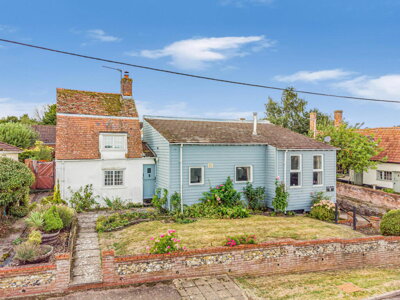
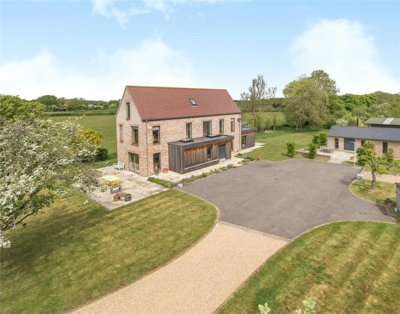
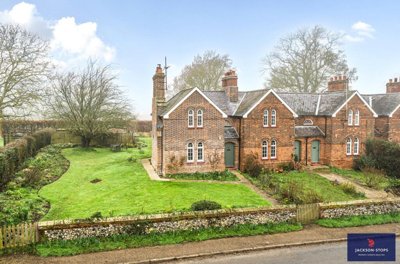
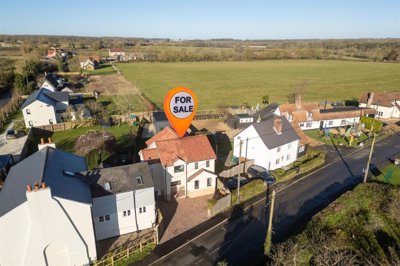
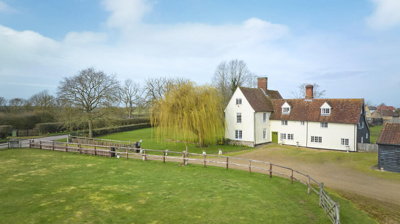
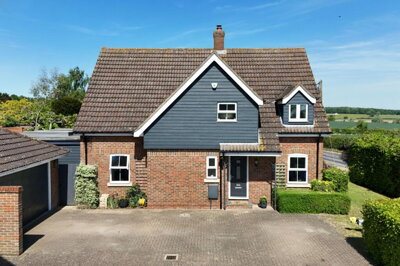
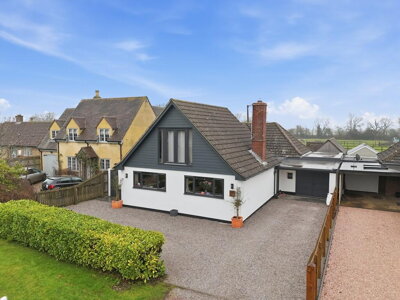
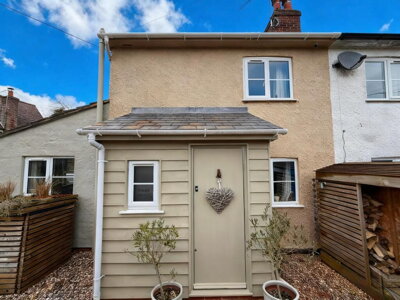
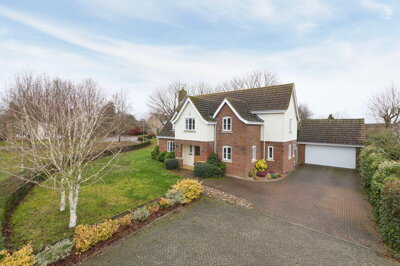
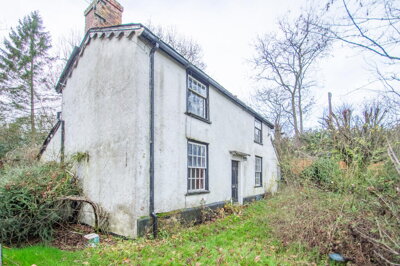
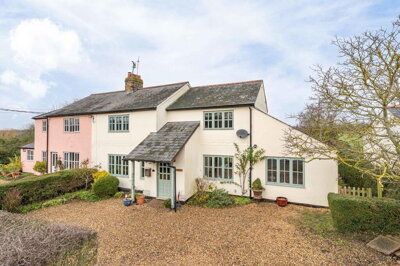
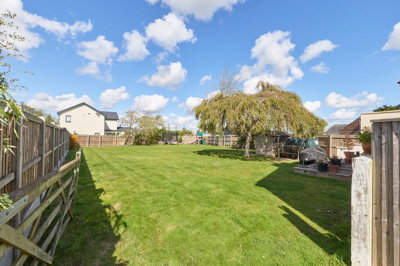
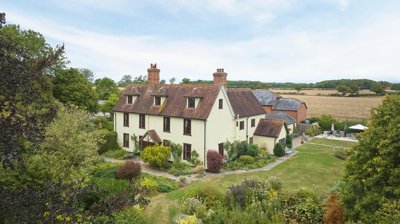
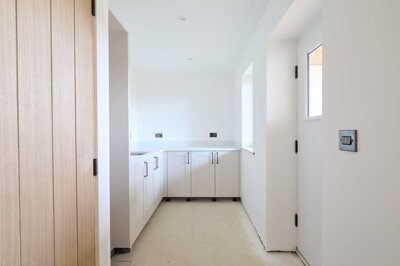
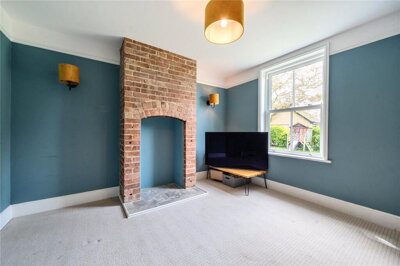
Browse 15 homes for sale in Great Bradley from local estate agents.
Great Bradley’s market has held up well, with the village seeing about 70 property sales over the past twelve months. Four-bedroom detached houses and three-bedroom semi-detached homes are the most common types on offer in this Suffolk village, which suits families and anyone after a bit more space. In the CB8 area, property listings show detached homes in nearby Clarendon Estate averaging £593,750, while semi-detached houses are around £425,000, handy markers for buyers comparing local values.
Prices have risen sharply in Great Bradley, with overall house values up 26.3% over the last twelve months according to homedata.co.uk sold price data. That sits alongside wider demand for rural Suffolk villages, as buyers look for more room and better value than they can find in larger cities. The village has also attracted some impressive individual homes, including character properties from the 17th century that have been carefully extended and modernised without losing their period features. Malting House is a fine example, an enchanting Grade II listed detached period cottage that captures the appeal of the village’s character stock.
Large-scale new-build schemes are thin on the ground in Great Bradley, although there are still some quality choices. Savills lists new homes by Laragh Homes with traditional styling and modern touches such as air source heat pumps and underfloor heating, which suits buyers after efficiency in a village setting. One standout is a substantial 2,700 square foot detached new home in the heart of the village, with four ensuite bedrooms, countryside views, extensive parking and a double garage. The Clarendale Estate, developed in the mid to late 1960s, sits in a different bracket altogether, with mid-century houses that may offer renovation potential.

Great Bradley is small, but it has plenty of character, with a population of about 406 residents at the 2021 Census and an estimated 422 by 2024. The village has around 190 houses, so it feels intimate, with neighbours likely to know one another and local events drawing people together through the year. That close-knit feel is a big part of the appeal for families and for anyone wanting a slower pace than they get in the larger towns, while still keeping everyday services within reach.
The architecture here tells its own story, with buildings that reflect several centuries of Suffolk building traditions. Historic homes include timber-framed and plastered houses from the 17th and 18th centuries, some altered over time with pebble-dash rendering or brick fronts that are now colour-washed. Early 19th-century stuccoed brick houses add another layer to the streetscape, while old farmhouses built with locally-made brickwork point back to the area’s agricultural roots. Great Bradley Hall is a major local landmark, dating from at least the 18th century and later given Victorian extensions, and St Mary’s Church, with its Grade II* listing, underlines the village’s history.
Set within the CB8 postcode area, Great Bradley sits in the familiar East Anglian landscape of fertile boulder clay over chalk deposits. Glacial sands and gravel appear along the River Stour valley, which runs nearby and helps shape both the scenery and the area’s agricultural productivity. The geology does not cause major concerns for most buyers, though the clay soils can be worth checking during surveys, especially for older properties where foundation conditions should be looked at carefully. Home ownership is also high, with 68.78% of residents owning their home outright or with a mortgage, above the national average and a sign of a settled community.
Several homes in Great Bradley are listed, including Yew Tree Cottage, Old Farm Cottage, Quince Cottage, St Edmunds Cottage, Matthews Farm and The Former Fox Pub, all Grade II. They bring real character, but they also come with duties around maintenance and any changes, which need Listed Building Consent from West Suffolk Council. Buyers who want period charm without listing restrictions can still find unlisted historic properties in the village, offering similar looks with more freedom for future alterations.

Families looking at Great Bradley will find schooling in the village itself and in the surrounding towns. There is no primary school in Great Bradley, so children usually attend schools in nearby communities, while the wider West Suffolk area offers a range of primary and secondary options for local families. The village’s location also means children can move through education locally before heading on to secondary schools in nearby towns such as Newmarket, which has several well-regarded options within around 7 miles.
Newmarket offers accessible secondary schooling through established names such as Newmarket Academy and King Edward VI School, both used by families in the surrounding villages. They have strong links into the community and catchment areas that often include Great Bradley. Parents should check the latest admission rules and catchment boundaries, as these can change and may affect placement. The town’s sporting facilities and extracurricular activities add to its pull for children of all ages.
Cambridge sits about 15 miles away, opening up a wider education picture, with the city known for its excellent range of secondary schools, sixth form colleges and higher education institutions. Schools such as St Mary’s School, The Perse School and Hills Road Sixth Form College attract pupils from across the region. Families who are aiming for grammar school education will also find options in the wider area, although current catchment areas and admission policies should always be checked, as they can shift from year to year.
For older students thinking about sixth form or university, Great Bradley’s road links make commuting realistic. Cambridge’s universities and colleges are within a workable daily reach, and Bury St Edmunds plus other larger towns add further education choices. That mix of local primary provision and accessible secondary, further and higher education options makes Great Bradley workable for families at several stages of school life.

Great Bradley’s position strikes a useful balance between rural calm and practical access to employment centres. The village is about 7 miles from Newmarket, one of Suffolk’s key market towns and a major centre for horse racing. Newmarket has the main local shopping, healthcare and leisure facilities, so it tends to be the everyday hub for residents. Country roads take you there through lovely Suffolk scenery, and the drive is usually around 15-20 minutes in normal conditions.
Cambridge is roughly 15 miles to the west, reached via the A1303 and A14 corridor that gives a direct route into the city. Commuters to Cambridge can benefit from much lower property prices than those in the city while still keeping the trip manageable. The A14 trunk road links the area with Cambridge, Ipswich and the wider motorway network, with Stansted Airport about 45 minutes away and London within around 90 minutes by car. That makes Great Bradley appealing to professionals who need strong access, but prefer village life.
Bus links through the surrounding towns add another layer of commuting choice, with services connecting Great Bradley to nearby villages and market towns. Stagecoach and other local operators run routes between Newmarket and Cambridge, although they are not as frequent as urban services. Cambridge rail services reach London Liverpool Street in about 45 minutes, while Bury St Edmunds offers another way into the capital. For people travelling into Cambridge each day, the village gives a practical alternative to city living, with more space and access to countryside walks and leisure time that urban life cannot match.
Cycling is becoming more practical in the area, and many residents use it for short trips and leisure. East Anglia’s relatively flat terrain makes it accessible to most fitness levels, and some villages now have dedicated routes that feel safer than busy A-roads. For commuters heading into Cambridge, cycling can work for the more energetic rider, especially with the improving infrastructure along the A1303 corridor. Even so, most Great Bradley residents still depend on the car for daily commuting and essential journeys, with the A14 trunk road close at hand.

Our current listings in Great Bradley are a sensible place to begin, alongside a look at local values. With average prices sitting around £571,667 to £602,500, comparing similar sales can help set realistic expectations and point you towards the better opportunities in this village market. Stock is limited, so being ready before homes come to market can give you an edge.
Before you book viewings, it helps to have a mortgage agreement in principle from a lender. That puts you in a stronger position if you make an offer, and it shows sellers that your finance is in place. Speak to our mortgage partners to compare rates and see what fits your circumstances. With average property values around £571,667, most buyers will need mortgage finance, so early approval matters.
After you have picked out properties of interest, arrange viewings through our platform. In a village market with limited stock, speed matters when something suitable appears. Make time to look carefully at the condition and character of each property during the viewing, especially the features that are unique to period homes in this area.
For older homes in Great Bradley, including the many period properties, listed buildings and the 1960s Clarendale Estate houses, we strongly recommend a RICS Level 2 Survey before you move forward. It will flag structural issues, damp and other defects that could affect your decision or give you room to negotiate with the seller. With homes ranging from 17th-century cottages to modern new builds, the survey needs are quite different from one property to the next.
Bring in a conveyancing solicitor to handle the legal side of the purchase. They will carry out searches, check the contracts and deal with the registration process. Our conveyancing partners offer competitive rates for purchases in the West Suffolk area and understand the local points that come with listed properties.
Once the searches are clean and your finance is confirmed, contracts are exchanged and your deposit is paid. Completion usually follows within weeks, then the keys are handed over and you can start moving into your new home in Great Bradley. Our team can point you towards local removal firms and utility providers so the move goes more smoothly.
Buying in Great Bradley means keeping a close eye on a few area-specific points that reflect the village’s historic character and rural setting. There are plenty of listed buildings here, including Great Bradley Hall, St Mary’s Church (Grade II*), plus Yew Tree Cottage, Old Farm Cottage, Quince Cottage, St Edmunds Cottage, Matthews Farm and The Former Fox Pub, all Grade II. If you are looking at a listed property, remember that permitted development rights are more limited, and any alterations will need Listed Building Consent from West Suffolk Council. The character is exceptional, but so is the maintenance commitment.
Great Bradley’s building materials are rooted in traditional Suffolk construction, so you will see timber-framed homes with plastered finishes, brick-built houses and early 19th-century stuccoed facades. Older properties may still have features that need attention, such as outdated electrical systems, single-glazed windows and limited insulation. When you view a period home, check carefully for damp, which often affects solid-walled houses without modern damp-proof courses. Clay in the local geology does not point to a major risk, but it does mean foundation conditions should be checked during surveys, especially on the boulder clay soils that cover much of the village.
Energy efficiency is worth thinking about on any purchase, especially where older homes can cost more to heat than modern ones. Some period properties in the village have already been improved by previous owners, but original features such as solid floors, limited cavity wall insulation and older heating systems may still be in place. A full survey will highlight where upgrades could help, and that can feed into price discussions. Properties on the Clarendale Estate, developed in the mid to late 1960s, sit in a different category and may need a look at original windows, roofing and extension potential.
The countryside around Great Bradley offers strong leisure appeal, although it should still be part of the buying conversation. The nearby River Stour valley gives lovely walking routes, but buyers ought to ask about flood risk for any specific property, especially those near water courses or in low-lying spots. The village website also refers to environmental maps that can help with reading the local landscape. If you have a larger garden or a home backing onto farmland, farming activity, together with noise and traffic at harvest time, may be worth raising during viewings.

The average house price in Great Bradley is currently around £571,667 according to home.co.uk listings data, with homedata.co.uk reporting £602,500 and homedata.co.uk showing an average sold price of £602,500 as of early 2026. Prices have risen strongly, with increases of 26-39% over the past twelve months depending on which data source you use. Detached homes in nearby Clarendon Estate average about £593,750, while semi-detached houses are around £425,000, and values still vary a great deal by size, condition and exact position within the village.
Great Bradley properties fall under West Suffolk Council for council tax. The banding depends on the property’s valuation, but most homes in the village sit in bands C through E. The exact band for any specific property can be checked through the Valuation Office Agency website or by contacting West Suffolk Council directly. Council tax here helps fund local services such as education, waste collection and highway maintenance.
Primary school-aged children in Great Bradley are usually served through nearby villages, with families generally using local provision before moving on to secondary education in Newmarket about 7 miles away. Secondary choices there include Newmarket Academy and King Edward VI School, both serving the wider rural catchment. Cambridge, at 15 miles, adds more secondary schools, sixth form colleges and primary options for families who want a broader choice. Parents should always check current admission policies and catchment areas, as these do change over time. For higher education, Cambridge’s universities are within reach for older students.
Public transport from Great Bradley is fairly limited, with the village mainly served by local bus routes linking nearby towns and villages, though the services are less frequent than in urban areas. Cambridge and Bury St Edmunds are the nearest railway stations, with trains to London Liverpool Street and regional destinations, including Stansted Airport links. Most residents still use the car for commuting and everyday journeys, helped by the village’s position near the A14 trunk road, which gives efficient access to Cambridge, Newmarket and the wider road network.
Property prices in Great Bradley have risen strongly, with more than 26% growth over the past year showing solid demand for homes in this rural Suffolk spot. The 68.78% home ownership rate, the easy reach of Cambridge and Newmarket, and the attractive countryside setting all add to the village’s pull for buyers who want character. Because it is a small place with limited local employment, values also follow wider regional trends and commuting links. Period homes that are well kept tend to hold their value best, especially those modernised with care and still showing off their original features.
Stamp duty in Great Bradley follows the standard England rates, as the village is in England. On main residences, nothing is due up to £250,000, then 5% applies from £250,001 to £925,000, 10% from £925,001 to £1.5 million, and 12% above £1.5 million. First-time buyers get relief on the first £425,000, then pay 5% from £425,001 to £625,000, with no relief above that. At an average price of around £571,667, most buyers would pay no stamp duty or only a small amount, though higher-value period properties and new homes at the top of the market will cost more.
When viewing period properties in Great Bradley, keep a close eye on original timber-framed structures, windows and historic brickwork. Damp is common in solid-walled homes without modern damp-proof courses, and any cracking to walls or floors needs proper investigation during a survey. On listed properties, think about whether the current owner’s alterations fit with your own plans, as permitted development rights are more restricted. Homes on clay soils should also be checked for foundation conditions, especially where mature trees nearby might affect soil moisture levels.
From 4.5%
Finding the right mortgage for a Great Bradley property purchase
From £499
Expert legal support for your property purchase in West Suffolk
From £350
Professional survey for your Great Bradley property
From £60
Energy performance certificate for your new home
Budgeting well matters when you buy in Great Bradley, and the extra costs are part of that. With average property prices of around £571,667 to £602,500, most buyers at typical market levels will stay below the standard stamp duty threshold of £250,000. Even so, anyone buying a higher-value home, a family house or a character cottage towards the top end of the market should allow for stamp duty land tax at the relevant rate. First-time buyers still benefit from enhanced relief, with no stamp duty on the first £425,000 of a purchase, which can save several thousand pounds compared with earlier thresholds.
Survey costs should also be built into the budget, with a RICS Level 2 Survey usually costing between £380 and £639 depending on the property’s value and size. That is good value in Great Bradley, where homes range from 17th-century cottages to Victorian additions and 1960s housing stock. Our surveyors know the common defects seen in Suffolk homes, from timber decay in historic buildings to original features that need updating in post-war properties. Conveyancing usually starts from around £499 for standard purchases, with extra charges for local searches, registration fees and bank transfer charges. In total, these costs can add about £2,000 to £3,500 to the purchase, depending on property value and solicitor fees.
Moving costs need a place in the budget too, including removal services, possible temporary storage and utility connection fees at the new property. Buildings insurance has to be in place from exchange, and contents insurance is sensible from completion. If you are buying with a mortgage, factor in arrangement fees, valuation fees and broker costs, although these can sometimes be added to the loan. Planning all of this carefully helps keep the transaction smooth when you buy in Great Bradley, so you can concentrate on settling into this attractive Suffolk village rather than worrying about unexpected financial pressure.

Properties for Sale In London

Properties for Sale In Plymouth

Properties for Sale In Liverpool

Properties for Sale In Glasgow

Properties for Sale In Sheffield

Properties for Sale In Edinburgh

Properties for Sale In Coventry

Properties for Sale In Bradford

Properties for Sale In Manchester

Properties for Sale In Birmingham

Properties for Sale In Bristol

Properties for Sale In Oxford

Properties for Sale In Leicester

Properties for Sale In Newcastle

Properties for Sale In Leeds

Properties for Sale In Southampton

Properties for Sale In Cardiff

Properties for Sale In Nottingham

Properties for Sale In Norwich

Properties for Sale In Brighton

Properties for Sale In Derby

Properties for Sale In Portsmouth

Properties for Sale In Northampton

Properties for Sale In Milton Keynes

Properties for Sale In Bournemouth

Properties for Sale In Bolton

Properties for Sale In Swansea

Properties for Sale In Swindon

Properties for Sale In Peterborough

Properties for Sale In Wolverhampton

Enter your details to see if this property is within your budget.
Loans, cards, car finance
Estimated property budget
Borrowing + deposit
You could borrow between
Typical borrowing
Monthly repayment
Est. at 4.5%
Loan-to-value
This is an estimate only. Your actual budget may vary depending on interest rates, credit history, and personal circumstances. For an accurate affordability assessment, speak to one of our free mortgage advisors.
This calculator provides estimates for illustrative purposes only and does not constitute financial advice. Your home may be repossessed if you do not keep up repayments on your mortgage. Estimates based on 4.5% interest rate, repayment mortgage. Actual rates depend on your circumstances.
Homemove is a trading name of HM Haus Group Ltd (Company No. 13873779, registered in England & Wales). Homemove Mortgages Ltd (Company No. 15947693) is an Appointed Representative of TMG Direct Limited, trading as TMG Mortgage Network, which is authorised and regulated by the Financial Conduct Authority (FRN 786245). Homemove Mortgages Ltd is entered on the FCA Register as an Appointed Representative (FRN 1022429). You can check registrations at NewRegister or by calling 0800 111 6768.

We use cookies to show you personalised content and improve your experience of our website. Find out more in our Privacy policy and Cookie policy.