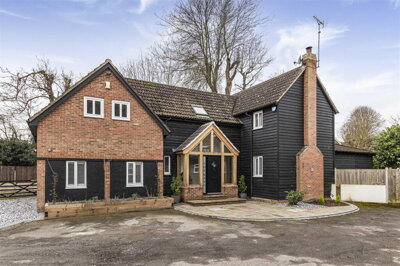
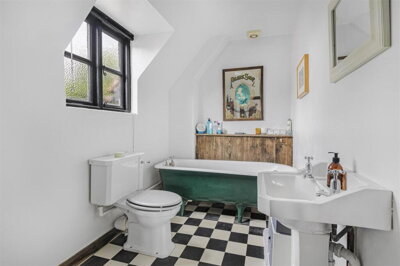
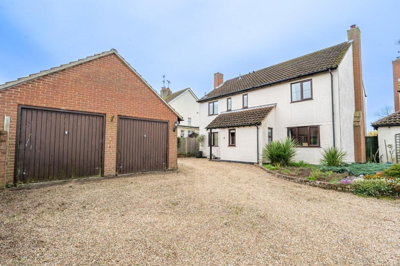
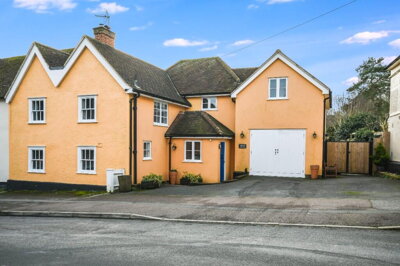
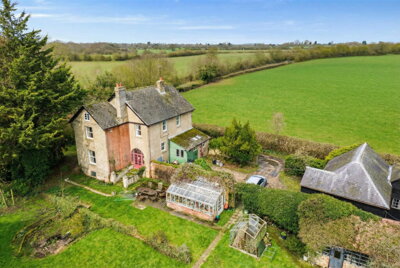
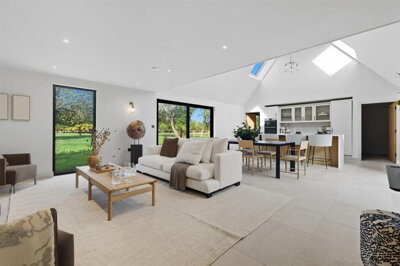
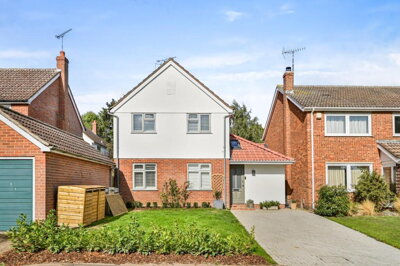
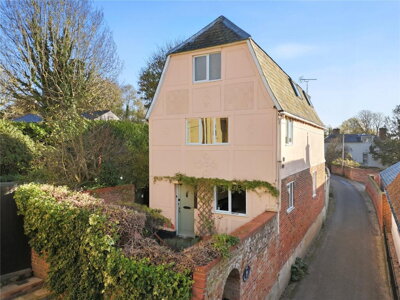
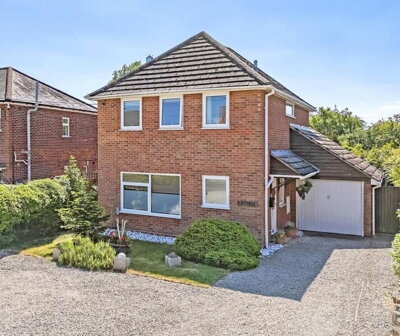
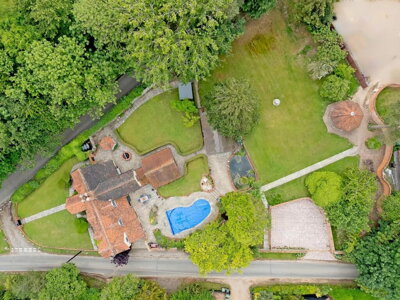
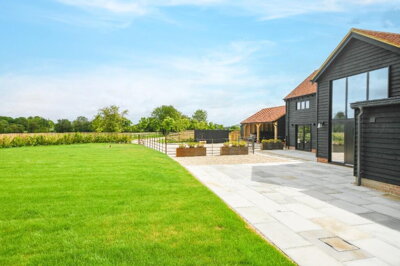
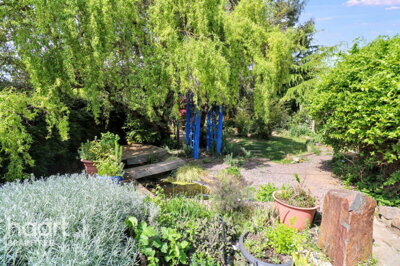
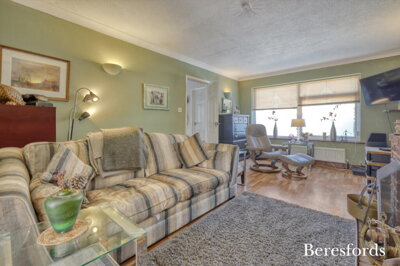
Browse 16 homes for sale in Great Bardfield from local estate agents.
The larger property sector typically features multiple bathrooms, substantial reception space, and private gardens or off-street parking. Four bedroom houses in Great Bardfield span detached, semi-detached, and occasionally terraced configurations, with styles ranging from period properties to modern executive homes.
Great Bardfield’s property market has shown real staying power over the last few years, and the figures point in one direction. According to home.co.uk, the average price paid in Great Bardfield over the last year stands at £581,346, a 3% rise on the previous year. home.co.uk also reports a sharper 17% increase over the twelve months to January 2026, which points to demand gathering pace in this popular village setting. Across the wider Braintree district, average house prices rose by 3.3% in the year to December 2025, so Great Bardfield is moving ahead of its surroundings.
Detached homes are the clear mainstay of the local market, making up approximately 77% of sales in the CM7 4QG postcode area across recent transactions. That tilt towards larger homes fits the village feel, and the stock available. homedata.co.uk shows detached properties in Great Bardfield averaging £832,500, while semi-detached homes have sold for £361,667 on average. Terraced properties sit lower, at an average of £278,750 on homedata.co.uk, although home.co.uk records some terraced sales reaching around £832,500 where the example is a premium one.
Price differences between property types are stark here. Flats in the village have averaged £180,000 according to homedata.co.uk property data, though they make up only a very small slice of the market. Anyone looking at homes for sale in Great Bardfield needs those gaps in front of them before setting a budget. Recent growth reported by several sources suggests values have been lifted by tight supply and steady demand from buyers drawn to village life within commuting distance of London.

Great Bardfield comes across as a lively village community with far more going on than its size might suggest. A Co-op convenience store sits in the centre, so everyday essentials are close at hand. Two traditional public houses also shape village life, giving residents somewhere for food, conversation, and local events. For families and professionals who want countryside living without complete isolation, that mix matters.
The make-up of Great Bardfield’s households gives the place a particular feel. Data shows 39.9% of households are economically inactive, a little above the 36.9% average across the wider Braintree district. That points to a population that may include retirees, home-makers, and those with private means who are attracted by village life. Couples without children account for 22.6% of households, which is well above the 18.6% district average and reflects the appeal to established couples and older residents.
Social housing in Great Bardfield includes 111 Housing Association homes available for rent, and 18 households were on Braintree District Council’s waiting list for social housing in the village as of October 2024. Over generations, the village has built a strong sense of belonging, with residents turning out for local events and backing village institutions. For newcomers, becoming part of that established community is part of the draw of life in this North Essex location.
Education in Great Bardfield centres on the village primary school, which serves both the local community and the surrounding countryside. Having a primary school in the village is a real plus for families moving here, because it removes the need for younger children to travel to nearby settlements for their lessons. Parents should still check catchment arrangements and admission policies, since those can affect school placement. For secondary education, the wider Braintree district offers several schools with different academic and extracurricular options.
The primary school also has links that run well beyond the classroom, and many families have attended it across more than one generation. Prospective parents can look up performance data and Ofsted ratings through official government databases before deciding on a move. The scale of village education can mean more individual attention, though some families will still prefer the wider choice of facilities available in larger nearby towns.
Older homes in Great Bardfield come with another layer of consideration, because the village has a concentration of listed buildings, including properties from the 15th century and the Elizabethan period. That protected status can limit alterations and improvements, which matters when a family wants to change a home as children grow. School visits and a clear read of admission criteria should sit alongside any property search where education is a priority.

Transport from Great Bardfield needs to be judged with its rural position in mind. Most residents depend on private cars for day-to-day travel, and the village lies approximately 8-10 miles from Braintree. The A1017 and the surrounding B-roads link it to the wider road network, with Saffron Walden to the north and Halstead to the south. For anyone commuting to London or another major employment centre, the route usually starts with a drive to the nearest railway station.
The nearest railway stations are in the surrounding towns, and Stansted Airport is also within reach for those who need international connections. Braintree station offers services into London Liverpool Street, which keeps the village workable for professionals with flexible working patterns or part-time commuting. Road routes to those stations are varied, and some pass through places such as Finchingfield and Stebbing. Households with multiple cars, or anyone needing off-street commuter parking, should think carefully about parking space within the village.
Bus services do connect Great Bardfield with nearby villages and towns, although they are only occasional and the frequency is much lower than in urban areas. Anyone planning to commute every day should check current timetables and see whether public transport really fits the routine before buying here. The countryside around the village means car journeys often rely on country roads, where winter can bring poorer visibility and tougher road conditions.

Current property listings in Great Bardfield give a useful picture of what is on offer and where the different price bands sit. The village has seen notable growth of 8.3% to 17%, depending on the data source, so a clear view of current values is needed before any offer goes in. Recent sales on streets such as Dunmow Road and High Street are a good place to start when comparing similar homes.
A mortgage broker should be one of the first calls, so we can secure an agreement in principle before viewings begin. Having finance lined up gives a stronger hand when other buyers are circling in this sought-after village market. With average property prices in Great Bardfield above £581,346, getting mortgage capacity right matters for most purchasers.
We would also view more than one property in Great Bardfield, because the stock ranges from modern detached homes to historic timber-framed buildings with period features. The construction type and the condition of older homes deserve close attention, as they can need considerably more maintenance than newer equivalents.
Because Great Bardfield has so many older homes, including 15th-century and Elizabethan buildings, a Level 2 HomeBuyer Report makes good sense. It can flag structural issues, timber decay, and concerns linked to period properties before anything is agreed. Timber-framed construction in historic homes can be vulnerable to woodworm, rot, and damp if upkeep has slipped.
For the legal side, we’d appoint a solicitor with experience of rural Essex property transactions, including local searches and listed building matters. Homes with protected status can bring extra due diligence around permitted works and ongoing maintenance obligations.
Once the surveys and legal checks are in order, it is time to exchange contracts and complete the purchase, taking ownership of the new home in Great Bardfield. Buyers also need to budget for the added costs of a rural move, including any changes to vehicle arrangements and supply deliveries.
Historic buildings are a major feature of Great Bardfield, and prospective buyers need to factor that in from the start. Several properties carry Grade II or Grade II* listed status, including buildings on St John's Terrace and High Street dating to the 15th century and Elizabethan period respectively. Those protections can restrict renovations, extensions, and even some maintenance work, and alterations usually need Listed Building Consent from Braintree District Council. The likely costs and planning implications of keeping a period property should sit firmly in the budget before a purchase is agreed.
The construction methods used in older Great Bardfield homes need careful inspection during the survey. Properties dating from the 15th century onwards generally use timber-framed construction with handmade red clay tile roofs, a style that can be prone to timber decay, woodworm infestation, and damp penetration. A RICS Level 2 Survey can pick up those issues before completion and may save buyers from costly surprises. There are also homes rebuilt or extended in the 1970s, so some properties combine traditional and more modern construction and need specialist assessment.
Environmental checks should be part of any purchase in the wider Braintree district. Flood alerts for rivers in the surrounding area show that surface water and watercourse flooding can affect properties during heavy rain. We did not identify specific flood risk data for Great Bardfield itself, but buyers should still review Environment Agency maps and talk through any worries with their surveyor. Homes near the village centre or along established access routes may carry different risk profiles depending on topography and drainage.

Knowing how Great Bardfield homes were built helps buyers understand both the character and the upkeep they may face. The oldest properties, including those on St John's Terrace, use traditional timber-framed construction with handmade red clay tiles on the roof. That method was standard for homes built before the 20th century, and it plays a big part in the architectural character that makes the village so appealing. The trade-off is that timber-framed buildings need regular maintenance to prevent decay and infestation.
The village also includes Victorian-era properties that were rebuilt or extended in later decades. "Burnt House" in Great Bardfield is a good example, having been rebuilt after a fire in 1936 and then extended during the 1970s. Homes like that can combine original Victorian features with later additions, so each part needs to be assessed on its own terms. Properties from the mid-20th century may use different construction methods altogether, with cavity wall construction becoming more common from the 1920s onwards.
Walthams Cross in Great Bardfield includes a Grade II Listed Farmhouse, which shows that agricultural buildings and farmsteads are part of the local housing mix too. Some of these historic farm buildings have been converted into homes with plenty of character, though the layouts and insulation standards can be far from conventional. When we look at any Great Bardfield property, its construction era and any listed status help set expectations around maintenance and possible renovation.

According to homedata.co.uk property data from the last twelve months, the average sold price in Great Bardfield is about £581,346, with home.co.uk showing £581,346 and home.co.uk also citing £581,346. Detached properties command much more, averaging around £832,500, while semi-detached homes average £361,667 and terraced properties average £278,750. The village has also seen strong price growth, with the CM7 4 postcode area up 8.3% over the past year according to some data sources.
Great Bardfield properties fall within Braintree District Council’s area. Council tax bands run from Band A to Band H and are based on property value. We can check the band for any individual home through the Valuation Office Agency website or by contacting Braintree District Council directly. Band D is usually the most common for medium-sized family homes in villages like Great Bardfield, though larger detached houses with higher values may sit in bands E, F, or G. Premium roads such as Dunmow Road may attract higher banding because of stronger market values.
There is a primary school serving Great Bardfield and the surrounding area, and that is the main educational facility within the village itself. For secondary education, families usually look towards schools in Braintree or Saffron Walden, and there are several choices across the wider district, including schools with sixth form provision for older students. Admission criteria and catchment areas should be checked carefully, as they change and vary between institutions. Performance data and Ofsted ratings are available through official government databases for comparison.
Great Bardfield remains a rural village, so public transport is limited compared with urban areas. Bus services link it with neighbouring settlements including Finchingfield and Stebbing, although they run less often than town services. The nearest railway stations are in surrounding towns, with London Liverpool Street reachable from Braintree station and Cambridge and East Anglia from Audley End. Most residents rely on private vehicles for daily travel, and the village sits approximately 8-10 miles from Braintree town centre, reached via the A1017.
Property values in Great Bardfield have been rising steadily, with gains of 8.3% to 17% recorded over recent twelve-month periods, well ahead of some urban markets. Its rural character, local amenities, and relative closeness to London all help keep it attractive to buyers looking for countryside living. Detached homes have done especially well, with prices averaging over £832,500. Investors still need to weigh the rural setting, limited new-build supply, and the older stock when thinking about rental demand and long-term capital growth.
For a standard residential purchase, Stamp Duty Land Tax is charged at 0% on the first £250,000 of property value, 5% on the portion from £250,001 to £925,000, 10% on the portion from £925,001 to £1,500,000, and 12% on anything above £1,500,000. First-time buyers receive relief on the first £425,000 at 0%, then pay 5% between £425,001 and £625,000. With the average property price in Great Bardfield around £581,346, a standard buyer at that level would pay roughly £15,567 in stamp duty, while a first-time buyer would pay about £6,817.
Great Bardfield has a marked concentration of historic homes, including Grade II and Grade II* listed buildings. St John's Terrace includes 15th-century timber-framed buildings, while the High Street has Elizabethan-era properties. Walthams Cross also contains a Grade II Listed Farmhouse. Listed status means most alterations need Listed Building Consent, which can shape renovation plans and maintenance costs. Buyers should build those points into survey requirements and budget planning.
Surveying timber-framed homes in Great Bardfield calls for close attention to defects common in historic construction. Handmade red clay tile roofs can slip or deteriorate, especially where maintenance has been neglected. Timber-framed walls may show decay in exposed spots or where original breathable lime mortar has been replaced with cement-based materials. Woodworm and fungal decay can affect structural timbers, particularly where there is damp or poor ventilation. A RICS Level 2 Survey is designed to pick up those issues and give buyers a detailed condition report before completion.
From 4.5%
Compare competitive mortgage rates from trusted lenders
From £499
Expert property solicitors to handle your legal work
From £350
Comprehensive survey for properties in Great Bardfield
From £60
Energy performance certificate for your new home
Buying in Great Bardfield brings costs beyond the purchase price, and those need to be planned for early. Stamp Duty Land Tax is a major extra, with rates from 0% to 12% depending on property value and buyer status. For a typical home priced around the village average of £581,346, a standard buyer would expect to pay roughly £15,567 in stamp duty, while first-time buyers who qualify for the relief threshold would pay about £6,817. Homes above £925,000 move into the higher rate bands, so knowing which threshold applies is key to getting the numbers right.
Other purchasing costs include solicitor conveyancing fees, which usually start from around £499 for standard transactions but can rise with complexity, especially for listed buildings or title issues. A RICS Level 2 Survey starts from £350 depending on property size and value, and in Great Bardfield that spend is particularly sensible given the number of older, timber-framed homes that may hide defects. Mortgage arrangement fees, broker charges, and lender valuation fees can add several hundred to several thousand pounds to the bill.
Local search fees, Land Registry registration costs, and electronic transfer charges generally come to between £200 and £400. Buyers of period properties in Great Bardfield should also allow for restoration costs that may follow survey findings. Timber-framed buildings with defects may need specialist contractors, and listed building work often requires extra consents that can stretch timescales. Having enough money in place to cover these costs, alongside the deposit and the mortgage, is essential before completion.
Properties for Sale In London

Properties for Sale In Plymouth

Properties for Sale In Liverpool

Properties for Sale In Glasgow

Properties for Sale In Sheffield

Properties for Sale In Edinburgh

Properties for Sale In Coventry

Properties for Sale In Bradford

Properties for Sale In Manchester

Properties for Sale In Birmingham

Properties for Sale In Bristol

Properties for Sale In Oxford

Properties for Sale In Leicester

Properties for Sale In Newcastle

Properties for Sale In Leeds

Properties for Sale In Southampton

Properties for Sale In Cardiff

Properties for Sale In Nottingham

Properties for Sale In Norwich

Properties for Sale In Brighton

Properties for Sale In Derby

Properties for Sale In Portsmouth

Properties for Sale In Northampton

Properties for Sale In Milton Keynes

Properties for Sale In Bournemouth

Properties for Sale In Bolton

Properties for Sale In Swansea

Properties for Sale In Swindon

Properties for Sale In Peterborough

Properties for Sale In Wolverhampton

Enter your details to see if this property is within your budget.
Loans, cards, car finance
Estimated property budget
Borrowing + deposit
You could borrow between
Typical borrowing
Monthly repayment
Est. at 4.5%
Loan-to-value
This is an estimate only. Your actual budget may vary depending on interest rates, credit history, and personal circumstances. For an accurate affordability assessment, speak to one of our free mortgage advisors.
This calculator provides estimates for illustrative purposes only and does not constitute financial advice. Your home may be repossessed if you do not keep up repayments on your mortgage. Estimates based on 4.5% interest rate, repayment mortgage. Actual rates depend on your circumstances.
Homemove is a trading name of HM Haus Group Ltd (Company No. 13873779, registered in England & Wales). Homemove Mortgages Ltd (Company No. 15947693) is an Appointed Representative of TMG Direct Limited, trading as TMG Mortgage Network, which is authorised and regulated by the Financial Conduct Authority (FRN 786245). Homemove Mortgages Ltd is entered on the FCA Register as an Appointed Representative (FRN 1022429). You can check registrations at NewRegister or by calling 0800 111 6768.

We use cookies to show you personalised content and improve your experience of our website. Find out more in our Privacy policy and Cookie policy.