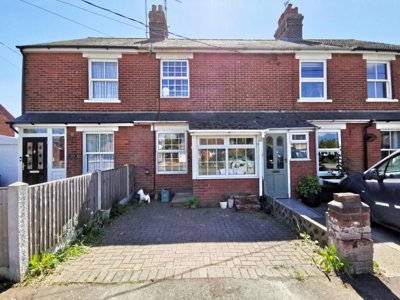
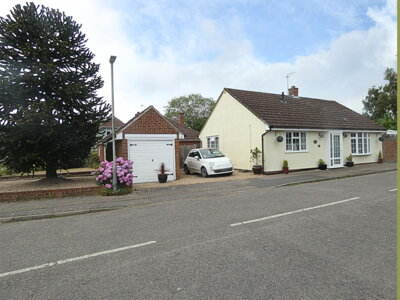
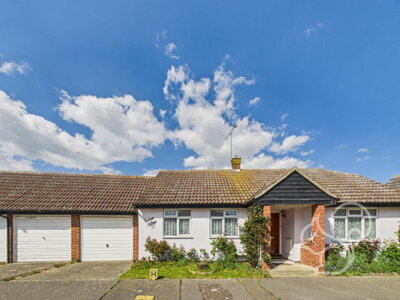
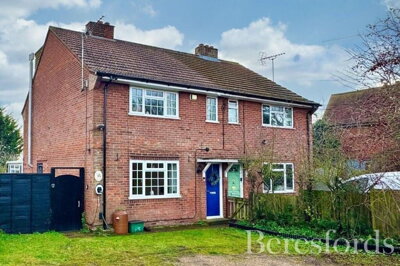
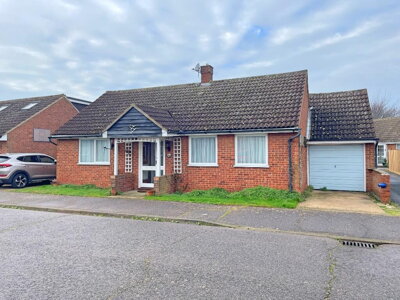
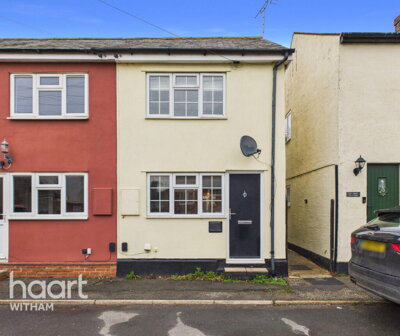
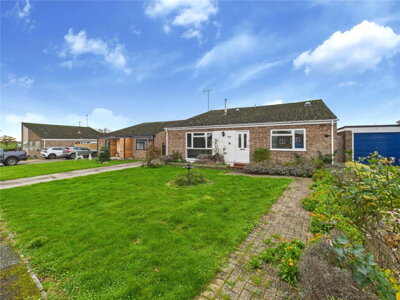
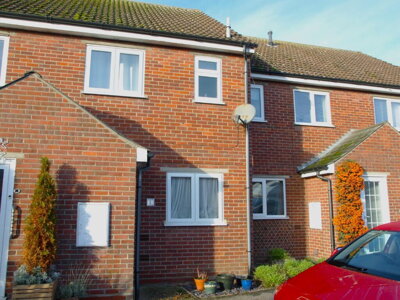
Browse 15 homes for sale in Great and Little Wigborough from local estate agents.
The 2 bed house market features detached, semi-detached, and terraced properties with two separate bedrooms plus living spaces. Properties in Great And Little Wigborough range from Victorian and Edwardian period homes to modern new builds, with pricing varying across different neighbourhoods.
Great and Little Wigborough is a small, low-volume market, so homes come up rarely, but they still draw strong prices. homedata.co.uk shows the wider Wigborough median at £700,000, detached homes at £725,000 from eight sales since 2018, and semi-detached properties at £380,000. In CO5 7RS, the average sale value is £725,000, which underlines how much location and house type matter across the parish.
Recent sales include The Oaks on School Lane, Great Wigborough, which went for £610,000 in May 2024, and 1 Hill Farm Cottages on School Lane, which also reached £610,000 in October 2023. The market moves slowly by nature, and the parish recorded zero sales in both 2024 and 2025, so every available home feels like a rare event. Homes on Peldon Road in Little Wigborough have averaged £610,000 in recent transactions, a sign that demand still holds in this tidal creekside setting. There are no new build developments within the parish boundaries, so buyers are looking at characterful period homes or carefully renovated barn conversions.
The 2023 figures put detached homes at a median of £700,000 after a single sale, while semi-detached properties sat at £380,000 in 2025. In CO5 7RS, prices were up 15.5% from the June 2019 transaction, although there have been no recent sales to test that level. Scarcity is the defining feature here, and buyers who succeed often wait years rather than months.

Great and Little Wigborough runs to the rhythm of the landscape, not shops or cafés. Salcott Creek lies close by, with wide salt marshes that draw birdwatchers through the year. The Blackwater Estuary, one of Essex's most important conservation areas, brings coastal walks, wildlife photography and long, quiet stretches of open ground. Farming still has a place, though on a smaller scale now, and work linked to wildlife conservation around nearby Abberton Reservoir gives a handful of residents employment.
According to census data, around 231 residents live in roughly 107 households. That is down from 246 in 2011, in step with the wider pattern of younger families moving where jobs and schools are easier to reach. The thin population is part of the appeal for people after a proper rural setting. There are no shops or pubs, so residents usually head to Colchester or Mersea Island for provisions, a small trade-off against the calm of this part of Essex.
Several landmarks shape daily life in and around the parish. St Stephen's Church in Great Wigborough, built from flint, septaria and rubble, shows medieval craftsmanship, while St Nicholas's Church in Little Wigborough uses stone rubble walls with limestone dressings. Abberton Reservoir supports wintering wildfowl and gives residents a place for ornithology and conservation interests. Wildlife tourism and environmental work tied to the reservoir are growing parts of the local economy, although agriculture still underpins employment across the wider area.

For families moving to Great and Little Wigborough, schooling is found in nearby villages and in Colchester. Local village primaries serve the surrounding area, and many parents choose homes by specific catchment zones. The historic market town of Colchester, about eight miles away, offers a wide mix of primary and secondary schools, including several with outstanding Ofsted ratings. Admissions rules vary, so it pays to check them closely, because catchment can change where children are admitted from this rural parish.
Secondary options in Colchester include the highly regarded Colchester Royal Grammar School, with entry through academic selection, plus a network of non-selective secondary schools across the wider area. Colchester also has several private schools with established reputations. Sixth form study is available in local secondary schools and at Colchester Institute, with A-level and vocational courses. For most families, the school run means transport arrangements or a modest commute, and they build that into everyday life without much fuss.
Because Great and Little Wigborough is so remote, parents should check school transport before they buy. Bus links to Colchester secondary schools run to limited timetables, so car sharing or parent driving is usually part of the plan for older children. Some families move closer to Colchester for the school years, while keeping their links with the village. That practical approach is common here, where village life and education need to sit alongside each other.

Road travel does most of the work here. Great and Little Wigborough sits about eight miles from Colchester and its mainline station, while the A12 dual carriageway gives relatively direct access towards Chelmsford and Greater London. The last stretch is along country lanes, so the commute to Colchester itself is often 20-30 minutes by car. Buses do run, but not often, so private cars remain the backbone of daily travel.
Colchester's mainline station runs regular services to London Liverpool Street, usually taking about 50 minutes to an hour, which keeps the capital within reach for occasional commuters. Stansted Airport is around 45 minutes to the north, and Harwich gives ferry access to continental Europe. Walkers and cyclists have a good network of public footpaths and quiet lanes, though many are narrow, so agricultural vehicles need space during busy times.
Approach roads into Great and Little Wigborough include several single-track lanes with passing places, so confident driving and patience matter, especially in peak agricultural season. School Lane and the nearby roads hold later 20th-century developments and self-build homes, marking the parish's more recent building phase. Drake's Corner forms another small pocket of later development, showing how the village has grown in a restrained way while keeping its rural feel. For daily commuters, mud, livestock crossings and poor lighting become part of the routine.

Before buying in Great and Little Wigborough, we would spend time in the parish at different times of day and across the week. Check flood risk for the Blackwater Estuary setting and look at Environment Agency maps for the individual property. Think through how the lack of local shops and services will affect day-to-day life. The parish lies within the Bradwell Safeguarding Zone, which can affect some property uses or future changes.
We suggest getting a mortgage agreement in principle before viewing properties, because it shows sellers you are serious. Detached homes here average over £725,000, so borrowing needs to line up with the local price point. Speak to a mortgage broker who knows rural Essex and can point you towards suitable products for period properties, many of which may have non-standard construction and need specialist lending.
Work with local estate agents who know Great and Little Wigborough well. With sales volumes so low, properties may not appear on the main portals straight away. We would view twice if we could, ideally in different weather, to judge flood risk and drainage, and we always arrange a RICS Level 2 survey before going any further. Our inspectors have experience with period homes across this area and understand the construction methods used locally.
Once an offer is accepted, we would instruct a conveyancing solicitor with rural Essex experience. Listed buildings, conservation areas and agricultural land boundaries call for specialist legal attention. The solicitor should look into flooding covenants, rights of way and any planning conditions, along with septic tank maintenance responsibilities and possible remediation costs.
After that, we finalise the mortgage, carry out the survey and work with the solicitor through exchange and completion. Many homes here are old, so a thorough RICS Level 2 survey is important for spotting structural concerns in period construction or subsidence risks from the heavy clay soil. Our surveyors use specialist damp meters and crack monitors when they inspect properties in the parish, and the resulting reports give a clear view of condition.
Age, geology and coastal exposure all matter in Great and Little Wigborough. The heavy clay soil under the parish brings genuine shrink-swell risk, the ground contracting in dry spells and swelling when wet, which can cause subsidence where foundations are shallow. Cracking, uneven floors or doors and windows that no longer close properly need proper investigation before purchase. Many older farmhouses and cottages were built with lime mortar and other traditional methods, so their upkeep is different from modern housing.
Flood risk is a major issue in this Blackwater Estuary location. Homes looking over salt marshes or beside creeks face a higher chance of tidal flooding, so insurance and day-to-day property management both need to reflect that. Check the Environment Agency's detailed flood maps and speak to current owners about any past incidents. There are 18 listed buildings in the parish, and planning restrictions limit what owners can change, so any alterations should be discussed with Colchester Borough Council planning department before purchase. Many properties use septic tanks rather than mains drainage, which means regular maintenance and the possibility of costly upgrades in coming years.
The building materials used here bring their own upkeep. Soft red bricks across the area are more porous than modern engineering bricks, so repointing with suitable lime mortar matters if period walls are to last. Essex boarding is handsome and traditional, but in this coastal setting it needs regular painting or treatment because salt air speeds up timber decay. Flint, septaria and rubble construction, as seen in the historic churches, reflect the local vernacular, although the uneven nature of those materials can make renovation awkward and their strength variable.

homedata.co.uk shows the wider Wigborough median at £700,000, based on recent sold data. Detached homes average £725,000, while semi-detached properties sit around £380,000. CO5 7RS is higher again at £725,000, and homes on Peldon Road have averaged £610,000 lately. Sales are so scarce, with zero transactions in 2024 and 2025, that every completion shifts the data and buyers may be searching for a long time before the right place appears.
Great and Little Wigborough falls under Colchester Borough Council. Council tax bands depend on each property, as the Valuation Office Agency assesses them individually. Because the parish includes period farmhouses, converted barns and newer self-build homes, the bands range across the full scale. Prospective buyers should check each property on the VOA website or via their solicitor during conveyancing, because age and type alone do not tell the whole story here.
Primary education is available in village schools across surrounding communities, and many families look towards nearby Colchester for schools with strong Ofsted ratings. Secondary options in Colchester include the academically selective Colchester Royal Grammar School, plus several non-selective schools. Check catchment areas before you buy, as these rural postcodes may sit outside preferred admission zones. Because Colchester is some distance away, parents should also look into school transport, since bus services run infrequently and may not fit every start time.
Bus services from Great and Little Wigborough are limited, so the parish leans heavily on private cars for everyday travel. Colchester railway station, about eight miles away, gives regular trains to London Liverpool Street in under an hour. For London commuters or anyone who needs regular rail access, being near Colchester matters more than living in the village itself. Stansted Airport is around 45 minutes to the north, and Harwich ferry port offers routes to continental Europe.
Property investment in Great and Little Wigborough is unusual because the area behaves more like a lifestyle market than a standard investment zone. Sales are so limited that homes rarely come up, yet prices stay firm when they do, helped by the rural setting, conservation status and lack of new build supply. Liquidity is extremely low, so the strongest fit is usually a family after a permanent rural base rather than an investment vehicle. CO5 7RS showed 15.5% price growth since 2019, although the shortage of transactions makes any trend reading shaky.
Stamp Duty Land Tax applies here at the standard England rates. Residential purchases pay nothing on the first £250,000, then 5% between £250,001 and £925,000. From £925,001 to £1.5 million the rate is 10%, and anything above that is charged at 12%. First-time buyer relief lifts the nil-rate threshold to £425,000, with 5% due between £425,001 and £625,000, although no relief applies above £625,000. On a typical detached home at £725,000, the bill comes to about £23,750 for standard buyers.
Great and Little Wigborough carries significant flood risk because of its position on the Blackwater Estuary and beside tidal creeks. Homes above salt marshes and in low-lying spots near the Blackwater River are especially exposed to tidal flooding. The parish also lies within the Bradwell Safeguarding Zone. Use Environment Agency maps to judge surface water flooding too, since heavy rain can pool when drainage is overwhelmed. Insurance can be harder to arrange and more expensive in flood-risk areas, so check availability and cost before you buy. Our surveyors always review these flood maps when they inspect properties in the parish.
Multiple designations shape planning in Great and Little Wigborough. There are 18 listed buildings within the parish, and that brings listed building consent requirements for external or structural work. Much of the land is also in Countryside Conservation area status, which adds another layer of planning scrutiny to development. Any proposed changes should be raised with Colchester Borough Council planning department well ahead of time. Homes built before 1900 can also bring different planning issues, and our team can advise on listed building requirements when we survey period properties.
🏠
Buying in Great and Little Wigborough brings extra costs beyond the purchase price, and Stamp Duty Land Tax is usually the biggest one. The England residential bands work the same way here, so a detached home at £725,000 would attract nothing on the first £250,000, then £12,500 on the next £250,000 and £11,250 on the remaining £225,000 at 5%, which totals £23,750. First-time buyers may still get relief, provided the price stays within the £425,000 nil-rate threshold.
🏠
Great and Little Wigborough sits in a niche, low-volume market, so sales are rare but prices stay firm. Our data shows the wider Wigborough median at £700,000, with detached homes averaging £725,000 across eight sales since 2018.
🏠
We arrange Energy Performance Certificates for every home for sale in Great and Little Wigborough. From £60
🏠
We handle specialist rural property conveyancing for listed buildings and conservation areas in Great and Little Wigborough. From £499
Buying in Great and Little Wigborough brings extra costs beyond the purchase price. Stamp Duty Land Tax is the main one, and the England residential bands apply in the usual way. On a detached home priced at £591,000, a buyer would pay nothing on the first £250,000, then £17,125 on the amount between £250,001 and £500,000, plus £4,550 on the remaining £91,000 at 5%, which makes £21,675 in total. First-time buyers may get relief if the property is priced within the £425,000 nil-rate threshold.
Survey costs matter in particular for period homes in Great and Little Wigborough, where many properties predate modern construction standards. A RICS Level 2 HomeBuyer Report usually comes in at between £400 and £600, depending on size and value, while older or non-standard construction can push that higher. Properties built before 1900 may see survey costs rise by 20-40%, and non-standard builds can add 15-30%. With the heavy clay soil and flood risk in this coastal spot, a thorough survey is valuable protection before purchase. Our surveyors have long experience of period properties across the parish.
For rural Essex properties with listed building or conservation area status, conveyancing fees usually start from around £500, with search fees, Land Registry fees and disbursements adding several hundred pounds more. Mortgage arrangement fees also need a place in the budget, and these vary by lender from nothing to £2,000. Where properties do not have mains drainage, septic tank surveys can add £300-500 to legal costs. Buildings insurance should be in place from exchange of contracts, and flood-risk coastal locations can push premiums above average. As a rule of thumb, set aside 3-5% of the property price for buying costs, leaving stamp duty separate because that depends on the price and the buyer's status.

Properties for Sale In London

Properties for Sale In Plymouth

Properties for Sale In Liverpool

Properties for Sale In Glasgow

Properties for Sale In Sheffield

Properties for Sale In Edinburgh

Properties for Sale In Coventry

Properties for Sale In Bradford

Properties for Sale In Manchester

Properties for Sale In Birmingham

Properties for Sale In Bristol

Properties for Sale In Oxford

Properties for Sale In Leicester

Properties for Sale In Newcastle

Properties for Sale In Leeds

Properties for Sale In Southampton

Properties for Sale In Cardiff

Properties for Sale In Nottingham

Properties for Sale In Norwich

Properties for Sale In Brighton

Properties for Sale In Derby

Properties for Sale In Portsmouth

Properties for Sale In Northampton

Properties for Sale In Milton Keynes

Properties for Sale In Bournemouth

Properties for Sale In Bolton

Properties for Sale In Swansea

Properties for Sale In Swindon

Properties for Sale In Peterborough

Properties for Sale In Wolverhampton

Enter your details to see if this property is within your budget.
Loans, cards, car finance
Estimated property budget
Borrowing + deposit
You could borrow between
Typical borrowing
Monthly repayment
Est. at 4.5%
Loan-to-value
This is an estimate only. Your actual budget may vary depending on interest rates, credit history, and personal circumstances. For an accurate affordability assessment, speak to one of our free mortgage advisors.
This calculator provides estimates for illustrative purposes only and does not constitute financial advice. Your home may be repossessed if you do not keep up repayments on your mortgage. Estimates based on 4.5% interest rate, repayment mortgage. Actual rates depend on your circumstances.
Homemove is a trading name of HM Haus Group Ltd (Company No. 13873779, registered in England & Wales). Homemove Mortgages Ltd (Company No. 15947693) is an Appointed Representative of TMG Direct Limited, trading as TMG Mortgage Network, which is authorised and regulated by the Financial Conduct Authority (FRN 786245). Homemove Mortgages Ltd is entered on the FCA Register as an Appointed Representative (FRN 1022429). You can check registrations at NewRegister or by calling 0800 111 6768.

We use cookies to show you personalised content and improve your experience of our website. Find out more in our Privacy policy and Cookie policy.