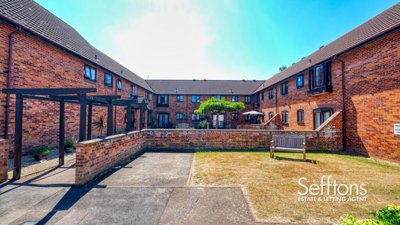
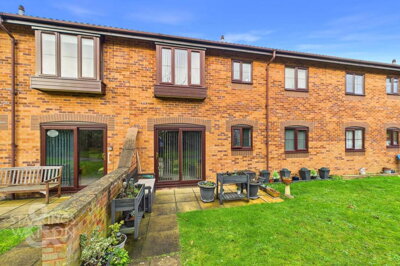
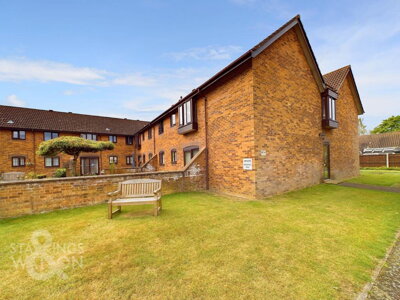
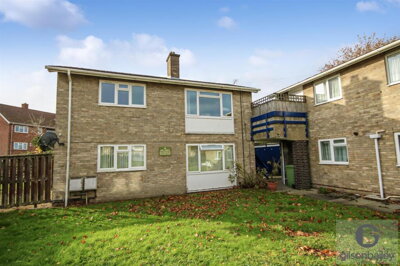
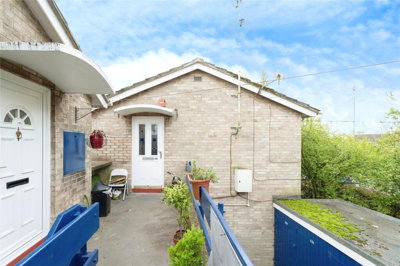
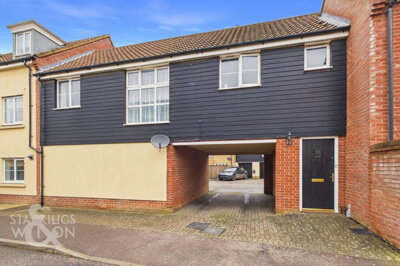
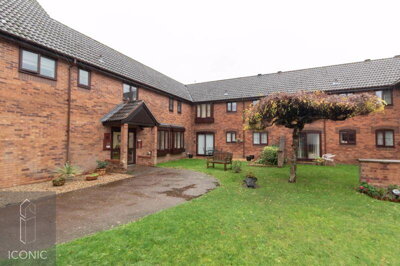
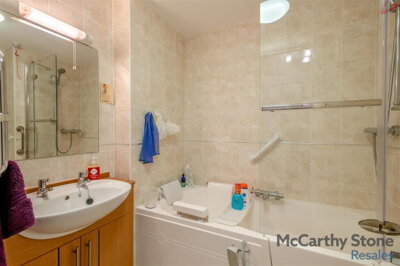
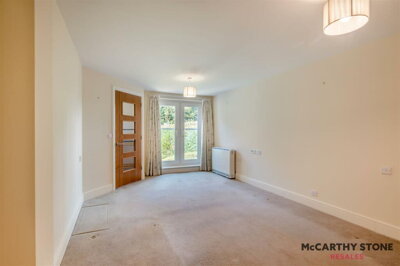
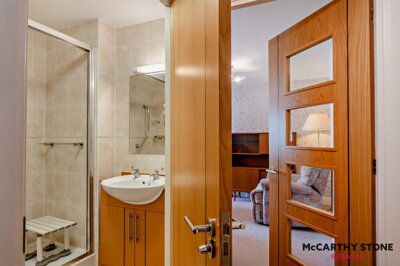
Browse 14 homes for sale in Great and Little Plumstead from local estate agents.
One bed apartments provide a separate bedroom alongside distinct living space, bathroom, and kitchen areas. Properties in Great And Little Plumstead are available in various building types including mansion blocks, contemporary developments, and house conversions.
Recent sold data points to a market that has come back from the highs of the past few years. In Great Plumstead, the average of £271,000 is well under the 2022 peak of £463,667, and in Little Plumstead the £288,395 average also sits below its 2023 high of £450,000. For buyers, that kind of reset can help, because it often leads to more grounded asking prices and gives more room to negotiate on homes that need work or have lingered on the market a bit longer.
Little Plumstead’s type mix offers a useful snapshot of what is turning up locally, with detached homes averaging £319,500, semi-detached homes £302,150 and terraced homes £215,125 over the last 12 months. We would treat the price trend as the firmer guide in Great Plumstead, because the supplied sales counts vary, but the wider picture still suggests an active parish market rather than a quiet backwater. There are also some new-build references in the wider NR13 area, including schemes mentioned near Great Plumstead and Little Plumstead, though the exact parish boundaries need checking before you rely on a postcode pin. If you are chasing a newer home, verify the location on the map, not only in the marketing description.

Great and Little Plumstead still feel like genuine village territory on Norwich’s eastern edge. People are drawn here for space, quieter roads and a setting that reads as more rural than urban, yet Norwich remains an easy drive away. We often see movers choose this part of Broadland because they want a home that feels tucked away while still needing practical access to shops, healthcare, leisure and employers in Norwich.
Most day-to-day routines here revolve around the wider Norwich area, not a big high street within the parish itself. That suits buyers who want a quieter base and do not mind travelling a little for larger supermarkets, rail connections or weekend plans. Around this side of Norfolk, the landscape also gives things a softer, greener character than denser parts of the city. That is a big reason village houses here appeal to families, retirees and hybrid workers. For anyone after a slower pace with a workable link to city life, this area usually earns a place on the shortlist.
Families searching here tend to compare catchments across Norwich’s eastern fringe, as the parish is small and the right fit often comes down to postcode. Primary and secondary choices around Norwich and the nearby Broadland villages are commonly part of the decision, so checking admissions maps before making an offer is time well spent. We would not assume anything about school places in this area, because one boundary line can alter the allocation even when 2 houses are on the same road.
Check Ofsted grades and admission rules again for the exact year you expect to move, especially with a child due to start reception or Year 7. Some buyers also weigh up sixth-form routes and FE options in Norwich, because those can shape longer-term family plans just as much as the nearest primary school. If education sits high on your list, narrow down the homes first, then test each address against current catchments before serious negotiations begin. It saves a lot of frustration later.

One of the biggest reasons buyers focus on this side of Broadland is the road access. Norwich is the main commuting hub, and the A47 corridor is the route many drivers use to cross Norfolk or connect with the rest of East Anglia. For people working in the city, it can feel much calmer than central Norwich without making the daily drive unreasonable.
For rail travel, most people head to Norwich station for services to London Liverpool Street and other regional destinations, which helps make the village workable for hybrid commuters. Bus links into Norwich are handy as well, although evening and weekend frequencies are worth checking carefully before committing to a home if you do not drive every day. Cyclists may enjoy some routes in daylight, but rural lanes can be narrow, darker and less forgiving after work, so we always suggest trying the journey at the time you would really travel. One more practical point, check parking on every viewing, because a peaceful village road does not always mean easy off-street space.
Get a mortgage agreement in principle sorted before viewing, then set a ceiling that also covers legal fees, surveys, removals and a modest repair fund.
On a map, Great Plumstead and Little Plumstead can look much the same, but the streets, access points and housing stock are not identical, so tie your shortlist to the exact part of the parish.
Walk the road. Check parking. Listen for traffic at different times, and see how close the house is to Norwich-bound routes, school runs and local services.
For many homes, a RICS Level 2 survey is the right starting point, particularly where the property is older, has been extended or already shows visible wear.
Local searches, title checks and replies to enquiries can all drag on, so once your offer is accepted we would instruct conveyancing straight away and keep the communication moving.
After the mortgage, survey and legal work are lined up, agree dates with care and get utilities, removals and insurance organised so moving day is easier to manage.
Village homes usually repay a careful inspection. The supplied research did not verify local flood, geology or conservation data for Great and Little Plumstead, which makes a survey particularly important if you are buying an older cottage, a converted house or anything with visible alterations. We would be checking roofs, brickwork, windows, drainage and any signs of movement, then asking how the property is heated and insulated, because those running costs matter in a home that feels both rural and spacious.
Leasehold flats are less usual in village locations, but they do come up from time to time, so service charges, ground rent and maintenance responsibilities need confirming before you commit. Freehold houses still need a proper check for shared drives, private road upkeep, boundary fences and access rights, especially on newer plots or homes backing onto open land. We also recommend asking about broadband speed, drainage arrangements, parking and any planned development nearby, because those everyday details can matter just as much as the asking price. And if the house sits on the parish edge, check that the marketing description matches the exact boundary.
With newer or semi-new homes, ask early about warranties, road adoption and estate charges. Those points can change the real monthly cost of owning the place. A house that looks affordable at first glance can turn expensive if hidden estate fees appear or a repair list lands after completion. That is where local knowledge helps, because the right property here is not only about the postcode, it is about how the house sits within the village fabric and the wider Norwich commute. A sensible viewing checklist can save money and stop a rushed call.

homedata.co.uk records show an average of £271,000 in Great Plumstead over the last year, compared with £288,395 in Little Plumstead. In Little Plumstead, detached homes averaged £319,500, semi-detached homes £302,150 and terraced homes £215,125, so property type clearly affects value. Great Plumstead was down 50% year on year and Little Plumstead was down 12%, pointing to a softer market than the recent peak. If you are buying here, we would compare pricing with other Norwich-edge villages, not only with central Norwich.
Council tax is set by the individual property, not by the village as a whole, so there is no single band covering Great and Little Plumstead. In the Broadland area, homes are usually assessed under the standard A to H system, and the exact band should be checked on the listing or through Broadland District Council records. Detached family houses often fall higher than smaller cottages or terraces, but that is only a broad pattern. Before you finalise a monthly budget, confirm the band, because it feeds directly into the true cost of ownership.
Your best option will depend on postcode and the year group your child needs, since catchments on the Norwich edge can shift. Families here often compare primary and secondary schools across Norwich and nearby Broadland villages, then check the current admissions map before moving ahead with offers. We would also read the latest Ofsted reports, because an older reputation does not always reflect the current picture. If schooling is central to the move, treat the home and the school as 1 decision, not 2 separate ones.
Think of the area first as a Norwich commuter spot, with convenience led by the road network and rail access picked up through the city. Norwich station is the key rail hub for journeys towards London Liverpool Street and regional destinations, while bus links into Norwich are useful for students and non-drivers. Timetables can thin out in the evening and at weekends, so check the service before depending on it. For many buyers, that balance is the real appeal, close enough to Norwich for daily life, but still distinctly village in feel.
As a long-term purchase, it can make good sense if what you want is steady village demand and solid access to Norwich. Recent sold data shows values have eased back from their peaks, which may open up room for buyers focused on value, but it also means short-term resale gains should be viewed realistically. This is usually the kind of area that suits owner-occupiers and patient investors more than quick-flip plans. If a future rental is part of the thinking, check local demand, parking and transport links with care.
For a main home bought at £271,000, a non-first-time buyer would face a standard stamp duty bill of £1,050, with the first £250,000 charged at 0% and the remaining £21,000 at 5%. At £288,395, the standard bill becomes £1,919.75 on the same basis. First-time buyers pay no stamp duty on either figure, because both remain below the £425,000 relief cap. If you already own another property, remember the 3% surcharge is added on top of the standard calculation.
The supplied research refers to some nearby or NR13-marketed schemes, but the snippets do not always make the exact parish boundary clear. So a development may be close to Great and Little Plumstead without actually sitting inside the parish. If a new-build is the aim, check the address, plot plan and map pin before reserving, then confirm any estate charges or warranty cover. A few minutes spent checking can stop you buying in the wrong part of the wider Norwich fringe.
Stamp duty in England currently follows the 2024-25 bands. Standard buyers pay 0% up to £250,000, then 5% from £250,000 to £925,000, 10% from £925,000 to £1.5 million and 12% above that. First-time buyers get relief up to £425,000, then pay 5% on the slice from £425,000 to £625,000, with no relief above £625,000. In practice, that leaves many village homes in Great and Little Plumstead in a fairly manageable bracket for buyers getting onto the ladder for the first time. If you are selling one home to buy another, we would still plan for the bill early, as it lands alongside legal and survey costs.
A non-first-time buyer paying around the Great Plumstead average of £271,000 would owe £1,050 in stamp duty, while buying at the Little Plumstead average of £288,395 would mean a bill of £1,919.75. Under the current relief rules, first-time buyers at either of those figures would pay no stamp duty at all. Anyone buying an additional property also needs to allow for the 3% surcharge, which lifts the final bill above the standard amount. We always encourage buyers to hold back extra cash for removals, insurance, searches and small repairs, because the purchase price is only one part of the real budget.
Properties for Sale In London

Properties for Sale In Plymouth

Properties for Sale In Liverpool

Properties for Sale In Glasgow

Properties for Sale In Sheffield

Properties for Sale In Edinburgh

Properties for Sale In Coventry

Properties for Sale In Bradford

Properties for Sale In Manchester

Properties for Sale In Birmingham

Properties for Sale In Bristol

Properties for Sale In Oxford

Properties for Sale In Leicester

Properties for Sale In Newcastle

Properties for Sale In Leeds

Properties for Sale In Southampton

Properties for Sale In Cardiff

Properties for Sale In Nottingham

Properties for Sale In Norwich

Properties for Sale In Brighton

Properties for Sale In Derby

Properties for Sale In Portsmouth

Properties for Sale In Northampton

Properties for Sale In Milton Keynes

Properties for Sale In Bournemouth

Properties for Sale In Bolton

Properties for Sale In Swansea

Properties for Sale In Swindon

Properties for Sale In Peterborough

Properties for Sale In Wolverhampton

Enter your details to see if this property is within your budget.
Loans, cards, car finance
Estimated property budget
Borrowing + deposit
You could borrow between
Typical borrowing
Monthly repayment
Est. at 4.5%
Loan-to-value
This is an estimate only. Your actual budget may vary depending on interest rates, credit history, and personal circumstances. For an accurate affordability assessment, speak to one of our free mortgage advisors.
This calculator provides estimates for illustrative purposes only and does not constitute financial advice. Your home may be repossessed if you do not keep up repayments on your mortgage. Estimates based on 4.5% interest rate, repayment mortgage. Actual rates depend on your circumstances.
Homemove is a trading name of HM Haus Group Ltd (Company No. 13873779, registered in England & Wales). Homemove Mortgages Ltd (Company No. 15947693) is an Appointed Representative of TMG Direct Limited, trading as TMG Mortgage Network, which is authorised and regulated by the Financial Conduct Authority (FRN 786245). Homemove Mortgages Ltd is entered on the FCA Register as an Appointed Representative (FRN 1022429). You can check registrations at NewRegister or by calling 0800 111 6768.

We use cookies to show you personalised content and improve your experience of our website. Find out more in our Privacy policy and Cookie policy.