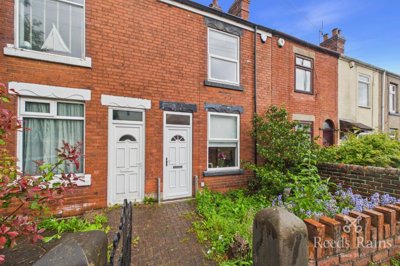
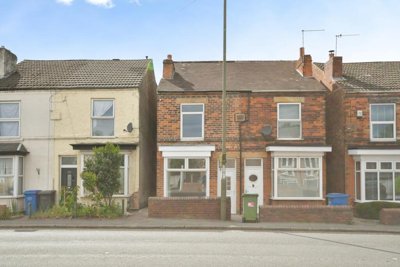
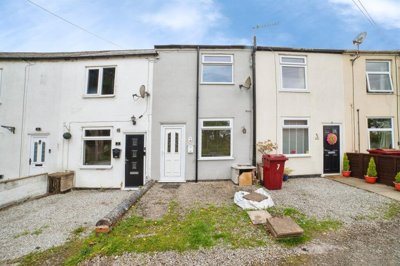
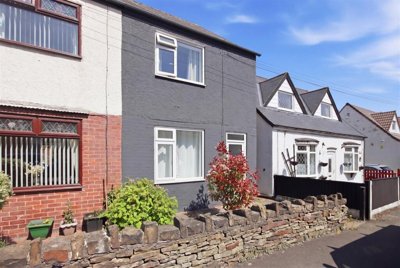
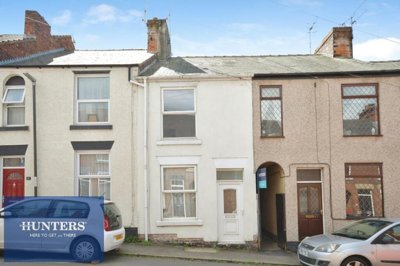
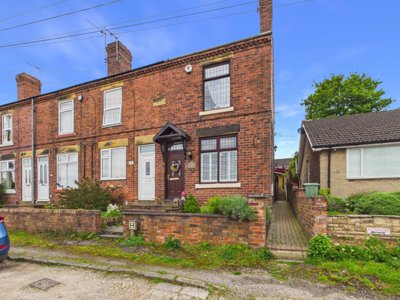
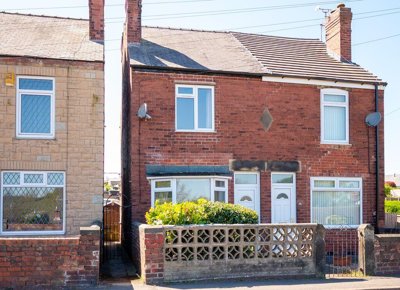
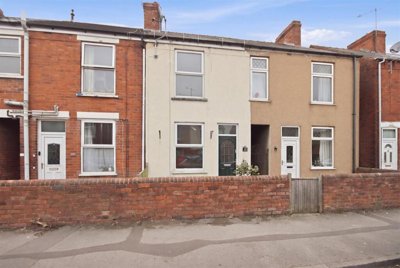
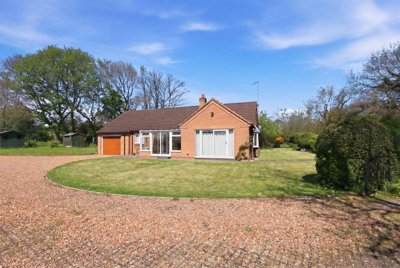
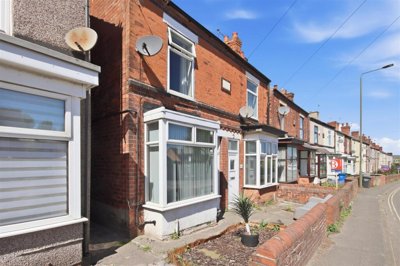
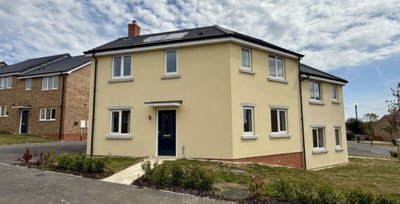
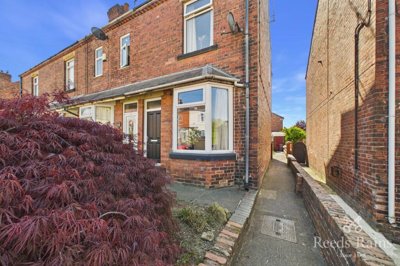
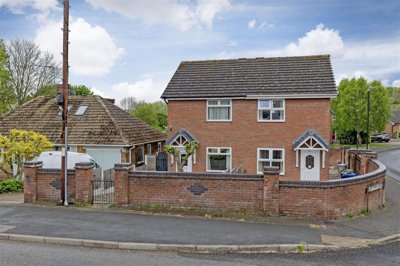
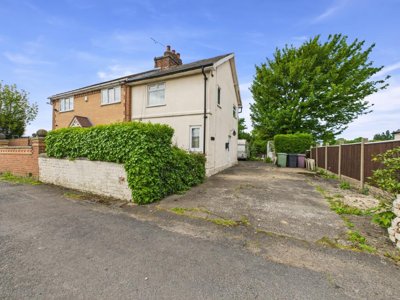
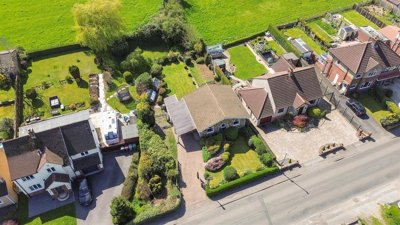
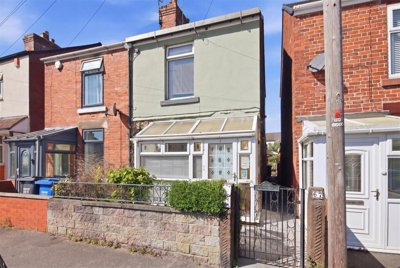
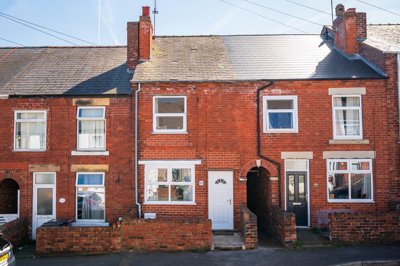
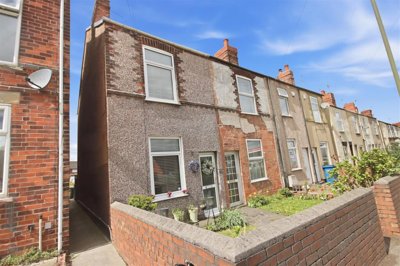
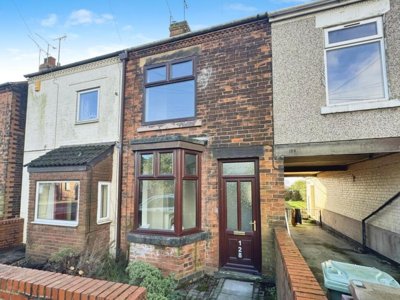
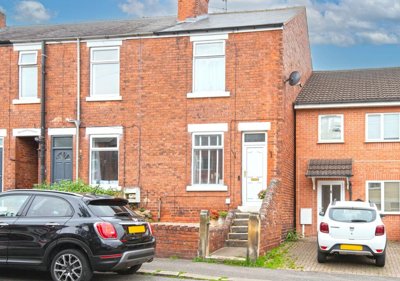
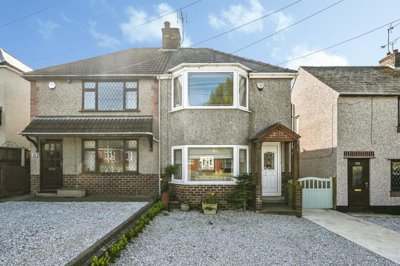
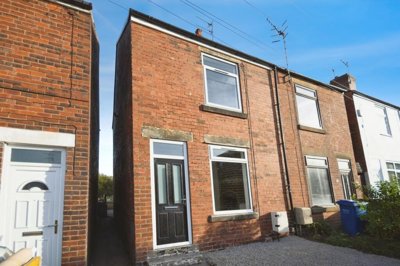
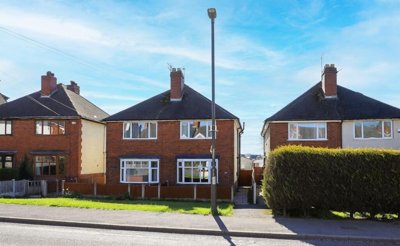
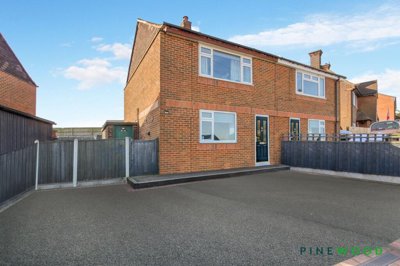
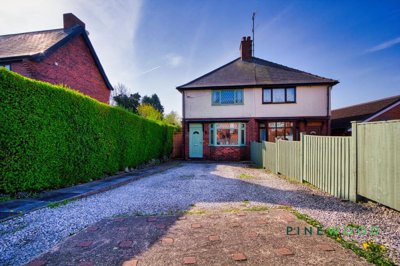
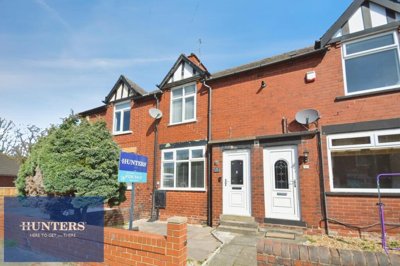
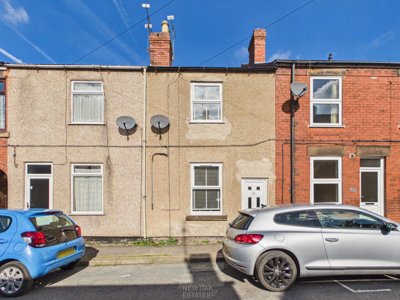
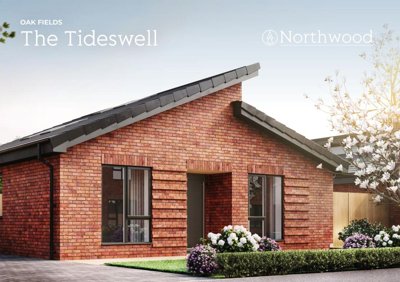
Browse 104 homes for sale in Grassmoor, Hasland and Winswick from local estate agents.
The 2 bed house market features detached, semi-detached, and terraced properties with two separate bedrooms plus living spaces. Properties in Grassmoor range from Victorian and Edwardian period homes to modern new builds, with pricing varying across different neighbourhoods.
homedata.co.uk records show that the local market is led by mid-priced family housing rather than premium stock, which keeps demand broad and competitive. Grassmoor’s average sold price sits at £200,456, while Hasland is close behind at £199,366, so both areas trade in a similar band. The most affordable homes in the research are terraces, with average sold values of £141,056 in Grassmoor and £137,679 in Hasland. That places many homes within reach of first-time buyers and upsizers who want more room without jumping into a major-city price bracket.
Detached homes form the top end of the local picture, and the figures show a clear step up for buyers who want a larger plot or extra bedrooms. In Grassmoor, detached homes average £283,455, while Hasland detached properties average £295,737, with semi-detached homes sitting between those levels and the terrace market. Our search data also suggests active supply remains healthy, with home.co.uk surfacing 726 properties in Grassmoor and 3,705 in Hasland, although Winswick is usually folded into wider Chesterfield results. No clearly verified new-build scheme was identified in the research, so most buyers will be comparing established homes rather than a large pipeline of fresh developments.

Grassmoor, Hasland and Winswick sit within North East Derbyshire, and the identity of the area is shaped by that settled, local feel. Winswick is often merged into the wider Chesterfield data set, so buyers should treat the whole search area as a small collection of connected neighbourhoods rather than a single town centre market. That gives the housing stock a more residential rhythm, with buyers comparing village-edge homes, family semis and older terraces in a relatively compact setting. For many movers, that mix is exactly what makes the area appealing, because it feels practical, familiar and easy to get to know.
Day to day life is helped by access to the wider Chesterfield area for shopping, services and leisure, while the local streets keep a more relaxed pace than larger urban centres. The research did not provide separate parish-level demographic figures, so the safest reading is that this is a mixed family market rather than a sharply defined apartment-led or student-led location. Green space, local roads and nearby amenities matter here, and many buyers will want a home that suits commuting, school runs and weekend life in one move. If you like a location where the market feels local and the property choice is varied, this part of North East Derbyshire deserves a proper look.
The research did not include a verified parish-by-parish school list, so buyers should check catchment maps before making an offer. In an area like this, school choice is often shaped by exact street location, transport routes and the current admissions round, which can change from year to year. Families usually look across the wider Chesterfield and North East Derbyshire school network for primary, secondary and post-16 options. That means it pays to speak to the local authority and read the latest Ofsted reports before you commit.
For parents, the most useful approach is to shortlist homes and schools together, rather than assuming a postcode will automatically deliver the right admissions route. If you need a sixth form or college option, the broader Chesterfield area gives the main local choice, and that can work well for older teenagers who travel independently. Buyers should also think about the journey to school in wet weather, after-school clubs and parking near the gate, since those small details matter more than many first-time purchasers expect. A home that seems perfect on paper can feel far less practical if the school run is awkward every day.

Transport is one of the strongest reasons buyers keep searching here, because the area sits within practical reach of Chesterfield and the wider Derbyshire road network. The research does not give a separate Winswick transport profile, so most buyers should judge commuting patterns using Chesterfield as the nearest reference point. Rail users will usually look towards Chesterfield station, while local bus services and road links connect the settlements with nearby shopping, employment and education hubs. That makes the area workable for buyers who want a quieter home base without giving up daily mobility.
Drivers should pay close attention to the exact route from the property to the main roads they use most, especially if they commute early or late. Parking can vary street by street, particularly on tighter residential roads, so it is worth checking how many cars the household needs to support. Cyclists may find the flatter local links useful for short trips, but the best route still depends on the home’s position within the parish boundary. For anyone who splits travel between Chesterfield, surrounding villages and the M1 corridor, a well-located home here can be a sensible fit.
Start by comparing Grassmoor, Hasland and Winswick separately, because the pricing and supply profile changes from one pocket to the next. Check whether the home is close to the route you use for work, school or shopping, and compare detached, semi-detached and terraced options so you know where value sits.
A mortgage agreement in principle makes your offer stronger and helps you move quickly when the right property appears. Use it to set a clear budget, then add in deposit, solicitor fees, survey costs and stamp duty where relevant.
Look beyond décor and check room sizes, storage, parking and garden use in real daylight. If the home is a flat or leasehold house, ask about service charges, ground rent and any planned works before you get emotionally attached.
Choose a conveyancer early so searches, contracts and enquiries can begin without delay. Local homes can move at different speeds depending on chain length and seller readiness, so good communication matters.
A RICS Level 2 Survey is often a sensible choice for standard homes, especially if the property is older or has visible wear. It can highlight defects that are not obvious on a viewing, including damp, roof issues and outdated electrics.
Once searches and checks are clear, you can exchange contracts and agree a completion date. Keep funds ready, confirm your removal plan and double-check meter readings so moving day runs smoothly.
Older houses in this part of North East Derbyshire can reward careful buyers, but they also need a sharper eye during viewings and surveys. Look at roof condition, guttering, pointing, damp marks, window seals and the state of any extensions, since small issues can add up if they have been ignored. If you are viewing a terrace or semi-detached home, ask about loft access, insulation and the age of the boiler, because those are common costs that change the real budget. A property that looks good on paper can still need meaningful work, so it pays to stay practical.
Flats and converted homes need a different checklist, especially around lease length, service charges, insurance and planned repairs. Where the title is leasehold, ask for the current accounts and find out how major works are paid for, since that can affect your monthly outgoings more than a mortgage rate change. Planning restrictions matter too, particularly if the home sits in a conservation setting or has been extended in the past, because window changes and future alterations may need consent. Buyers should also ask their solicitor to complete the usual environmental and local searches so flood, drainage and title issues are checked before exchange.

homedata.co.uk records show an average sold price of £200,456 in Grassmoor and £199,366 in Hasland over the last 12 months. Detached homes sit higher, at £283,455 in Grassmoor and £295,737 in Hasland, while terraced homes average £141,056 and £137,679. Winswick is often grouped into the wider Chesterfield market, so there is no separately verified average in the research. For buyers, that means the local market is best read as a mixed-value parish area rather than a single price point.
Council tax bands are set by the relevant local authority and depend on the individual home, not just the postcode. In a mixed area like this, bands can vary a lot between a terrace, a semi-detached house and a larger detached property. You should check the exact band in the listing or through the local council before you budget. That is especially useful if you are comparing two homes with similar asking prices but very different running costs.
The research did not provide a verified local school ranking, so the best approach is to check current Ofsted reports and admissions maps for the exact street you are considering. Families in this area usually compare schools across the wider Chesterfield and North East Derbyshire network, including primary, secondary and post-16 options. Catchment areas can change by address, so a school that looks close on a map may not be the one you can actually secure. If school access matters, shortlist the home and the school together before you make an offer.
The area is reasonably well connected for a settlement market on the edge of Chesterfield, with road access and local bus links feeding into the wider district. Rail commuters usually treat Chesterfield station as the main hub, since the research does not show a separate station profile for Winswick. Exact travel times vary by street, traffic and destination, so the best route should be checked from the property itself. For many buyers, that balance of local peace and practical connections is one of the main reasons to live here.
It can be, especially for buyers who want broad tenant or resale appeal rather than a highly speculative market. The local price spread is useful, because terraces and semis remain affordable while detached homes still offer family appeal at a lower entry point than many larger towns. Our data shows steady demand across the area, and the mix of house types means there is something for first-time buyers, upsizers and investors. As always, the best investment is the one that matches rental demand, maintenance costs and your exit plan.
For standard buyers, SDLT is 0% up to £250,000, 5% from £250,000 to £925,000, 10% from £925,000 to £1.5 million and 12% above that. First-time buyers pay 0% up to £425,000, then 5% from £425,000 to £625,000, with no relief above £625,000. On the local figures, many homes below £250,000 would not attract stamp duty for standard buyers, while a detached home around £295,737 would create tax of about £2,287. That makes it worth checking the threshold before you offer, because the tax bill can change your total budget quickly.
The research did not identify a clearly verified active new-build development in the area. That usually means buyers are choosing from established homes, older family houses and the occasional infill plot rather than a large estate of freshly released properties. If you want a new home specifically, it is worth checking the wider Chesterfield market as well. For many movers, the lack of a strong new-build pipeline simply shifts attention towards character homes and better plot sizes.
Start with your budget, then get a mortgage agreement in principle so you can move fast when the right property appears. After that, compare parking, garden size, room layout and the condition of the roof, windows and heating system. If the home is leasehold, ask about charges and remaining lease length before you fall in love with the décor. A careful first viewing saves time, money and disappointment later.
Stamp duty is one of the main costs buyers need to plan for, and the local price profile makes the thresholds especially relevant. Standard buyers pay 0% up to £250,000, then 5% on the slice from £250,000 to £925,000, which means many homes in this market will either sit below the tax line or only just cross it. First-time buyers have a wider 0% band up to £425,000, so a large share of homes in Grassmoor, Hasland and Winswick should still remain tax-light at the point of purchase. That matters when you are comparing a terrace at around £140,000 with a detached family house closer to £300,000.
Using the local averages, a typical Grassmoor or Hasland home around £199,000 to £200,000 would usually not trigger stamp duty for a standard buyer. A detached home at £283,455 would create a bill of about £1,672, while a detached home at £295,737 would create about £2,287, so bigger houses do move you into taxable territory. Beyond SDLT, buyers should also budget for solicitor fees, survey costs, mortgage valuation charges, moving costs and possible repairs after completion. If you are buying in this area, the cleanest way to stay in control is to secure finance early, compare the full cost of ownership and keep a buffer for the unexpected.
Properties for Sale In London

Properties for Sale In Plymouth

Properties for Sale In Liverpool

Properties for Sale In Glasgow

Properties for Sale In Sheffield

Properties for Sale In Edinburgh

Properties for Sale In Coventry

Properties for Sale In Bradford

Properties for Sale In Manchester

Properties for Sale In Birmingham

Properties for Sale In Bristol

Properties for Sale In Oxford

Properties for Sale In Leicester

Properties for Sale In Newcastle

Properties for Sale In Leeds

Properties for Sale In Southampton

Properties for Sale In Cardiff

Properties for Sale In Nottingham

Properties for Sale In Norwich

Properties for Sale In Brighton

Properties for Sale In Derby

Properties for Sale In Portsmouth

Properties for Sale In Northampton

Properties for Sale In Milton Keynes

Properties for Sale In Bournemouth

Properties for Sale In Bolton

Properties for Sale In Swansea

Properties for Sale In Swindon

Properties for Sale In Peterborough

Properties for Sale In Wolverhampton

Enter your details to see if this property is within your budget.
Loans, cards, car finance
Estimated property budget
Borrowing + deposit
You could borrow between
Typical borrowing
Monthly repayment
Est. at 4.5%
Loan-to-value
This is an estimate only. Your actual budget may vary depending on interest rates, credit history, and personal circumstances. For an accurate affordability assessment, speak to one of our free mortgage advisors.
This calculator provides estimates for illustrative purposes only and does not constitute financial advice. Your home may be repossessed if you do not keep up repayments on your mortgage. Estimates based on 4.5% interest rate, repayment mortgage. Actual rates depend on your circumstances.
Homemove is a trading name of HM Haus Group Ltd (Company No. 13873779, registered in England & Wales). Homemove Mortgages Ltd (Company No. 15947693) is an Appointed Representative of TMG Direct Limited, trading as TMG Mortgage Network, which is authorised and regulated by the Financial Conduct Authority (FRN 786245). Homemove Mortgages Ltd is entered on the FCA Register as an Appointed Representative (FRN 1022429). You can check registrations at NewRegister or by calling 0800 111 6768.

We use cookies to show you personalised content and improve your experience of our website. Find out more in our Privacy policy and Cookie policy.