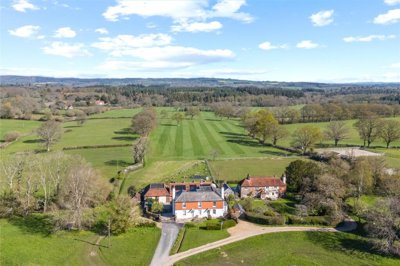
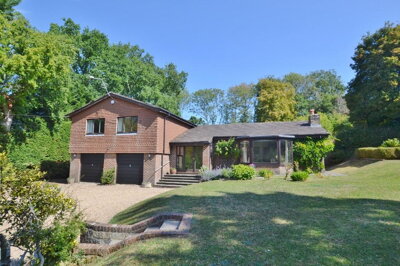
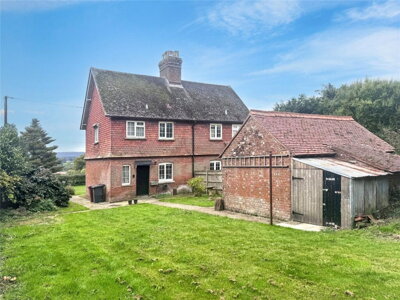
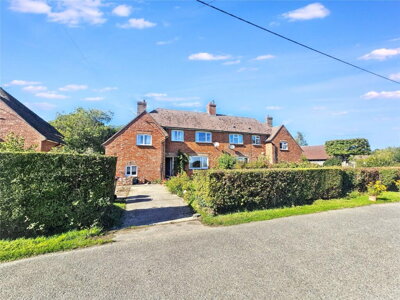
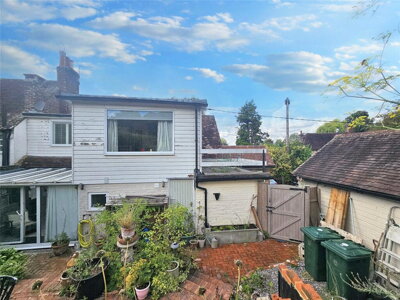
Browse 5 homes for sale in Graffham, Chichester from local estate agents.
Three bedroom properties represent a significant portion of the Graffham housing market, offering space for families with multiple reception rooms and gardens in many cases. Browse detached, semi-detached, and terraced options ranging from period character homes to contemporary developments.
£0k
0
0
0
Source: home.co.uk
Showing 0 results for 3 Bedroom Houses for sale in Graffham, Chichester.
Graffham is a small, characterful market where supply is usually tight, and most of the housing stock is made up of established homes. homedata.co.uk records show an average sold price of £693,333 over the last 12 months, which underlines that this is not a low-cost village, even before the pull of its National Park location is taken into account. In the GU28 0NS section of Graffham, detached homes account for around 75% of transactions, so family houses and country homes shape the market far more than flats or starter terraces.
Prices have not moved in a straight line across the village. In GU28 0NS, values have risen by 1.1% over the past year, while wider sold-price commentary for Graffham has been more mixed, which is common in a small market where one sale can shift the average sharply. Our live search suggests new-build choice within Graffham itself is very limited, so most buyers end up weighing existing homes, older cottages and carefully modernised detached properties instead. In that sort of market, condition, plot and position within the parish carry real weight.
What tends to lift one listing above another in Graffham is usually 1 of 3 things, generous land, period detail, or a setting that feels notably private. There has been past new-home activity in the village, but the market today is centred on established houses rather than large new-build schemes. Buyers who want a broader choice of new homes often have to look beyond the village boundary, while those drawn to Graffham’s historic feel usually see the existing stock as the real attraction.

There is a very definite South Downs feel to Graffham, a compact population, a strong local identity and a landscape that shapes daily life. The Conservation Area, together with the concentration of listed buildings, gives the centre a settled and historic look, while the surrounding countryside keeps the village open in visual terms and firmly rural. The Church of St James, which is Grade I listed, sits among cottages, former farmhouses and other buildings that show how the village has developed over a long period in a traditional Sussex pattern.
The built form is a big part of the village’s pull for buyers after something distinctive. Research into Graffham’s housing stock points to brick, roughcast and tiled roofs across older properties, with many homes likely dating from before 1945. That kind of age profile brings plenty of charm, but our team would always expect the usual checks that come with older homes, including damp, movement and the upkeep of traditional materials. In Graffham, the features that give a house its character are often the same ones that call for the most care.
Landscape matters here as much as property. Graffham sits within the South Downs National Park, and the Graffham Down Trust manages 31 hectares of nearby downland, which deepens the sense of a village shaped by its setting as much as by its houses. We see it as a place that suits buyers who value quiet roads, easy countryside access and a strong local identity. Not just a postcode.
Because Graffham is a small village, families usually need to think beyond the immediate centre and look at education across the wider Chichester and West Sussex area. The supplied research does not give a verified shortlist of local school ratings, so we would treat current admissions, catchments and transport as essential checks before committing to a purchase. That can matter more here than in a larger town, because school choice often shapes both day-to-day life and later resale appeal.
For admissions, West Sussex County Council is the main authority to check, and we would always verify primary and secondary catchments for the exact property being viewed. If children are part of the plan, it is worth looking closely at term-time travel, after-school provision and whether the route still works in winter. Rural homes can seem close to everything on a map, yet the school run may still depend on a car or a limited bus link.
Quite a few buyers also weigh up sixth-form and further-education choices across the wider Chichester area before they offer. That broader catchment mindset is part of life in Graffham, because the village trades on quiet living rather than a dense cluster of school buildings. If education sits high on the list, we would start with the school run and work backwards, since the right home here is often the one that works for the whole week, not only the weekend.

In transport terms, Graffham is really a car-led village, with countryside access first and public transport second. Its main strength is the road network, which links the parish with places such as Petworth, Midhurst and Chichester without pushing residents into a dense urban environment. For most buyers, that makes everyday travel fairly simple if they drive, and less convenient if they depend on trains and frequent buses.
Before buying, we would check public transport with care, especially where regular commuting or school travel matters. Rural bus services can be limited, and the village does not function as a rail hub, so many households organise journeys around a car rather than a timetable. If a mainline station is important, it helps to put parking, station access and peak-time travel on the viewing checklist instead of assuming the nearest station will be straightforward every day.
Cycling can be one of the pleasures of living here, simply because the surrounding lanes and the South Downs setting feel very different from an urban route. The compromise is obvious enough, rural roads are narrower, less predictable after dark and more exposed to the weather than city cycling routes. Buyers working from home for part of the week often find Graffham easier to make work than those facing daily peak-hour rail commuting, so we would match the budget to the real travel pattern rather than the ideal one.
Planning and ownership can be a little more exacting in Graffham than in a standard suburban market. The Conservation Area and the high number of listed buildings mean appearance, materials and permissions all matter more. If a property is listed, even small-seeming changes to windows, roof coverings, doors or extensions can need extra care and consent. That careful approach is part of what preserves the village’s traditional look.
With older village houses, our surveyors would be alert to damp, roof wear, timber decay and any signs of past movement. Graffham’s stock includes cottages and older detached homes with tiled roofs, roughcast and brick detailing, and those elements do not all age in the same way. In a rural setting, we would also ask about drainage, private access, septic tanks and whether any shared drives or boundaries operate under long-standing arrangements that are not obvious at first glance.
For many conventional homes in Graffham, a Level 2 Survey is a sensible place to start, though older, altered or listed properties can justify a more detailed inspection. That becomes more important where extensions, outbuildings or unusual construction have been introduced over time. When buyers are comparing 2 similar homes, the one with the clearer paperwork and the stronger maintenance record often proves the better-value purchase, even if the asking price is slightly higher.
Stamp Duty Land Tax needs to be in the budget here because the average sold price sits well above the main nil-rate threshold. For standard purchases in 2024-25, the rates are 0% up to £250,000, 5% from £250,000 to £925,000, 10% from £925,000 to £1.5 million, and 12% above that. On a home priced around the village average of £693,333, the standard SDLT bill works out at about £22,167 before any extra-home surcharge.
First-time buyer relief only runs up to £425,000, with 5% charged between £425,000 and £625,000, and no relief at all above £625,000. So, with the current Graffham average sitting above that cap, many first-time buyers here would end up paying standard rates rather than the reduced first-time buyer version. If the purchase is a second home or an investment property, extra SDLT rules can come into play, and we think it makes sense to check the full cost early rather than close to exchange.
Stamp duty is only part of the picture. Buyers also need room in the budget for survey fees, solicitor costs, mortgage fees, moving expenses and any repair work that needs doing straight away on an older village home. In Graffham, where character properties are common, we would usually ring-fence some funds for roof repairs, insulation upgrades, redecoration or drainage work, because those bills can show up quickly after completion.
A good first step is to compare Graffham’s different pockets, since homes close to the Conservation Area can behave differently from houses nearer the edge of the parish. We would look at the setting, parking, garden size and access to nearby roads, then weigh those against daily routine and longer-term plans.
Before booking serious viewings, we would get a mortgage agreement in principle lined up. Sellers and agents tend to take buyers more seriously when finances are already clear, and that matters in a market like Graffham where the most appealing homes can draw strong interest from lifestyle buyers.
At viewings, it helps to focus on the issues that matter most in a rural village, access tracks, signs of damp, outbuildings, roof age and any listed-building restrictions. We would also ask how the property relates to the Conservation Area and whether earlier alterations received the proper approvals.
A RICS Level 2 Survey is often a practical fit for many homes here, but older or heavily altered properties can call for a more detailed inspection. Graffham’s housing stock includes historic buildings and traditional construction, so a survey gives buyers a chance to spot repair costs before they are fully committed.
It pays to use a conveyancer who knows their way around older titles, rural boundaries and any planning or listing complications. We would want the solicitor to check every document carefully, including rights of way, drainage, covenants and anything affecting shared access or future works.
Once finance, searches and survey points are resolved, exchange and completion usually become much more straightforward because the total cost is clearer. We would still get removal dates, insurance and utilities organised early, as village properties often take a little more planning than a standard city move.
homedata.co.uk records show that the average sold price in Graffham over the last 12 months is £693,333. Within the village, the GU28 0NS pocket is estimated at £789,318, which points to some parts of Graffham sitting above the wider average. Detached homes make up around 75% of transactions in that postcode area, so larger country-style properties have a strong influence on the market. In a village this small, that kind of mix helps explain why prices can shift around quite sharply.
Council tax bands are set by the individual property, not simply by the village name, so we would always check both the listing and the local authority record for the exact home. Graffham sits within the wider Chichester district area, with West Sussex County Council also part of the billing structure. Older and larger country houses can fall into very different bands from smaller cottages, which means 2 nearby homes may carry very different annual bills. Best to confirm the band before an offer goes in.
The supplied research does not provide a verified school ranking list for Graffham itself, so we would check current admissions and Ofsted information for schools across the wider Chichester and Midhurst area. West Sussex County Council remains the best source for confirming catchment boundaries for the exact address in question. In a village as small as Graffham, school suitability often comes down as much to travel time and transport as it does to the school name. For that reason, we would match the property to the school run before finalising any shortlist.
Graffham is fairly well placed for road travel, but public transport is not where it is strongest. Most households will rely on a car for commuting, shopping and school runs, then link into larger towns and stations as needed. Bus services deserve a careful check because rural routes can be limited and less frequent than a map might suggest. If rail travel is part of the routine, we would include both station parking and journey time in the planning.
For long-term investment, Graffham can suit buyers looking for a scarce, character-led market rather than a high-turnover commuter town. homedata.co.uk shows an average sold price of £693,333, and the GU28 0NS area has risen by 1.1% over the past year. Limited new-build supply and the village’s Conservation Area status can help support long-term desirability, especially for buyers who place a premium on setting and period character. The trade-off is that resale may move more slowly than in a larger urban market, so this is usually a lifestyle-led investment.
On a property at roughly the village average of £693,333, standard 2024-25 stamp duty is about £22,167 before any additional-home surcharge. That figure is based on 0% up to £250,000 and 5% on the portion from £250,000 to £925,000. First-time buyer relief applies only up to £625,000, so a purchase at Graffham’s average price sits outside that cap. If the property is a second home, the final bill can be higher, so we would check the full amount with the solicitor or mortgage adviser.
Yes, we would usually see a survey as a smart move in Graffham because so many homes are older, traditional or set within conservation surroundings. A Level 2 Survey is often enough for a straightforward conventional house, but listed or heavily altered buildings may need a Level 3 survey for a closer look. Damp, roof wear, drainage and movement are all issues worth checking carefully in village properties. Spending money on a survey now can head off much larger repair costs after completion.
Properties for Sale In London

Properties for Sale In Plymouth

Properties for Sale In Liverpool

Properties for Sale In Glasgow

Properties for Sale In Sheffield

Properties for Sale In Edinburgh

Properties for Sale In Coventry

Properties for Sale In Bradford

Properties for Sale In Manchester

Properties for Sale In Birmingham

Properties for Sale In Bristol

Properties for Sale In Oxford

Properties for Sale In Leicester

Properties for Sale In Newcastle

Properties for Sale In Leeds

Properties for Sale In Southampton

Properties for Sale In Cardiff

Properties for Sale In Nottingham

Properties for Sale In Norwich

Properties for Sale In Brighton

Properties for Sale In Derby

Properties for Sale In Portsmouth

Properties for Sale In Northampton

Properties for Sale In Milton Keynes

Properties for Sale In Bournemouth

Properties for Sale In Bolton

Properties for Sale In Swansea

Properties for Sale In Swindon

Properties for Sale In Peterborough

Properties for Sale In Wolverhampton

Enter your details to see if this property is within your budget.
Loans, cards, car finance
Estimated property budget
Borrowing + deposit
You could borrow between
Typical borrowing
Monthly repayment
Est. at 4.5%
Loan-to-value
This is an estimate only. Your actual budget may vary depending on interest rates, credit history, and personal circumstances. For an accurate affordability assessment, speak to one of our free mortgage advisors.
This calculator provides estimates for illustrative purposes only and does not constitute financial advice. Your home may be repossessed if you do not keep up repayments on your mortgage. Estimates based on 4.5% interest rate, repayment mortgage. Actual rates depend on your circumstances.
Homemove is a trading name of HM Haus Group Ltd (Company No. 13873779, registered in England & Wales). Homemove Mortgages Ltd (Company No. 15947693) is an Appointed Representative of TMG Direct Limited, trading as TMG Mortgage Network, which is authorised and regulated by the Financial Conduct Authority (FRN 786245). Homemove Mortgages Ltd is entered on the FCA Register as an Appointed Representative (FRN 1022429). You can check registrations at NewRegister or by calling 0800 111 6768.

We use cookies to show you personalised content and improve your experience of our website. Find out more in our Privacy policy and Cookie policy.