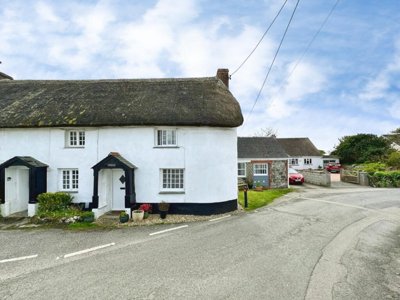
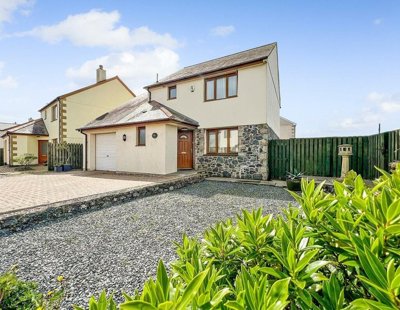
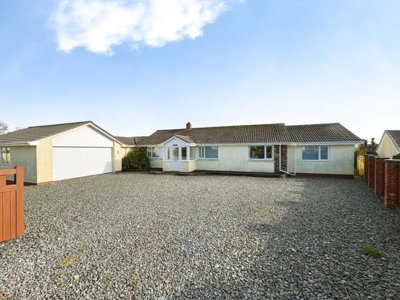
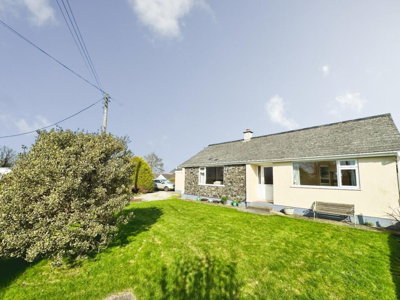
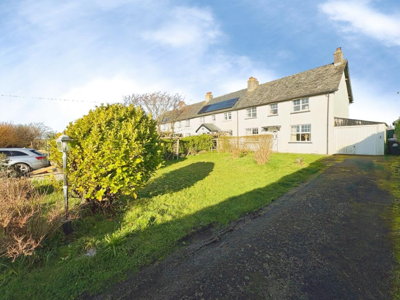
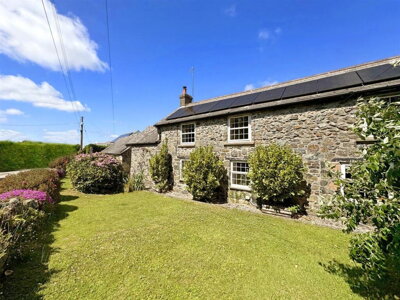
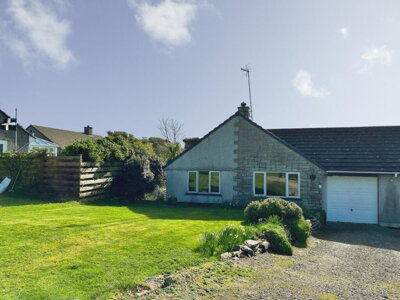
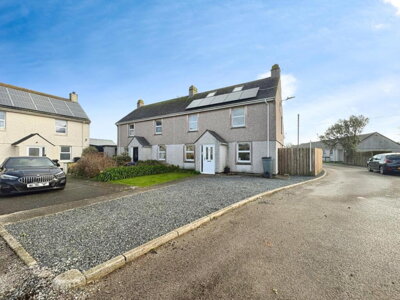
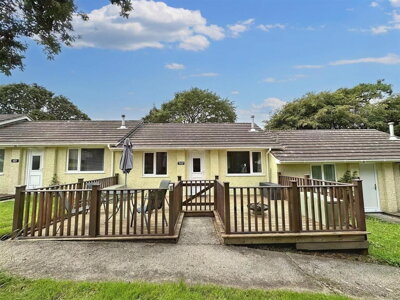
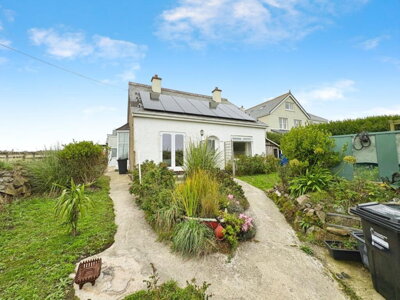
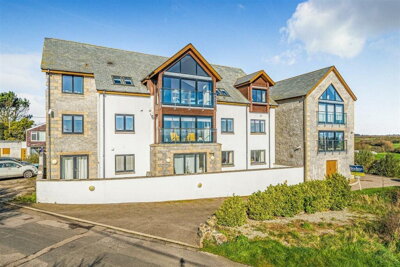
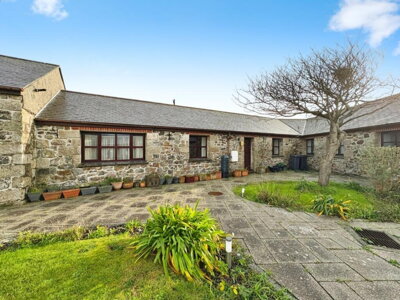
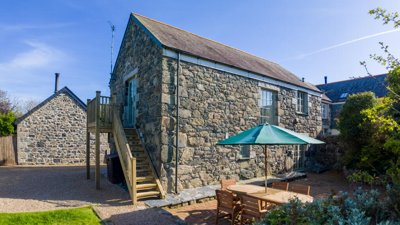
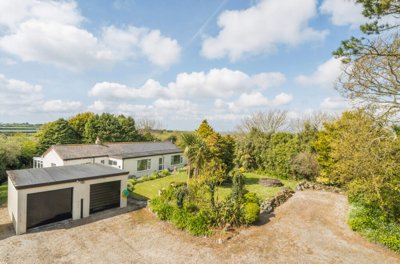
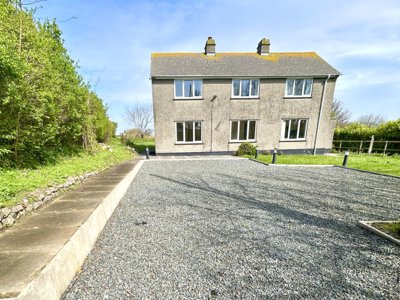
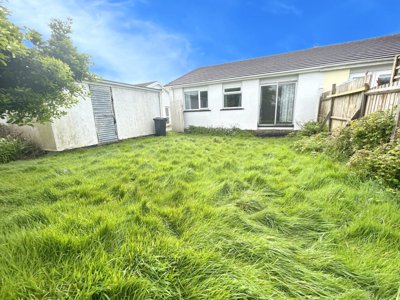
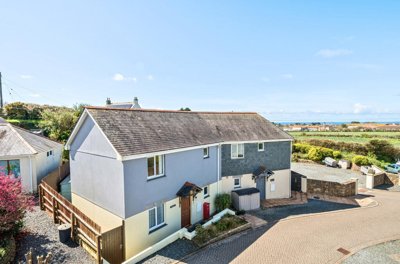
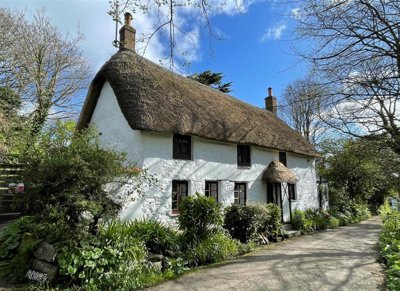
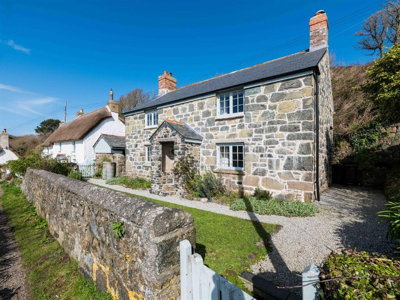
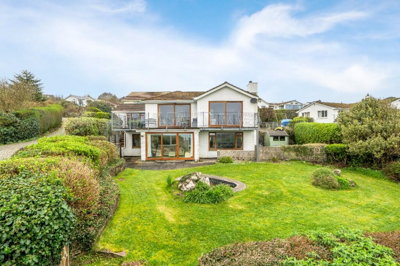
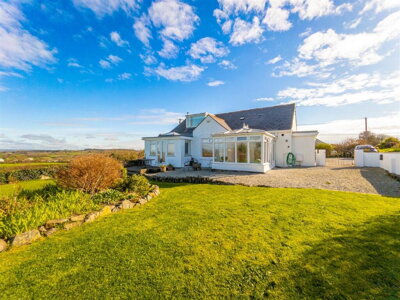
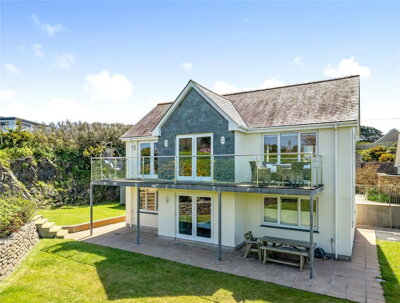
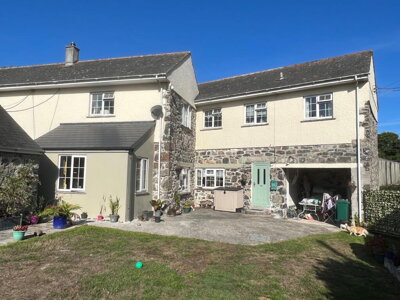
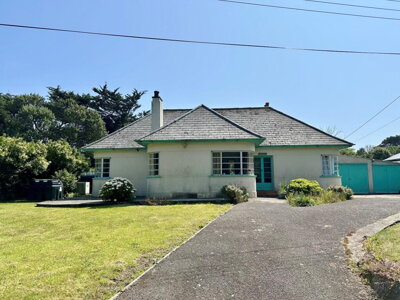
Browse 57 homes for sale in Grade-Ruan from local estate agents.
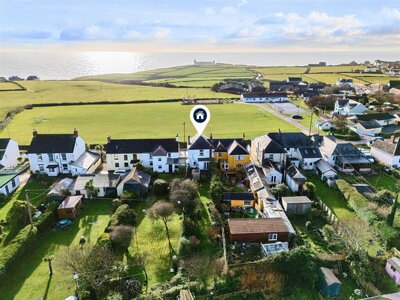
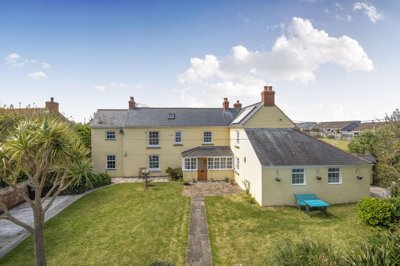
Grade-Ruan sits in the pricier end of the Cornish market, and the figures show it. Detached properties average £753,322, semi-detached homes are approximately £440,000, and flats average £325,000. Out of 201 parishes in Cornwall, the area ranks 87th most expensive, so it is clearly not a bargain-basement coastal choice. That said, semi-detached properties at around £440,000 give some buyers a more reachable route into the parish than the detached market. ---NEXT---
In Ruan Minor itself, the average sold house price is £558,993, which gives buyers a useful village-centre marker, particularly if they want local services close by. The latest recorded sale was £565,000 in October 2025, so there is still recent activity rather than a static market. Demand is helped by the AONB setting, older character homes, and the pull of a coastal way of life.
New build choice is limited, but one notable scheme is planned on the edge of Ruan Minor village. The Grade Ruan Community Land Trust is behind a development of 30 affordable homes, aimed at giving local buyers a realistic chance of staying in the community. The proposed mix is specific: five 1.5-bed bungalows, one two-bed bungalow, four one-bed flats, ten three-bed houses, nine two-bed houses, and one four-bed house.

Grade-Ruan Parish has 1,083 residents today, a long way up from just 677 inhabitants in 1961. Growth has been steady rather than sudden, with the population rising from 835 in 1981 to 1,070 in 2001. For many buyers, that gradual increase says as much about the lasting appeal of the Lizard Peninsula as any sales chart could.
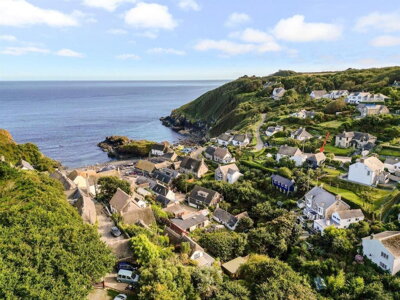
Ruan Minor is the main village, but the parish also takes in Cadgwith, the fishing port known for whitewashed rubble cottages, thatched roofs and a working harbour rather than a polished resort feel. Local buildings carry a very Cornish language of materials, with dark green serpentine stone and granite appearing in churches and old farmsteads. St Ruan Church, built in the thirteenth century, is one of the clearest examples of that medieval local craftsmanship.
Cadgwith is still shaped by fishing, tides and the daily catch, not just by visitors looking at the harbour. The Grade Ruan Community Land Trust also says a lot about the parish, since affordable housing for local residents is being treated as part of the community’s future rather than an afterthought. All of Grade-Ruan lies within the Cornwall Area of Outstanding Natural Beauty, so the lanes, fields and coastal scenery are protected in a way buyers need to understand from the start.

For families, schooling usually means looking across the surrounding Lizard Peninsula for primary places, then towards nearby towns for secondary education. Local primary schools are valued for smaller class sizes and close community links, which fits the village feel of Grade-Ruan. Grammar school options sit within the wider Cornwall region, where selective schools with strong academic records may be part of the discussion for some households.
Several Lizard Peninsula primary schools are well regarded by Ofsted, including options in Mullion and nearby villages within a short journey of Grade-Ruan. These are not large anonymous schools, which is part of their appeal. Manageable class sizes often mean teachers know pupils and families well, and that matters in small communities.
Sixth form and further education usually take students towards Helston or Truro. Truro College offers a broad spread of vocational and academic courses, while Helston Community College provides sixth form provision for students from the Lizard Peninsula. Because the community is close-knit, schools tend to build direct relationships with families and can give more personal support as children move through their education.

Transport from Grade-Ruan reflects its rural peninsula setting. Redruth is the nearest railway station, approximately 30 miles away, with direct services to Plymouth, Exeter, and London Paddington. Redruth to London takes around four and a half hours by train. Closer to home, the 34 bus service links the Lizard Peninsula with Helston and then Camborne-Redruth, which is an important route for residents without a car.
The A3083 is the main road through the peninsula, taking traffic from Grade-Ruan towards Helston and the wider north coast road network. In practical terms, Helston is where many residents go for everyday shopping, healthcare and banking. By car, the journey to Helston is approximately 20 minutes, while Truro is around 45 minutes for larger city services.
Commuting to Truro takes approximately 45 minutes by car, so many Grade-Ruan residents either work locally, work remotely, or accept longer journeys as the price of living on this part of the coast. The ferry service from Coverack to Helford River gives a scenic option for exploring the wider area rather than a standard commuter route. Royal Naval Air Station Culdrose provides employment for some local people, and remote working has made Grade-Ruan more realistic for professionals who want a better balance between work and coastal life.

Buying an older home here means getting to grips with how Grade-Ruan was built. In Cadgwith, historic cottages often have whitewashed rubble walls, traditionally built without mortar and later finished with lime-based plaster. These walls need to breathe, and they behave very differently from modern cavity walls, especially around thermal mass and moisture. The thatched roofs add huge charm, but they also call for specialist care, budgeting and sensible inspection.
St Ruan Church shows off dark green serpentine stone, the distinctive ophiolite rock associated with the Lizard Peninsula. That greenish tone appears in other historic buildings and farmsteads around the parish too, often alongside granite. Any property built from serpentine stone or granite should be checked for deterioration, particularly where salt spray can speed up weathering. Our surveyors know these Cornish materials and can spot problems linked to traditional stone construction.
Many homes in Grade-Ruan date from the seventeenth and eighteenth centuries, so buyers should not expect them to perform like recent builds. Cob construction appears in some older properties, with earth and clay mixed with straw to form walls. Moisture management is the key issue with cob, and poor modern repairs can do harm. Knowing this helps buyers enjoy the character while taking the maintenance responsibilities seriously.
Use Homemove to explore properties online, then back that up with local viewings across Ruan Minor, Cadgwith and the smaller pockets of the parish. The feel changes from the harbour at Cadgwith to the services around Ruan Minor village, so it is worth comparing them on the ground. Older homes, listed buildings and conservation area controls need early research, especially if renovation is part of your plan. Spending time here in different seasons also gives a better sense of the coastal climate and daily life.
Speak to a mortgage broker and get an agreement in principle before serious viewing starts. With detached prices averaging around £753,322, having finance lined up can make a difference when a good coastal property attracts more than one buyer. A broker used to Cornwall property can also help with non-standard construction, listed homes and other issues that mainstream lenders sometimes query. ---NEXT---
Viewings are best done in more than one set of conditions, not just on a bright still afternoon. Visit at different times of day and, if possible, in poorer weather, so you can judge light, access, exposure and any signs of water ingress. Ask about tenure, service charges where relevant, roof age and past repairs. For thatched properties, a specialist roof inspection is sensible because maintenance can be expensive.
Because so many Grade-Ruan homes are old, with numerous buildings from the seventeenth and eighteenth centuries, a proper survey is not an optional extra. A Level 2 survey typically costs between £400 and £1,000 and can flag damp, timber defects, outdated electrics and structural concerns often found in period property. For listed buildings, or especially old and altered homes, a Level 3 Building Survey may be the better choice. ---NEXT---
A conveyancing solicitor with Cornwall experience is particularly useful here, especially for conservation area homes or listed buildings. Our team would expect local searches, land registry checks and the legal transfer of ownership to be handled carefully through to completion. In Cornwall, searches can include mining records and environmental checks, which matter because of the county’s mining heritage.
After the searches are clear and the mortgage offer is in place, the next stage is exchange of contracts and payment of the deposit. Completion usually follows within 2-4 weeks. Then the keys are released, and the move to Grade-Ruan and the Lizard Peninsula becomes real.
Period property is a major feature of the Grade-Ruan market, with many homes dating back to the seventeenth and eighteenth centuries. On viewings, thatched roofs deserve close attention, since repair or replacement can be costly and needs specialist trades. Cadgwith’s whitewashed rubble cottages also need the right materials and repair methods, not hard modern fixes that trap moisture. Ask for paperwork on any recent roof work, then allow for possible re-thatching costs in your figures.
Damp is one of the more common findings in older Grade-Ruan homes, especially where the building predates modern damp-proof courses. Rising damp, penetrating damp from wind-driven rain and condensation can all appear in coastal period property. Tide marks, peeling wallpaper, musty smells and warped skirting boards are all warning signs. A RICS Level 2 survey should identify the type and extent of damp and set out recommended remedial work.
Coastal buyers also need to think about flood risk, as the eastern boundary of the parish meets the sea, and shoreline properties can be affected by coastal erosion. The Area of Outstanding Natural Beauty designation brings planning restrictions, and permitted development rights may be narrower than buyers expect. Before planning works, speak to Cornwall Council’s planning department, because conservation area rules can affect alterations, extensions and even external paint colours.
Listed status is not unusual in Grade-Ruan, with Grade I and Grade II buildings across the parish, including Kinsale, Clifton Cottage, and Erisey Manor House. Buying a listed home brings extra duties as well as charm, because external or structural changes need Listed Building Consent. Build that into both your plans and your budget. The protection can feel restrictive, but it is also part of why these buildings have kept their character.

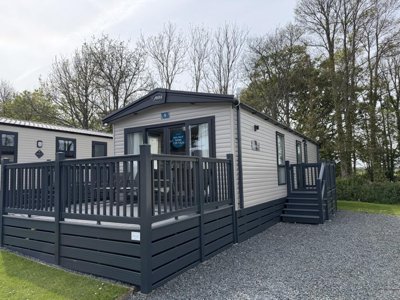
Detached properties in Grade-Ruan Parish average £753,322, semi-detached homes around £440,000, flats approximately £325,000, and caravan properties £68,950. The parish is the 87th most expensive out of 201 parishes in Cornwall, while Ruan Minor itself averages £558,993. Over the past decade, 662 properties have changed hands, showing sustained demand rather than occasional activity. The latest recorded sale was £565,000 in October 2025, which points to movement continuing in this coastal market. ---NEXT---
Cornwall Council, based at its Truro headquarters, administers council tax for Grade-Ruan. Most parish homes sit in bands A through D, with smaller period cottages and terraced homes often in band A or B, and larger detached properties, particularly those with sea views or land, higher up the scale. Check the band on the individual property listing or contact Cornwall Council directly before budgeting. Band A properties currently pay less than half of band D charges annually.
Schools are part of the appeal for many Grade-Ruan families, with several Lizard Peninsula primary schools offering small class sizes and strong community involvement. For secondary education, pupils commonly travel to Helston, including Helston Community College, which also has sixth form provision. Further education is usually found in Truro, where vocational and academic course choice is wider. Parents should check current Ofsted ratings and catchment areas with the schools themselves, as both can change and may affect admissions.
Local bus routes serve Grade-Ruan, including the 34 service linking the Lizard Peninsula with Helston at regular intervals through the day. Redruth is the nearest railway station, approximately 30 miles away, with onward links to major cities including London Paddington and a journey time of around four and a half hours. Many residents still rely on private transport because of the rural peninsula location. For leisure trips, the ferry from Coverack to Helford River is a scenic alternative, while the A3083 is the main road route through the peninsula towards the A39 and the rest of Cornwall.
Grade-Ruan works for both owner-occupiers and investors, but it is not a simple numbers-only market. Its position inside the Cornwall Area of Outstanding Natural Beauty gives the local environment long-term protection, while Cadgwith, St Ruan Church from the thirteenth century, and listed Grade I and Grade II properties help underpin demand. The Grade Ruan Community Land Trust’s affordable housing scheme also shows an active local approach to growth. Conservation area homes and listed buildings can hold value well, although maintenance and planning costs need to be included when assessing returns.
For standard purchases, stamp duty is charged at 0% on the first £250,000, 5% from £250,001 to £925,000, 10% from £925,001 to £1.5 million, and 12% above £1.5 million. First-time buyers pay 0% on the first £425,000, then 5% from £425,001 to £625,000, with normal rates above that threshold. With average detached prices at £753,322, many buyers fall into the standard rate category, where stamp duty would be approximately £25,166 on the portion above £250,000. For first-time buyers within the relief rules, the same typical Grade-Ruan detached purchase could reduce the bill to £16,416. ---NEXT---
Grade-Ruan’s eastern boundary meets the sea, so homes in Cadgwith and along the shoreline need careful checks for flood and coastal erosion risk. Environment Agency flood zone maps should be picked up through conveyancing searches, and our team would expect the solicitor to review them closely. The Lizard Peninsula often benefits from good natural drainage because of the underlying geology, but cliff-top and beach-accessible properties still deserve extra scrutiny. Sea exposure, salt spray and traditional construction can combine to create defects that only a thorough survey is likely to pick up.
Like many coastal parts of Cornwall, Grade-Ruan has felt concern over second homes and holiday lets pushing against local affordability. At present, there are no specific legal restrictions on buying a property as a second home in Cornwall, although future government legislation could alter that position. The Community Land Trust scheme is one local response, aiming to provide affordable homes for people who might otherwise be priced out by holiday let demand. Buyers should be aware that small communities such as Grade-Ruan often place real value on full-time neighbours who support village life and local services.
Several defect patterns come up again and again in Grade-Ruan, partly because many buildings date to the seventeenth and eighteenth centuries. Rising damp is common where there is no modern damp-proof course, and penetrating damp can occur when traditional mortar has deteriorated. Thatched roofs may suffer ridge wear, straw degradation and storm damage. Timber defects such as woodworm and wet rot are also seen where moisture has affected old timbers over time. Outdated electrical wiring is another frequent survey finding, with some older properties needing upgrades to meet current regulations. A RICS Level 2 survey gives you a clearer view of these risks and the likely remedial work before you commit to completion.
Budgeting for Grade-Ruan means looking beyond the agreed purchase price. Stamp duty land tax is based on the property value, with standard rates starting at 0% on the first £250,000. On a typical detached property averaging £753,322, a non-first-time buyer would pay approximately £25,166, calculated at 5% on the £503,322 above the threshold. That is a large enough sum to plan for from the very beginning. ---NEXT---
First-time buyers get higher thresholds, paying 0% on the first £425,000, so the same £753,322 property would attract £16,416 in stamp duty. These rules apply to residential purchases only and can change in government budgets. It is sensible to check the current rates near the time of purchase, especially around autumn statements or spring budgets when the Chancellor may announce changes. For first-time buyers entering Grade-Ruan, the higher threshold can make a noticeable difference. ---NEXT---
Other buying costs can include conveyancing solicitor fees of £500-£1,500, mortgage arrangement fees of 0-1% of the loan amount, £400-£1,000 for a Level 2 home buyer report, and removals, which vary by distance and volume. In Grade-Ruan, allow for the possibility of higher survey costs because many homes are older, some may need thatched roof inspections, and listed building issues can require specialist advice. Traditional construction has real appeal, but our view is simple: thorough surveys are money well spent.

From 4.5% APR
Compare mortgage deals from leading lenders
From £499
Expert property solicitors for your purchase
From £400
Thorough inspection for traditional properties
From £60
Energy performance certificate
Properties for Sale In London

Properties for Sale In Plymouth

Properties for Sale In Liverpool

Properties for Sale In Glasgow

Properties for Sale In Sheffield

Properties for Sale In Edinburgh

Properties for Sale In Coventry

Properties for Sale In Bradford

Properties for Sale In Manchester

Properties for Sale In Birmingham

Properties for Sale In Bristol

Properties for Sale In Oxford

Properties for Sale In Leicester

Properties for Sale In Newcastle

Properties for Sale In Leeds

Properties for Sale In Southampton

Properties for Sale In Cardiff

Properties for Sale In Nottingham

Properties for Sale In Norwich

Properties for Sale In Brighton

Properties for Sale In Derby

Properties for Sale In Portsmouth

Properties for Sale In Northampton

Properties for Sale In Milton Keynes

Properties for Sale In Bournemouth

Properties for Sale In Bolton

Properties for Sale In Swansea

Properties for Sale In Swindon

Properties for Sale In Peterborough

Properties for Sale In Wolverhampton

Enter your details to see if this property is within your budget.
Loans, cards, car finance
Estimated property budget
Borrowing + deposit
You could borrow between
Typical borrowing
Monthly repayment
Est. at 4.5%
Loan-to-value
This is an estimate only. Your actual budget may vary depending on interest rates, credit history, and personal circumstances. For an accurate affordability assessment, speak to one of our free mortgage advisors.
This calculator provides estimates for illustrative purposes only and does not constitute financial advice. Your home may be repossessed if you do not keep up repayments on your mortgage. Estimates based on 4.5% interest rate, repayment mortgage. Actual rates depend on your circumstances.
Homemove is a trading name of HM Haus Group Ltd (Company No. 13873779, registered in England & Wales). Homemove Mortgages Ltd (Company No. 15947693) is an Appointed Representative of TMG Direct Limited, trading as TMG Mortgage Network, which is authorised and regulated by the Financial Conduct Authority (FRN 786245). Homemove Mortgages Ltd is entered on the FCA Register as an Appointed Representative (FRN 1022429). You can check registrations at NewRegister or by calling 0800 111 6768.

We use cookies to show you personalised content and improve your experience of our website. Find out more in our Privacy policy and Cookie policy.