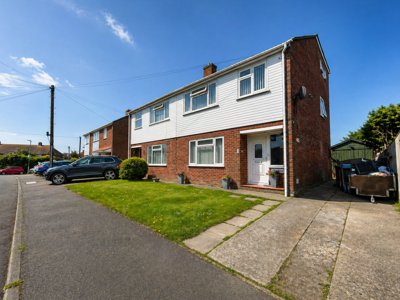
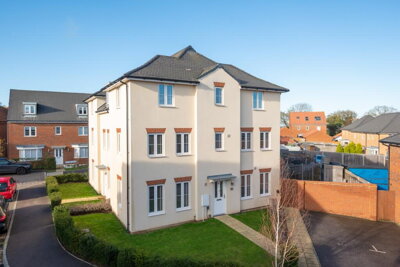
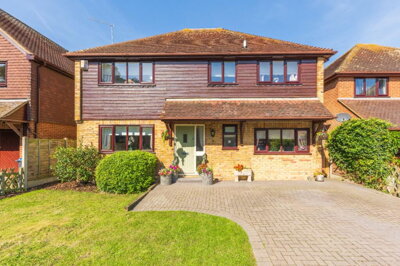
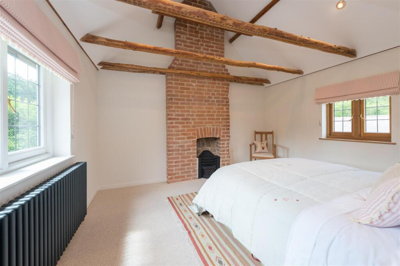
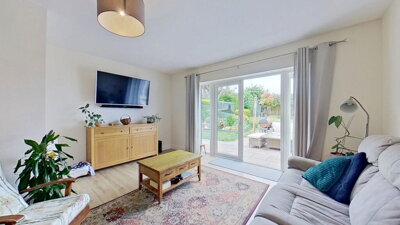
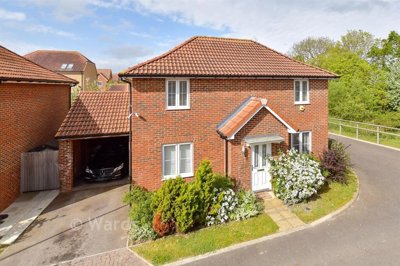
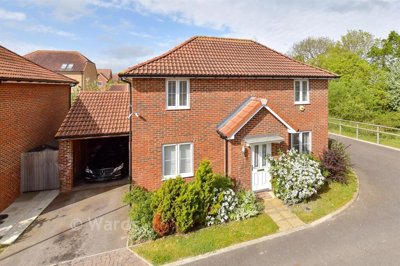
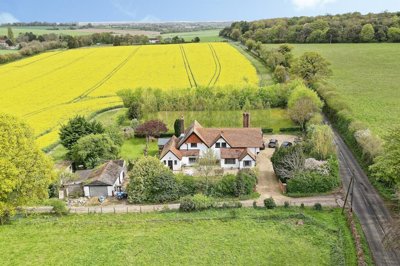
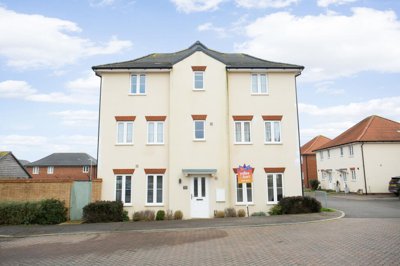
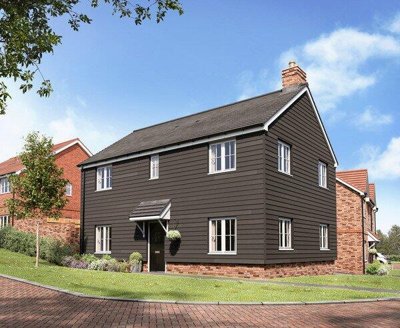
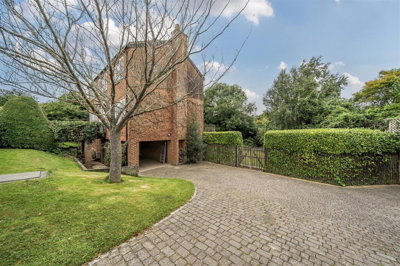
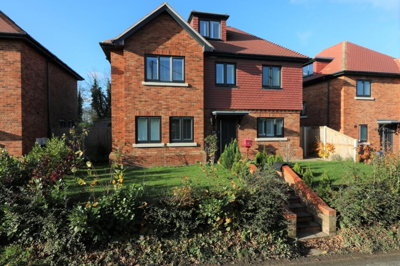
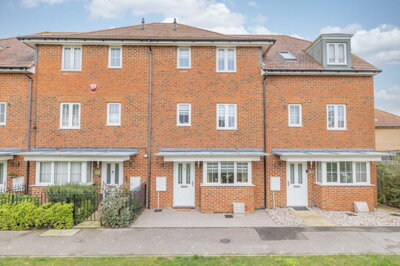
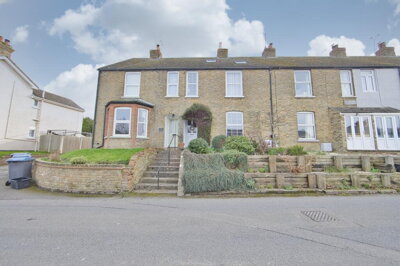
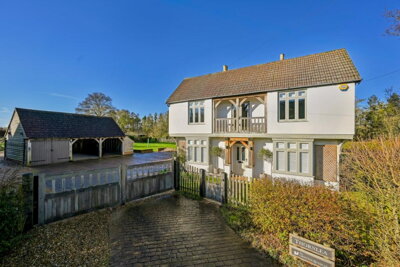
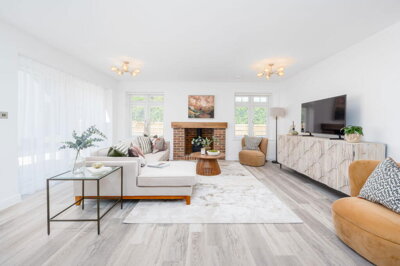
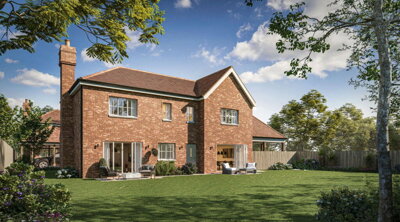
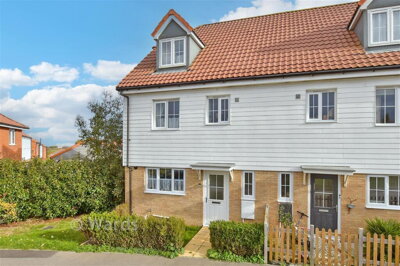
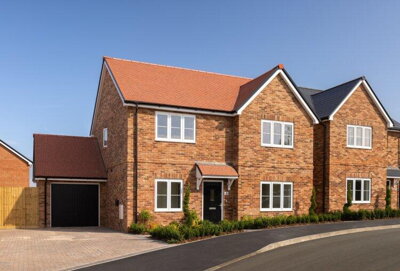
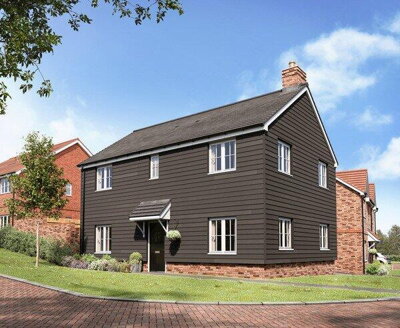
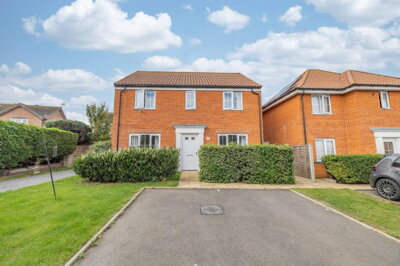
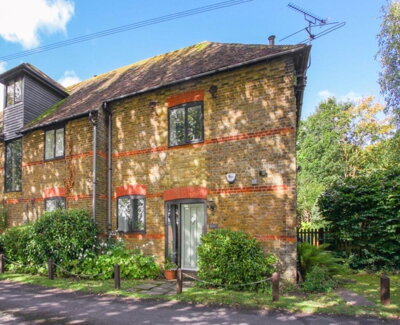
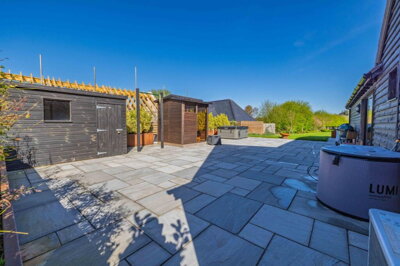
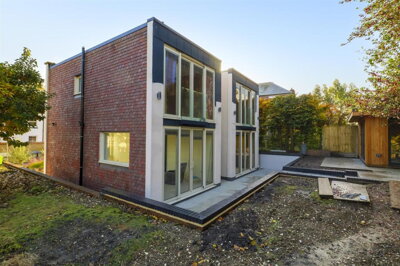
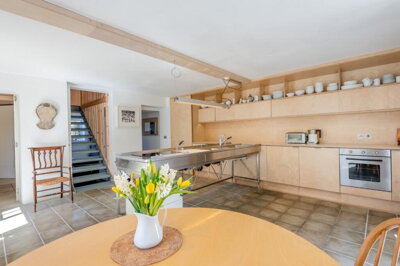
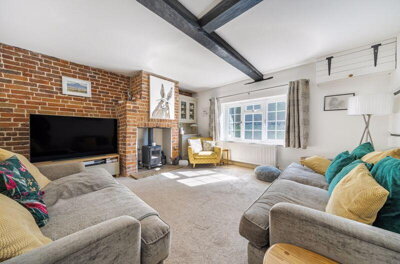
Browse 33 homes for sale in Goodnestone, Dover from local estate agents.
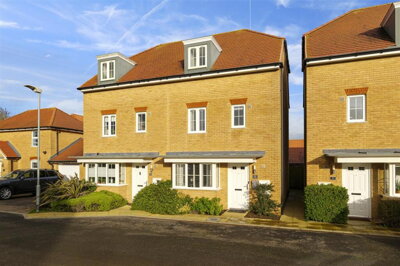
The larger property sector typically features multiple bathrooms, substantial reception space, and private gardens or off-street parking. Four bedroom houses in Goodnestone span detached, semi-detached, and occasionally terraced configurations, with styles ranging from period properties to modern executive homes.
£1.03M
2
0
116
Source: home.co.uk
Showing 2 results for 4 Bedroom Houses for sale in Goodnestone, Dover. The median asking price is £1,030,000.
Source: home.co.uk
Detached
2 listings
Avg £1.03M
Source: home.co.uk
Source: home.co.uk
Goodnestone’s property market reflects its reputation as an exclusive rural village, with homes ranging across several price brackets and styles. Recent sales figures show detached properties reaching up to £855,000, a clear sign of demand for sizeable family houses with period features and generous gardens. At the more accessible end, terraced properties have sold between £277,500 and £380,000, giving buyers a way into this sought-after setting without losing the character that draws people to Goodnestone in the first place.
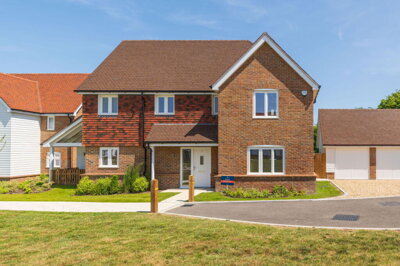
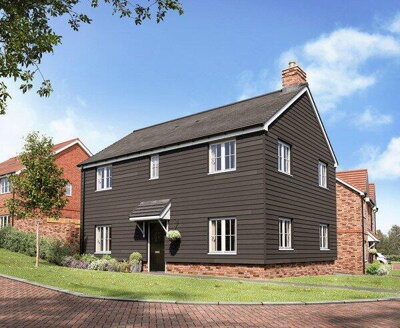
Prices here have not moved in a straight line. Average values are currently 68% lower than the previous year and sit 49% below the 2011 peak of £545,000. That shift may open the door for buyers who once saw Goodnestone as out of reach, although houses in the best spots, especially those with historic pedigree, still achieve premium valuations. Anyone looking for newer accommodation will find the only active new-build option nearby at Goodnestone Farmstead, where Fernfield Homes is delivering three individually designed luxury four-bedroom homes within the conservation area.

Life in Goodnestone has the feel of a classic English village, quiet, rural, and set within the Kentish countryside that has drawn settlement for centuries. Its name is thought to come from the “good stone” village, possibly a nod to local building materials such as the flint and stone rubble seen in St Bartholomew's Church. With a population of approximately 373 residents, it stays small enough for genuine neighbourly ties, but not so remote that it feels cut off.
The village’s architectural inheritance is striking. Within the parish there are 73 listed buildings, one of the densest collections of historic buildings in Kent. Goodnestone Park is a grand three-storey house in red and blue brick with a hipped slate roof, while Goodnestone Court dates from the 15th century and survives as an important half-timbered building. Around the village you also find converted oast house groups, with red brick walls and white painted weatherboarded loading bays, carefully adapted into modern homes without losing their agricultural roots.
Beyond the village itself, residents have easy access to much of the Dover district’s best scenery. The Kent Downs Area of Outstanding Natural Beauty is close at hand for walks and time outdoors, while Sandwich, Deal, and Canterbury provide shopping, places to eat, and cultural attractions within a short drive. Day trips to the Kent coast are straightforward too, including the White Cliffs and the well-known seaside towns. For anyone needing to travel further, Dover Docks keeps the continent within reach.
Families looking at Goodnestone have a workable choice of schools within normal travelling distance. The village sits in the Dover district, so children generally attend primary and secondary schools in nearby towns and villages rather than in the village itself. Several local primaries serve Key Stage 1 and Key Stage 2 pupils, and secondary options in Deal, Sandwich, and Dover cover the Goodnestone catchment area with a mix of academic and vocational routes.
Kent’s grammar school network is an important part of the picture, with entry decided through the Kent Test, and pupils from Goodnestone often go on to schools in Canterbury and Dover. The village is also within reach of a number of primary schools in surrounding communities, including Staple, Ash, and Preston. In the wider area, several of those primary schools have earned good or outstanding Ofsted ratings, which gives parents a solid measure of confidence.
Private education is another option, with Canterbury home to established independent schools such as King's School and St Peter's. In rural Kent, transport often depends on practical local arrangements, so parent groups regularly organise car sharing and minibus services for families living across the village and nearby hamlets. Further education is also well covered by institutions in Canterbury and Dover, where students can move on to A-levels, vocational courses, and apprenticeships after secondary school.
For a small rural village, Goodnestone is reasonably well connected. Residents get the peace and slower pace of country life, but there is still practical access to major routes for local work and for journeys into London or across the South East. The nearest rail stations are in Deal, Sandwich, and Canterbury, with services running to London Victoria, London St Pancras International, and Dover Priory. Depending on the route and any interchange, London journeys usually take from around 75 minutes to two hours, which can suit occasional commuters with flexible working patterns.
Road access is one of the village’s strengths, with the A2 trunk road nearby for direct travel to Canterbury and onward links to the M2 motorway network. Dover’s port, around 20 miles away, provides ferry crossings to Calais, and the Channel Tunnel terminal at Folkestone offers another route into France. Buses do run between Goodnestone and surrounding towns, though rural timetables can be limited, especially in the evenings and at weekends, so it is sensible to check current services before relying on them.
In practice, most households here depend on a car because rural bus services are limited. Even so, cycling remains popular for shorter local trips, helped by the relatively flat Kentish landscape, and electric bikes are becoming a more common choice for longer distances. Many people in Goodnestone see that trade-off as worthwhile, practical travel when needed, and a calmer day-to-day pace than urban living usually allows.
We suggest spending time in Goodnestone at different points in the day and across the week so you get a proper feel for how the village works. It is also worth visiting amenities in the nearby towns, checking average property prices on Homemove, and looking into conservation area restrictions that could affect extensions or renovation work on historic homes.
Before you start viewing, speak to a mortgage broker or lender and secure an Agreement in Principle. With average prices around £277,500, many buyers will need mortgage finance, and having that arranged shows sellers you are in a serious position to proceed. First-time buyers should also review any eligibility for Help to Buy schemes and wider government support initiatives.
Not every Goodnestone home appears online. A fair number are sold through local estate agents with strong village and country market coverage, so we recommend registering interest with firms working across the Dover and Canterbury areas. In close rural communities, off-market opportunities do come up from time to time.
Once a property stands out, book viewings and ask for full details of any planning permissions, building regulations approvals, and listed building consents. We usually recommend arranging a RICS Level 2 Survey before you commit, especially in Goodnestone where many homes are older and hidden defects are more of a possibility.
You will also need a conveyancing solicitor to deal with the legal side of the purchase, from local searches and title checks through to liaison with the seller's legal team. In a village with as many listed and historic buildings as Goodnestone, it helps if that solicitor already understands conservation area issues and the extra requirements that can come with period property.
After the searches are complete and your finance is fully confirmed, the purchase moves to exchange of contracts and payment of the deposit. Completion usually follows a few weeks later, at which point the balance is transferred and the keys to your Goodnestone home are released.
Buying in Goodnestone calls for a close look at the issues that come with historic villages in the Kentish countryside, especially listed status. The parish contains 73 listed buildings, and many houses are Grade II or above. That can be part of the appeal, but it also brings obligations. Alterations, extensions, and other significant works to listed homes need consent from the local planning authority, which can narrow your options and make improvement projects more involved.
We always advise buyers to ask for a record of previous works and to check that the right consents were in place for every alteration. In Goodnestone, that matters even more because older properties often have a long history of changes. Our advice is to make sure your solicitor reviews listed building consents, planning permissions, and any conditions tied to the property’s historic designation with care.
Conservation Area status in Goodnestone adds another layer of planning control beyond the standard rules. That can affect permitted development rights as well as the look of external changes. Buyers should get hold of the conservation area appraisal from Dover District Council so they can see which alterations are supported and which are restricted within the village. Those protections may limit some plans, but they also help preserve the character and value that make Goodnestone attractive.
Traditional materials shape much of Goodnestone’s housing stock, with red and blue brick, flint, stone rubble, and slate all common in older buildings. They give the village its particular appearance, but they also need specialist repair and maintenance, so ongoing costs should be part of any budget. A detailed RICS Level 2 Survey can flag defects linked to these building methods, including damp penetration, structural movement, and roof issues that are often found in period homes of this age.

Recent transactions put the average property price in Goodnestone, Canterbury (CT3 postcode), at about £277,500 over the last 12 months. That level is 68% down on the previous year and 49% below the 2011 high of £545,000. Detached homes have sold for as much as £855,000, while terraced properties sit between £277,500 and £380,000. Prices vary by property type, condition, and historic importance, with listed buildings often attracting stronger valuations.
For council tax, Goodnestone comes under Dover District Council, and properties are banded from A to H according to assessed value. Smaller cottages and terraced homes in the village often sit in bands A to C, while larger detached houses and period homes with more floor space may fall within bands D to F. Those council tax payments support local services such as rubbish collection, street lighting, and park maintenance, all of which feed into day-to-day life in the area. Before committing to a purchase, we recommend checking the exact band for the property, as it is part of the ongoing cost of ownership.
Schooling is limited within Goodnestone itself, so most children travel out to nearby villages for primary education and to towns such as Deal, Sandwich, or Dover for secondary school. In the surrounding area, several primary schools, including those in Staple, Ash, and Preston, have achieved good Ofsted ratings. Kent’s grammar school system is also available to local families, with selective places in Canterbury and Dover allocated through the Kent Test.
Public transport is available, but only to a point. Goodnestone has limited bus links to the nearby market towns, and services can be reduced in the evenings and at weekends. Rail travel relies on stations in Deal, Sandwich, and Canterbury, where trains run to London Victoria and London St Pancras International in around 75 minutes to two hours. By road, the village is within easy reach of the A2 trunk road and the M2 motorway, and both the port of Dover and the Channel Tunnel terminal at Folkestone are about 20 miles away for continental journeys.
From an investment perspective, Goodnestone has several qualities working in its favour. Its heritage is unusually strong, supply is limited, and conservation area protection helps maintain the look and feel of the village. The presence of 73 listed buildings means much of the local housing stock is distinctive and difficult to replicate, while planning restrictions reduce the risk of over-development eroding character. Even with market fluctuations, buyers remain drawn to the combination of lifestyle appeal and English heritage. Being close to Canterbury and the Kent coast also supports demand from people looking for rural lets or holiday accommodation.
For 2024-25, Stamp Duty Land Tax on residential purchases is charged at zero percent on the first £250,000, five percent on the portion from £250,001 to £925,000, ten percent from £925,001 to £1.5 million, and twelve percent above £1.5 million. First-time buyers get relief on the first £425,000, with five percent due between £425,001 and £625,000. Using the average Goodnestone price of £277,500, many standard purchases would involve no stamp duty, although more expensive period homes and detached family properties can still attract tax at the normal rates.
There is plenty of variety in the Goodnestone market. Buyers will find period cottages, converted oast houses, larger detached family homes, and terraced village houses, all within a distinctly Kentish architectural setting. Red and blue brick, flint, and stone rubble dominate the older parts of the village, while some newer conversions reinterpret those traditional forms. At the top end, Goodnestone Park stands out as a substantial country residence, while smaller cottages offer a more attainable route for first-time buyers who want village life.
The purchase price is only part of the financial picture in Goodnestone. Buyers also need to allow for stamp duty, legal fees, survey charges, and other costs that can quickly add up to several thousand pounds. On a property bought at the village average of £277,500, the standard SDLT rules mean no tax is paid on the first £250,000, leaving a charge of £1,375 on the slice between £250,000 and £277,500. A first-time buyer paying £277,500 would usually pay no stamp duty at all, because the £425,000 relief threshold is well above that figure.
Conveyancing costs in the Goodnestone area usually begin at around £499 for a straightforward purchase, although listed or historic homes often push the fee higher because the work is more involved. With 73 listed buildings in the parish, many transactions need extra checks, including confirmation that any earlier works had the right listed building consents and a review of planning conditions affecting the home. Your solicitor should also carry out local authority searches with Dover District Council, environmental searches for possible contamination issues, and water authority searches to verify drainage arrangements.
Survey fees are another key item to budget for, with RICS Level 2 Surveys usually costing between £400 and £500 depending on the size and value of the property. On a Goodnestone home valued at £277,500, a sensible allowance would be around £400 to £500 for a survey detailed enough to pick up structural problems, damp, and other defects often found in older houses. That matters here because many homes use traditional materials and methods, including flint and stone rubble, brick, and slate roofing. A professional survey gives useful peace of mind and can strengthen your position in negotiations if defects are uncovered. Beyond that, buyers should also allow for removal costs, any lender valuation fees, and renovation spending where a property needs updating.
Properties for Sale In London

Properties for Sale In Plymouth

Properties for Sale In Liverpool

Properties for Sale In Glasgow

Properties for Sale In Sheffield

Properties for Sale In Edinburgh

Properties for Sale In Coventry

Properties for Sale In Bradford

Properties for Sale In Manchester

Properties for Sale In Birmingham

Properties for Sale In Bristol

Properties for Sale In Oxford

Properties for Sale In Leicester

Properties for Sale In Newcastle

Properties for Sale In Leeds

Properties for Sale In Southampton

Properties for Sale In Cardiff

Properties for Sale In Nottingham

Properties for Sale In Norwich

Properties for Sale In Brighton

Properties for Sale In Derby

Properties for Sale In Portsmouth

Properties for Sale In Northampton

Properties for Sale In Milton Keynes

Properties for Sale In Bournemouth

Properties for Sale In Bolton

Properties for Sale In Swansea

Properties for Sale In Swindon

Properties for Sale In Peterborough

Properties for Sale In Wolverhampton

Enter your details to see if this property is within your budget.
Loans, cards, car finance
Estimated property budget
Borrowing + deposit
You could borrow between
Typical borrowing
Monthly repayment
Est. at 4.5%
Loan-to-value
This is an estimate only. Your actual budget may vary depending on interest rates, credit history, and personal circumstances. For an accurate affordability assessment, speak to one of our free mortgage advisors.
This calculator provides estimates for illustrative purposes only and does not constitute financial advice. Your home may be repossessed if you do not keep up repayments on your mortgage. Estimates based on 4.5% interest rate, repayment mortgage. Actual rates depend on your circumstances.
Homemove is a trading name of HM Haus Group Ltd (Company No. 13873779, registered in England & Wales). Homemove Mortgages Ltd (Company No. 15947693) is an Appointed Representative of TMG Direct Limited, trading as TMG Mortgage Network, which is authorised and regulated by the Financial Conduct Authority (FRN 786245). Homemove Mortgages Ltd is entered on the FCA Register as an Appointed Representative (FRN 1022429). You can check registrations at NewRegister or by calling 0800 111 6768.

We use cookies to show you personalised content and improve your experience of our website. Find out more in our Privacy policy and Cookie policy.