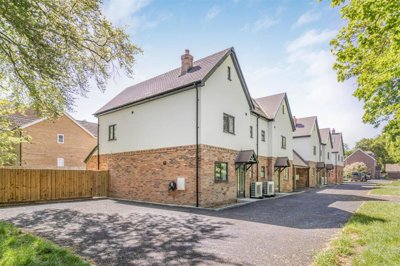
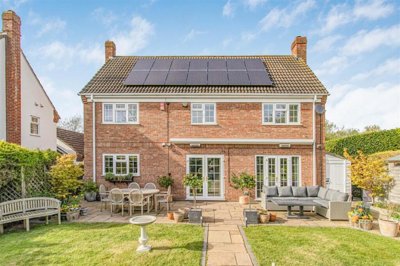
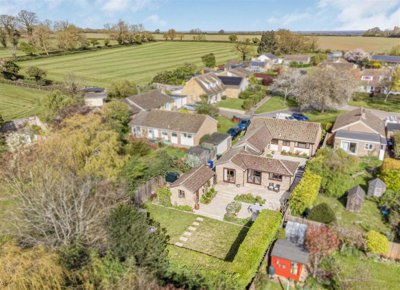
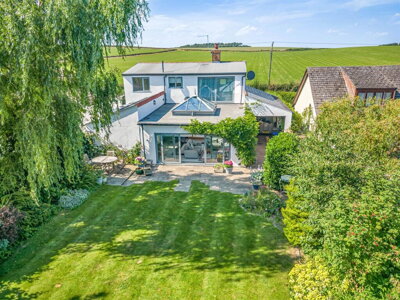
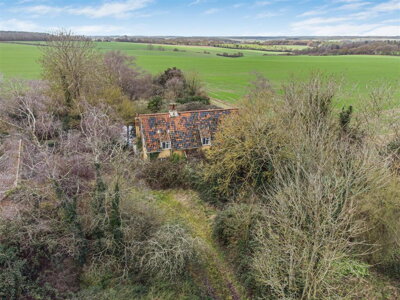
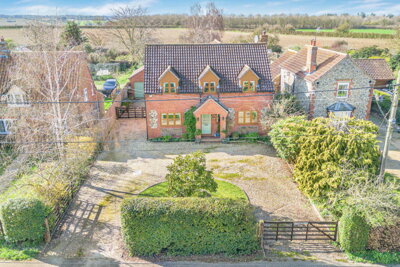
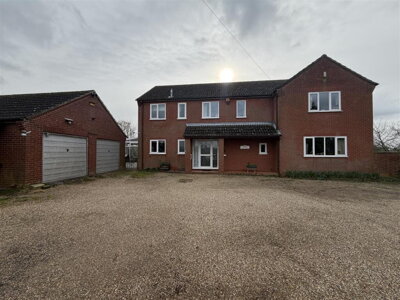
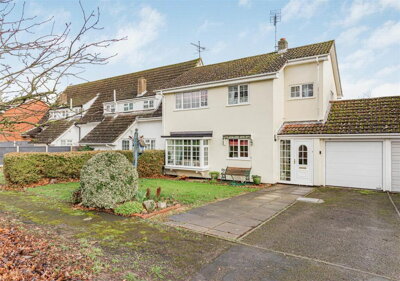
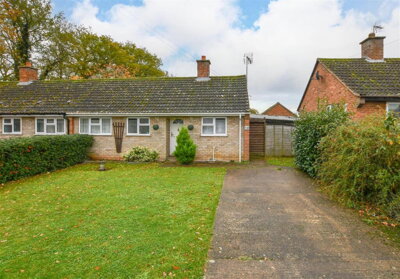
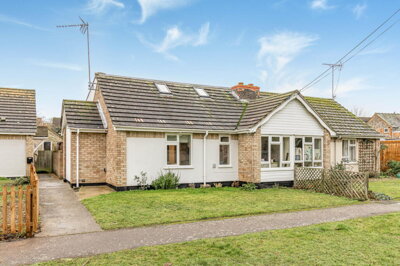
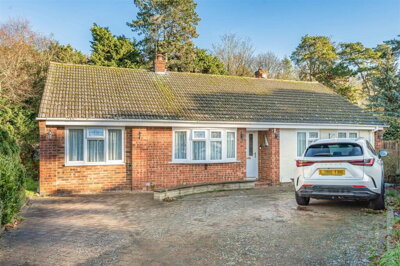
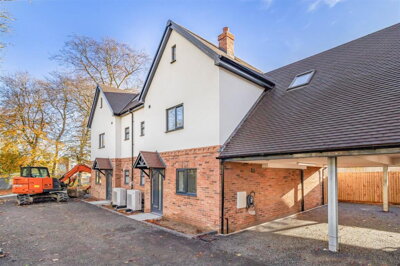
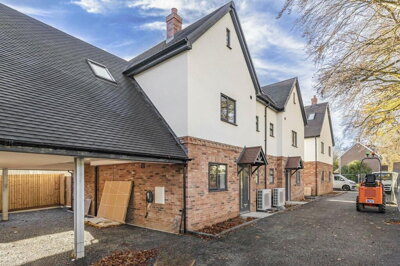
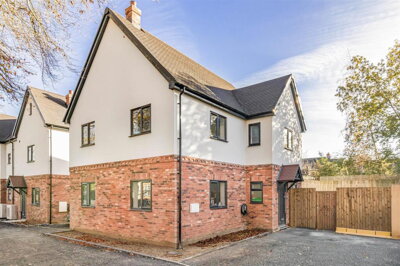
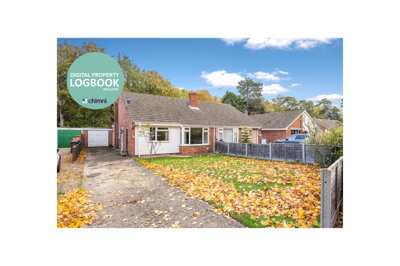
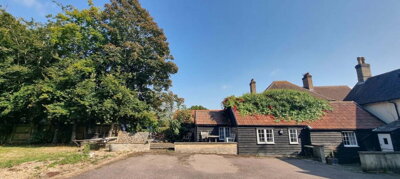
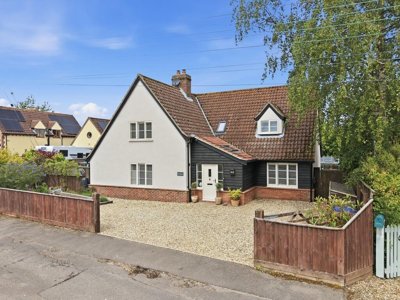
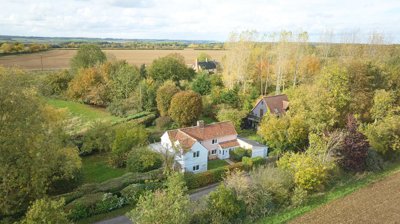
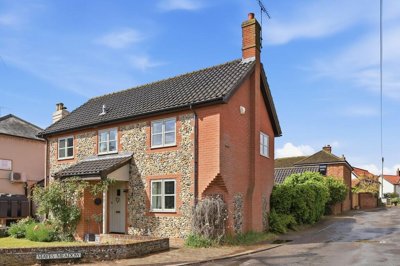
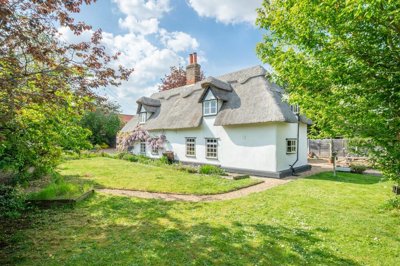
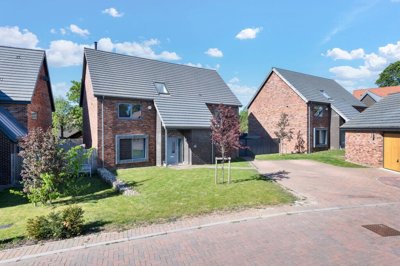
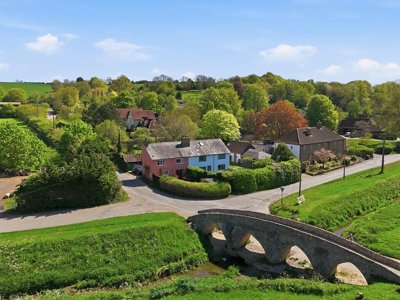
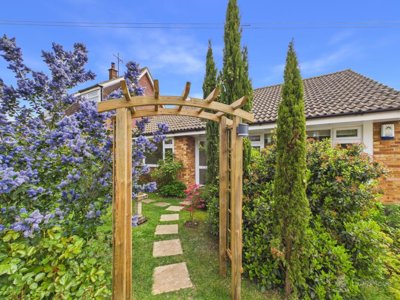
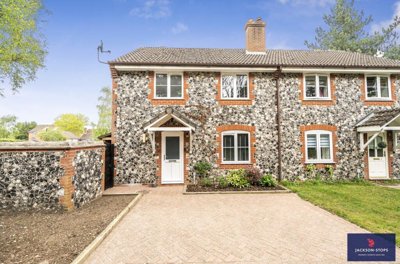
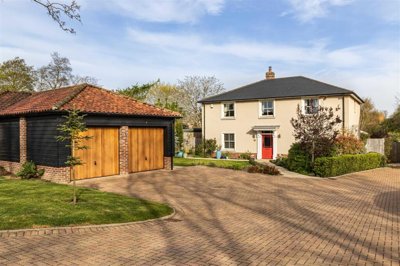
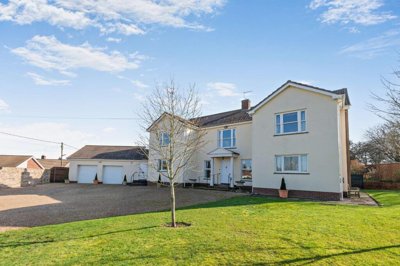
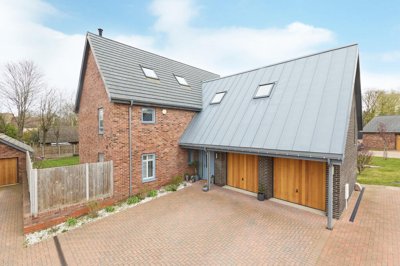
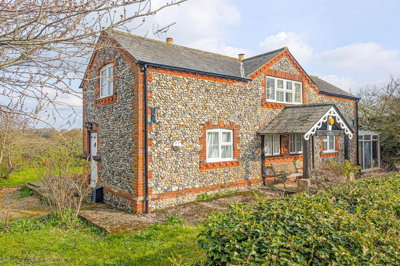
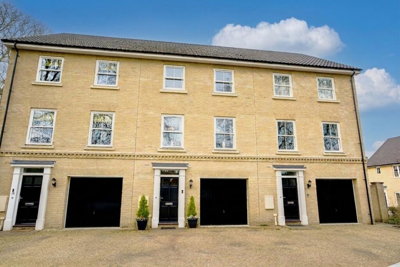
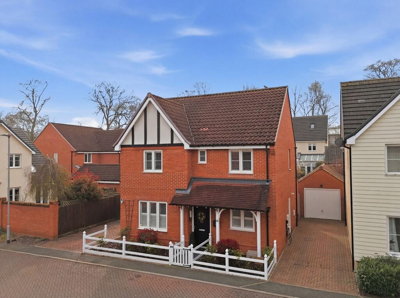
Browse 53 homes for sale in Gazeley, West Suffolk from local estate agents.
The Gazeley property market offers detached, semi-detached, and terraced houses spanning various price ranges and neighbourhoods. Each listing includes detailed property information, photographs, and direct contact with the marketing agent.
£650k
4
1
17
Source: home.co.uk
Showing 4 results for Houses for sale in Gazeley, West Suffolk. 1 new listing added this week. The median asking price is £650,000.
Source: home.co.uk
Detached
4 listings
Avg £655,000
Source: home.co.uk
Source: home.co.uk
Gazeley’s market mirrors the village itself, with detached homes making up most of the stock and commanding an average price of around £553,990 from recent sales data. In the detached bracket there were 5 listings at an average of £553,990, while the overall median sits at £400,000, a clear change from earlier market expectations and a sign that even premium village homes are adjusting. That shift has opened the door for buyers who once saw detached properties in the £500,000 to £553,990 band as out of reach. Across all property types, the median sale price is £400,000 from 13 current listings, so activity remains steady despite wider uncertainty.
Terraced homes sit at the more affordable end of Gazeley, with an average sale price of £316,667 across 3 two-bedroom listings, which keeps this part of the market within reach for first-time buyers looking for a rural Suffolk foothold. The way terraced values are positioned has nudged the old price ladder into a new shape. Semi-detached houses have also held up well here, with average sale prices of £340,000 across current listings, a level that reflects today’s market rather than past assumptions. Demand is still there for family-sized homes within walking distance of village amenities, and many buyers value being able to reach the village pub and village hall without depending on the car for every trip.
Buyers still have room to negotiate in Gazeley, where the current average price stands at £430,765 and properties may come in below asking price for those with local knowledge and patience. Flats are still almost unheard of, with no flat sales data available, which fits the village’s low-density character. There are also a few development opportunities close by, including Tollesbury Gardens, where Logan Homes is building an exclusive development of four period-style homes, giving buyers a new-build option with modern construction methods and energy efficiency ratings. In the CB8 postcode area, The Ferns at Kennett Garden Village adds another route in, with homes starting from £315,000 for anyone prepared to look a little beyond the village itself while staying within the local network.

Residents often describe Gazeley as very rural, and the slower pace of life is matched by a strong sense of community. Its historic feel is hard to miss, thanks to a notable collection of listed buildings, from the Grade I listed All Saints Church, which dates to the early 14th century, to timber-framed houses from the 15th and 16th centuries. The village’s building history reflects its agricultural past, with brick-making and chalk extraction both leaving their mark on local construction. One especially interesting example was converted from a windmill in 1837 and then turned into a house in 1947, a neat reminder of how farm buildings have been reworked across the English countryside.
Bovills Hall, a farmhouse from the C15 or early C16, is a clear marker of the agricultural roots behind the settlement, while Needham Hall, from the late 15th or early 16th century, shows the timber-framed techniques long used in Suffolk. Flint-faced properties are scattered through the village too, giving the streets a very East Anglian look. Beyond those homes, Gazeley has nine listed buildings, including the Manor House, Gazeley Stud House, and a number of properties on The Street, all part of a protected historic setting shaped by planning controls administered by the Gazeley Parish Council. The local pub and village hall act as social anchors, with village events giving residents regular chances to meet and keep the community close-knit.
For families, Gazeley offers a mix of heritage and modern convenience, with high-speed broadband and strong mobile coverage making home working perfectly realistic in a rural setting. Newmarket, Britain’s headquarters of horse racing, is close by, bringing racecourses, training grounds, and a social calendar that draws visitors from far and wide. Bury St Edmunds is only 8 miles away for bigger shopping trips, restaurants, and cultural stops such as the Theatre Royal and Bury St Edmunds Cathedral. The population growth, from 737 in 2021 to about 759 by 2024, suggests the village’s appeal is holding firm.

The schooling picture around Gazeley is built around nearby primary schools in the surrounding villages, usually reached by a short drive from the centre. The village sits in the West Suffolk local authority area, which has a solid record on education across its primary and secondary network. For children of primary school age, small rural classes are a real advantage, with teachers often knowing each child personally and support shaped around individual needs. Parents should check catchment areas with Suffolk County Council, since admissions can be tight in busy years and boundaries may shift between academic years.
Secondary options include the well-regarded King Edward VI School in Bury St Edmunds, roughly 8 miles from Gazeley, and it has a long history, dating back to the 16th century, along with strong academic results and a wide spread of extracurricular activities. Students from across West Suffolk attend, including many from villages like Gazeley who rely on school transport. Newmarket Academy is the other main choice in the opposite direction, still within easy commuting distance, and its specialist sports programmes tie in neatly with the town’s racing links. For those looking at independent education, the wider area includes Suffolk boarding and day schools with scholarship and bursary opportunities for eligible families.
Sixth form study is available in both Bury St Edmunds and Newmarket, with A-level programmes, vocational courses, and apprenticeship routes on offer depending on future plans. Cambridge, around 35 miles away, also keeps the University of Cambridge and Anglia Ruskin University in the picture for students thinking about higher education. Many families value being able to choose between the academic tradition of King Edward VI School and the more modern approach at Newmarket Academy, depending on how their child learns best and what they hope to do next. Transport to secondary schools is usually managed under Suffolk County Council’s school transport policy, with eligibility based on distance from the school and the availability of safe walking routes.

Commuters get a useful location here, because Gazeley sits between Newmarket and Bury St Edmunds, both of which have direct rail links to London and the wider network. From Newmarket station, travellers can reach Cambridge and London Liverpool Street via the Cambridgeshire line, and the trip to the capital usually takes about 90 minutes. That line also links through to Cambridge North station, which serves the technology and biotech hubs driving much of the regional economy. Bury St Edmunds station offers services to Cambridge North and London Liverpool Street too, with regular trains through the day, so day commuting is perfectly realistic for people working in London or the East Anglian knowledge economy.
The A14 trunk road is close enough to give quick access to Felixstowe, Cambridge, and the M11 motorway towards London. Driving to Cambridge normally takes around 40 minutes, which keeps the village workable for professionals in the technology and biotech sectors tied to the Cambridge economy. For flights, London Stansted Airport is usually reachable in about 45 minutes by car, with budget and full-service airlines operating to destinations across Europe and beyond. Norwich Airport gives another option for domestic and European trips, especially for business travellers who prefer a regional airport with shorter check-in times.
Bus services link Gazeley with neighbouring villages and market towns, which matters for households without a private car and for children who need a bit of independence. Cycling is another strength, with quiet country lanes suited to leisure rides and the National Cycle Network providing routes towards Newmarket and Bury St Edmunds. More residents are cycling to work too, especially those employed locally or using the railway stations, where secure cycle storage is available at both Newmarket and Bury St Edmunds. Road, rail, and air links together give Gazeley a good balance for anyone who needs to keep up connections with London and major international business centres while living rurally.

Gazeley may be best known for its older homes, but there are still a few development opportunities for buyers looking for new build properties or longer-term investment potential within the village boundary. Logan Homes is currently building Tollesbury Gardens, an exclusive development of four carefully designed period-style homes, so buyers can get new construction without losing the look that makes Gazeley so appealing. These houses combine traditional Suffolk design touches with modern building standards, including energy efficiency ratings that can cut running costs quite a bit compared with older heritage homes.
Planning permission has already been granted for two semi-detached dwellings on The Street in Gazeley, one at approximately 570 square feet and the other at around 505 square feet, giving the village a couple of modest starter homes. The Land at Manor House site appeared in West Suffolk’s December 2018 call for sites as a possible residential site, with a yield capped at 10 dwellings and a suggested timescale of one to five years. Land off All Saints Close has also been put forward for residential use, although these plots are still at different stages of the planning process and may not come forward for several years.
For buyers looking further into the CB8 postcode area, The Ferns at Kennett Garden Village offers modern homes, including the “Tailor” property priced at £315,000, which gives an alternative where Gazeley itself has limited new-build stock. Kennett is about 10 miles from Gazeley, so it is still reachable in a 20-minute drive, and it also has a railway station on the Cambridge-Ipswich line. There is development potential in the village too, including the 2.0-acre residential property on Moulton Road, which could lend itself to expansion, extra dwellings, or even a new residential community, subject to planning permission.

Start by exploring Gazeley’s market through Homemove, using current listings and recent sales data to get a feel for price trends and the homes on offer. Detached properties sit at around £553,990, terraced homes average about £316,667, and semi-detached houses come in at roughly £340,000. With nine listed buildings and homes dating from the 14th century onwards, the village has a strong heritage character, so it is worth thinking about whether you want period features, or something more modern with everyday conveniences.
Get an agreement in principle from a mortgage broker before booking viewings. It shows sellers and estate agents that the purchase is serious, and it gives a clearer picture of the budget available in Gazeley’s price range. With properties for sale averaging around £430,765 and the median sold price at £400,000, many buyers will be looking at mortgages in the £300,000 to £450,000 range. Having finance lined up before making an offer puts a buyer in a stronger position in a village market that still moves competitively.
Viewings are best arranged through Homemove’s partner estate agents, with time set aside to look at different parts of Gazeley and judge how close each home sits to the village centre, local roads, and open countryside. It also helps to visit at different times of day, so noise and atmosphere can be judged properly, especially near the A14 trunk road, which brings useful connectivity but can create road noise depending on wind direction and distance from the carriageway. Period properties deserve close attention too, particularly the timber-framed construction, flint-facing, and old roof structures.
After an offer is accepted, we would usually suggest a RICS Level 2 Survey, which is especially important given Gazeley’s older housing stock and properties dating from the 14th century onwards. Our inspectors look closely at the condition of the property and flag defects that may not show during viewings, including structural concerns linked to clay soil shrink-swell risk and the state of traditional building materials. For homes in the £400,000 to £500,000 range, survey costs usually start from £350 plus VAT, with premiums of 20-40% for listed buildings and timber-framed construction because those homes need extra expertise.
Choose a solicitor who knows rural Suffolk property transactions well and can handle the legal work, searches, and contracts without fuss. They will work with the mortgage lender and the seller’s solicitor to keep the purchase moving through to completion, handling searches such as local authority checks, drainage and water searches, and environmental data linked to Gazeley’s geology. Because the village has so many listed buildings and a clear heritage profile, there may also be planning conditions or enforcement notices to check against the property.
Once the searches come back clean and the money is in place, the solicitor can arrange exchange of contracts and set a completion date that fits the moving plan. On completion day, the keys are handed over, and the new Gazeley home becomes the start of life in one of Suffolk’s most appealing villages, with its history, active community, and good links to major towns and cities.
Gazeley’s heritage means that many homes sit within or near conservation areas, and the village has nine listed buildings, including the Grade I All Saints Church from the early 14th century. Buyers of period properties need to understand that listed status brings extra responsibilities, with planning permission needed for alterations and limits on changes that would be allowed in non-listed houses. Any unauthorised alterations become the new owner’s responsibility, so thorough due diligence matters, along with budgeting for restoration work if the property needs it.
Timber-framed houses such as Needham Hall and Bovills Hall call for specialist survey knowledge, because traditional building methods are very different from modern construction. Our inspectors check for rot, woodworm, and structural movement, and they also look at places where original wattle and daub infill panels have been replaced with newer materials. Flint-faced walls are attractive and traditional in the area, but they may need specialist maintenance that is unlike standard brick repairs, and flashing around flint walls often needs careful attention to keep water out of the structure.
Suffolk’s local geology brings clay-soil shrink-swell risks, which can push foundations around when the ground dries out and then expand again when it gets wet. Homes with mature trees nearby can be especially prone to subsidence, since roots draw moisture from the clay in summer and encourage the ground to shrink. A RICS Level 2 Survey will look at the foundations and pick up signs of structural movement, and older properties carry a 20-40% premium in survey costs because of the extra expertise required. For Gazeley’s historic homes, we also check chimney stability, which can be an issue where tall stacks have taken decades of weathering, along with old electrical and plumbing systems that may need full replacement to meet modern safety standards.

homedata.co.uk shows the average sold price for a Gazeley property over the last 12 months at £408,786, while the 2025 median price across 8 completed sales is £410,000. Detached homes are around £500,000 to £563,333 depending on the source, terraced properties average about £326,500, and semi-detached homes are around £307,500. Prices have fallen by 2.4% over the past 12 months, which has opened a few doors for buyers in this sought-after Suffolk village where supply stays tight because of conservation status and heritage constraints.
West Suffolk Council sets the council tax for properties in Gazeley and the surrounding villages, so the charge sits under its district-wide system. Most homes in this rural village fall within bands B through E, with the exact band based on the property’s valuation by the Valuation Office Agency. Band B properties usually pay around £1,400 a year, while band E homes can be around £2,200 per year, with higher bands for premium detached houses. Buyers should check the band with West Suffolk Council using the property address, since the information is public and can be confirmed before an offer is made.
Primary schooling is served by the villages around Gazeley, and families usually choose on the basis of catchment areas checked through Suffolk County Council’s school admissions portal. Sitting between Newmarket and Bury St Edmunds gives access to primary schools in both directions, and many families prefer the smaller rural setting because it offers individual attention and a strong community ethic. Secondary options include King Edward VI School in Bury St Edmunds, about 8 miles from Gazeley, which has strong results, and Newmarket Academy on the other side of the village. The proximity to both towns also gives access to sixth form provision for A-level and vocational study, with school transport available through Suffolk County Council.
Gazeley is served by buses to Newmarket and Bury St Edmunds, where mainline stations link into Cambridge and London Liverpool Street, with the capital usually about 90 minutes away. Trains run all day, so commuting works for people heading to London or the knowledge economy around Cambridge. The A14 trunk road runs close by, linking to Cambridge, Felixstowe port, and the M11 motorway network, while the drive to Cambridge is normally around 40 minutes. For flights, Stansted Airport is about 45 minutes away by car, with multiple daily departures to destinations across Europe.
For buyers looking at rural living with solid connections to Cambridge, Newmarket, and Bury St Edmunds, Gazeley has plenty going for it as an investment location. Supply is limited, and the village’s heritage character, along with conservation area status and listed building designations, helps support long-term values by keeping new development in check. Recent price falls of around 2.4% have created some buying opportunities for patient investors, while the village atmosphere and local amenities still appeal to families who want a quieter alternative to town life. Homes with development potential, including those identified in West Suffolk planning consultations or already carrying permission for extra dwellings, may offer further value over time.
For 2024-25, stamp duty starts at zero percent on the first £250,000 of residential purchases, then moves to five percent on the portion between £250,001 and £925,000, ten percent between £925,001 and £1.5 million, and twelve percent above £1.5 million. First-time buyers get relief on the first £425,000, with five percent between £425,001 and £625,000, although that relief is reduced above £625,000 and does not apply to additional properties or buy-to-let investments. On a typical Gazeley property at the village average of £408,786, standard buyers pay £7,939 in stamp duty, while first-time buyers pay nothing under the current thresholds. Additional properties attract a 3% surcharge across all bands, so investors need to build that into their figures.
The main risks with an older Gazeley property are tied to traditional construction, foundation behaviour on clay soils that can shift during long dry spells, and historic features that need specialist care. Our inspectors often come across damp in period homes, including rising damp where old damp-proof courses have failed and penetrating damp through aged flint or brickwork that has seen years of weathering. Timber-framed properties need checks for rot and woodworm, while flint-faced walls may show degraded pointing or flashing that lets in water. In listed buildings, there is also the issue of taking on responsibility for any unauthorised alterations made by previous owners, which is why a detailed survey report is so important before committing to buy.
From 4.5%
Finding the right mortgage for a Gazeley purchase
From £499
Expert legal support for your property transaction
From £350
Comprehensive property survey for Gazeley homes
From £60
Energy performance certificate for your new home
Planning the full cost of buying in Gazeley matters, because the village’s heritage homes can bring complications that standard residential purchases do not. Alongside the price, buyers should allow for stamp duty land tax, solicitor fees usually in the £800 to £1,500 range for a standard transaction, search fees of around £300 to £500, and survey costs of £350 or more for a RICS Level 2 Survey, which is important given the age of most homes here. At the village average of £408,786, a standard buyer with no first-time buyer status would pay £7,939 in stamp duty, while first-time buyers get relief that takes the cost down to zero on the first £425,000.
Mortgage arrangement fees usually run from £0 to £2,000, depending on the lender and the product chosen, and fee-free deals often come with a slightly higher interest cost over time. Older Gazeley homes are worth setting money aside for, because roof repairs, damp proofing, and window restoration often crop up in the first few years of ownership. Timber-framed and flint-faced properties may need specialist contractors for traditional building work, and any defects picked up in the survey should be costed before the budget is finalised. Buildings insurance from completion day is a legal requirement if there is a mortgage, and older homes with non-standard construction can attract higher premiums, so getting quotes before completion is sensible.
Removal costs should be allowed for at between £500 and £2,000, depending on the distance and how much needs moving, while property registration fees and Land Transaction Tax in Wales apply to all purchases. Listed buildings can also bring extra charges, including Listed Building Consent for planned alterations, conservation-accredited architects, and specialist tradespeople who understand traditional construction. Our team recommends a RICS Level 2 Survey before any commitment to buy, because this type of assessment can uncover defects that affect value or lead to expensive remedial work after completion, and it gives room to renegotiate the price if major problems turn up.
Properties for Sale In London

Properties for Sale In Plymouth

Properties for Sale In Liverpool

Properties for Sale In Glasgow

Properties for Sale In Sheffield

Properties for Sale In Edinburgh

Properties for Sale In Coventry

Properties for Sale In Bradford

Properties for Sale In Manchester

Properties for Sale In Birmingham

Properties for Sale In Bristol

Properties for Sale In Oxford

Properties for Sale In Leicester

Properties for Sale In Newcastle

Properties for Sale In Leeds

Properties for Sale In Southampton

Properties for Sale In Cardiff

Properties for Sale In Nottingham

Properties for Sale In Norwich

Properties for Sale In Brighton

Properties for Sale In Derby

Properties for Sale In Portsmouth

Properties for Sale In Northampton

Properties for Sale In Milton Keynes

Properties for Sale In Bournemouth

Properties for Sale In Bolton

Properties for Sale In Swansea

Properties for Sale In Swindon

Properties for Sale In Peterborough

Properties for Sale In Wolverhampton

Enter your details to see if this property is within your budget.
Loans, cards, car finance
Estimated property budget
Borrowing + deposit
You could borrow between
Typical borrowing
Monthly repayment
Est. at 4.5%
Loan-to-value
This is an estimate only. Your actual budget may vary depending on interest rates, credit history, and personal circumstances. For an accurate affordability assessment, speak to one of our free mortgage advisors.
This calculator provides estimates for illustrative purposes only and does not constitute financial advice. Your home may be repossessed if you do not keep up repayments on your mortgage. Estimates based on 4.5% interest rate, repayment mortgage. Actual rates depend on your circumstances.
Homemove is a trading name of HM Haus Group Ltd (Company No. 13873779, registered in England & Wales). Homemove Mortgages Ltd (Company No. 15947693) is an Appointed Representative of TMG Direct Limited, trading as TMG Mortgage Network, which is authorised and regulated by the Financial Conduct Authority (FRN 786245). Homemove Mortgages Ltd is entered on the FCA Register as an Appointed Representative (FRN 1022429). You can check registrations at NewRegister or by calling 0800 111 6768.

We use cookies to show you personalised content and improve your experience of our website. Find out more in our Privacy policy and Cookie policy.