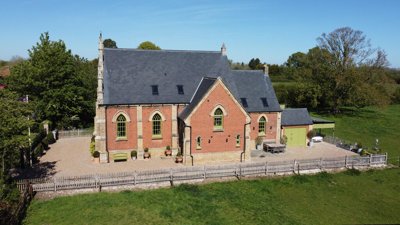
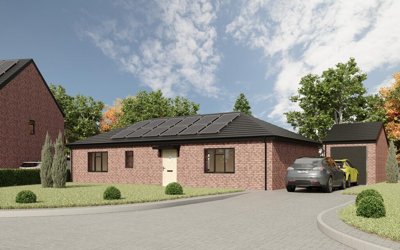
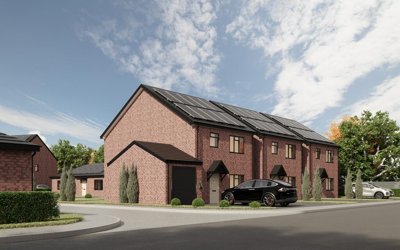
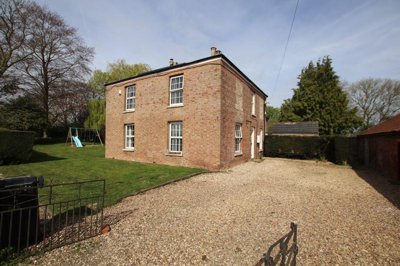
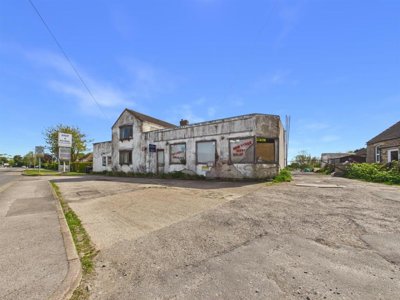
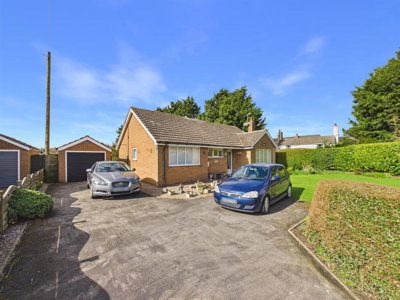
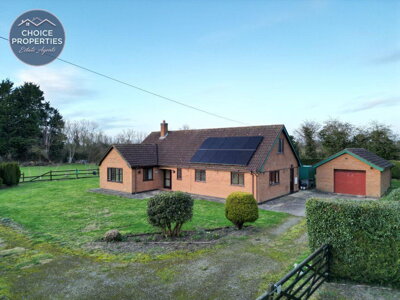
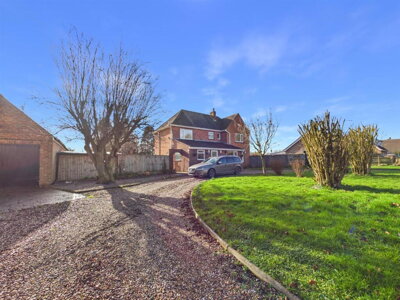
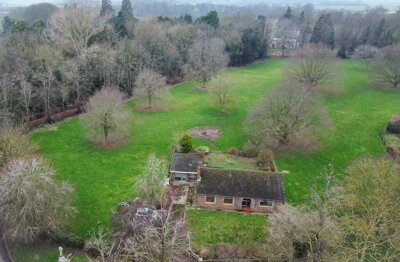
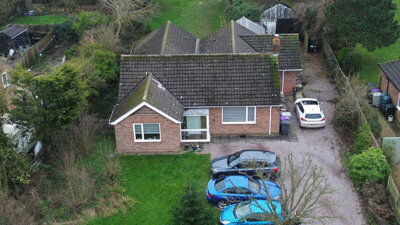
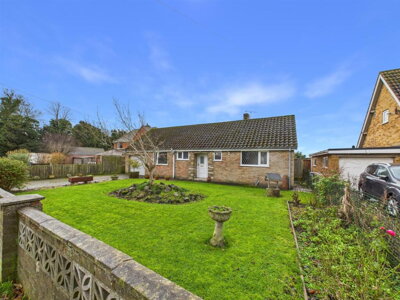
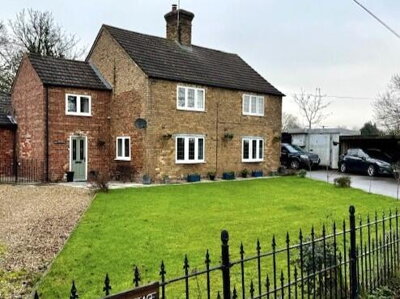
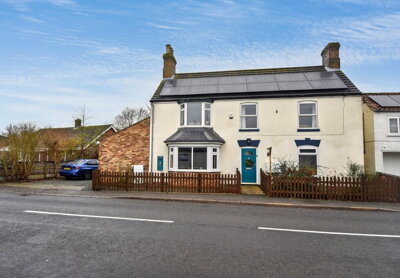
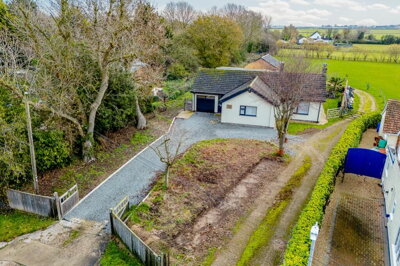
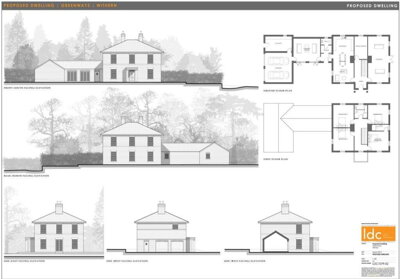
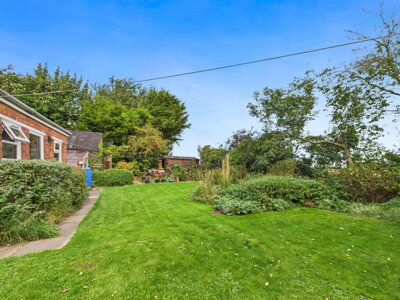
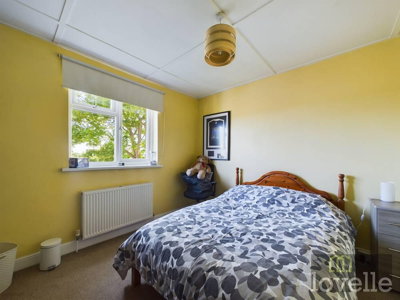
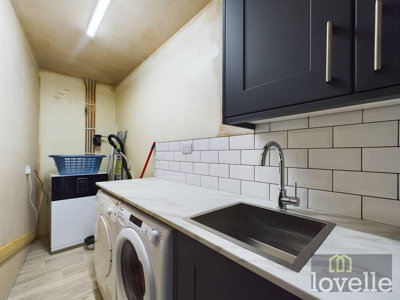
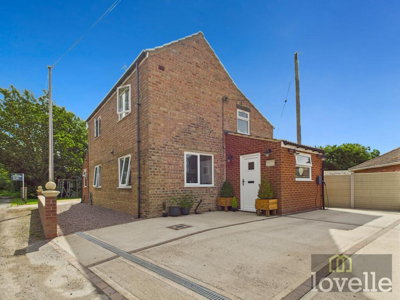
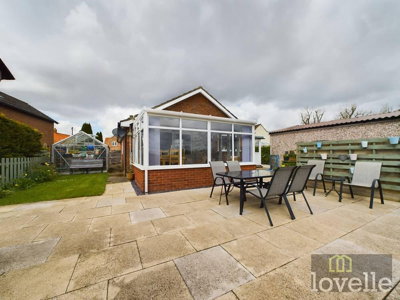
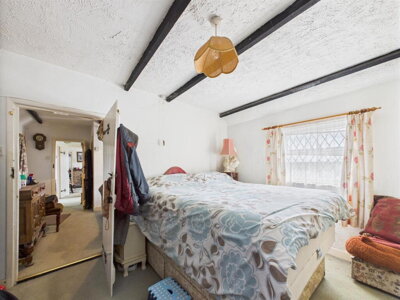
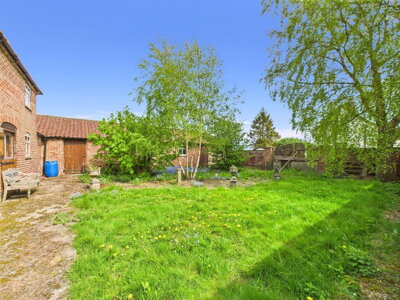
Browse 34 homes for sale in Gayton le Marsh from local estate agents.
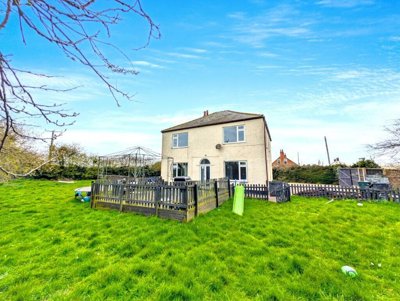
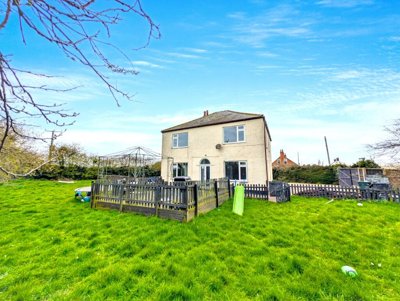
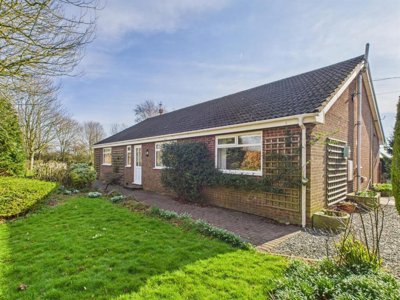
Gayton le Marsh is a small rural village where detached homes dominate the housing stock. Census 2021 data for the LN13 0NS postcode area shows approximately 93% of property transactions involve detached homes, which makes the village appealing to buyers after standalone properties with gardens and privacy. There have been 27 property sales recorded in the postcode area over the past 30 years, so turnover is steady but modest, as you would expect in a settlement of this size. We also bring together current listings from local estate agents on home.co.uk, giving you a view of what is available in this sought-after East Lindsey village.
Price moves have been rather uneven across property types. homedata.co.uk shows detached homes in Gayton le Marsh reached a median sale price of £190,000 in 2025, an 18.8% rise on the previous year based on recorded sales data. Terraced properties have also climbed sharply, with a median sale price of £220,000 recorded in 2024, up 233.3% from 2005 figures. Semi-detached homes show historical data of £95,000 in 2005, which is a 427.8% increase from 2000. Overall, the village average house price currently stands at £190,000, level with the previous year but down 48% from the 2022 peak of £366,500, a correction that may interest long-term investors and families after rural Lincolnshire living.
The figures shift a little depending on which data set you use. homedata.co.uk shows sold prices across Gayton le Marsh have fallen 13.6% over the last 12 months, while property prices in the wider LN13 0NS postcode area have risen 3.5% over the same period. That gap suggests the village may be affected by local factors, even as the broader area looks fairly steady. With transaction volumes so limited, individual sales can have a big effect on the numbers, so we recommend a professional valuation before any offer is made.

Out here in Gayton le Marsh, everyday life still feels like traditional English countryside living. The village sits within the Lincolnshire coastal grazing marshes, a landscape of wide skies, grazing land and plenty of wildlife. Community links are strong, with the local church, primary school and village hall acting as the social centre of this tight-knit parish of approximately 63 households. The coast is just 4 miles away, so beaches and coastal walks along the Lincolnshire Heritage Coast are easy to reach, and the surrounding farmland gives walkers and cyclists miles of footpaths and bridleways.
Farming still shapes the land around Gayton le Marsh, and you can see that in both the economy and the look of the place. Traditional hedgerows, drainage channels and the flat terrain of low-lying coastal marshland define the village setting. Fields nearby are often edged by drainage ditches rather than walls, a reminder of the work needed to manage water in this reclaimed landscape. It is also good ground for wildlife, especially wading birds and coastal species, which is why nature enthusiasts and outdoor-minded buyers are often drawn here.
A practical boost arrived in 2016 with the Gayton Windfarm Fund, which returns proceeds to the parish and supports community projects. The primary school provides one local amenity, while Alford and Spilsby offer supermarkets, healthcare facilities and more shopping options. Put that together with the quiet setting and strong community spirit, and Gayton le Marsh has obvious appeal for families, retirees and anyone looking for a break from urban life without being cut off from Lincolnshire's market towns.

Education in Gayton le Marsh centres on Gayton le Marsh Church of England Primary School, a village school that has served the community since its construction in 1837. It is a long-standing part of parish life and gives children from the village and the surrounding rural area access to primary education close to home. For families, that is a real plus, because it reduces the need for lengthy school runs into nearby towns. The school also keeps links with the historic St. Peter's Church, which adds a further cultural and community dimension.
Older pupils usually head to secondary schools in nearby market towns such as Alford, where established schools serve the East Lindsey area. Families should look closely at catchment areas and admission policies before buying, because they can have a major effect on school options for children of different ages. Transport to secondary schools in surrounding towns is another practical point worth checking. Sixth form courses and vocational qualifications are available further afield in Louth and Skegness.
The school building itself is a local landmark, and it has educated generations of Gayton le Marsh families since the Victorian era. If a property is near the school, we would look at things like the distance to the entrance, parking at drop-off and pick-up times, and any traffic management in place during school hours. Those details can matter a great deal in everyday family routines, so they are worth talking through with local residents while you search.

Getting around from Gayton le Marsh reflects its rural character, with most residents relying on private vehicles for commuting and bigger shopping trips. The village lies approximately 4 miles from the Lincolnshire coast and within reasonable driving distance of Alford, Spilsby and Skegness. The A16 trunk road opens up routes to Grimsby, Boston and Lincoln, so wider regional amenities and employment are still within reach. For those working in agriculture or related industries, that location is especially useful because it keeps farm holdings and agricultural businesses across East Lindsey close by.
Bus links exist, but only just, which is typical for a small Lincolnshire village. Local services run to nearby towns on set routes and timetables, so they suit occasional journeys better than daily commuting. The nearest railway stations are in larger towns such as Skegness, where you can connect to Nottingham and to broader rail networks via the East Lincolnshire Railway, also known as the Poacher Line. For work in Lincoln, Grimsby or other East Midlands centres, driving is still the most practical choice, with journey times depending on where you are going and the traffic on the day.
Cyclists can make good use of the rural lanes here, although dedicated cycle paths are limited. The flat coastal marsh terrain helps make cycling accessible for most fitness levels, and experienced riders often use the quiet country lanes to reach nearby towns. Anyone looking at property in Gayton le Marsh should still factor in vehicle ownership for everyday needs, from school runs and grocery shopping to healthcare appointments. Fuel costs and vehicle maintenance are part of the cost of living in a rural place like this.

Browse home.co.uk listings and keep an eye on Gayton le Marsh property prices, which currently average £190,000. Detached homes make up 93% of local transactions in the LN13 0NS postcode area, so it is worth comparing them with the smaller number of other property types. With only 27 recorded sales over 30 years, chances to buy come up infrequently, so the research needs to be thorough before you commit to a viewing.
Before you book a viewing, speak to mortgage lenders or brokers and get an agreement in principle in place. That puts you in a stronger position when you make offers in this competitive rural market. At the current average price of £190,000, many buyers will find their borrowing sits within standard lending criteria, although rural properties can sometimes call for specialist lenders.
Estate agents listing properties in Gayton le Marsh are the best place to arrange viewings. Look closely at condition, garden space and how close the home is to local amenities such as the primary school and village centre. Because so much of the housing stock is older, check roof conditions, window frames and any signs of damp or subsidence while you are there.
A survey is not optional on stock this age, especially with properties dating from the 19th century. Our inspectors understand the traditional building methods used in Lincolnshire marshland homes, including solid brick walls and lime mortar typical of Victorian-era buildings. Budget approximately £400-£1,000 for a Home Survey Level 2 inspection.
Legal work should be lined up early, with a solicitor handling searches, contracts and registration. Because this is a coastal marsh location, drainage and environmental searches need particular care. Costs typically start from around £499 for standard purchases in Lincolnshire.
Once the searches come back clean and the finance is confirmed, contracts can be exchanged and a completion date set. Your solicitor will transfer the funds and register the property in your name. Allow extra time if flooding is an issue or if the property sits beside agricultural land that needs specialist environmental checks.
Flood risk deserves proper scrutiny here, because the village sits in an area identified as at risk from tidal flooding extending from North Somercotes to Bilsby. It has a greater than 1% annual probability of flooding, which is classed as the hundred year flood risk level. Buyers should check flood resilience measures, any history of flooding and the availability of building insurance. Environment Agency flood warnings cover risks from main rivers and the sea in this area, and surface water flooding can be made worse by compacted ground after dry periods. Before committing to a purchase in this Lincolnshire coastal marsh location, we would treat flood risk as a major part of the due diligence.
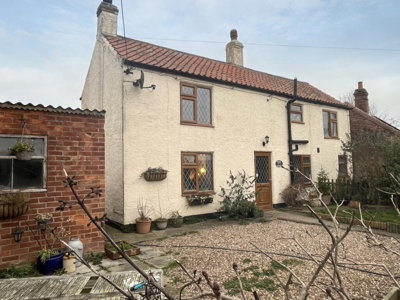
Age shows in the local building stock, so condition and maintenance need close attention. Historic structures such as St. Peter's Church and a Grade II listed drainage pumping station built around 1850 show how old some of the village buildings are. Homes dating from the 19th century or earlier may have familiar defects, including damp penetration, roof problems and outdated electrical systems. Most residential buildings here use solid brick walls with lime-based mortar rather than modern cavity construction, which changes how they need to be maintained and can leave them more open to moisture penetration.
The fact that most homes are detached usually means private gardens and off-street parking, which add value but also bring more maintenance. When you inspect a property, check fencing, outbuildings and any drainage systems that serve the house. In this marshland area, foundations may be shallower than modern standards, especially in homes built before 1960, so look out for subsidence or cracking that could point to ground movement. Our inspectors regularly assess properties in similar coastal marsh locations and understand the construction methods and defects that are common in this kind of rural Lincolnshire housing.

Budgeting is fairly straightforward at £190,000. At that level, most buyers would pay zero stamp duty land tax under standard thresholds, because the nil rate band covers the first £250,000. That creates a meaningful saving compared with higher-value areas and helps make Gayton le Marsh an appealing option for first-time buyers and people moving up from smaller homes. First-time buyer relief extends the nil rate band to £425,000, giving eligible purchasers extra protection against SDLT.
There is more to pay for than the purchase price. Conveyancing costs in the Lincolnshire area typically start from around £499 for standard purchases, although older properties or homes with flooding issues may attract additional fees. A RICS Level 2 Survey is especially sensible in Gayton le Marsh, where the housing stock includes properties dating from the 19th century. Survey costs range from £400 to £1,000 depending on property size and value. You will also need to budget for land registry fees, search fees charged by the local authority and removal costs.
An agreement in principle before you start searching will help you pin down your budget and strengthen your position when you put in offers in this rural village market. You should also allow for council tax, buildings insurance, which can be higher in flood risk areas, and the regular upkeep of gardens and outbuildings. The Gayton Windfarm Fund continues to support the parish, which helps maintain village facilities without placing extra pressure on residents through additional charges.

homedata.co.uk paints the wider picture for Gayton le Marsh. The average house price currently stands at £190,000, based on recent sales data for the LN13 0NS postcode area, and that is a market correction, down 48% from the 2022 peak of £366,500. Sold prices across Gayton le Marsh have fallen 13.6% over the last 12 months, while the wider postcode area has risen 3.5%. Detached homes, which make up 93% of local transactions, achieved a median price of £190,000 in 2025, and terraced properties reached £220,000 in 2024. With only 27 recorded sales over 30 years, turnover is low, so individual sales can move the figures quite a bit.
Properties in Gayton le Marsh sit under East Lindsey District Council. Council tax bands in the area run from A to H, with the exact band depending on the property's assessed value. Rural homes with larger gardens and outbuildings can end up in higher bands. Before you complete a purchase, ask the seller for the council tax band or check it through East Lindsey District Council records. Annual council tax bills vary widely by band, so that ongoing cost needs to sit alongside mortgage payments and maintenance in your household budget.
Gayton le Marsh CE Primary School serves the village community, and its historic building dates back to 1837. The school provides primary education for children aged 5 to 11 and maintains strong links with St. Peter's Church, the Grade II listed building in the village. For secondary education, pupils usually attend schools in nearby market towns such as Alford, which has established secondary schools serving the East Lindsey coastal area. Parents should check current admission criteria and catchment areas, as those can change and may affect school placements for families moving to the village. School transport to secondary schools in surrounding towns is another important practical point.
Public transport is limited in Gayton le Marsh, which is what you would expect in a small rural village of approximately 63 households. Local bus services run routes to nearby towns including Alford and Spilsby, although they are much less frequent than urban services. The nearest railway stations are in larger towns such as Skegness, giving access to the East Lincolnshire Railway and onward to Nottingham. Most residents rely on private vehicles for commuting, with the A16 providing routes across Lincolnshire and into the East Midlands. Anyone buying here should assume vehicle ownership is essential for school runs, shopping and healthcare appointments.
For investors, Gayton le Marsh is more of a slow-burn proposition than a quick-turn one. The village average price of £190,000 offers an entry point well below national averages, and the dominance of detached homes is attractive to families after space. There have been 27 property sales over 30 years in the LN13 0NS postcode, so turnover is steady rather than rapid, which suits a longer time horizon. The Gayton Windfarm Fund, established in 2016, supports community finances. Before you buy, flood risk assessments need careful attention, because properties in this tidal flood risk zone need specific insurance cover and may face future climate-related pressures.
SDLT is relatively light at this price point. For standard purchases, rates start at 0% on the first £250,000 of property value, then rise to 5% on amounts between £250,001 and £925,000. A property in Gayton le Marsh at the current average price of £190,000 would attract no stamp duty for most buyers. First-time buyers can claim relief on properties up to £425,000, paying nothing on the first £425,000 of a £625,000 threshold. Always check current thresholds with HM Revenue and Customs, because rates can change. At the village average price, that zero SDLT threshold gives real savings compared with higher-value areas, which makes Gayton le Marsh attractive to first-time buyers and people selling smaller homes.
From £0
Get personalised quotes for a Gayton le Marsh property purchase
From £499
Expert solicitors handling your property purchase
From £400
Thorough inspection of Gayton le Marsh properties
From £60
Energy performance certificate for your property
Properties for Sale In London

Properties for Sale In Plymouth

Properties for Sale In Liverpool

Properties for Sale In Glasgow

Properties for Sale In Sheffield

Properties for Sale In Edinburgh

Properties for Sale In Coventry

Properties for Sale In Bradford

Properties for Sale In Manchester

Properties for Sale In Birmingham

Properties for Sale In Bristol

Properties for Sale In Oxford

Properties for Sale In Leicester

Properties for Sale In Newcastle

Properties for Sale In Leeds

Properties for Sale In Southampton

Properties for Sale In Cardiff

Properties for Sale In Nottingham

Properties for Sale In Norwich

Properties for Sale In Brighton

Properties for Sale In Derby

Properties for Sale In Portsmouth

Properties for Sale In Northampton

Properties for Sale In Milton Keynes

Properties for Sale In Bournemouth

Properties for Sale In Bolton

Properties for Sale In Swansea

Properties for Sale In Swindon

Properties for Sale In Peterborough

Properties for Sale In Wolverhampton

Enter your details to see if this property is within your budget.
Loans, cards, car finance
Estimated property budget
Borrowing + deposit
You could borrow between
Typical borrowing
Monthly repayment
Est. at 4.5%
Loan-to-value
This is an estimate only. Your actual budget may vary depending on interest rates, credit history, and personal circumstances. For an accurate affordability assessment, speak to one of our free mortgage advisors.
This calculator provides estimates for illustrative purposes only and does not constitute financial advice. Your home may be repossessed if you do not keep up repayments on your mortgage. Estimates based on 4.5% interest rate, repayment mortgage. Actual rates depend on your circumstances.
Homemove is a trading name of HM Haus Group Ltd (Company No. 13873779, registered in England & Wales). Homemove Mortgages Ltd (Company No. 15947693) is an Appointed Representative of TMG Direct Limited, trading as TMG Mortgage Network, which is authorised and regulated by the Financial Conduct Authority (FRN 786245). Homemove Mortgages Ltd is entered on the FCA Register as an Appointed Representative (FRN 1022429). You can check registrations at NewRegister or by calling 0800 111 6768.

We use cookies to show you personalised content and improve your experience of our website. Find out more in our Privacy policy and Cookie policy.