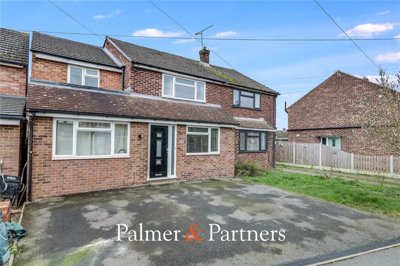
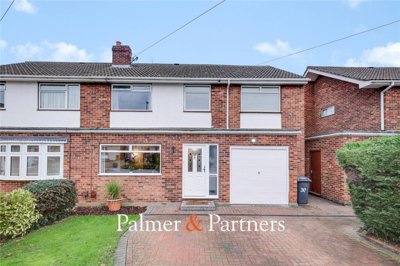
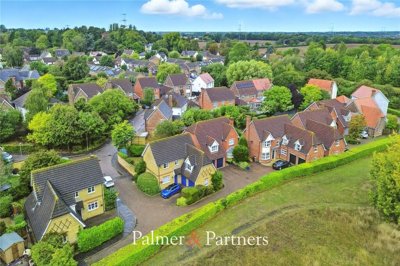
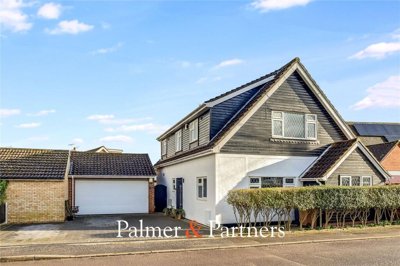
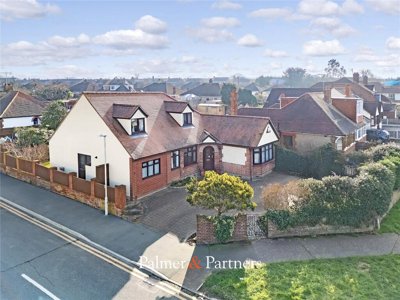
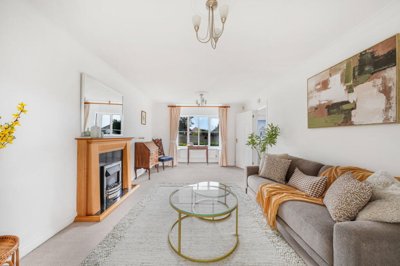
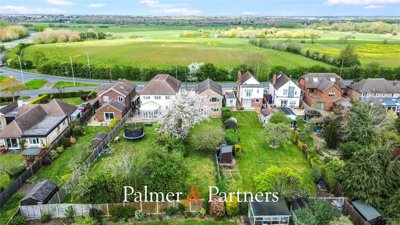
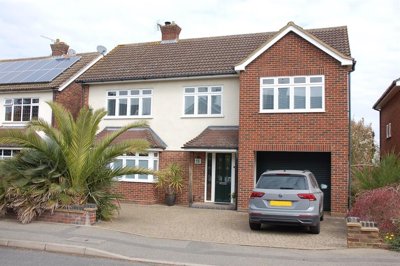
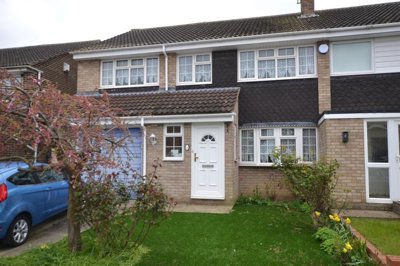
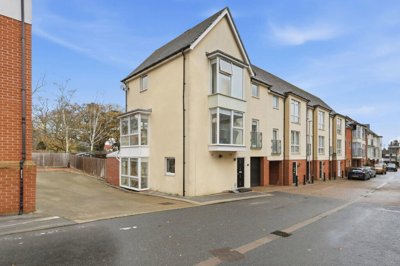
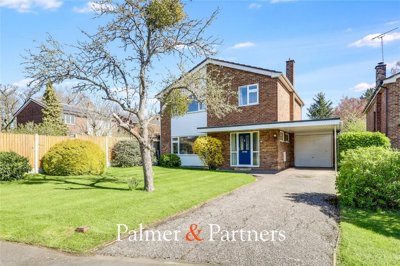
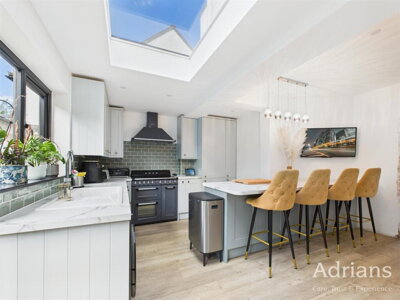
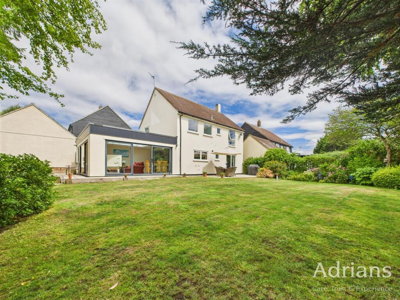
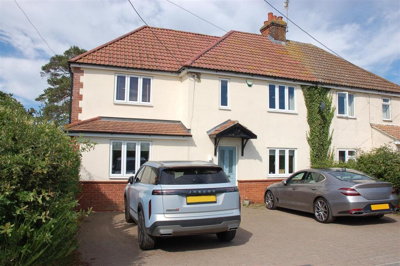
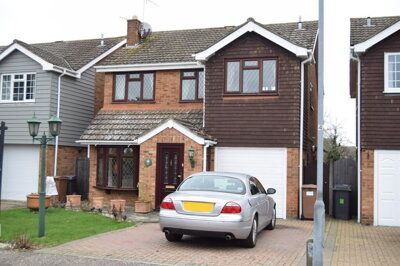
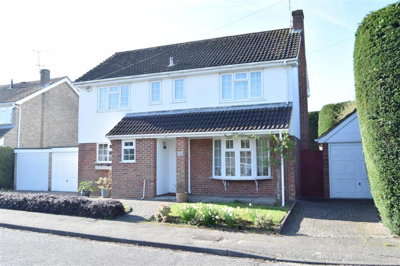
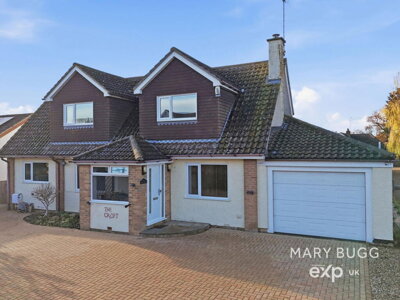
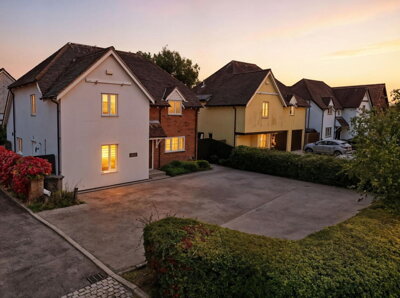
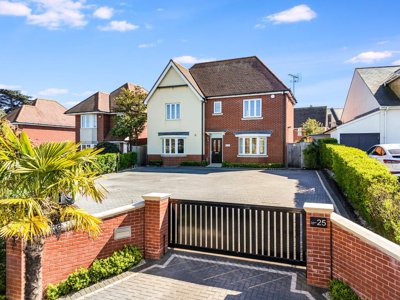
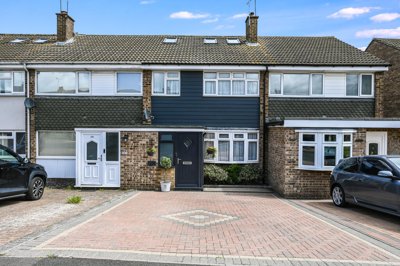
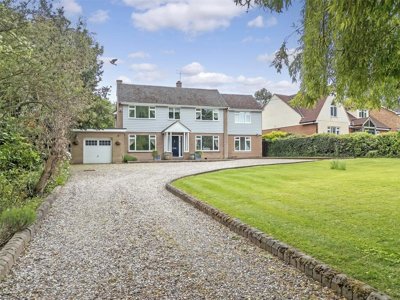
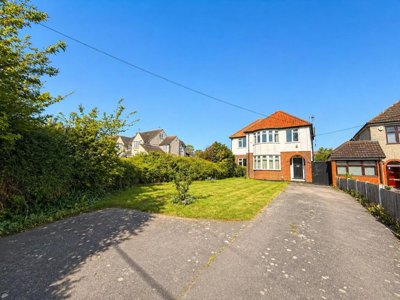
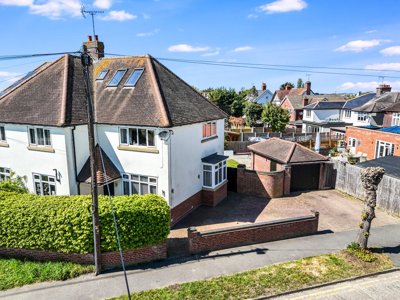
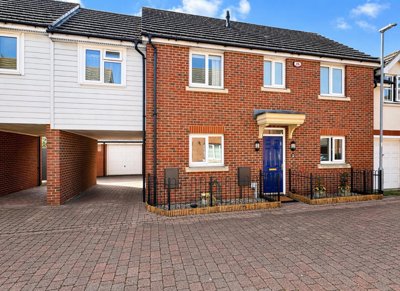
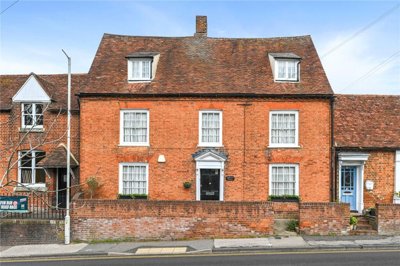
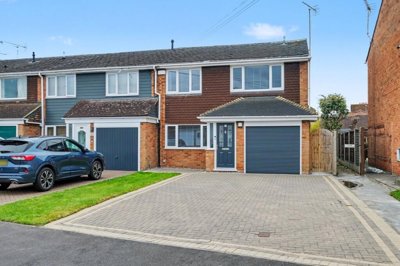
Browse 88 homes for sale in Galleywood, Chelmsford from local estate agents.
The larger property sector typically features multiple bathrooms, substantial reception space, and private gardens or off-street parking. Four bedroom houses in Galleywood span detached, semi-detached, and occasionally terraced configurations, with styles ranging from period properties to modern executive homes.
£813k
2
0
285
Source: home.co.uk
Showing 2 results for 4 Bedroom Houses for sale in Galleywood, Chelmsford. The median asking price is £812,500.
Source: home.co.uk
Detached
2 listings
Avg £812,500
Source: home.co.uk
Source: home.co.uk
£428,378
Average Price
45.1%
10-Year Growth
£607,409
Detached Average
£437,056
Semi-Detached Average
£348,769
Terraced Average
£175,250
Flats Average
Over the past decade, the Galleywood property market has moved upwards at a steady pace, with prices in the CM2 8BX postcode area up by 45.1% over ten years and 14.4% over the past five years. Values across the village are now about 9% below the £488,159 peak reached in 2022, which may leave room for buyers who missed that earlier high point. On a year-on-year basis, prices have climbed back by 9%, a sign of returning confidence in this sought-after Chelmsford suburb.
Buyers in Galleywood have a broad spread of property types to choose from. Detached houses average £607,409, semi-detached homes sit at roughly £437,056, terraced properties come in at about £348,769, and flats are still the most affordable at around £175,250. Current listings also include new build bungalows in central Galleywood priced from £500,000 to £675,000, which tend to catch the eye of downsizers and anyone wanting single-storey living. Over the past year, semi-detached homes made up most of the sales in the village, which says plenty about family demand here.
New build supply has stayed fairly tight. Outline planning permission has recently been granted for 24 new dwellings at Land North of Galleywood Reservoir on Beehive Lane, and reserved matters covering landscaping were being considered by Galleywood Parish Council in late 2024. That points to more homes reaching the market in the years ahead, but not in large numbers, and the restricted pipeline continues to support values across the village.

Galleywood goes back to early medieval times, and some of its farm buildings date from the 14th century, so the village still carries that long history in plain sight. In the centre stands The Eagle Public House, a Grade II listed building that has been part of local life for generations. Along Well Lane and The Street, you will still find 17th-century timber-framed houses and late 18th-century cottages. Galleywood Common adds valuable open space for walking and recreation, and parts of the village sit within designated Conservation Areas that help protect its historic character.
Quietly residential, Galleywood tends to suit families and buyers who want a calmer setting without losing easy access to town facilities. Around the village, the materials are classic Essex, red brick, rendered walls, weatherboarded cladding and plain tile roofs, all of which give the streets a consistent feel. Housing stock ranges from older cottages through to 1960s and 1970s homes, so there is a decent spread of styles and price points. Day-to-day needs are covered by local shops and services in the village centre, while Chelmsford city centre is only a short drive or bus journey away.
The community side of Galleywood is a real part of village life, with local facilities and events bringing residents together across the year. St Michael and All Angels church in the village adds another layer to its character, and RHS Garden Hyde Hall is only a short drive away if you want an extra option for days out, especially for keen gardeners and families.

For families planning a move, Galleywood offers solid schooling choices nearby. Younger children are served by well-regarded primary schools in and around the village, while older pupils usually look towards secondary schools in Chelmsford. Being within the Chelmsford City Council area also gives residents access to the grammar school system, with King Edward VI Grammar School and Chelmsford County High School for Girls standing out as key options for academically able students.
Parents often look closely at school standards here, and a number of primary schools around Galleywood have positive Ofsted ratings. Several are within easy reach and cover Reception to Year 6, while nearby nurseries and preschools provide early years options. School proximity can have a noticeable effect on prices on certain roads, so for families focused on education, it is sensible to check exact catchment areas before offering on a Galleywood property.
In Essex, grammar school entry is handled through the 11-plus examination, and families in Galleywood can attend local testing centres for these assessments. Demand for places at schools such as King Edward VI Grammar School can be high, so it helps to get familiar with admissions rules and deadlines well before any move. For older students, Chelmsford city centre has sixth form and further education choices, including established colleges and the university campus, offering routes into higher education and vocational study.

Getting about from Galleywood is straightforward enough for many commuters. The village is close to the A414, giving direct access into Chelmsford city centre and onward links to the A12 for journeys towards Colchester, Ipswich and the M25 motorway network. Bus services also run between Galleywood and Chelmsford railway station, which is useful for residents who rely on rail travel or want easy access to the city centre without driving.
For London commuters, Chelmsford railway station is a big draw, with regular trains to London Liverpool Street usually taking around 35-40 minutes. Services from the station also connect with places such as Stansted Airport, Cambridge and Norwich, widening the range of work and travel options. Cyclists can make use of local roads suited to confident riders, and the short distance to Chelmsford city centre makes a bike commute practical for some. Parking varies quite a bit, newer developments often include allocated spaces, while older terraced homes may depend on on-street parking.
Trips to Stansted Airport by public transport usually mean taking a bus to Chelmsford station and then changing trains, with total journey times of around one hour. By car, the route via the A12 and M11 normally takes about 30-40 minutes. The A12 is also the main route for reaching Colchester and Ipswich, which gives Galleywood residents useful links across East Anglia for both work and leisure.

Before starting a property search in Galleywood, we suggest getting a mortgage agreement in principle from a lender. It gives your offer more weight and shows sellers that your borrowing position has already been checked. With average prices in Galleywood at about £428,378, most buyers will need mortgage finance, so having that decision in place early can make a real difference when the right home comes up.
Start by looking through current listings so you can see what your budget really buys, from flats at around £175,000 to detached houses above £600,000. It also helps to compare streets, school access and transport links, because those details can change the feel and value of a purchase quite a bit. Spending some time on the local cycle of supply and pricing will also give you a clearer view of how Galleywood compares with nearby parts of Chelmsford.
Once you narrow down the shortlist, view each property carefully. We recommend looking beyond the layout and décor to the condition of the building, the immediate surroundings and any issues such as conservation area controls or listed building obligations that may apply. It is also worth visiting at different times of day so you get a proper sense of traffic, noise and the general feel of the neighbourhood before you decide to offer.
Found the right place? The next step is to put your offer in through the estate agent. Because prices in Galleywood are still around 9% below the 2022 peak, there may be room to negotiate on price and terms if you go in well prepared. We would always want the offer to reflect current market conditions and anything picked up during the viewing process.
After an offer is accepted, appoint a conveyancing solicitor to deal with the legal side and arrange a RICS Level 2 survey before you commit fully. In Galleywood, where some homes date from the 17th, 18th or 19th centuries, a RICS Level 3 survey can be the better choice, especially if there are concerns about structure, age-related defects or the quirks that often come with older buildings.
Once the searches are satisfactory and the mortgage is approved, contracts can be exchanged and a completion date agreed. On completion day, the balance of funds is transferred and the keys to your new Galleywood home are released. We always advise getting removal plans organised early, especially if you are moving in from further away, and making sure banks, utilities and other relevant parties have your change of address in good time.
Buyers should go in with their eyes open on heritage restrictions here. Galleywood includes several Conservation Areas, and those designations can affect permitted development rights as well as external alterations. Grade II and Grade II* listed properties bring extra responsibilities for upkeep and may need Listed Building Consent for major works, which can shape both future plans and costs. Among the village's listed buildings are The Eagle Public House, St Michael and All Angels church, 27 and 29 Well Lane, 27 The Street, and the barn at Great Seabrights Farm.
Because Galleywood includes everything from 17th-century timber-framed buildings to 1970s homes, a careful survey matters more than ever before purchase. Older properties may use traditional methods and materials that need specialist knowledge, including timber framed walls, older plaster finishes and period building materials that behave differently from modern construction. Homes close to Galleywood Common can benefit from open views and access to green space, but there can also be practical issues to consider, including tree root encroachment and wildlife linked to the surrounding common land.
Some Galleywood roads sit inside Conservation Areas, and that can mean tighter limits on permitted development than you would find elsewhere. If a property needs a major extension or renovation, we recommend speaking to Chelmsford City Council planning department before you make an offer, so you know what would need consent. Leasehold homes also need close checking, particularly ground rent terms and service charges, because those ongoing costs can shift the overall affordability of a purchase quite sharply.

Across Galleywood, the older housing stock shows off Essex building methods that developed over several centuries, and knowing how these homes were put together helps buyers judge both character and maintenance demands. The oldest examples, including 17th-century timber-framed houses on Well Lane and The Street, often have oak frames, wattle and daub or brick infill panels, plastered internal walls, and plain tile or slate roofs. They can be wonderful buildings, but renovation work usually needs specialist input, especially where settlement, movement or timber condition may need professional assessment.
Red brick and rendered walls are a familiar sight in Galleywood, reflecting the long-established materials used across Essex. Red brick commonly appears in chimney stacks, boundary walls and the external walls of some Georgian and Victorian houses. Weatherboarded cladding is also found on former agricultural buildings and on cottages converted for residential use, attractive in appearance but needing regular upkeep to reduce the risk of damp getting behind the boards. Roofing varies too, with plain tile on many historic properties, while 1960s and 1970s developments more often have concrete tile roofs, bringing different lifespans and replacement costs.
For any traditional property in Galleywood, we would include a detailed structural survey as part of proper due diligence. Homes built before modern regulations can have older electrics, lower insulation levels and drainage arrangements that fall short of current standards, sometimes leading to expensive updates. If you understand the building method and age from the outset, it becomes much easier to budget for maintenance, renovation and any work needed to make the home fit modern living while keeping its original character intact.

The average house price in Galleywood is currently about £428,378 according to homedata.co.uk, while home.co.uk gives a slightly higher average of £443,108 over the past year. Detached homes average between £590,800 and £607,409, semi-detached properties between £437,056 and £478,615, terraced houses around £339,000 to £348,769, and flats about £175,250. Prices are up 9% year-on-year, but they still sit roughly 9% below the 2022 peak of £488,159, which may open a window for buyers who missed the previous high.
Homes in Galleywood are charged under Chelmsford City Council tax bands, running from Band A for lower-value properties up to Band H for the highest-value homes. In practice, many semi-detached and terraced houses in the village tend to sit in Bands B to D, while larger detached properties may fall into Bands E to G depending on size and value. You can confirm the exact band through the Valuation Office Agency website or on the council tax bill, and the same detail is also recorded on the property's title.
Schooling is one of the reasons many families look closely at Galleywood. The village and surrounding area have access to several well-regarded primary schools, with a number holding positive Ofsted ratings for teaching quality and pupil welfare. For secondary education, pupils can look towards Chelmsford's selective grammar system, including King Edward VI Grammar School in Chelmsford town centre and Chelmsford County High School for Girls, both notable options for academically able children who pass the 11-plus. Catchment for primary places is based on proximity, so buyers with children should check the exact school for the address they are considering.
Bus routes link Galleywood with Chelmsford city centre and the railway station, where regular trains reach London Liverpool Street in around 35-40 minutes. By road, the A414 connects the village to Chelmsford and the A12, and Stansted Airport is about 30-40 minutes away by car via the M11. Public transport is enough for many everyday journeys, although buyers commuting to London each day may still prefer the flexibility that comes with having a car.
Long-term growth in Galleywood has been strong, with prices in the CM2 8BX postcode up by 45.1% over the past decade and 14.4% over the past five years, according to homedata.co.uk. Demand continues to draw support from the village's position near Chelmsford city centre, its local schools and its transport links to London. Supply remains restricted too, with outline planning permission recently granted for 24 new homes at Land North of Galleywood Reservoir, and that shortage may help underpin values for existing owners. Even so, property markets do change, and past performance is not a guarantee of future returns.
Anyone buying in Galleywood will usually pay standard SDLT rates, 0% on the first £250,000, 5% on the portion from £250,001 to £925,000, 10% on the portion from £925,001 to £1.5 million, and 12% on anything above £1.5 million. First-time buyers purchasing up to £625,000 can claim relief, paying 0% on the first £425,000 and 5% between £425,001 and £625,000. With average Galleywood prices around £428,378, many buyers near the middle of the market will face little or no stamp duty, while more expensive detached houses will attract higher SDLT bills.
Listed buildings are part of what gives Galleywood its identity. The village includes The Eagle Public House, St Michael and All Angels church, cottages on Well Lane and The Street, and the barn at Great Seabrights Farm. If you are thinking about buying one of these properties, we would normally advise using a surveyor with real experience of historic buildings, because listed status brings obligations to protect character and can mean Listed Building Consent is needed for works that would not require permission on an unlisted home. It is also wise to allow for higher maintenance costs and longer renovation timescales in Galleywood's Conservation Areas.
From £350
A detailed inspection before purchase helps identify defects, repair issues and maintenance concerns in the property condition.
From £500
For older or more complex homes, a comprehensive structural survey is usually the more suitable option.
From £60
An energy performance certificate is required on all property sales.
From £499
We work with solicitors who handle the legal side of your property purchase.
From 3.5%
We can also arrange expert mortgage advice and competitive rates for buyers in Galleywood.
Looking only at the agreed price can leave buyers short on budget, so it is important to account for the full cost of purchasing in Galleywood. Standard SDLT starts at 0% on the first £250,000 of the purchase price and rises to 5% on the portion between £250,001 and £925,000. With the average property price in Galleywood around £428,378, a standard buyer paying that figure would face SDLT of about £8,919.
First-time buyers get more generous SDLT thresholds, paying 0% on the first £425,000 and 5% on the portion between £425,001 and £625,000. That means a first-time buyer purchasing an average-priced Galleywood property at £428,378 would pay no stamp duty at all. Other costs still need to be budgeted for, including conveyancing fees of typically £800-£1,500, mortgage arrangement fees often in the £500-£2,000 range, survey costs with a RICS Level 2 from £350, and removal charges. Search fees, title fees and possible mortgage valuation costs should all be included if you want a full buying budget.
Flats and other leasehold properties in Galleywood can bring extra costs beyond the mortgage and purchase price. Service charges, ground rent review clauses, and possible major works contributions for communal areas and building maintenance all need checking, and they can vary widely from one property to another. We recommend asking for the last three years of service charge spending before you commit, because budgeting cautiously for those ongoing costs helps keep your new Galleywood home affordable over the long term.
Properties for Sale In London

Properties for Sale In Plymouth

Properties for Sale In Liverpool

Properties for Sale In Glasgow

Properties for Sale In Sheffield

Properties for Sale In Edinburgh

Properties for Sale In Coventry

Properties for Sale In Bradford

Properties for Sale In Manchester

Properties for Sale In Birmingham

Properties for Sale In Bristol

Properties for Sale In Oxford

Properties for Sale In Leicester

Properties for Sale In Newcastle

Properties for Sale In Leeds

Properties for Sale In Southampton

Properties for Sale In Cardiff

Properties for Sale In Nottingham

Properties for Sale In Norwich

Properties for Sale In Brighton

Properties for Sale In Derby

Properties for Sale In Portsmouth

Properties for Sale In Northampton

Properties for Sale In Milton Keynes

Properties for Sale In Bournemouth

Properties for Sale In Bolton

Properties for Sale In Swansea

Properties for Sale In Swindon

Properties for Sale In Peterborough

Properties for Sale In Wolverhampton

Enter your details to see if this property is within your budget.
Loans, cards, car finance
Estimated property budget
Borrowing + deposit
You could borrow between
Typical borrowing
Monthly repayment
Est. at 4.5%
Loan-to-value
This is an estimate only. Your actual budget may vary depending on interest rates, credit history, and personal circumstances. For an accurate affordability assessment, speak to one of our free mortgage advisors.
This calculator provides estimates for illustrative purposes only and does not constitute financial advice. Your home may be repossessed if you do not keep up repayments on your mortgage. Estimates based on 4.5% interest rate, repayment mortgage. Actual rates depend on your circumstances.
Homemove is a trading name of HM Haus Group Ltd (Company No. 13873779, registered in England & Wales). Homemove Mortgages Ltd (Company No. 15947693) is an Appointed Representative of TMG Direct Limited, trading as TMG Mortgage Network, which is authorised and regulated by the Financial Conduct Authority (FRN 786245). Homemove Mortgages Ltd is entered on the FCA Register as an Appointed Representative (FRN 1022429). You can check registrations at NewRegister or by calling 0800 111 6768.

We use cookies to show you personalised content and improve your experience of our website. Find out more in our Privacy policy and Cookie policy.