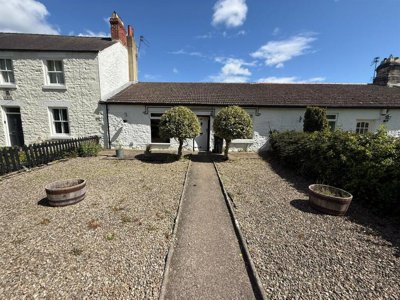
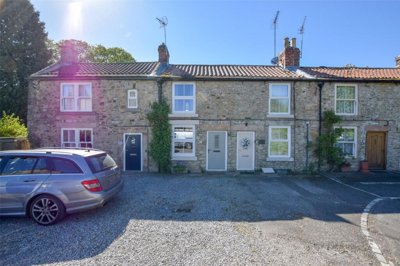
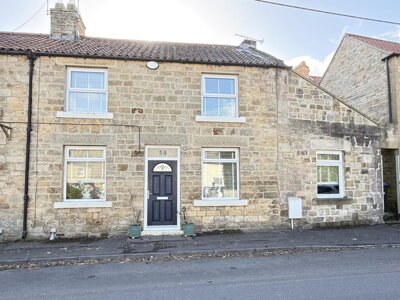
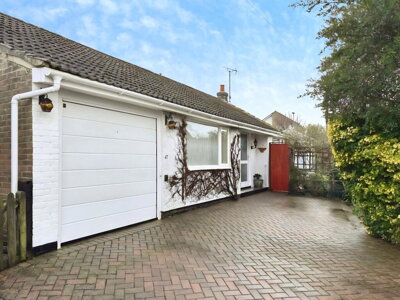
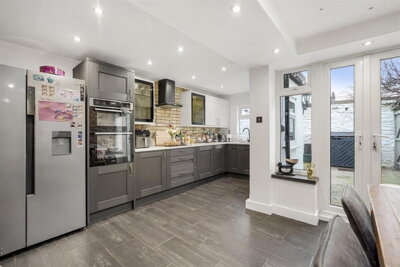
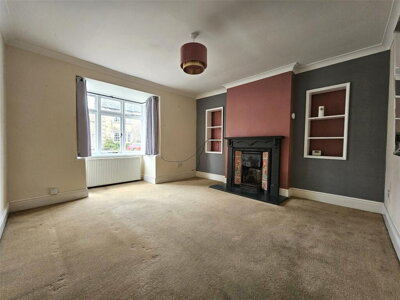
Browse 7 homes for sale in Gainford, County Durham from local estate agents.
The 2 bed house market features detached, semi-detached, and terraced properties with two separate bedrooms plus living spaces. Properties in Gainford range from Victorian and Edwardian period homes to modern new builds, with pricing varying across different neighbourhoods.
£175k
1
0
11
Source: home.co.uk
Showing 1 results for 2 Bedroom Houses for sale in Gainford, County Durham. The median asking price is £175,000.
Source: home.co.uk
Terraced
1 listings
Avg £175,000
Source: home.co.uk
Source: home.co.uk
According to homedata.co.uk, semi-detached homes made up 64.3% of sales in 2025, which tells us family demand is a big part of the Gainford market. In practice, that usually means three-bed and four-bed houses draw attention quickly, particularly in the historic core or near the main routes in and out of the parish. Older buyers’ favourites include stone and brick homes, while newer stock gives a lower-maintenance alternative. In Gainford, bedroom count is only part of the story, because condition and setting can push two similar homes to very different sale prices.
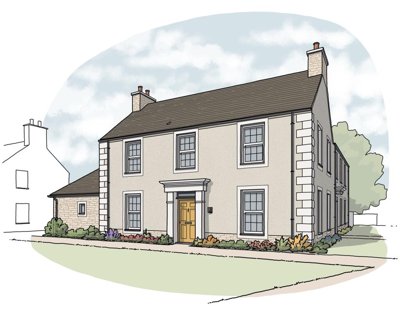
Recent movement has been encouraging, with homedata.co.uk sales records showing a 5.3% rise over the past 12 months, and wider local market data also pointing to double-digit growth in some sold-price snapshots. For us, that reads as a sign that Gainford remains in demand despite having a fairly small number of sales each year. New-build supply is beginning to widen the choice too, with Spa Gardens @ Gainford planned for land north of Spa Road and set to include 2, 3, 4 and 5 bedroom homes alongside 1-bedroom apartments. As more stock comes through, we would watch asking levels, specification and plot position carefully, because village schemes often sell a lifestyle as much as square footage.

On the north bank of the River Tees, in the Tees Lowlands, Gainford has a setting that buyers tend to remember. The ground shifts gently towards valley ridges and stepped terraces, so it feels more textured than a flat suburban fringe, and the river gives the village a strong focal point. Around the historic centre, older houses often use rubble and cobble, ashlar stone and render, which is a big part of the streetscape. High Row, High Green and Tees View are especially associated with Georgian character, with St Mary’s Church and Gainford Hall reinforcing that heritage.
The whole historic core sits within the conservation area, and there are 34 listed buildings within it. That level of protection shapes the feel of the place and helps explain why buyers looking for history and a settled village atmosphere are drawn here. Day to day, Gainford is quieter than a town, but it still offers the basics of a rural North East community, plus open views, riverside walks and straightforward access into the wider Darlington and Teesdale area. For many people, that balance is the point.
The research pack does not give us a confirmed school-by-school dataset for Gainford, so we would always advise checking the latest catchment maps before an offer goes in. In a smaller village, that can matter more than buyers expect, because primary and secondary choices may shift with postcode, intake year and local authority guidance. Families usually need to weigh travel arrangements as well as nearest-school distance, especially where village life means less walk-in choice. It is sensible to review current Ofsted reports, admission criteria and school transport options alongside the mortgage figures.
For families, Gainford often works on the village pattern where schooling reaches into nearby towns instead of sitting fully within the parish. That can suit buyers who want a quieter home base but access to a wider education network, although it does make early planning important. Detached and semi-detached homes dominate the local stock, which suggests many purchasers are buying for long-term family space rather than a short first step. Where schools are a priority, we would line up the viewing shortlist with the likely school run before choosing the best fit.

Travel here is driven more by the rural village setting than by any dense transport hub. Roads do most of the heavy lifting, with links into the wider County Durham network and practical access towards Darlington and the A1(M) corridor by nearby routes. For train travel, Darlington is the main station to use, with regional and long-distance services on the East Coast Main Line. That mix suits plenty of buyers who commute a few days a week and are comfortable building the journey around the car.
There is public transport, but not at the level you would expect in a larger town, so anyone relying on buses should check timetables with care before committing. Parking is often easier than in urban areas, although some of the older lanes and conservation-area streets can feel tighter, especially near the green and among the older homes. Cyclists may like the quieter rural lanes and riverside backdrop, but the local setup is better for confident riders than for anyone expecting full segregated infrastructure. We also suggest thinking about the winter journey, not just how the route feels on a dry weekday.
Gainford tends to suit buyers who want a calmer base and do not mind giving up some transport convenience in return for space, character and a stronger sense of community. That helps explain why the market often appeals to people who already know the area, or who are planning a long-term move rather than a brief stop. When we cost a purchase here, we would include fuel, rail fares and parking in the monthly budget, not only the mortgage payment. A mortgage agreement in principle is useful early on too, because it shows your total buying power before viewings start.
We would begin by comparing homes around the conservation area, the green and the newer edge-of-village developments, because setting changes value in Gainford. It also helps to look closely at the road layout, the river setting and how near each property sits to the main routes out of the village.
Well-presented village homes can draw interest quickly. We recommend booking viewings as soon as a suitable property appears, and taking a mortgage agreement in principle so sellers and agents can see you are ready to proceed.
Character is a big draw in older stone and rendered homes, but we would still look carefully at roofs, damp, windows and services. Where a property is period or listed, maintenance needs and any limits on alterations deserve proper attention before you go further.
Once an offer is the right move, we would choose a conveyancer who can deal efficiently with searches, title checks and any conservation-area points. Local knowledge can make a real difference where a house sits in the historic core or comes with a less straightforward legal history.
For many Gainford properties, a RICS Level 2 survey is a sensible starting point, especially where age, traditional materials or visible wear may feed into future costs. Where a home is older or has been altered more substantially, a fuller survey can give us a clearer view of what lies ahead.
After the legal work is complete and the mortgage offer has been issued, the next step is to exchange contracts and agree a completion date. We would keep funds ready for deposits, legal fees and moving costs so the final stage stays orderly.
One of the first things to get clear on in Gainford is the Conservation Area, because it covers the historic core, the village green and some later development to the north of the main road. That can have a bearing on external alterations, windows, roofing materials and the way a property may be improved later on. For a cottage or a Georgian-style home, we would ask the solicitor to confirm whether it is listed or affected by added planning controls. The village setting is attractive, but buyers need a realistic picture of what they can and cannot change.
The river setting also deserves a proper check, even though the research does not give us a specific mapped flood zone in the snippets provided. Flood risk concerns were raised during the Spa Road development process, and that alone is enough to make environmental searches a priority. This matters even more for homes nearer the River Tees or on lower-lying ground around the village. A standard conveyancing search package should pick this up, but we would still ask the solicitor to explain what the result means for the exact home under consideration.
Construction type is another area buyers should not skim over, because Gainford includes older stone houses, modern brick and render homes, and new properties at Spa Gardens. Traditional buildings often bring charm, but they can also bring ongoing work to roofs, pointing, chimneys and older services. Flats and newer houses may reduce some of that maintenance, though they can introduce leasehold terms, service charges or estate management arrangements that need checking before commitment. A careful survey, plus a close read of the lease or title, can spare a lot of stress later.
homedata.co.uk records a median sale price of £247,498 from 2025 sales in Gainford. We find that a useful guide because it is based on completed transactions rather than asking prices. Even so, the property mix matters, with detached homes recently selling at around £305,000 and terraced homes at around £132,500. In a small market, prices can shift quickly, so budget setting works best when you compare the exact house type, position and condition.
Council tax in Gainford is tied to the individual property rather than the village name alone. Durham County Council issues the bill, but the band shown on the property record can vary a lot between a cottage and a larger detached house. That is no surprise in a place with period homes, semi-detached family houses and newer developments all in the mix. We would always check the exact listing, or have the solicitor confirm the precise band, before final budgeting.
The research we have for Gainford does not include confirmed school rankings or current Ofsted ratings, so the latest position should be checked directly before any offer is made. Families often need to consider catchment patterns across nearby villages and the wider Darlington area, which makes the exact address matter more than the village name by itself. Where schooling sits near the top of the list, we would compare primary and secondary options alongside travel time and admission rules. That extra bit of groundwork can materially affect the move.
For most buyers, Gainford works better for car-based travel than for a fully public-transport-led commute. Darlington is the main rail hub serving the area, with regional and long-distance connections, and the road network links the village into the wider County Durham area. Buses do run, but they are less frequent than town services, so checking the timetable is essential. We usually suggest testing the route at the times you would genuinely need to travel.
As a long-term buy, Gainford can have real appeal, particularly for people who place value on village character, the river setting and conservation-area status. homedata.co.uk shows a 5.3% increase over the past 12 months, which points to steady demand rather than a stagnant market. Because sales volume is limited, prices can react more sharply when the right property appears, especially with well-kept semi-detached or detached homes. In our experience, the strongest buys in village markets are usually well located, manageable to maintain and sensibly priced.
For 2024-25, standard stamp duty is charged at 0% up to £250,000, 5% from £250,000 to £925,000, 10% from £925,000 to £1.5 million and 12% above that. First-time buyers pay 0% up to £425,000, then 5% from £425,000 to £625,000, and there is no relief above £625,000. At Gainford’s 2025 median sale price of £247,498, a purchase would fall under the standard 0% threshold. We would always check whether the buyer is a first-time buyer, replacing a main home or purchasing an additional property, because the bill changes accordingly.
Recent sales show semi-detached homes leading the market, accounting for 64.3% of sales in 2025. That points to strong demand for family-sized housing, although Gainford also includes detached, terraced and some flat accommodation. It is part of the reason the village attracts both upsizers and buyers after a quieter setting. For the broadest choice, we would watch both period homes and newer builds as they come to market.
From 4.5%
Compare mortgage rates and find the best deal
From £499
Expert solicitors to handle your purchase
From £350
Homebuyer report for your new property
From £60
Check the energy rating before you buy
Stamp duty is one of the bigger costs to plan for in Gainford, although many village purchases still sit below the standard 0% threshold. On a home priced around the 2025 median of £247,498, a standard buyer would currently pay no stamp duty because the figure stays under £250,000. First-time buyers have a wider relief band up to £425,000, which can help if the target is a semi-detached family house or a smaller modern property. Once a price moves above those thresholds, the bill rises quickly, so we would calculate it before any offer goes in.
Beyond stamp duty, we would budget for mortgage fees, valuation or survey costs, solicitor fees, searches and moving expenses. Village purchases can also bring extra spending on older properties, especially where a survey identifies roof work, damp treatment or electrical upgrades. That is why we recommend having a mortgage agreement in principle in place before viewings, then choosing the right survey once an offer has been accepted. A clear budget helps buyers move forward with confidence and cuts the risk of last-minute surprises once the legal process starts.
Properties for Sale In London

Properties for Sale In Plymouth

Properties for Sale In Liverpool

Properties for Sale In Glasgow

Properties for Sale In Sheffield

Properties for Sale In Edinburgh

Properties for Sale In Coventry

Properties for Sale In Bradford

Properties for Sale In Manchester

Properties for Sale In Birmingham

Properties for Sale In Bristol

Properties for Sale In Oxford

Properties for Sale In Leicester

Properties for Sale In Newcastle

Properties for Sale In Leeds

Properties for Sale In Southampton

Properties for Sale In Cardiff

Properties for Sale In Nottingham

Properties for Sale In Norwich

Properties for Sale In Brighton

Properties for Sale In Derby

Properties for Sale In Portsmouth

Properties for Sale In Northampton

Properties for Sale In Milton Keynes

Properties for Sale In Bournemouth

Properties for Sale In Bolton

Properties for Sale In Swansea

Properties for Sale In Swindon

Properties for Sale In Peterborough

Properties for Sale In Wolverhampton

Enter your details to see if this property is within your budget.
Loans, cards, car finance
Estimated property budget
Borrowing + deposit
You could borrow between
Typical borrowing
Monthly repayment
Est. at 4.5%
Loan-to-value
This is an estimate only. Your actual budget may vary depending on interest rates, credit history, and personal circumstances. For an accurate affordability assessment, speak to one of our free mortgage advisors.
This calculator provides estimates for illustrative purposes only and does not constitute financial advice. Your home may be repossessed if you do not keep up repayments on your mortgage. Estimates based on 4.5% interest rate, repayment mortgage. Actual rates depend on your circumstances.
Homemove is a trading name of HM Haus Group Ltd (Company No. 13873779, registered in England & Wales). Homemove Mortgages Ltd (Company No. 15947693) is an Appointed Representative of TMG Direct Limited, trading as TMG Mortgage Network, which is authorised and regulated by the Financial Conduct Authority (FRN 786245). Homemove Mortgages Ltd is entered on the FCA Register as an Appointed Representative (FRN 1022429). You can check registrations at NewRegister or by calling 0800 111 6768.

We use cookies to show you personalised content and improve your experience of our website. Find out more in our Privacy policy and Cookie policy.