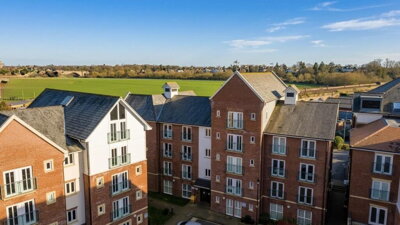
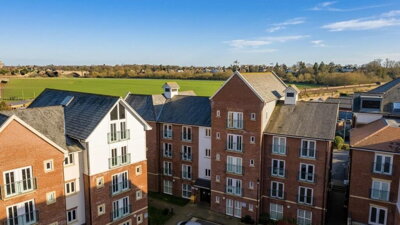
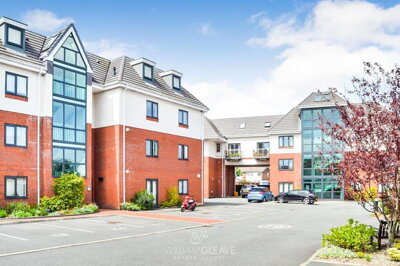
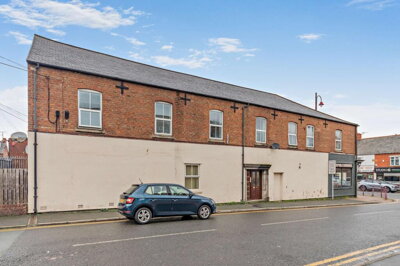
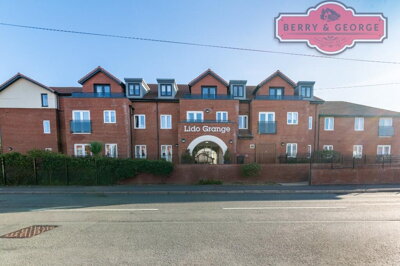
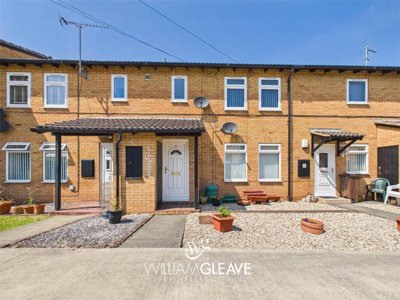
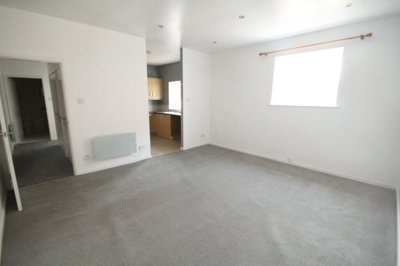
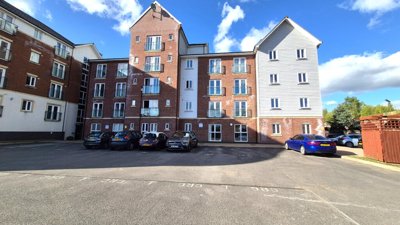
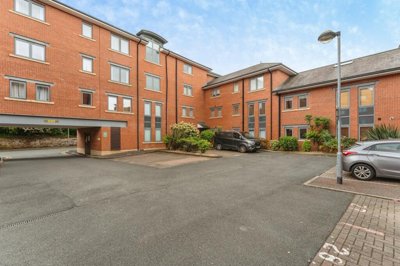
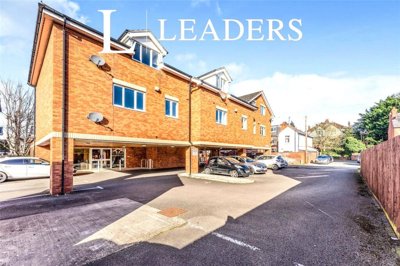
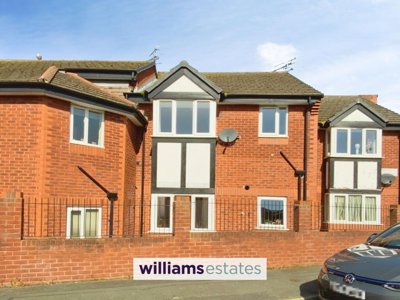
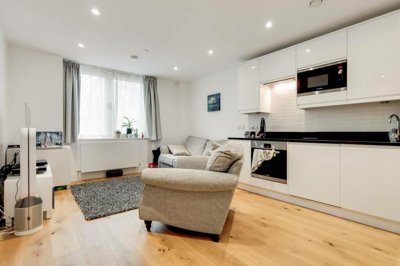
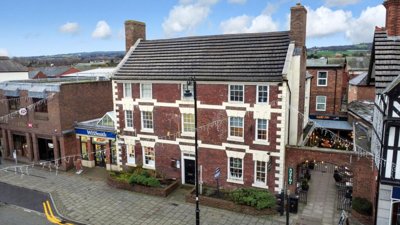
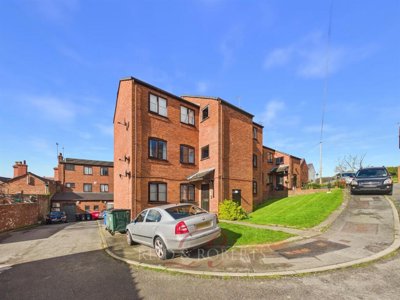
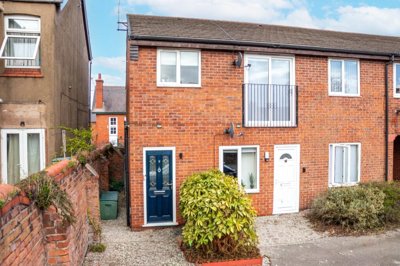
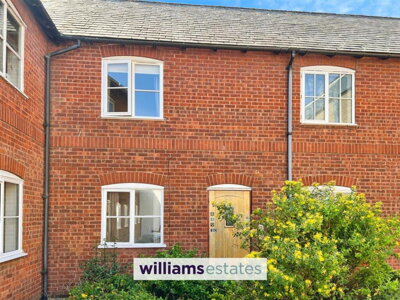
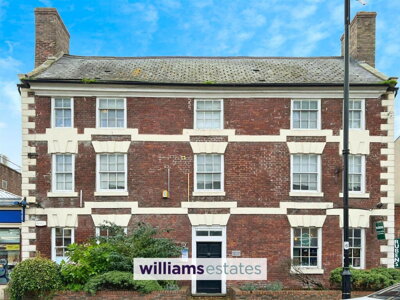
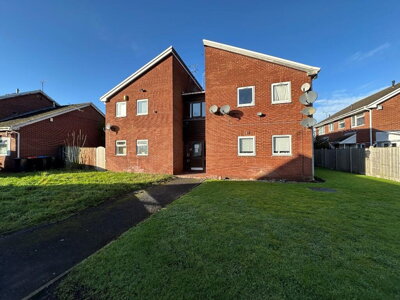
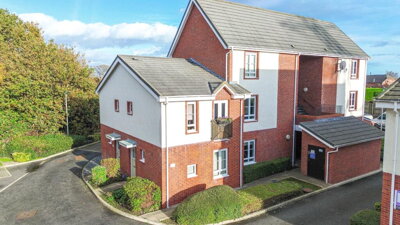
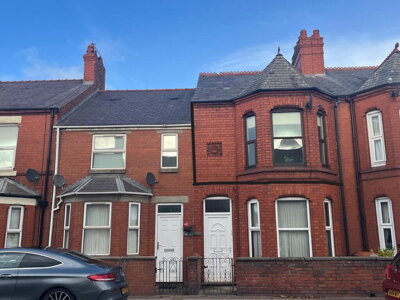
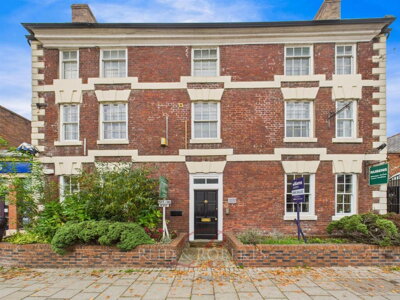
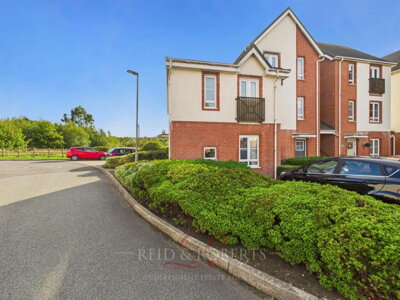
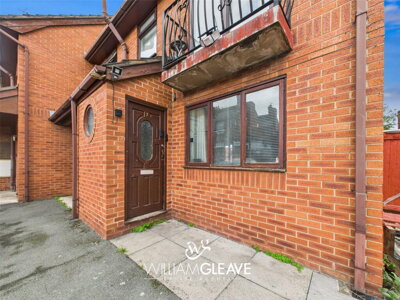
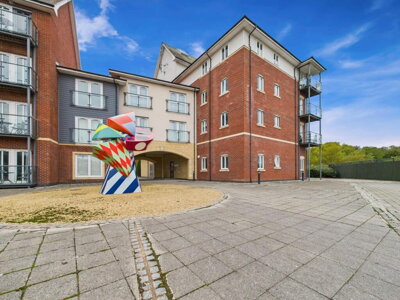
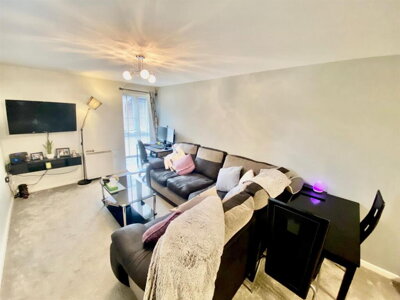
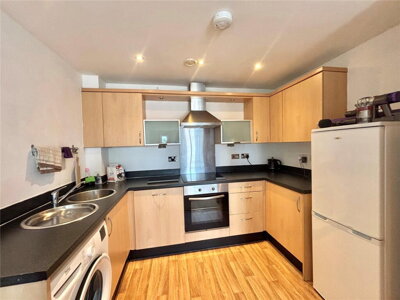
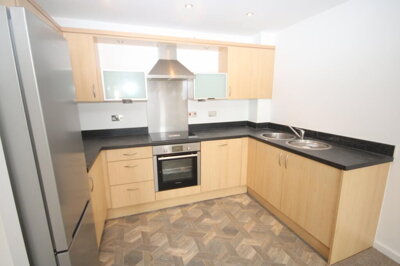
Browse 28 homes for sale in Flintshire, Cymru / Wales from local estate agents.
One bed apartments provide a separate bedroom alongside distinct living space, bathroom, and kitchen areas. Properties in Flintshire are available in various building types including mansion blocks, contemporary developments, and house conversions.
£155k
7
1
103
Source: home.co.uk
Showing 7 results for 1 Bedroom Flats for sale in Flintshire, Cymru / Wales. 1 new listing added this week. The median asking price is £155,000.
Source: home.co.uk
Flat
7 listings
Avg £128,571
Source: home.co.uk
Source: home.co.uk
Across the last 12 months, homedata.co.uk records show 1,568 sales in Flintshire, which points to a market with real depth rather than just a small run of isolated completions. Prices have been fairly steady overall, with the county average rising 0.5% year on year to £214,000 in December 2025. To us, that reads as an active market without the feel of overheating, giving buyers room to compare homes properly and negotiate with some confidence.
Budgets stretch very differently across Flintshire, largely because the gap between property types is so wide. Detached homes average £308,000 and usually draw families looking for space, gardens and parking, while terraced homes at £156,000 and flats at £106,000 remain useful entry points for first-time buyers and downsizers. home.co.uk also shows new-build homes coming up in Flintshire from time to time, but active schemes can change quickly, so it is best to check directly before arranging a viewing.

Part of Flintshire's draw is the contrast from one area to the next. Head east and you are nearer the Chester edge and the Dee floodplain, while the centre and west bring market-town streets, rural lanes and hillside views around places such as Halkyn Mountain. The housing stock follows that pattern, with stone, brick, render and slate roofs all in the mix, reflecting older North Wales building traditions as well as later phases of growth.
Street-level character matters here. Historic centres such as Flint, Holywell and Mold offer independent shops, cafés, services and a stronger sense of heritage, while villages across the county often feel quieter and give people more breathing space. The job base also shapes the market, with manufacturing, retail, public services and the aerospace sector around Broughton all helping to support demand and keeping the county linked to work on both sides of the border.
For families searching for homes for sale in Flintshire, catchment maps are often the first thing we would check, because the right address can count for as much as the right house. Flintshire County Council sets the local admission rules, and places can shift quickly across town and village boundaries, so it makes sense to look at the nearest primary, secondary and sixth form options before making an offer. In Wales, Estyn is where school inspection reports are issued, so that is the place to look for recent performance and standards.
Many buyers are surprised by how much choice there is between English-medium and Welsh-medium education in Flintshire. Sixth form and further education routes matter too, especially for families keen to stay local rather than travel into Chester or farther afield. The best way to narrow things down is to shortlist homes with the school run in mind, then confirm that your preferred house sits within the intake area for the schools you want.

Transport is one of Flintshire's stronger selling points. That is especially true for buyers dividing the working week between North Wales and the North West. The eastern side of the county sits well for Chester, and road links make Liverpool and Manchester realistic commuter destinations for many households, which can be a big advantage when balancing Flintshire affordability against access to larger job markets nearby.
Public transport tends to work best around the main towns and the busier commuting corridors, so checking the nearest service is worthwhile before settling on a village home. Rail access can be a real plus for buyers trying to cut down on driving, although the level of convenience depends on which part of the county you choose. Parking is often easier in smaller settlements, whereas historic centres can be tighter, with limited on-street space on roads that were never built for modern levels of car ownership.
Start with a mortgage agreement in principle, so you know what you can borrow and sellers know your offer is serious.
Look across towns, villages and border spots, then work out whether estuary access, a school catchment, a rural setting or easier travel into Chester matters most to you.
Before committing to a second viewing, ask about flood history, parking, heating, roof condition and any mining or conservation constraints.
In Flintshire, local searches really do matter, especially where flood risk, older titles, conservation controls or historic mining land could affect the purchase.
A RICS Level 2 survey is a good fit for many standard homes. Older stone houses, listed buildings and heavily altered properties, though, often justify a fuller inspection.
Keep track of mortgage conditions, search results and any onward chain, then settle on a completion date that leaves enough time for removals and utilities.
Flood risk is one of the big things to check in Flintshire, particularly near the River Dee, the Dee Estuary and lower-lying land where surface water drainage can be an issue. Some parts of the county also lie within historic coal measures or mining-affected ground, so a mining search can be every bit as important as a standard local authority search. Near the coast, near a river, or close to a former industrial area, that extra due diligence can save a lot of trouble later.
Older homes across the county can be full of character, but they often need a proper inspection. Damp, roof wear, slipped slates, outdated wiring, tired plumbing and timber decay appear more often in traditional properties, and clay-rich ground can create shrink-swell movement that affects foundations. Historic town centres also bring conservation areas and listed buildings, so alterations, windows, extensions and even some repairs may need tighter consent than many buyers expect.
Flats and maisonettes call for a different checklist. Service charges, ground rent, building insurance and lease length can all affect affordability, and those running costs matter just as much as the asking price when setting a budget. With a newer property, we would also check warranties, estate charges and road adoption status, because those details can shape long-term ownership costs in ways that are easy to miss on a first viewing.

According to homedata.co.uk, the average house price in Flintshire was £214,000 in December 2025, a 0.5% increase on December 2024. There is also clear variation between property types, with detached homes averaging £308,000, semi-detached homes £191,000, terraced homes £156,000 and flats and maisonettes £106,000. That spread keeps Flintshire within reach for a wide range of budgets, from first-time buyers to families wanting more room.
Flintshire properties sit within the standard Welsh council tax bands, A to H, and the band is based on the assessed value of the home. Flintshire County Council sets the bill, which means 2 similar homes can still pay different amounts where they fall into different bands. Before putting in an offer, it is sensible to check the exact address and build that figure into your monthly budget.
There is not one single best school for every buyer. The right choice depends on where you want to live and whether English-medium or Welsh-medium education suits you better. Flintshire County Council admission rules and catchment areas can make one street more sought after than the next, so the exact postcode matters, and Estyn reports are the best place to review a school's recent inspection history. Many families look at the nearest primary, secondary and sixth form together before deciding on a home.
For a county, Flintshire is reasonably well connected, particularly around the main towns and the eastern border. Chester is usually the simplest city commute from that side of the county, and Liverpool or Manchester can also be practical for regular travel with the right road or rail link. Bus coverage is stronger in the larger settlements than in some rural villages, so evening services and weekend frequency are worth checking for anyone planning to get around without a car.
As an investment area, Flintshire can make sense because entry prices are still relatively affordable and demand comes from a broad mix of families, commuters and local workers. homedata.co.uk records show 1,568 sales in the last 12 months, which suggests a live market rather than thin trading. Even so, investors should look closely at flood risk, mining history, lease terms and local running costs, because the better return usually comes from choosing the right property in the right part of the county.
For most buyers in England and Wales, the standard stamp duty threshold is 0% up to £250,000, then 5% from £250,000 to £925,000. On a Flintshire home at the county average of £214,000, a standard buyer would normally pay no stamp duty. First-time buyers also pay 0% up to £425,000, though different rules can apply where another property is already owned.
In Flintshire, a survey is usually money well spent, especially where a property is older, altered or close to flood-prone or mining-affected ground. A RICS Level 2 survey often suits a conventional house in reasonable condition, while a more detailed Level 3 survey is the better choice for period homes, listed buildings or homes with visible defects. It can flag damp, roof wear, movement and other issues before they become expensive repairs.
Yes, new-build homes do come onto the market in Flintshire, although active schemes can change quickly and the details are best checked with the developer or on home.co.uk listings. New homes often appeal to buyers who want lower maintenance, modern insulation and a more predictable purchase process. They can also carry estate charges, so the management information is always worth reading carefully before committing.
For many Flintshire buyers, stamp duty is fairly straightforward because the county average remains below the main threshold. On a standard purchase at £214,000, the usual SDLT bill is £0 under current rules, as the 0% band runs up to £250,000. First-time buyers also pay no SDLT on purchases up to £425,000, which puts many Flintshire homes inside the relief zone.
Even where SDLT is low or nil, the extra costs still need planning for. Mortgage arrangement fees, legal fees, searches, survey costs, removals and any urgent repairs found after the inspection should all be in the budget. Buyers of a second home or an additional property also need to watch the higher-rate surcharge, because that can change the numbers before an offer is made.
Properties for Sale In London

Properties for Sale In Plymouth

Properties for Sale In Liverpool

Properties for Sale In Glasgow

Properties for Sale In Sheffield

Properties for Sale In Edinburgh

Properties for Sale In Coventry

Properties for Sale In Bradford

Properties for Sale In Manchester

Properties for Sale In Birmingham

Properties for Sale In Bristol

Properties for Sale In Oxford

Properties for Sale In Leicester

Properties for Sale In Newcastle

Properties for Sale In Leeds

Properties for Sale In Southampton

Properties for Sale In Cardiff

Properties for Sale In Nottingham

Properties for Sale In Norwich

Properties for Sale In Brighton

Properties for Sale In Derby

Properties for Sale In Portsmouth

Properties for Sale In Northampton

Properties for Sale In Milton Keynes

Properties for Sale In Bournemouth

Properties for Sale In Bolton

Properties for Sale In Swansea

Properties for Sale In Swindon

Properties for Sale In Peterborough

Properties for Sale In Wolverhampton

Enter your details to see if this property is within your budget.
Loans, cards, car finance
Estimated property budget
Borrowing + deposit
You could borrow between
Typical borrowing
Monthly repayment
Est. at 4.5%
Loan-to-value
This is an estimate only. Your actual budget may vary depending on interest rates, credit history, and personal circumstances. For an accurate affordability assessment, speak to one of our free mortgage advisors.
This calculator provides estimates for illustrative purposes only and does not constitute financial advice. Your home may be repossessed if you do not keep up repayments on your mortgage. Estimates based on 4.5% interest rate, repayment mortgage. Actual rates depend on your circumstances.
Homemove is a trading name of HM Haus Group Ltd (Company No. 13873779, registered in England & Wales). Homemove Mortgages Ltd (Company No. 15947693) is an Appointed Representative of TMG Direct Limited, trading as TMG Mortgage Network, which is authorised and regulated by the Financial Conduct Authority (FRN 786245). Homemove Mortgages Ltd is entered on the FCA Register as an Appointed Representative (FRN 1022429). You can check registrations at NewRegister or by calling 0800 111 6768.

We use cookies to show you personalised content and improve your experience of our website. Find out more in our Privacy policy and Cookie policy.