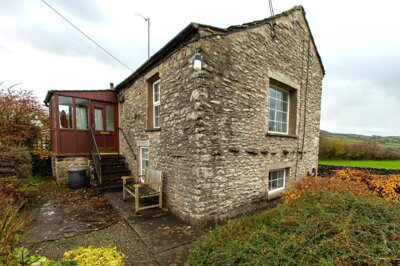
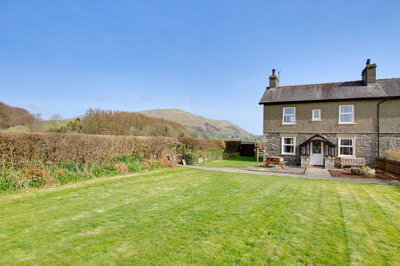
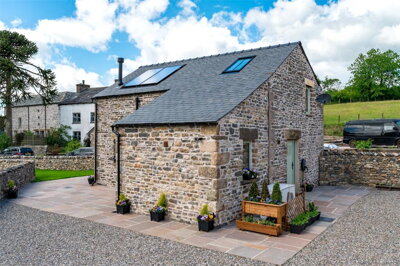
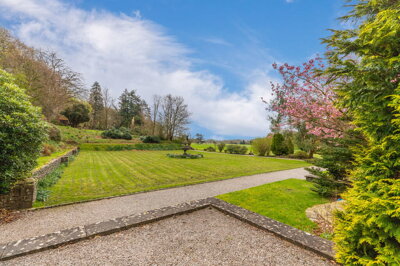
Browse 4 homes for sale in Firbank, Westmorland and Furness from local estate agents.
The 2 bed house market features detached, semi-detached, and terraced properties with two separate bedrooms plus living spaces. Properties in Firbank range from Victorian and Edwardian period homes to modern new builds, with pricing varying across different neighbourhoods.
£0k
0
0
0
Source: home.co.uk
Showing 0 results for 2 Bedroom Houses for sale in Firbank, Westmorland and Furness.
Firbank's property market mirrors the feel of this small Cumbrian settlement, where the housing stock is mainly traditional stone-built homes that have been here for generations. Sales data for Firbank itself is thin on the ground because the village is so small, but the wider South Lakeland district recorded 1,600 property sales in the twelve months to January 2024, which gives a useful sense of local activity. Across the district, detached homes average £465,562 and semi-detached properties average £280,309, while the mix also runs from old farmhouses and cottages through to more modern detached houses.
House prices in South Lakeland have edged down by 2.2% over the past year, which may open the door for buyers looking for value in a highly regarded part of Cumbria. Terraced homes average £222,082, and flats are still fairly scarce at around £165,372. Firbank sits within the Lake District National Park, so new build development is heavily constrained by planning controls. Limited supply, strong demand, and the pull of this protected landscape all support values over the longer term.
Most homes in Firbank were built before 1919, a reminder of the village's roots as a farming community. New build property is almost unheard of here, so buyers are usually looking at character homes that need some level of maintenance or updating. Expect features such as exposed stone walls, open fireplaces, timber beams, and slate roofs. That is part of the appeal, though it also means a thorough survey matters before committing to a purchase.
For investors, Firbank benefits from the Lake District's long-standing appeal as both a holiday destination and a place to retire. UNESCO World Heritage Site status, confirmed in 2017, has strengthened the region's profile and helped underpin values through wider market shifts. If we look at Firbank over the long term, the protected landscape, limited development potential, and steady demand from buyers chasing a classic English countryside setting all work in its favour.

Day-to-day life in Firbank has a very English rural rhythm, with the seasons setting the pace for work and community events. The village sits within the Westmorland and Furness local authority area, and nearby market towns such as Kirkby Lonsdale provide the main shops and services. The landscape is shaped by the Lake District's geology, with slate, limestone, and sandstone all leaving their mark on the ground and on the buildings. Rugged fells rise behind the village, while the River Lune runs gently nearby.
Agriculture sits at the centre of the economy around Firbank, and many local farms still follow the traditional practices that shaped the countryside over centuries. Sheep farming remains especially important in the uplands, where the hardy Cumbrian breed has grazed the fells for generations. Tourism also matters a great deal, with the Lake District's UNESCO World Heritage Site status bringing walkers, cyclists, and climbers. Residents also have access to good pubs and restaurants in surrounding villages, plus churches, traditional markets, and regional events.
Traditional local materials are everywhere here. Many Firbank houses were built with Cumbrian stone and slate, using skills passed down through generations of builders. Solid stone walls usually measure between 300mm and 600mm thick, which gives them excellent thermal mass, but they do need careful moisture management. Roofs are typically timber trusses topped with Welsh slate or local slate, quarried from the Lake District hills for centuries. That construction history matters when you are judging condition or planning any works.
Community life in Firbank tends to revolve around rural traditions and seasonal gatherings that pull people together through the year. The local pub is an important meeting place, and village events often celebrate the area's agricultural past. New residents usually find the community warm and welcoming, and plenty of people here can trace their families back several generations. That sense of belonging is hard to find in larger places, and it is a big part of Firbank's appeal.

Families moving to Firbank will find schooling options within a sensible drive, although the rural setting means most schools are in nearby villages and market towns. Primary places are available at village schools in surrounding communities, where small classes allow for close attention and stronger local ties. With a population of 107 residents, children here often travel together to shared schools, which helps create that close-knit feel that runs through the area.
For secondary education, families usually look towards Kendal and Kirkby Lonsdale, which act as the main catchment towns for Firbank households. Schools there typically offer GCSE and A-Level options, and some have sixth form provision as well. It is sensible to check catchment areas and admissions policies before buying, because places can be tight in popular rural locations. Further education is likely to mean Kendal or Barrow-in-Furness, where vocational and academic courses are available for older students.
The Lake District's outdoor culture often feeds straight into school life, with many local schools bringing environmental education and active learning into the classroom. The landscape around Firbank is used for geography fieldwork, outdoor programmes, and activities such as fell running, climbing, and hiking. Many parents see that link with the natural world as a real strength when bringing up children here. For those who want private education, Kendal has independent schools offering primary through to secondary provision.

Transport from Firbank reflects the village's rural setting, so most residents depend on private cars for commuting and everyday trips. The village is within reasonable reach of the A65, a major route linking Kendal with the Yorkshire Dales and giving access to larger places such as Lancaster and Leeds. Kendal is around 30 minutes away by car, while Lancaster takes about 45 minutes. Even the routine drive comes with big views of the Lake District.
Public transport is thinner on the ground here, with bus services running to reduced timetables compared with urban routes. The nearest railway stations are Oxenholme, on the West Coast Main Line, and Kendal, both of which connect to London, Edinburgh, and Manchester. Because journeys can be long, remote working has become more practical, helped by fast broadband in many homes. Cycling is popular too, with quiet lanes offering pleasant routes for both leisure and commuting. Liverpool John Lennon is the nearest major airport, roughly 90 minutes away by car.
Living in Firbank means accepting that a car is a necessity rather than a convenience. Weekly shops in Kendal or Kirkby Lonsdale are part of normal life, and many households combine them with other town errands. For home workers, the combination of fast broadband and a peaceful village setting is a major plus. Grocery and other delivery services have also grown in recent years, which cuts down the number of trips into town for plenty of homes.

Search property listings on home.co.uk and look at recent sales across South Lakeland to get a feel for pricing trends. Because there are so few homes in Firbank itself, it makes sense to widen the search to nearby villages and stay ready when the right property appears. Setting up alerts can help, as desirable rural homes in the Lake District often sell quickly.
Before you start viewings, speak to local mortgage brokers or use our comparison tools to secure a mortgage agreement in principle. It shows sellers that you are serious and gives you a clear budget, which in South Lakeland averages around £298,409 for residential property. Older Firbank homes may also need a survey before lenders will finalise an offer, so that should sit in your timeline from the outset.
Once you have a shortlist, visit each property in Firbank and look closely at its condition, setting, and distance from local amenities. Age and construction are key here, because many homes are traditional stone buildings that need careful checks for damp, roof condition, and structural soundness. We suggest seeing properties at different times of day too, so you can judge natural light and any noise from the surrounding countryside.
Before moving ahead, instruct a qualified surveyor to carry out a RICS Level 2 Survey, which is particularly important for older homes in the Lake District. In the wider Cumbria area, survey costs usually sit between £400 and £900, depending on size and value, and the report will flag defects that may need work or a price discussion. Our surveyors know traditional Cumbrian properties well and understand the issues that commonly affect homes here.
Choose a solicitor with experience in rural Cumbrian transactions to handle the legal side of the purchase. They will run searches, review contracts, and deal with the seller's solicitors so the process keeps moving. Rural deals can raise extra points such as agricultural drainage rights, rights of way, and Common Land registrations, so specialist knowledge is helpful.
When surveys, searches, and legal work are all in good order, you can exchange contracts and pay your deposit. Completion usually follows a few weeks later, at which point the keys to your new Firbank home are handed over. We advise arranging buildings insurance from the point of exchange, because the property is at your risk from then on.
Buying in Firbank means weighing up a few issues that are specific to this Lake District location. Most properties are older, often pre-1919, and built with traditional methods such as solid stone walls, slate roofs, and timber floor structures. These homes have real charm, but they also need ongoing upkeep, and buyers should budget for damp treatment, roof repairs, and the updating of older electrical and plumbing systems. A RICS Level 2 Survey is vital for spotting these common issues before completion.
The solid stone walls found in many Firbank homes are prone to penetrating damp, especially where weather from the west has its full effect. Our surveyors often come across damp in older Cumbrian houses, particularly where pointing has broken down or where solid walls meet timber elements. Rising damp can also appear where original damp-proof courses have failed, or were never installed at all. Timber floors are vulnerable too, especially where they meet solid walls, so our surveyors always check those junctions closely.
Slate roofs are standard in the Firbank area, and many homes use traditional Welsh slate or locally quarried Lake District slate. Our team checks for slipped, broken, or missing slates, along with lead flashings around chimneys and valleys. A slate roof may last 80 to 100 years, but many roofs here are older than that and could need partial or full re-roofing. We also look at the timber roof structure for woodworm, wet rot, or dry rot that might affect strength.
Flood risk is something to think about for some properties in Firbank, especially those close to the River Lune or in lower-lying spots. We do not have detailed flood data for the village itself, but wider parts of Cumbria have seen major flooding in recent years. Buyers should ask about any past flooding and look carefully at the property's position in relation to watercourses and drainage. Insurance premiums may reflect that risk, and lenders will want suitable flood assessments where needed. Our surveyors look for signs of earlier water damage and comment on drainage across each site.
The Lake District National Park designation comes with strict planning controls that shape what owners can do. Any major alterations, extensions, or changes of use need consent from the National Park Authority, and listed buildings face extra restrictions. Those controls help protect the character of the area, but they can also mean renovation takes longer and costs more than it would elsewhere. Buyers should check that their intended use fits planning policy before they commit to a purchase.

Firbank itself is too small for published average house prices, given its population of just 107 residents, but the wider South Lakeland district, which includes Firbank, has an average house price of £298,409 as of January 2024. Detached properties average £465,562, semi-detached homes £280,309, terraced properties £222,082, and flats around £165,372. Within the village, prices can vary sharply depending on type, condition, and exact position, with traditional stone farmhouses often commanding a premium while cottages in need of work may offer better value.
Firbank falls within the Westmorland and Furness Council area, created in 2023 after local government reorganisation in Cumbria. Council tax bands run from A to H, based on property value, and the band for any Firbank home depends on the valuation set by the Valuation Office Agency. Because so many properties here are older and full of character, plenty sit in bands B to D, though larger detached homes and converted farmhouses can be in the higher bands. Buyers should check the current banding with Westmorland and Furness Council or review property details on the Valuation Office Agency website.
Primary schooling near Firbank is provided by small village schools in nearby communities, which offer intimate settings and strong local ties that suit the village feel here. Secondary options are usually found in nearby market towns such as Kendal and Kirkby Lonsdale, which are the main catchment areas for Firbank families. In Kendal, schools include the well-regarded Kirkbie Kendal Secondary School and the South Kent School, while Kirkby Lonsdale has Queen Elizabeth School for secondary education. Parents should check current admissions criteria and catchment boundaries with the local education authority, as they can affect place allocation in this rural area.
Public transport is limited in Firbank, which is hardly surprising in a village of just 47 households. Bus services run on reduced timetables, and the nearest railway station is in Oxenholme or Kendal, both offering West Coast Main Line services to London, Manchester, and Edinburgh. From Oxenholme, the train to London Euston takes about 2 hours 45 minutes, so the capital is still workable for day trips. Most residents rely on private cars for commuting and daily life. Kendal is around 30 minutes by car, Lancaster about 45 minutes, and the M6 can be reached in 20 minutes.
Property in Firbank and across the wider Lake District can be a strong long-term investment because of the area's UNESCO World Heritage Site status, limited housing supply, and steady demand from people wanting a rural lifestyle. The Lake District National Park designation keeps new development tightly controlled, which helps values by holding supply back. That said, the small local population of 107 people means rental demand is likely to be more limited than in a town, and tourism-related work can be seasonal. Even so, capital growth has historically been positive, and the area's reputation as a leading UK destination gives it real resilience when markets soften.
Stamp Duty Land Tax rates for residential purchases in 2024-25 are 0% on the first £250,000, 5% on £250,001 to £925,000, 10% on £925,001 to £1.5 million, and 12% on amounts above £1.5 million. First-time buyers get relief on the first £425,000, with 5% charged between £425,001 and £625,000. At the South Lakeland average price of £298,409, most buyers would pay no stamp duty or only a small amount, though higher-value homes such as traditional farmhouses with land will attract more. Our team can talk through the current rates and how they apply to a specific purchase.
Homes in Firbank are usually older properties, often built before 1919, and the faults our surveyors most often pick up include penetrating damp in solid stone walls exposed to Lake District weather, slipped or damaged slate tiles that need repair, outdated electrical wiring and plumbing that no longer meet current standards, timber problems such as wet rot, dry rot, and woodworm, and poor thermal insulation throughout. With so many older homes in this rural settlement, a RICS Level 2 Survey is especially useful for spotting these issues before purchase and giving buyers room to negotiate repairs or a price change with the seller.
Firbank sits in rural Cumbria near the River Lune, and the wider region is known for river and surface water flooding, especially during heavy rainfall linked to Atlantic weather systems. Homes near the River Lune or in lower-lying positions may carry some flood risk, although the village itself is on higher ground above the river valley. Our surveyors check for signs of earlier water damage, look at drainage patterns on site, and comment on the property's position relative to local watercourses. Buyers should ask vendors about flood history, check Environment Agency flood risk maps online, and make sure suitable buildings insurance can be obtained before they complete.
Firbank's housing stock is almost entirely made up of traditional Cumbrian properties built before the First World War, with stone-built farmhouses, traditional cottages, and converted agricultural buildings accounting for most homes. Detached properties dominate this rural setting, although semi-detached and terraced cottages are also found, while flats are extremely rare. Many homes come with land, gardens, or outbuildings, which adds to both their appeal and their value. With so little modern development, buyers after contemporary finishes often need to allow for renovation work to bring a property up to current standards.
From 4.5%
Expert mortgage advice for Firbank buyers
From £499
Specialist rural property solicitors
From £400
Thorough property inspection for older homes
From £60
Energy performance certificate for your new home
Thinking through the full cost of buying in Firbank means looking beyond the asking price to stamp duty, legal fees, survey costs, and the other expenses that make up the total. For 2024-25, Stamp Duty Land Tax is 0% on the first £250,000 of a residential purchase, 5% on £250,001 to £925,000, 10% on £925,001 to £1.5 million, and 12% above that. On a typical Firbank home priced around the South Lakeland average of £298,409, most buyers would pay no stamp duty at all, which makes it an appealing way into the local market.
First-time buyers get extra relief, with 0% charged on the first £425,000 and 5% on the next £200,000 up to £625,000. In practice, that means qualifying first-time buyers buying at or below £425,000 would pay no stamp duty at all, which can save thousands of pounds compared with earlier thresholds. Previous owner-occupiers returning to the market can also qualify for first-time buyer relief, as long as they have never owned property anywhere in the world.
Other costs to factor in include solicitor conveyancing fees, which usually start from around £499 for standard transactions but can be higher for rural homes needing extra searches such as agricultural land charges, rights of way investigations, or Commons registration checks. Mortgage arrangement fees vary by lender, from free deals to products charging up to £1,500, and they need to sit alongside your mortgage comparison. A RICS Level 2 Survey costs between £400 and £900 depending on property size, and larger or more complex traditional buildings may sit higher again. Buildings insurance should be in place from completion, and removals costs will round out the moving budget. Looking at the figures as a whole helps keep the Firbank purchase moving without unwanted financial shocks.

Properties for Sale In London

Properties for Sale In Plymouth

Properties for Sale In Liverpool

Properties for Sale In Glasgow

Properties for Sale In Sheffield

Properties for Sale In Edinburgh

Properties for Sale In Coventry

Properties for Sale In Bradford

Properties for Sale In Manchester

Properties for Sale In Birmingham

Properties for Sale In Bristol

Properties for Sale In Oxford

Properties for Sale In Leicester

Properties for Sale In Newcastle

Properties for Sale In Leeds

Properties for Sale In Southampton

Properties for Sale In Cardiff

Properties for Sale In Nottingham

Properties for Sale In Norwich

Properties for Sale In Brighton

Properties for Sale In Derby

Properties for Sale In Portsmouth

Properties for Sale In Northampton

Properties for Sale In Milton Keynes

Properties for Sale In Bournemouth

Properties for Sale In Bolton

Properties for Sale In Swansea

Properties for Sale In Swindon

Properties for Sale In Peterborough

Properties for Sale In Wolverhampton

Enter your details to see if this property is within your budget.
Loans, cards, car finance
Estimated property budget
Borrowing + deposit
You could borrow between
Typical borrowing
Monthly repayment
Est. at 4.5%
Loan-to-value
This is an estimate only. Your actual budget may vary depending on interest rates, credit history, and personal circumstances. For an accurate affordability assessment, speak to one of our free mortgage advisors.
This calculator provides estimates for illustrative purposes only and does not constitute financial advice. Your home may be repossessed if you do not keep up repayments on your mortgage. Estimates based on 4.5% interest rate, repayment mortgage. Actual rates depend on your circumstances.
Homemove is a trading name of HM Haus Group Ltd (Company No. 13873779, registered in England & Wales). Homemove Mortgages Ltd (Company No. 15947693) is an Appointed Representative of TMG Direct Limited, trading as TMG Mortgage Network, which is authorised and regulated by the Financial Conduct Authority (FRN 786245). Homemove Mortgages Ltd is entered on the FCA Register as an Appointed Representative (FRN 1022429). You can check registrations at NewRegister or by calling 0800 111 6768.

We use cookies to show you personalised content and improve your experience of our website. Find out more in our Privacy policy and Cookie policy.