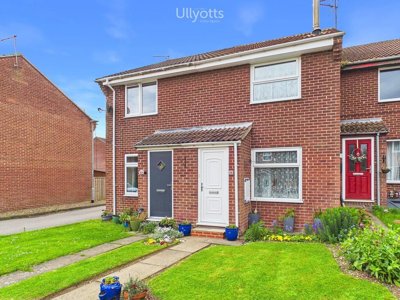
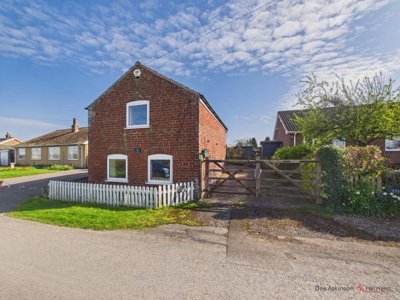
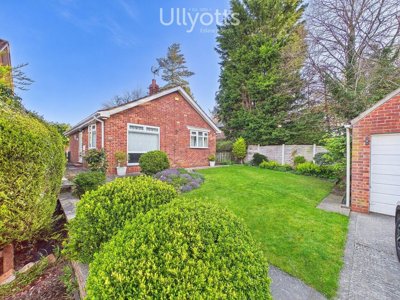
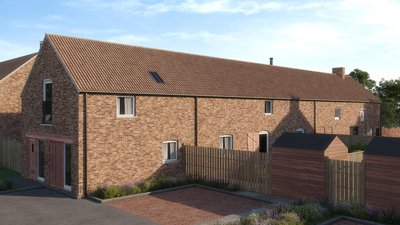
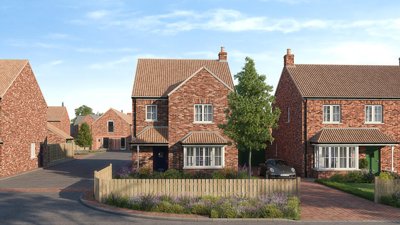
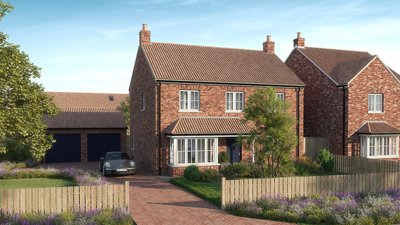
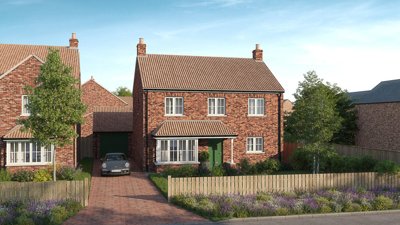
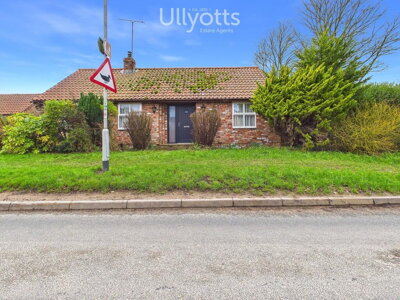
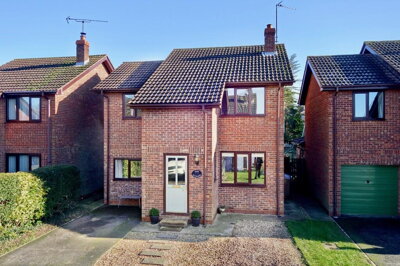
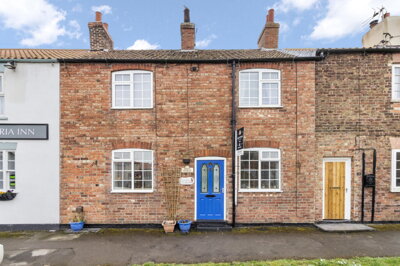
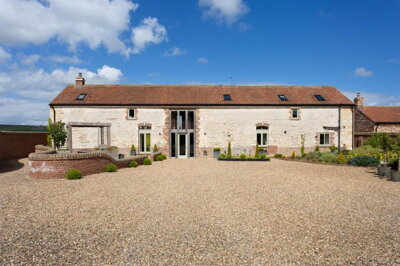
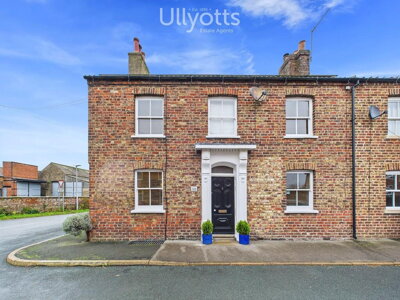
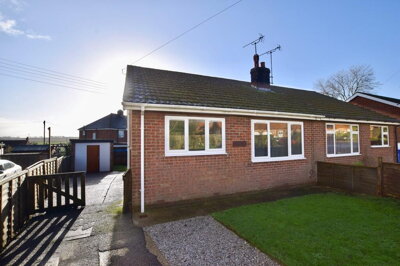
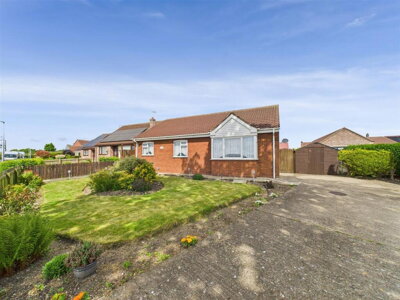
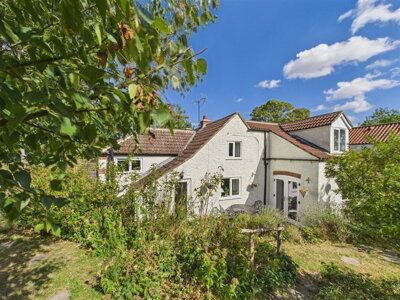
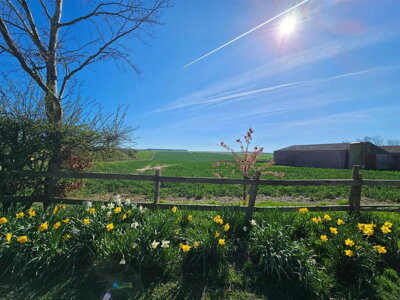
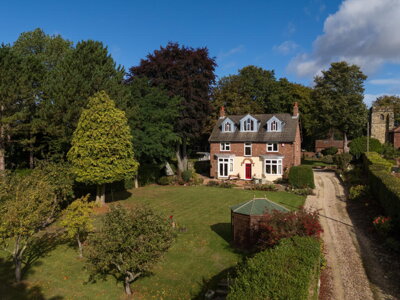
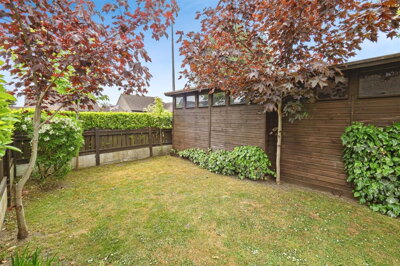
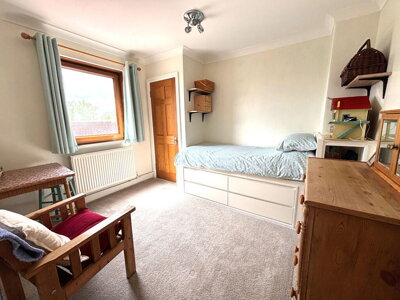
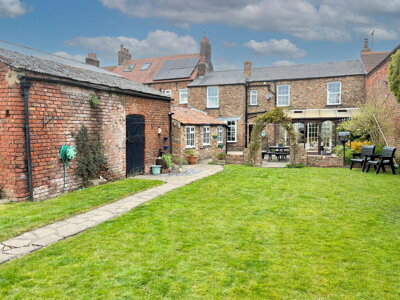
Browse 20 homes for sale in Fimber, East Riding of Yorkshire from local estate agents.
The Fimber property market offers detached, semi-detached, and terraced houses spanning various price ranges and neighbourhoods. Each listing includes detailed property information, photographs, and direct contact with the marketing agent.
£365k
1
0
209
Source: home.co.uk
Showing 1 results for Houses for sale in Fimber, East Riding of Yorkshire. The median asking price is £365,000.
Source: home.co.uk
Detached
1 listings
Avg £365,000
Source: home.co.uk
Source: home.co.uk
Fimber’s property market mirrors the Yorkshire Wolds itself, with a mix of traditional homes that appeal to buyers after rural character and a sense of authenticity. Our current listings on home.co.uk show that spread clearly, from characterful terraced cottages priced around £732,500 to impressive detached homes commanding premium prices of £365,000 or more. The YO25 postcode area also shows steady activity, with semi-detached properties averaging £732,500 and terraced homes averaging £732,500 according to recent transaction data from homedata.co.uk.
In the YO25 9LX postcode area, values have moved upwards, with prices rising 5.6% since the last recorded sale in September 2021. That kind of growth reflects wider demand for Yorkshire Wolds homes, as more buyers put countryside views and village life ahead of city-centre convenience. homedata.co.uk also shows two useful Fimber sales examples, York House on Sledmere Road, sold in July 2023 for £365,000, and Corner House Farm on Burdale Lane, which achieved £732,500 in December 2022. Quality detached homes still draw a premium here.
New build activity within Fimber itself is very limited, and that keeps the village’s traditional feel intact while bringing new residents into an established community rather than a development estate. For buyers who want something modern but still value the setting, nearby Wetwang is around 2 miles away along Beverley Road and offers new build homes at Chariot's Keep, from £260,000 for a Brackley home up to £515,000 for the larger Banbury design. It gives people a practical middle ground, village atmosphere first, newer property second.
Supply in Fimber is tight, so the market can feel competitive for anyone hoping to buy here. With such a limited housing stock, homes come up only occasionally, and the average sold price across the YO25 postcode area in recent years shows how keen demand for Wolds villages remains. Good-condition properties tend to attract a premium over homes that need work. In short, if the right place appears, it rarely hangs around for long.

Life in Fimber follows the quiet rhythm of Yorkshire Wolds countryside living. The hamlet gathers around traditional stone buildings and a former schoolhouse, built in 1865 and now converted into the village hall, which still acts as the social centre for local events. Around it all lies rolling chalk downland, farmland and dry valleys, the sort of landscape that gives the Yorkshire Wolds its shape and offers walking routes and open views in every season.
Fimber’s community is a familiar mix for this part of the Yorkshire Wolds, with long-established farming families living alongside newer arrivals drawn by quality of life and close local ties. Its historical depth shows up in the listed buildings and archaeological record too, and research into Fimber’s pre-history points to continuous habitation here for centuries. That long story feeds into the feel of the houses themselves, many of which still use traditional materials and building methods that reflect their age.
Amenities in Fimber are necessarily limited, as you would expect from a small hamlet, but the village does stay connected to larger centres. Driffield, the capital of the Yorkshire Wolds, sits about 10 miles away and provides shopping, healthcare and secondary schools. Malton is also within reach, so residents can pick up supermarkets, restaurants and professional services before heading back to the quiet of village life.
There is a strong sense of community here, helped by social ties among residents and regular gatherings at the village hall. The surrounding farmland supports local agricultural businesses, and rural life still follows seasonal patterns that have changed very little over generations. Walkers and cyclists often make the most of the public footpaths and quiet lanes crossing the Wolds, linking Fimber with Sledmere, Wetwang and Kirkham.

Families thinking about a move to Fimber will find that schooling is spread across the wider Yorkshire Wolds area, with primary schools in neighbouring villages and secondary options in nearby market towns. The former Victorian school building in Fimber, built in 1865 and now used as the village hall, is a reminder of how central education once was to the community. For day-to-day schooling, village primaries in nearby settlements take most local children, with transport often available for homes on the edge of the area.
Secondary education in this part of the East Riding is well served by Driffield, where students have access to a range of options beyond primary age. Across the wider area, grammar schools and comprehensives sit within the East Riding of Yorkshire Council network, with admissions rules and catchments set locally. We always suggest checking the current placement and admissions position carefully, since school access can shape a property decision just as much as price.
Further education is available at colleges in Hull, York and Beverley, while sixth forms at nearby secondary schools provide routes into A-levels and vocational study. From Fimber, those options are close enough to make the village workable for families at different stages, from primary years through to post-16 choices. Daily commuting patterns often reflect that, with students travelling out and back from their Fimber homes each day.
The Driffield area has played a part in making Yorkshire Wolds villages attractive to family buyers, thanks in part to secondary schools in the market town that regularly post solid examination results. Primary schools in villages such as Wetwang and Sledmere serve the surrounding communities, and many Fimber families choose those settings before moving on to secondary education in Driffield. School transport, run by East Riding of Yorkshire Council, helps families living further out, although current routes and arrangements should always be checked.

Transport from Fimber is shaped by its rural setting, with road travel the main way in and out of the village. It sits about 6 miles north of Driffield, which gives access to the market town’s railway station and services to Hull, York and the wider national network. For those commuting, York is around 45 minutes away by car and Hull about 35 minutes via the A164 and A1079 routes.
The old Malton and Driffield railway once ran directly through Fimber, and the village station was open between 1853 and 1950 before passenger services stopped. That history still affects how people move around here, with modern residents relying on private cars and a limited bus network for links to larger centres. In practice, a car is essential in Fimber, for work, school runs and reaching amenities that the village itself does not have.
Leeds is a longer run, but still within reach, taking about 1 hour 15 minutes by car as the route heads through the Yorkshire countryside towards the A1(M) and M1 motorway network. Bus services between Driffield and nearby towns do operate, though they are much less frequent than urban routes, usually hourly or two-hourly in the daytime. Cycling is popular on the quieter country lanes too, with the rolling Wolds bringing both a challenge and a proper reward for anyone who enjoys the ride.
The A1079, which passes through Driffield, is the main road link between the Yorkshire Wolds and Hull or York, so it matters for almost every daily journey. Hull commuters can pick up straightforward motorway connections via the A63 and A164, while those heading for York use the A166 through the Wolds. Fimber’s position in the YO25 postcode area, right between those two cities, suits people who want countryside living but still need access to urban jobs.

We recommend exploring property listings across Fimber and the wider YO25 postcode area to get a clear feel for what is on offer. Current listings on home.co.uk range from terraced cottages around £732,500 to substantial detached homes above £365,000, with period properties, including Victorian and pre-war homes, sitting alongside the occasional new build in nearby villages. That mix matters, because it gives buyers a more realistic sense of what their budget can buy in this sought-after part of the Wolds.
Once a few properties stand out, the next step is to contact the estate agents shown on the listing and book viewings. We usually suggest seeing a few homes at different price points so the gap between terraced, semi-detached and detached properties in the Fimber area becomes obvious. Condition matters too, especially where Yorkshire Wolds period homes show age-related wear despite all their character.
Before any offer goes in, it makes sense to secure a mortgage agreement in principle from a lender so borrowing capacity is clear from the start. That also strengthens a negotiating position and shows the seller that the buyer is serious. Our mortgage partners can provide quotes based on individual circumstances. With detached homes in Fimber often exceeding £365,000, early lending checks help buyers understand the real scope of what they can afford.
We always advise commissioning a Level 2 Homebuyer Report before completion. Many Fimber properties are older, and the local geology, including chalk and solution subsidence structures, makes a professional survey especially useful for spotting structural issues, roofing defects or damp that are common in older Yorkshire homes. Properties in the YO25 area often use traditional construction methods, so they need a careful eye from surveyors who know period homes in the Yorkshire Wolds.
A solicitor should be appointed to deal with the legal side of the purchase, from local searches and contract review through to registration with the national property register. Conveyancing fees in the East Riding typically start from around £499 for standard transactions. In a historic village like Fimber, the solicitor should also look into any planning permissions or listed building consent requirements that may apply.
After the surveys come back clean and the legal points are settled, contracts are exchanged and the deposit is paid. Completion usually follows within 2-4 weeks, at which point the keys are handed over and life in a Fimber home can begin. The final stretch is mostly practical, with removals to arrange and utilities to set up in this charming East Riding village.
We always ask buyers to pay close attention to construction quality and age-related maintenance in Fimber, because a large share of the housing stock is older. Many homes here date from the Victorian era or earlier, with traditional brick and stone construction that has plenty of character but often needs ongoing care. A thorough RICS Level 2 survey is a sensible safeguard, especially for damp penetration, roof condition and timber decay, all of which can affect period homes in rural Yorkshire.
Fimber sits on chalk with Quaternary sediments, including solution subsidence structures, so the ground conditions deserve proper thought during a purchase. Across the East Riding of Yorkshire, clay-rich soils can shrink in dry weather and swell when it turns wet, which can affect foundations. At Westfield Farm in Fimber, the sediments sit within solution subsidence features, so older homes with shallow foundations should be assessed professionally.
Listed buildings in Fimber call for extra due diligence, because listed building consent may be needed for alterations or extensions and standard mortgage conditions can differ. If a property also sits within a conservation area, planning controls may be tighter still, with restrictions designed to preserve the village character and reduce permitted development rights. We would always ask buyers to check the listed status and any conservation area implications with their solicitor during conveyancing so plans for the home line up with local planning rules.
Electrical and plumbing systems in period properties deserve close inspection, especially where the wiring is old and the home is more than a couple of decades old. Many traditional cottages in the Yorkshire Wolds still have original heating systems and consumer units that would benefit from modernisation. A full survey will look closely at those details, particularly where a property has not had any recent renovation work.

Looking at the data for the YO25 postcode area, Fimber sits firmly in premium Yorkshire Wolds territory. homedata.co.uk puts historical average values at around £569,515 for the wider area, and the sale record shows a wide spread by property type. Detached homes have achieved £365,000 to £732,500, while terraced properties in the area have reached roughly £732,500. In the YO25 9LX postcode covering part of Fimber, current average values are around £96,881, and prices there have increased 5.6% since 2021. Fimber often outperforms nearby villages because the setting is so desirable and supply is so limited.
Fimber falls under East Riding of Yorkshire Council, and council tax bands range from A through to H depending on size and value. Most traditional cottages and smaller terraced homes in the village sit within bands A to C, while larger detached farmhouses and period homes are more likely to be placed in the higher bands. It is always worth checking the exact band with East Riding of Yorkshire Council records or in the listing particulars before committing to a purchase.
Primary education for Fimber comes from village schools in the surrounding Yorkshire Wolds communities, with transport usually available for homes further out. Secondary options in nearby Driffield include schools with good Ofsted ratings and strong academic records. The wider East Riding also offers grammar schools and further education colleges in Hull, York and Beverley, all linked to Fimber by the transport network. Current school performance data and admissions policies should always be checked, because catchment lines can make a real difference.
Public transport from Fimber reflects the rural setting, with limited bus services linking the village to Driffield and nearby towns. The nearest railway station is in Driffield, with services to Hull, York and connections onto the wider national rail network. Most residents still see private car ownership as essential for commuting and general day-to-day access, and York is about 45 minutes away while Hull is around 35 minutes by car. Bus services generally run at hourly or two-hourly intervals during the day.
For buyers looking at Fimber as an investment, lifestyle appeal sits alongside the prospect of capital growth. The Yorkshire Wolds continues to pull in people who want rural living with decent access to major cities, and that supports demand for quality homes. The small number of properties available in the hamlet, plus steady demand from families and professionals, points to value resilience. Rental demand in a village setting is usually more limited than in urban areas, though, so any purchase needs to be weighed against local market conditions and expected holding periods. Homes that need work can still offer scope for added value through sympathetic improvement.
Stamp duty Land Tax for residential purchases from April 2024 is 0% on the first £250,000, 5% on £250,001 to £925,000, 10% on £925,001 to £1.5 million, and 12% on anything above £1.5 million. First-time buyers get relief on the first £425,000, with 5% applied between £425,001 and £625,000. For a typical terraced property in Fimber priced around £732,500, no stamp duty would be payable by a first-time buyer
Properties in Fimber need to be checked carefully for subsidence risk because of the local geology and broader soil conditions. The Yorkshire Wolds geology includes chalk with solution subsidence structures, while the wider East Riding has clay-rich soils that can shrink and swell as the weather changes. Historic coal mining elsewhere in Yorkshire has also caused ground instability in some places, and buyers can use the Government coal mining database to see whether a property lies in a former mining zone. A proper RICS Level 2 survey will pick up signs of subsidence or structural movement, and specialist engineering advice may be needed if anything looks worrying.
The housing stock in Fimber is mainly made up of traditional period properties, including Victorian and Edwardian cottages, detached farmhouses and modest terraced homes. Many still show brick or stone construction, with features such as sash windows, fireplaces and flagstone floors. There are no new build properties within Fimber itself because development space is so limited, although Chariot's Keep in Wetwang offers a contemporary alternative nearby. The range runs from modest starter homes at around £107,500 to substantial detached houses above £730,000, so there is still plenty of variation for different budgets.
Several listed buildings in Fimber reflect the village’s long history, and those homes are protected for their architectural or historical importance. Any significant alteration, extension or renovation normally needs listed building consent from East Riding of Yorkshire Council, which adds another layer of complexity. Permitted development rights may also be reduced, so buyers should think through planning requirements before they commit. Mortgage lenders can place extra conditions on listed properties too, and a specialist survey such as a RICS Level 3 Building Survey is often the better choice for these older structures.
Budgeting for a purchase in Fimber means looking beyond the asking price and factoring in stamp duty Land Tax, solicitor fees, survey costs and moving expenses. The current SDLT thresholds for residential homes bought from April 2024 begin at 0% on the first £250,000 of value, then rise to 5% on the portion between £250,001 and £925,000. For most homes available in Fimber, including terraced properties and smaller detached houses, stamp duty will sit within those lower bands, which keeps the upfront cost more manageable at a range of price points.
First-time buyers in Fimber get a useful SDLT break, with no tax on the first £425,000 and 5% on values between £425,001 and £625,000. That can bring purchase costs down sharply for people stepping onto the ladder, although homes above £625,000 do not qualify for relief on the higher portion. Given that Fimber properties start at roughly £107,500 and rise from there, many first-time buyer purchases would attract little or no stamp duty at all.
There are other costs to keep in mind as well. Solicitor conveyancing fees start from around £499 for standard transactions, then there are disbursements for local searches, property registration fees and telegraphic transfer charges, which together may come to £300-500. A RICS Level 2 survey generally costs between £416 and £639 depending on size and value, while EPC assessment adds about £85-120. Removal costs vary by distance and volume, but £500-2,000 is a sensible budget for moving services. Settling those costs early helps the purchase move through to completion without any nasty surprises.
Some homes need extra specialist work, especially listed buildings where building surveying expertise may be required. If initial surveys point to possible subsidence, a structural engineering report may also be needed, which adds cost but gives real reassurance about the property’s condition. We would always factor those possible extras into the overall budget when comparing homes at different price points in the Fimber area.

Properties for Sale In London

Properties for Sale In Plymouth

Properties for Sale In Liverpool

Properties for Sale In Glasgow

Properties for Sale In Sheffield

Properties for Sale In Edinburgh

Properties for Sale In Coventry

Properties for Sale In Bradford

Properties for Sale In Manchester

Properties for Sale In Birmingham

Properties for Sale In Bristol

Properties for Sale In Oxford

Properties for Sale In Leicester

Properties for Sale In Newcastle

Properties for Sale In Leeds

Properties for Sale In Southampton

Properties for Sale In Cardiff

Properties for Sale In Nottingham

Properties for Sale In Norwich

Properties for Sale In Brighton

Properties for Sale In Derby

Properties for Sale In Portsmouth

Properties for Sale In Northampton

Properties for Sale In Milton Keynes

Properties for Sale In Bournemouth

Properties for Sale In Bolton

Properties for Sale In Swansea

Properties for Sale In Swindon

Properties for Sale In Peterborough

Properties for Sale In Wolverhampton

Enter your details to see if this property is within your budget.
Loans, cards, car finance
Estimated property budget
Borrowing + deposit
You could borrow between
Typical borrowing
Monthly repayment
Est. at 4.5%
Loan-to-value
This is an estimate only. Your actual budget may vary depending on interest rates, credit history, and personal circumstances. For an accurate affordability assessment, speak to one of our free mortgage advisors.
This calculator provides estimates for illustrative purposes only and does not constitute financial advice. Your home may be repossessed if you do not keep up repayments on your mortgage. Estimates based on 4.5% interest rate, repayment mortgage. Actual rates depend on your circumstances.
Homemove is a trading name of HM Haus Group Ltd (Company No. 13873779, registered in England & Wales). Homemove Mortgages Ltd (Company No. 15947693) is an Appointed Representative of TMG Direct Limited, trading as TMG Mortgage Network, which is authorised and regulated by the Financial Conduct Authority (FRN 786245). Homemove Mortgages Ltd is entered on the FCA Register as an Appointed Representative (FRN 1022429). You can check registrations at NewRegister or by calling 0800 111 6768.

We use cookies to show you personalised content and improve your experience of our website. Find out more in our Privacy policy and Cookie policy.