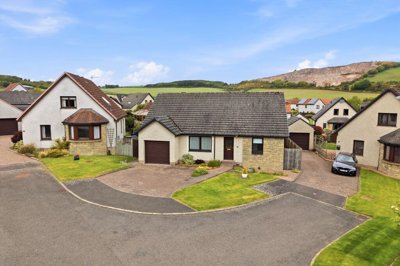
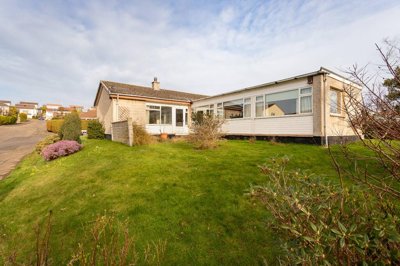
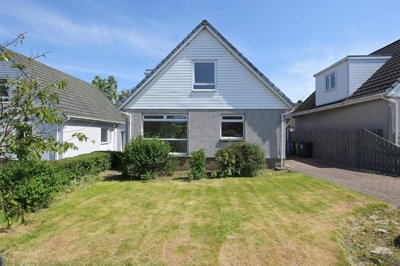
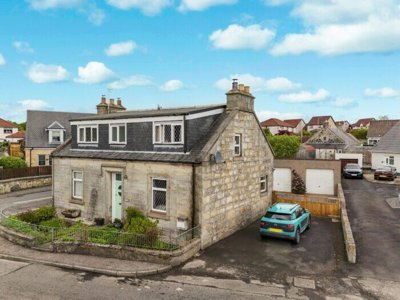
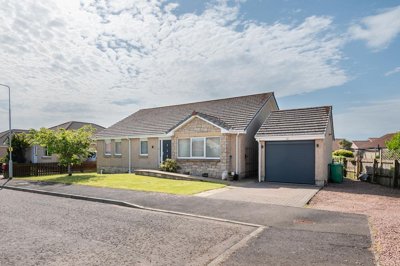
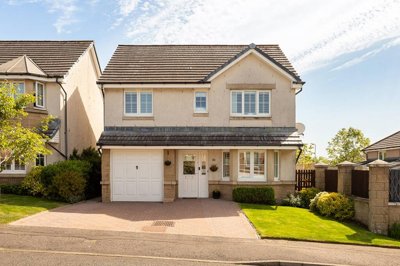
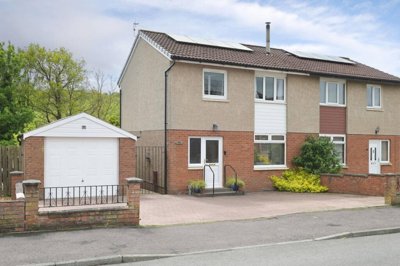
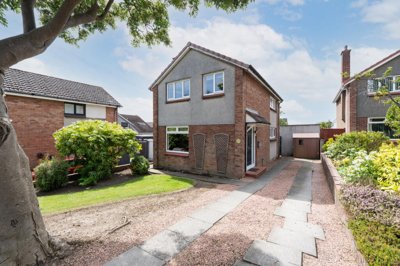
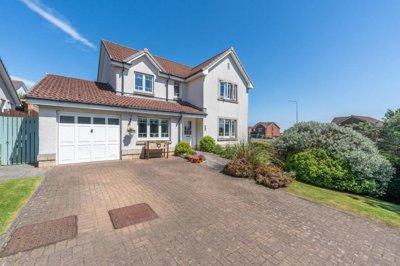
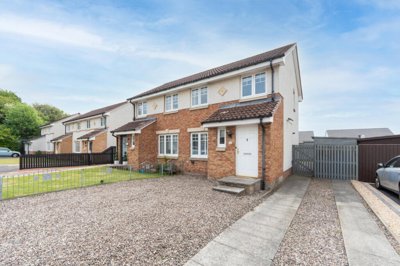
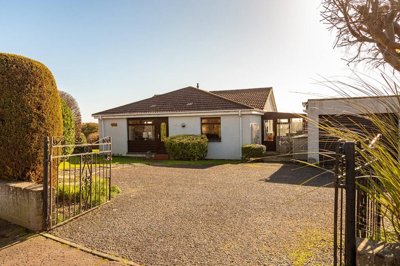
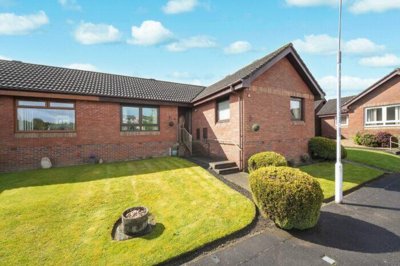
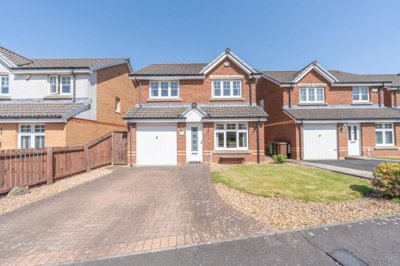
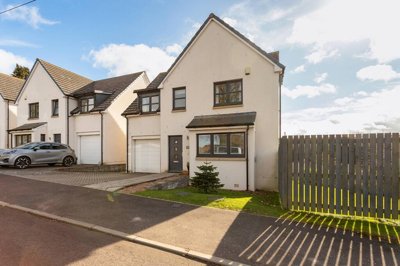
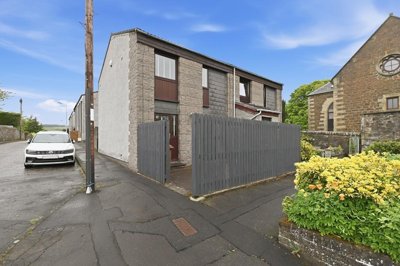
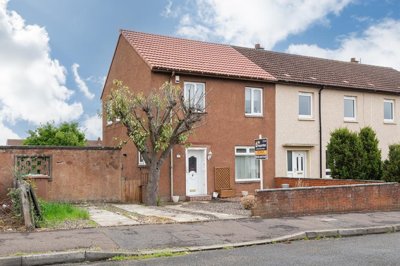
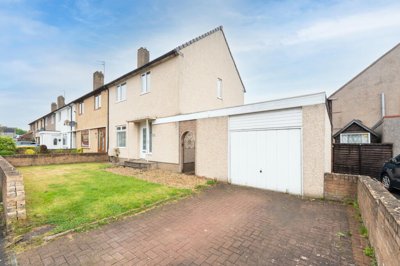
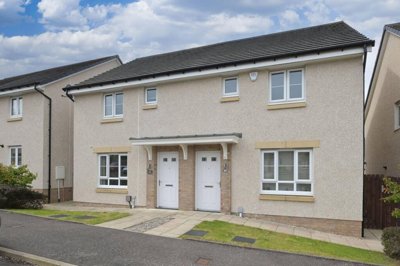
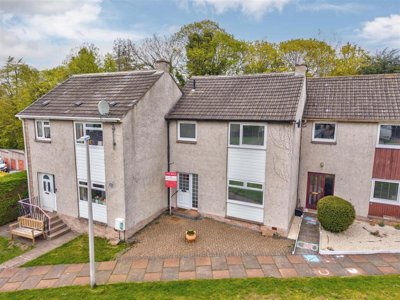
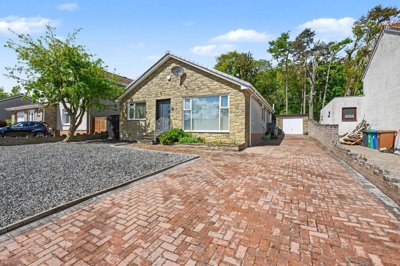
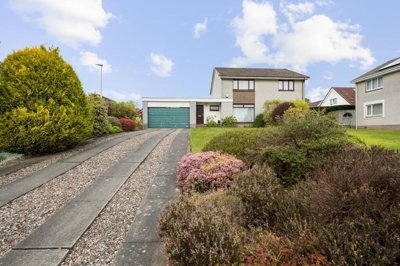
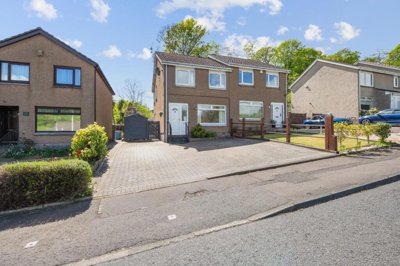
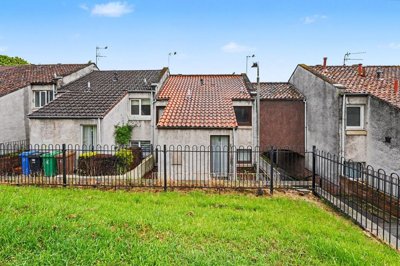
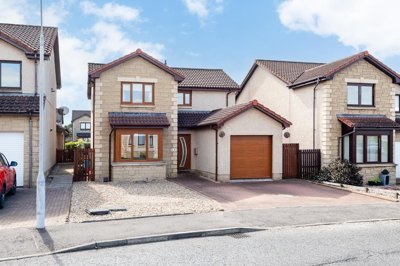
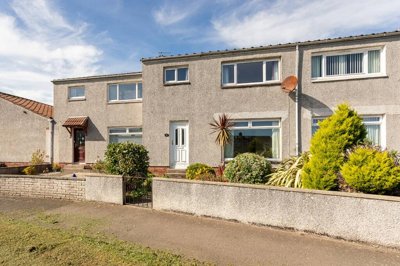
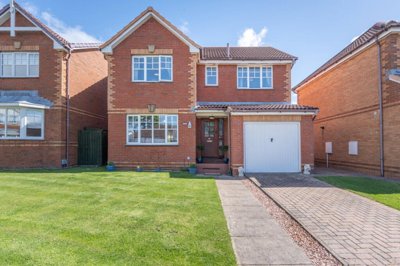
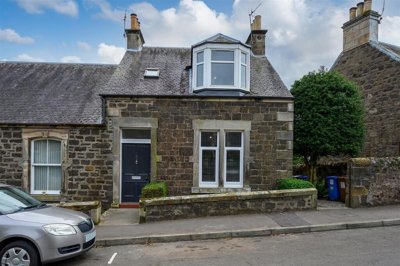
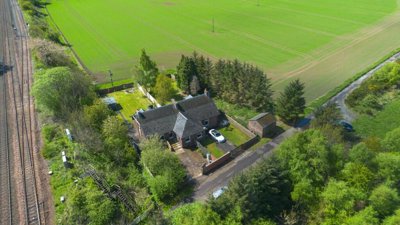
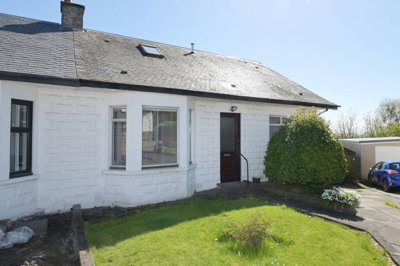
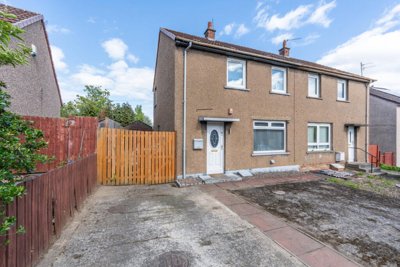
Browse 1,686 homes for sale in Fife, Scotland from local estate agents.
The Fife property market offers detached, semi-detached, and terraced houses spanning various price ranges and neighbourhoods. Each listing includes detailed property information, photographs, and direct contact with the marketing agent.
£300k
599
54
90
Source: home.co.uk
Showing 599 results for Houses for sale in Fife, Scotland. 54 new listings added this week. The median asking price is £300,000.
Source: home.co.uk
Detached
291 listings
Avg £438,855
Semi-Detached
161 listings
Avg £278,667
Terraced
147 listings
Avg £286,425
Source: home.co.uk
Source: home.co.uk
Fife has stayed resilient and kept growing, with the average house price reaching £213,310 in the past year. Detached homes still sit at the top of the market, averaging between £329,625 and £338,718, while homedata.co.uk reporting figures of £343,000 as of December 2025 backs that up. At the other end, flats remain good value at an average of £124,700 to £127,710, which keeps Fife among the more accessible parts of the Edinburgh commuter belt for first-time buyers.
Across Fife, the main property types suit very different budgets. Semi-detached homes average around £201,270, giving families decent space without too much upkeep to worry about. Terraced properties have seen the strongest price growth, at 8.9% over the past year, and now sit between £164,646 and £170,471 on average. Dunfermline is still the busiest market in Fife, with the highest number of listings and sales, so it is a strong pick for buyers who want movement as well as choice.
East Fife has been one of the standout areas, with average home prices rising by 14.4% between September and November 2025 to £294,153. Anstruther, Crail and St Andrews all sit within this coastal stretch, and they continue to pull in buyers after seaside living and a stronger day-to-day quality of life. home.co.uk puts the current average listing price across Fife at £261,314, down by 4.76% from six months ago, so there is still room for buyers to find value after a sharp run-up.
Looking back, Fife prices peaked in 2023 at roughly £205,050, so today’s £213,310 is a 3% rise above that old high. That points to steady demand rather than a one-off spike. Sales volumes have eased too, with 4,639 homes exchanging and completing in 2025, a fall of 3.4% on the year before, although that does follow the unusually busy post-pandemic period.

Set between the Firth of Forth and the Firth of Tay, Fife has a character of its own. Coastal scenery, old market towns and quick access to Scotland’s major cities all sit within the same peninsula. People still call it the Kingdom of Fife, and the name fits. In places like St Andrews, Cupar and the East Neuk villages, sandstone buildings, cobbled lanes and whitewashed cottages give the area a look that is unmistakably Scottish.
Its economy gives the housing market a useful base. The University of St Andrews, one of Scotland’s ancient universities and regularly ranked among the world’s best, is both a major employer and a cultural anchor. NHS Fife supports the healthcare sector, while energy remains important, especially with new investment in renewable projects along the coast. Manufacturing, tourism and retail all play their part too, so the area is not tied to one single industry.
There is plenty to enjoy outside the house search as well. St Andrews Bay, the Fife Coastal Path and the cliffs above the shoreline all give the region real natural appeal. Add in parks, golf courses including the famous Old Course at St Andrews, plus places such as Falkland Palace and Dunfermline Palace, and there is no shortage of weekend options. Museums, galleries and old pubs serving local seafood round things out, while the community feel, good local schools and lower living costs than Edinburgh keep Fife firmly on the shortlist for families and retirees.
Fife’s layout naturally breaks into three distinct parts, each with its own feel. The East Neuk is all about historic fishing villages and tourist favourites. Central Fife centres on Dunfermline and Kirkcaldy, the main population hubs with the widest range of amenities. North East Fife turns around St Andrews, where the university and golf tourism support a premium market. That spread means buyers can go for busy town life, coastal charm or an academic village atmosphere, depending on taste and budget.

Schools across Fife are maintained by Fife Council, giving families a broad spread of primary and secondary choices. The University of St Andrews, founded in 1413, is the area’s best-known institution, drawing students from around the world and adding a great deal to the local economy and cultural life. For children of school age, there are state and independent options, with several primary schools feeding into secondary schools that are well thought of across the region.
Among the secondary schools people ask about most are Glenwood High School in Glenrothes, Kirkcaldy High School and Dunfermline High School, all of which serve their local areas with broad curriculum choices. In St Andrews, Madras College remains the main secondary school for the town and nearby villages. On the primary side, St Andrews Primary School and Canongate Primary School have strong reputations and serve the university town well.
Further education is well covered too, with Fife College running vocational and academic courses from Dunfermline, Glenrothes, Kirkcaldy and St Andrews. It gives students routes into higher education as well as qualifications that line up with local employers. For anyone buying in Fife, that matters. Education at every stage can shape value, and catchment areas often influence where families decide to buy. Before committing to a property, we always suggest checking current school performance data and catchment boundaries.
School performance does vary across Fife. Larger urban schools in Dunfermline and Kirkcaldy serve wider catchments, while rural schools in places like the East Neuk tend to sit within smaller, tighter communities. The Scottish Government's Parentzone website sets out school performance information in detail, and Fife Council has interactive catchment maps showing which schools cover specific addresses. If education is high on the list, we recommend checking those catchments early, as school quality can affect both family life and long-term property values.

Getting around is one of Fife’s stronger points, especially for buyers who commute into Edinburgh. The Forth Bridge and the newer Queensferry Crossing give road access from the north of Fife straight into the city centre, with journey times of around 30-40 minutes depending on the exact location and traffic. The Kincardine Bridge gives western Fife another route, linking into the M9 for Stirling and the north.
Rail links are extensive and well-used. The Fife Circle Line ties towns including Dunfermline, Kirkcaldy, Cowdenbeath and Glenrothes into Edinburgh Waverley, while stations such as Inverkeithing and Kirkcaldy provide regular departures. Journey times to Edinburgh Waverley usually sit between 35 and 55 minutes, depending on where you start. The Leith North development has also boosted the Edinburgh transport network, with trams now reaching the Newhaven area and helping commuters who arrive by train.
Bus routes run across Fife and beyond, with Stagecoach and other operators linking towns to Dundee, Perth and other destinations. For longer trips, Edinburgh Airport is the main international option and is usually 45-60 minutes by road from Fife. Dundee Airport gives a more local choice for regional flights. Within the towns, buses are generally decent, though many residents still rely on a car for the greatest flexibility, especially once you move into the more rural parts of Fife.
One recent change has been the opening of Levenmouth railway station, which has improved links for Leven, Buckhaven and the surrounding communities. That has brought fresh attention to the Levenmouth area and may well influence property values over time, especially in the coastal towns that once had weaker public transport. The Scottish Government’s push to improve rail connections in Fife underlines how important the region has become for people working in Edinburgh.

Before booking a viewing in Fife, get a mortgage agreement in principle from a lender. It tells estate agents and sellers that the finance is in place, which can strengthen any offer you make in places like Dunfermline or St Andrews. In a market like this, being ready puts you ahead of buyers who are still sorting out their borrowing.
HomeMove makes it easy to browse all available properties in Fife and look at individual neighbourhoods in more detail. School catchments matter, as does flood risk, especially in coastal areas, and some parts of Fife are also shaped by mining history. Knowing local values and recent sales helps you judge what is good value. Our platform pulls together listings from all major estate agents, so you can see what is on the market in one place.
Once a property is on the shortlist, we arrange viewings through Homemove's estate agent partners. It is sensible to see homes more than once, and at different times of day if you can. Traditional stone houses in Fife may need a closer look, while newer builds bring different questions around construction quality. We suggest taking a notebook so that properties can be compared properly.
Before you commit, book a RICS Level 2 Survey for homes over 50 years old, or a more detailed Level 3 Survey for older or character properties. In Fife, a mining search report matters especially in places such as Cowdenbeath and Lochgelly, where historic mining activity can still affect titles and structures. A survey can uncover problems that never show up at a standard viewing, and that can save thousands in repair bills later on.
Use a solicitor who specialises in Scottish conveyancing for the legal side of the purchase. The process in Scotland is not the same as in England and Wales, and the terminology and steps are different enough that proper guidance matters from offer acceptance right through to settlement. Scottish conveyancing is often more streamlined, but it still needs someone who knows the system properly.
Your solicitor will deal with the exchange of missives, the Scottish version of contracts, and will line up the completion date. On settlement day, the property is yours and the keys to your new Fife home are handed over. In Scotland, settlement is usually set several weeks after missives are concluded, which leaves time for final preparations and mortgage arrangements to be confirmed.
There are a few Fife-specific issues that are easy to miss if you do not know the area. Homes near the Firth of Forth and Firth of Tay may face coastal flooding and erosion risks, so those need proper checking. The Scottish Environment Protection Agency (SEPA) has flood risk maps that help identify vulnerable properties. Surface water flooding can also affect low-lying urban areas during heavy rainfall, so historic flooding records are well worth reviewing.
For former mining areas such as Cowdenbeath, Lochgelly, Kirkcaldy and the surrounding villages, a mining search report is not optional, it is essential. Fife’s coal mining heritage is extensive, and homes in these places can be exposed to subsidence linked to historic underground workings. Lenders usually want those reports before they agree a mortgage, and buyers need to allow for possible remediation costs in the budget. It is one of the key things to check in Fife.
Property age and build type vary a great deal across Fife. Traditional sandstone homes are common in older towns and villages, and buildings built before 1919 often have solid walls rather than cavity insulation, so they can demand more upkeep than newer stock. Slate roofs look beautiful, but they do need regular inspection and repair. In listed buildings and conservation areas such as those found throughout the East Neuk, alteration rules are tighter and specialist surveys may be needed. The Energy Performance Certificate, or EPC, should always be checked too, because older stone homes can be costly to heat.
Coastal erosion is another real issue in exposed spots. Along parts of the Fife coastline, homes sit close to cliffs or shorelines that are already eroding, so that risk needs to be considered alongside flooding. Some properties in places such as parts of the East Neuk may need specialist insurance, and future costs should be thought through before a decision is made. The Coal Authority also holds records of past and present mining activity across Fife’s former mining communities, and its Mine Water Records are useful when checking specific local risks.
During viewings, look closely for damp in older stonework, the state of slate roofs, and any sign of structural movement or subsidence. Post-war housing estates, which are common in towns like Glenrothes and in newer developments around the region, can bring different questions around build quality and renovation work. A RICS Level 2 or Level 3 Survey will catch most major issues, but a careful viewer still helps by asking the right questions and deciding which homes are worth pursuing.

homedata.co.uk shows the average sold price for Fife over the past 12 months at £213,310. By property type, detached homes average between £329,625 and £343,000, semi-detached homes sit around £201,270 to £204,000, terraced homes fall between £164,646 and £170,471, and flats average £124,700 to £127,710. Prices have risen by 7.2% over the past year, ahead of the Scottish average of 4.9%, which points to sustained demand in the area.
Council tax in Fife is set by Fife Council, and the bands run from A to H, with most homes sitting in bands A through D. Band A properties, usually the lower-value homes, attract the lowest bills, while Band H properties carry the highest council tax. The exact band depends on the assessed value of the property, and buyers can check current valuations through the Scottish Assessors Association website. Fife is usually competitive on council tax compared with Edinburgh and other major Scottish cities, which helps buyers watching their budget.
Fife offers good options for education at every level. Dunfermline High School, Kirkcaldy High School and Glenwood High School are among the better-known secondary schools, while Madras College serves St Andrews and St Andrews Primary School and Canongate Primary School look after the younger age groups in the university town. The area also has the highly regarded University of St Andrews. School performance data is available through the Scottish Government website, and catchment areas should be checked with Fife Council before a purchase, as they can decide which schools children attend.
Public transport is another strength. The Fife Circle railway line links Dunfermline, Kirkcaldy, Cowdenbeath and Glenrothes with Edinburgh Waverley, and the trip into Edinburgh usually takes 35 to 55 minutes depending on the starting point. Stagecoach and other bus operators cover much of Fife and also connect into Dundee and Perth. For drivers, the Forth Bridge and Queensferry Crossing give good access to Edinburgh, usually in 30-40 minutes from northern Fife, while the recently opened Levenmouth railway station has improved links for eastern coastal communities.
Fife continues to look interesting for investors. Prices have climbed by 7.2% over the past year, which is ahead of the Scottish average, while the average price of £213,310 is still well below Edinburgh, so it remains appealing to first-time buyers and investors who want better value. East Fife’s 14.4% growth points to clear hotspots with stronger returns. Add in a mixed economy, the University of St Andrews and improving transport links, and demand looks likely to hold. Rental yields vary by location and property type, and towns like Dunfermline continue to attract commuters who want cheaper housing than Edinburgh.
Scotland does not use Stamp Duty Land Tax, it applies Land and Buildings Transaction Tax, or LBTT, instead. The current residential thresholds are 0% on the first £145,000, 2% on the portion from £145,001 to £250,000, 5% on the portion from £250,001 to £325,000, 10% on the portion from £325,001 to £750,000, and 12% on anything above £750,000. On a typical Fife purchase at £213,310, that comes to about £1,366 in LBTT. First-time buyer relief was abolished in Scotland in February 2024, so standard rates now apply to all buyers, even if it is their first home.
Flooding risk needs checking in Fife, particularly in coastal stretches along the Firth of Forth and Firth of Tay, where severe weather can bring coastal flooding. River flooding can affect land near the River Eden and other watercourses, while surface water flooding can hit urban and low-lying areas during heavy rain. SEPA provides flood risk maps that help identify vulnerable homes, and we strongly recommend looking at them alongside any flood resilience measures before buying in affected areas. Exposed coastal locations may also face erosion, so that risk should be considered too.
Fife has a deep coal mining history, especially around Cowdenbeath, Lochgelly, Kirkcaldy and the wider mining communities. Homes in these former mining areas may be vulnerable to subsidence because of historic underground workings. A mining search report is essential for these postcodes, and lenders will usually want one before approving a mortgage. These reports can be arranged through the Coal Authority or specialist search providers, and they reveal any past, present or proposed mining activity that could affect the property’s stability. The Coal Authority also keeps Mine Water Records showing mine entries and places where mine water discharge may pose a risk to surface structures.
From 4.5%
Find competitive mortgage rates from trusted lenders
From £499
Specialist Scottish conveyancing solicitors
From £350
Comprehensive property condition report
From £50
Essential for former mining areas
Anyone buying in Fife needs to budget for Land and Buildings Transaction Tax, or LBTT, which is Scotland’s version of Stamp Duty Land Tax. The Scottish Government sets the rates, and they are different from the figures used in England and Wales. Getting this right matters when you are making an offer on anything from a flat in Kirkcaldy to a family house in Dunfermline.
For a property at the Fife average price of £213,310, the LBTT comes out at 0% on the first £145,000, then 2% on the amount between £145,001 and £213,310, which gives a total of roughly £1,366. First-time buyers in Scotland no longer get extra relief after the first-time buyer supplement was abolished in February 2024, although the lower starting threshold still offers some benefit compared with English SDLT rates on properties below £250,000.
There are other costs to set aside as well. Solicitor conveyancing fees usually land between £500 and £2,000, depending on the complexity of the deal and the property value. A RICS Level 2 Survey starts from £350 for a standard home, and larger houses or those needing a fuller inspection cost more. In former mining areas, a mining search report is usually around £50-150. Removals, potential stamp duty on chattels such as furniture and fittings, and a cash buffer for the unexpected should all be part of the plan for your new Fife home.
The Scottish home buying process works differently from England and Wales in a few important ways. Offers usually go through solicitors rather than directly to estate agents, and once an offer is accepted the legal stage of concluding missives begins. Unlike the English system, Scotland does not have a separate exchange and completion date, the settlement date is fixed from the outset, and the property changes hands on a specific day agreed between the parties. Our solicitor will guide us through each stage, with all necessary searches, surveys and legal checks completed in the right order.

Properties for Sale In London

Properties for Sale In Plymouth

Properties for Sale In Liverpool

Properties for Sale In Glasgow

Properties for Sale In Sheffield

Properties for Sale In Edinburgh

Properties for Sale In Coventry

Properties for Sale In Bradford

Properties for Sale In Manchester

Properties for Sale In Birmingham

Properties for Sale In Bristol

Properties for Sale In Oxford

Properties for Sale In Leicester

Properties for Sale In Newcastle

Properties for Sale In Leeds

Properties for Sale In Southampton

Properties for Sale In Cardiff

Properties for Sale In Nottingham

Properties for Sale In Norwich

Properties for Sale In Brighton

Properties for Sale In Derby

Properties for Sale In Portsmouth

Properties for Sale In Northampton

Properties for Sale In Milton Keynes

Properties for Sale In Bournemouth

Properties for Sale In Bolton

Properties for Sale In Swansea

Properties for Sale In Swindon

Properties for Sale In Peterborough

Properties for Sale In Wolverhampton

Enter your details to see if this property is within your budget.
Loans, cards, car finance
Estimated property budget
Borrowing + deposit
You could borrow between
Typical borrowing
Monthly repayment
Est. at 4.5%
Loan-to-value
This is an estimate only. Your actual budget may vary depending on interest rates, credit history, and personal circumstances. For an accurate affordability assessment, speak to one of our free mortgage advisors.
This calculator provides estimates for illustrative purposes only and does not constitute financial advice. Your home may be repossessed if you do not keep up repayments on your mortgage. Estimates based on 4.5% interest rate, repayment mortgage. Actual rates depend on your circumstances.
Homemove is a trading name of HM Haus Group Ltd (Company No. 13873779, registered in England & Wales). Homemove Mortgages Ltd (Company No. 15947693) is an Appointed Representative of TMG Direct Limited, trading as TMG Mortgage Network, which is authorised and regulated by the Financial Conduct Authority (FRN 786245). Homemove Mortgages Ltd is entered on the FCA Register as an Appointed Representative (FRN 1022429). You can check registrations at NewRegister or by calling 0800 111 6768.

We use cookies to show you personalised content and improve your experience of our website. Find out more in our Privacy policy and Cookie policy.