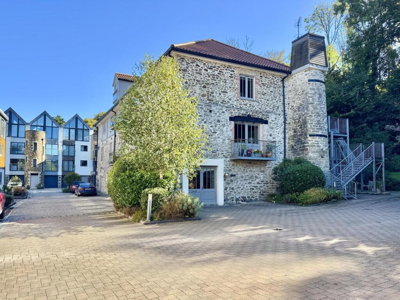
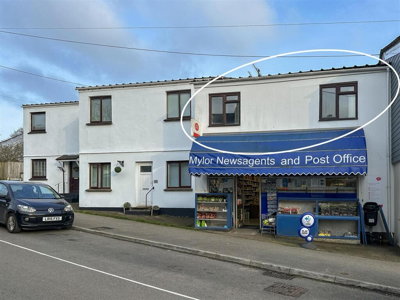
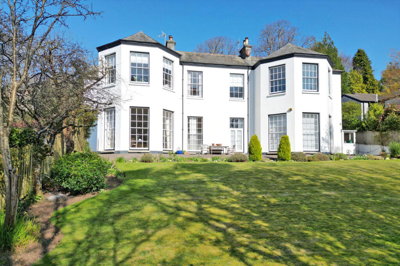
Browse 3 homes for sale in Feock, Cornwall from local estate agents.
The 2 bed flat sector typically includes two separate bedrooms, dedicated living areas, and bathroom facilities. Properties in Feock span purpose-built blocks, converted period houses, and modern apartment complexes on various floors.
£0k
0
0
0
Source: home.co.uk
Showing 0 results for 2 Bedroom Flats for sale in Feock, Cornwall.
Feock’s property market has moved around quite a bit in recent years, with average prices currently at £725,938 according to home.co.uk listings data and £748,500 shown by homedata.co.uk for homes sold in the last twelve months. Things reached a clear high point in 2023, when average prices hit £1,227,692, the peak of post-pandemic demand in Cornwall. Since then, values have come back by approximately 41%, which has taken them closer to a level that suits local buyers and longer-term investors. For anyone looking at the area now, that adjustment opens the door to a more accessible entry point, without losing the appeal of such a sought-after village location.
Feock’s housing mix says a lot about the village, affluent, historic, and not short of character. Detached homes make up around 70% of transactions in the TR3 6SD postcode area, and that category averages £875,000. Semi-detached properties sit at around £407,500, while flats average £150,000. The most common homes on offer are 4-bedroom detached houses and 3-bedroom semi-detached homes, which suits families and anyone after more generous space. There are also period pieces in the mix, from traditional Cornish cottages to a Grade II listed thatched cottage, giving the stock a proper sense of variety.
Street by street, Feock can behave differently. In Elm Grove, sold prices over the last year have been roughly 90% up on the year before, though they still sit about 10% below the 2022 peak of £310,000. Across the wider TR3 6SD postcode area, the picture has been calmer, with prices slipping 0.4% over the past year, yet rising 26.3% over five years and 54% over the past decade. That longer view tells the story, Feock keeps its appeal even when the short-term market wobbles.

Feock captures classic Cornish village life, set neatly on the Carrick Roads estuary where the Fal and Truro rivers meet the sea. It has grown over centuries from a farming and fishing settlement into a place people choose for the scenery and the slower pace. Day to day, there is a popular village pub, a post office with general store, and access to the creek, where sailing and water sports are part of ordinary life. The Grade II listed thatched cottage and the nearby Trenarth manor house speak to the village’s past, while newer homes sit comfortably alongside older architecture.
The local population leans towards professionals who work in Truro, retired couples after a quiet place to settle, and families drawn by the strong state schools nearby. That more affluent profile shows through in the mainly detached housing and the higher price levels. Most of the economic activity sits around Truro, Cornwall’s administrative capital, which brings together healthcare, education, professional services, and retail employers. Tourism and marine work also support the wider area, and Feock’s creek gives sailing clubs and watersports users a base throughout the year.
Cornwall’s geology leaves its mark on homes in and around Feock, with granite, slate, and metamorphic rocks forming much of the ground below. That affects how properties are built, and many of the older ones use locally quarried stone. In some places, clay soils are present too, which can bring shrink-swell movement and affect foundations. Our inspectors come across these conditions regularly in the region, and a good grasp of the local ground helps when planning maintenance or renovation. Historic mining activity elsewhere in Cornwall may also need checking, as former mine workings can influence ground stability.

Families looking at Feock will find several education options within easy reach. Primary schools in nearby parishes serve the area, and many of them are rated good or outstanding by Ofsted inspectors. The nearest primaries support the villages along the Carrick Roads and offer a mix of academic work, creative learning, and outdoor activity that fits coastal living. It is one of the reasons parents often point to this part of Cornwall when they decide to move to villages like Feock.
For older children, secondary education is available in Truro and across the wider Truro district, with school buses running from the village. Truro College adds sixth form and further education choices, so students have a straightforward path on from secondary school. Families who want grammar school provision also have selective schools in Truro to consider, and they draw pupils from a much wider area. That makes Feock appealing to households at different stages, from those with very young children to those already thinking ahead to sixth form and beyond.
Catchment boundaries can matter a great deal in Feock, both for family routines and for property values over time. Cornwall Council holds the admissions information parents should check before committing to a purchase, because boundaries can shift and affect where children are placed. Many people moving here from towns and cities are pleasantly surprised by how much goes on locally, from sailing lessons with clubs nearby to outdoor education that makes full use of the creek and coastline.

Feock combines quiet village living with sensible access to the larger centres. The A39 is the main road through Cornwall, linking Feock to Truro, around 6 miles away, and then on towards Falmouth and the north Cornwall coast. Driving into Truro each day is usually straightforward, often taking about 20 minutes, which works well for people who want to come back to a village setting in the evening. The road network also ties into the A30, Cornwall’s main arterial route, giving a direct line towards Plymouth and Exeter for longer trips.
Bus links run between Feock, Truro, Falmouth, and the surrounding villages, although they are not as frequent as services in busier places. The nearest railway stations are in Truro and Falmouth, with Great Western Railway trains to London Paddington, Plymouth, and Birmingham. From Truro to London Paddington, the journey takes around 4 hours 30 minutes. Locally, many residents depend on cars for everyday travel, helped by the village’s relatively quiet roads. Cycling is common on the scenic lanes too, though the hills mean it is not exactly a casual ride.
The creek adds an unusual twist to local travel, with water taxi services running seasonally between Feock and neighbouring places along the Carrick Roads. It is a limited option, but it gives the village a distinctive feel and offers another way to reach Falmouth or the waterfront spots people like to visit. For buyers, transport should be weighed against the lifestyle on offer, because most residents find the short drive to Truro more than adequate for commuting.

Before you start viewing, spend time in Feock at different points in the day and across the week so you get a feel for the place and its day-to-day rhythm. It also makes sense to get a mortgage agreement in principle from a lender before you begin, as that puts you in a stronger position if the market gets competitive. Keep the full costs in mind too, especially if you are looking close to the creek, where flood insurance and the upkeep of traditional Cornish materials can affect the budget.
Use Homemove to browse the available properties in Feock and set alerts for new listings that match what you want. It can also be worth speaking with local estate agents who know village homes well, since they may hear about off-market opportunities before they appear publicly. Supply is limited here, so fresh listings can draw attention quickly, and having your finances arranged before you start looking puts you in a better position.
Viewings are the time to look closely at the parts of Feock homes that matter most, from flood risk near the creek to the age and materials of the building, and any listed building controls. Ask about recent surveys and any renovation work already carried out. With period properties, bring a torch and inspect low walls, window frames, and the spots where traditional render meets stonework, because those junctions often reveal the first signs of trouble in older Cornish homes.
Once you have found the right place, make a formal offer through the estate agent and include your mortgage agreement in principle. Be ready to negotiate on price and conditions, because unique village homes can attract strong interest and offers above or below asking price are both possible. Homes with direct creek access or estuary views usually command a premium, so it is sensible to bear that in mind if waterfront access matters to you.
We would recommend arranging a Level 2 Survey so the property’s condition is properly checked, especially for issues that turn up often in older Cornish homes, such as damp, roof condition, and timber defects. That is particularly useful in Feock, where many properties are old and the coastal environment can speed up wear on materials. Our inspectors have plenty of experience with traditional Cornish construction and know the fault patterns that tend to show up in this type of home.
Appoint a conveyancing solicitor to deal with the legal side of the purchase, including local searches for flood risk and planning history. Exchange contracts and agree a completion date that leaves time for your mortgage to be finalised and for the move into this creekside village to be organised. Your solicitor should also check whether the property sits on or near former mining land, as Cornwall’s mining past can mean specialist environmental searches are needed in some areas.
Buying in Feock brings a few local considerations that do not crop up everywhere else in the UK. Because the village sits on the Carrick Roads estuary, flood risk needs careful attention, especially for homes near the water or in lower-lying spots by the creek. Ask for flood risk reports and look at Environment Agency data before you commit, then factor in suitable insurance. Water-facing properties can fetch premium prices, but they also carry extra responsibilities, from riverbank maintenance to the effects of flooding.
Traditional materials are common throughout Feock, so older homes may need specialist attention. Cornish stone walls, often rendered or painted, can be vulnerable to damp in a coastal setting and need a careful eye. Slate roofs are also widespread, and the slates themselves should be checked closely because replacement can be expensive. The Grade II listed thatched cottage in the village is a very particular type of property, and any work on it calls for specialist surveys and an understanding of historic building rules. If you are looking at a listed home, the extra cost and the limits on heritage work need to sit in the calculation.
The coastal air changes the maintenance picture too. Salt-laden conditions can corrode metal fixings, break down mortar joints, and wear certain renders faster than properties inland experience. Our team spots these effects often when inspecting homes in Feock and around the Carrick Roads. It is worth looking carefully at parapet walls, chimney stacks, and any exposed steelwork, because those areas usually tell you a lot about future upkeep. Beneath that, the geology of granite and slate generally gives good foundation conditions, although clay pockets in some areas can lead to small movements that show up as cracks in render or brickwork.
Leasehold homes are less usual in a village like Feock, but some flats and newer developments may still fall under that tenure, so check the lease length, ground rent, and any service charges before you move ahead. Conservation area rules may also limit what can be done to properties in certain parts of the village, so it is wise to speak with the Cornwall Council planning department about any restrictions. Cornwall’s mining history means some homes may sit on or near former mining land, which can affect ground stability and call for specialist investigation as part of due diligence.

The average property price in Feock is approximately £725,938 according to home.co.uk listings data, while homedata.co.uk records an average of £748,500 for properties sold in the last twelve months. Detached homes average around £875,000, semi-detached properties £407,500, and flats approximately £150,000. Prices have come back from the 2023 peak of £1,227,692, leaving the market around 41% below that high, although the long view is still strong, with values up 54% over the past decade in the TR3 6SD postcode area.
Feock comes under Cornwall Council, and council tax bands run from A to H depending on the type of property and its value. Smaller cottages and traditional homes usually sit in bands A to C, while larger detached houses in desirable creek-side positions may land in bands D to F. You can check the band for a specific property on the Cornwall Council website or ask your solicitor to confirm it during conveyancing.
Primary schools serving Feock are found in the surrounding villages, with good and outstanding Ofsted-rated settings close by. Secondary education is available in Truro, with school bus access from the village, and Truro College provides sixth form and further education choices. Parents should check the current catchments and admissions criteria, because these can change and may affect school places for families moving into the area.
Public transport from Feock is fairly limited, with bus services to Truro and Falmouth running less often than they would in an urban setting. Truro and Falmouth are the nearest railway stations, with direct services to London Paddington, Plymouth, and the wider rail network. Most residents use private cars for commuting and daily errands, and the village is around 20 minutes from Truro by road. The A39 and A30 link Feock to the rest of Cornwall and beyond, while seasonal water taxi services along the Carrick Roads add a memorable local option for people working or socialising in Falmouth.
Feock makes sense as an investment for buyers who want a creekside setting, limited village supply, and consistent demand from people after the Cornish lifestyle. The local postcode area has seen 54% growth over the past decade, which gives the market a strong long-term backdrop. Buyers come from several groups, including families, Truro commuters, and retirees, and that spread helps support resilience. Homes close to the water, especially those with views or direct creek access, tend to keep their value well and attract premium prices when they come to market.
Stamp duty land tax applies to every property purchase in England, Feock included. The standard rates are 0% on the first £250,000, 5% on £250,001 to £925,000, 10% on £925,001 to £1.5 million, and 12% above £1.5 million. First-time buyers get relief on the first £425,000, with 5% payable between £425,001 and £625,000. On a typical Feock property priced at £725,938, standard buyers pay around £23,797 in stamp duty, while first-time buyers would pay £15,047 if they qualify for full relief.
Feock’s position on the Carrick Roads estuary means flood risk deserves close attention, especially for homes near the water. The coastal setting can also speed up wear on building materials, so inspections need to look for damp, corrosion, and timber issues. Some properties are built with traditional Cornish stone or have thatch, both of which call for specialist maintenance knowledge. Listed buildings in the village come with limits on alterations. Cornwall’s mining history means certain sites may need ground stability checks, and buyers should commission the right surveys before completing the purchase.
The geology beneath Feock includes granite, slate, and a range of metamorphic rocks, and those generally give properties a stable base. Even so, clay soils appear in some locations and can shrink and swell through dry and wet periods, which may lead to minor movement and cracking in walls or render. Our inspectors know the signs of this kind of ground movement and can advise on whether repairs are needed. Being close to the creek can also mean higher groundwater levels in some homes, which may affect cellars or lower ground floors and contribute to damp if damp-proofing is not up to scratch.
From 4.5%
Expert mortgage advice from trusted lenders at competitive rates
From £499
Specialist property solicitors to handle the legal work
From £350
Professional survey of your Feock property by qualified inspectors
From £60
Energy performance certificate for your property
Budgeting properly for a Feock purchase matters, because the total cost can be a fair bit higher than the asking price alone. Alongside the purchase price, buyers need to account for stamp duty land tax, solicitor fees, survey costs, and other expenses that can add several thousand pounds to the deal. On a typical Feock home priced at £725,938, standard stamp duty is about £23,797 at current rates. First-time buyers may pay less, with the figure potentially falling to around £15,047, which can make getting onto the ladder easier if they have not sold a previous property.
Conveyancing fees in the Feock area usually sit somewhere between £500 and £2,000, depending on how complex the transaction is and whether the property is freehold or leasehold. Search fees, including local authority searches with Cornwall Council, water and drainage checks, and environmental reports covering flood risk and ground conditions, typically come in at £300 to £500. A RICS Level 2 Survey for the average detached property in Feock starts from £350, though larger or older homes may need a more detailed inspection. It is also sensible to allow for mortgage arrangement fees, which can range from £0 to £2,000 depending on the lender, plus removal costs for getting your belongings to a new creekside home.
There are also extra costs that are specific to Feock and the Cornish coastal setting, and they need a place in the budget. Homes close to the creek may need flood risk insurance, and the price can vary a great deal depending on the property’s position and flood history. Period homes with traditional construction may call for more regular maintenance than modern properties, especially for render repairs, slate replacement, and timber treatment. If you are buying a listed property, the materials and contractors needed to meet heritage standards can cost more, and it is wise to allow for any specialist surveys recommended beyond a standard Level 2 assessment.

Properties for Sale In London

Properties for Sale In Plymouth

Properties for Sale In Liverpool

Properties for Sale In Glasgow

Properties for Sale In Sheffield

Properties for Sale In Edinburgh

Properties for Sale In Coventry

Properties for Sale In Bradford

Properties for Sale In Manchester

Properties for Sale In Birmingham

Properties for Sale In Bristol

Properties for Sale In Oxford

Properties for Sale In Leicester

Properties for Sale In Newcastle

Properties for Sale In Leeds

Properties for Sale In Southampton

Properties for Sale In Cardiff

Properties for Sale In Nottingham

Properties for Sale In Norwich

Properties for Sale In Brighton

Properties for Sale In Derby

Properties for Sale In Portsmouth

Properties for Sale In Northampton

Properties for Sale In Milton Keynes

Properties for Sale In Bournemouth

Properties for Sale In Bolton

Properties for Sale In Swansea

Properties for Sale In Swindon

Properties for Sale In Peterborough

Properties for Sale In Wolverhampton

Enter your details to see if this property is within your budget.
Loans, cards, car finance
Estimated property budget
Borrowing + deposit
You could borrow between
Typical borrowing
Monthly repayment
Est. at 4.5%
Loan-to-value
This is an estimate only. Your actual budget may vary depending on interest rates, credit history, and personal circumstances. For an accurate affordability assessment, speak to one of our free mortgage advisors.
This calculator provides estimates for illustrative purposes only and does not constitute financial advice. Your home may be repossessed if you do not keep up repayments on your mortgage. Estimates based on 4.5% interest rate, repayment mortgage. Actual rates depend on your circumstances.
Homemove is a trading name of HM Haus Group Ltd (Company No. 13873779, registered in England & Wales). Homemove Mortgages Ltd (Company No. 15947693) is an Appointed Representative of TMG Direct Limited, trading as TMG Mortgage Network, which is authorised and regulated by the Financial Conduct Authority (FRN 786245). Homemove Mortgages Ltd is entered on the FCA Register as an Appointed Representative (FRN 1022429). You can check registrations at NewRegister or by calling 0800 111 6768.

We use cookies to show you personalised content and improve your experience of our website. Find out more in our Privacy policy and Cookie policy.