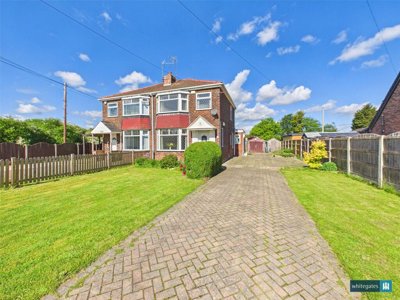
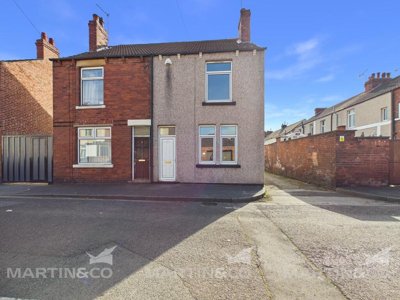
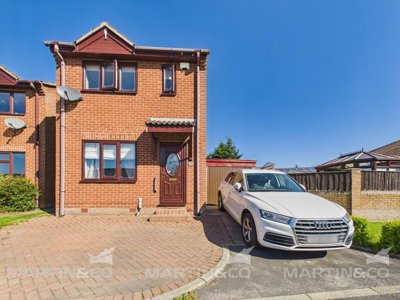
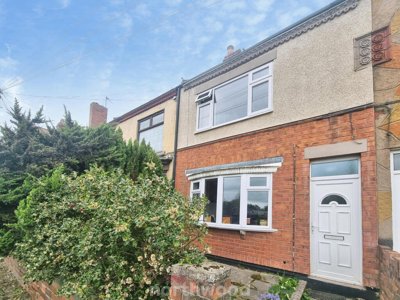
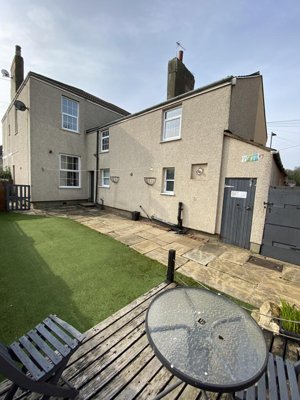
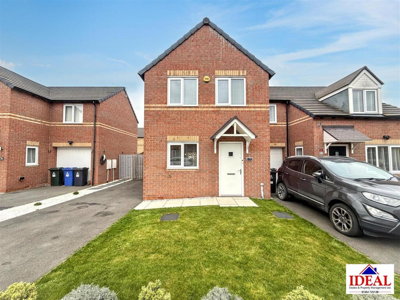
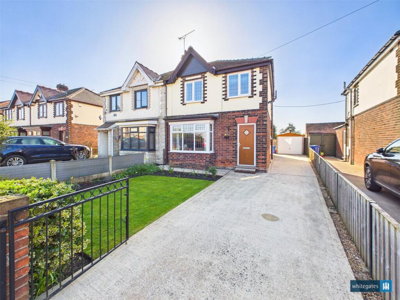
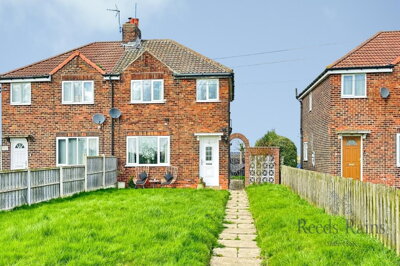
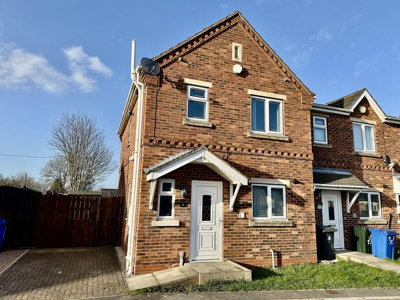
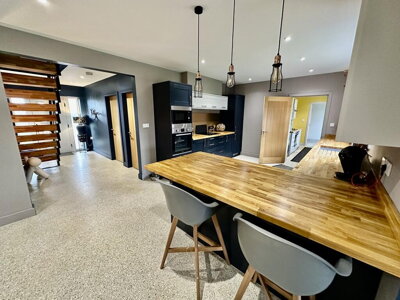
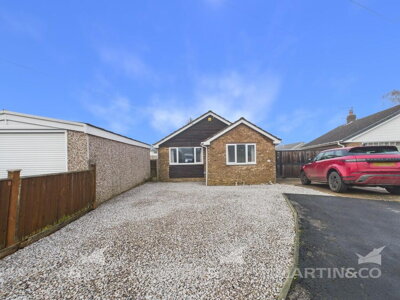
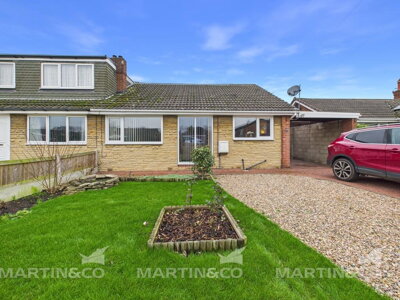
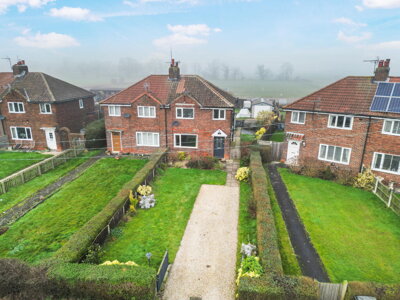
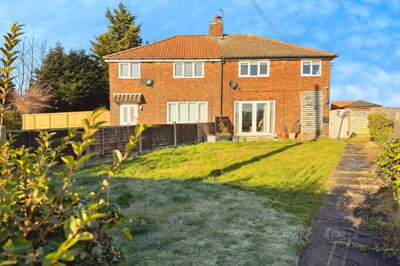
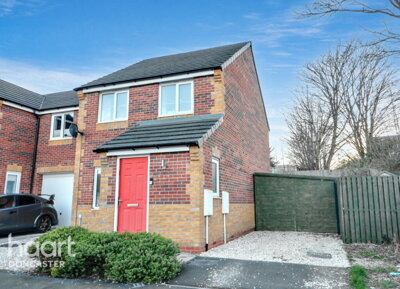
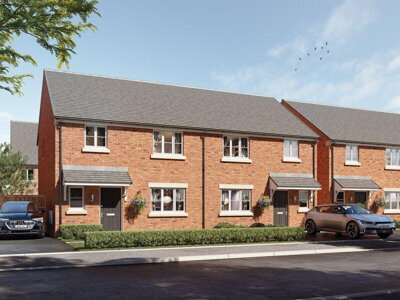
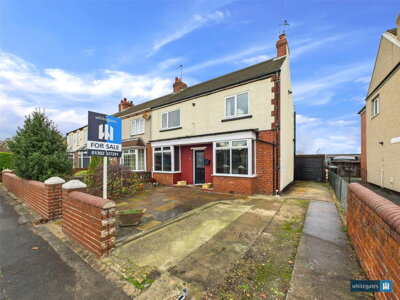
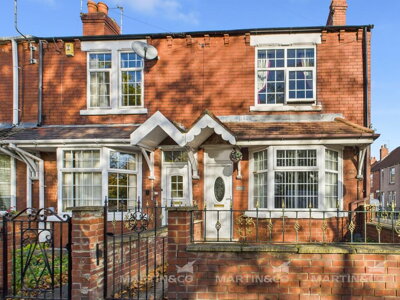
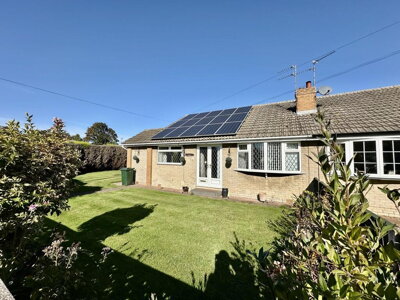
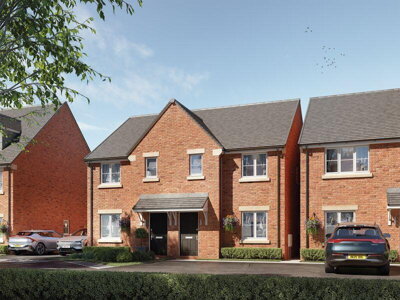
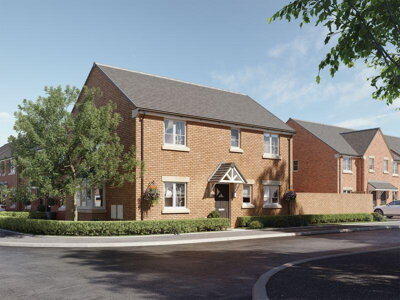
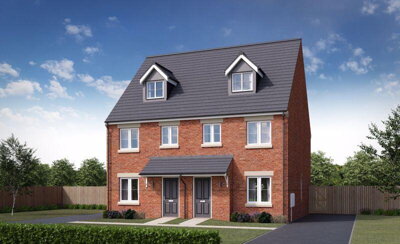
Browse 23 homes for sale in Fenwick, Doncaster from local estate agents.
Three bedroom properties represent a significant portion of the Fenwick housing market, offering space for families with multiple reception rooms and gardens in many cases. Browse detached, semi-detached, and terraced options ranging from period character homes to contemporary developments.
£550k
1
0
88
Source: home.co.uk
Showing 1 results for 3 Bedroom Houses for sale in Fenwick, Doncaster. The median asking price is £550,000.
Source: home.co.uk
Detached
1 listings
Avg £550,000
Source: home.co.uk
Source: home.co.uk
Our Fenwick stock leans towards traditional village homes and roomy family accommodation, which is why buyers after space and character tend to keep coming back. We mostly list 4-bedroom detached houses and 3-bedroom semi-detached bungalows, a pattern that suits both families and retirees. The most recent average sale price in Fenwick reached approximately £485,000 as of early 2026, and detached homes are still sitting at around £485,000 on average. That places Fenwick in a competitive spot across South Yorkshire, especially beside the pricier neighbouring areas where commuter demand pushes values much higher.
In the DN6 postcode, homedata.co.uk records approximately 17 properties moving to sold status over the last twelve months. Terraced homes in Fenwick have averaged £251,991, while semi-detached properties have sold for about £232,750. There has been some movement in values, with homedata.co.uk showing prices approximately 8% down on the previous year and 10% below the 2022 peak of £309,584. That softer patch may suit buyers who can move quickly, because supply stays tight in a village this small and popular. Across Yorkshire as a whole, detached homes make up approximately 21.4% of stock, semi-detached homes 35.7%, terraced homes 33.9%, and flats the remaining 8.9%, a mix that matches Fenwick’s built form closely.
New build choices are thin on the ground here and in the wider DN6 postcode, far thinner than in larger South Yorkshire towns. Across Yorkshire between January and December 2025, new build properties accounted for 3.5% of all sales, with newly constructed homes averaging £280,000. We have not identified any active new-build schemes inside Fenwick itself from the current market picture, so buyers after modern specification and energy-conscious design may need to widen the search to nearby areas. New homes bring a builder’s warranty and up-to-date regulations, though older Fenwick properties often offer proper character and established gardens that newer places struggle to match.
Fenwick is small, but it feels warm and settled, and that is a big part of its appeal in rural South Yorkshire. The 2011 Census put the population at 121 residents, up from 113 in 2001, a steady rise that points to organic growth rather than sudden change. It remains an intimate place where neighbours know each other, yet it is not cut off. Village life tends to revolve around the traditional pub and the surrounding fields, with walking routes along field margins and beside the River Went, which forms the northern boundary of the parish. That river corridor gives the area both green space and wildlife interest, and the footpaths along it are part of Fenwick’s character.
Day to day, residents can reach the wider Doncaster borough for shops, eating out, and leisure without much effort. Doncaster’s central shopping district and the Lakeside retail park cover most everyday needs and weekend browsing. For a change of pace there is the Doncaster Racecourse, Keepmoat Stadium, home to Doncaster Rovers FC, and Conisbrough Castle, which sits a short trip to the north-west. Families often like the balance here, village quiet at home and urban access when it is needed. Thorne and Moorends are also close by, with supermarkets, medical practices, and primary schooling for those who want to stay nearer to home.
Because Fenwick sits within the Doncaster metropolitan borough, local authority services all come through one council. Doncaster Metropolitan Borough Council runs offices in Doncaster town centre, where residents can deal with council tax, benefit claims, and planning records. Barnby Dun is nearby too, and that gives Fenwick residents a practical extra stop for a primary school and local shops. Socially, the year does not pass quietly, village fundays and seasonal gatherings at the local pub help keep the community feeling alive rather than purely residential.

For families, there are several schools within comfortable travelling distance of Fenwick. Primary schools in Armthorpe, Edenthorpe, and Tickhill serve nearby communities, and a number of them have received good or outstanding Ofsted ratings in recent inspections. That gives children a steady start before secondary transfer into Doncaster’s broader school system. Catchment areas and admission policies need checking early, because they can shape where people decide to buy in the DN6 postcode. School performance information is public, so prospective buyers can weigh up education alongside the property itself.
Secondary schooling in Doncaster includes comprehensive schools as well as grammar schools serving the borough. Doncaster Academy and Outwood Academy City Fields are among the schools supporting eastern Doncaster, with a full curriculum for pupils aged 11-16. Families who favour an academic route may also look at the grammar school options, although admission depends on the selective testing process in Year 6. Entry is based on exam performance rather than catchment, so preparation can matter even if a family lives some distance away. Travelling to grammar schools can take some thought too, as the daily journey from Fenwick to the test centres may be quite a trek.
Doncaster College handles sixth form and further education well, with vocational and academic courses for school leavers and adult learners across South Yorkshire. Apprenticeships, foundation degrees, and professional qualifications are available in construction, healthcare, business, and digital technology. For older students thinking about university, the East Coast Main Line makes travel to higher education institutions across the north and beyond fairly straightforward. That range of schooling near Fenwick means families do not have to move to a larger town just to keep education options open, which helps the village suit households at different stages of family life.

South Yorkshire gives Fenwick a useful transport position, with major routes close enough to matter but not close enough to spoil the village feel. The A19 trunk road runs nearby and gives direct links north to Selby and York, and south towards Doncaster town centre. The M18 motorway can be reached in approximately fifteen minutes by car, opening up the national network and making Sheffield, Leeds, and other places much easier to reach. That makes the village appealing for commuters who want a quieter home base. The A1 corridor is also within reach via the M18, so those with flexible working patterns can look towards Newcastle and the north-east too.
Bus services connect Fenwick with surrounding villages and Doncaster, giving a useful option for anyone without a car. Older residents and younger families in particular rely on that sort of link. Doncaster railway station adds a strong rail service, with East Coast Main Line trains reaching London King’s Cross in approximately one hour forty minutes. Sheffield is around thirty minutes away by rail, Leeds about one hour, and York, with its historic centre and university, lies roughly one hour north on the same line. Those timings keep Fenwick within practical commuting distance of major employment centres while preserving village living.
For flights, Robin Hood Doncaster Sheffield Airport sits within reasonable driving distance of Fenwick and offers passenger services to European destinations. Scheduled flights to holiday spots and business hubs mean residents do not always need to head to Manchester or Leeds Bradford for routine travel. For people who fly often for work, that nearby airport can make a real difference to day-to-day life. Between road, rail, and air, Fenwick stays connected without feeling overloaded by traffic.

Before we start a property search in Fenwick, we would usually secure a mortgage agreement in principle. It puts our position on stronger ground when an offer goes in and shows the seller that finance is lined up. We also compare lenders, or use a mortgage broker, so rates and borrowing terms can be checked side by side. Once the right place appears, that early approval can shave time off the purchase process.
To get a clear view of the DN6 market, we would look at current listings on home.co.uk alongside sold prices on homedata.co.uk. That gives a better sense of what is available now, what has actually completed, and where the numbers sit. Checking home.co.uk for availability and home.co.uk again for fresh listing detail helps with the live picture, while homedata.co.uk shows the recent sold side. Once those strands are compared, it is easier to judge fair pricing and make an offer with confidence.
We always prefer to visit any property that looks suitable, because condition, maintenance, and the walk to local amenities do not come across properly on a screen. Notes and photographs help when we compare houses later. Viewing at different times of day can also reveal traffic, lighting, and the feel of the street before any commitment is made. Small details can change the picture a lot.
Before any purchase is agreed, we would book a RICS Level 2 Survey so the property’s condition is checked properly. In Fenwick, where older homes sit near the River Went, that survey can pick up structural concerns, damp, or flood resilience issues that may affect the investment. Our surveyors know South Yorkshire housing stock well and will inspect all accessible areas, then produce a detailed report that can be used to discuss repairs or price changes with the seller.
A conveyancing solicitor should be lined up to deal with the legal side of the purchase. They carry out searches, read the contracts, and handle registration through the land registry. For Fenwick homes, we would expect searches to include an environmental search, a mining records search, and a drainage and water search. Those checks matter here, because of the mining heritage and the proximity to the River Went flood plain.
Once the surveys, searches, and legal work all look satisfactory, the solicitor arranges exchange of contracts and then sets completion. On completion day, ownership changes hands and the keys to the new Fenwick home are released. Buildings insurance needs to be in place from the exchange date, because legal responsibility passes then.
There are a few area-specific points we would keep in mind before buying in Fenwick. The River Went marks the northern boundary of the parish, so properties nearby can carry flood risk that is worth checking through environmental mapping and a survey. A thorough inspection can show whether flood resilience measures are already in place and whether any historic flooding has been recorded for that property. That matters for insurance as well as peace of mind. Even homes further from the river should still be checked, because surface water flooding can appear in unexpected places during heavy rain.
Fenwick’s link to the West Riding of Yorkshire, where coal mining was once widespread, means subsidence needs a careful look. Former mining ground can move as old workings settle over time. Our inspectors look for diagonal cracking, sticking doors and windows, and uneven floors when they inspect properties in the DN6 area. A RICS Level 2 Survey can flag these concerns and, if needed, point towards a structural engineer. The mining search carried out by the solicitor should show whether any activity is recorded beneath or near the property, although older records are not always complete.
Many homes in Fenwick are over fifty years old, so they pre-date modern building regulations and can show the quirks of older construction. Damp through solid walls, original wiring that needs updating, and roof structures with years of weathering are all common enough here. Our inspectors check those areas as part of the survey and report on condition, urgency, and likely repair or replacement costs. If a buyer is planning works, knowing the construction type and the present state of the house helps with both design and budgeting. Some properties in the village may also be listed buildings because of their history, which brings extra maintenance duties and limits on alterations that need to be understood early on.

Over the past year, homedata.co.uk puts the average property price in Fenwick, Doncaster, at approximately £485,000. The most recent average sale price stood at around £485,000 as of January 2026. Detached properties still lead the market at £485,000 on average, while semi-detached homes average £232,750 and terraced properties sit near £251,991. Prices have eased by approximately 8% from the 2022 peak of £309,584, which can open up opportunities in this South Yorkshire village. Even so, supply remains tight because Fenwick is small, so well-kept homes often attract attention quickly.
Everything in Fenwick falls under Doncaster Metropolitan Borough Council. Council tax bands in Doncaster run from Band A for the lowest valued properties through to Band H for the most expensive. Most homes in the village, from traditional cottages to family houses, usually sit in Bands A to C. The exact band for any property can be checked through the Valuation Office Agency website or by speaking to Doncaster Council directly. For 2024-2025, Band A charges are approximately £1,400 per year, though the council should always be checked because charges are reviewed annually.
The strongest school options near Fenwick are spread across surrounding villages and Doncaster town itself. We would look first at primary schools in Armthorpe, Edenthorpe, and Tickhill, many of which have secured good or outstanding Ofsted ratings. For secondary education, Doncaster’s comprehensive and grammar schools serve the wider area, and Doncaster College adds further education through apprenticeships and vocational courses. Catchment areas should be checked with Doncaster Council before any purchase, since admissions policies affect placements and can shift as local authorities review their arrangements.
Local buses keep Fenwick linked to Doncaster and nearby villages. Doncaster railway station provides the bigger picture, with direct services to London King’s Cross, Sheffield, Leeds, and York. The M18 motorway is reachable in approximately fifteen minutes, which joins the village to the national network for longer journeys to Sheffield, Leeds, and beyond. Robin Hood Doncaster Sheffield Airport is also within reasonable driving distance, so Fenwick works well for both domestic and European travel.
From an investment angle, Fenwick has several features that stand out. Entry prices are lower than in larger South Yorkshire towns, yet the village still has decent links to employment centres. Because the place is small, supply stays limited and that helps support demand among local buyers. There are approximately 17 sales a year in the DN6 postcode, which points to a market that is active without being saturated. Flood risk near the River Went and the chance of mining-related subsidence both need thought when we look at individual properties and future upkeep. A professional survey matters here, especially for buy-to-let, because it can show issues that might affect tenant appeal or resale later on.
Stamp duty land tax in Fenwick follows the standard UK bands. On residential purchases, the rate is 0% on the first £250,000, 5% on £250,001 to £925,000, 10% on £925,001 to £1.5 million, and 12% above £1.5 million. First-time buyers get relief on the first £425,000 at 0% and then 5% on £425,001 to £625,000. With Fenwick averaging around £485,000, many buyers will pay no stamp duty, and first-time buyers receive full relief on properties within the threshold. Anything above £425,000 will attract stamp duty, so it needs to sit in the budget from the start.
Keeping sight of the full purchase bill helps us budget properly and avoid nasty surprises. Stamp duty land tax is usually the biggest extra cost. With Fenwick averaging around £485,000, a good number of purchases at or below that level will not attract stamp duty under the standard residential rates. First-time buyers buying up to £425,000 get full relief under current government rules, which keeps Fenwick open to people entering the market for the first time. Relief then tapers between £425,001 and £625,000, and purchases above that receive no relief at all.
There are still other costs to factor in beyond stamp duty. Conveyancing fees for a solicitor usually begin at around £499 for standard work, rising for leasehold homes or anything with extra complexity. A RICS Level 2 Survey typically starts at about £350, depending on property size, and an energy performance certificate usually adds around £85 to £120. Mortgage arrangement fees vary by lender, but 0% to 1.5% of the loan amount is common. Surveys and searches matter especially in Fenwick because of the River Went and the possible mining history, so we would always build in full checks for environmental and ground stability issues before exchange. Registry fees, bank transfer charges, and removals can add several thousand pounds more.

From £350
Our RICS Level 2 Survey looks at condition, picks up defects, and gives valuations for Fenwick homes. It is particularly useful for older properties and for those near the River Went.
From 4.5%
We would sort mortgage finance before buying in Fenwick, then compare rates and get agreement in principle in place.
From £499
Our conveyancing solicitors handle the legal work, searches, and registration for a Fenwick purchase.
From £85
An Energy Performance Certificate is required for all sales, so we check the energy efficiency of a Fenwick property before it goes ahead.
Properties for Sale In London

Properties for Sale In Plymouth

Properties for Sale In Liverpool

Properties for Sale In Glasgow

Properties for Sale In Sheffield

Properties for Sale In Edinburgh

Properties for Sale In Coventry

Properties for Sale In Bradford

Properties for Sale In Manchester

Properties for Sale In Birmingham

Properties for Sale In Bristol

Properties for Sale In Oxford

Properties for Sale In Leicester

Properties for Sale In Newcastle

Properties for Sale In Leeds

Properties for Sale In Southampton

Properties for Sale In Cardiff

Properties for Sale In Nottingham

Properties for Sale In Norwich

Properties for Sale In Brighton

Properties for Sale In Derby

Properties for Sale In Portsmouth

Properties for Sale In Northampton

Properties for Sale In Milton Keynes

Properties for Sale In Bournemouth

Properties for Sale In Bolton

Properties for Sale In Swansea

Properties for Sale In Swindon

Properties for Sale In Peterborough

Properties for Sale In Wolverhampton

Enter your details to see if this property is within your budget.
Loans, cards, car finance
Estimated property budget
Borrowing + deposit
You could borrow between
Typical borrowing
Monthly repayment
Est. at 4.5%
Loan-to-value
This is an estimate only. Your actual budget may vary depending on interest rates, credit history, and personal circumstances. For an accurate affordability assessment, speak to one of our free mortgage advisors.
This calculator provides estimates for illustrative purposes only and does not constitute financial advice. Your home may be repossessed if you do not keep up repayments on your mortgage. Estimates based on 4.5% interest rate, repayment mortgage. Actual rates depend on your circumstances.
Homemove is a trading name of HM Haus Group Ltd (Company No. 13873779, registered in England & Wales). Homemove Mortgages Ltd (Company No. 15947693) is an Appointed Representative of TMG Direct Limited, trading as TMG Mortgage Network, which is authorised and regulated by the Financial Conduct Authority (FRN 786245). Homemove Mortgages Ltd is entered on the FCA Register as an Appointed Representative (FRN 1022429). You can check registrations at NewRegister or by calling 0800 111 6768.

We use cookies to show you personalised content and improve your experience of our website. Find out more in our Privacy policy and Cookie policy.