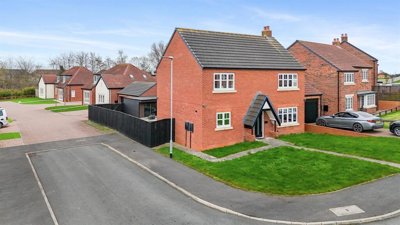
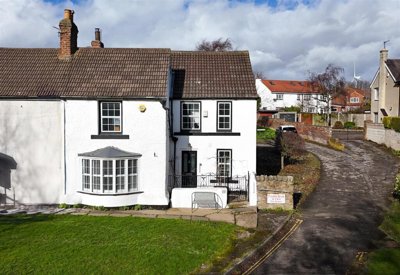
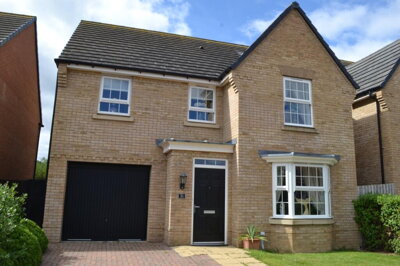
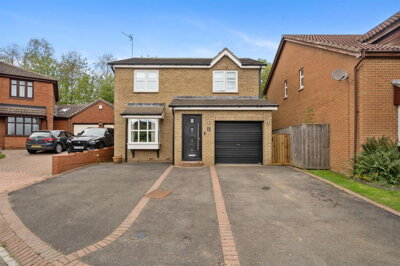
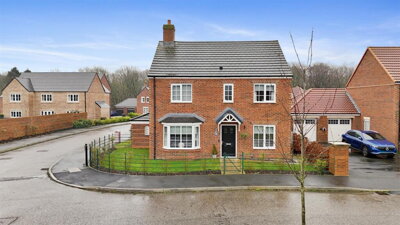
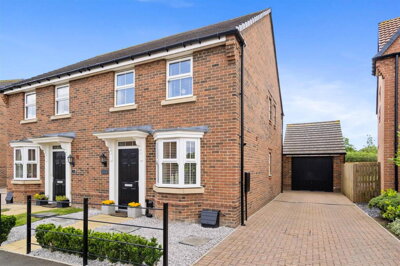
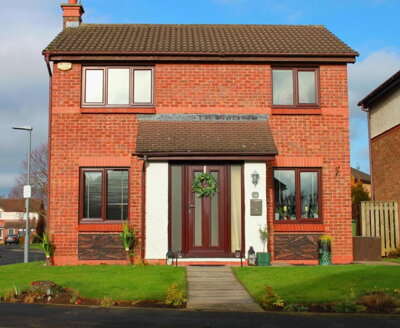
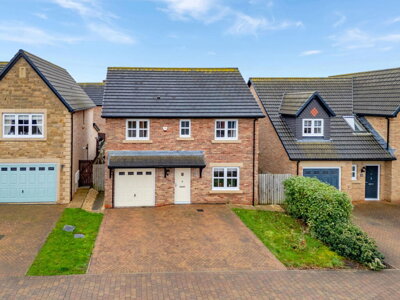
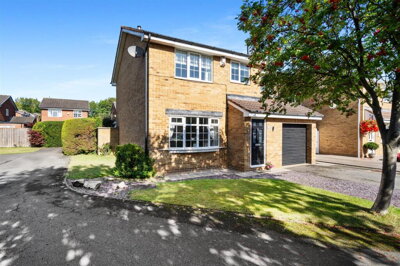
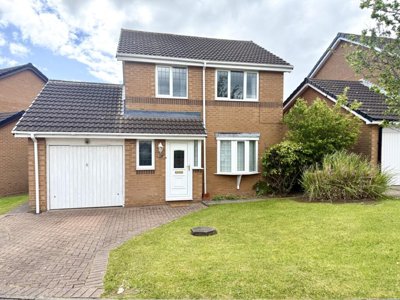
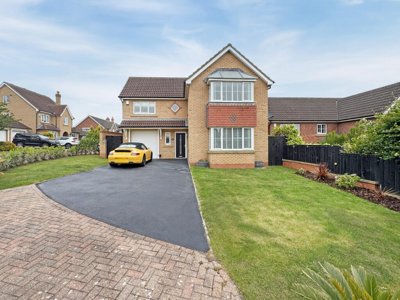
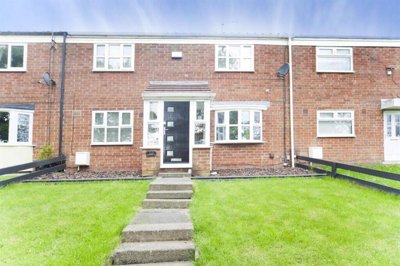
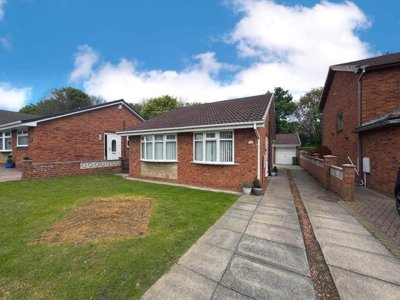
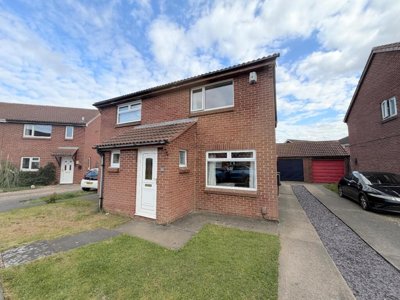
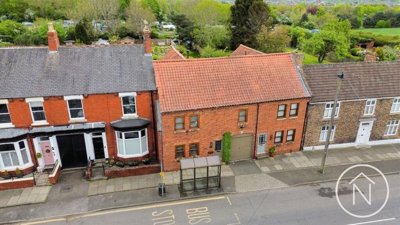
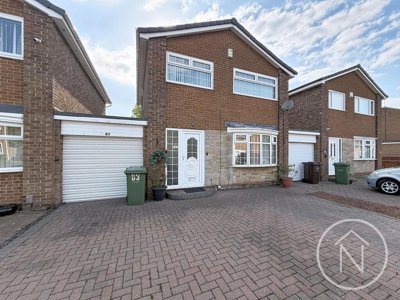
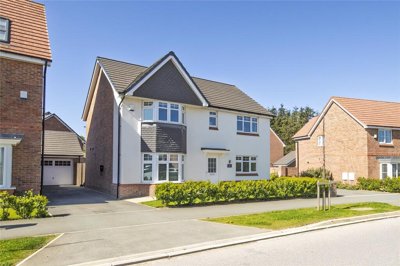
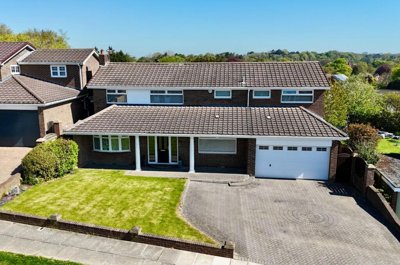
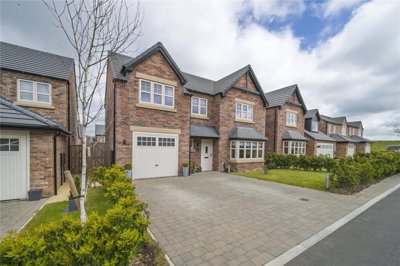
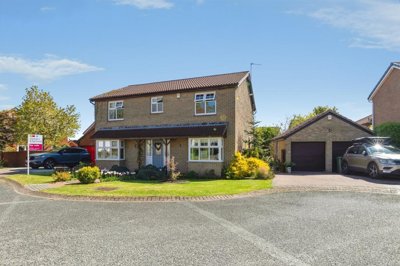
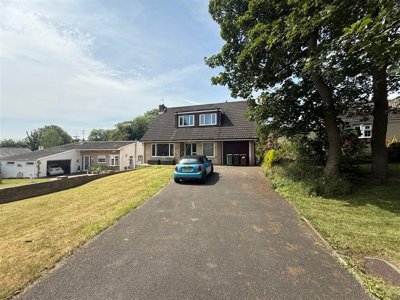
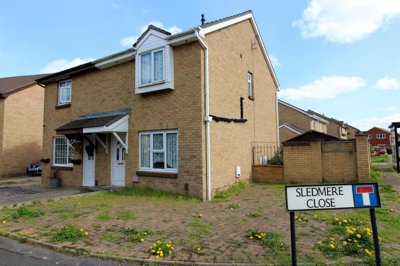
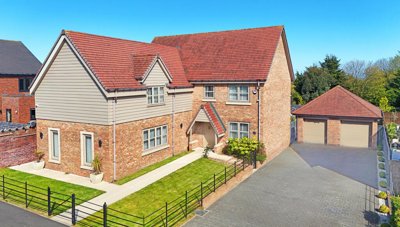
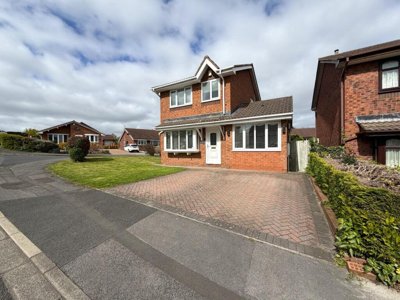
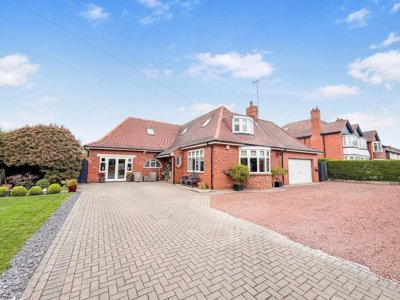
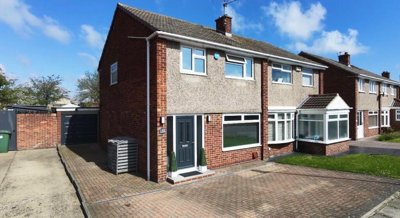
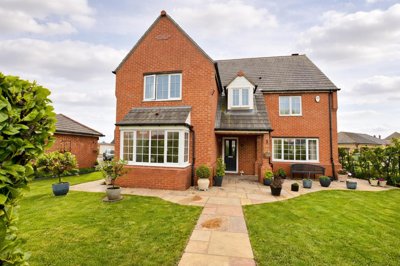
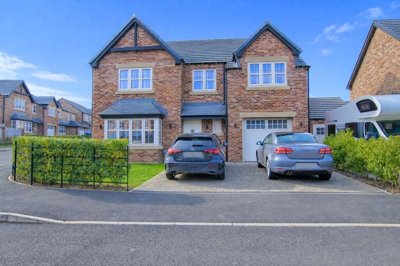
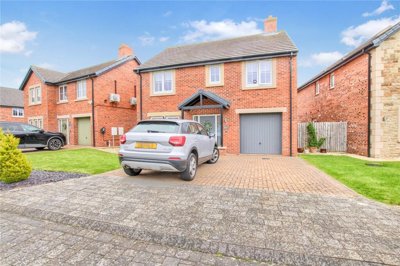
Browse 222 homes for sale in Elwick, Hartlepool from local estate agents.
The Elwick property market offers detached, semi-detached, and terraced houses spanning various price ranges and neighbourhoods. Each listing includes detailed property information, photographs, and direct contact with the marketing agent.
£204k
4
0
122
Source: home.co.uk
Showing 4 results for Houses for sale in Elwick, Hartlepool. The median asking price is £204,000.
Source: home.co.uk
Detached
3 listings
Avg £363,333
Semi-Detached
1 listings
Avg £213,000
Source: home.co.uk
Source: home.co.uk
Elwick's property market has held up well, with 118 property sales recorded over the last year and prices up 25% on the year before. Detached homes are still the most common choice in this village setting, averaging £370,600, while semi-detached houses sit nearer £242,500 for buyers looking for a lower entry point. Prices peaked in 2023 at £435,000, and even though current values are roughly 15-20% below that, demand remains firm because people see long-term appeal here.
A new round of housebuilding is due to add real movement to the local market. Lovell Homes has approval from Hartlepool Borough Council for 43 new homes at North Farm, off The Green. The scheme brings one, two, three, and four-bedroom properties, with terraced, semi-detached and detached houses, plus bungalows, so it should suit first-time buyers, families, and anyone wanting single-level living. It will sit alongside the existing stock rather than replace it, and that extra choice should help buyers settle in this sought-after village.
Flats and apartments are a smaller part of the picture in Elwick, although the wider Hartlepool market averages around £74,000 for that type of home. In the village itself, flats change hands less often because houses and bungalows dominate. Terraced homes in Elwick are not cheap either, with averages around £535,000, often reflecting the character of the old cottages and farm buildings on the older lanes. From Victorian farmhouses to 1920s semis and modern new builds, the stock is broad enough to serve very different budgets.
Elwick sits within the Hartlepool local authority area, which had about 92,300 residents in 2021. Unemployment in Hartlepool has improved sharply too, falling from 7.0% in 2011 to 3.5% in 2021. That points to a healthier jobs market and a local backdrop that can support steady housing demand in and around the village.

Agricultural roots still shape Elwick, even though the village now reads as a commuter base as much as a farming settlement. It has grown to around 240 dwellings across the current footprint, yet two working farms remain at its centre. The Village Green, now a Conservation Area designated by Hartlepool Borough Council, anchors the village, with Elwick House, the 1860s Wesleyan Chapel, and the locally listed McOrville Public House all helping to define the scene.
Local life is centred on a small but lively set of amenities. The Spotted Cow and The McOrville give the village two familiar pub meeting points, while Coopers of Elwick Shop and Tea Room is the sort of place people drop into for coffee or tea made with local produce. Home Farm still keeps the dairy tradition going. The Elwick Village Atlas project, funded by the Limestone Landscapes Partnership, shows how much effort has gone into recording the village's heritage and geology.
On the demographic side, Elwick mirrors the wider Hartlepool area, where the population was about 92,300 in 2021. Unemployment in Hartlepool has fallen sharply too, from 7.0% in 2011 to 3.5% in 2021. Median full-time earnings were £26,920 in 2018, below the England average, but the improving jobs picture and lower prices than major urban centres still make the village appealing for buyers after a quieter base with proper community ties.
The Elwick Village Atlas project did more than map history, it also recorded geological field surveys across the area. Limestone deposits, noted by the Limestone Landscapes Partnership, have influenced the building materials seen in older houses. Geophysics work on Elwick village green picked up ferrous pipes and cables, along with the remains of a Second World War air raid shelter, which is the sort of thing that matters if groundworks are planned on a nearby plot.

Families moving to Elwick will find schools in Hartlepool, while the village itself has housing from different eras that has long suited family life. There are 1920s semi-detached homes and bungalows, plus post-war council properties built in 1947 along North Lane and further homes added in 1965 on the east side of the road. That mix has helped attract households at different stages, and it still feeds local school numbers.
Primary schooling is usually accessed in Hartlepool, with the Tees Flex rural bus service giving residents a practical route to the town centre and beyond. Hartlepool has several primary and secondary schools, including a number rated good and outstanding by Ofsted. For secondary education there are schools in Hartlepool, and faith-based or specialist options can be found across the wider Tees Valley, all within reach through Elwick's road network and public transport.
Hartlepool's colleges provide A-Level and vocational routes, while the wider Tees Valley adds more colleges and training providers. The University of Durham and Teesside University are both reachable for higher education, and commuting from Hartlepool is straightforward because of the area's transport links. Anyone checking school catchments should confirm admissions policies and boundaries with Hartlepool Borough Council before committing to a purchase.
Elwick's housing stock spans centuries, from 18th and 19th-century cottages to 1920s semi-detached houses and bungalows, then on to post-war council development. That variety means buyers at different life stages can often stay put for longer, which can reduce the need for school-related moves as children grow. Properties on North Lane and the surrounding streets vary in age and make-up, and that can affect both bus access and the trip into schools across Hartlepool.

For commuters, Elwick is well placed. The village is close to the main road network, so Hartlepool, Middlesbrough, Stockton-on-Tees, and the wider North East are all within straightforward reach. Journeys to the chemical and process industries along the River Tees corridor are usually under 30 minutes by car, while the A19 gives direct links north to Newcastle and the A1 corridor.
Tees Flex has made public transport more flexible, linking Elwick with Hartlepool and giving residents a route to town centre amenities, work, and services without needing a car. Hartlepool railway station runs direct trains to Newcastle, with onward access via the East Coast Main Line to Edinburgh, London, and cities across England. Newcastle International Airport and Durham Tees Valley Airport are both about one hour's drive away.
Driving times matter here. Hartlepool town centre is usually 15-20 minutes away, Middlesbrough is about 35-40 minutes, Sunderland is around 45 minutes, and Newcastle is roughly one hour by car. With unemployment in Hartlepool down from 7.0% to 3.5% over the decade to 2021, more local jobs may mean some households can cut back on longer commutes.
Investment in Tees Valley transport has continued to support smaller places like Elwick, keeping them connected to the major employment hubs. Hartlepool's unemployment has halved over the decade to 2021, which points to a healthier local labour market. For people who still commute, the A19 makes the chemical and process industries around Middlesbrough and Teesside, along with service-sector roles in Newcastle, easier to reach.

A good buying decision starts with time on the ground in Elwick. Walk the Village Green Conservation Area, look at the newer streets near North Lane, and check how the commute feels at the time of day you would normally travel. Chatting with residents helps too. The Limestone Landscapes Partnership has already documented the village's geological heritage, and the Elwick Village Atlas project offers a useful record of how the settlement has developed over the centuries.
Getting a mortgage agreement in principle before viewings puts buyers in a stronger position when an offer goes in. Current mortgage rates vary, so comparing lenders matters. Our Homemove mortgage partner can help find competitive rates that suit the circumstances. With Elwick's average property price of £320,375, many purchases sit comfortably within favourable loan-to-value brackets.
Homemove lists the full range of properties for sale in Elwick from local estate agents, so it is worth checking back regularly. Setting up property alerts helps keep new listings on the radar, as village homes here can move quickly. Search existing stock alongside the 43 new homes planned at North Farm. Lovell Homes' development off The Green is a notable addition to the local market.
Once a shortlist is in place, viewings are the time to judge condition and layout properly. A RICS Level 2 survey is usually the sensible choice for Elwick's older homes, where defects can be hidden by age and character. That matters particularly for the 18th and 19th-century cottages and farm buildings that form part of the village's story. Random rubble walls, pantiled roofs and damp are among the issues worth keeping an eye on.
After an offer is accepted, a conveyancing solicitor takes over the legal side, handling searches, contracts and registration. Homemove can put buyers in touch with conveyancers who know the Hartlepool market and the area-specific points that come with it. Searches will include Hartlepool Borough Council checks and environmental reports relevant to the locality.
The solicitor then moves things towards exchange and sets a completion date around the moving plans. On completion day, the keys to the new Elwick home are handed over. The process usually takes 8-12 weeks from offer acceptance to completion, though chains and new build purchases can change that. At the North Farm development, extra time may be needed for developer coordination and warranty arrangements.
Different property types in Elwick bring different checks. Homes within the Conservation Area around the Village Green are subject to planning controls that protect the historic setting, so exterior changes, demolitions and extensions may need approval from Hartlepool Borough Council. Many of these buildings use random rubble with squared quoins and pantiled roofs, which call for different upkeep to modern construction. Original timber sash windows, common in period homes, may need restoration or replacement to meet current energy efficiency standards.
Limestone deposits, noted by the Limestone Landscapes Partnership, have influenced local building materials and the way the village has been built up over time. In 19th-century properties, pale red brick with cream and buff brick detailing is common, while roughcast render and slate roofs also appear around the village. Buyers should factor maintenance costs for these traditional materials into their budgets. Geophysical surveys on the village green also picked up ferrous pipes, cables and wartime structures, which could matter for groundworks on particular plots, especially if extensions or outbuilding conversions are planned.
Energy efficiency deserves attention across Elwick, where the housing stock ranges from Victorian farmhouses to 1970s council houses and new build homes. Older cottages and farm buildings may have solid walls rather than cavity insulation, higher heating bills, and original electrics that need updating. An EPC will show the current rating, while a RICS Level 2 survey can flag structural concerns or repairs. For new builds at North Farm, developer or NHBC warranties should cover the first decade of ownership.
The village's homes span several clear building periods. Some of the oldest stock dates from the 18th and 19th centuries, then came the 1920s and 1930s semi-detached houses and bungalows, followed by post-war council housing built in 1947 along North Lane and more properties added in 1965. Knowing the era helps buyers anticipate issues such as outdated wiring, single glazing and solid walls, all of which are common in older buildings.

homedata.co.uk shows the average house price in Elwick over the last year was approximately £320,375, while another figure puts it at £370,600. Detached properties average around £370,600, semi-detached homes at £242,500, and terraced properties at approximately £535,000. Prices have risen 25% over the past year but remain 15-20% below the 2023 peak of £435,000, which gives buyers a better starting point than the top of the market. With 118 property sales recorded over the last year, the village is seeing healthy transaction levels for its size.
Elwick homes fall under Hartlepool Borough Council for council tax. Banding depends on the assessed value, and in this area the usual bands run from A to E for standard homes. The council's banding lookup tool lets buyers check the exact charge before they commit, which matters when planning running costs. Period properties in the Conservation Area around the Village Green may have been assessed differently because of their historic character and possible listing status.
Formal school provision in Elwick is limited, so primary schooling is generally taken in Hartlepool. Several primary and secondary schools there have good and outstanding Ofsted ratings. The Tees Flex bus service helps with journeys to town-centre schools, and catchment rules should be checked with Hartlepool Borough Council because admissions depend on proximity. With 1920s semis, post-war council properties and approved new developments all in the village, accessibility to different schools can vary from one street to the next.
Tees Flex serves Elwick with rural bus links into Hartlepool town centre. Hartlepool railway station gives direct services to Newcastle and onward connection to the national rail network, while Durham Tees Valley Airport and Newcastle International Airport are both about one hour's drive away. The A19 and other main roads keep Middlesbrough, Stockton and the wider North East within easy reach. With unemployment down from 7.0% to 3.5% over the decade to 2021, some residents may find local work now sits within the same transport web.
Investors have a few reasons to keep an eye on Elwick. Annual price growth of 25% points to healthy demand, and the approved 43-home scheme at North Farm could bring more residents into the village and support rental interest. Hartlepool's unemployment has improved too, falling from 7.0% to 3.5% over the past decade. Even so, Elwick is still a commuter village, so rental demand will reflect local jobs and travel patterns to the bigger employment centres. Period cottages and new build homes each offer a different profile for different tenant groups.
Stamp duty land tax rates for 2024-25 are 0% on the first £250,000 of residential property, 5% on £250,001 to £925,000, 10% on £925,001 to £1.5 million, and 12% on any amount above £1.5 million. First-time buyers get relief on the first £425,000, with 5% charged between £425,001 and £625,000. At Elwick's average price of around £320,375, many purchases stay inside the zero-rate band for standard buyers, and first-time buyers at average prices may pay no stamp duty at all.
Hartlepool Borough Council has designated Elwick Village Green and the surrounding properties as a Conservation Area. That brings limits on exterior changes, demolition and new development, all aimed at protecting the historic setting. Protected buildings here include Elwick House, the Wesleyan Chapel from 1867-68, the McOrville Public House, and the Church of St Peter, which has Anglo-Scandinavian carvings from the 10th or 11th centuries. Any work to a Conservation Area property may need planning permission from Hartlepool Borough Council, so renovation plans and timings should be set with that in mind.
Elwick's housing stock reflects its history. There are 18th and 19th-century cottages and farm buildings, often built with random rubble walls, squared quoins and pantiled roofs. The 1920s and 1930s brought semi-detached houses and bungalows, and post-war council housing followed along North Lane in 1947 and 1965. Lovell Homes' approved North Farm scheme will add 43 more properties, including terraced, semi-detached and detached houses plus bungalows. Across the Hartlepool local authority area, about 74.1% of homes are houses, 12.1% are bungalows, and 13.6% are flats or apartments.
The real cost of buying in Elwick runs beyond the asking price. At £320,375 on average, many homes sit in stamp duty territory that is relatively light. Standard buyers pay 0% on the first £250,000 of a residential purchase, so homes below that level attract no SDLT on that portion. Because Elwick's average price sits within the lower bands, stamp duty is unlikely to be a major hurdle for many buyers.
First-time buyers have a stronger hand still. Relief covers the first £425,000 of a purchase, with 5% charged on the slice between £425,001 and £625,000. So a first-time buyer paying £320,375 would usually owe no stamp duty at all, a saving that can go towards moving costs, furniture or improvements. That makes Elwick a practical first step onto the ladder.
Budgeting should not stop at SDLT. Buyers need to allow for mortgage arrangement fees, surveys, conveyancing and searches as well. A RICS Level 2 survey, especially useful for Elwick's older homes and their traditional construction, costs around £455 nationally, although size and value affect the figure. Conveyancing starts from around £499 for standard purchases, and mortgage arrangement fees usually range from zero to 1% of the loan amount depending on lender and product. Land registry fees, local authority searches and environmental searches also need to be included, with total ancillary costs usually coming in at £2,000 to £4,000 for a property at Elwick's average price point.
Buying one of the new homes at North Farm can bring extra costs too, including developer reservation fees, upgraded specifications and warranty administration fees. New build properties may also fall under different SDLT rules, including the nil rate band for new builds, although a solicitor should confirm the details. Conveyancing can take longer on new builds as well, because it has to line up with the developer's timetable and the warranty registrations.

Properties for Sale In London

Properties for Sale In Plymouth

Properties for Sale In Liverpool

Properties for Sale In Glasgow

Properties for Sale In Sheffield

Properties for Sale In Edinburgh

Properties for Sale In Coventry

Properties for Sale In Bradford

Properties for Sale In Manchester

Properties for Sale In Birmingham

Properties for Sale In Bristol

Properties for Sale In Oxford

Properties for Sale In Leicester

Properties for Sale In Newcastle

Properties for Sale In Leeds

Properties for Sale In Southampton

Properties for Sale In Cardiff

Properties for Sale In Nottingham

Properties for Sale In Norwich

Properties for Sale In Brighton

Properties for Sale In Derby

Properties for Sale In Portsmouth

Properties for Sale In Northampton

Properties for Sale In Milton Keynes

Properties for Sale In Bournemouth

Properties for Sale In Bolton

Properties for Sale In Swansea

Properties for Sale In Swindon

Properties for Sale In Peterborough

Properties for Sale In Wolverhampton

Enter your details to see if this property is within your budget.
Loans, cards, car finance
Estimated property budget
Borrowing + deposit
You could borrow between
Typical borrowing
Monthly repayment
Est. at 4.5%
Loan-to-value
This is an estimate only. Your actual budget may vary depending on interest rates, credit history, and personal circumstances. For an accurate affordability assessment, speak to one of our free mortgage advisors.
This calculator provides estimates for illustrative purposes only and does not constitute financial advice. Your home may be repossessed if you do not keep up repayments on your mortgage. Estimates based on 4.5% interest rate, repayment mortgage. Actual rates depend on your circumstances.
Homemove is a trading name of HM Haus Group Ltd (Company No. 13873779, registered in England & Wales). Homemove Mortgages Ltd (Company No. 15947693) is an Appointed Representative of TMG Direct Limited, trading as TMG Mortgage Network, which is authorised and regulated by the Financial Conduct Authority (FRN 786245). Homemove Mortgages Ltd is entered on the FCA Register as an Appointed Representative (FRN 1022429). You can check registrations at NewRegister or by calling 0800 111 6768.

We use cookies to show you personalised content and improve your experience of our website. Find out more in our Privacy policy and Cookie policy.