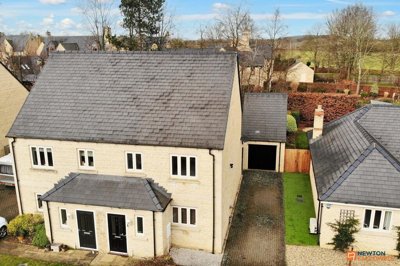
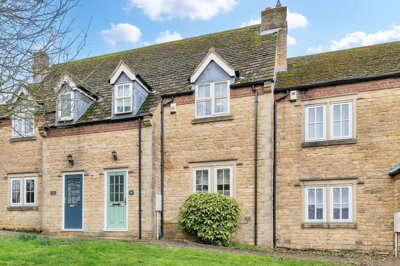
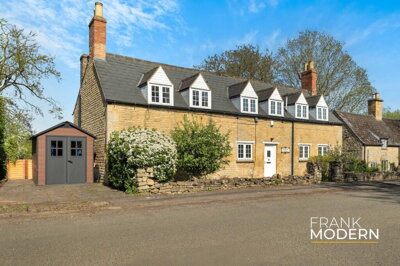
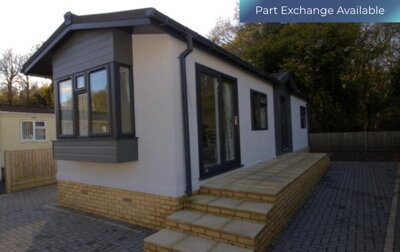
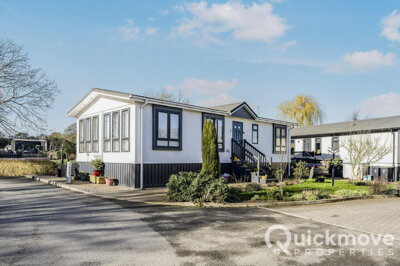
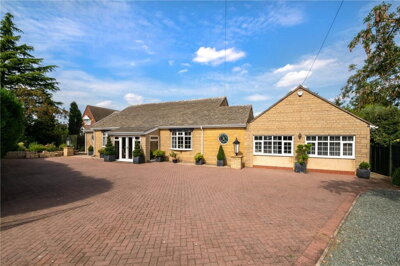
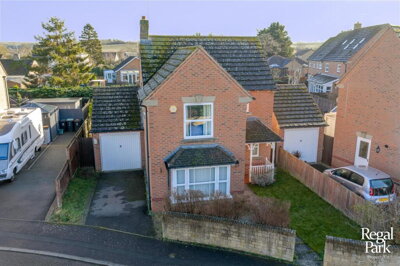
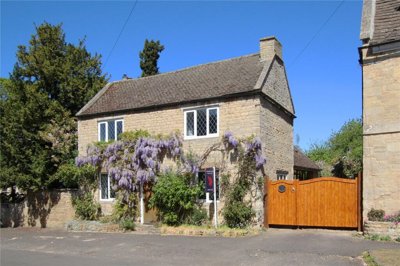
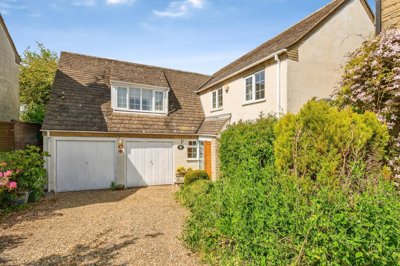
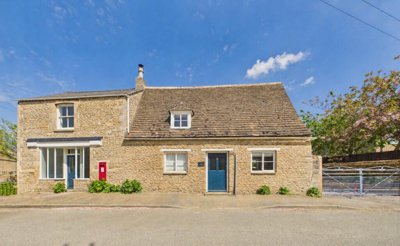
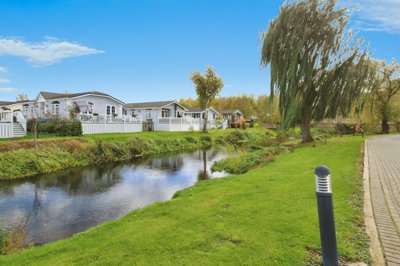
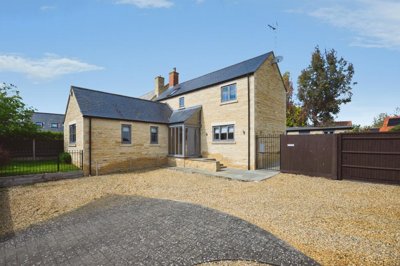
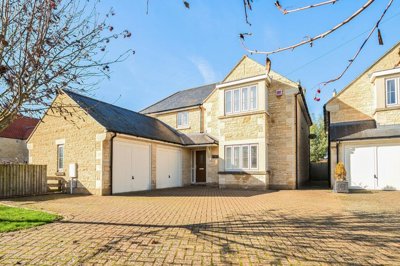
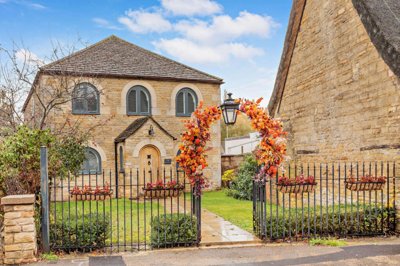
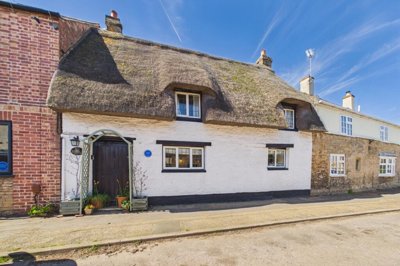
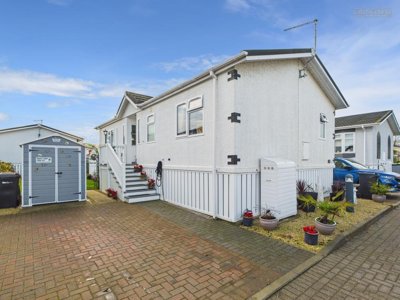
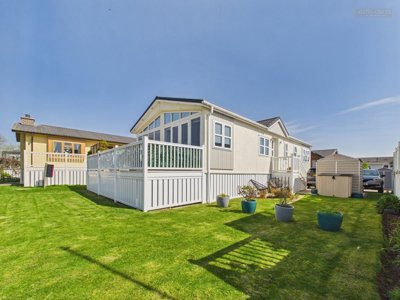
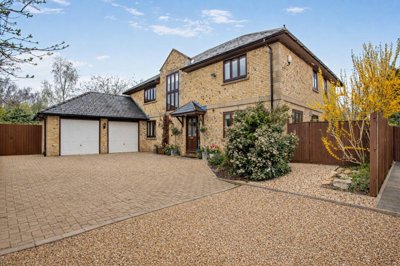
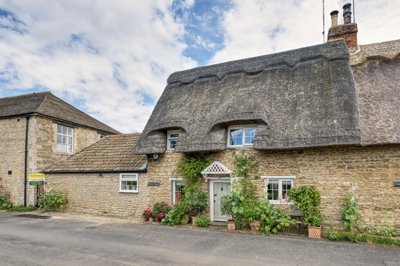
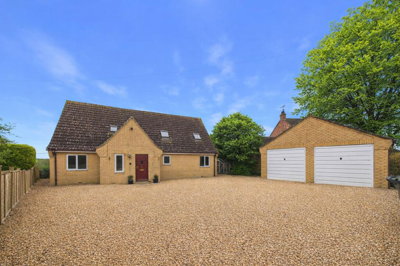
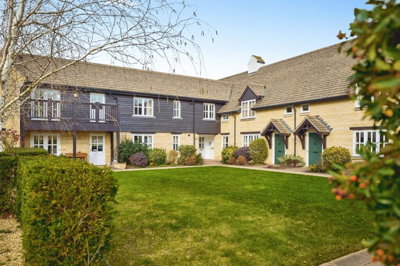
Browse 66 homes for sale in Elton, Huntingdonshire from local estate agents.
£450k
7
1
48
Source: home.co.uk
Source: home.co.uk
Detached
4 listings
Avg £906,250
Apartment
1 listings
Avg £300,000
Cottage
1 listings
Avg £350,000
Semi-Detached
1 listings
Avg £425,000
Source: home.co.uk
Source: home.co.uk
The Elton property market covers a wide spread of home types, so budgets and lifestyles can be matched quite neatly. Detached homes sit at the top end, averaging £696,667, a reflection of the generous plot sizes and traditional builds seen across the village. Semi-detached properties come in lower, at around £450,000 on average, and tend to suit first-time buyers and growing families wanting a foothold in this sought-after Cambridgeshire spot. Terraced homes, including the character cottages on Duck Street and Middle Street, average roughly £250,000, which keeps them appealing for buyers after charm without the larger price tag.
Market data points to a 3% fall in Elton house prices versus the previous year, although that sits within a wider national picture affecting rural markets. Even so, values are still well above pre-2020 levels, and the broader PE8 postcode area has shown a solid 13% annual rise. Supply is thin in a village this size, while demand stays steady from people drawn to village life close to Peterborough, which helps underpin prices. Homes with original features, thatched roofs, or listed status tend to draw stronger offers, especially from buyers who value Elton’s heritage architecture. homedata.co.uk data continues to show that pattern.
home.co.uk gives us a live view of current listings in Elton and the surrounding PE8 villages, so we can see new homes as soon as they come to market. Village property here is often limited, with turnover staying low from year to year. For buyers open to a wider search, Oundle in Northamptonshire and places such as Alwalton bring extra choice within the PE8 postcode, often at different price levels. New-build schemes in the wider area also provide a modern alternative, including River View at Oundle from David Wilson Homes, where three and four-bedroom homes are priced from £425,000 to £720,000.

Elton still feels like a classic English village, and its population of approximately 691 residents gives it a close community feel that has lasted for centuries. The centre has a traditional high street with period buildings, among them listed homes at 22, 24, and 26 Duck Street, as well as 10 and 12 Overend. Elton Hall, on the southern edge, has grown through the 15th, 17th, 18th, and 19th centuries and is still privately owned by the Proby family, who once held much of the village. That long lineage is visible across the Conservation Area, where the layout and architecture speak to steady occupation and careful stewardship.
For a small place, Elton is practical day to day. There is a primary school for local families, plus a well-liked restaurant that saves a trip to a larger town. A nearby garden centre adds both shopping and gardening supplies, and people come in from surrounding villages for it. Outside the village, the Cambridgeshire countryside opens up walking routes, cycling paths, and plenty of fresh-air time, with the River Nene valley offering especially pleasant routes. Community events, clubs, and local traditions all help knit the place together, which suits anyone wanting to settle into a supportive setting.
The wider PE8 area adds more options within a short drive. Oundle has a weekly market, independent shops, and more places to eat, while Peterborough brings broader retail, healthcare, and entertainment facilities. We know buyers need more than just the village itself, so our local knowledge covers the practical rhythms of everyday life in this part of Cambridgeshire. We can point you towards homes that balance village character with easy access to the services a household actually needs.

Education in Elton centres on the village primary school, which serves children of primary age and gives younger learners a solid start. Small classes and a community-minded approach mean teachers can give individual attention, and that often supports both academic and social development. Parents thinking about moving here should keep in mind that school quality has a direct bearing on property values, with homes in good catchment areas often achieving premium prices. Cambridgeshire local authority publishes clear guidance on admissions, catchments, and oversubscription criteria through its website, which helps parents plan a search with more confidence.
For secondary schooling, Elton residents look to nearby towns, where several respected secondary schools and sixth forms can be reached by school transport or daily travel. Peterborough, around 7 miles north-east of Elton, adds grammar schools, further education colleges, and specialist provision for a range of needs and abilities. Families in the western part of PE8 can also access Northamptonshire schools. It is sensible to check GCSE and A-level results, Ofsted outcomes, and sixth form provision before deciding where to buy.
We usually suggest families put school catchment areas high on the list, because Elton’s limited housing stock means homes within walking distance of the village primary school are especially popular. Properties near established school bus routes, or with good road links to secondary schools across Cambridgeshire and Northamptonshire, can also make life easier for families with school-age children. We can help you shortlist homes that fit your education needs as well as your space, budget, and property-type preferences.

Getting in and out of Elton is straightforward enough, thanks to its position near major routes while still feeling properly rural. The village is around 7 miles from Peterborough city centre, where Peterborough railway station offers regular trains to London King’s Cross, with journey times of about 50 minutes. That makes the village especially attractive to London commuters who want countryside living. The A1(M) is reached via Peterborough and gives north-south road access to places such as Leeds, Newcastle, and the south of England. Nearby, the A605 passes through surrounding villages and links Elton with Oundle and Northampton to the west.
There are bus services between Elton and nearby towns, so public transport is available for those without a car. That said, the timetable can be patchy, which makes driving the practical choice for most residents. Cycling is mixed across the area, with country lanes popular among leisure cyclists and dedicated cycle paths more common in Peterborough. For flights, London Stansted Airport is roughly 90 minutes by car, while Birmingham Airport opens up broader international travel. Elton’s appeal comes from that balance of rural calm and strong connections, and it continues to draw commuters and families for exactly that reason.
We provide commute-time information so buyers can judge whether an Elton property fits their work travel needs. For many people, the daily journey matters just as much as the house itself. Our local knowledge lets us talk through transport choices from different parts of the village in a practical way. If you need to reach London, Peterborough, or other regional centres on a regular basis, we can help you find a home that works for the commute as well as village life.

Homes in Elton reflect centuries of building skill, and the construction methods are quite different from those used in newer housing. Many of the village’s heritage properties were built with solid walls, not the cavity wall construction seen in post-war homes, so they breathe differently and handle moisture in a different way. Lime mortars were used throughout historic buildings, letting the structure move a little without cracking, unlike rigid cement mortars that can cause problems in older walls. Knowing how these buildings were put together helps buyers look after them properly and avoid expensive mistakes later on.
The geology of the wider Cambridgeshire and Northamptonshire area shows through in the materials used locally. Properties on Duck Street and Middle Street often include limestone from regional quarries, while timber-framed buildings with brick or plaster infill panels are also found across the village. Some historic homes still have thatched roofs, including examples on Duck Street, and those need specialist maintenance and insurance. The British Geological Survey describes the wider area as containing Jurassic clay deposits, which can lead to ground movement and foundation issues over time.
Our inspectors have spent years surveying traditional Elton properties and know the construction methods used here. We look for signs of past alterations, check the condition of historic fabric, and flag where original features may need attention. If you are considering a thatched roof, lime render, or solid wall construction, we will talk you through the maintenance and likely issues. That kind of local knowledge helps before you commit to a purchase in this historic village.
When we survey homes in Elton, the same defect patterns come up again and again, which reflects the age of much of the housing stock. Damp is one of the main concerns, especially where properties have no modern damp-proof course. Penetrating damp can affect solid walls once pointing has deteriorated or driving rain gets through porous masonry, while rising damp may appear where old lime-based floors have been swapped for solid concrete that bridges any damp-proof membrane. Condensation is another familiar problem, particularly in winter, when heating creates moisture inside poorly insulated buildings with little ventilation.
Roofs in older Elton properties need a close look. Ordinary wear can leave broken or missing tiles, sagging roof lines, and ridge mortar or flashings that have started to fail. We inspect loft spaces for leaks, poor insulation, and timber condition, because wet or dry rot can develop where moisture has been persistent. Thatched roofs need specialist attention from contractors who know traditional materials, since their repairs are quite different from tile or slate work. A lack of roof-space ventilation is another common finding, and it often feeds both timber decay and condensation problems.
There can also be structural issues, largely because many Elton homes are old and the local ground conditions are not always kind. The area sits on clay geology that can shrink and swell as soil moisture changes, which in turn affects foundations. The British Geological Survey warns that millions of homes in the South East, including Cambridgeshire, could face subsidence because shrink-swell risk rises as climate change brings more extreme weather. Our inspectors look for cracking, distortion, and movement in walls, floors, and door openings that might point to a deeper structural issue needing further investigation or remedial work.
Older Elton homes often have outdated electrical and plumbing systems too. Original wiring may still be present from mid-20th century installations, along with round pin sockets, fabric-covered cables, or old consumer units that no longer meet current safety standards. Some homes may also still contain lead pipework, which is a concern for both water quality and leakage. We check visible electrical installations and plumbing, then flag anything that should be reviewed by qualified electricians or plumbers before you buy.
Flood risk needs proper attention in Elton, given the village’s position close to the River Nene. Our coverage includes the Areas near the River Nene from Elton to Wansford flood warning area, where flooding to some property is expected when river levels are high. Homes near the river or in lower-lying parts of the village are at greater risk, so we recommend getting flood risk reports for any property you are considering. Surface water flooding is another issue, and Cambridgeshire County Council notes substantial risk along northern boundaries in parts of the village.
Groundwater flooding can also happen after long periods of heavy rain, when water tables rise above their usual level. It can affect low-lying properties even when they are some distance from a river or stream. We advise buyers to look into the flooding history of any specific property and to check for resilience measures such as non-return valves, raised electrical sockets, or waterproofing works installed by previous owners. If a property sits in a known flood risk zone, insurance costs may be higher, and that should be built into your budget from the start.
Ground stability is not just about flooding in the Elton area. The underlying clay geology can also lead to subsidence and heave, especially where trees or hedgerows draw moisture out of the clay during dry spells. We inspect for cracking, movement, and distortion that could point to ground-related problems. If anything looks suspicious, we recommend further investigation by a structural engineer or geotechnical specialist before you go any further. Knowing about these environmental pressures makes planning and maintenance much easier once you move in.
Because Elton is a Conservation Area, properties within it face extra planning controls for changes, extensions, and external alterations. Huntingdonshire District Council administers those controls, and works that might count as permitted development elsewhere may need planning permission here. If you are buying in Elton, any plans for extensions, outbuildings, or larger external changes need to be weighed against conservation requirements. We can talk through how that status might affect your plans for a specific property.
Listed buildings in Elton, including 22, 24, and 26 Duck Street, 33 Duck Street, and 10 and 12 Overend, have statutory protection under the Planning (Listed Buildings and Conservation Areas) Act. Any work that affects the character of these buildings as properties of special architectural or historic interest needs listed building consent. Carrying out unauthorised work to a listed building is a criminal offence and can lead to prosecution, plus a requirement to put the property back as it was. Anyone thinking of buying a listed home should speak to Huntingdonshire District Council planning department and get specialist advice first.
We understand the extra care needed when surveying listed buildings and homes in conservation areas. Our inspections cover the current condition, but also look for earlier work that may have been done without the right consents, because that can become the new owner’s problem. For listed properties, a Historic Building Survey often makes more sense than a standard survey, since it goes into construction, materials, and condition in more detail. If you are buying a property with serious heritage status, we can point you towards surveyors with the right experience.
Before you make an offer, spend time looking through current listings in Elton and the neighbouring PE8 villages so you understand the property mix, common price points, and local market conditions. Check amenities, catchment areas, and commuting options as well, so you know the village fits your way of life. Our platform brings together property search tools and neighbourhood information, giving you a clearer basis for your decision. home.co.uk listings are a useful starting point.
Speak to local and national mortgage brokers early on, discuss your borrowing position, and get an Agreement in Principle before you start offering. The current stamp duty thresholds for 2024-25 are 0% on the first £250,000, 5% between £250,000 and £925,000, and 10% on the portion between £925,000 and £1.5 million. First-time buyers get relief on the first £425,000, then pay 5% between £425,000 and £625,000. Having finance lined up can make a real difference in a market like this, where village homes are often competitive.
Book viewings through estate agents handling homes in Elton and the nearby villages. Once you find the right place, put in a formal offer through the agent with your agreed price and any conditions attached. Sellers will often want proof of funds or a mortgage agreement before they accept, especially with Elton’s popularity among buyers moving out from London and Cambridge in search of countryside living.
After your offer is accepted, we recommend instructing a qualified RICS surveyor to carry out a Home Survey Level 2. Elton has plenty of homes dating from the 17th century or earlier, so a professional survey is useful for spotting damp, structural movement, old electrics, and roof defects. Survey fees usually run from £375 to £930, depending on property value, and older or listed buildings may need a more detailed look. We can connect you with local surveyors who know traditional Cambridgeshire construction well.
Once the legal work begins, appoint a solicitor to deal with searches, contracts, and land registry matters. Conveyancing in the Elton area usually starts from £499 for standard transactions. Your solicitor will carry out local authority searches to check planning constraints, flood risk, and other factors that affect the property. With Elton’s Conservation Area status and its listed buildings, those searches will also confirm any heritage protections that could shape future alterations.
When searches come back clean and your mortgage is confirmed, the solicitor will exchange contracts and agree a completion date with the seller. On completion day, you get the keys and the property becomes yours. We stay involved with information, recommended solicitor connections, and ongoing guidance as you settle into Elton village life.
Elton properties need a careful eye because of the village’s age and heritage status. Many homes here were built with solid walls, lime mortars, and natural materials such as local stone and thatch, not modern systems. Older buildings often lack a damp-proof course and may already show signs of penetrating or rising damp, so maintenance matters. When viewing, focus on wall condition, especially on ground floors and in basements where moisture is most likely to get in. Original timber windows can be full of character, but they may need restoration or replacement to meet present-day energy efficiency standards.
Flood risk deserves specific attention when buying in Elton. The village sits within the River Nene flood warning area, and properties near the river or in low-lying spots face greater risk during heavy rain. Cambridgeshire County Council manages surface water flooding across the area, and some proposed development sites are noted as having substantial surface water flooding potential along northern boundaries. Ask for flood risk reports and look at elevation, drainage history, and any resilience measures fitted by previous owners. A specialist survey can be sensible for homes in identified flood risk zones.
Because Elton is designated as a Conservation Area, there are planning restrictions on changes and extensions to properties within its boundaries. If the home is listed, extra rules apply through listed building consent, and unauthorised work can amount to a criminal offence. Keep renovation costs and planning restrictions in mind before you buy, and speak to Huntingdonshire District Council planning department before committing to any significant alteration. Where planning permission is already in place, it may open up useful options, though the conditions attached need careful checking.

Knowing the full cost of buying in Elton helps you budget properly and avoids nasty surprises later in the process. On top of the price, you need to allow for stamp duty, solicitor fees, survey costs, and moving expenses. For a typical Elton property priced around £483,125, a first-time buyer would qualify for relief on the first £425,000 and pay no stamp duty. A buyer without first-time buyer status would pay around £11,656, based on 5% on the amount above £250,000.
Conveyancing fees usually start from £499 for standard transactions, although listed building status, Conservation Area constraints, or leasehold arrangements can push the price up. Your solicitor will arrange local authority searches, including drainage and water checks, environmental searches, and planning register reviews, with search fees normally running from £200 to £400. A RICS Level 2 Survey costs between £375 and £930 depending on property value and complexity, and older Elton homes may need a more detailed assessment because of their age and traditional construction.
There are also land registry fees, mortgage arrangement fees, and removal costs, so the overall buying bill typically lands between £2,000 and £5,000 depending on price and circumstances. We offer tools to help you estimate those figures and shape your budget properly. Getting a mortgage Agreement in Principle before you start searching strengthens your hand when offering in Elton’s competitive village market, where the best homes can attract more than one interested buyer.

homedata.co.uk shows the average property price in Elton over the past year was £483,125. Detached homes average £696,667, semi-detached properties around £450,000, and terraced homes about £250,000. The wider PE8 postcode area, which includes Elton and nearby villages, has performed more strongly recently, with prices rising nearly 13% in the 12 months to August 2024 and reaching around £449,100 on average. Elton itself saw a 3% year-on-year fall, but demand for village homes near Peterborough is still supporting values, and limited supply means properties rarely stay available for long.
Huntingdonshire District Council is responsible for council tax in Elton. Homes fall into bands A through H depending on valuation, and most village properties sit somewhere between bands B and E. You can check the exact band for a specific property through the Valuation Office Agency website or via your solicitor during conveyancing. Cambridgeshire County Council services are supported by council tax too, funding education, highways, and social services across the area. Larger detached homes near Elton Hall or along Duck Street are typically in the higher bands.
Elton has a village primary school for children from reception age through primary, with a community focus and small class sizes. Secondary options in nearby towns include several well-regarded schools that can be reached by school transport from Elton. Before buying, parents should look at school performance data, recent Ofsted reports, and catchment boundaries, because school quality plays a big role in property values and family moves across Elton and wider Cambridgeshire. Homes in the catchment for popular schools often command a premium because demand stays strong.
Public transport in Elton is limited, with bus services to nearby towns running at frequencies that leave most residents reliant on a private car. Even so, Peterborough is only about 7 miles away, giving access to a strong train network from Peterborough station, including regular services to London King’s Cross in around 50 minutes. The A605 and A1(M) provide useful road links for commuting and day-to-day travel around Cambridgeshire and Northamptonshire. We include commute-time information so you can judge the access from particular properties.
For investors, Elton has a few clear attractions. The village is small, so supply stays limited, and Conservation Area controls restrict new development. Strong commuter links to Peterborough and London keep demand healthy from buyers looking for countryside living with city access. Heritage homes, including thatched cottages and listed buildings, also appeal to people after character properties. Still, flood risk, planning restrictions, and the chance of price swings during economic uncertainty should all sit inside the investment calculation, and we would want thorough due diligence before any purchase here.
Stamp duty for 2024-25 works like this, 0% up to £250,000, 5% between £250,000 and £925,000, 10% from £925,000 to £1.5 million, and 12% above £1.5 million. First-time buyers pay 0% on the first £425,000 and 5% between £425,000 and £625,000. With Elton’s average property price at £483,125, a typical first-time buyer would pay about £0 in stamp duty after relief, while non-first-time buyers would pay around £11,656. Higher-value homes, such as detached properties averaging £696,667, would incur stamp duty of roughly £22,333 for non-first-time buyers.
Elton itself has very few new-build choices because of Conservation Area protections and the limited number of sites available for development, but the wider PE8 postcode area does offer options. Nearby Oundle includes River View by David Wilson Homes, with three and four-bedroom properties from £425,000 to £720,000, and Cotterstock Meadows, where two to five-bedroom homes start at £425,000 and reach £660,000. Just outside PE8, Alwalton has the Elder Brook development, with two to four-bedroom homes from about £285,000. These schemes suit buyers who want modern construction and stronger energy efficiency while staying within reach of Elton village life.
For a period property in Elton, the survey should focus on damp, roof structure, and timber condition, because most village homes are old. Solid wall construction does not perform like modern cavity walls, and original features such as lime mortar pointing, timber windows, and thatched roofs need specialist care. We check for penetrating damp, rising damp, and condensation, along with structural movement that could point to foundation problems linked to the local clay soils. Where a property is listed or has substantial heritage features, a more detailed RICS Level 3 Building Survey is usually the better choice, because it deals with historic methods and materials in more depth.
Properties for Sale In London

Properties for Sale In Plymouth

Properties for Sale In Liverpool

Properties for Sale In Glasgow

Properties for Sale In Sheffield

Properties for Sale In Edinburgh

Properties for Sale In Coventry

Properties for Sale In Bradford

Properties for Sale In Manchester

Properties for Sale In Birmingham

Properties for Sale In Bristol

Properties for Sale In Oxford

Properties for Sale In Leicester

Properties for Sale In Newcastle

Properties for Sale In Leeds

Properties for Sale In Southampton

Properties for Sale In Cardiff

Properties for Sale In Nottingham

Properties for Sale In Norwich

Properties for Sale In Brighton

Properties for Sale In Derby

Properties for Sale In Portsmouth

Properties for Sale In Northampton

Properties for Sale In Milton Keynes

Properties for Sale In Bournemouth

Properties for Sale In Bolton

Properties for Sale In Swansea

Properties for Sale In Swindon

Properties for Sale In Peterborough

Properties for Sale In Wolverhampton

Enter your details to see if this property is within your budget.
Loans, cards, car finance
Estimated property budget
Borrowing + deposit
You could borrow between
Typical borrowing
Monthly repayment
Est. at 4.5%
Loan-to-value
This is an estimate only. Your actual budget may vary depending on interest rates, credit history, and personal circumstances. For an accurate affordability assessment, speak to one of our free mortgage advisors.
This calculator provides estimates for illustrative purposes only and does not constitute financial advice. Your home may be repossessed if you do not keep up repayments on your mortgage. Estimates based on 4.5% interest rate, repayment mortgage. Actual rates depend on your circumstances.
Homemove is a trading name of HM Haus Group Ltd (Company No. 13873779, registered in England & Wales). Homemove Mortgages Ltd (Company No. 15947693) is an Appointed Representative of TMG Direct Limited, trading as TMG Mortgage Network, which is authorised and regulated by the Financial Conduct Authority (FRN 786245). Homemove Mortgages Ltd is entered on the FCA Register as an Appointed Representative (FRN 1022429). You can check registrations at NewRegister or by calling 0800 111 6768.

We use cookies to show you personalised content and improve your experience of our website. Find out more in our Privacy policy and Cookie policy.