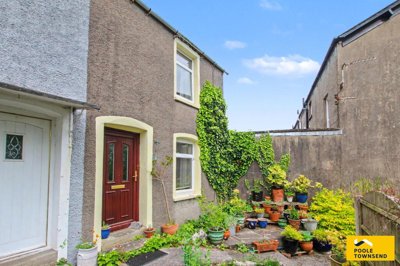
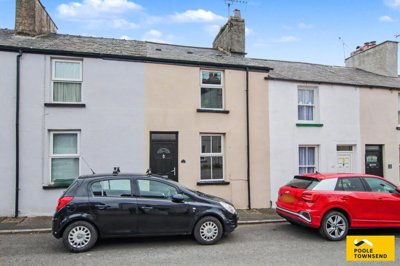
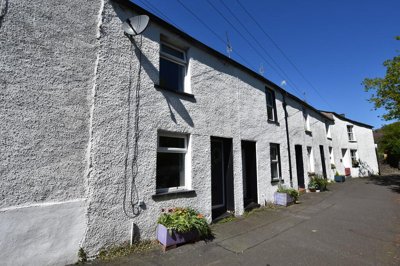
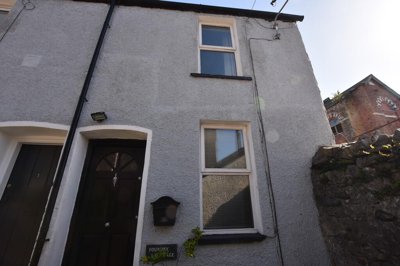
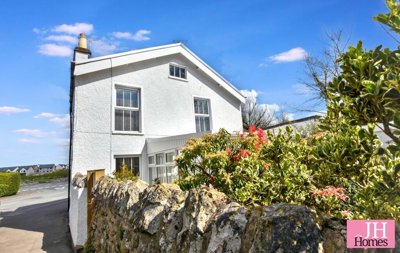
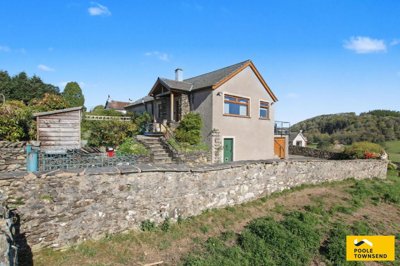
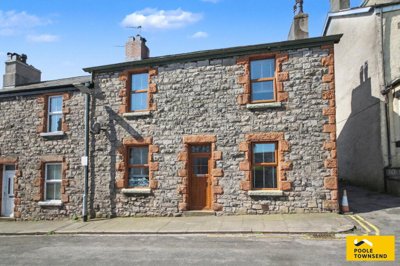
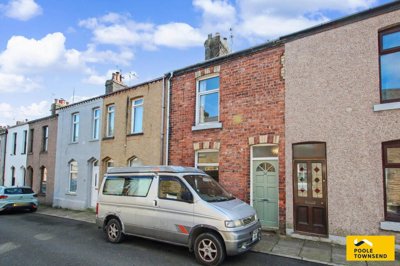
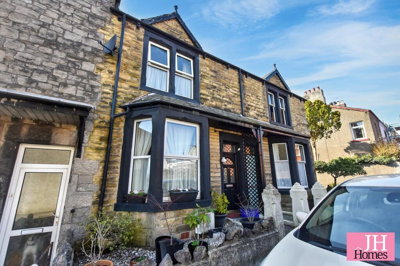
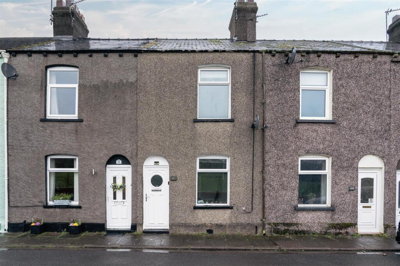
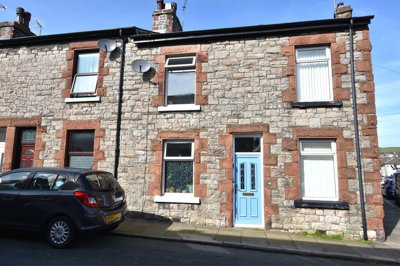
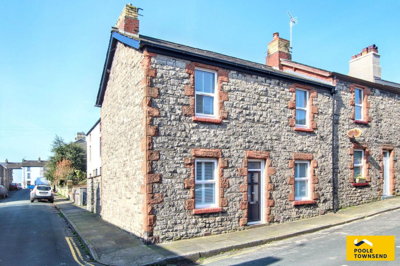
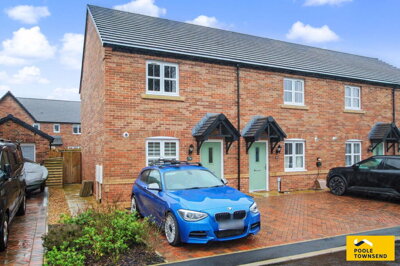
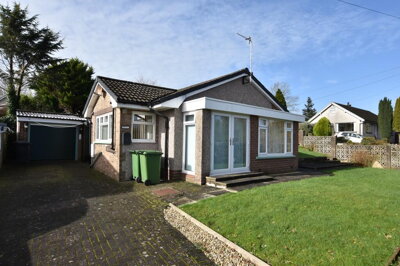
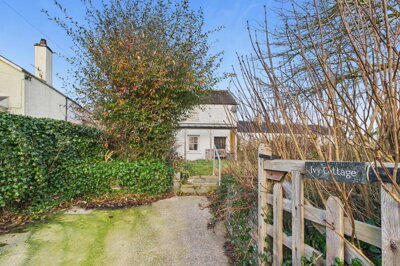
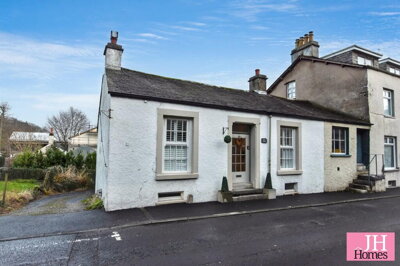
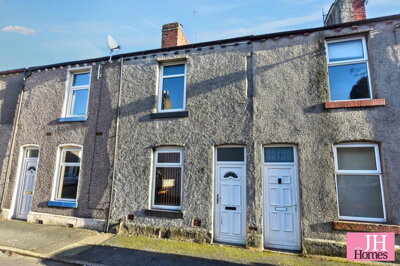
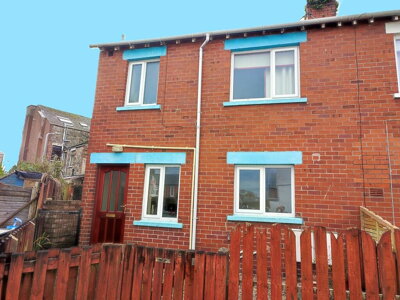
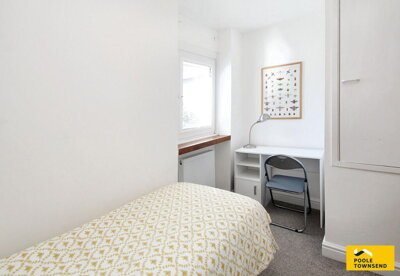
Browse 36 homes for sale in Egton with Newland from local estate agents.
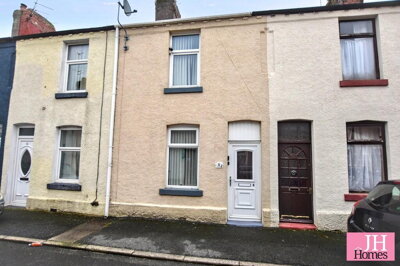
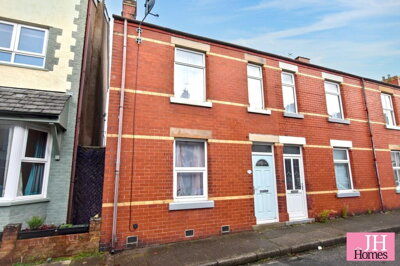
The 2 bed house market features detached, semi-detached, and terraced properties with two separate bedrooms plus living spaces. Properties in Egton With Newland range from Victorian and Edwardian period homes to modern new builds, with pricing varying across different neighbourhoods.
Egton with Newland’s property market mirrors much of South Cumbria, with traditional homes set against open rural scenery. home.co.uk listings data and homedata.co.uk data both put the average house price at £421,579, while Plumplot records a slightly higher average of £421,579, which points to a blend of higher-value detached homes and more affordable stock. Prices have corrected by 17% over the past year and sit about 5% below the 2021 peak of £372,750, so buyers who can move quickly may still find scope here.
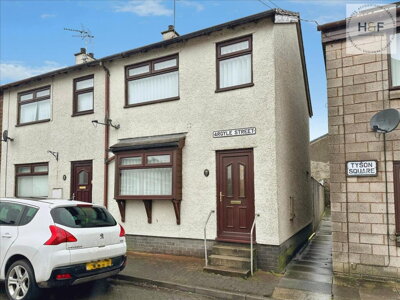
Semi-detached homes dominate recent activity in Egton with Newland, making up 44.44% of sales. That sort of stock suits families and anyone needing more room than a terrace usually offers, yet the area still sits within the £200,000 to £300,000 bracket where 55.56% of sales have taken place. Detached houses and traditional farmhouses also appear, although they tend to command a premium because of larger plots, rural settings, and the appeal of living on the edge of the Lake District. Egton Grange, a historic property within the parish, has seen 14 total sales, which says plenty about the steady interest in larger estate homes.
There are no active new-build developments in the Egton with Newland postcode area, so buyers are dealing with established homes rather than brand-new construction. That shortage of fresh supply helps support values over time, as demand for the Cumbrian rural lifestyle continues to meet a very limited pool of properties. For anyone treating a move as a long-term lifestyle decision rather than a quick resale, that balance can be reassuring.

Life here is shaped by rural Cumbrian routines, where community ties matter and the landscape sets the pace. The parish takes its name from the historic townships of Egton and Newland, both still standing as distinct settlements linked by country lanes and farmland. We also have easy access to the Duddon Valley and the western fringes of the Lake District, with the Cumbrian Way and a number of Wainwright summits within a short drive.
Ulverston is the nearest everyday hub, reaching the parish’s shopping, healthcare, and dining needs in around 20 minutes by car. Along Market Street and in the Causewayhead area, there are independent shops, plus Tesco and Aldi for the weekly shop. It also has monthly markets and annual events, including the well-known lantern festival that draws visitors from across the region. For a broader retail run, Lancaster sits about 40 minutes to the north-east.
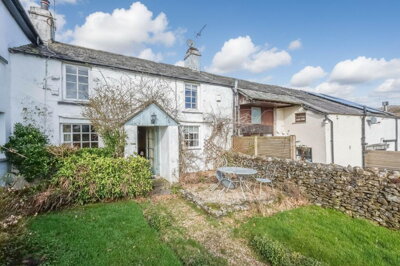
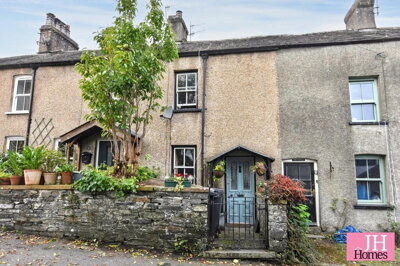
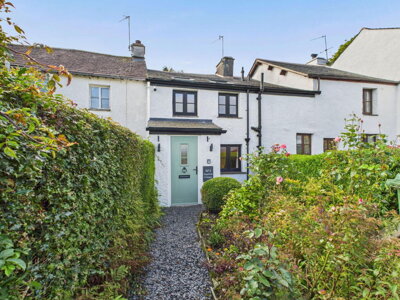
Stone walls, old farm boundaries, and traditional Cumbrian farmhouses give the parish its character. Many of the buildings date from the 18th and 19th centuries, when farming and local industry supported the area. Because there has been very little large-scale modern development, the visual feel of the place has stayed intact, with listed buildings and working farmsteads part of the everyday view. Village halls, traditional pubs in nearby settlements, and seasonal gatherings all play their part in community life. For buyers wanting a break from urban pressure, this is proper Cumbrian village living.

For families thinking about a move, we usually point to the schooling options within a sensible drive across South Cumbria. Primary education is provided by several village schools in the surrounding area, many of them small and closely tied to their communities. Kirkby Ireleth Primary School, in the neighbouring village of Kirkby Ireleth about 3 miles from Egton with Newland, serves many parish families and is known for its nurturing approach. It also keeps strong links with the local farming community, which helps give children a grounded start.
Broughton-in-Furness adds another primary option for families who prefer a slightly larger village school with more facilities. Broughton Primary School serves children from a wider catchment and benefits from its market town setting, with access to libraries, sports facilities, and community programmes. Both schools tend to perform in line with national averages for primary education, and their smaller class sizes mean children usually get more individual attention than they might in a larger urban school.
Secondary provision is centred on Ulverston, where Ulverston High School takes students from across the southern part of Westmorland and Furness. The school offers a broad curriculum, including GCSEs across core and option subjects, as well as the usual extracurricular mix you would expect from a market town secondary. Specialist facilities for sports, sciences, and arts give pupils a useful base for further education or work. For families wanting selective schooling, grammar schools in Kendal and Barrow-in-Furness are the other route, provided the entrance examination is passed. We would still check catchment areas and admissions carefully, because places can be competitive in popular rural locations where demand can outstrip supply.

The A595 is the main road story here. It runs nearby and links the coast between Barrow-in-Furness and Whitehaven, passing through Broughton-in-Furness and tying into the A590 towards Kendal and the M6 motorway. For residents heading to work, school, or basic amenities beyond the parish, this is the route that matters most. By car, Ulverston is roughly 20 minutes away, while Kendal and the M6 can usually be reached within 45 minutes in normal traffic.
Buses do run, though not in the way you would expect in a town. Stagecoach and local operators connect Egton with Newland to Ulverston, Broughton-in-Furness, and nearby villages, but frequencies are much lower than on urban routes. The 222 and X6 services link the local towns, although timetables should always be checked because rural services can change seasonally or be cut back. Ulverston is the nearest railway station, with Furness Line trains to Barrow-in-Furness and onward links to the West Coast Main Line at Lancaster.
For air travel, Liverpool John Lennon Airport and Manchester Airport are both within reasonable reach, at around 90 minutes and two hours by car respectively. Commuting to major cities is more demanding. Manchester is about 1 hour 45 minutes away, and Leeds is around 2 hours. That is why remote working has become so common among Egton with Newland residents, with many professionals choosing the area for quality of life while keeping city-based jobs through video calls and flexible hours.

Start with current listings in Egton with Newland and the surrounding Westmorland and Furness villages. We would look at the price range for each property type, with semi-detached homes typically sitting between £200,000 and £300,000 and detached properties rising higher depending on size and position. A local estate agent with knowledge of the LA12 postcode area can be useful for hearing about upcoming listings and what vendors are expecting. It also makes sense to register with more than one property portal, because the better homes in this area can move quickly.
A mortgage agreement in principle comes first. It tells you how much a lender is prepared to let you borrow, and it strengthens your hand when making an offer. Because Egton with Newland homes are often older, some lenders may ask for detailed surveys where there are non-standard construction materials, traditional building methods, or isolated positions that affect insurance calculations. Having the finance side sorted shows serious intent to sellers, which matters in a market where well-presented homes can attract more than one offer.
At viewings, we always pay close attention to the condition of the stone-built homes that are so common in the parish. Look for damp, roof condition, and the maintenance history of older properties. It also helps to think about how far the house sits from amenities and transport links, because those details shape daily life in rural Cumbria far more than they would in a town. Take photographs, jot notes down, and, if possible, go back for a second look at a different time of day before you decide.
Once you have found the right place, make the offer through the estate agent handling the sale. In Egton with Newland, offers a little below asking price are common given the current market correction of around 17%, although well-presented homes in good condition may still get close to the asking figure. Be ready to negotiate on both price and any fixtures and fittings included. A local agent can talk you through the comparables and current conditions, which helps keep the offer competitive without pushing too far.
As soon as an offer is accepted, we recommend arranging a RICS Level 2 Survey before you move towards completion. It flags defects and maintenance issues that may not have shown up during viewings, which is especially important with older Cumbrian homes built from local stone. The survey fee can save you from inheriting large repair bills, and it can also give you room to renegotiate if significant problems appear. For period houses, a more detailed RICS Level 3 Building Survey may be the better call, particularly where structural complexity is involved.
Choose a conveyancing solicitor with experience in rural Cumbrian property transactions to handle the legal work. They will carry out searches with Westmorland and Furness Council, look for any planning restrictions affecting the property, and manage the transfer of funds. Because the area is so agricultural, the searches should also pick up environmental issues, rights of way crossing farmland, and drainage arrangements that could affect how you use the property.
Once the searches come back clean and the mortgage offer is finalised, your solicitor will arrange exchange and a completion date. On completion day, the keys are yours. We always advise planning the move with care in a rural area like this, especially when removal companies need to cope with country roads and the narrower lanes leading to traditional Cumbrian homes. It is wise to book movers well in advance, because availability in rural Cumbria can be tighter than in a town or city.
Buying in Egton with Newland means paying close attention to issues that are specific to rural Cumbrian houses and their settings. Most properties in the parish are older constructions, often built from local stone using traditional methods that are very different from modern building standards. Buyers should look closely at walls, foundations, and roofs, because heritage homes can bring significant maintenance costs. It is also important to check whether the property uses a septic tank or private drainage system, since not every rural home connects to mains sewerage and that upkeep sits with the owner.
Traditional Cumbrian farmhouses and cottages often have thick stone walls, which are excellent for thermal mass but can show damp if they have not been maintained properly. Roofs on older properties may use slate or stone tiles, and repairs or replacement can be costly. Any previous patching should be checked carefully at viewings. Electrical systems in period homes may also need updating to current standards, so it is sensible to ask when the property was last rewired. Central heating deserves a look too, because replacing an old oil or LPG boiler can be a major expense.
Westmorland and Furness planning rules can affect what you do with a property in Egton with Newland. The rural and agricultural setting means some homes sit within or near conservation considerations, or close to working farms where harvest and lambing seasons bring noise and traffic. Rights of way across farmland are common and cannot be blocked or diverted without the proper council process. We would also check access roads and driveways, since some houses are reached by unmade tracks or shared private paths that need ongoing maintenance agreements with neighbours.
Insurance for rural homes can look very different from the urban market. Isolated properties may carry higher premiums because fire hydrant access is limited, and flood risk should still be checked using government mapping tools even though the parish is generally on higher ground. Specialist insurers do exist for period properties and thatched buildings, so getting quotes from several providers before buying can help avoid a nasty surprise on price. We would build those costs into the budget alongside the mortgage, council tax, and a sensible maintenance reserve.

home.co.uk and homedata.co.uk both put the average house price in Egton with Newland at around £421,579, although some data sources record a slightly higher figure of approximately £421,579. Most properties sell between £200,000 and £300,000, and semi-detached homes make up the largest share of transactions at 44.44% of all sales. The market has corrected by 17% over the past year and sits about 5% below the 2021 peak of £372,750, which leaves room for buyers who are ready to act. Egton Grange has logged 14 total sales, which underlines the continued demand for larger estate properties in the parish.
For council tax, properties in Egton with Newland fall under Westmorland and Furness Council, part of the unitary authority created in 2023 from the former South Lakeland and Barrow-in-Furness district councils. Banding depends on the assessed value of each home, and many of the traditional Cumbrian stone houses sit in bands A through D. Band A properties, valued up to £40,000, attract annual charges of around £1,300, while Band D homes, valued between £88,001 and £123,000, are charged at approximately £1,950 per year. It is worth checking the exact band for any property you are considering, because council tax sits alongside mortgage payments, insurance, and maintenance costs.
Egton with Newland has very little school provision of its own, so primary-aged children usually attend Kirkby Ireleth Primary School, about 3 miles away in the village of Kirkby Ireleth. This village school serves families from across the wider area and posts good results in national assessments, while keeping the close-knit atmosphere that small rural schools tend to offer. Secondary education is at Ulverston High School, roughly 20 minutes away by car, where students benefit from specialist facilities and a wider curriculum. Grammar schools in nearby Kendal, around 35 minutes away, give academically able pupils another selective option, with transport arrangements available from the Ulverston area.
Public transport remains limited, which reflects the parish’s rural character and a population of approximately 500 residents spread over a large area. Stagecoach buses link the village to Ulverston and Broughton-in-Furness, although weekday services usually run at two-hour intervals rather than hourly, and Sunday services are sharply reduced or absent on some routes. The nearest railway station is in Ulverston, with Furness Line trains to Lancaster and connections there to the West Coast Main Line for Manchester and London. Anyone commuting regularly to major cities will need to factor in car ownership, fuel, insurance, and parking, because private vehicle travel is still the norm out here.
Egton with Newland appeals more to buyers looking for a rural lifestyle than to those chasing high-yield rentals, and that shapes its investment profile. The scenic setting near the Lake District and the Furness Peninsula attracts downsizers, families, and remote workers who value countryside living, which supports long-term demand. With no new-build development in the immediate area, supply of traditional homes stays tight, and that helps values when the market is busy. Rental demand is lower than in urban centres, although family lets or holiday properties could still generate income, particularly with tourism in the surrounding region. We would not compare its capital growth with urban regeneration hotspots, and most buyers should see it as a lifestyle purchase first and a financial one second.
Stamp duty land tax in England starts at 0% on the first £250,000 of property value, then rises to 5% on the portion between £250,001 and £925,000 in the current tax year. First-time buyers get higher relief on the first £425,000, and pay 5% only on amounts between £425,001 and £625,000. On a home valued at the local average of £421,579, a standard buyer would expect to pay about £5,250 in stamp duty, while a first-time buyer would pay around £1,500. Those sums sit on top of solicitor fees from £499, RICS survey costs from £350, and removal expenses, so it pays to build them into the overall budget from the start.
There are no active new-build developments in the Egton with Newland postcode area LA12, as searches across major developers and property portals show. Any search for new builds in Egton with Newland will turn up schemes within a 15-mile radius in surrounding towns such as Barrow-in-Furness (LA13), Lancaster (LA1), Kendal (LA9), or Carnforth (LA5), but none of those sit inside the parish boundary. Buyers who want the Egton with Newland lifestyle therefore need to buy an existing property, with all the character, history, and maintenance that period homes bring. For some people, that is exactly the point, because it helps the village keep its traditional look and avoids the disruption of building work.
Private drainage is one of the biggest practical points to check in Egton with Newland. Many homes use septic tanks, treatment plants, or package sewage systems rather than mains sewerage, and the cost of maintenance or upgrades rests entirely with the owner. We would ask for full details of the drainage set-up and, ideally, documents proving that the system has been properly installed and maintained. Water usually comes from the mains network, though some isolated homes rely on private boreholes or springs that need testing and maintenance. Electricity and gas connections should also be checked, because gas can be limited in very rural spots, where LPG or oil heating is more common.
Buying a home in Egton with Newland brings several costs beyond the price itself, and it helps to budget for them properly. Stamp duty land tax is the largest extra cost for most buyers, calculated on a progressive scale starting at 0% for the first £250,000 of value. With the average property price sitting around £421,579, a standard buyer at that level would expect to pay about £5,250 in stamp duty, while first-time buyers with the higher thresholds would pay around £1,500.
Conveyancing fees usually start from around £499 for a straightforward purchase, though rural homes with tricky titles or planning history can cost more. Your solicitor will carry out searches with Westmorland and Furness Council, check the legal title for any rights of way or easements affecting the land, and handle registration of your ownership with the official property register. Local search fees are usually around £250 to £300, with bankruptcy and anti-money laundering checks adding a few more modest costs to the process.
A RICS Level 2 Survey starts from £350 and gives essential protection against hidden defects, especially in older stone-built homes where traditional construction can have specific weak points. Removal costs vary with distance and volume, from £500 for a small local move to several thousand pounds for a longer relocation. Buildings insurance must be in place from the moment you become the legal owner, and period houses or isolated homes can be more expensive to cover. Taken together, these expenses usually add 3% to 5% to the total budget. A mortgage arrangement fee of around £1,000 to £2,000 may also apply, depending on the lender and product.

From £350
Professional survey work for traditional Cumbrian properties
From £500
Detailed structural survey for period properties
From £60
Energy performance certificate for your property
From £499
Legal transfer of ownership for LA12 properties
From 4.5%
Finance for your Egton with Newland purchase
Properties for Sale In London

Properties for Sale In Plymouth

Properties for Sale In Liverpool

Properties for Sale In Glasgow

Properties for Sale In Sheffield

Properties for Sale In Edinburgh

Properties for Sale In Coventry

Properties for Sale In Bradford

Properties for Sale In Manchester

Properties for Sale In Birmingham

Properties for Sale In Bristol

Properties for Sale In Oxford

Properties for Sale In Leicester

Properties for Sale In Newcastle

Properties for Sale In Leeds

Properties for Sale In Southampton

Properties for Sale In Cardiff

Properties for Sale In Nottingham

Properties for Sale In Norwich

Properties for Sale In Brighton

Properties for Sale In Derby

Properties for Sale In Portsmouth

Properties for Sale In Northampton

Properties for Sale In Milton Keynes

Properties for Sale In Bournemouth

Properties for Sale In Bolton

Properties for Sale In Swansea

Properties for Sale In Swindon

Properties for Sale In Peterborough

Properties for Sale In Wolverhampton

Enter your details to see if this property is within your budget.
Loans, cards, car finance
Estimated property budget
Borrowing + deposit
You could borrow between
Typical borrowing
Monthly repayment
Est. at 4.5%
Loan-to-value
This is an estimate only. Your actual budget may vary depending on interest rates, credit history, and personal circumstances. For an accurate affordability assessment, speak to one of our free mortgage advisors.
This calculator provides estimates for illustrative purposes only and does not constitute financial advice. Your home may be repossessed if you do not keep up repayments on your mortgage. Estimates based on 4.5% interest rate, repayment mortgage. Actual rates depend on your circumstances.
Homemove is a trading name of HM Haus Group Ltd (Company No. 13873779, registered in England & Wales). Homemove Mortgages Ltd (Company No. 15947693) is an Appointed Representative of TMG Direct Limited, trading as TMG Mortgage Network, which is authorised and regulated by the Financial Conduct Authority (FRN 786245). Homemove Mortgages Ltd is entered on the FCA Register as an Appointed Representative (FRN 1022429). You can check registrations at NewRegister or by calling 0800 111 6768.

We use cookies to show you personalised content and improve your experience of our website. Find out more in our Privacy policy and Cookie policy.