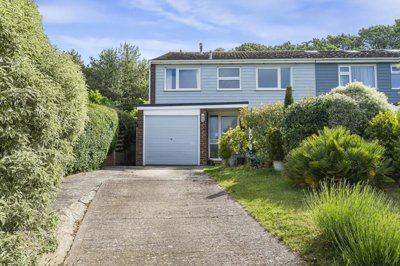
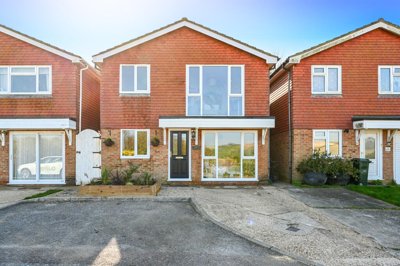
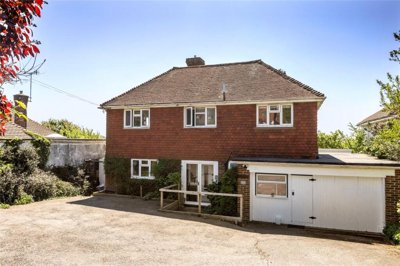
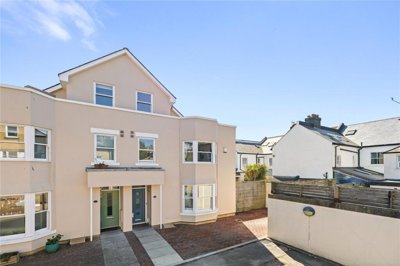
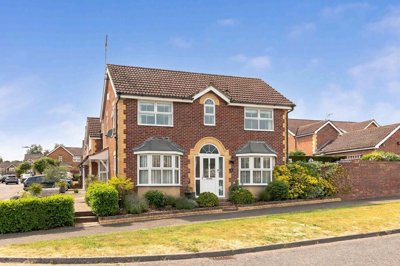
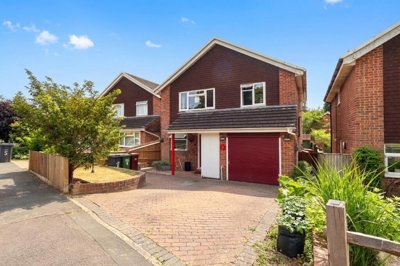
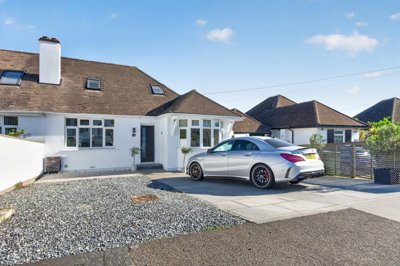
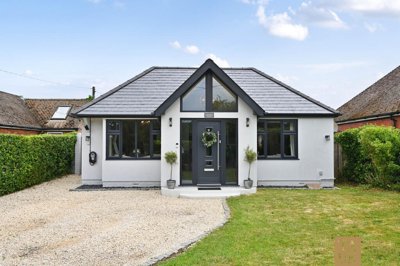
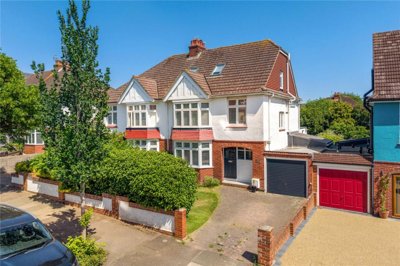
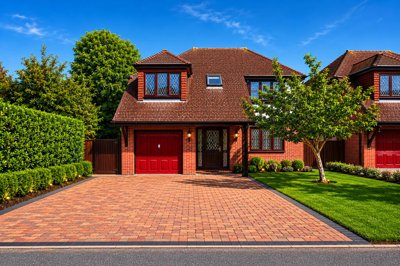
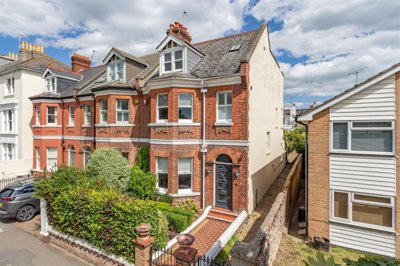
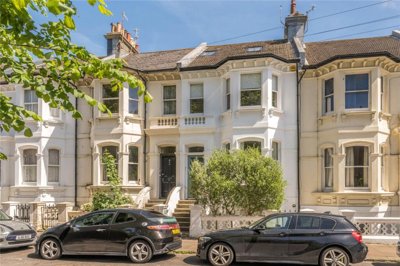
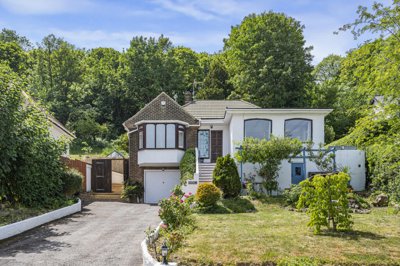
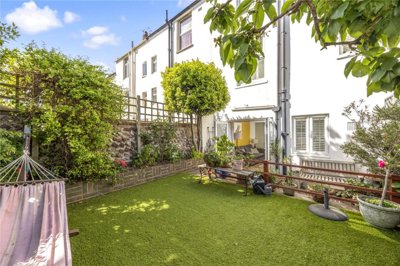
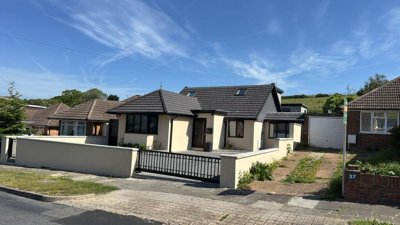
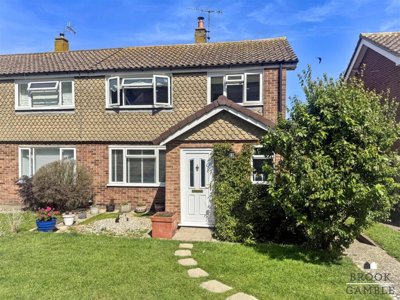
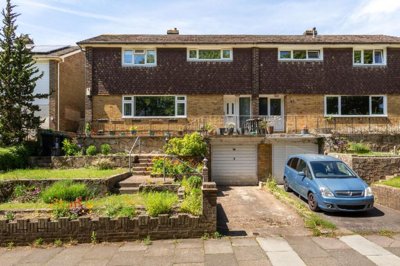
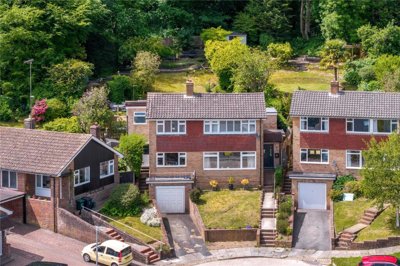
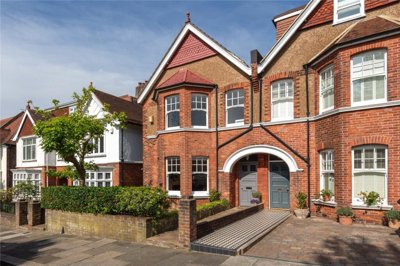
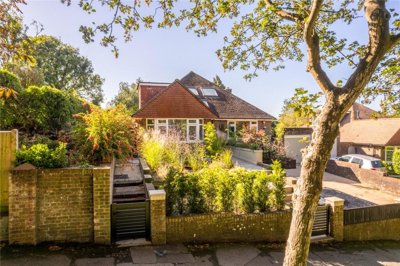
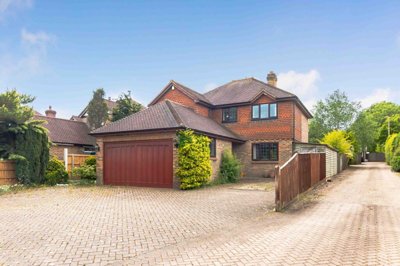
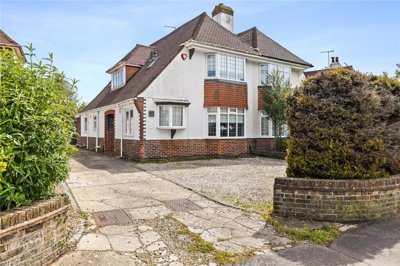
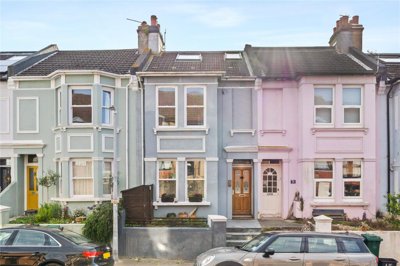
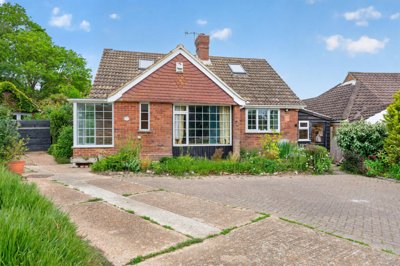
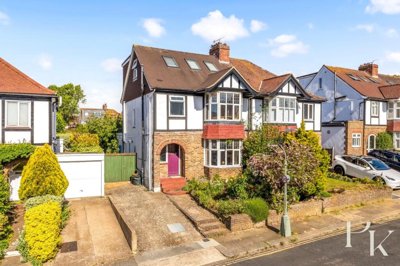
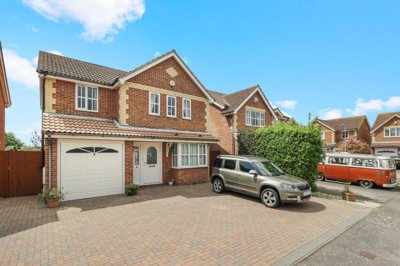
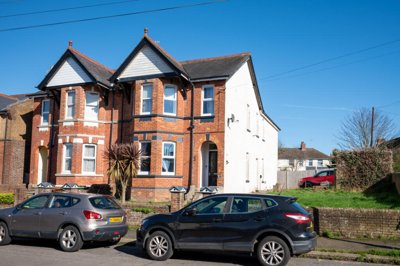
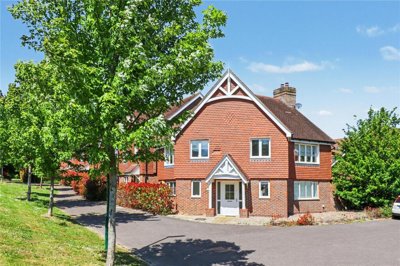
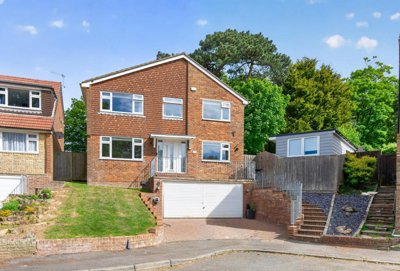
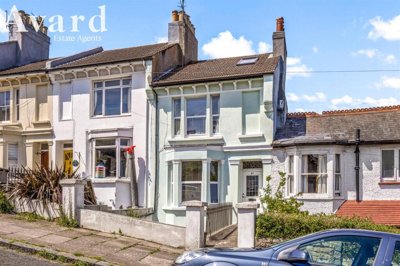
Browse 3,223 homes for sale in East Sussex from local estate agents.
The larger property sector typically features multiple bathrooms, substantial reception space, and private gardens or off-street parking. Four bedroom houses in East Sussex span detached, semi-detached, and occasionally terraced configurations, with styles ranging from period properties to modern executive homes.
The East Sussex property market has stayed resilient despite wider national trends, with average house prices holding at around the £480,383 mark according to recent data. Our listings cover every property type, from terraced homes averaging £446,383 to larger detached houses at around £801,411. Flats make up 28.9% of all sales, the largest share, followed by detached homes at 24.3%, semi-detached at 22.8%, and terraced properties at 23.9%. That mix gives both first-time buyers looking for a lower entry point and growing families needing more room plenty to look at across the county.
Sales volumes have eased, falling by 17.6% on the previous year, which works out at roughly 2,300 fewer transactions across the county. New build homes have moved against that trend, with prices up 9% over the past twelve months. The TN6 3 postcode sector, covering parts of Crowborough and Rotherfield, has been the busiest area for new home sales, with 27 properties sold in the latest twelve-month period. Buyer appetite for fresh stock still looks healthy, even as the wider market settles.
Across Sussex, semi-detached homes average £486,786, and Wealden records the same £486,786 figure for semi-detached sales. The gap between districts can be wide, which is why local knowledge matters when weighing up value in one neighbourhood against another. Compare Estate Agents shows current asking prices averaging £480,383, a reminder that vendor expectations and completed sale prices do not always meet in the middle straight away.

From the chalk cliffs of Beachy Head near Eastbourne to the ancient woodland of the High Weald, East Sussex packs a striking range of landscapes into a compact county. Rye and Battle bring cobbled streets and deep history, while the seven local authority districts each have their own feel, from the coastal energy of Hastings and Eastbourne to the market towns of Lewes and Hailsham. The South Downs National Park, the artistic pull of places like Battle and Robertsbridge, and the rural patches between them all give the county a very mixed character.
The local economy rests on a varied base. Tourism matters along the coast, agriculture still shapes much of the interior, and healthcare and education provide steady jobs across the county. Hastings has also seen creative industries take hold, with independent galleries and studios breathing life into former fishing net shops. London still has a pull here, especially for commuters using direct rail links, and that shows up in affordability, with the average home costing 7.8 times median annual earnings in Eastbourne, 11 times in Lewes, compared with 7.54 across England and Wales.
The Weald feels very different from the coast. Properties there often sit on larger plots, with farmland and woodland around them, and towns such as Heathfield, Burwash, and Tenterden offer a village-sized way of life with practical local amenities. Many buyers are drawn to that balance of space and community. The High Weald Area of Outstanding Natural Beauty covers a large part of this interior stretch, so a good number of homes look out over protected countryside while still sitting within reach of main road links for commuting.

East Sussex gives families a broad range of schools, from strong primary schools in rural villages and urban neighbourhoods to respected secondary schools and sixth-form colleges. The county has primary schools serving communities right across its varied geography, and many villages have a school of their own, while larger towns such as Eastbourne, Hastings, and Lewes offer several options for parents to compare by catchment area and educational approach. Secondary provision includes community schools, academy converters, and grammar schools, so families can weigh up a number of different routes.
Conservation areas and historic towns are part of the picture throughout East Sussex, so many schools operate from buildings of real architectural interest, including converted farmhouses, Victorian schoolhouses, and former manor estates. Anyone buying period property in Lewes, Rye, or Battle should check current catchment boundaries and admission arrangements with East Sussex County Council, because these can shift and may affect values in particular streets or neighbourhoods. Families looking at the independent route also have several long-established private schools to choose from, some with boarding and a wider regional catchment that goes beyond East Sussex itself.
School quality can have a clear effect on nearby property values, with homes inside favoured catchment areas often fetching a premium over similar houses in streets just outside them. That is especially true in places like Tunbridge Wells, Sevenoaks, and other areas where school performance data shows sharp differences between neighbouring institutions. We always advise families to check the latest Ofsted ratings, while also remembering that school results can shift from year to year, so older data still has its place alongside more recent inspection reports.

Transport links remain one of East Sussex's strongest cards, with direct rail services from several towns giving straightforward access to London and other major destinations. Eastbourne and Hastings stations run to London Victoria, while Brighton adds more choice through the Brighton Main Line and the slower but often quieter route via Lewes. Fastest services from the coast reach London in approximately 80-90 minutes, so regular commuting is realistic for people who want coast or countryside living but still work in the capital. Polegate and Berwick also serve the eastern side of the South Downs.
The road network is just as useful. The A22 gives a direct north-south route through the county, linking Eastbourne and the coast with the M25 and London beyond. The A27 tracks along the southern edge of the South Downs and ties together the main coastal towns, while the A259 follows the shoreline itself, with a scenic run through villages and past beaches. Newhaven's port adds ferry services to Dieppe in France, which gives the county a proper international link. Stagecoach and other bus operators connect smaller communities to town centres, though service frequency changes a lot between urban and rural routes.
Commuters from East Sussex have plenty of station choices, and each one suits a slightly different routine. Battle railway station serves the historic town with links into the south coast network, while Crowborough and Eridge give Wealden residents useful rail access. For people working in Croydon or other south London destinations, driving to a station with parking can make more sense than relying on a rail-only trip, so car parking at stations often becomes part of the house-hunting decision.

East Sussex runs from coastal resorts to rural villages, and it pays to spend time in a few different places at different times of day and week. That gives a better sense of traffic, atmosphere, and how close the day-to-day essentials really are. A wander through local markets, cafes, and shops often tells us more than a brochure ever will.
Speak to lenders or brokers and get an Agreement in Principle before you start viewing. With average prices around £480,383 and flats starting from approximately £257,684, knowing borrowing limits early keeps the search focused on realistic options. A mortgage broker who knows the East Sussex market can point us towards products that fit the circumstances.
Use Homemove to compare available properties across East Sussex estate agents. Make notes on condition, flag any visible issues, and ask about service charges, lease terms, or planned maintenance that could affect running costs. For leasehold homes, always ask for ground rent details and anything major that is due soon.
Given the amount of older housing stock in East Sussex, we would arrange a RICS Level 2 Homebuyer Report before moving forward. This survey picks up defects that are common in period property, including damp, roof condition, and signs of subsidence or structural movement. Homes in the High Weald, where clay soils are common, and coastal locations exposed to erosion, both benefit from a proper survey.
A solicitor with East Sussex property experience can handle the legal work, including searches on flood risk, conservation area restrictions, and local planning matters that affect homes across the county. Local understanding of planning limits in places like Battle, Rye, or the South Downs National Park can be especially useful.
Once surveys, searches, and mortgage offers are all satisfactory, our solicitor arranges exchange of contracts, followed by completion. Keys are usually released on completion day once the funds have been transferred. Buildings insurance needs to be in place from the contract completion date.
The geology of East Sussex varies enough that ground conditions deserve close attention, especially where clay soils can shrink and swell, putting pressure on foundations. Homes close to mature trees, or those that have gone through a long dry spell followed by heavy rain, are worth a careful look, and a RICS Level 2 survey can pick up signs of subsidence or structural stress. The chalk geology of the South Downs is generally stable, but the transition between different formations can create local problems that experienced surveyors know how to spot.
Coastal homes in Hastings, Eastbourne, Seaford, and Newhaven need extra attention on flood risk and coastal erosion, and some locations call for surveys and insurance arrangements that differ from a standard purchase. The Rivers Ouse, Cuckmere, and Rother each bring different levels of fluvial flood risk to nearby properties, while the county's soft chalk and clay cliffs are still eroding in places, especially around Beachy Head and the surrounding coastline. East Sussex also has a great many conservation areas, so buyers should check the rules on exterior changes, external timber treatments, and even window replacements before committing.
The age of much of East Sussex's housing stock means plenty of homes need electrical and plumbing updates to bring them up to modern standards. Rewiring and replacing an old consumer unit usually costs between £3,000 and £8,000 depending on size, while a full bathroom renovation can run from £3,000 to £10,000 or more. Those figures need to sit alongside the purchase price, especially where a property has seen little work since it was built. Timber-framed homes found in some period properties need specialist handling during renovation, and any sign of woodworm or dry rot should be checked properly before buying.

The average house price in East Sussex sits at about £480,383 according to recent market data, although the figure varies a great deal by property type. Detached homes average £801,411, terraced houses average £446,383, and flats start from approximately £257,684. The market has also seen a modest correction of around 2% over the last twelve months, which has left buyers with a more even footing after several years of strong growth.
Council tax bands in East Sussex range from Band A for the smallest properties through to Band H for the most expensive homes. The seven district and borough councils within East Sussex each set their own rates, so the exact bill depends on which local authority area the property sits in, whether Eastbourne, Hastings, Lewes, Rother, Wealden, East Hampshire, or Lewes district. We can check the band for any property through the Valuation Office Agency website using the address.
East Sussex offers a strong spread of schools across every level, with particularly good primary provision where many schools achieve Good or Outstanding Ofsted ratings. Secondary choices include selective grammar schools for academically able pupils, comprehensive schools with strong sixth forms, and academy options with specialist curricula. Parents should look at individual schools, check the latest Ofsted ratings, and understand catchment boundaries, because those details can shape which schools serve certain streets and neighbourhoods.
East Sussex has excellent rail connections, with direct services from Eastbourne, Hastings, Brighton, Polegate, and other stations to London Victoria and London Bridge. Bus services run by Stagecoach and local operators link towns and villages across the county, though frequencies drop in rural areas outside peak hours. The road network includes the A22, A27, and A259, giving access to the M25 and regional destinations, while the Port of Newhaven provides ferry services to continental Europe.
East Sussex still draws property investment because it combines lifestyle appeal, improving transport links, and better value than neighbouring counties closer to London. Hastings and Eastbourne in particular have room for capital growth as regeneration programmes keep changing those areas, while South Downs communities continue to attract steady demand from commuters and people who want a rural setting. The ratio of property prices to earnings, from 7.8 in Eastbourne to 11 in Lewes, suggests the market has reset to more sustainable levels after earlier growth cycles.
Stamp Duty Land Tax in England is charged at 0% on the first £250,000 of residential property purchases, 5% on the portion between £250,001 and £925,000, 10% up to £1.5 million, and 12% on anything above that threshold. First-time buyers get higher thresholds, paying 0% on the first £425,000 and 5% between £425,001 and £625,000, with no relief at all above £625,000. Given average East Sussex prices of around £480,383, most purchases would still attract stamp duty at the basic 5% rate on amounts above £250,000.
Flood risk in East Sussex comes from several directions, including coastal flooding along the long shoreline, fluvial flooding from rivers such as the Ouse, Cuckmere, and Rother, and surface water flooding in low-lying urban areas. Properties in Seaford, Newhaven, and parts of Eastbourne near the waterfront need particular scrutiny, while homes near the Rivers Rother and Ouse in their valleys face higher fluvial risk. A RICS Level 2 survey will pick up visible signs of past flooding or water damage, and solicitor searches will show flood risk assessments from the Environment Agency for specific postcodes.
Approximately one third of East Sussex falls within the South Downs National Park, so a large part of the county sits under strict planning controls meant to protect the landscape. Homes within or close to the National Park can face different limits on extensions, outbuildings, and changes of use from those that apply elsewhere. Those restrictions can affect renovation budgets and future resale potential, so buyers should find out exactly how the National Park designation applies through local authority planning searches.
From 4.5%
Finding the right mortgage for an East Sussex property purchase
From £499
Expert property solicitors handling your legal work
From £350
Professional home survey before buying in East Sussex
From £600
Comprehensive building survey for older properties
Buying in East Sussex brings costs beyond the purchase price, and Stamp Duty Land Tax is one of the biggest for many buyers. On a home priced at the East Sussex average of £480,383, a standard buyer would pay around £11,519 in stamp duty, worked out as 5% on £230,383 above the £250,000 threshold. First-time buyers using the higher threshold pay nothing on the first £425,000, so many first-time purchases in East Sussex attract zero stamp duty, although that relief disappears entirely above £625,000.
Other buying costs include solicitor fees for conveyancing, which usually sit between £500 and £1,500 depending on complexity and whether the property is freehold or leasehold. Survey prices vary by property type and the level chosen, with a RICS Level 2 Homebuyer Report starting from around £350 and more detailed Level 3 Building Surveys from £600 upwards, which matters in East Sussex because so many homes are older period properties that deserve a closer look. Mortgage arrangement fees, valuation fees, and search costs for local authority, environmental, and drainage checks all add to the bill, while removal costs and any immediate repairs or furnishings round out the full moving budget.
Leasehold homes bring extra costs that freehold purchases do not, including ground rent payments that need close attention for escalation clauses, plus service charges that can vary widely between developments. Our team can talk through these costs for specific properties under consideration, so the full financial commitment is clear before any purchase goes ahead.

Properties for Sale In London

Properties for Sale In Plymouth

Properties for Sale In Liverpool

Properties for Sale In Glasgow

Properties for Sale In Sheffield

Properties for Sale In Edinburgh

Properties for Sale In Coventry

Properties for Sale In Bradford

Properties for Sale In Manchester

Properties for Sale In Birmingham

Properties for Sale In Bristol

Properties for Sale In Oxford

Properties for Sale In Leicester

Properties for Sale In Newcastle

Properties for Sale In Leeds

Properties for Sale In Southampton

Properties for Sale In Cardiff

Properties for Sale In Nottingham

Properties for Sale In Norwich

Properties for Sale In Brighton

Properties for Sale In Derby

Properties for Sale In Portsmouth

Properties for Sale In Northampton

Properties for Sale In Milton Keynes

Properties for Sale In Bournemouth

Properties for Sale In Bolton

Properties for Sale In Swansea

Properties for Sale In Swindon

Properties for Sale In Peterborough

Properties for Sale In Wolverhampton

Enter your details to see if this property is within your budget.
Loans, cards, car finance
Estimated property budget
Borrowing + deposit
You could borrow between
Typical borrowing
Monthly repayment
Est. at 4.5%
Loan-to-value
This is an estimate only. Your actual budget may vary depending on interest rates, credit history, and personal circumstances. For an accurate affordability assessment, speak to one of our free mortgage advisors.
This calculator provides estimates for illustrative purposes only and does not constitute financial advice. Your home may be repossessed if you do not keep up repayments on your mortgage. Estimates based on 4.5% interest rate, repayment mortgage. Actual rates depend on your circumstances.
Homemove is a trading name of HM Haus Group Ltd (Company No. 13873779, registered in England & Wales). Homemove Mortgages Ltd (Company No. 15947693) is an Appointed Representative of TMG Direct Limited, trading as TMG Mortgage Network, which is authorised and regulated by the Financial Conduct Authority (FRN 786245). Homemove Mortgages Ltd is entered on the FCA Register as an Appointed Representative (FRN 1022429). You can check registrations at NewRegister or by calling 0800 111 6768.

We use cookies to show you personalised content and improve your experience of our website. Find out more in our Privacy policy and Cookie policy.