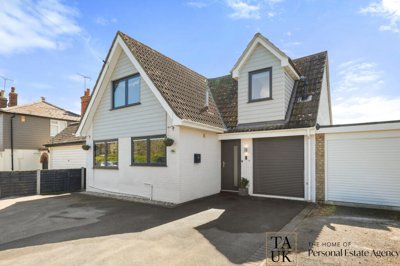
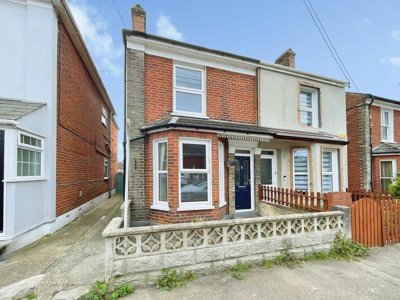
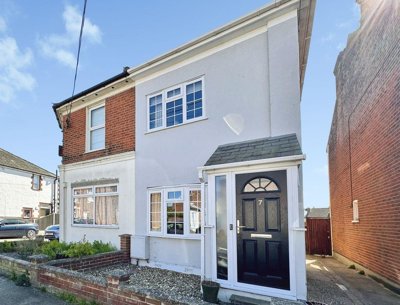
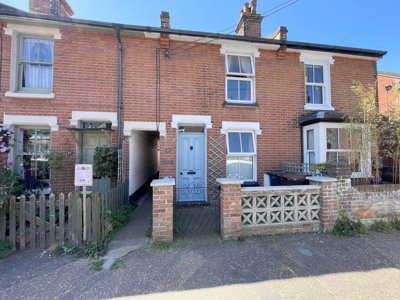
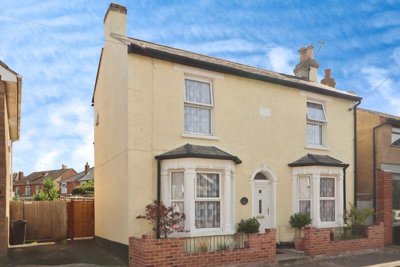
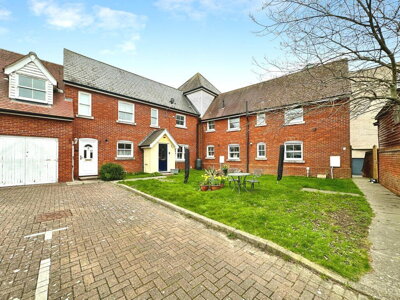
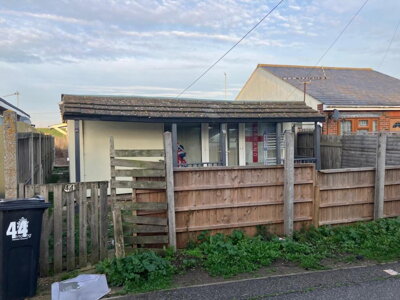
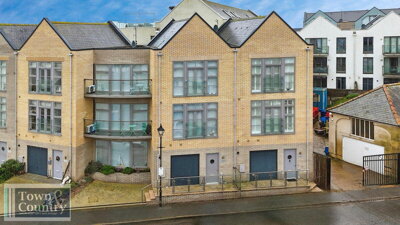
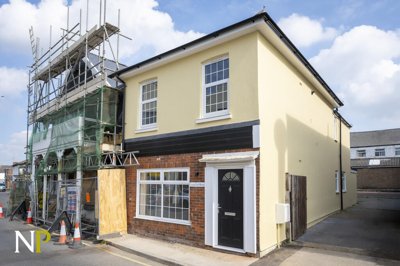
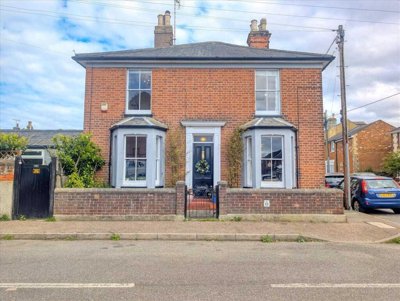
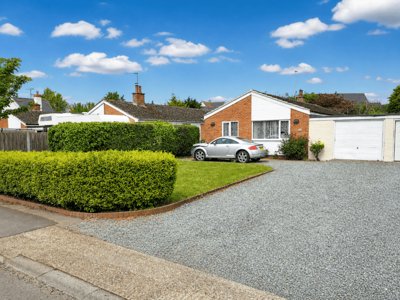
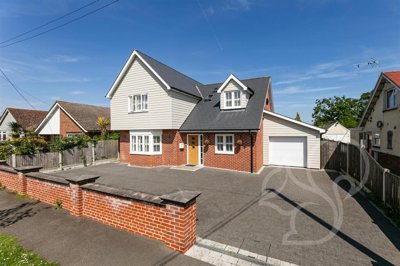
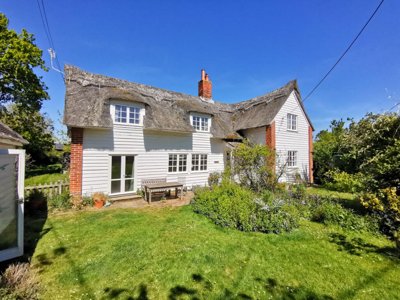
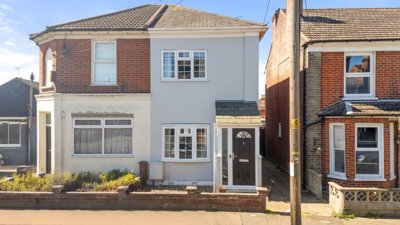
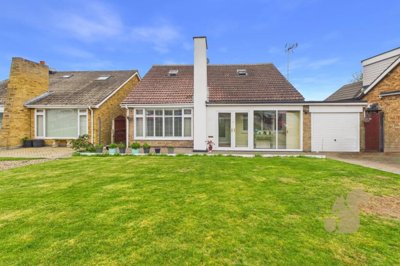
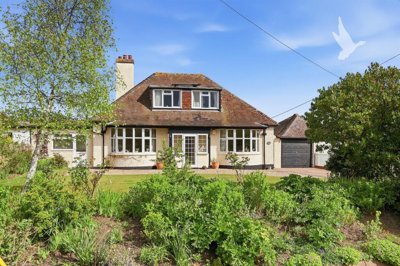
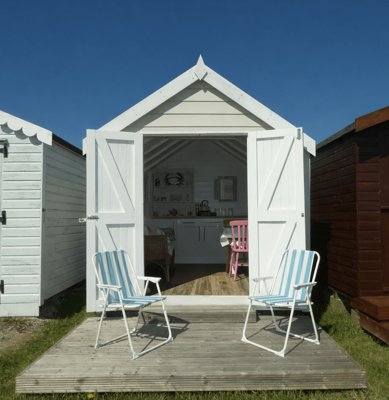
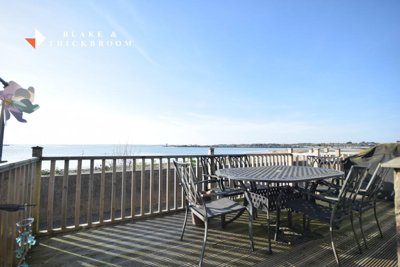
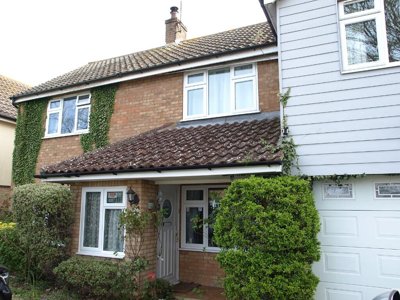
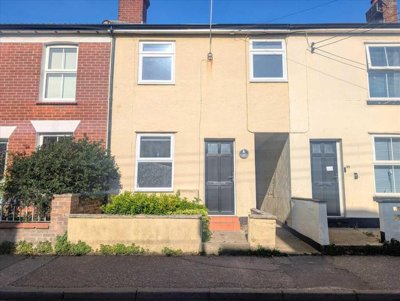
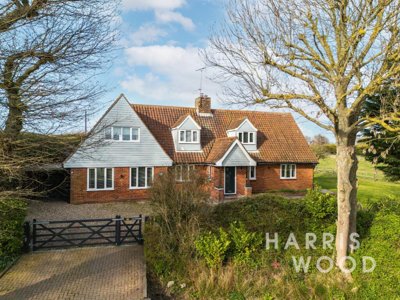
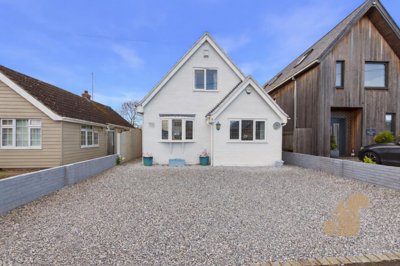
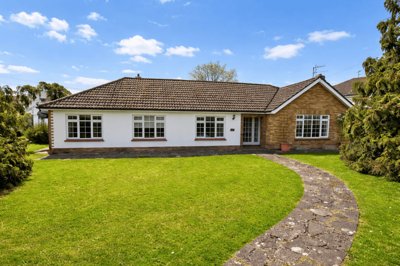
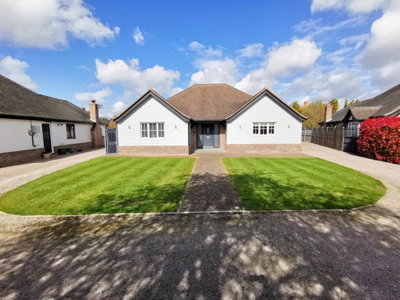
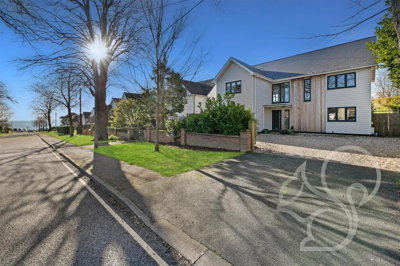
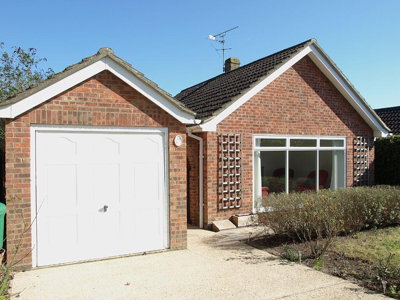
Browse 68 homes for sale in East Mersea from local estate agents.
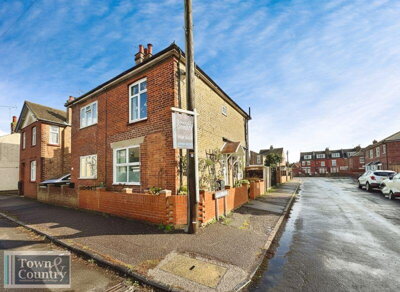
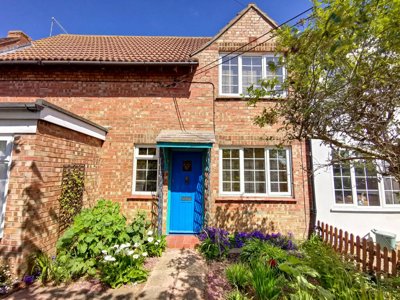
The East Mersea property market offers detached, semi-detached, and terraced houses spanning various price ranges and neighbourhoods. Each listing includes detailed property information, photographs, and direct contact with the marketing agent.
homedata.co.uk records show that East Mersea’s average house price of £615,000 sits well above the national picture, and the local market reflects the village’s limited supply. Detached homes make up a much larger share of the housing stock than the national average, while semi-detached, terraced, and flat options are far less common. That imbalance matters for buyers, because the homes that appear here often attract attention from people who have waited for a long time for the right coastal property. If you are searching for a family base, a downsizer’s retreat, or a home with outdoor space, East Mersea is usually strongest on larger houses.
Price movement has also been steady rather than frantic. Over the last year, the broader CO5 8 postcode area, which includes East Mersea, saw house prices grow by 7.2%, or 3.2% after inflation, while East Mersea itself was 4% up on the 2021 peak. That suggests demand has held up even with wider market caution. Traditional new-build housing is scarce in the parish right now, although home.co.uk does list holiday homes and caravans at Mersea Island Holiday Park from £59,995 to £74,995. Those listings are useful for seasonal buyers, but they are not the same as a standard residential purchase.
The age and character of the stock also shape what sells well. A number of local homes date back decades or centuries, with one example from 1931 showing how much of the market is older, established housing rather than modern estates. Buyers who value original features, bigger plots, and a more individual layout will often feel drawn to the area for that reason. Anyone after a quicker, lower-maintenance purchase may find the limited supply of newer homes harder to work with, so it pays to move decisively once a good listing appears.

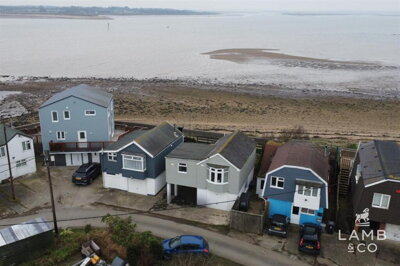
East Mersea feels rural, coastal, and deeply local, with a parish identity that is easy to notice the moment you arrive. The village is small enough that many residents know the lanes, beaches, and landmarks by heart, and the housing pattern reflects that scale. Detached houses dominate, but the landscape also includes caravans and temporary or holiday-style structures, which gives the area a mixed coastal character. That blend of permanent homes and leisure properties makes the village feel different from a typical suburban suburb.
History is woven into the landscape here, and several local buildings help tell that story. The Grade I listed Parish Church of St Edmund King and Martyr dates back to the 12th or 13th century, while East Mersea Hall brings Jacobean heritage to the village. An 18th-century thatched cottage linked to the Dog & Pheasant public house adds another layer of character, and the remains of a Tudor blockhouse are protected as a scheduled monument. For buyers who like a place with a strong sense of continuity, that mix of old buildings and open coastal views is a major part of the appeal.
Cudmore Grove Country Park is one of the standout local spaces, with coastal walks, exposed geology, and broad views across the estuary. The island sits on a mix of London Clay, chalky boulder clay, sand, and gravel, and the eroding cliffs at the park show off that story in the landscape itself. Marshland around Pyefleet Channel, Brightlingsea Reach, and the Mersea Flats adds to the area’s natural character. Life here suits people who want sea air, open horizons, and a calmer pace, rather than a built-up high street environment.
Families moving to East Mersea usually need to think a little wider than the parish boundary, because the village is so small. With around 293 residents and a limited number of homes, school choice is less about a cluster of local campuses and more about practical access to nearby West Mersea and Colchester options. That makes catchment checks especially important before you commit to a purchase. A house that looks ideal on paper can sit in a different admissions area to the one you expected.
The best approach is to check the latest admissions rules, Ofsted reports, and transport links before you offer. Essex school places can change year by year, so buyers should confirm the current situation directly with the school and the local authority rather than relying on historic assumptions. For younger children, proximity to a workable primary school route matters just as much as house style, while older pupils may need a secondary option with reliable bus or car access. If education is a top priority, it is sensible to shortlist the home, the school, and the journey together.
Transport in East Mersea is shaped by its island setting. The Strood causeway is the main road connection to the mainland, and that single link gives the parish a very different feel from inland Colchester villages. It can flood at high tide, so timing and weather matter more here than they do in many Essex locations. For buyers who commute regularly, that means journeys are best planned with a little extra margin, especially at peak times or during poor weather.
Public transport is more limited than in a town setting, so many residents rely on a car for everyday travel. That is one reason parking and driveway space matter so much in local viewings, because homes without off-road parking can be less convenient when visitors, beach traffic, or holiday activity pick up. Rail users generally look beyond the parish for stations on the mainland, which means the wider Colchester network becomes part of the commuting calculation. Cycling is a practical option for short local journeys, although coastal roads can be exposed and less forgiving in windy conditions.
Colchester remains the key urban centre for larger shopping trips, rail connections, and broader amenities. That link is useful for buyers who want village living without giving up access to a town with a stronger service offer. The balance suits hybrid workers, retirees, and families who do not need daily city-centre commuting. If you want a quieter home base with occasional access to the mainland network, East Mersea fits that brief well.
Start by looking at the location in practical terms, not just the property itself. Check the causeway route, parking, local services, flood exposure, and how far you will be from the mainland in daily use. A mortgage agreement in principle will also help you move quickly if a good detached home comes up.
East Mersea is not a place with endless stock, so it helps to understand what is on offer before you book viewings. Detached houses dominate the market, with very few flats or terraced homes, and some listings may be holiday-style rather than standard residential stock. That mix changes your expectations on price, tenure, and maintenance.
View at different times of day if you can, because access and traffic can feel very different around busy periods or high tide. Look at the road approach, the parking, the garden boundary, and any signs of coastal exposure. In a small market, being organised can make the difference between securing a home and missing it.
Older homes, coastal homes, and character buildings deserve close inspection. A RICS Level 2 survey is a sensible step for many houses here, especially if the property has been standing for decades or shows original features. It can help flag roof issues, damp, movement, or maintenance work before you are committed.
Once your offer is accepted, choose a conveyancer who is used to village, coastal, and sometimes unusual property types. Searches should cover drainage, access, title, and any restrictions that affect a home on or near Mersea Island. This stage is also where flood history and legal boundaries deserve proper attention.
As the finish line gets closer, keep your mortgage offer, survey, and legal paperwork aligned. Small rural markets can still move quickly, so stay responsive to requests from your solicitor and lender. Once contracts are exchanged, you can plan the move with confidence and focus on settling into the island lifestyle.
Coastal setting is the first thing to assess. East Mersea sits on an estuarine barrier island, and parts of the marshland around Pyefleet Channel, Brightlingsea Reach, and the Mersea Flats are designated flood warning areas. While there are no current flood warnings or alerts in force and the next five days are shown as very low risk, long-term exposure still matters for insurance, maintenance, and resale. Buyers should ask direct questions about drainage, access during high tide, and any past water issues.
Building style is another major consideration. Local homes can include timber boarding, red brick, render, small clay tiles, slate, and thatch, with some properties showing older construction from the 1930s or earlier. That character is appealing, but it also means you should pay attention to roof condition, timber upkeep, window repairs, and any original materials that might be expensive to maintain. If a home sits within the village’s Maritime Conservation Area or close to protected heritage assets, external changes may need more care and permission.
Tenure and use class also deserve a close look, especially where holiday-style accommodation appears in the market. Caravan and lodge listings can carry site rules, service charges, or restrictions on year-round occupation, which is very different from buying a freehold house. Even with standard homes, any flat or converted property should be checked for ground rent, service charge, and management arrangements. A clear legal review now can save a lot of trouble later.
homedata.co.uk records show an average house price of £615,000 over the last year. That is 4% above East Mersea’s 2021 peak of £591,786, which points to a market that has stayed firm. Across the wider CO5 8 postcode area, prices rose 7.2% in the last year, or 3.2% after inflation. In a small coastal parish with limited supply, that price level is consistent with the appeal of detached homes and village living.
Council tax bands in East Mersea depend on the individual property, so there is no single band for the whole village. The local area falls under Colchester’s council tax system, and banding can vary from home to home depending on size, age, and historic valuation. Before you buy, check the band shown on the listing and confirm it with the seller’s paperwork. That helps you budget properly, especially on a home in the higher price bracket.
East Mersea is a very small parish, so most families look beyond the village itself for school choices. The most practical options are usually on Mersea Island or in Colchester, depending on catchment and transport. Because admissions can change, it is best to check current Ofsted reports and the latest school maps before you commit to a purchase. A home that is close to a bus route or easy car route can make a big difference to family life here.
Public transport is more limited than in a town or city, and most residents rely on driving for day-to-day travel. The Strood causeway is the key road link to the mainland, so journeys depend on that route. Rail access is usually found beyond the parish on the Colchester side, which means commuters need to plan a little ahead. If regular train travel matters to you, test the journey from the house before you offer.
For the right buyer, it can be a strong long-term hold because supply is tight and the setting is distinctive. homedata.co.uk records show the local average at £615,000, and detached homes remain especially sought after because they are the dominant type in the area. That said, this is not a fast-turnover investment market, so it suits people who are comfortable with slower sales and a more niche buyer pool. Homes with good parking, outdoor space, and clear access to the mainland are likely to be the easiest to resell.
For a main residence in 2024-25, stamp duty is 0% up to £250,000, 5% from £250,000 to £925,000, 10% from £925,000 to £1.5 million, and 12% above that. On a typical East Mersea purchase at £615,000, a standard buyer would pay £18,750 in stamp duty. First-time buyers get relief up to £425,000, then pay 5% from £425,000 to £625,000, so on £615,000 the bill would be £9,500. If you already own another property, higher rates may apply.
Yes, flood checks are part of buying in East Mersea because it is a coastal location on Mersea Island. The marshland around Pyefleet Channel, Brightlingsea Reach, and the Mersea Flats includes flood warning areas, and the Strood causeway can be affected by high tide. Current warnings may be clear, but long-term exposure can still affect insurance and . A survey and local search should be part of your due diligence.
A survey is a very sensible step, especially for older coastal homes with timber, render, thatch, or traditional tiled roofs. The village has historic buildings and houses from earlier periods, so issues such as damp, roof wear, or maintenance history deserve proper checking. A RICS Level 2 survey is often a good fit for a conventional house, while more unusual or altered homes may need a fuller inspection. It is a small cost compared with the price of a surprise repair.
Stamp duty is one of the biggest upfront costs for buyers, and the current thresholds matter just as much in a village market as they do in a city. For main homes in 2024-25, the 0% band runs to £250,000, then 5% applies from £250,000 to £925,000, 10% from £925,000 to £1.5 million, and 12% above £1.5 million. On East Mersea’s average price of £615,000, a standard buyer would pay £18,750. First-time buyers pay 0% up to £425,000 and 5% from £425,000 to £625,000, so the same purchase would mean £9,500 for a qualifying first-time buyer.
Your buying budget should also cover legal fees, searches, survey costs, mortgage fees, and moving expenses. In a place like East Mersea, the extra checks on flood exposure, coastal access, and legal title are worth building into your plan from the start. That is especially true if you are considering an older house, a property with a larger plot, or a home near the marshes. Our advice is simple: get your mortgage agreed in principle, line up your solicitor, and be ready to act when the right home appears.
Properties for Sale In London

Properties for Sale In Plymouth

Properties for Sale In Liverpool

Properties for Sale In Glasgow

Properties for Sale In Sheffield

Properties for Sale In Edinburgh

Properties for Sale In Coventry

Properties for Sale In Bradford

Properties for Sale In Manchester

Properties for Sale In Birmingham

Properties for Sale In Bristol

Properties for Sale In Oxford

Properties for Sale In Leicester

Properties for Sale In Newcastle

Properties for Sale In Leeds

Properties for Sale In Southampton

Properties for Sale In Cardiff

Properties for Sale In Nottingham

Properties for Sale In Norwich

Properties for Sale In Brighton

Properties for Sale In Derby

Properties for Sale In Portsmouth

Properties for Sale In Northampton

Properties for Sale In Milton Keynes

Properties for Sale In Bournemouth

Properties for Sale In Bolton

Properties for Sale In Swansea

Properties for Sale In Swindon

Properties for Sale In Peterborough

Properties for Sale In Wolverhampton

Enter your details to see if this property is within your budget.
Loans, cards, car finance
Estimated property budget
Borrowing + deposit
You could borrow between
Typical borrowing
Monthly repayment
Est. at 4.5%
Loan-to-value
This is an estimate only. Your actual budget may vary depending on interest rates, credit history, and personal circumstances. For an accurate affordability assessment, speak to one of our free mortgage advisors.
This calculator provides estimates for illustrative purposes only and does not constitute financial advice. Your home may be repossessed if you do not keep up repayments on your mortgage. Estimates based on 4.5% interest rate, repayment mortgage. Actual rates depend on your circumstances.
Homemove is a trading name of HM Haus Group Ltd (Company No. 13873779, registered in England & Wales). Homemove Mortgages Ltd (Company No. 15947693) is an Appointed Representative of TMG Direct Limited, trading as TMG Mortgage Network, which is authorised and regulated by the Financial Conduct Authority (FRN 786245). Homemove Mortgages Ltd is entered on the FCA Register as an Appointed Representative (FRN 1022429). You can check registrations at NewRegister or by calling 0800 111 6768.

We use cookies to show you personalised content and improve your experience of our website. Find out more in our Privacy policy and Cookie policy.