Browse 5 homes for sale in East Garton from local estate agents.
The 2 bed house market features detached, semi-detached, and terraced properties with two separate bedrooms plus living spaces. Properties in East Garton range from Victorian and Edwardian period homes to modern new builds, with pricing varying across different neighbourhoods.
East Garton’s property market mirrors its rural setting, and values shift quite a lot from one hamlet to the next. Grimston has recorded an average sold price of £279,000 according to recent home.co.uk listings data, with detached homes averaging £288,167 and semi-detached properties reaching £311,249. That puts Grimston at the top end of the parish for family houses with decent plots and gardens. Buyers are drawn to its coastal proximity too, but it stays far enough inland to dodge the most severe erosion risks, which suits people after countryside character without heavy environmental exposure.
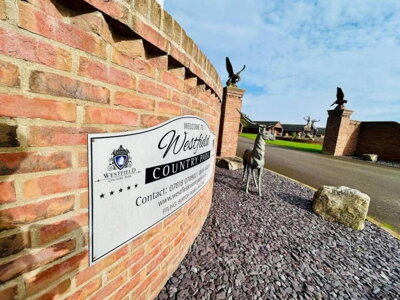
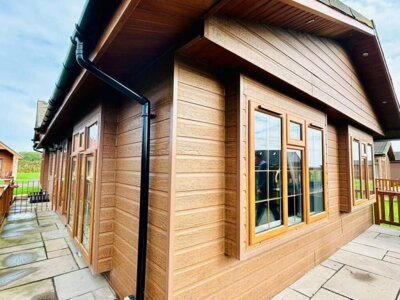
Fitling sits at a more accessible level, with an average around £219,000, so it tends to appeal to first-time buyers and those after smaller homes. The hamlet has also seen faster recent growth, with prices 46% higher than a year ago, even though they remain 58% below the 2008 peak of £525,000. Westfield Country Park adds a visitor element, with holiday lodges available for hire and sale, and that helps feed the local economy as well as village life. Main Garton is lower again, with a historical median of £77,750 across all recorded sales, though that reflects older terraced cottages and compact holdings rather than weak values.
homedata.co.uk shows that, across the wider East Riding, prices rose by £5,400 on average in the twelve months to October 2025, a 3% lift. Grimston, though, has been softer, at 11% down on the previous year and 28% below its 2023 peak of £410,302. That sort of easing can create openings for buyers who are ready to move quickly. Activity is still there, with 7,900 sales in the wider East Riding in the ten months to October 2025, even if volumes are 15.3% lower year on year, which points to a market settling after the pandemic surge.

Daily life in East Garton still follows the rhythm of rural Yorkshire, with a close community and neighbours who know one another by name. The parish is made up of three distinct hamlets, each with its own feel, linked by country lanes that cut through farmland and past older landmarks. The population sits at 191 residents, down gently from 199 in the 2011 Census, so the area has kept its quiet appeal even with very little new housing coming forward. That steadiness, along with the lack of major new-build schemes, means homes change hands only occasionally, so serious buyers need to get moving early.
Much of East Garton’s identity comes from its historic buildings. The 12th-century Church of St Michael in Garton is a Grade I listed building of national importance, built from boulders with ashlar dressings, and it still sits at the architectural and spiritual centre of the parish. Grimston Garth, an impressive 18th-century Gothic Revival mansion, is also Grade I listed, while Blue Hall Farm shows late 17th-century red brick construction at Grade II* status. These buildings give the community its backbone and speak to centuries of settled life along this stretch of the Holderness coast. To live here is to step into a landscape shaped by generations of Yorkshire families.
Community activity remains strong in the parish, with local development work tackling housing pressures and environmental issues. Westfield Country Park in neighbouring Fitling is part of that wider picture, bringing in visitors through lodges for hire and sale and supporting local tourism. East Garton also sits within reach of major energy infrastructure, with the Dogger Bank offshore wind farm opening up future economic potential for the region. That world-class project off the Holderness coast has brought skilled jobs and fresh investment into the broader area. Traditional mixed farming, including arable crops, grassland, and livestock, still defines the landscape and provides work for some residents, keeping the agricultural feel that has long shaped East Garton.

Families looking at East Garton will find schools within a sensible travelling radius across the East Riding. The civil parish itself is too small to have its own primary school, so parents usually look to nearby villages and towns for early years and primary places. Nearest options sit in surrounding communities, and some serve several villages through shared catchment arrangements. Because the area is rural, school transport matters, and dedicated bus services run to schools in the surrounding communities. We always suggest visiting likely schools and checking admissions arrangements before committing to a purchase, because catchment boundaries can have a big effect on where a child is placed.
Primary schools across the wider area include options in nearby market towns and larger villages, and they differ in capacity as well as Ofsted ratings. Parents need to look closely at performance data and admission policies, because rural catchments can still be competitive even where overall populations are lower. Some schools in the Holderness area have small year groups and can keep waiting lists for out-of-catchment applications, especially for Reception and Year 1 admissions. East Riding Council’s school transport policy also sets maximum walking distances for free transport, so where a home sits in relation to a school can matter financially, not just for admissions.
For secondary education, the wider East Riding includes grammar schools in Hull and selective schools in market towns. Comprehensive schools serving the Holderness peninsula provide GCSE and A-Level courses, and sixth form provision means students can often stay local for further education rather than heading into larger cities. Beverley Grammar School and Hull High School for Girls are examples of selective secondary education in the region, although entry depends on passing entrance exams. Comprehensive schools in places such as Bridlington offer wider access while still delivering strong academic programmes. The East Riding has invested in educational facilities across the region, but the spread-out population means choice is more limited than in urban areas, and some families move specifically to secure access to particular schools.
For families who put academic results first, checking Ofsted ratings for schools within a practical commute should be one of the early steps before buying. Independent schools in Hull and Beverley give another route for private education, though that pushes up the cost of schooling and usually means longer daily journeys. Hull Grammar School, St Mary’s School, and others offer private education within approximately 30-40 minutes’ drive. Rural catchment areas can be tight, so knowing which school a property falls into is a vital part of the buying process. We can point you towards the general school locations during a search, but official admissions details should always come straight from the relevant local authority.

Transport from East Garton reflects its setting on the Holderness peninsula, so most residents depend on the road network for commuting and everyday journeys. The nearest main route is the A165, which runs north-south through nearby towns and links Hull to the west with the coastal resorts of Bridlington and Filey to the north. The A1033 opens up Hull and the Humber Bridge corridor for those travelling further afield, with routes into Lincolnshire and the motorway network beyond. Country lanes tie the hamlets together, and for most households a car is really part of daily life, given the limited public transport and the distances to amenities.
A typical drive into Hull city centre takes 30-40 minutes, depending on traffic and the exact destination. That can make East Garton workable for hybrid workers or people who do not need to be in the office every day. Hull brings major jobs in the port sector, healthcare through Hull Royal Infirmary and Castle Hill Hospital, manufacturing, retail, and the expanding renewable energy sector linked to Green Port Hull. For commuters, the A165 and A1033 offer fairly direct access, though peak-hour traffic can stretch the morning and evening run. Some residents head to Beverley instead, which is about 25 minutes by car and gives a different kind of employment base.
Public transport is thin on the ground, which is normal for a small rural parish. East Yorkshire buses link the area with larger towns, but services are less frequent than urban routes and some journeys can take a while. Hull, Bridlington, and Beverley are the nearest railway stations, giving connections to London, Manchester, Leeds, and other main destinations. Hull Paragon has the fullest range of rail services, including CrossCountry trains to Newcastle, Birmingham, and the South West, plus LNER services to London King’s Cross. Bridlington is quieter, with services to York and intermediate stops, while Beverley links to Hull and the northern rail network. Parking at Hull stations is available, though it can be costly at peak times, and season tickets add a sizeable extra expense for regular commuters.
Cyclists will find rural lanes with mixed surfaces, from smooth tarmac to rougher stretches that need a bit of care. The coast is close enough that some routes offer sea views, especially when heading towards the coast road. Daily cycling into the city is not realistic because of the distances, though an electric bike could make the occasional longer trip easier. Walking works well for local trips between hamlets, and many residents make the most of the footpaths and bridleways that cross the parish and connect with longer routes such as the Yorkshire Wolds Way.

We always say it pays to spend time in East Garton and its hamlets at different times of day. Look at the local amenities, talk to residents, and get a feel for each hamlet before narrowing your property search. Stock is limited, so patience matters, and homes here are sold through a mix of estate agent listings and private sales. If there are village events or pub evenings, go along and listen. The feel of the place changes through the year too, and winter can seem a good deal more isolated than summer.
Before you start viewing, get a mortgage agreement in principle from a lender. It puts you in a stronger position when making an offer and shows sellers you are serious. Our mortgage comparison tool helps you compare competitive rates across the market, with lenders offering products that suit rural homes, including those with non-standard construction. Some lenders apply special criteria to older properties or homes with unusual features, so knowing what you can borrow early can save disappointment later. It also gives you a firmer budget when you are weighing up homes across the different hamlets in East Garton.
Work with local estate agents who know East Garton well. View more than one property so you can compare condition, features, and value properly. Age and construction type matter here because the parish has a lot of historic housing stock. Many homes will be older builds with solid walls, lime mortars, and timber roof structures, which need a different approach to maintenance than modern buildings. Take photographs and notes as you go, and do not be shy about going back for a second viewing if a place stands out. In a small market, well-priced homes can move fast, so being ready to act has clear advantages.
Because so many East Garton homes are old, and because of the local geology, we strongly advise booking a RICS Level 2 Survey before you go any further. A homebuyer report can pick up defects such as damp, timber decay, and structural issues linked to boulder clay geology and coastal exposure. Our inspectors know historic Yorkshire properties and understand the usual problems found in older buildings, from lime mortar pointing to roof structure integrity. If defects show up, the report gives you room to negotiate, and it can also flag issues serious enough to make a property a poor choice despite all its charm.
Choose a conveyancing solicitor to deal with the legal side of the purchase. The solicitor will run searches, review the contract, and move the funds through to completion. Our conveyancing service can put you in touch with experienced property solicitors who handle rural transactions, including those involving agricultural land or common grazings. Searches ought to cover local authority checks for planning permissions and building regulations approvals, environmental searches for flood and contamination risk, and drainage searches given the local geology and stream patterns. Because the parish sits close to the coast, your solicitor should also look at coastal erosion risk zones and any planned coastal protection works that may affect the property.
Once the searches come back clean and finance is in place, your solicitor will exchange contracts and agree a completion date. In East Garton’s close community, completion day often means picking up keys from the estate agent or the former owner, and neighbours may offer a warm welcome to new arrivals. On completion day, the balance is transferred and you receive the keys to your new East Garton home. Buildings insurance should be arranged from exchange of contracts, because responsibility for the property passes to you at that point. On moving day, take a moment to enjoy how far you have come, and start looking ahead to life in the parish.
The historic homes in East Garton need careful checking before purchase, because many date from the 17th, 18th, and 19th centuries, when traditional building methods were standard. Solid walls, lime mortars, and timber roof structures appear across much of the older stock, and those materials need a different maintenance approach from modern construction. Unlike cavity wall builds, solid walls do not contain built-in insulation and they breathe differently, so internal moisture levels and heating methods need thought. A thorough building survey is money well spent before you commit, especially as hidden defects can turn up in historic buildings that have been sympathetically kept but still carry age-related issues.
The boulder clay geology beneath much of the Holderness peninsula creates a risk of shrink-swell ground movement, especially where mature trees are present or moisture levels change with the seasons. Homes with large gardens and significant trees can be more prone to subsidence or heave, as roots draw moisture out of the clay and make it contract, while tree removal can allow the clay to swell again as moisture returns. During viewings, we would look for cracking, sticking doors or windows, and uneven floors. It also helps to check the direction of cracks and whether they seem dormant or active, because diagonal cracking around doors or windows can point to structural movement. The alluvial lowlands and stream drainage in the area also suggest a risk of surface water flooding in lower spots, especially after heavy rainfall or where drainage systems are under strain.
Coastal erosion is a major environmental issue in East Garton, because the Holderness coast is among the fastest eroding coastlines in Europe. Over the centuries, the parish area has shrunk a good deal through erosion, with the boulder clay cliffs retreating several metres a year in some places. The hamlets are set back from the immediate cliff edge, but it still matters to know exactly where a potential purchase sits in relation to coastal erosion risk zones. Check Environment Agency flood and erosion risk maps, and speak to your surveyor about them. Homes with sea views or close coastal access may command higher prices, but they can also carry greater environmental risk, and insurance arrangements in future may be affected by that proximity.
When you view a home, watch for signs of damp in older buildings, which can show up as tide marks on walls, peeling wallpaper, or stale smells in closed-up rooms. Timber condition needs close attention too, because woodworm, dry rot, or wet rot can affect both structural timbers and joinery. Check that any timber treatments have been done properly and kept up. Roofs should be looked at as well, including the age and condition of tiles or slates, lead flashings, and hidden timbers such as purlins and rafters. In farming areas, agricultural runoff and spray drift may affect nearby land and buildings, so think about how that could affect day-to-day enjoyment or future value.

Average house prices in East Garton differ sharply from one hamlet to another. Grimston shows an average sold price of approximately £279,000-£297,400, with detached properties averaging £288,167 and semi-detached homes reaching £311,249. Fitling comes in at around £219,000, while the broader East Riding average stands at £209,000 with a median of £180,000. Main Garton has a lower historical median of £77,750, which reflects a mix of smaller and older homes. Detached properties in Grimston tend to sit at the top of the market because of their generous proportions and rural setting. The local market is small and transactions are limited, so individual sales can move prices around quite a bit depending on what comes up in any given period.
For council tax, East Garton falls under East Riding of Yorkshire Council. Bands run from A to H depending on value, although most traditional cottages and farmhouses usually sit in bands B to D because of their age and character rather than their market price. Newer detached homes built more recently may be placed in higher bands, reflecting modern construction and larger floor space. To check the exact band for a property you are thinking about buying, contact East Riding of Yorkshire Council directly or look it up on the Valuation Office Agency website. Council tax bills also include East Riding of Yorkshire services, local police and fire services, and any parish council precepts that apply in the East Garton area. Annual council tax should be part of your affordability calculation from the outset.
There are no schools inside the East Garton civil parish itself, simply because the population is so small at 191 residents. Primary schools are in nearby villages and towns, and catchment areas decide where children aged 5-11 can get in. The nearest primaries serve several rural communities through shared arrangements, so parents should check that a home falls within the catchment boundary for the school they want before they buy. Secondary options across the wider area include grammar schools in Hull, such as Beverley Grammar School and Hull High School for Girls, which require selective entrance exams, along with comprehensive schools across the Holderness peninsula that offer GCSE and A-Level programmes. Looking at Ofsted ratings and admission policies for each school is sensible, because most admission decisions give catchment area priority.
Public transport links from East Garton are limited, which fits its rural position on the Holderness peninsula. East Yorkshire Motor Services runs bus routes to larger towns including Hull, Beverley, and Bridlington, but frequencies are lower than in urban areas and some services run only two or three times daily. The nearest railway stations are Hull, Bridlington, and Beverley, with services to major cities including London King’s Cross, Manchester, Leeds, and Newcastle. Hull Paragon has the broadest range of rail services, including CrossCountry links to multiple regions. For most residents, a car is essential, especially for commuting, hospital appointments, and trips to supermarkets and larger retail centres beyond the parish.
East Garton offers a rather different investment case from the mainstream market, because rural character, historic homes, and limited supply all play a part. homedata.co.uk points to steady price growth of around 3% a year across the wider East Riding, although the individual hamlets can move in different directions from one period to the next. The connection to Dogger Bank offshore wind farm and other coastal energy projects points to possible economic growth, with skilled jobs helping to draw workers into the area. Even so, the small population, limited amenities, and coastal erosion risk need to be weighed carefully against the quieter lifestyle that appeals to buyers who want rural seclusion more than investment returns.
Stamp duty rates for 2024-25 apply to every property in England, East Garton included, and there is no rural exemption. The standard bands are 0% on the first £250,000, 5% on £250,001 to £925,000, 10% on £925,001 to £1.5 million, and 12% above £1.5 million. First-time buyers get more relief on the first £425,000, with 5% charged between £425,001 and £625,000 and the standard rates above that level. As most East Garton homes are below £300,000, plenty of buyers will pay no stamp duty or only pay on the amount over £250,000. On a property priced at £280,000, a non-first-time buyer would pay £1,500 in stamp duty, worked out as 5% of the £30,000 above the £250,000 threshold.
There are flood risk points to think about in East Garton because of the local geography and coastal position. The area sits on boulder clay plateaus with alluvial lowlands and stream drainage patterns, which can mean surface water flooding in lower-lying places, especially during intense rainfall when saturated ground cannot take more water. Being near the Holderness coast also raises erosion concerns, as this coastline is among Europe’s fastest eroding and some exposed sections retreat by metres each year. We would always check Environment Agency maps for the specific flood and erosion zones relevant to any home you are considering, and the survey should cover drainage, groundwater levels, and any history of flooding or damp penetration in the building.
The East Garton housing stock is varied, and it spans several centuries of building. Older hamlets are dominated by historic farmhouses and cottages from the 17th, 18th, and 19th centuries, with traditional construction, solid walls, clay tile or slate roofs, and original timber windows and doors. Many of these period homes still have exposed beams, inglenook fireplaces, and flagstone floors, which appeal to buyers after character. More recent detached family homes, built through the 20th century in a traditional Yorkshire style, offer modern proportions while still fitting local architecture. Detached homes fetch the highest prices, especially in Grimston where large plots and generous gardens attract family buyers. Terraced cottages and smaller agricultural workers’ houses are a more reachable route into the market, though they are usually in shorter supply than demand would like.
From £350
A RICS Level 2 Survey is a sensible first step for East Garton homes, given the age of the stock and the local geology.
From £500
Older or more involved properties are better served by a detailed building survey, with fuller inspection and defect analysis.
From £60
An Energy Performance Certificate is required for all property sales, and it sets out the energy efficiency rating.
From 4.5%
We compare mortgage deals from leading lenders for East Garton property purchases.
From £499
Expert property solicitors can manage the legal work from offer through to completion.
Working out the full cost of buying in East Garton means looking beyond the asking price, and stamp duty land tax is one of the bigger extra costs. On homes in the typical East Garton range of £200,000-£300,000, first-time buyers would pay nothing on the first £425,000, so most deals would attract no SDLT at all. Buyers who have owned property before would pay 0% on the first £250,000 and 5% only on the part between £250,000 and the purchase price. On a home at £279,000, which is the average price in Grimston, a non-first-time buyer would pay £1,450 in stamp duty, while a first-time buyer would pay nothing.
Buyers also need to budget for solicitor conveyancing fees, which usually start from £499 for straightforward transactions but can rise to £1,500 or more where a purchase is more complex, such as older homes, listed buildings, or unusual tenure arrangements. Search fees through the local authority and environmental searches generally cost £250-£400, although more specialist searches may be needed where there is coastal erosion risk or unusual geology. Property registration fees are charged at standard rates based on value, and these are usually included within the conveyancing quote. Your solicitor should set out all costs clearly before you instruct them, so you can plan the full purchase budget properly.
A RICS Level 2 Survey, which we strongly recommend because of the age of many East Garton homes and the local geology, usually costs between £350 and £800 depending on property size and value. For larger or more involved historic properties, a full RICS Level 3 Building Survey may be the better fit, even though it costs more, because the extra detail can uncover issues that would otherwise emerge only after completion. Mortgage arrangement fees vary by lender, but they often sit in the 0-2% range, and some lenders offer fee-free mortgages in return for higher interest rates. Survey and valuation fees are often added to the mortgage loan instead of being paid upfront, although that means interest is charged on those costs over the full mortgage term.
Moving costs, furniture, and any renovation work also need to sit in the budget. Many East Garton homes need some maintenance or updating, particularly the older character properties that define the parish. It is wise to allow for re-wiring, plumbing updates, or roof repairs when you work out affordability, because older electrical and plumbing systems may fall short of current standards even when they still seem to function. Your solicitor should give you a full breakdown of costs before you commit, and your mortgage broker can talk you through the total amount you can borrow, including fees added to the loan if you prefer that route. Setting aside a contingency fund of 10-15% of the purchase price for unexpected work and furnishing costs is sensible for buyers of historic rural homes.

Properties for Sale In London

Properties for Sale In Plymouth

Properties for Sale In Liverpool

Properties for Sale In Glasgow

Properties for Sale In Sheffield

Properties for Sale In Edinburgh

Properties for Sale In Coventry

Properties for Sale In Bradford

Properties for Sale In Manchester

Properties for Sale In Birmingham

Properties for Sale In Bristol

Properties for Sale In Oxford

Properties for Sale In Leicester

Properties for Sale In Newcastle

Properties for Sale In Leeds

Properties for Sale In Southampton

Properties for Sale In Cardiff

Properties for Sale In Nottingham

Properties for Sale In Norwich

Properties for Sale In Brighton

Properties for Sale In Derby

Properties for Sale In Portsmouth

Properties for Sale In Northampton

Properties for Sale In Milton Keynes

Properties for Sale In Bournemouth

Properties for Sale In Bolton

Properties for Sale In Swansea

Properties for Sale In Swindon

Properties for Sale In Peterborough

Properties for Sale In Wolverhampton

Enter your details to see if this property is within your budget.
Loans, cards, car finance
Estimated property budget
Borrowing + deposit
You could borrow between
Typical borrowing
Monthly repayment
Est. at 4.5%
Loan-to-value
This is an estimate only. Your actual budget may vary depending on interest rates, credit history, and personal circumstances. For an accurate affordability assessment, speak to one of our free mortgage advisors.
This calculator provides estimates for illustrative purposes only and does not constitute financial advice. Your home may be repossessed if you do not keep up repayments on your mortgage. Estimates based on 4.5% interest rate, repayment mortgage. Actual rates depend on your circumstances.
Homemove is a trading name of HM Haus Group Ltd (Company No. 13873779, registered in England & Wales). Homemove Mortgages Ltd (Company No. 15947693) is an Appointed Representative of TMG Direct Limited, trading as TMG Mortgage Network, which is authorised and regulated by the Financial Conduct Authority (FRN 786245). Homemove Mortgages Ltd is entered on the FCA Register as an Appointed Representative (FRN 1022429). You can check registrations at NewRegister or by calling 0800 111 6768.

We use cookies to show you personalised content and improve your experience of our website. Find out more in our Privacy policy and Cookie policy.