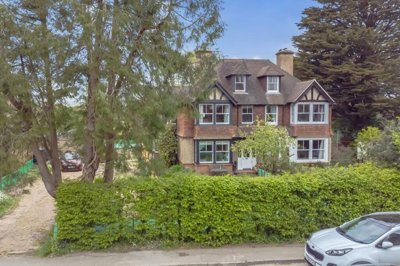
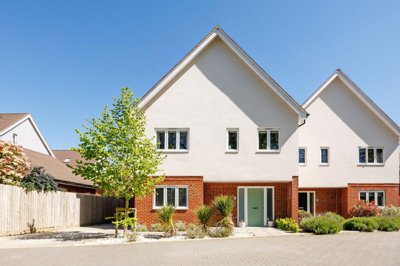
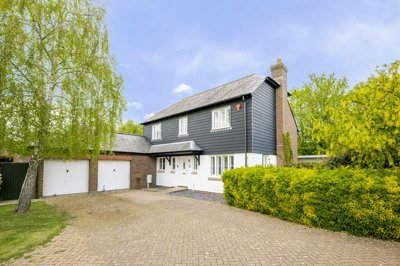
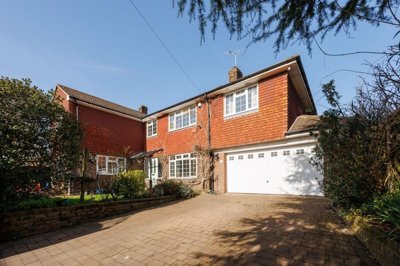
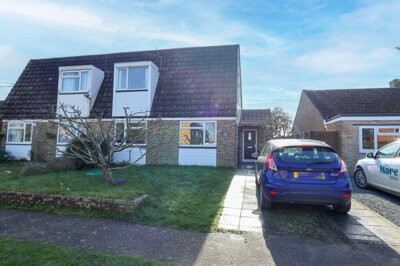
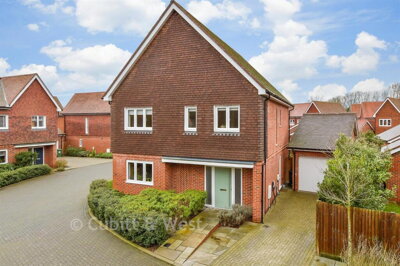
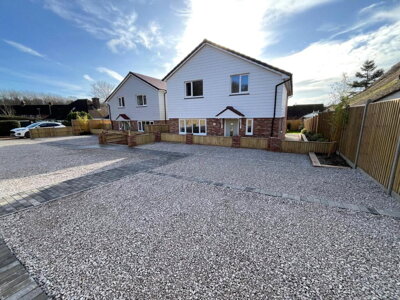
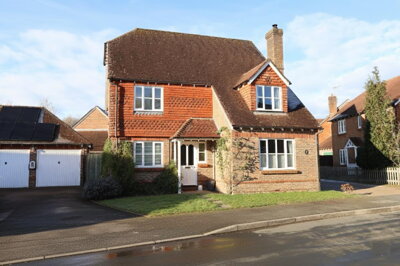
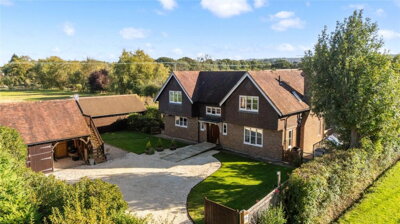
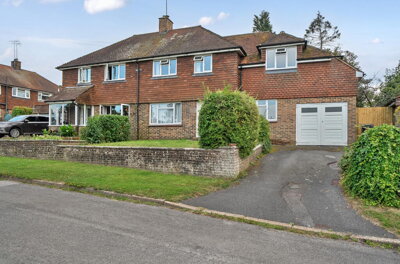
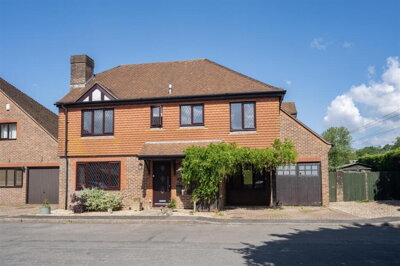
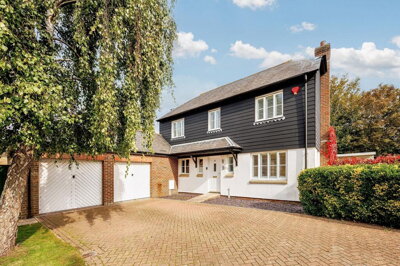
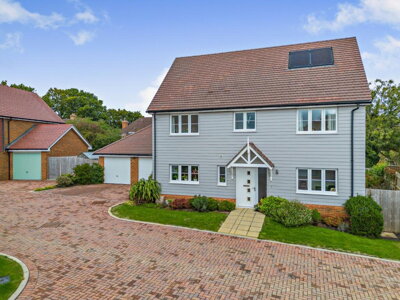
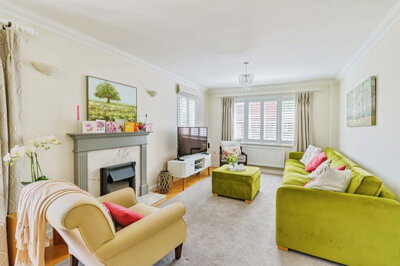
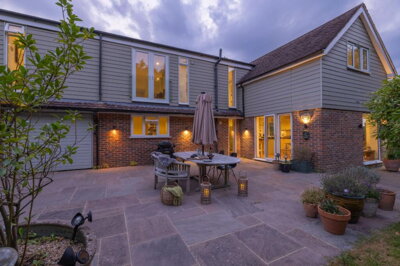
Browse 18 homes for sale in East Chiltington from local estate agents.
The larger property sector typically features multiple bathrooms, substantial reception space, and private gardens or off-street parking. Four bedroom houses in East Chiltington span detached, semi-detached, and occasionally terraced configurations, with styles ranging from period properties to modern executive homes.
In East Chiltington, values reflect the village’s premium rural setting. Detached properties are commanding around £750,000, while semi-detached homes average £525,000. In our current listings, we see everything from period farmhouses full of character to more recent family houses sitting in generous plots. Over the past twelve months, the market has shifted by a modest -1.5%, which is fairly typical in a smaller rural village where transaction numbers stay low and quality stays high.
Homes in East Chiltington often show the traditional Sussex build you would expect, with flint and brick walls, timber framing, and clay tile or slate roofs. A good number date from the pre-1919 era, and the village includes several Grade II listed buildings, among them East Chiltington House and St Mary's Church. For buyers drawn to character and a protected village setting, that is a real part of the appeal. It does, however, mean older homes can bring the sort of maintenance demands that come with historic construction.
Set on the edge of the South Downs National Park, East Chiltington appeals to buyers who want proper countryside living without losing touch with urban centres. There are no active new-build developments within the village itself, so homes coming to market are almost entirely existing properties with established character. That restricted supply, alongside steady demand for rural Sussex homes, helps keep values supported even when the wider market adjusts.

Life here moves at a gentler pace. East Chiltington has the feel of a classic East Sussex village, with a strong community and a landscape shaped by farmland and the South Downs. The village is also a Conservation Area, so its special architectural and historic character is protected by tighter planning controls that help keep the rural streetscape intact. From the village centre, residents can head straight out onto footpaths and bridleways for some excellent walking.
The economy around East Chiltington is still closely tied to agriculture, with several working farms in the surrounding area helping to preserve the village’s traditional character. At the same time, plenty of residents commute to Lewes, Burgess Hill, and Brighton for work, making the most of a location that balances rural tranquillity with access to larger towns. That mix, historic Sussex village life within commuting range of major employment centres, is one of the main reasons demand stays firm in the local housing market.
Community events and the rhythm of the seasons still shape village life in East Chiltington, which says a lot about its agricultural roots. Across the village, many historic buildings were put up using solid brick walls, lime mortar, and local flint, and together they create a streetscape that has changed very little over generations. Buyers looking to get away from urban development and suburban spread are often drawn to exactly that continuity. The trade-off is that property changes can face close scrutiny under Conservation Area rules.

For families thinking about a move, East Chiltington has a sensible range of education options within easy reach. Across the wider Lewes district, several primary schools serve rural communities, and parents often travel to nearby villages or into Lewes town for early years and primary provision. In the surrounding area, there are Outstanding and Good rated primary schools, giving families some strong choices if they are happy to cover a short distance.
Secondary provision is generally centred on Lewes, where families can access comprehensive schooling along with specialist subjects that are less likely to be available in smaller rural settings. The Lewes area also includes grammar school provision for academically qualifying students, and the wider East Sussex area offers selective routes as well. Before committing to a property in East Chiltington, we always suggest checking catchment areas and admission policies carefully, because places in popular rural areas can be competitive.
Older children are well served too. Sixth form and further education options are available in nearby Brighton and Lewes, so students can continue their education close to home without a shortage of choice. Reaching those colleges usually means travelling by car or public transport into nearby towns, something families should weigh up when looking at village properties. Even so, many decide that life in East Chiltington more than makes up for the school run, especially set against the cost and pressure of urban schooling.

Despite its rural feel, East Chiltington sits in a useful spot between the South Downs and the main Sussex towns. The village is approximately five miles from Lewes, the county town of East Sussex, where residents can pick up mainline rail services to London Victoria in just over an hour. Brighton can be reached in approximately thirty minutes by car, giving access to a much broader range of jobs, shopping, and cultural attractions.
For drivers, the road links are one of the village’s practical strengths. The A275 runs through nearby villages and connects onwards to the A23, Brighton, and the wider motorway network. A car journey to Brighton usually takes around 25-35 minutes depending on traffic, while Burgess Hill is typically 15-20 minutes away. That makes East Chiltington a strong fit for commuters who work in those centres but want a more rural home base.
Public transport is available, but in the way many rural villages know well, services are limited and a car is close to essential for most day-to-day needs. Cycling is popular, especially for trips to nearby towns, thanks to quieter country lanes and some dedicated routes. Parking in the village is usually straightforward because traffic levels are low, a clear contrast with more built-up places. And because East Chiltington sits away from major through-routes, traffic noise stays minimal, which helps preserve the calm that defines life here.

We always advise spending time in East Chiltington at different points in the day and across the week before making a decision. That gives a clearer sense of the village’s atmosphere, noise levels, and how the community feels in practice. It also helps to visit amenities in nearby villages and look into the specific Conservation Area restrictions affecting homes here. Knowing what changes need consent from Lewes District Council can make a real difference when you are weighing up a purchase.
Before arranging viewings, it is wise to have a mortgage agreement in principle from a lender so you know your budget and can show sellers you are serious. In the Lewes area, local estate agents will usually expect buyers to have finance lined up before they offer on homes in sought-after villages such as East Chiltington. In a competitive market where more than one buyer may want the same property, having that paperwork ready can put you in a stronger position.
We can help arrange viewings for available properties in East Chiltington through our platform. Once you are there, it pays to look closely at the condition of older homes, especially the traditional construction details and any signs that maintenance may be needed. We suggest giving extra attention to roofs, rainwater goods, and any visible cracking to walls, as these are all common trouble spots in older properties built in traditional Sussex materials.
Because so many East Chiltington homes are historic and over fifty years old, we strongly recommend a RICS Level 2 Survey before you move ahead. In the Lewes district, survey fees typically range from £450 to £900 depending on the size and value of the property, and that outlay can highlight damp, timber defects, or subsidence risk linked to clay soils. If the home is listed or especially complex from a historic building point of view, a RICS Level 3 Building Survey may be the better choice.
After an offer is accepted, we recommend instructing a conveyancing solicitor who knows rural East Sussex property well. They will carry out the usual searches, deal with title documentation, and steer the transaction through any added requirements linked to Conservation Area status or listed buildings. If the property is listed, it is sensible to allow extra time, because Listed Building Consent may be needed for certain works both before and after completion.
Buying in East Chiltington calls for a close look at a few issues that are very specific to this part of rural Sussex. Clay soils in the area, especially where there are mature trees nearby, can create a shrink-swell risk over time and that can affect foundations. We would want buyers to watch for signs of subsidence or heave, including cracking to walls, uneven floors, and distorted door or window frames. Older homes are often the ones where this matters most, as foundations may be shallower than modern standards would require.
The ground beneath East Chiltington brings its own considerations. The village sits on chalk bedrock with superficial deposits above it, and those deposits can include clay-rich materials. Where moisture levels in the clay change sharply, buildings may move, particularly if tree roots have altered ground conditions. A survey from one of our RICS Level 2 Surveyors can assess that risk properly and set out any remedial work that may be needed.
Surface water flooding can be a local issue in some parts of East Chiltington, especially on lower ground or beside agricultural land where drainage is restricted. The village is not on a major river and it has no coastal flood risk, but heavy rainfall can still have an impact on individual plots, so drainage arrangements are worth reviewing carefully. We also advise checking what can and cannot be altered on homes within the Conservation Area, as restrictions on modifications and extensions may apply before you buy.
Flint, brick, and render finishes give East Chiltington much of its character, but they also need a different approach to upkeep than modern construction. Repairs to older buildings will usually call for lime mortar rather than cement, and listed properties need Listed Building Consent from Lewes District Council before works are carried out. Character homes in a historic village nearly always bring ongoing maintenance costs, so it is best to budget with that in mind. The defects we commonly see include rising damp from failed damp-proof courses, ageing roof coverings, and electrical systems that no longer meet current safety standards.

The average house price in East Chiltington is currently £659,000, based on transactions over the past twelve months. Detached properties average £750,000 and semi-detached homes sit around £525,000. Over that same twelve-month period, the village recorded four property sales and a modest market adjustment of -1.5%. Those figures reflect the village’s premium position as a Conservation Village on the edge of the South Downs, where limited supply and continued demand for rural Sussex character homes help underpin values.
East Chiltington properties fall within Lewes District Council, with council tax running from bands A through H depending on size and value. Larger rural homes, especially those with period features and bigger plots, often sit in the upper bands. The village’s historic housing stock means many properties are banded more highly for exactly those reasons, although some smaller cottages will fall lower. Before settling your budget, we suggest checking the exact band for any property with Lewes District Council or through the Valuation Office Agency website.
There is no school in East Chiltington itself, so families usually look to nearby villages for primary places or travel into Lewes. Across the surrounding Lewes district, there are Outstanding and Good rated primary schools, which gives a decent spread of options for those prepared to make short journeys. For older pupils, Lewes offers both comprehensive and grammar schools, with selective routes available through the East Sussex grammar school system. Catchment areas and admission policies can change annually, so we always advise verifying the current position before relying on school eligibility.
Public transport in East Chiltington is limited, which is standard enough for a village of this size, and bus services run infrequently through the day. The nearest mainline station is Lewes, approximately five miles away, with trains to London Victoria in approximately 65 minutes as well as regular services to Brighton and along the south coast. Most residents depend on a car for commuting and everyday errands, though cycling to nearby towns remains popular thanks to the country lanes and the relatively short distances.
For buyers who want peace, countryside, and workable access to Brighton and London, East Chiltington has obvious long-term appeal. Property values are helped by the Conservation Area designation and the limited number of homes that come up for sale, while the village’s historic character continues to attract interest in period houses built in traditional Sussex materials. It is not a fast-moving market, though. Transaction levels are low, liquidity is weaker than in urban areas, and anyone buying here should be ready for longer holding periods and the upkeep that older character properties in a protected village setting can demand.
Purchases in East Chiltington are subject to Stamp Duty Land Tax in England. The standard rates are 0% on the first £250,000, 5% on £250,001 to £925,000, and 10% on £925,001 to £1.5 million. First-time buyers may be eligible for relief on properties up to £625,000, paying 0% on the first £425,000 and 5% on the balance. With average prices around £659,000, most buyers here will pay stamp duty on the part above £250,000, which comes to approximately £20,450 for a typical village property at standard residential rates.
There is no river or coastal flood risk in East Chiltington, as the village lies inland and away from major watercourses and the coast. Even so, some spots do carry medium to high surface water flood risk, particularly lower ground and homes near agricultural land where natural drainage is not always strong. In parts of the village, clay soils can also slow drainage in periods of heavy rainfall and lead to localised standing water. A RICS Level 2 Survey can pick up property-specific drainage concerns, and we suggest checking the Environment Agency surface water flood maps before committing to a purchase.
From 4.5% APR
Expert mortgage advice for your East Chiltington property purchase
From £499
Specialist conveyancing solicitors with experience of rural East Sussex properties
From £450
A thorough property survey that suits older East Chiltington homes
From £800
Detailed building survey for historic and listed properties
From £80
Energy performance certificate for your new property
There are several costs to budget for in East Chiltington beyond the purchase price itself. For England in 2024-25, Stamp Duty Land Tax is charged at 0% on properties up to £250,000, then 5% on the portion from £250,001 to £925,000. As the average East Chiltington property price is £659,000, most buyers will fall into that middle band and pay approximately £20,450 in stamp duty at standard rates.
First-time buyers get higher thresholds on purchases up to £625,000, paying 0% on the first £425,000 and 5% on the remainder. On a £659,000 property, first-time buyer relief would bring stamp duty down to approximately £11,700, which can make a noticeable difference for those who qualify. Once a property is above £625,000, that relief no longer applies, and buyers who have owned property before should expect standard rates regardless of their current residency status.
Other purchase costs matter too. In the Lewes area, solicitor conveyancing fees for a standard transaction typically range from £500 to £1,500, with extra disbursements for local authority searches, title registration fees, and mortgage arrangement fees where applicable. Survey costs should also be included, and RICS Level 2 Surveys around East Chiltington usually range from £450 to £900 depending on the property’s size and value. Listed homes or buildings with more complex historic construction may need a deeper survey, which pushes fees higher but often gives the level of detail those properties call for. We recommend getting quotes from several providers so you can compare pricing for the specific property you are buying.

Properties for Sale In London

Properties for Sale In Plymouth

Properties for Sale In Liverpool

Properties for Sale In Glasgow

Properties for Sale In Sheffield

Properties for Sale In Edinburgh

Properties for Sale In Coventry

Properties for Sale In Bradford

Properties for Sale In Manchester

Properties for Sale In Birmingham

Properties for Sale In Bristol

Properties for Sale In Oxford

Properties for Sale In Leicester

Properties for Sale In Newcastle

Properties for Sale In Leeds

Properties for Sale In Southampton

Properties for Sale In Cardiff

Properties for Sale In Nottingham

Properties for Sale In Norwich

Properties for Sale In Brighton

Properties for Sale In Derby

Properties for Sale In Portsmouth

Properties for Sale In Northampton

Properties for Sale In Milton Keynes

Properties for Sale In Bournemouth

Properties for Sale In Bolton

Properties for Sale In Swansea

Properties for Sale In Swindon

Properties for Sale In Peterborough

Properties for Sale In Wolverhampton

Enter your details to see if this property is within your budget.
Loans, cards, car finance
Estimated property budget
Borrowing + deposit
You could borrow between
Typical borrowing
Monthly repayment
Est. at 4.5%
Loan-to-value
This is an estimate only. Your actual budget may vary depending on interest rates, credit history, and personal circumstances. For an accurate affordability assessment, speak to one of our free mortgage advisors.
This calculator provides estimates for illustrative purposes only and does not constitute financial advice. Your home may be repossessed if you do not keep up repayments on your mortgage. Estimates based on 4.5% interest rate, repayment mortgage. Actual rates depend on your circumstances.
Homemove is a trading name of HM Haus Group Ltd (Company No. 13873779, registered in England & Wales). Homemove Mortgages Ltd (Company No. 15947693) is an Appointed Representative of TMG Direct Limited, trading as TMG Mortgage Network, which is authorised and regulated by the Financial Conduct Authority (FRN 786245). Homemove Mortgages Ltd is entered on the FCA Register as an Appointed Representative (FRN 1022429). You can check registrations at NewRegister or by calling 0800 111 6768.

We use cookies to show you personalised content and improve your experience of our website. Find out more in our Privacy policy and Cookie policy.