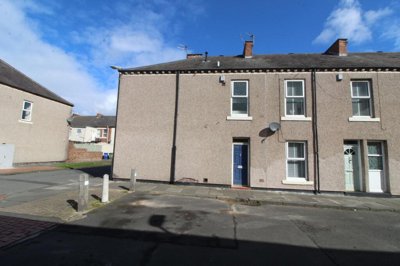
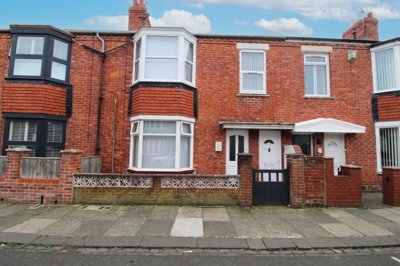
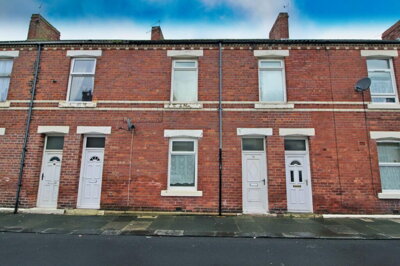
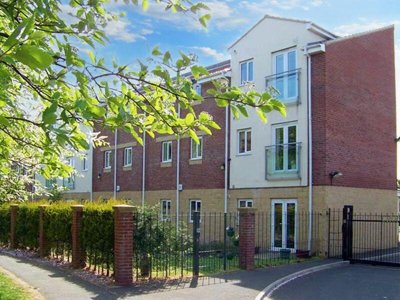
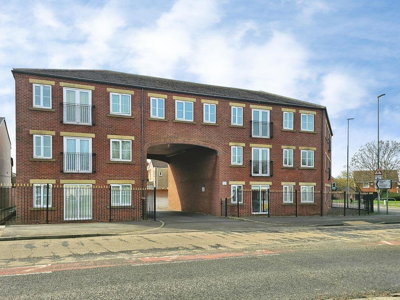
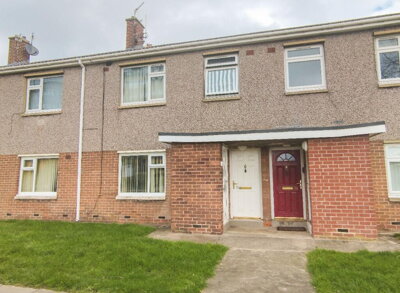
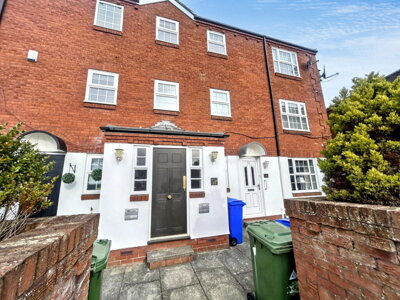
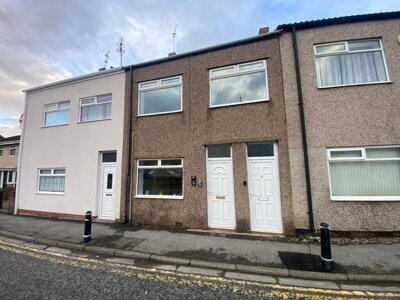
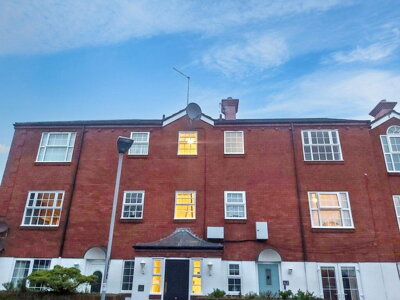
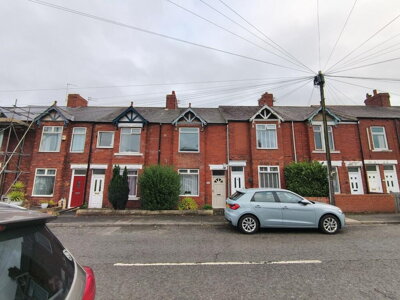
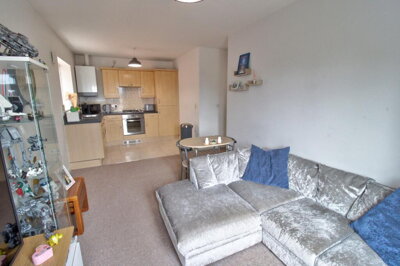
Browse 11 homes for sale in East Bedlington from local estate agents.
One bed apartments provide a separate bedroom alongside distinct living space, bathroom, and kitchen areas. Properties in East Bedlington are available in various building types including mansion blocks, contemporary developments, and house conversions.
East Bedlington gives buyers an accessible way into Northumberland, with our current listings covering all the main property types. Detached homes average £250,000, semi-detached properties sit at approximately £158,167, terraced houses are around £125,000, and flats start from £75,000. Over the past twelve months, the market has held steady, with a marginal one percent adjustment across all property categories, so buyers and sellers alike are working from realistic expectations. That calm backdrop compares well with the volatility seen in major UK cities, which is one reason East Bedlington suits buyers who want to sidestep a more frenetic market.
About 10 property sales were completed in East Bedlington over the past year, and the wider Bedlington area logged 199 sales in the same period. For a village of this size, that is a healthy level of activity. Local interest tends to come from first-home buyers, commuters heading to Newcastle, and people looking to downsize from larger regional towns. Semi-detached homes dominate the housing stock at over 52 percent, giving buyers plenty of choice in this popular family format. Terraced properties make up around 31 percent, while detached houses and flats account for the rest of a fairly mixed market.
New build activity within East Bedlington itself is limited, although the wider Northumberland area has seen schemes from Barratt Homes, Taylor Wimpey, and Miller Homes. Nearby options such as Church Fields in New Hartley and Laurel Chase in Morpeth give buyers an alternative if they want brand-new construction. Existing homes in East Bedlington tend to reflect the area’s settled character, with traditional brick construction typical of the North East, mature gardens, and established streets. Many date from the post-war period through to the 1980s, and they often feel solid, familiar, and very much part of the local fabric.

Rooted in Northumberland’s industrial past, East Bedlington still feels like a welcoming village, but there is a sense of renewed connectivity about it too. The civil parish has around 8,500 people across nearly 3,900 households, and community life is kept busy by local events, independent shops, and traditional pubs that act as social anchors. In the centre, residents have access to convenience stores, a post office, and family-friendly dining spots, while the surrounding streets show off the red brick terraces and sandstone details so common in North East England. Much of that character comes from the Victorian and Edwardian development boom, when local industries drew workers and their families into the area.
Geology gives East Bedlington much of its character, and a few practical considerations as well. The land sits on Carboniferous geology, with coal measures and sandstone deposits beneath the surface, both of which still influence the built environment. In places, glacial till has left clay-rich soils that can show moderate shrink-swell behaviour through seasonal moisture changes, so foundations and drainage deserve attention in certain spots. The River Blyth runs to the south of the parish, which means lower-lying properties near watercourses should be checked for surface water and fluvial flood risk using Environment Agency mapping tools before anyone commits to a purchase.
Its location gives East Bedlington a useful balance, village peace without feeling cut off. Residents are well placed for work in Cramlington, Blyth, and Ashington, and the nearby A189 dual carriageway links into the wider road network towards Newcastle or the Scottish border. A 2019 Housing Needs Survey found that many residents value their homes even where some modernisation is needed, which suggests older stock can offer room to add value through sympathetic renovation. With renewable energy expanding at the Northumberland Energy Park and advanced manufacturing growing across the region, the local economy looks as though it will keep moving forward.

Families looking at East Bedlington will find primary education both within the village and across the wider Bedlington area. Several local schools are within easy reach, and established institutions here have served generations of families. Parents can compare catchment areas and Ofsted ratings across the broader area to find the best fit for their children. In practical terms, primary schools in the Bedlington area usually take pupils from age 5 through to Year 6, giving children a steady grounding in core subjects before they move on to secondary education.
Secondary provision nearby includes schools with broad curricula and sixth form options for pupils staying on after 16. Bedlington Academy serves the local area as a secondary school, taking students from Year 7 through to sixth form. Admissions can change, so parents should check current school allocations with Northumberland County Council before making assumptions about catchment. Newcastle upon Tyne also opens up extra schooling choices for families prepared to commute, including grammar schools and independent schools that become more accessible as the Northumberland Line project improves rail connections.
Across Northumberland, further education options include colleges in neighbouring towns offering vocational courses and A-level routes for students heading towards university or job-specific training. The Northumbria University campus in Newcastle is also within reach for East Bedlington residents using the improved rail services. For buyers who place education high on the list, the village offers a sound base in a family-focused community, with property prices still markedly lower than in major UK cities. Many homes here were built before 1980, and some go back to the early twentieth century, sitting in catchment zones that have been stable for many years.

Transport links are due to change in a big way when Bedlington Station opens in March 2026 as part of the Northumberland Line project. That investment will bring rail services back, with direct connections to Ashington and Newcastle upon Tyne, and it should make commuting much easier for residents working in the regional capital. Once fully operational, the station will place East Bedlington within a far more efficient rail network, cutting reliance on road travel for day-to-day commuting and offering a more sustainable option for modern working patterns. Journey times to Newcastle are expected to compare well with car travel, especially at peak hours.
Road access is decent too. The A189 dual carriageway links straight to the A1 trunk road, so East Bedlington connects to Newcastle in one direction and the Scottish border region in the other. Bus services run across the Bedlington area, giving villages a link to nearby towns for anyone without a car. For drivers, Newcastle city centre is usually 30 to 45 minutes away depending on traffic, while Cramlington, home to major retail and healthcare employers including the Northumbria Specialist Emergency Care Hospital, can be reached in about 15 minutes. The Port of Blyth and nearby industrial areas are also within easy reach for logistics and manufacturing workers.
Beyond the older industries, the local economy is becoming more varied, with renewable energy expanding at the Northumberland Energy Park and advanced manufacturing growing across the region. Alongside better rail connectivity, that should strengthen East Bedlington’s appeal to commuters and professionals looking for affordable homes with practical links to major employment centres. Cyclists can make use of some dedicated routes nearby, although the hilly Northumbrian terrain means a bit of preparation is sensible for leisure rides and commuting alike. Affordable housing, better infrastructure, and new job opportunities put East Bedlington in a favourable position for anyone thinking about moving to the North East.

We always suggest spending time in East Bedlington at different points in the day, so the community atmosphere, local amenities, and noise from the A189 road along the eastern edge of the village can be judged properly. It also helps to check the age and condition of the housing stock, because many homes date from the post-war period through the 1980s and may need maintenance as they approach their fifth decade. A walk around the streets is worthwhile too, just to get a feel for neighbour activity, parking, and the general upkeep of the area.
Before starting the search, speak to a mortgage broker or lender and get an agreement in principle in place. With average prices around £156,711 in East Bedlington, most buyers will be looking at standard residential mortgages rather than larger lending products. Having that ready gives offers more weight and shows estate agents and sellers that the enquiry is serious, especially when several come in at once. Several North East-based mortgage brokers know the local market well and can talk through products that suit different financial situations.
Current listings on Homemove are a good place to start, and local estate agents active in the East Bedlington market can arrange viewings. With around 10 sales completing each year, well-priced homes do move at a reasonable pace. During viewings, note the condition of the property, especially the brick construction common in the area and any signs of damp in older homes. It is also sensible to ask how long the property has been on the market, and whether any previous sales have fallen through.
A RICS Level 2 Survey is worth commissioning before completion, particularly for properties over 50 years old, which make up a significant share of East Bedlington’s housing stock. With the area’s mining heritage and clay soils, a proper survey can pick up subsidence risks, roof condition problems, and outdated electrics that are common in North East housing stock. Fees usually sit between £400 and £900, with larger detached homes towards the higher end and terraced houses or flats lower down. Our platform connects buyers with RICS-qualified surveyors who know the local construction methods and the defects that turn up time and again.
A conveyancing specialist with Northumberland property experience can keep the legal work moving without unnecessary delays. Searches will usually include Coal Authority mining reports to check for shallow mine workings or unrecorded shafts beneath the property, along with local authority checks and flood risk assessments for homes near the River Blyth. Contracts are normally exchanged once everything is in order, often 8-12 weeks after offer acceptance, although the pace depends on the search results and how complex the chain is.
Buildings insurance needs to be arranged before the completion date, since mortgage lenders require it, and the agreed completion amount is then transferred through the solicitor. On completion day, collect the keys and, if necessary, sort out the utilities. Meter readings should be taken straight away, and the council tax and electoral registration teams should be told about the change of address. It is also sensible to arrange a post-purchase inspection, so the property condition is recorded and any urgent maintenance is identified.
Buying in East Bedlington means keeping a few area-specific issues in mind, and that does set it apart from some other parts of the UK. Northumberland’s mining legacy means a Coal Authority mining report is important, as it can reveal shallow mine workings, unrecorded shafts, or ground instability beneath a property. Not every home will be affected, but the check is considered essential because of the old coal mining activity that shaped Bedlington and the surrounding area. Properties built before the 1920s deserve especially careful scrutiny, given the timing of local mining operations.
Traditional brick is the main construction method in East Bedlington, and many homes built after 1900 use cavity wall construction, while older properties often have solid walls without the insulation benefits of modern standards. Timber suspended floors are common at ground level, and if they have been neglected over the years they can be vulnerable to rot and woodworm. Surveyors often come across damp in older North East properties too, particularly rising damp where original damp-proof courses have failed or been bridged by external ground levels built up over decades of garden work. Cracking in walls, or doors that stick, may point to ground movement caused by clay shrink-swell activity or legacy mining subsidence.
Flood risk checks should start with Environment Agency mapping, looking at both fluvial flooding from the River Blyth and surface water that can build up in heavier rain and affect lower-lying parts of the village. Homes in valleys or properties with a history of damp should be treated with extra caution and properly surveyed by a qualified professional before anyone proceeds. Buyers also need to confirm conservation area status with Northumberland County Council, since homes near St. Cuthbert's Church and Front Street may be subject to planning restrictions on alterations and extensions that need special consent. The Grade I listed St. Cuthbert's Church dates to the 11th century and remains a major heritage asset shaping the feel of the surrounding streets.

Based on recent sales data, the average property price in East Bedlington is approximately £156,711, which makes it one of the more affordable Northumberland markets for buyers looking for value in the North East. Detached homes average £250,000, semi-detached houses around £158,167, terraced properties approximately £125,000, and flats from £75,000. Over the past twelve months, the market has been remarkably steady, with minimal one percent adjustments across all categories, pointing to a resilient local market rather than the volatility seen in major cities. That steadiness makes East Bedlington a sensible choice for buyers who prefer predictable pricing.
For council tax, East Bedlington properties fall under Northumberland County Council. Bands run from A through to H, with most terraced homes and smaller semi-detached houses usually sitting in bands A to C, while larger detached homes with higher values may fall into bands D through F. Buyers should still check the exact banding with Northumberland County Council or the Valuation Office Agency website, because the band depends on property size, condition, and the original valuation. In Northumberland, Band A properties currently pay around £1,400 a year, and the higher bands rise in line with that.
Families relocating to East Bedlington will find good primary and secondary options in the village and the wider Bedlington area. Primary schools serve children from age 5 through Year 6, and several sit within easy walking distance of most residential parts of the village. Bedlington Academy provides secondary education, including sixth form provision for pupils continuing after 16. Parents should check current catchment areas and Ofsted ratings with Northumberland County Council, because admissions are reviewed annually and directly affect which schools children can attend from specific addresses. Newcastle also gives families access to extra schooling choices if they are willing to commute.
Public transport is set for a major step up when Bedlington Station opens in March 2026 as part of the Northumberland Line project, bringing rail services back between East Bedlington, Newcastle upon Tyne, and Ashington. For residents without a private vehicle, that is a significant change, opening up regional work and education opportunities. Bus services already run through the Bedlington area, linking to nearby towns including Blyth, Cramlington, and Morpeth for shopping and day-to-day services. The A189 road also gives car commuters reliable access to major employers, including the Northumbria Specialist Emergency Care Hospital in Cramlington, which is approximately 15 minutes away.
On investment potential, East Bedlington has a solid case thanks to its affordable property prices compared with regional averages and the rail improvements due in 2026. Values have held steady, with marginal one percent adjustments over the past year, so the market looks resilient rather than speculative. Growth in renewable energy and advanced manufacturing across wider Northumberland, together with better rail links, should support future value appreciation. Rental yields are generally reasonable because purchase prices are lower, and there is ongoing demand from commuters and young families looking for affordable homes in a connected location.
Stamp Duty Land Tax on residential purchases starts at 0% on the first £250,000 of property value, so most East Bedlington homes at or below that level will not attract SDLT at all. Between £250,000 and £925,000, the rate is 5%, then it rises to 10% from £925,000 to £1.5 million, and 12% above £1.5 million. First-time buyers have higher thresholds under current rules, with 0% on the first £425,000 and 5% between £425,000 and £625,000, although no relief applies above £625,000. With the average East Bedlington property price at £156,711, the vast majority of purchases will be stamp duty free for all buyer types.
Much of the East Bedlington housing stock was built before 1980, so buyers should look out for damp, including rising and penetrating damp, as well as roof issues with slate or tile coverings and timber defects such as wet rot and woodworm in floor joists and roof structures. Clay soils, together with the area’s mining history, make subsidence checks especially important during survey and conveyancing. Older properties may also have electrical systems using outdated cable types, along with plumbing that needs upgrading to meet modern standards and building regulations. Timber suspended floors, which are common in older homes, can also hide deterioration that only a professional assessment will pick up.
Yes, Bedlington has a designated Conservation Area centred on the historic village core, including St. Cuthbert's Church, which is Grade I listed and dates to the 11th century, making it one of the oldest buildings in the region. Properties in or near Front Street and the church area may face planning restrictions on changes and extensions that need special consent from Northumberland County Council. Listed buildings need specialist surveys and listed building consent for any alterations, so a standard mortgage survey is not enough for these historic homes. Anyone looking to buy in or near the conservation area should allow for the extra costs and the practical limits that come with a historically significant property.
From £400
A detailed inspection that picks up defects in property condition, especially useful for older East Bedlington homes
From £25
A vital check for the mining legacy beneath property foundations
From £499
Legal services for your property purchase
From 4.5%
Competitive rates for East Bedlington buyers
Budgeting for a purchase in East Bedlington means looking beyond the advertised sale price and making room for the other costs that come with it. Stamp Duty Land Tax is often the largest extra expense on higher-value purchases, with standard rates starting at 0% on the first £250,000 of any residential purchase. For a typical East Bedlington home priced around £156,711, most buyers will pay no stamp duty at all, which is a useful saving compared with buying in higher-priced parts of the UK where SDLT can run into thousands. That zero-rate band applies to all buyers below the £250,000 threshold, whether they are first-time purchasers or not.
First-time buyers are given improved thresholds under current government policy, so they pay nothing on the first £425,000 and only 5% between £425,000 and £625,000. That means the majority of East Bedlington properties are completely stamp duty free for first-time purchasers, because the average price of £156,711 sits well below the zero-rate threshold. Compared with London or the South East, where SDLT can add tens of thousands to a purchase, the area’s price point makes the tax burden far lighter. The money saved on stamp duty could go towards furniture, renovation works, or setting up building insurance.
There are other costs to factor in as well, including solicitor fees, which usually range from £500 to £1,500 for standard conveyancing, plus disbursements for local authority searches, drainage and water searches, and the recommended Coal Authority mining report, which costs around £25 but gives essential protection in this former mining area. A RICS Level 2 Survey normally costs between £400 and £900 depending on property size and value, with detached homes at the upper end and flats or terraced properties at the lower end. Mortgage arrangement fees vary by lender, but commonly fall between 0% and 1.5% of the loan amount, and some lenders offer fee-free mortgages to win business. Buildings insurance must be in place from the completion date, and removals costs should also be included in the moving budget, along with utility disconnection and reconnection charges.

Properties for Sale In London

Properties for Sale In Plymouth

Properties for Sale In Liverpool

Properties for Sale In Glasgow

Properties for Sale In Sheffield

Properties for Sale In Edinburgh

Properties for Sale In Coventry

Properties for Sale In Bradford

Properties for Sale In Manchester

Properties for Sale In Birmingham

Properties for Sale In Bristol

Properties for Sale In Oxford

Properties for Sale In Leicester

Properties for Sale In Newcastle

Properties for Sale In Leeds

Properties for Sale In Southampton

Properties for Sale In Cardiff

Properties for Sale In Nottingham

Properties for Sale In Norwich

Properties for Sale In Brighton

Properties for Sale In Derby

Properties for Sale In Portsmouth

Properties for Sale In Northampton

Properties for Sale In Milton Keynes

Properties for Sale In Bournemouth

Properties for Sale In Bolton

Properties for Sale In Swansea

Properties for Sale In Swindon

Properties for Sale In Peterborough

Properties for Sale In Wolverhampton

Enter your details to see if this property is within your budget.
Loans, cards, car finance
Estimated property budget
Borrowing + deposit
You could borrow between
Typical borrowing
Monthly repayment
Est. at 4.5%
Loan-to-value
This is an estimate only. Your actual budget may vary depending on interest rates, credit history, and personal circumstances. For an accurate affordability assessment, speak to one of our free mortgage advisors.
This calculator provides estimates for illustrative purposes only and does not constitute financial advice. Your home may be repossessed if you do not keep up repayments on your mortgage. Estimates based on 4.5% interest rate, repayment mortgage. Actual rates depend on your circumstances.
Homemove is a trading name of HM Haus Group Ltd (Company No. 13873779, registered in England & Wales). Homemove Mortgages Ltd (Company No. 15947693) is an Appointed Representative of TMG Direct Limited, trading as TMG Mortgage Network, which is authorised and regulated by the Financial Conduct Authority (FRN 786245). Homemove Mortgages Ltd is entered on the FCA Register as an Appointed Representative (FRN 1022429). You can check registrations at NewRegister or by calling 0800 111 6768.

We use cookies to show you personalised content and improve your experience of our website. Find out more in our Privacy policy and Cookie policy.