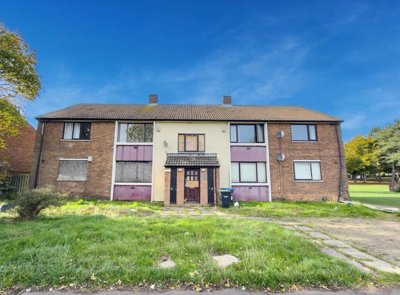
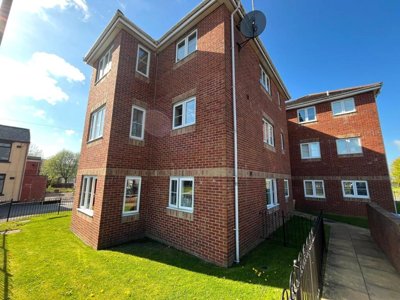
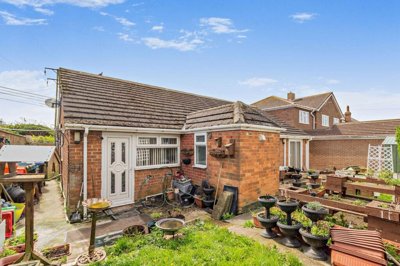
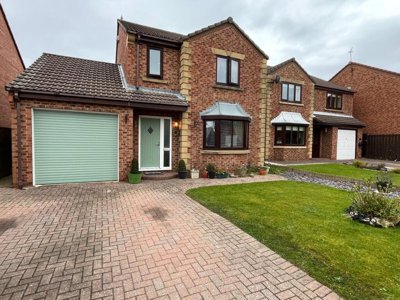
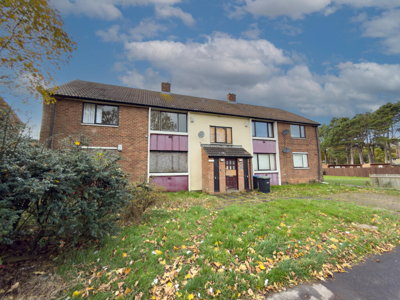
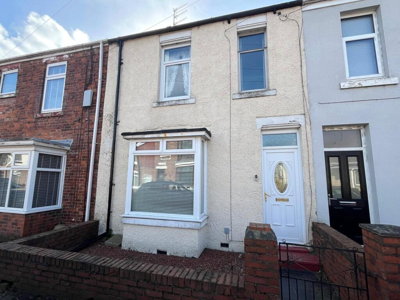
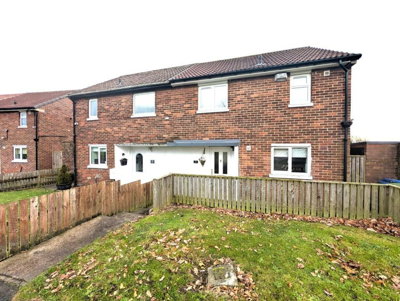
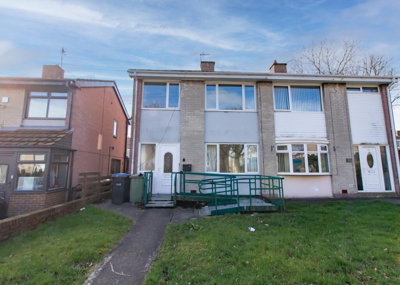
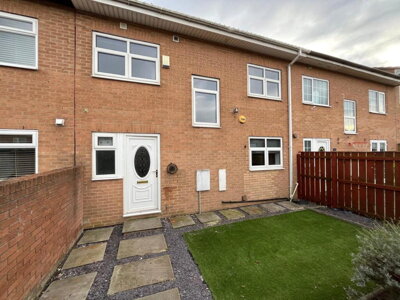
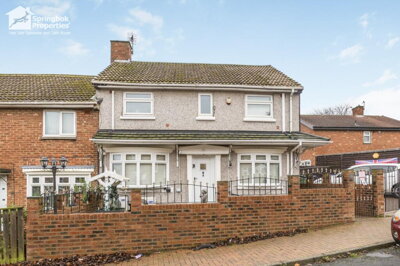
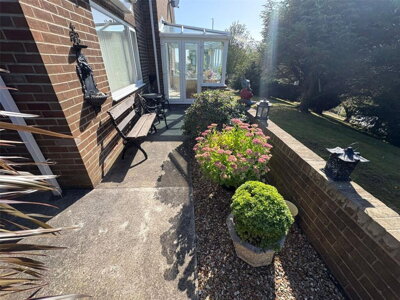
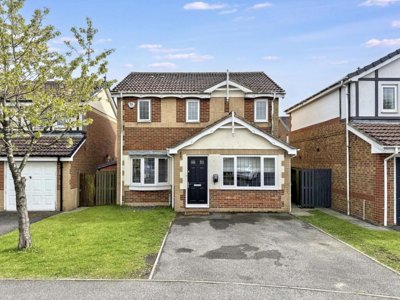
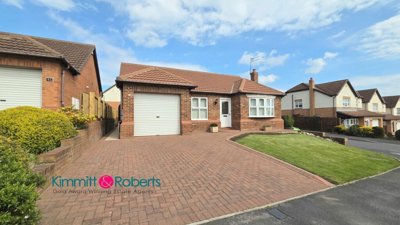
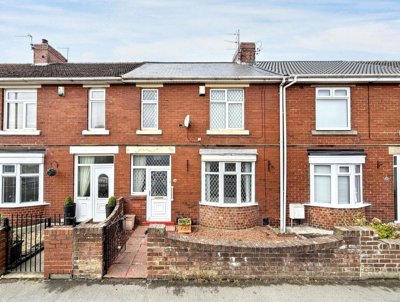
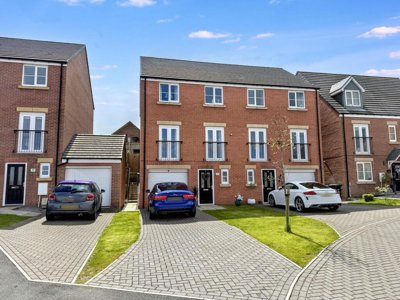
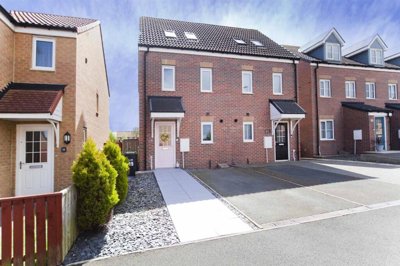
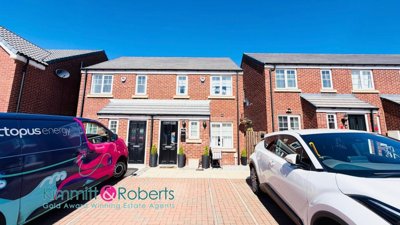
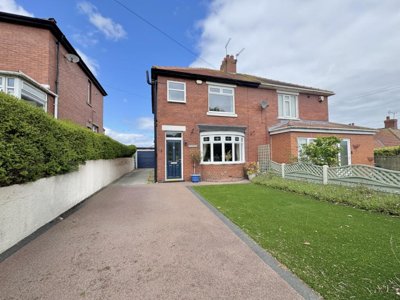
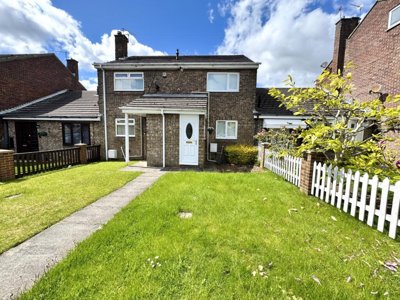
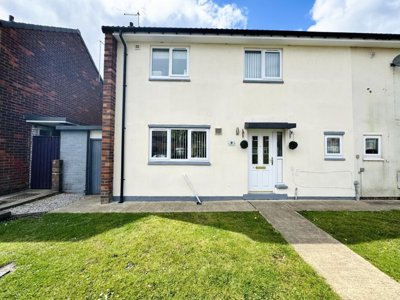
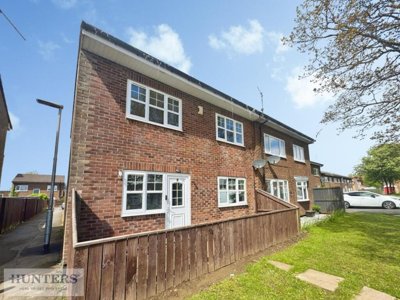
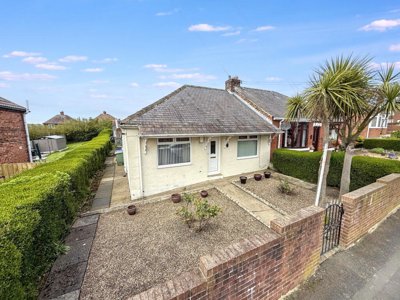
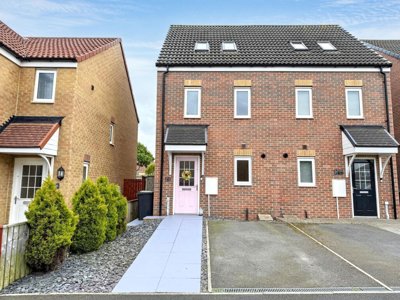
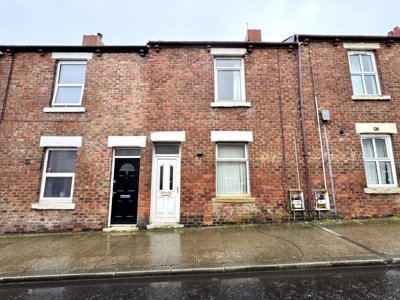
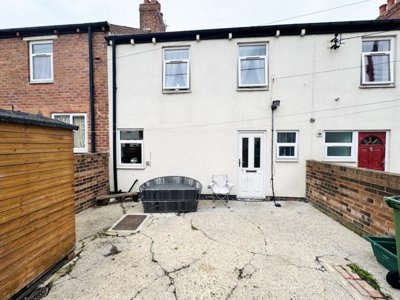
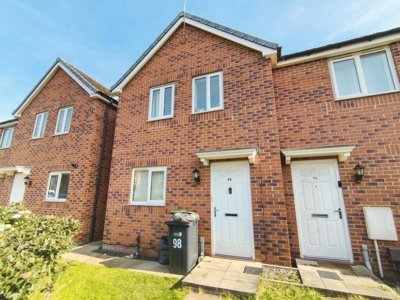
Browse 267 homes for sale in Easington Village from local estate agents.
In Easington Village, the sold-price picture still looks value-led, though buyers are not shopping without competition. homedata.co.uk records show prices are up by 8% over the last year, while still sitting 16% below the 2023 peak of £186,304. To us, that points to a market where entry costs are softer than they were at the top, but demand underneath remains solid. For plenty of movers, that is exactly the kind of balance that keeps a search here feeling achievable.
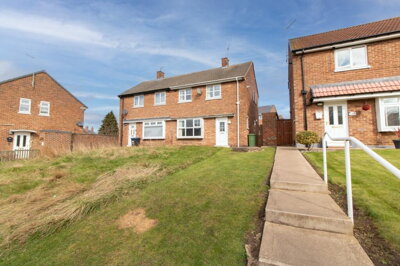
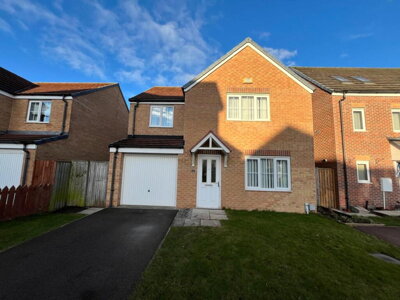
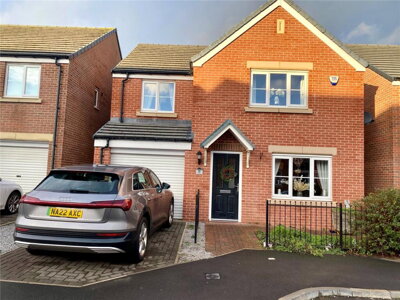
Terraced housing dominates the village stock, with semis and detached homes filling out the rest for buyers who need extra room. Sold values underline the pecking order, terraces average £94,647, semis £161,097, and detached homes £277,136. Flats were not verified in the research, so apartment prices are better treated as their own market rather than folded into the same pattern. home.co.uk also points to a fairly modest supply of live listings, not a huge surplus, and that usually means a sensibly priced house gets noticed quickly.
Across the wider Easington market, activity has eased back a touch. There were 93 residential property sales over the last 12 months, which is down by 39 transactions or 41.94% year on year. We would not read that as a sign of a weak market, but it does mean the pipeline is slimmer than in busier urban areas. Chain-free buyers and those who are already mortgage-ready often stand the best chance when the right home comes up, so it pays to keep the search moving and the paperwork ready.

Easington Village feels like an established County Durham community, not a suburb being reinvented every few years. You can see it in the housing mix, plenty of terraces, fewer semis and detached homes, very much the shape of a settled North East village. That often translates into practical layouts, manageable gardens, and streets with a bit of continuity to them. For buyers who would rather have that than a polished new-build estate, it tends to land well.
What works well here is the balance. Day-to-day errands do not have to turn into a city journey, yet Peterlee and the surrounding East Durham towns broaden the choice for shopping and leisure when needed. We find that combination appeals to families, downsizers, and households chasing more house for the money without cutting themselves off. In search terms, affordability plus decent links is often what keeps interest ticking over.
The lifestyle here is not difficult to sum up, it is practical, local, and community-minded. Buyers are often drawn by quieter streets, nearby schools, and a setting that still carries County Durham’s working heritage. We see Easington Village as a sensible option for people who would rather put their budget into the home than pay extra for a larger postcode. That helps explain why homes for sale here keep drawing both first-time buyers and seasoned movers back into the market.
For families, the school conversation usually starts close to home. Easington Church of England Primary School serves the village, and Easington Academy is typically the first secondary school buyers look into. That gives many households a fairly direct education route without a long school run. Catchment lines can shift from one address to the next, so we always suggest checking the exact boundary before committing to a purchase.
School choice is often about more than the headline name. Peterlee, Seaham, and Durham widen the picture with extra secondary and post-16 options, which can matter where a child has particular subject interests or support needs. Sixth-form and further education are usually more straightforward to reach by car or bus than on foot from the village itself. When we help buyers compare homes, journey times at pick-up hour can be just as telling as the distance on the map.
Overall, the education offer is more practical than showy, and that suits a lot of buyers. Homes near the stronger catchments, or with easier transport links to them, can attract sharper interest from families planning to stay put for several years. We usually advise building the search around the precise property line, not just the village name. Small detail, big effect once daily life starts.

One of Easington Village’s clearest selling points is its road access. The A19 is the main north-south route, linking the area towards Sunderland, Teesside, and the wider County Durham network. For many commuters, the car is simply the easiest fit, especially where work hours do not match train timetables neatly. Bus services also link the village with Peterlee and nearby settlements, which gives some flexibility if every trip does not need to be by car.
There is no station in the village centre, so rail users normally plan around nearby stops instead. Horden and Seaham are among the stations people regularly consider for coast-line services, and Durham remains a key regional hub for longer-distance travel. Parking tends to be less pressured than in city centres, though older streets can still be tight for on-street space, so it is worth checking how each property copes at busy times. We would always test the route in rush hour before an offer goes in.
For local errands, walking and cycling can be perfectly workable. Most households, though, still lean on a car for the weekly shop and longer commutes. That fits the village’s practical, semi-rural character, where convenience comes as much from road links as from public transport. Buyers travelling to Durham, Sunderland, or the Tees corridor often see it as a sensible middle ground, and once we map out the daily route, the fit becomes fairly obvious.
We suggest comparing sold prices, current homes on home.co.uk, and the street-by-street feel, so you can see exactly where the value sits.
Before viewings begin, we recommend getting a mortgage agreement in principle sorted and then setting the budget around the deposit, fees, and likely monthly payment.
Terraces in demand and tidy semis do not always hang around, so it makes sense to inspect several homes and weigh up condition, parking, and access side by side.
As soon as an offer is accepted, we would line up a conveyancer so the searches, title checks, and contract work can start straight away.
On many of the older homes here, a RICS Level 2 survey is a sensible step, particularly where the roof, damp, and visible defects need a closer look.
Once the mortgage, legal work, and survey are all lined up, the next job is agreeing a completion date that leaves enough time for removals and utilities.
In Easington Village, price only tells part of the story, especially with older terraces and semis. Condition deserves just as much attention. We would look carefully at the roof covering, chimney stacks, brickwork, pointing, and any signs of internal damp, particularly in houses that have passed through several generations of use. A solid survey can pick up issues that disappear in a quick viewing, and buyers who focus too heavily on décor can miss repair bills that alter the true value of the home.
Because County Durham has a mining past, some buyers choose to add a mining search, even where the property looks entirely ordinary from the pavement. It is a sensible extra for older titles and may help your solicitor identify any legacy risk before exchange. Flats and conversions call for a different kind of scrutiny, especially where service charges, leasehold terms, or ground rent come into play. We would always ask for the lease length, management information, and recent charge statements early in the process.
Where a home has been altered or extended, planning and title details deserve a proper check. Loft conversions, rear extensions, and garage changes should have the right paperwork in place, otherwise delays can appear later. A corner plot or older boundary line is another point to flag, and we would want the conveyancer to confirm fences, access rights, and the road’s adoption status. Those checks can save money, time, and a fair bit of stress once the house has already won you over.
Over the last 12 months, homedata.co.uk records put the average sold house price in Easington Village at £128,687. The figure shifts a lot by type, detached homes average £277,136, semis £161,097, and terraced homes £94,647. That gap is exactly why we compare like with like rather than leaning too hard on a single headline average. The wider Easington market also logged 93 sales over the last year, so demand is there, even if the pace is not especially rapid.
Council tax is set by the individual property rather than the village name alone, and the local authority here is Durham County Council. With housing stock weighted towards terraces and semis, many homes often sit in the lower to middle bands, but the specific listing is what matters. Buyers sometimes underestimate how much the band changes monthly affordability. We can check it during the purchase, and the council record should line up with the legal one.
Most buyers with children first look at Easington Church of England Primary School for primary provision and Easington Academy for secondary. Beyond that, families often compare options in Peterlee, Seaham, and elsewhere in East Durham, depending on catchment and transport. The right match can turn on age, commute, and any support a child may need, which is why postcode matters just as much as the school’s name. We would always check the latest Ofsted report and the admissions map rather than relying on older reputation.
Public transport is workable here, but for most buyers the car remains the simpler day-to-day choice. Buses link the village with Peterlee and nearby settlements, while rail commuters usually make for Horden or Seaham for coast-line services. The A19 is a strong asset, giving straightforward road access towards Sunderland, Teesside, and Durham’s wider road network. Where commuting is important, we always suggest trying the route at the time you would actually travel.
For investors, Easington Village can make sense where the aim is a lower entry price and practical rental demand. homedata.co.uk shows values rising by 8% over the last year, while still sitting 16% below the 2023 peak, which may leave scope for buyers taking a longer-term view. At the same time, sales across the broader Easington market are down by 41.94% year on year, so this is not the most liquid market in the region. We would treat it as a place for careful buying, sensible yield expectations, and strong tenant selection, not speculation.
For 2024-25, the standard stamp duty rates are 0% up to £250,000, then 5% from £250,000 to £925,000, 10% from £925,000 to £1.5 million, and 12% above that. Many Easington Village homes fall below the £250,000 mark, so a lot of buyers pay no stamp duty. First-time buyers get 0% relief up to £425,000, then 5% from £425,000 to £625,000, with no relief above £625,000. Once a price is agreed, we can work out the exact figure with the solicitor or mortgage adviser.
Yes, we would strongly recommend a survey, particularly on older terraces and semis that may have changed hands several times and been altered along the way. A RICS Level 2 survey is often the right fit for a conventional home in reasonable condition, while more unusual or complicated properties may need a fuller report. It can bring damp, roof wear, movement, drainage problems, and other defects into view before they become your responsibility. That can be invaluable when deciding whether to renegotiate or press on.
Stamp duty is easy to underestimate, which is why we like to cost it out early rather than after a property has become the favourite. Under the 2024-25 rules, the standard nil-rate band runs to £250,000, then 5% applies from £250,000 to £925,000, 10% from £925,000 to £1.5 million, and 12% above that. In Easington Village, the maths is often straightforward because a purchase below £250,000 does not attract SDLT. First-time buyers get 0% up to £425,000, with relief tapering between £425,000 and £625,000.
A couple of examples usually makes it clearer. Buy at £160,000 and the SDLT bill is £0, leaving the budget to cover the deposit, legal fees, and moving costs. Buy at £275,000 and the tax is 5% on the portion above £250,000, so the amount due is £1,250. Even where the SDLT figure is modest, we would still budget for mortgage arrangement fees, conveyancing, searches, survey costs, and any repairs that come to light before completion.

Properties for Sale In London

Properties for Sale In Plymouth

Properties for Sale In Liverpool

Properties for Sale In Glasgow

Properties for Sale In Sheffield

Properties for Sale In Edinburgh

Properties for Sale In Coventry

Properties for Sale In Bradford

Properties for Sale In Manchester

Properties for Sale In Birmingham

Properties for Sale In Bristol

Properties for Sale In Oxford

Properties for Sale In Leicester

Properties for Sale In Newcastle

Properties for Sale In Leeds

Properties for Sale In Southampton

Properties for Sale In Cardiff

Properties for Sale In Nottingham

Properties for Sale In Norwich

Properties for Sale In Brighton

Properties for Sale In Derby

Properties for Sale In Portsmouth

Properties for Sale In Northampton

Properties for Sale In Milton Keynes

Properties for Sale In Bournemouth

Properties for Sale In Bolton

Properties for Sale In Swansea

Properties for Sale In Swindon

Properties for Sale In Peterborough

Properties for Sale In Wolverhampton

Enter your details to see if this property is within your budget.
Loans, cards, car finance
Estimated property budget
Borrowing + deposit
You could borrow between
Typical borrowing
Monthly repayment
Est. at 4.5%
Loan-to-value
This is an estimate only. Your actual budget may vary depending on interest rates, credit history, and personal circumstances. For an accurate affordability assessment, speak to one of our free mortgage advisors.
This calculator provides estimates for illustrative purposes only and does not constitute financial advice. Your home may be repossessed if you do not keep up repayments on your mortgage. Estimates based on 4.5% interest rate, repayment mortgage. Actual rates depend on your circumstances.
Homemove is a trading name of HM Haus Group Ltd (Company No. 13873779, registered in England & Wales). Homemove Mortgages Ltd (Company No. 15947693) is an Appointed Representative of TMG Direct Limited, trading as TMG Mortgage Network, which is authorised and regulated by the Financial Conduct Authority (FRN 786245). Homemove Mortgages Ltd is entered on the FCA Register as an Appointed Representative (FRN 1022429). You can check registrations at NewRegister or by calling 0800 111 6768.

We use cookies to show you personalised content and improve your experience of our website. Find out more in our Privacy policy and Cookie policy.