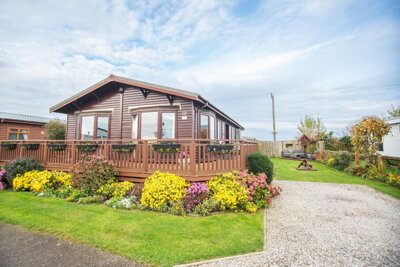
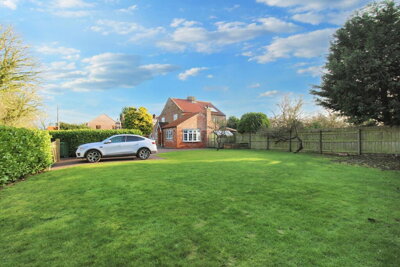
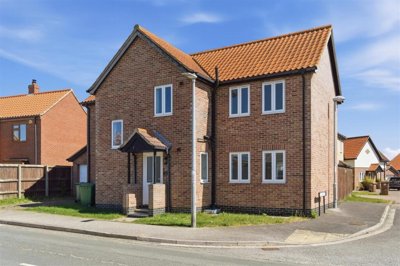
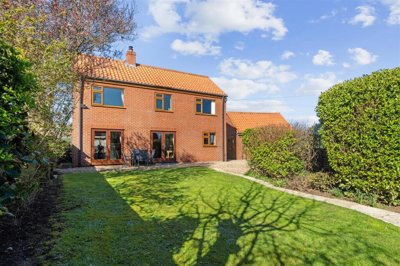
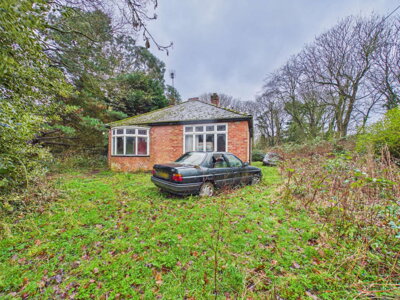
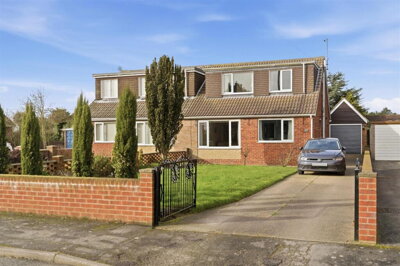
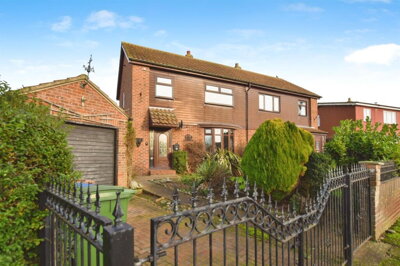
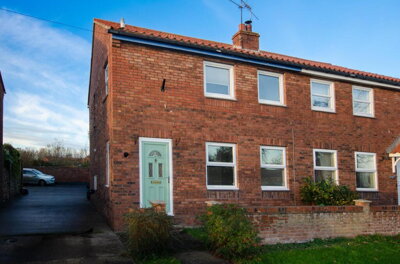
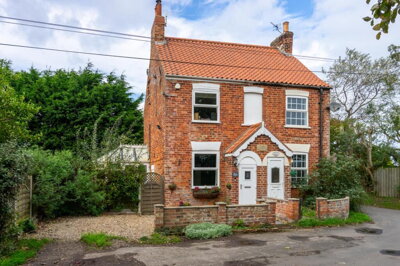
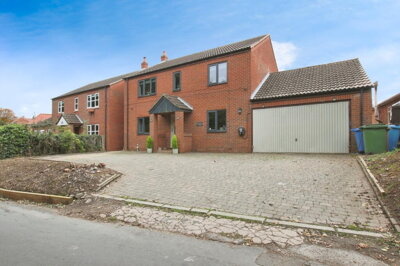
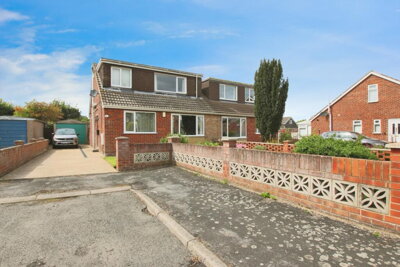
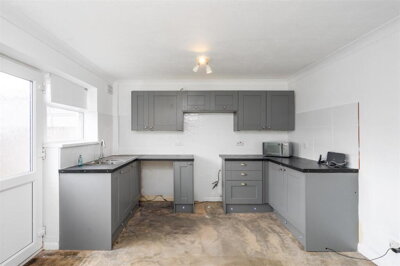
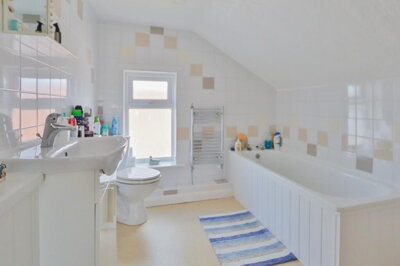
Browse 13 homes for sale in Easington from local estate agents.
Easington's market is small, local, and shaped by the village's coastal position. The recent sales mix points to semi-detached homes as the most common type, with terraced houses also making up a meaningful share of transactions. Detached properties appear less often, but the data does show individual examples, including a 3-bedroom detached house sold for £240,000 in December 2024 and a 1-bedroom detached bungalow sold for £100,000 in October 2024. That spread tells buyers to expect a real range in both size and finish rather than a single neat price point.
New-build activity inside the exact HU12 boundary looks limited from the research we reviewed, so much of the local market is made up of older village homes, conversions, and occasional freshly marketed plots. That matters because maintenance standards can vary a lot, especially in a coastal area where roofs, windows, and external walls may have faced years of weather. Buyers looking for value may find the recent fall in sold prices encouraging, but the village still needs careful appraisal because smaller markets can shift quickly when only a handful of homes sell. A survey and a close look at comparable sales are both worthwhile before you make an offer.

Easington is a small coastal village in East Riding of Yorkshire, and that village identity shapes everyday life. The housing stock appears mixed, with semi-detached homes leading recent sales, terraced homes following behind, and detached houses still present in the market. Period cottages and older homes also appear in the property record, which suggests a settlement with a long building history rather than a modern estate laid out all at once. Specific population and household figures were not found in the research, so the clearest picture comes from the homes themselves: modest in scale, rural in feel, and closely tied to the Holderness coast.
The setting is one of Easington's biggest attractions. Open views, sea air, and access to the wider East Riding countryside give the village a very different feel from inland market towns, while the coastal location also brings sensible questions about flood exposure and erosion. Our research did not confirm a detailed geology profile for the village, so buyers should rely on surveys and searches rather than assumptions about the ground beneath a property. For many movers, the appeal is the calm pace and the sense of space, both of which are hard to replicate in busier places.
Our research did not identify named schools inside the exact Easington boundary, so families should widen the search to the surrounding Holderness area and confirm catchment details with East Riding of Yorkshire Council. That is common in smaller villages, where the nearest primary or secondary school often sits in a neighbouring settlement rather than the village itself. No Ofsted ratings were verified for the village boundary in the material provided, so it is worth checking the latest inspection reports before you decide. Parents usually want to know not only the nearest school, but also how easy it is to get there every morning.
Because school data for the village itself is limited, the safest approach is to make education part of your property search from the start. If a house only works for one catchment, ask the agent to confirm the current allocation and whether places are under pressure. Sixth-form and further-education options are usually considered across the wider East Riding area, which may mean a longer commute for older pupils. Checking this early can save you from narrowing your shortlist around homes that look right but do not suit family logistics.

Transport in Easington is shaped by its rural, coastal location. Our research did not return verified rail journey times from the village boundary, which suggests most residents will lean on road travel for daily errands and commuting. That usually makes a car more important than in a town-centre location, and buyers should think about parking, turning space, and access to main routes when they view. Public transport can still be useful in East Riding villages, but timetables are worth checking carefully because frequencies are often lower than in larger settlements.
For commuters, the real issue is how reliably the village links to the places you need every week. If you travel by bus, test the return journey as well as the morning one, since a service that looks fine on paper can be awkward in practice. Cyclists may appreciate quieter roads and open landscapes, although coastal weather can make some routes less appealing in winter. Buyers who want a daily rail connection will usually want to compare Easington with nearby settlements before deciding whether the location fits their routine.
Start with the local market mix, coastal setting, and price history. Compare the type of home you want with homedata.co.uk sold prices, then check current listings on home.co.uk before you book a viewing.
Get a mortgage agreement in principle before you visit homes. It shows sellers you are serious and helps you move quickly if the right semi-detached or detached home comes up.
Look at roof lines, windows, damp patches, access, parking, and how exposed the street feels to wind or salt air. In a coastal village, the same house can feel very different in calm weather and after a storm.
A RICS Level 2 survey is a sensible choice for most standard homes, especially older village properties. Ask the surveyor to pay close attention to moisture, external walls, loft condition, and any signs of movement.
Tell your conveyancer about flood concerns, boundaries, rights of way, and any planning or alteration history. Early questions are especially useful if the property is a conversion, period cottage, or barn-style home.
Once searches, mortgage, and survey are all in place, agree dates and prepare for completion. Keep a little spare budget for removals, insurance, and the first round of repairs or decorating.
Coastal location is the first thing to check. Even when a home looks sound, salt air and wind can affect render, gutters, roof coverings, and timber details more quickly than buyers expect. Flood risk deserves a proper look too, because the village sits on the Holderness coast and no one should rely on a glance at the street on a dry day. Ask the agent and your solicitor what the property history says about flooding, insurance, and any local mitigation work.
Older homes in Easington may be built in traditional brick or other local materials, and that is part of the village charm. It is also why a survey matters: roofs, chimney stacks, damp proofing, insulation, and window replacement can all vary sharply between homes of the same age. Our research picked up period cottages, converted barn-style homes, and other older stock, so buyers should assume that maintenance standards will differ from property to property. If a house has been extended, check that the alterations were properly signed off and that any warranties or certificates are still available.
Conservation areas and listed-building concentrations were not verified in the research, so you should not assume extra planning controls without checking the exact address. Leasehold flats do not appear to dominate the market, but if you do find one, review service charges, ground rent, and building insurance before making an offer. Freehold houses still need due diligence on boundaries, drainage, and access, especially where rural plots meet open land. The safest buyer is the one who treats every village home as unique, not as part of a generic market.
homedata.co.uk records show average sold prices of about £117,567 to £121,350 over the last 12 months, with a working average near £118,000. Semi-detached homes averaged £130,000 and terraced homes £92,700. That gives you a useful guide to value, although asking prices can differ depending on condition, plot size, and how close a home sits to the coast. For the most accurate view, compare the property type and street rather than the village average on its own.
We did not find a full band breakdown for every property in the research, so the band depends on the individual home and its valuation history with East Riding of Yorkshire Council. A terraced cottage, a family semi, and a detached house will often sit in different bands. Ask the agent for the current band before you offer, then add the annual charge to your budget. If the property has been extended, it is sensible to check whether the band has ever been reviewed.
Named schools inside the exact village boundary were not verified in the research, so buyers should check nearby Holderness schools and the latest Ofsted reports. Catchment area can matter just as much as performance in a small village, because the nearest school may be outside the settlement itself. East Riding admissions can confirm which schools are practical for the address you are considering. That check is best done before you narrow your shortlist.
Easington is not a commuter hub, so public transport is likely to be more limited than in larger East Riding towns. Our research did not return specific rail times from the village boundary, which suggests road travel will matter most for everyday trips. If you rely on buses, check both outward and return journeys and make sure the timetable works for school runs or shift work. Buyers who want a daily rail connection may want to compare nearby settlements before they commit.
Easington can appeal to buyers who value a quieter coastal village and who understand the local market rather than chasing fast turnover. The recent 31% year-on-year fall in sold prices and the 33% drop from the 2022 peak suggest softer pricing, which may create an entry point for patient buyers. Even so, a smaller coastal market can be less liquid than a town centre, so resale times may be longer. It is usually better suited to long-term ownership than quick flipping.
Under the 2024-25 rules, standard residential purchases pay 0% up to £250,000, then 5% on the slice from £250,000 to £925,000. First-time buyers pay 0% up to £425,000 and 5% from £425,000 to £625,000, with no first-time buyer relief above £625,000. On Easington's average sold price of about £118,000, many buyers may owe no stamp duty at all. Your solicitor should still calculate the exact bill for your circumstances, including any extra charges that may apply.
Coastal location means flood risk deserves proper attention, even if a street looks calm on the day you visit. Our research did not find a property-by-property flood map for the village, so the right move is to ask for searches, insurance history, and survey comments on water exposure. Properties closer to open land or exposed roads may need more scrutiny than sheltered plots. A good survey and local search pack can save you from expensive surprises later.
Buying costs are often modest in Easington because many homes sit below the main SDLT threshold. Under current rules, standard residential purchases pay 0% up to £250,000, then 5% on the slice from £250,000 to £925,000, 10% from £925,000 to £1.5 million, and 12% above that. First-time buyers pay 0% up to £425,000 and 5% from £425,000 to £625,000, with no relief above £625,000. On a home close to the village average of about £118,000, many buyers will not owe stamp duty at all.
That does not mean the purchase is cheap overall. You still need to budget for your deposit, legal fees, survey costs, mortgage arrangement charges if they apply, insurance, and removals. A RICS Level 2 survey is sensible for older village homes, especially where the roof, walls, or damp proofing may have been exposed to years of coastal weather. If you are buying a property with land, outbuildings, or an extension, your solicitor should also check the title carefully so there are no surprises after completion.
Because prices in Easington have softened from the 2022 peak, some buyers will find the gap between asking price and total purchase cost easier to manage than in higher-priced parts of Yorkshire. Even so, it is smart to work from a full monthly budget rather than the headline price alone. Include council tax, utilities, maintenance, and any extra travel cost that comes with a rural coastal address. If you want to move forward quickly, have your mortgage agreement in principle ready before you start making offers.
Properties for Sale In London

Properties for Sale In Plymouth

Properties for Sale In Liverpool

Properties for Sale In Glasgow

Properties for Sale In Sheffield

Properties for Sale In Edinburgh

Properties for Sale In Coventry

Properties for Sale In Bradford

Properties for Sale In Manchester

Properties for Sale In Birmingham

Properties for Sale In Bristol

Properties for Sale In Oxford

Properties for Sale In Leicester

Properties for Sale In Newcastle

Properties for Sale In Leeds

Properties for Sale In Southampton

Properties for Sale In Cardiff

Properties for Sale In Nottingham

Properties for Sale In Norwich

Properties for Sale In Brighton

Properties for Sale In Derby

Properties for Sale In Portsmouth

Properties for Sale In Northampton

Properties for Sale In Milton Keynes

Properties for Sale In Bournemouth

Properties for Sale In Bolton

Properties for Sale In Swansea

Properties for Sale In Swindon

Properties for Sale In Peterborough

Properties for Sale In Wolverhampton

Enter your details to see if this property is within your budget.
Loans, cards, car finance
Estimated property budget
Borrowing + deposit
You could borrow between
Typical borrowing
Monthly repayment
Est. at 4.5%
Loan-to-value
This is an estimate only. Your actual budget may vary depending on interest rates, credit history, and personal circumstances. For an accurate affordability assessment, speak to one of our free mortgage advisors.
This calculator provides estimates for illustrative purposes only and does not constitute financial advice. Your home may be repossessed if you do not keep up repayments on your mortgage. Estimates based on 4.5% interest rate, repayment mortgage. Actual rates depend on your circumstances.
Homemove is a trading name of HM Haus Group Ltd (Company No. 13873779, registered in England & Wales). Homemove Mortgages Ltd (Company No. 15947693) is an Appointed Representative of TMG Direct Limited, trading as TMG Mortgage Network, which is authorised and regulated by the Financial Conduct Authority (FRN 786245). Homemove Mortgages Ltd is entered on the FCA Register as an Appointed Representative (FRN 1022429). You can check registrations at NewRegister or by calling 0800 111 6768.

We use cookies to show you personalised content and improve your experience of our website. Find out more in our Privacy policy and Cookie policy.