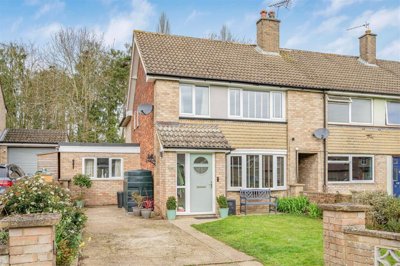
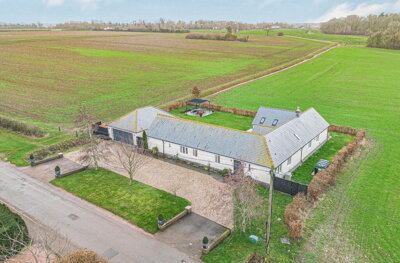
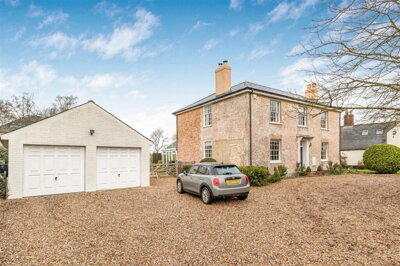
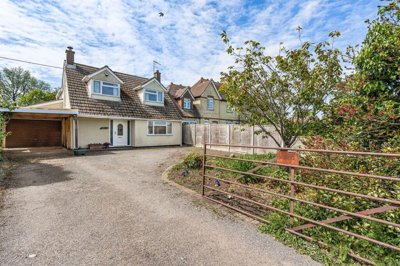
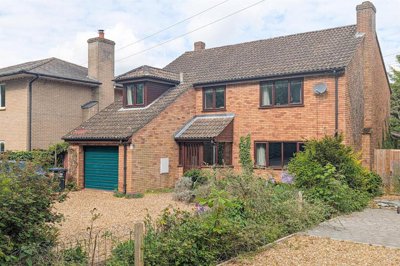
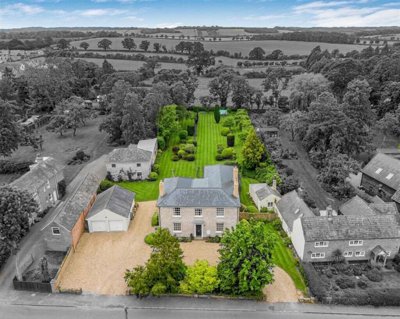
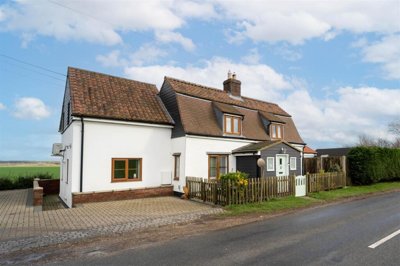
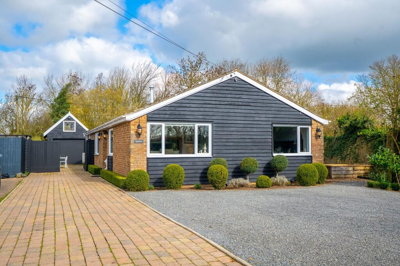
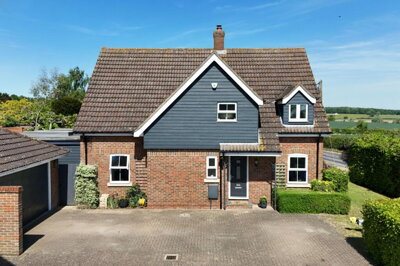
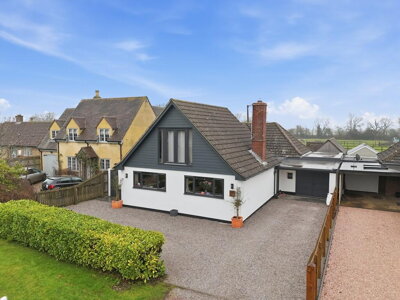
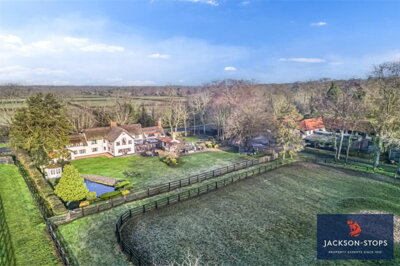
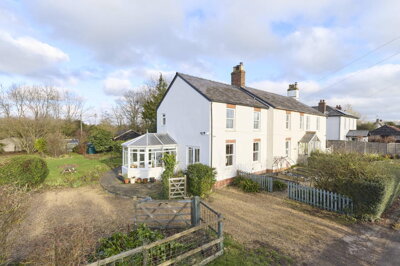
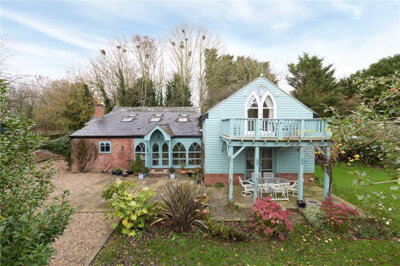
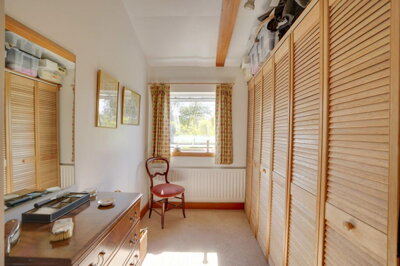
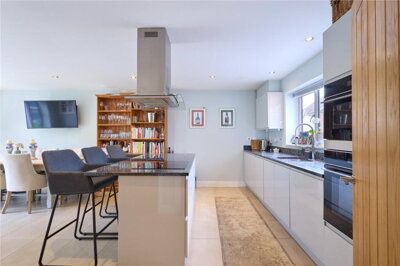
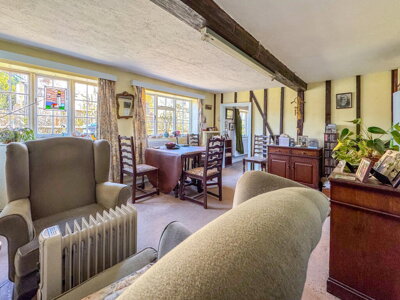
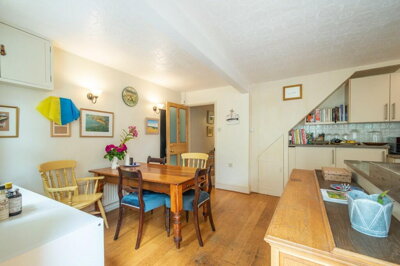
Browse 17 homes for sale in Dullingham, East Cambridgeshire from local estate agents.
The larger property sector typically features multiple bathrooms, substantial reception space, and private gardens or off-street parking. Four bedroom houses in Dullingham span detached, semi-detached, and occasionally terraced configurations, with styles ranging from period properties to modern executive homes.
£788k
2
1
89
Source: home.co.uk
Showing 2 results for 4 Bedroom Houses for sale in Dullingham, East Cambridgeshire. 1 new listing added this week. The median asking price is £787,500.
Source: home.co.uk
Detached
2 listings
Avg £787,500
Source: home.co.uk
Source: home.co.uk
Over the past twelve months, the Dullingham property market has stayed notably resilient, with transaction volumes holding at approximately 10 sales and prices rising by 10% year-on-year. That momentum speaks to the wider pull of rural Cambridgeshire, where buyers are chasing more space, better value, and a better quality of life than they often find in urban centres. Detached homes dominate the village, making up 52.8% of the housing stock, so it is a natural fit for families after generous layouts and outdoor space. We continue to see steady demand from buyers moving out from Cambridge and nearby towns, attracted by the village setting and prices that still compare favourably with city values.
Dullingham has a broad spread of property types and ages, which gives the market a bit more character than many villages nearby. The housing stock is made up of 52.8% detached homes, 23.2% semi-detached properties, 16% terraced houses, and 8% flats. In age terms, 25% of homes were built before 1919, often with original fireplaces, exposed beams, and thick walls still in place. Another 30% date from the post-war years to 1980, typically solid family houses with updated interiors, while the remaining 30% are post-1980 homes that suit buyers who want more contemporary layouts and newer building standards. We know this stock well and can help match the right property to the right budget.
Current listing activity points to a decent spread of homes coming to market across different price brackets, although the best period houses still attract demand well beyond available supply. An average price of £549,999 places Dullingham firmly in the premium village bracket within East Cambridgeshire, but it still stacks up as better value than comparable villages closer to Cambridge. Well-kept homes with gardens, parking, and original character rarely sit quietly for long. We keep track of new listings and recent sales so our clients can make decisions with the latest picture in front of them.
£549,999
Average Price
£750,000
Detached Homes
£420,000
Semi-Detached
£360,000
Terraced
10%
Annual Growth
10
Sales (12 months)
Life here is shaped by community, countryside, and a slower rhythm than most buyers are used to in town. Dullingham has 760 residents across 300 households, and it still feels like a proper Cambridgeshire village where the parish church, village hall, and local events matter. St Mary's Church remains one of the village landmarks, and the surrounding countryside gives residents plenty of scope for walking, cycling, and simply getting out into East Cambridgeshire. There is also a strong equestrian presence locally, helped by Dullingham's close connection to Newmarket, the headquarters of British horse racing.
Dullingham's economy reflects its rural setting. Agriculture and equestrian work remain important, but many residents also commute into nearby centres for work. That mix appeals to people who want the peace and space of village life without losing access to jobs in Cambridge, Newmarket, or Bury St Edmunds. Cambridge is a practical option for those in technology, research, and academia, Newmarket supports the racing industry, and Bury St Edmunds adds further retail and service sector employment. In the village itself, day-to-day essentials include a primary school and local shop, with larger facilities only a short drive away in neighbouring towns.
The flat East Cambridgeshire landscape makes everyday outdoor life easy. Footpaths run across the surrounding countryside, linking Dullingham with nearby villages and opening up pleasant routes through farmland. Riders are well served too, with access to bridleways and the Newmarket gallops a real draw for the equestrian crowd. Through the year, village events, summer fetes, and church gatherings help keep the social side of the place active. New arrivals often say the same thing, that in a village of this size it does not take long to recognise faces and settle in.
Knowing how local homes were built makes a real difference in Dullingham, particularly when you are weighing up likely survey findings. A good number of older houses here use traditional brick construction in gault clay bricks, a material commonly produced in Cambridgeshire's local kilns. Those yellow-grey bricks give many period homes their familiar look and, looked after properly, they wear very well. Across East Cambridgeshire, our surveyors inspect this type of construction regularly, so we know how gault brick tends to behave as weathering and moisture exposure build up over time.
Among the 25% of homes built before 1919, the usual construction in Dullingham is solid brick walls, lime mortar pointing, timber floors, and roofs finished in slate or clay tile. That is a very different setup from modern cavity wall construction, and the upkeep needs are different too. Solid walls do not have the damp-proof course found in newer homes, so changes in ground levels or ventilation can leave them more vulnerable to rising damp. We also look closely at original details such as sash windows, servant bells, and cast iron fireplaces. They add plenty of character, but they can also need work.
Homes built between 1945 and 1980 account for 30% of Dullingham's housing stock, and many follow familiar post-war construction patterns, with cavity walls, brick outer leaves, and block inner leaves. Materials from that era can include bitumen damp-proof courses and artex finishes, both once standard and now more dated in the eyes of buyers. Our team identifies these elements and checks their condition, then advises where remedial work may be sensible. We pay particular attention to roof coverings from this period as well, especially concrete tiles, because they do not last indefinitely.
Dullingham has a genuine mix, from gault brick cottages to post-war family houses, and that alone is reason enough to book a professional survey before you buy. Different construction periods bring different defect patterns. Our surveyors see the recurring issues across East Cambridgeshire every week, so we know what tends to come with each age and type of home.
For younger children, education in Dullingham centres on the village primary school. It gives families a local option for early learning in a small and supportive setting, and that scale often allows stronger links between teachers, pupils, and parents. Village schools also tend to do more than teach, they become part of the social life of the area through events and after-school activities. Families with pre-school children will also find a choice of nursery and pre-school provision in the surrounding area.
Secondary education usually means travelling to nearby towns, where residents have access to several well-regarded schools within a reasonable drive. Across East Cambridgeshire there is a mix of state schools, faith schools, and independent options, so families can look for what suits both academic needs and personal development. Catchment areas and admissions policies matter here and can change the practical choices available from Dullingham, so we always suggest checking them early. Daily realities matter too, including school transport and parking at pick-up and drop-off times.
Families looking ahead to secondary school have a fair number of routes to consider. Nearby market towns offer both grammar schools and comprehensive schools with strong academic records. Newmarket has several secondary schools serving the wider area, and Cambridge adds further choice, including some nationally recognised institutions. That proximity to Cambridge can be especially useful at secondary and further education stages. Sixth form options are available in surrounding towns, and Cambridge colleges place higher education within commuting distance for older students.
Transport is one of the reasons Dullingham works so well for buyers who want country living without feeling cut off. The village sits close to the B1061, giving practical road links to Cambridge to the northwest and Newmarket to the northeast. The A14 trunk road is also within a reasonable drive, connecting on to Cambridge, Huntingdon, and the wider motorway network. For those working in Cambridge's technology and research sectors, that balance between rural setting and workable commute is a big part of the appeal.
Public transport is available, though it is naturally lighter than in more urban locations. Bus services connect Dullingham with nearby towns, but frequencies can be limited. The village also has a working railway station, which gives residents direct services to Cambridge and onward destinations if they prefer rail travel. From Cambridge station, there are direct services to London, Birmingham, and other major destinations, while Newmarket station connects with Cambridge and Ipswich. In practice, many households here run 2 cars, with at least 1 used for the daily commute.
Newmarket's closeness broadens the employment picture beyond standard office commuting. Roles in the racing world, including horse grooms, trainers, stud farm workers, and racing administration staff, are all well represented in the local economy. For equestrian professionals, being this near to some of the finest racing facilities in the world is a serious advantage, especially without the cost base of city living. On shorter trips, many residents opt for bikes instead, and the flat East Cambridgeshire terrain makes cycling realistic for a wide range of ages and fitness levels.
It pays to see Dullingham properly before committing. We recommend visiting at different times of day and on different days of the week, using local amenities, and speaking with residents where you can. It also helps to test the journey to your workplace and check school catchment areas if you have children.
Before you start viewing in earnest, speak to a mortgage broker and pin down your borrowing capacity with an agreement in principle. Sellers take buyers more seriously when finance is already lined up, and it can put you in a stronger position when offers are being compared. We can also introduce mortgage partners who offer competitive rates and can talk you through the application process.
Once the groundwork is done, we can arrange viewings for suitable Dullingham properties and help you narrow the field quickly. If one feels right, the next step is putting forward a competitive offer that reflects current market conditions. Some negotiation is often part of the process, especially where a property has been listed for a while and there is room to discuss both price and terms.
Because approximately 70% of properties in Dullingham were built before 1980, a proper survey is not something we would treat as optional. A Level 2 HomeBuyer Report usually costs between £450 and £800 locally and can pick up structural concerns, damp issues, and other defects that might change your view of the purchase. It is money well spent.
Once your offer is accepted, you will need a conveyancing solicitor to deal with the legal side of the purchase. They handle the local searches, check the contract, and oversee the transfer of ownership. For a standard transaction, conveyancing fees usually start at around £499, so it is sensible to allow for that early.
After the searches are back and your finances are fully in place, you move to exchange contracts and pay the deposit. Completion usually follows within a few weeks. That is the point when the keys are released and ownership of your Dullingham home passes across.
There are a few local points in Dullingham that buyers should look at carefully before they commit. The village includes a designated Conservation Area and a number of listed buildings, so some homes are affected by planning restrictions covering alterations, extensions, and even external decorations. If a period property comes with plans for change, it is wise to speak with the East Cambridgeshire District Council planning department before going ahead. Listed building consent may be needed for works that would otherwise fall under permitted development, which can add both time and cost to a renovation project.
Flooding is another point worth checking in detail. In Dullingham, the risk from rivers and the sea is very low, but some parts of the village have a medium to high surface water flooding risk, especially near the village centre and along the B1061 approach roads. During our inspections, we look at surface water drainage patterns and note any historic flooding raised by owners or visible in the property itself. In the affected spots, buildings insurance premiums can be higher, and any signs of previous water damage should be flagged clearly by our surveyor.
Ground conditions matter here as well. Dullingham and the wider East Cambridgeshire area sit on chalk bedrock, with clay deposits over the top in places. Clay soils can shrink and swell, and that movement can lead to subsidence where older properties have shallow foundations. The usual risk period is during drought and then wet weather, when the clay contracts and expands enough to disturb the building above. We are especially careful with homes built before modern building regulations brought in deeper foundation requirements.
Roughly 70% of Dullingham homes were built before 1980, so a large part of the housing stock still relies on traditional construction rather than modern methods. Solid brick walls, timber floors, and single-glazed windows are all common in older houses and each can bring ongoing maintenance demands. Our surveyors examine these elements closely, because defects are often easy to miss during a routine viewing. For this type of purchase, a RICS Level 2 or Level 3 survey gives the depth of detail most buyers need before moving forward.
Working out the full purchase budget matters just as much as finding the right house. With an average property price of £549,999 in Dullingham, most buyers will need to factor in stamp duty land tax alongside the deposit and mortgage borrowing. On a typical home at that level, a standard buyer would usually expect a stamp duty bill of around £15,000. First-time buyers may benefit from relief, cutting that figure to approximately £6,250. Those numbers assume the property will be your main residence and that you are not buying an additional property, which would mean the higher rates apply.
There are a few other costs that can catch first-time buyers out. A RICS Level 2 HomeBuyer Report generally falls between £450 and £800, depending on the size and value of the property, while a Level 3 Building Survey on a larger or listed house can cost more. Conveyancing fees often begin at around £499 for a straightforward transaction, but leasehold homes or legal complications can push that higher. Your solicitor's searches, including drainage and water, environmental checks, and local authority enquiries, will usually add several hundred pounds more.
Do not stop the budget at the purchase price and tax. Mortgage arrangement fees can be nothing or as much as around £2,000, depending on the lender and the product you choose. Buildings insurance needs to be ready from completion day, and there are also moving costs, furniture, and any repairs or renovation work that cannot wait. In Dullingham's Conservation Area, or with listed buildings, it is sensible to keep extra funds back for specialist contractors or works requiring listed building consent. We usually suggest speaking to a mortgage broker near the start of the search so the real budget is clear before the right village home appears.

Recent sales data puts the average property price in Dullingham at £549,999. Detached homes sit at the top of the market at around £750,000, semi-detached properties average £420,000, and terraced houses come in at approximately £360,000. Over the last twelve months, prices have risen by 10%, which reflects the strength of demand for village homes across East Cambridgeshire. Activity has held up too, with approximately 10 sales completed in the past year despite the wider national economic uncertainty seen elsewhere.
Council tax in Dullingham is charged by East Cambridgeshire District Council, and the band depends on the property's value and type. Most homes in the village sit within bands B to E. Those bands are based on property values as of April 1991, so it is worth checking the exact rating before you buy. We always advise confirming it through the East Cambridgeshire Council website or the Valuation Office Agency, as it will feed directly into your annual running costs.
For schooling, Dullingham has its own village primary school serving the immediate area and teaching children up to around age 11. After that, most families look to nearby towns such as Newmarket, Cambridge, or Bury St Edmunds for secondary places. The wider area includes grammar schools as well as comprehensive schools with strong academic records, so there is a decent range to consider. Parents should still dig into school performance data, Ofsted ratings, and catchment boundaries before making decisions.
Getting around from Dullingham is fairly straightforward, though public transport is more limited than in larger places. Local bus services link the village with nearby towns, while road access to Cambridge, Newmarket, and the A14 trunk road is one of the practical advantages of the location. For longer journeys, Cambridge station provides trains to London and other major cities, and Newmarket station gives connections to Cambridge and Ipswich. Plenty of residents still depend on private cars for daily travel, although the village station on the Cambridge to Newmarket line is useful.
Dullingham has several qualities that tend to support long-term investment appeal. Its rural setting is attractive, it remains close to Cambridge and other employment centres, and values have grown by 10% over the past year. The presence of a Conservation Area and listed buildings also helps preserve the village character that buyers are paying for. Demand from commuters looking for village life keeps interest steady in both owner-occupied homes and rental property.
For standard purchases, stamp duty land tax is charged at 0% on the first £250,000, 5% on the portion from £250,001 to £925,000, and 10% on the amount up to £1.5 million. First-time buyers get relief on the first £425,000, with 5% payable between £425,001 and £625,000. Using Dullingham's average property price of £549,999, that leaves a first-time buyer paying approximately £6,250 in stamp duty on a typical home.
Because approximately 70% of Dullingham properties were built before 1980, there are some recurring issues buyers should look out for. Damp can affect walls and floors, timber defects such as rot and woodworm can show up in structural elements, roofs may have slipped tiles or failed flashing, and older electrical wiring may fall short of current standards. On clay soils, signs of subsidence or foundation movement also need careful attention. With so much traditional construction in the village, and a number of listed buildings, we strongly recommend a RICS Level 2 or Level 3 survey before buying any period property here.
From 3.5% APR
Competitive mortgage rates available for Dullingham buyers
From £499
Local conveyancing solicitors with experience of East Cambridgeshire
From £450
Essential for older Dullingham properties
From £80
Energy performance certificate for your new home
Properties for Sale In London

Properties for Sale In Plymouth

Properties for Sale In Liverpool

Properties for Sale In Glasgow

Properties for Sale In Sheffield

Properties for Sale In Edinburgh

Properties for Sale In Coventry

Properties for Sale In Bradford

Properties for Sale In Manchester

Properties for Sale In Birmingham

Properties for Sale In Bristol

Properties for Sale In Oxford

Properties for Sale In Leicester

Properties for Sale In Newcastle

Properties for Sale In Leeds

Properties for Sale In Southampton

Properties for Sale In Cardiff

Properties for Sale In Nottingham

Properties for Sale In Norwich

Properties for Sale In Brighton

Properties for Sale In Derby

Properties for Sale In Portsmouth

Properties for Sale In Northampton

Properties for Sale In Milton Keynes

Properties for Sale In Bournemouth

Properties for Sale In Bolton

Properties for Sale In Swansea

Properties for Sale In Swindon

Properties for Sale In Peterborough

Properties for Sale In Wolverhampton

Enter your details to see if this property is within your budget.
Loans, cards, car finance
Estimated property budget
Borrowing + deposit
You could borrow between
Typical borrowing
Monthly repayment
Est. at 4.5%
Loan-to-value
This is an estimate only. Your actual budget may vary depending on interest rates, credit history, and personal circumstances. For an accurate affordability assessment, speak to one of our free mortgage advisors.
This calculator provides estimates for illustrative purposes only and does not constitute financial advice. Your home may be repossessed if you do not keep up repayments on your mortgage. Estimates based on 4.5% interest rate, repayment mortgage. Actual rates depend on your circumstances.
Homemove is a trading name of HM Haus Group Ltd (Company No. 13873779, registered in England & Wales). Homemove Mortgages Ltd (Company No. 15947693) is an Appointed Representative of TMG Direct Limited, trading as TMG Mortgage Network, which is authorised and regulated by the Financial Conduct Authority (FRN 786245). Homemove Mortgages Ltd is entered on the FCA Register as an Appointed Representative (FRN 1022429). You can check registrations at NewRegister or by calling 0800 111 6768.

We use cookies to show you personalised content and improve your experience of our website. Find out more in our Privacy policy and Cookie policy.