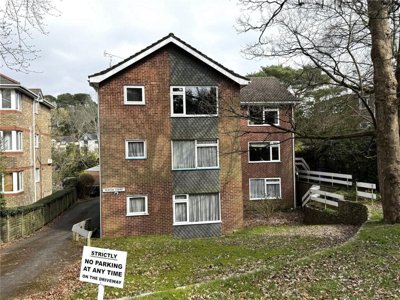
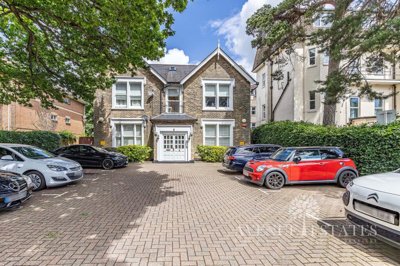
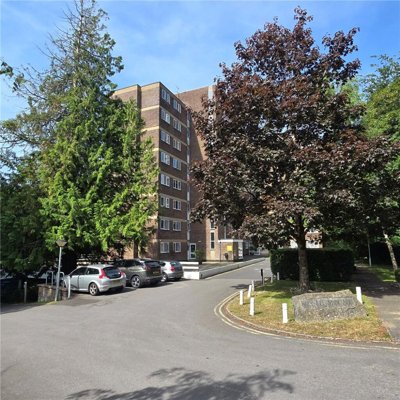
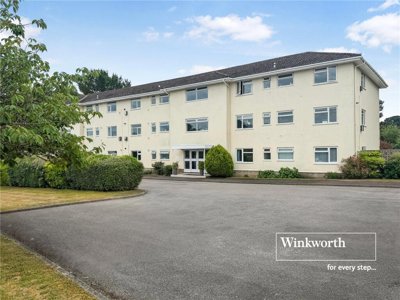
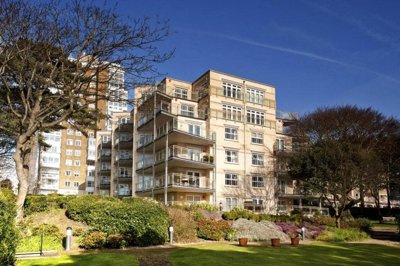
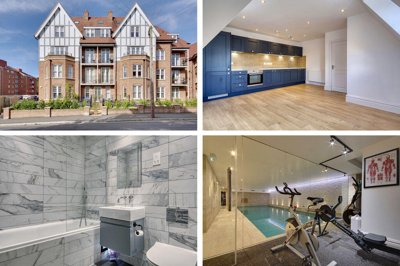
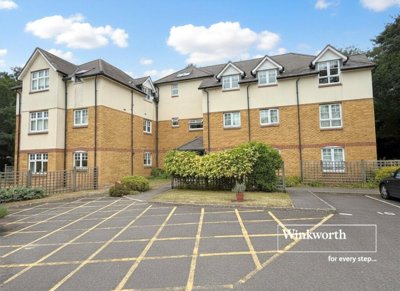
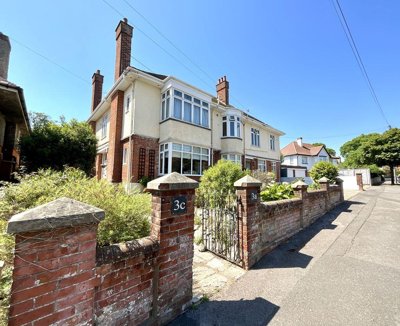
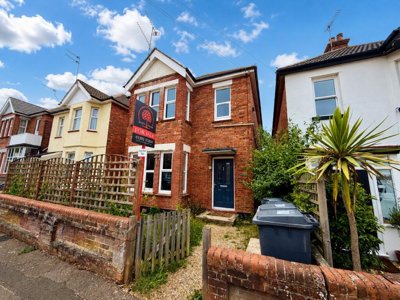
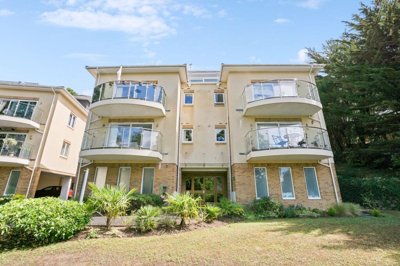
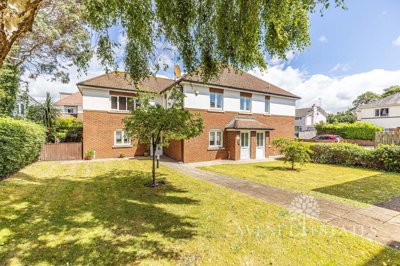
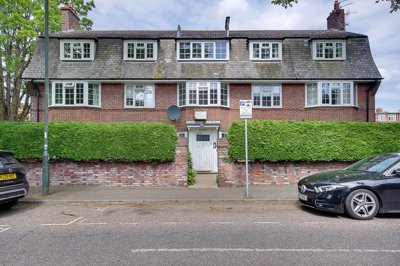
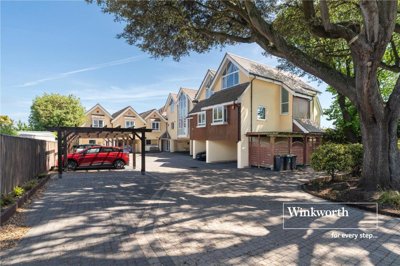
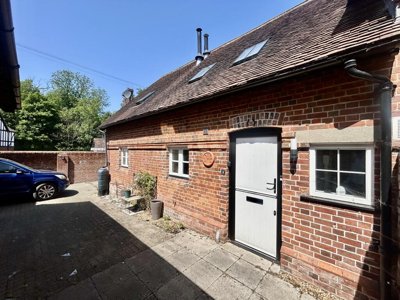
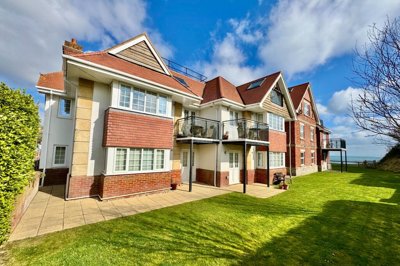
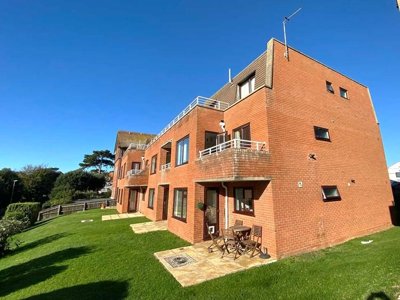
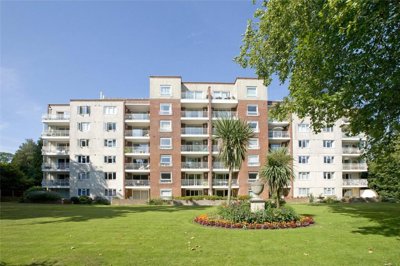
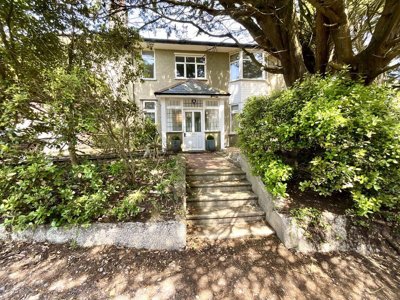
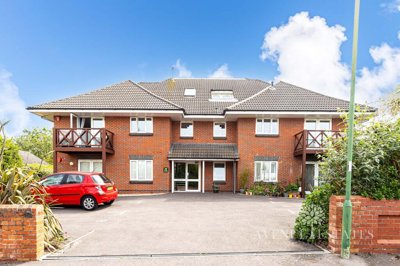
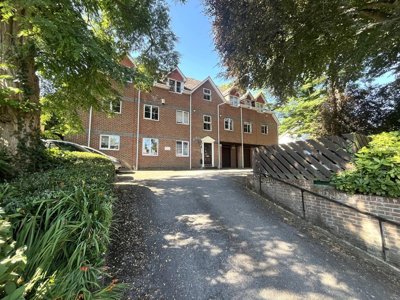
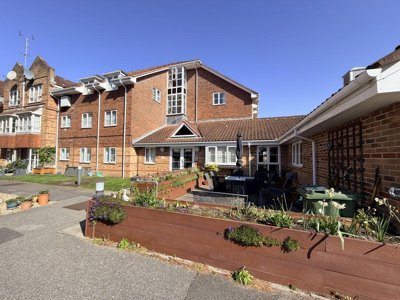
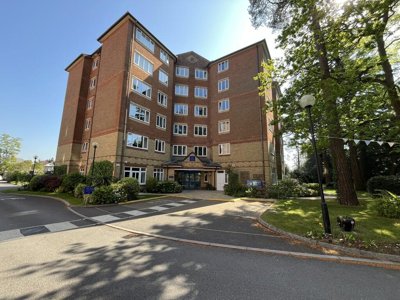
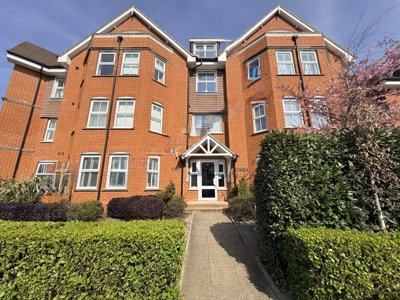
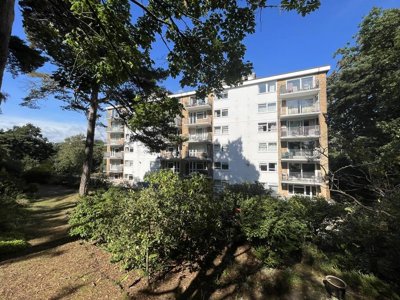
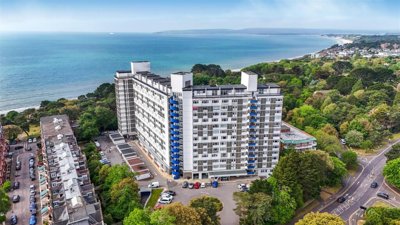
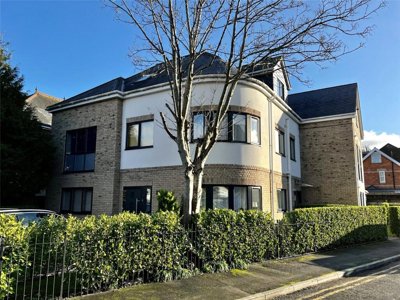
Browse 2,605 homes for sale in Dorset, England from local estate agents.
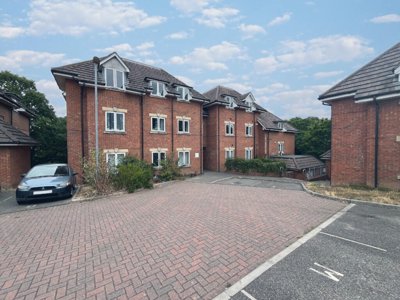
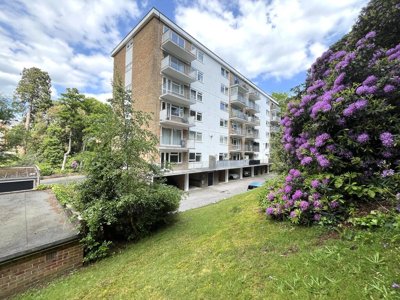
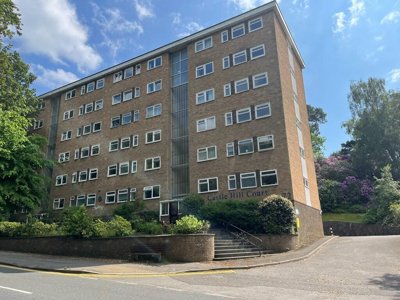
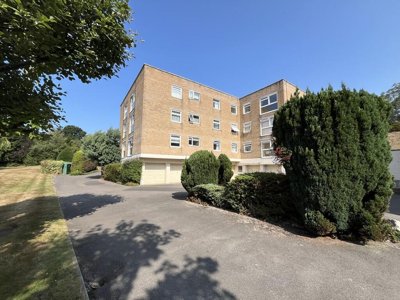
The 2 bed flat sector typically includes two separate bedrooms, dedicated living areas, and bathroom facilities. Properties in Dorset span purpose-built blocks, converted period houses, and modern apartment complexes on various floors.
£220k
754
42
133
Source: home.co.uk
Showing 754 results for 2 Bedroom Flats for sale in Dorset, England. 42 new listings added this week. The median asking price is £220,000.
Source: home.co.uk
Flat
754 listings
Avg £238,568
Source: home.co.uk
Source: home.co.uk
Across Dorset, the housing market offers clear differences by property type. Detached homes average £770,928, which reflects the steady pull of space and privacy for families. Semi-detached houses sit at around £385,595, giving buyers a useful middle ground, while terraced homes typically sell for approximately £316,585 and remain a practical route into the market for first-time buyers and growing households.
Flats in Dorset average £227,356, although that figure shifts quite a lot between coastal hotspots and inland villages. Over the past twelve months, the county recorded 13,946 property sales, but transaction volumes were down by 13.3% year-on-year, in step with wider buyer caution. New build homes made up just 1.8% of sales, and most sold in the £300,000 to £500,000 band, with the DT11 9 postcode sector recording the most new build activity.
The county’s stock mix is 38% detached homes, 24% flats, 20% terraced houses, and 18% semi-detached properties. That split mirrors Dorset’s blend of coastal apartment living, suburban estates, and rural housing. According to homedata.co.uk data, semi-detached homes posted the strongest annual price growth at 2.3%, while flats slipped 2.4% over the same period. Buyers still seem drawn to family-sized homes in the best areas, and that is showing through in the numbers.
Newly built homes are still limited in Dorset, though the market is active enough for buyers who want one. The 187 new build sales recorded between January and December 2025 accounted for only a small slice of overall transactions, so most purchasers will end up looking at existing stock. For period properties, it helps to remember that many Dorset homes built before 1919 use traditional methods, solid brick or stone walls, lime mortar pointing, and original timber framed windows. They need a different sort of care from modern cavity wall construction.

Dorset has a pull that is hard to ignore, thanks to its landscape and its character. Around 772,000 people live here, spread across a county that runs from the chalk cliffs of the Jurassic Coast to the heathlands inland. In summer, the population rises sharply as visitors head to Durdle Door, Lulworth Cove, and the beaches around Bournemouth and Weymouth. That seasonal pattern shapes everyday life, and it keeps the hospitality sector busy all year.
The local economy is broad, with advanced engineering and manufacturing around Poole and Bournemouth, farming across the rural interior, and a significant military presence at Bovington Camp, home of the Royal Tank Regiment, and Blandford Camp. Healthcare and education are also major employers across the county. Retirement migration adds its own pressure, with strong demand for bungalows, ground-floor homes, and properties with easy-to-manage gardens. That mix is reflected in the stock, 38% detached properties, 24% flats, 20% terraced houses, and 18% semi-detached homes.
Historic places such as Dorchester, Sherborne, Wimborne Minster, and Shaftesbury have conservation areas that protect their character, and the local palette of Purbeck stone, Portland stone, and flint makes each town feel distinct. Dorset’s geology is part of that story. Chalk formations can be seen in the dramatic cliffs at Beachy Head and elsewhere along the coast, while inland villages often use the golden limestone that gives so many settlements their familiar look. We always find that understanding those materials matters, especially with older buildings that need specialist upkeep.
People are drawn here for the quality of life as much as for the scenery. The South West Coast Path, large Areas of Outstanding Natural Beauty, the Tank Museum at Bovington, Sculpture by the Lakes near Dorchester, and a string of farmers markets all add to the county’s appeal. Dorset’s pubs and restaurants also reflect its farming roots and coastal position, with fresh seafood, locally reared meat, and award-winning cider and beer easy to find across the area.

Families have a solid range of schools to look at in Dorset. At secondary level, The Gryphon School in Blandford Forum is a comprehensive academy with strong results, plus a dedicated arts centre and sports complex. Gillingham School serves the north of the county and the surrounding villages, with decent transport links helping local pupils get there. Poole High School and St Aldhelm's Academy cover the Poole and south coast areas, each with a broad curriculum and plenty going on outside lessons.
Budmouth Academy in Weymouth has earned a good reputation for achievement and community involvement, and it draws pupils from across south Dorset. The Purbeck School serves the popular Purbeck peninsula, where family demand keeps pressure on places. There are also selective options, including Poole Grammar School and Carter Community School. In the Wimborne area, Queen Elizabeth's School offers strong secondary provision, while Corfe Hills School serves eastern Dorset communities.
Primary schools are another strength, with many villages keeping their own local school open for the community. In towns such as Shaftesbury, Sherborne, and Verwood, schools often achieve good Ofsted ratings, though parents should always check the latest position because it can change. Dorset has a healthy spread of Ofsted-rated good and outstanding primary schools, but catchment boundaries matter just as much. We always tell buyers to confirm which schools serve a property before they commit, because catchment can shift both value and demand.
For further education, Dorset residents have options including Bournemouth and Poole College and Weymouth College, while the nearby Universities of Bournemouth and Southampton attract students aiming for degree-level study. Bournemouth University is well known for media, computing, and tourism studies, and Southampton is roughly 30 minutes by train, which keeps the University of Southampton within easy reach for Dorset residents. For families moving into the county, that educational range is a real draw, from early years right through to higher education.

Transport links have come on a long way in recent years, and Dorset is far more accessible than it once was. The mainline railway serves Bournemouth, Poole, Dorchester, and Weymouth, with South Western Railway running regular services to London Waterloo. Bournemouth reaches the capital in about two hours, while Dorchester is around two and a half hours away. That makes weekly commuting possible, and it comes with a quality of life the capital can’t match at the same property price point.
Road travel is built around the A35, which cuts east-west through the county and links Southampton to Exeter via Bournemouth, Poole, Dorchester, and Bridport. The A31 gives north-south access to the New Forest and joins the M27 towards Portsmouth and Southampton, rounding out the main route network. Recent upgrades have eased congestion at busy times, although summer traffic to coastal destinations still brings delays on weekends and holidays.
Local buses, run by morebus and other operators, connect many towns and villages, but car ownership still matters in a lot of rural areas. Places such as the Marshwood Vale, the Dorset Downs, and villages in north Dorset often depend heavily on private transport because public options are limited. Cyclists have the Dorset coast path and inland routes like the Castleman Trailway, while ferry services from Poole open up the Channel Islands for short breaks and longer trips. Parking can be tight, especially in coastal hotspots during summer, with Swanage, Lyme Regis, and Durdle Door under particular pressure.
People commuting into Bournemouth or Poole often settle in Ferndown, Wimborne, or Broadstone, where prices are generally lower but the journey is still manageable. The average commute in Dorset is shorter than in many major cities, and a lot of residents can reach work in under 30 minutes. Better digital connectivity across the county has also made flexible working easier, so some households now travel less often while keeping jobs in bigger urban centres.

Before booking viewings, get a mortgage agreement in principle from a lender. It shows estate agents and sellers that you are serious, and it gives you a realistic sense of budget. With median prices in Dorset sitting around £347,640, it makes sense to have the finance lined up first. Speaking to at least two lenders, or a mortgage broker, is sensible because deals vary by property type and price band. For homes approaching £500,000, deposits are usually larger if you want competitive rates, so knowing the borrowing limit early helps avoid frustration.
We always suggest spending time in different parts of Dorset before narrowing the search. Coastal living in Poole, market town character in Blandford Forum, and the rural quiet of the Dorset Downs each suit different lifestyles. Think about the daily commute, school catchments, and access to shops, GP surgeries, and other basics. The gap between Sandbanks and an inland village like Hazelbury Bryan is huge in terms of price, convenience, and day-to-day feel, so it is worth getting a proper sense of each area before you commit.
Once you have a shortlist, arrange viewings through Homemove or directly with estate agents. Try to see homes at different times of day, so you can judge traffic, noise, and the feel of the street. In busy coastal spots such as Bournemouth, Poole, and Swanage, homes can move quickly, so it pays to look at new listings promptly. We suggest viewing at least three properties in your target area before making an offer, as that gives a better read on the market and on what genuine value looks like.
Before you exchange, instruct a qualified RICS surveyor to carry out a Level 2 Survey. Dorset has a mixed stock of homes, including many historic properties built with traditional methods, so a proper survey can pick up damp, roof defects, timber decay, or the risk of subsidence from clay soils. We work with local surveyors who know the county’s construction types, from Portland stone terraces in Portland to thatched cottages in the Blackmore Vale. The survey usually costs between £400 and £1,000 depending on the property value, and it can save a great deal later.
Choose a solicitor with experience of Dorset property work to handle the legal side. They will carry out searches with Dorset Council, check title details, and manage the transfer of ownership. That local knowledge matters because the county has conservation areas, flood risk zones, and a wide mix of property types. Your solicitor should also check planning restrictions, environmental hazards, and any rights of way that could affect how you use the home. Straightforward conveyancing normally takes 8-12 weeks, though searches or a leasehold title can stretch that out.
When searches are clear and the money is in place, you exchange contracts and pay your deposit, usually 10% of the purchase price. Completion then follows within days or weeks, depending on the chain and how many parties are involved. On completion day, the keys are yours and the move to Dorset can begin. Building insurance should start from the exchange date, because that is the point at which legal responsibility for the property shifts.
Buyers in Dorset need to keep a close eye on area-specific issues that can affect a purchase. Flood risk applies to homes near the Stour, Frome, Piddle, and Brit, as well as coastal areas in Poole, Christchurch, and Weymouth. We always advise checking the Environment Agency flood risk maps and looking into any history of flooding before going further. Homes in these places may face higher insurance costs and can sometimes be harder to mortgage, so the level of exposure matters. Blandford Forum, Dorchester, Wareham, and Wimborne Minster are among the towns most affected, with river valleys that have historically flooded during long wet spells.
Dorset’s geology brings its own problems, especially where clay soils in low-lying areas can shrink and swell, leading to subsidence where mature trees are nearby. We see that often in survey reports for places like the Stour valley and around Poole, where clay heave has affected homes with shallow original foundations. A lot of Dorset properties use Portland stone, Purbeck stone, flint, and lime mortar, and those materials need a different maintenance approach from modern brickwork. If you are looking at an older house, check whether it has been modernised sympathetically without losing its character. Thatched roofs need specialist insurance and know-how too, and regular inspections and cleaning help keep cover in place.
Conservation areas are widespread across Dorset, and they come with tight planning rules around permitted development and exterior changes. If you are thinking about extending or altering a period home, check the conservation area status and any Article 4 directions first, because these can remove rights you might otherwise have. In many cases, exterior paint colours, window replacements, and garden boundaries are controlled. The county’s thousands of listed buildings bring extra obligations as well, with listed building consent needed for many changes that would not otherwise need planning permission.
Leasehold homes, especially in coastal apartment developments across Bournemouth, Poole, and Weymouth, need close checking on service charges, ground rent, and the remaining lease length. With flats averaging £227,356, it is important to know those costs before you buy. We ask for the last three years of service charge invoices and make sure the maintenance cover is clear. Cladding concerns that followed the Grenfell tragedy have affected some apartment blocks nationally, so it is sensible to ask whether any remediation has been completed or is still planned. Ground rent terms also deserve attention, because older leases can include escalating clauses that become expensive.

Dorset’s average house price stands at approximately £444,839 according to homedata.co.uk, while asking prices on home.co.uk have averaged £387,533 over the past year. Detached properties sit around £770,928, semi-detached homes average £385,595, terraced houses come in at approximately £316,585, and flats remain the cheapest option at about £227,356. The market has slipped by 2% year-on-year, so it is fairly steady compared with the 2022 peak of £409,000. Even so, location still matters a great deal, and seafront homes in Sandbanks and Canford Cliffs command sizeable premiums over similar houses just a few streets inland.
Most homes in Dorset fall under Dorset Council for council tax purposes, with bands running from A to H depending on value and type. In practice, Band A properties usually pay around £1,400 a year, while Band H properties can exceed £3,500. Exact figures change annually, so buyers should check the latest rates with Dorset Council before setting a budget. Homes with sea views or land in rural settings may sit in higher bands because of their market value, while smaller flats and terraced houses are often found in Bands A to C.
Dorset has strong schools at every stage, with The Gryphon School in Blandford Forum, Gillingham School, and Budmouth Academy in Weymouth among the better-known secondary options. Primary provision is also generally good, with many schools across the county rated good or outstanding. We always advise checking the latest Ofsted report and the current catchment boundary, because both can change and both can affect where a child can go. In Poole and the surrounding areas, the grammar school system makes primary school choice especially important, since it can shape later secondary options.
Rail services keep Dorset well connected, with Bournemouth, Poole, Dorchester, and Weymouth all offering mainline trains to London Waterloo in roughly two to two and a half hours. The A35 and A31 provide the main road links, carrying traffic towards Southampton and beyond via the M27. Bus services run across the county, although a car still helps a great deal if you need to reach rural villages and smaller communities. Bournemouth, Poole, and Dorchester all have regular mainline services, with Bournemouth giving the quickest run to the capital.
For investors, Dorset brings a few strong advantages. Tourism keeps rental demand high, and there is steady need from military personnel at Bovington and Blandford Camp, as well as professionals working in Bournemouth and Poole. Retirement migration also supports demand for bungalows and ground-floor homes. That said, the median price to earnings ratio of 9.8 suggests property is expensive relative to local incomes. Holiday lets can perform well in Swanage, Lyme Regis, and across the Purbeck peninsula, though the regulations and planning rules around holiday accommodation have tightened in recent years, so research matters.
Stamp duty from April 2025 begins at 0% on properties up to £250,000, rises to 5% on the slice between £250,001 and £925,000, then moves to 10% up to £1.5 million and 12% above that. First-time buyers get relief on the first £425,000, and pay 5% between £425,001 and £625,000. On a typical Dorset home priced at £347,640, a standard buyer would pay about £4,882, while a first-time buyer would pay nothing if the purchase qualifies for full relief. Anyone buying a second home should also factor in the extra 3% surcharge across all portions of the price.
Buying in Dorset means looking beyond the asking price. Stamp duty land tax is the biggest extra cost, and from April 2025 it is charged on a tiered basis. On a typical Dorset home at £347,640, a non-first-time buyer would pay £4,882 in stamp duty. First-time buyers purchasing up to £425,000 pay no stamp duty, which saves £4,882 on a qualifying purchase. Between £425,001 and £625,000, the rate is 5% on the amount above £425,000.
Beyond stamp duty, solicitor fees usually run from £800 to £1,500 for conveyancing, local searches, title registration, and general transaction management. Your solicitor will carry out the local authority search, which shows planning history and any outstanding notices, plus an environmental search for contamination and flood risk, and a water and drainage search. For Dorset homes, we also suggest extra drainage checks because of the varied ground conditions and the septic tank arrangements that are still common in rural areas. Survey fees for a RICS Level 2 Survey usually fall between £350 and £600 depending on value, while a full Level 3 Structural Survey can cost £600 to £1,000 or more for more complex homes.
Mortgage arrangement fees vary from lender to lender, usually at 0.5% to 1.5% of the loan amount, although fee-free deals are available and often come with slightly higher interest rates. Lenders also usually charge a mortgage valuation fee, typically £300 to £500, for a basic lending assessment. Removal costs depend on distance and the amount being moved, but they often sit between £500 and £2,500, while land registry fees are relatively small at around £150. Building insurance should begin from the date of contract exchange, and annual premiums vary sharply according to property type, value, and flood risk.
For a £347,640 property in Dorset, we would usually suggest setting aside around £11,000 to £19,000 on top of the deposit for these extra costs. That figure assumes a straightforward purchase and no major problems turning up in searches or surveys. If the survey throws up defects and you need to renegotiate with the seller, allow room for either a price cut or a repair contribution. It is also wise to keep an extra contingency of 2-3% of the purchase price for the sort of unexpected costs that often appear during Dorset purchases, especially on older homes where problems may not show during viewings.

Properties for Sale In London

Properties for Sale In Plymouth

Properties for Sale In Liverpool

Properties for Sale In Glasgow

Properties for Sale In Sheffield

Properties for Sale In Edinburgh

Properties for Sale In Coventry

Properties for Sale In Bradford

Properties for Sale In Manchester

Properties for Sale In Birmingham

Properties for Sale In Bristol

Properties for Sale In Oxford

Properties for Sale In Leicester

Properties for Sale In Newcastle

Properties for Sale In Leeds

Properties for Sale In Southampton

Properties for Sale In Cardiff

Properties for Sale In Nottingham

Properties for Sale In Norwich

Properties for Sale In Brighton

Properties for Sale In Derby

Properties for Sale In Portsmouth

Properties for Sale In Northampton

Properties for Sale In Milton Keynes

Properties for Sale In Bournemouth

Properties for Sale In Bolton

Properties for Sale In Swansea

Properties for Sale In Swindon

Properties for Sale In Peterborough

Properties for Sale In Wolverhampton

Enter your details to see if this property is within your budget.
Loans, cards, car finance
Estimated property budget
Borrowing + deposit
You could borrow between
Typical borrowing
Monthly repayment
Est. at 4.5%
Loan-to-value
This is an estimate only. Your actual budget may vary depending on interest rates, credit history, and personal circumstances. For an accurate affordability assessment, speak to one of our free mortgage advisors.
This calculator provides estimates for illustrative purposes only and does not constitute financial advice. Your home may be repossessed if you do not keep up repayments on your mortgage. Estimates based on 4.5% interest rate, repayment mortgage. Actual rates depend on your circumstances.
Homemove is a trading name of HM Haus Group Ltd (Company No. 13873779, registered in England & Wales). Homemove Mortgages Ltd (Company No. 15947693) is an Appointed Representative of TMG Direct Limited, trading as TMG Mortgage Network, which is authorised and regulated by the Financial Conduct Authority (FRN 786245). Homemove Mortgages Ltd is entered on the FCA Register as an Appointed Representative (FRN 1022429). You can check registrations at NewRegister or by calling 0800 111 6768.

We use cookies to show you personalised content and improve your experience of our website. Find out more in our Privacy policy and Cookie policy.